
2027 Easiest Online Education Degree Programs Ranking in Wisconsin

Co-Founder and Chief Data Scientist
Choosing the right education degree program can shape your future, especially when studying online in Wisconsin. This article presents the 2027 Easiest Online Education Degree Programs Ranking in Wisconsin, carefully created by the Research.com team of data scientists.
Our goal is to help you make an informed choice by highlighting programs that balance quality and accessibility. Whether you're beginning your teaching journey or advancing your skills, this ranking offers valuable insights.
Exploring these options can boost your confidence and open doors to rewarding career opportunities in education.
Key benefits of getting online education degree in Wisconsin
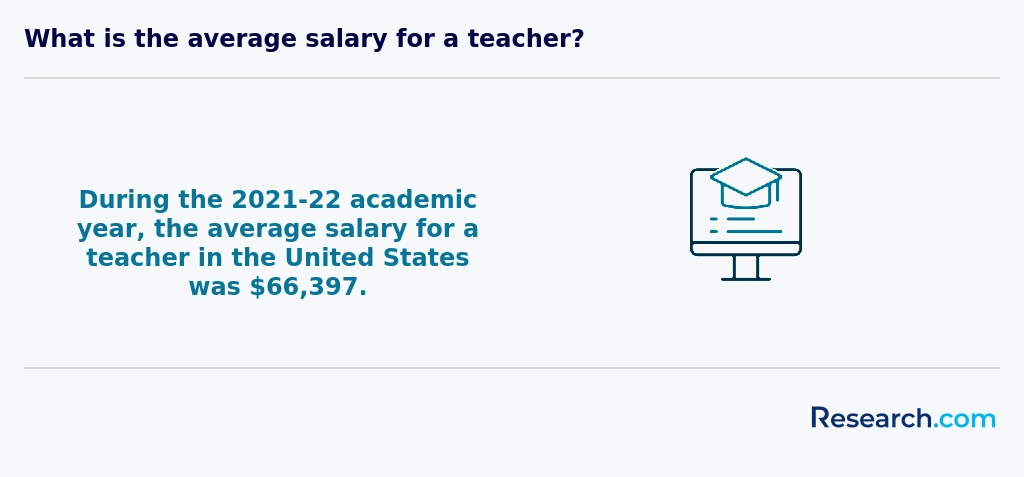
- Graduates with education degrees in Wisconsin can expect rewarding salaries, such as $76,000 annually for Special Education Teachers and $77,200 for Instructional Designers, reflecting strong earning potential in meaningful roles.
- Career paths for education degree holders include teaching positions in elementary or special education, as well as instructional design, offering diverse opportunities to make a positive impact on students and learning systems.
- Obtaining an online education degree from a Wisconsin institution offers flexibility for busy learners, enabling them to balance work and study while gaining practical skills that employers value.
- 2027 Easiest Online Education Degree Programs Ranking in Wisconsin
- What can I expect from online education degree in Wisconsin?
- Where can I work with online education degree in Wisconsin?
What can I expect from online education degree in Wisconsin?
Imagine a recent graduate from UW-Oshkosh, balancing evening classes with a full-time job, feeling the relief of not having to commute while pursuing a beloved teaching degree. For students like this, the average annual tuition at Wisconsin's University of Wisconsin System schools hovers around $9,500 for residents-a number that often surprises those expecting sky-high online fees. This accessible price point makes transforming a passion for education into reality all the more attainable.
Meanwhile, a Master's candidate at UW-Whitewater appreciates that their investment goes beyond just tuition; scholarships and financial aid tailored to education majors sweeten the deal. The cost reflects not just a certificate, but a pathway to classrooms statewide, crafted by state-approved curricula that honor Wisconsin's certification standards while accommodating a life lived on the go.
These programs aren't just virtual lectures; they are springboards for educators who dream of weaving knowledge and leadership into vibrant local school communities, supported by affordable, thoughtfully designed online options.
Where can I work with online education degree in Wisconsin?
Graduates from online education programs at schools like the University of Wisconsin-Madison or Edgewood College step into Wisconsin's classrooms and beyond with confidence, armed not only with credentials but with a genuine passion for impact. Picture a freshly licensed teacher, energized by virtual practicum experiences, joining a bustling Milwaukee elementary school where diverse learners thrive. Or imagine a graduate blending expertise in digital curriculum design, crafting engaging lessons for a tech-forward charter school in Madison's vibrant educational landscape.
Some alumni find excitement in special education roles within the Wisconsin Technical College System, where hands-on, adaptive teaching transforms lives daily. Others channel their skills into adult education centers, empowering working adults in Green Bay to pursue new careers. The ripple effect continues as graduates join advocacy groups or lend their voices to policy discussions shaped by research from UW System institutions, influencing education statewide. For online learners, Wisconsin's blend of traditional and innovative settings offers career paths fueled by connection, creativity, and a deep sense of purpose.
Imagine starting as an early childhood educator in Wisconsin, fresh from an online degree at a place like the University of Wisconsin-Madison, earning around $41,410 a year. That first paycheck might feel modest, but it's a foothold with room to grow. Graduates smile when they recall their first classrooms, realizing their passion translates into real income and impact.
Step up to teaching elementary or ESL students, and salaries jump-elementary teachers average $70,740, while ESL teachers bring in about $65,430 annually. Graduates from Milwaukee's online programs report that these numbers reflect both urban demand and vibrant school communities ready to embrace fresh talent.
For those who chase specialization or design roles after a master's, instructional designers in Wisconsin rake in approximately $77,200 yearly, making their online education degree feel like a smart investment. Special education teachers earn around $76,000, often fueled by a deep personal drive to support diverse learners and enhanced by additional stipends.
The beauty of studying online through Wisconsin's trusted institutions lies in flexibility, cost-effectiveness, and entry into stable careers that reward dedication-turning knowledge into steady, satisfying paychecks. The numbers tell a story, but the real reward is the difference graduates make in classrooms and communities statewide.
- The average annual tuition for online bachelor's degrees in education at public universities in Wisconsin ranges from $10,000 to $15,000 for in-state students.
- Private institutions typically charge between $20,000 and $30,000 per year for similar online undergraduate education programs.
- Graduate online education degrees generally cost between $12,000 and $25,000 annually for master's programs.
- New teachers with a bachelor's degree earn about $40,000 to $45,000 per year, while experienced teachers with advanced degrees make $55,000 to $65,000 annually.
- Employment for elementary and secondary teachers in Wisconsin is expected to grow by 5% over the next decade.
- Online education programs in the state offer flexible schedules and remote coursework to support working students.
Imagine juggling a full-time job, family commitments, and your dream of earning an education degree from a renowned Wisconsin institution like the University of Wisconsin or Wisconsin Technical College System. For many graduates, a bachelor's degree online unfolds over about four years full-time-a familiar rhythm-but when life gets busy, part-time enrollment stretches the journey to five or six years without losing momentum or hope.
Some students fire up their engines, diving into accelerated paths that can shrink the timeline to just three years, turning ambition into achievement faster than expected. Others pursuing a master's degree glide through 18 to 30 months of flexible, asynchronous courses, fitting learning perfectly around their hectic schedules.
Transfer credits act like secret shortcuts, slicing months off the timeline, while practical internships - a cornerstone in Wisconsin's education programs - add immersive experience that sometimes means the clock ticks a bit longer but with richer rewards. Graduates often share a sense of pride and adaptability, propelled by the blend of rigor and freedom these online routes provide in the Badger State.
When you enroll in an online Education degree in Wisconsin, the curriculum is carefully sequenced to build both theoretical knowledge and practical skills. Most programs require between 30–36 credit hours, typically organized into core, specialization, and elective courses: • Educational Psychology and Human Development Explores learning theories, cognitive processes, and motivational strategies. Students analyze case studies on child and adult development to design age-appropriate instruction. • Curriculum Design and Instructional Planning Focuses on backward design, standards alignment, and differentiated instruction. Projects often include developing unit plans and adapting lesson materials for diverse learners. • Assessment, Evaluation, and Data-Driven Decision Making Covers formative and summative assessment tools, data analysis techniques, and strategies for adjusting instruction based on student performance metrics. • Classroom Management and Inclusive Practices Teaches behavior management frameworks, positive discipline, and Universal Design for Learning (UDL) to support students with varying needs. • Educational Technology Integration Examines learning management systems, multimedia authoring tools, and online collaboration platforms. Assignments include creating interactive modules and virtual simulations. • Special Education Foundations (Elective) Provides an overview of individualized education programs (IEPs), differentiated assessment, and inclusive strategies for students with disabilities. • Leadership, Policy, and Ethics in Education (Elective) Investigates educational law, organizational leadership models, and ethical dilemmas in school settings, culminating in a policy analysis project. In addition to traditional coursework, most programs include a practicum or capstone experience, where you collaborate with a local school or digital learning lab to implement instructional strategies under faculty supervision. For prospective students prioritizing affordability without sacrificing quality, consider exploring our Low Cost Online Education Degree Programs Ranking in Greeley, CO, which highlights budget-friendly options and scholarship opportunities. This hands-on blend of theory, technology, and real-world practice ensures you graduate ready to lead, innovate, and adapt in today’s dynamic educational landscape.
Picture a recent graduate from the University of Wisconsin-Madison juggling a part-time job and family while completing their education degree online. The freedom to log into lectures at midnight, pause complicated lectures, and meet deadlines on their own clock transforms learning into a personalized journey. In contrast, a student at Marquette University attending on-campus courses thrives on the energy of face-to-face discussions, spontaneous study groups in library nooks, and the buzz of campus life. Here, education feels tangible with hallway conversations and instant feedback from professors.
Online degrees in Wisconsin often come with a financial upside-students save on housing and commuting, keeping costs closer to about $10,200 a year at public four-year schools. Yet, both paths demand hands-on practicum completed locally, blending virtual flexibility with real-world engagement.
Both routes hold the Certified Teaching credential to Wisconsin standards, accredited by CAEP, but the daily experience is a dance between the solitude of your own space and the rhythm of campus camaraderie.
In order to teach in Wisconsin K-12 schools, graduates of an online Education degree must obtain state licensure through the Wisconsin Department of Public Instruction (DPI). First, candidates complete a DPI-approved teacher preparation program that includes both coursework and a supervised student teaching component. Accreditation by bodies such as CAEP (Council for the Accreditation of Educator Preparation) ensures your program meets state and federal standards-so be sure to verify that your chosen school holds regional or national approval. Once your online degree and practicum requirements are satisfied, you must pass the Wisconsin Foundations of Reading Test (FoRT) and the Praxis II subject assessment corresponding to your desired teaching field. International applicants or career-changers may first enroll in an associate program; exploring best online associate in education programs can be a cost-effective way to fulfill foundational credits before transitioning to a bachelor’s track. After passing all examinations, submit your application and official transcripts through DPI’s online licensure system. The state also requires ongoing professional development-licensed educators must complete ten clock hours of DPI-approved training annually to renew their license. By understanding and following each step-accredited coursework, student teaching, exam clearance, and professional growth-you’ll secure both your initial certification and long-term eligibility to inspire Wisconsin’s next generation of learners.
The average cost of obtaining an online education degree in Wisconsin is a thoughtful balance between opportunity and investment, with in-state students typically facing a total tuition cost near $20,160. Graduates from the University of Wisconsin-Whitewater often share how this price point, combined with the program's flexibility, made their pursuit of a teaching career feel both attainable and rewarding. These Wisconsin public institutions keep affordability at the forefront, allowing students to focus on their passion for education rather than financial stress.
Meanwhile, private schools in Wisconsin offer a different flavor of online education, often featuring a higher price tag but also unique scholarship opportunities and tailored programs. For many, this means navigating choices where a higher cost reflects specialized support and resources. An alumna from one such private college recalls the blend of challenge and encouragement funded by scholarships that made her journey possible, underscoring the diverse paths available for education degrees in the state.
Prospective students chasing affordability in the landscape of online education will find a range of options, with well-regarded choices in public universities like the University of Wisconsin-Milwaukee, known for comprehensive online programs that blend accessibility with quality. For deeper insights into what these opportunities might look like, exploring the best online associate in education programs can open doors to pathways tailored to your ambitions. Wisconsin's affordable online education degree programs Wisconsin truly embody a blend of pragmatic investment and hopeful promise.
Imagine diving into your online education degree at the University of Wisconsin-Madison, knowing your tuition worries are eased by generous Pell Grants reaching up to $7,395. These federal gifts don't need repayment, lifting a heavy financial weight off your shoulders as you focus on lesson plans and classroom theory. Picture a graduate from Marquette University who leaned on the Wisconsin Higher Education Grant (WHEG), a state aid gem offering about $2,000 to residents-turning tuition blues into a manageable summer breeze.
Scholarships curated by your own school are another treasure trove. Those at UW-Milwaukee cherish merit-based awards or special grants for future teachers, rewarding ambition and dedication with tangible help. Some students juggle work-study roles connected to education, blending paycheck and passion, while others chase loan forgiveness by committing to teaching in Wisconsin's public schools-turning service into savings.
Filling out FAFSA becomes a ritual, unlocking the secret vault of federal, state, and institutional aid. Over 60% of Wisconsin's education students tap into this lifeline, fueling dreams with funds, not just hope.
Imagine stepping into the world of online education degrees in Wisconsin with a clear roadmap: a high school diploma or GED is your golden ticket, the foundational key embraced by universities like UW-Madison and Marquette University. Graduates often recount breezing through this step, knowing it's the baseline to spark their academic journey.
Graduate hopefuls dive deeper, bringing along a bachelor's degree from accredited institutions, ready to transform passion into expertise. Many recall submitting transcripts with a sense of accomplishment, echoing stories from peers who found that meticulous documentation opens doors.
Think of letters of recommendation and personal essays as your voice painting dreams on paper - graduates from institutions like UW-Milwaukee highlight these as moments of self-reflection and connection. Plus, relevant experience, whether volunteering in Milwaukee classrooms or working with local education nonprofits, adds vibrant color to applications.
Wisconsin residents cheer knowing proving residency often unlocks lower tuition, a comforting promise amid the excitement. Reliable internet and tech savvy become daily allies, making virtual lecture halls feel like home.

Imagine diving into courses like Educational Psychology at the University of Wisconsin, where graduates recall moments of suddenly understanding not just what kids learn, but how their minds blossom differently across ages. Curriculum Development and Instruction turn into creative playgrounds-designing lesson plans that feel alive and adaptable for any classroom's pulse.
Classroom Management isn't just theory; Wisconsin online students share stories of envisioning calm, confident environments where respect and curiosity thrive. Assessment Techniques become tools to truly gauge student growth, fostering an authentic connection with learning progress rather than just scores.
The pulse of Diversity and Inclusion courses beats strongly in Wisconsin's programs, reflecting the state's rich cultures and encouraging teachers to embrace every learner's unique story. Educational Technology feels like a gateway to endless possibilities, equipping graduates from institutions like Marquette University to blend innovation with empathy in digital classrooms.
All framed by Foundations of Education-where historical insights meet practical wisdom-these courses make Wisconsin's online education degrees both a rigorous and inspiring journey toward impactful teaching careers.
In Wisconsin, online education degrees open doors to vibrant specializations that truly reflect the state's educational heartbeat. Imagine a recent graduate from a top Wisconsin university excitedly sharing how the Early Childhood Education track transformed their understanding of nurturing little learners from birth to third grade-grounded in hands-on theories that resonate with local classrooms. Another alumnus describes the rewarding journey through Special Education, where they learned to embrace diversity, supporting students with unique needs amid Wisconsin's inclusive public schools.
For those drawn to leadership, programs in Educational Leadership and Administration offer a compelling path, preparing hopeful principals and curriculum innovators eager to enhance Wisconsin schools from within. Graduates often recall rigorous training that made real the complex world of school decision-making, nurturing skills vital to thriving in changing educational landscapes.
The array continues with Curriculum and Instruction, where inventive teaching methods and tech integration spark creativity, and Counseling and Student Support Services which equip future guides in student mental health and career advising. These diverse paths highlight the rich palette of online education degree specializations Wisconsin students explore while staying connected to the local educational pulse and national trends. To compare affordable online options, many turn to resources like Low Cost Online Education Degree Programs Ranking in Greeley, CO.
Imagine scrolling through programs, each promising the world, but how do you pick the one that truly fits your Wisconsin lifestyle? Start with programs rooted in Wisconsin's own educational heartbeat-universities within the state that have a legacy of producing passionate educators who felt supported every step of the way. Graduates often recount how their courses, especially from well-known state institutions, prepared them not just to pass exams, but to embrace the joy of teaching with confidence.
Flexibility is key-think of juggling family life or a part-time job while diving into subjects like special education or leadership. The best online education degree programs Wisconsin offer often feature asynchronous classes that let you study whenever inspiration strikes, just like many who chose public universities where technology felt seamless, not a hurdle.
Cost worries melt away when you explore options tailored for local students; affordable online teaching degrees Wisconsin provide sometimes come with scholarships or employer reimbursement benefits. One graduate shared how exploring resources helped reduce financial stress, turning learning into excitement. For those eager to move fast, check out quick and easy degrees that pay well to blend speed with quality.
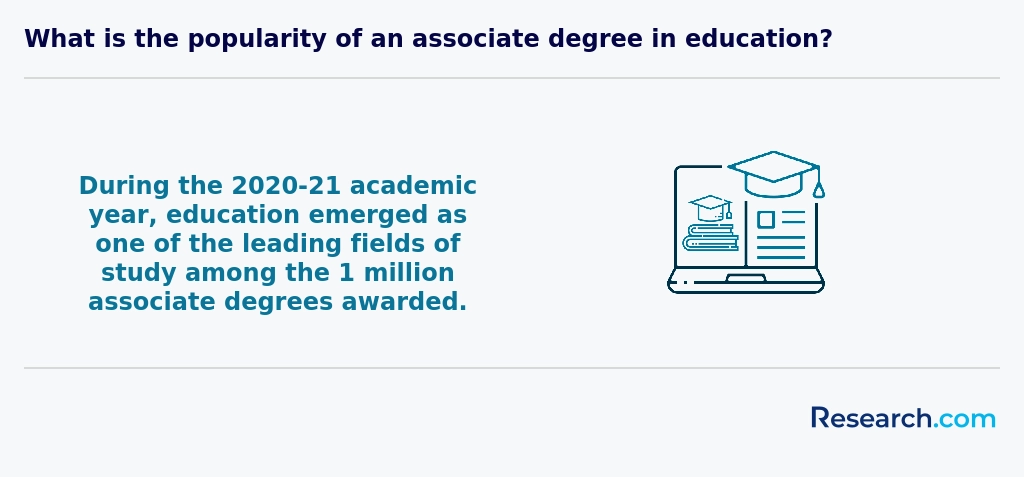
Graduates from Wisconsin's popular education programs often find themselves stepping into roles that shape the future-whether as K-12 teachers filling critical gaps in STEM or bilingual classrooms, or as instructional designers crafting innovative curricula that spark curiosity beyond traditional textbooks. Imagine alumni from a well-known Madison university leveraging their online education degree career opportunities Wisconsin to transform virtual classrooms, making learning vibrant and accessible for diverse communities.
Others venture into school administration or become education program managers, drawing from their experiences in online courses to lead with fresh perspectives. These paths often unfold naturally from graduates' passion for improving educational outcomes and managing complex school operations, a journey familiar to many who studied at top Wisconsin colleges.
For those curious about less trodden roads, educational technology specialists and school counselors offer dynamic careers blending empathy with innovation, supporting both student success and digital transitions. Such roles highlight the expanding job prospects with education degree Wisconsin presents, especially when paired with further certifications.
Many students also consider options at dual degree universities, diversifying their expertise to enhance career flexibility in this evolving educational landscape.
The job market for online education degree graduates in Wisconsin hums with opportunity, especially for those ready to dive into K-12 schools or higher education roles. Imagine a recent graduate from a well-known Wisconsin university balancing coursework with a part-time role as an instructional coordinator, weaving real classroom insights into their online studies. This blend of work and education, common among those pursuing an online education degree job outlook Wisconsin highlights, opens doors in special education, STEM, and ESL teaching positions where demand remains robust.
Graduates often report feeling empowered by Wisconsin's supportive environment, which emphasizes educational equity and technology integration-key areas transforming classrooms statewide. Salaries starting around $58,000 for elementary teachers rise as professionals accumulate experience, reflecting a rewarding career path. For those weighing their options, tuition around $10,200 annually at public colleges adds financial comfort to the mix.
Embracing flexible learning, Wisconsin students frequently explore paths like a short phd, blending advanced certification with career progression, proving that innovative learning models and strong employment opportunities here are tightly intertwined.
2027 Easiest Online Education Degree Programs Ranking in Wisconsin
Investing in your education is a significant decision that can shape your future, and the Research.com team understands the importance of making informed choices. To assist prospective students in Wisconsin, we have meticulously crafted the "2027 Easiest Online Education Degree Programs Ranking in Wisconsin." Our commitment to quality, credibility, and accuracy is reflected in the extensive research and analysis conducted to compile this ranking.
We utilized the following reputable data sources to ensure a comprehensive evaluation of education degree programs:
By exploring this ranking, readers will gain valuable insights into the easiest online education degree programs available in Wisconsin, enabling informed and confident decisions about their academic journeys. For more details on our methodology, please visit our Research.com methodology page.
# 1 position
Concordia University Wisconsin
Master of Literacy--Reading Teacher or Reading Specialist Licensures (DPI #1316 & DPI #5017)



Frequently Asked Questions About education
Online education degree students in Wisconsin can maximize their learning experience by actively engaging with course materials and instructors. Utilizing resources such as the University of Wisconsin System's online libraries and tutoring services enhances understanding and retention.
Setting a consistent study schedule helps maintain discipline, as Wisconsin ranks among states with growing online program enrollment. According to the National Center for Education Statistics, nearly 30% of Wisconsin college students participate in at least one online course, highlighting the importance of self-motivation.
Joining virtual study groups promotes interaction, which research shows improves academic success in online settings. Additionally, students should ensure their technology setup meets course requirements to avoid technical disruptions.
The education field in Wisconsin is evolving, with several emerging niches gaining attention among online degree seekers. One key area is special education, driven by the growing need for teachers skilled in supporting diverse learners. According to the Wisconsin Department of Public Instruction, demand for special education professionals is expected to increase by 7% through 2028.
Another growing focus is educational technology. Online programs now emphasize training educators to integrate digital tools effectively in classrooms, reflecting broader national trends. Additionally, bilingual education is expanding to meet the needs of Wisconsin's increasingly diverse student population, particularly in urban areas like Milwaukee.
These niches offer promising career opportunities as schools adapt to changing demographics and technological advancements.
After earning an online education degree in Wisconsin, preparing for the job market involves strategic steps to boost employability. Graduates should leverage resources from the Wisconsin Department of Workforce Development, which reports growing demand for teachers, especially in STEM and special education fields.
Networking plays a vital role; joining professional associations like the Wisconsin Education Association Council can provide valuable connections and job leads. Additionally, gaining relevant experience through student teaching or volunteering enhances practical skills. Wisconsin's licensure requirements demand passing the Praxis exams, so adequate preparation is essential. Finally, tailoring resumes and practicing interview skills to Wisconsin school districts' expectations increases chances of success.
Employers in Wisconsin prioritize several key skills when hiring graduates with education degrees. Strong classroom management abilities are essential, enabling teachers to create productive learning environments. Communication skills, both verbal and written, are also highly valued to effectively engage students and collaborate with parents and colleagues.
Additionally, proficiency in integrating technology into teaching is increasingly important, reflecting trends in Wisconsin schools adopting digital tools. According to the Wisconsin Department of Public Instruction, problem-solving skills and adaptability are critical due to changing curricula and diverse student needs.
Understanding special education requirements is another sought-after skill, as about 15% of Wisconsin students qualify for special education services. These competencies help graduates meet state standards and succeed in varied educational settings.
Finding internships relevant to an online education degree in Wisconsin involves strategic research and networking. Many Wisconsin universities partner with local school districts, offering students access to internships that provide practical teaching experience. For example, the Wisconsin Department of Public Instruction lists internship opportunities connected to K-12 education settings statewide.
Students should explore career services at their institutions, as most online programs include support for locating internships. The Wisconsin Career Services Network also offers resources tailored to education students.
Additionally, joining professional organizations, such as the Wisconsin Education Association Council, can connect students to openings and mentorship. According to the Bureau of Labor Statistics, Wisconsin's education sector is stable, with internships often leading to employment after graduation.
Obtaining an online education degree in Wisconsin can significantly improve career mobility and advancement for aspiring educators. The state's Department of Public Instruction reports steady demand for qualified teachers, especially in special education and STEM fields. Completing an accredited online program enables professionals to gain credentials necessary for licensure without disrupting current employment.
Data from the Wisconsin Educational Association Council highlights that teachers with advanced degrees often earn higher salaries and secure leadership roles such as instructional coaches or administrators more readily.
Online degrees also offer flexibility, allowing educators to balance work, study, and family obligations while enhancing their qualifications. This flexibility can accelerate career growth by enabling continuous professional development.
Furthermore, employers in Wisconsin increasingly recognize online degrees from regionally accredited institutions, which supports career advancement opportunities within both urban and rural school districts.
Studying for an education degree in Wisconsin equips students with skills tailored for interdisciplinary roles by combining teaching methods with knowledge from psychology, sociology, and technology. Wisconsin universities often incorporate collaborative projects and real-world problem-solving into their online programs.
According to the Wisconsin Department of Public Instruction, many programs emphasize a broad, cross-disciplinary approach to meet diverse classroom needs. This approach helps educators work effectively with specialists in counseling, administration, and special education.
Additionally, courses frequently include training in communication and leadership, preparing graduates to handle complex challenges in various educational settings.
Choosing between a thesis and a non-thesis online education degree program in Wisconsin depends on your career goals and learning preferences. Thesis programs generally emphasize research and writing, preparing students for doctoral studies or research-oriented careers. Non-thesis options focus on practical skills and coursework, suitable for professionals targeting administrative or leadership roles.
Wisconsin universities offer both formats, with about 35% of education graduate students opting for thesis tracks, according to the Wisconsin Higher Education Aids Board.
Consider faculty support, program length, and whether you prefer hands-on projects over academic research when deciding.
Students based in Wisconsin who wish to study education abroad through online programs have several options. Many U.S. universities with strong education departments offer internationally focused online degrees or certificate programs designed to prepare educators for global classrooms. Wisconsin residents can enroll in these programs without relocating, benefiting from flexible schedules and diverse curricula.
According to the Wisconsin Department of Public Instruction, over 70% of Wisconsin teachers hold at least a bachelor's degree, emphasizing the demand for advanced education. Some accredited programs also integrate international teaching standards, which can enhance a student's credentials for work both in the U.S. and abroad.
Additionally, participation in exchange programs or partnerships between Wisconsin institutions and foreign universities allows students to gain cross-cultural experience. However, these are more common in on-campus studies and may have limited availability online.
Students pursuing online education degrees in Wisconsin often seek part-time jobs that enhance their professional skills while supporting their studies. Common roles include teacher assistants, tutors, and substitute teachers, which offer practical classroom experience aligned with state teaching standards. According to the Wisconsin Department of Public Instruction, substitute teaching positions are widely available and provide flexible hours compatible with academic schedules.
Moreover, after-school program coordinators and educational paraprofessionals often work part-time and help students develop essential learning skills. These roles build communication and classroom management abilities valuable for future educators.
Such positions typically pay between $12 and $20 per hour in Wisconsin, assisting students financially while enriching their resumes.
Online education students in Wisconsin have access to various networking opportunities designed to enhance their academic and professional growth. Many Wisconsin universities offer virtual events, webinars, and online discussion groups that connect students with faculty and peers statewide. According to the University of Wisconsin System, over 70% of their online programs include interactive components that foster collaboration.
Additionally, statewide organizations such as the Wisconsin Education Association Council facilitate networking through virtual conferences and workshops available to online learners. Professional associations in Wisconsin also provide online forums and local chapter meetings to expand connections within the education field.
With more than 80% of Wisconsin educators reporting the importance of networking in career advancement (Wisconsin Department of Public Instruction, 2023), online students can leverage these structured platforms effectively.
Alumni networks offer significant benefits for students pursuing online education degrees in Wisconsin. These networks connect current students with graduates who have firsthand experience in the field, offering valuable mentorship and career advice. According to data from the Wisconsin Department of Public Instruction, strong professional connections can improve job placement rates after graduation. For online students, who may lack on-campus networking opportunities, alumni groups facilitate virtual events and local meetups, strengthening community ties. Additionally, alumni networks often provide access to exclusive job boards and professional development resources, which can enhance career prospects in the Wisconsin education sector.
Customizing an online education degree program in Wisconsin allows students to align their studies with specific career goals. Many Wisconsin institutions offer flexible concentrations or specializations, such as early childhood education, special education, or educational leadership. Students can often choose electives that focus on their professional interests.
Additionally, some programs provide options for practical experience through virtual student teaching or internships. This hands-on approach supports skill development directly relevant to the job market.
According to the Wisconsin Department of Public Instruction, tailoring your coursework can improve job placement rates and salary potential in the state's education sector.
Online education students in Wisconsin face several notable challenges. One common issue is balancing coursework with personal and professional responsibilities, as many students are working adults or parents. According to the Wisconsin Department of Public Instruction, nearly 60% of adult learners report time management as a significant hurdle.
Technical difficulties also pose challenges, especially in rural areas where broadband access remains limited. The Federal Communications Commission reported in 2023 that about 15% of Wisconsin households lack high-speed internet, affecting online learning quality.
Additionally, students often experience feelings of isolation and reduced interaction with instructors and peers, impacting motivation and engagement.
With an online education degree in Wisconsin, you can pursue several professional certifications that enhance your teaching credentials. One common path is obtaining the Wisconsin Educator License, which is required for K-12 public school teachers. This license often requires passing the Praxis exams, which assess subject knowledge and teaching skills.
Additionally, educators can earn certifications like the Reading Specialist or School Counselor licenses to advance their careers. For adult education, credentials such as the Adult Education Certificate are available through the Wisconsin Technical College System.
These certifications help graduates meet state standards and improve job prospects in Wisconsin's education sector.
To write a winning application for an online education program in Wisconsin, start by thoroughly researching the specific requirements of your target school. Wisconsin schools typically value a clear statement of purpose that explains your motivations and career goals related to education.
Highlight any teaching experience or relevant volunteer work, as Wisconsin's Department of Public Instruction often emphasizes practical experience. Include official transcripts demonstrating strong academic performance, especially in education-related subjects.
Letters of recommendation should come from supervisors or educators familiar with your work ethic and potential. Additionally, follow application instructions carefully and meet all deadlines to remain competitive in Wisconsin's selective online programs.
The career outlook for education professionals in the United States remains positive, with global trends emphasizing the importance of cultural competence and technology integration. In Wisconsin, the demand for qualified educators is projected to grow by 7% from 2020 to 2030, according to the U.S. Bureau of Labor Statistics. This growth aligns with global priorities on improving education quality and access. Online education degrees in Wisconsin prepare candidates to meet these expectations by focusing on diverse classroom environments and digital teaching tools. Understanding worldwide educational challenges can benefit Wisconsin students aspiring to careers in education, making them adaptable in local and international contexts.
Gaining practical experience while pursuing an online education degree in Wisconsin is essential for career readiness. Many programs incorporate student teaching or practicum components that align with state licensing requirements. According to the Wisconsin Department of Public Instruction, these hands-on experiences typically involve placements in local schools, allowing students to apply theory in real classrooms.
Additionally, some universities offer partnerships with Wisconsin school districts to facilitate remote internships or virtual mentorships. This allows students to observe and engage with experienced educators despite distance learning settings.
Moreover, online students can participate in professional development workshops and virtual conferences hosted by organizations like the Wisconsin Education Association Council, which helps build practical skills and networking opportunities.
Choosing the right concentration within an online education degree program in Wisconsin requires careful consideration of your career goals and interests. The Wisconsin Department of Public Instruction reports consistent demand for teachers in special education, STEM (science, technology, engineering, and math), and early childhood education. These areas may offer more job opportunities after graduation.
Next, evaluate the curriculum offered by Wisconsin public universities or colleges to ensure it aligns with your strengths. For example, University of Wisconsin's online programs often include concentrations in curriculum development and instructional technology, reflecting current educational trends.
Additionally, consider licensure requirements in Wisconsin, as some concentrations are better suited for state certification in specific teaching fields. Researching job market data from the Wisconsin Department of Workforce Development can help identify high-growth education specialties in the state.
- 2027 Easiest Online Education Degree Programs Ranking in Iowa
- 2027 Easiest Online Education Degree Programs Ranking in Michigan
- 2027 Easiest Online Education Degree Programs Ranking in Indiana
- 2027 Easiest Online Education Degree Programs Ranking in Missouri
- 2027 Easiest Online Education Degree Programs Ranking in Nebraska
- 2027 Easiest Online Education Degree Programs Ranking in Kentucky
- 2027 Easiest Online Education Degree Programs Ranking in Kansas
- 2027 Easiest Online Education Degree Programs Ranking in Tennessee
- 2027 Easiest Online Education Degree Programs Ranking in West Virginia
- 2027 Easiest Online Education Degree Programs Ranking in Arkansas
See What Experts Have To Say About Studying Education
Read our interview with Education experts

Nooshan Ashtari
Education Expert
Professor & Book Author
University of Southern California

Alan J. Singer
Education Expert
Professor of Teaching, Learning and Technology
Hofstra University

- 10 of the biggest problems facing education today https://www.concern.net/news/problems-with-education-around-the-world
- WI Higher Educational Aids Board - External Links https://heab.state.wi.us/exlinks.html
- Online Colleges in Wisconsin https://www.onlineschools.org/guides/wisconsin/
- What Can I Do With a Teaching Degree (Besides Teach)? https://www.alleducationschools.com/blog/what-can-i-do-with-a-teaching-degree-besides-teach/
- Skills Employers Look for In Graduates https://careerdc.com.au/resources/what-skills-employers-want/
- Teaching Job Roles | Teach For Life https://www.teachforlife.com/teachingjobs/global-perspectives-teacher
- Find your next adventure abroad https://worldstrides.com/en-us/higher-ed
- Tips for Choosing Your Graduate Concentration - Graduate Programs for Educators https://www.graduateprogram.org/blog/tips-for-choosing-your-graduate-concentration/
- Latest Trends in the Field of Education - ICERT https://icert.org.in/latest-trends-in-the-field-of-education/
- Common Learning Challenges K-12 Students Face How to Overcome Them - eTutorWorld https://www.etutorworld.com/blog/common-learning-challenges-k-12-students-face-how-to-overcome-them/


