
2027 Most Popular Education Degree Programs Ranking in Fulton

Co-Founder and Chief Data Scientist
Choosing the right education degree program can shape your future in meaningful ways. For students in Fulton, finding programs that truly stand out is now easier than ever.
The article presents the 2027 Most Popular Education Degree Programs Ranking in Fulton, crafted by the Research.com team of data scientists. This ranking offers clear insights into the programs that hold the most value.
By exploring these options, you can make an informed decision that aligns with your career goals. Pursuing an education degree brings opportunities to inspire and uplift future generations, making it a rewarding path.
Key benefits of getting education degree in Fulton
- The average annual salary for education degree graduates in Fulton, such as Special Education Teachers earning around $76,000 or Instructional Designers making $77,200, offers strong financial stability.
- Graduates from popular local universities can pursue diverse careers, from Early Childhood Educators to ESL Teachers, with opportunities to impact communities in meaningful ways.
- Completing an education degree online in Fulton provides flexible learning schedules, helping busy students balance life and study while still launching rewarding educational careers.
- 2027 Most Popular Education Degree Programs Ranking in Fulton
- What can I expect from education degree in Fulton?
- Where can I work with education degree in Fulton?
What can I expect from education degree in Fulton?
Imagine stepping into a vibrant classroom at Georgia State University, where a graduate recalls juggling evening classes with their daytime job while investing roughly $10,000 a year as an in-state student. That tuition covers more than just lectures-it's the ticket to hands-on experiences, lesson planning mastery, and the buzz of student teaching in Fulton's diverse school district. For out-of-state students, that figure rises closer to $27,000, reflecting a commitment to unlocking the full potential of education careers here.
Over at Kennesaw State University, another education graduate remembers the mix of excitement and challenge balancing technology-driven coursework with real-world classroom hours. The tuition cost feels like an investment in becoming a change-maker, equipped with curriculum design skills and instructional strategies that transform ideas into impact.
Whether attending in person or navigating flexible online options, the cost you pay is more than a number-it's a bridge to certification and the opportunity to thrive in Fulton's supportive education community.
Where can I work with education degree in Fulton?
Graduates from education programs at Fulton's top universities often find themselves shaping young minds in bustling K-12 classrooms across the county, where over 11,000 teachers keep the spirit of learning alive. Imagine walking the hallways of a local elementary school, knowing your degree carved the path that brought you there. Beyond teaching, many step into the shoes of curriculum developers, crafting innovative lesson plans that spark curiosity and fuel lifelong learning.
Others dive into early childhood centers, where nurturing little ones feels like planting seeds for tomorrow's leaders. The excitement of expanding pre-K programs means these roles are thriving. Some alumni transition into roles as school counselors or administrators, turning their passion into leadership that guides entire communities.
And then, there are those who explore creative offshoots-working with nonprofits or buzzing ed-tech startups in Atlanta's metro area-to reinvent education with digital tools, tutoring, and adult learning programs. With salaries between $50,000 and $70,000, Fulton's education degree graduates glow with pride, knowing their work makes a meaningful difference every day.
Graduates with an education degree in Fulton often step into classrooms or educational roles with promising paychecks. Imagine a recent graduate from a popular Fulton university landing a role as an elementary school teacher earning around $70,740 annually-enough to feel the excitement of financial independence while making a real difference in young lives. Special education teachers, often celebrated for their dedication, command about $76,000, reflecting the high value of their specialized skills.
Some graduates pivot toward innovative roles like instructional designers, earning roughly $77,200 a year, crafting engaging learning experiences behind the scenes. The linguistic champions teaching English as a Second Language see about $65,430 annually, a figure that brings both stability and the joy of cultural connection.
Seeing a peer balance part-time college teaching with flexible schedules, pulling in between $25,000 and $60,000, illustrates how Fulton's vibrant education scene invites diverse career paths. The journey here isn't just about numbers-it's about fulfilling a calling while living in a thriving urban landscape where passion meets possibility.
- Tuition for an education bachelor's degree in Fulton ranges from $8,000 to $15,000 per year for in-state students, with higher costs for out-of-state or private colleges.
- Entry-level teachers in Fulton typically earn between $40,000 and $45,000 annually, with salaries rising to $55,000 to $65,000 after about 10 years.
- Employment for preschool, primary, and secondary school teachers in Fulton is projected to grow by about 5% over the next decade.
- Opportunities exist beyond teaching, including educational support services, special education, and educational technology sectors.
- Most districts in Fulton require teacher licensure, which involves passing state exams and completing supervised teaching hours.
Four years-this is the familiar rhythm for many aspiring educators in Fulton chasing a bachelor's degree. Imagine walking the halls of Georgia State University or Clayton State College, where foundational education theory mingles with lively student teaching placements, all fitting neatly into that four-year frame. Graduates recall the exhilarating challenge of juggling general studies with specialized courses, each step bringing them closer to the classroom of their dreams.
Shift gears to a master's degree, and timelines ripple depending on your pace and program type. Some Fulton students embrace the flexibility of part-time study over two or three years, while others dive full throttle, wrapping up in just a single, intense year. Whether delving into curriculum development at Georgia State or educational leadership at Clayton, the blend of 30 to 36 credit hours fuels their growth.
Doctoral candidates often embark on a longer odyssey, spanning three to six years, balancing demanding research and dissertation work with busy lives. Here, the story is one of resilience and passion, often shared by educators transforming careers without putting life on hold. Fulton's programs, reflective of Georgia's certification landscape, sometimes add layers of practical experience but also open doors to richer expertise.
Aspiring educators in Fulton, MO must navigate Missouri’s certification process to legally teach in K–12 public schools. To earn your initial teaching certificate through the Missouri Department of Elementary and Secondary Education (DESE), you must: • Complete a state-approved teacher preparation program at an accredited institution. • Earn a minimum GPA of 2.5 or higher in your education coursework. • Pass the relevant Praxis Subject Assessments (e.g., Elementary Education, Special Education, or content-specific exams). • Satisfy Missouri’s Basic Skills Requirement, typically via a Praxis Core score or equivalent alternative. • Undergo a fingerprint-based criminal background check and clear DESE’s suitability review. • Apply online through MOEIS, submitting official transcripts, test scores, and the application fee. Once certified, teachers select from the following certificate types: Initial Professional Certificate (valid for five years), Standard Professional Certificate (renewable every five years with continuing education), or Out-of-State/Reciprocal Certificate (for those already certified in another state). Renewal requires 100 clock hours of professional development or possession of a master’s degree. Advanced endorsements are available in areas like Reading Specialist, English for Speakers of Other Languages (ESOL), and Educational Administration. For career changers, Missouri offers an Alternate Route to Certification, allowing candidates with a bachelor’s degree in another field to begin teaching under a provisional certificate while completing pedagogy coursework. Educators interested in cost-effective online pathways can benchmark program affordability by exploring our Inexpensive Online Education Degree Programs Ranking in Fort Lauderdale, FL.
Walking across the buzzing campus of a Fulton university, education majors feel the pulse of live lectures, the buzz of study groups, and the comforting hum of nearby libraries-an immersive experience hard to replicate elsewhere. Graduates recall the instant feedback from professors between classes, the spontaneous hallway debates, and even the quick coffee runs that brighten long study days. That traditional on-campus vibe shapes a tangible connection to learning, but it comes with commute costs and housing fees, pushing yearly expenses close to $22,500.
Contrast this with online learners, who craft their own schedules from the comfort of home or a local café in Fulton, embracing flexibility as they juggle jobs or family life. They thrive on digital discussions, video calls with classmates scattered across towns, and late-night study sessions that fit their rhythms. Tuition can be about 15% less, easing some financial strain without sacrificing the essential practicum hours done at nearby schools. It's learning reimagined-less bound by place, more shaped by personal pace and commitments.
Aspiring educators in Fulton, MO, must obtain state certification to teach in public schools, ensuring they meet Missouri’s rigorous standards for teaching quality. The certification process typically involves the following steps: 1. Complete an Approved Educator Preparation Program • Enroll in a state-approved bachelor’s or master’s program that includes both coursework and supervised student teaching. • Verify that your institution’s program is accredited by the Missouri Department of Elementary and Secondary Education (DESE). 2. Pass Required Examinations • Missouri Content Assessment (MoCA) for your subject area or grade level. • For certain specializations, candidates may also need to pass the Praxis® II exams. 3. Background Check and Fingerprinting • Submit fingerprints to DESE for a state and federal criminal background check. • Complete the Protective Practices and Neglect/Abuse training modules online. 4. Apply for Initial Teaching Certificate • Submit official transcripts, test scores, and background check results via the DESE’s Educator Certification System (ECS). • Pay the required application fees. 5. Maintain and Renew Certification • Complete professional development hours (PDHs) every five years. • For those interested in streamlining their journey, exploring the easiest teaching degree can provide insight into programs with flexible requirements and focused support. By understanding Missouri’s certification pathway, Fulton students can confidently plan their education and meet all state requirements for a successful teaching career.
Envision yourself walking the halls of Georgia State University or Mercer University's Atlanta campus, your mind alive with dreams of shaping young minds. The average cost of education degree total expenses Fulton 2027 hovers around $30,340 for in-state students, a figure that blends tuition, fees, and essential living costs into a tangible milestone. Graduates often share how the investment felt like planting seeds in fertile ground-challenging but deeply rewarding.
Private institutions in Fulton can nudge the total cost higher, with some students encountering annual tuitions closer to $40,000 when factoring everything combined. Yet, many speak of the vibrant campus communities and personalized attention that made each dollar worthwhile. Picture yourself balancing textbooks and bustling study sessions while embracing the diverse pathways through certificate courses and endorsements that add specialized skills without breaking the bank.
For those wondering what the average cost of education degree in Fulton really means, consider the stories behind the numbers: public university grads often highlight the value of in-state tuition savings, while others credit financial aid and scholarships for turning dreams into reality. Exploring in demand education programs can open doors to financial opportunities and academic paths that fit your aspirations and budget.

Ensuring your Education degree program in Fulton, MO is accredited and meets state certification standards is essential for both quality assurance and eligibility for licensure. Regional accreditation-typically from the Higher Learning Commission (HLC)-verifies that an institution adheres to rigorous academic and administrative criteria. Additionally, program-specific accreditation from bodies like the Council for the Accreditation of Educator Preparation (CAEP) demonstrates that curricula, faculty qualifications, and clinical experiences align with best practices in teacher preparation. Key accreditation and certification checkpoints:
- Regional Accreditation: Confirm your college or university is HLC-accredited to ensure federal financial aid eligibility and credit transferability.
- CAEP or NCATE Approval: Look for CAEP (formerly NCATE) program recognition, which signals adherence to national standards for educator preparation.
- Missouri State Teacher Certification: Graduates must apply to the Missouri Department of Elementary and Secondary Education (DESE), complete required Praxis exams, fulfill clinical hour requirements, and pass a criminal background check.
- Continuous Renewal: Maintain professional credentials through DESE-mandated continuing education units (CEUs) or advanced endorsements in specialized areas like Special Education or Bilingual/Bicultural Education. By selecting an accredited program, you safeguard your investment and streamline the path to a teaching license. For those exploring additional affordable, fully accredited online alternatives, consider our Inexpensive Online Education Degree Programs Ranking in Fort Lauderdale, FL, which highlights cost-effective options with robust accreditation credentials.
Imagine walking the halls of a Fulton university with the weight of tuition lightened by a Pell Grant-up to $7,395 flowing directly to your education dreams without a shadow of repayment. Graduates from Fulton's education programs often recall how Direct Subsidized Loans paused interest while they learned to teach, giving them a breathing room financial cushion that transformed stress into focus.
Then there's the golden glow of Georgia's HOPE Scholarship, showering merit-based aid that can zap your tuition costs to near zero at beloved local universities. For those aiming at certifications in technical colleges, the HOPE Grant becomes a lifeline, turning possibilities into classrooms where educators are born.
In Fulton's vibrant community, scholarships from local foundations and educator associations blossom, chosen for those who pledge to nurture Georgia's future classrooms. Many students tell of the joy in feeling seen and supported by these tailored awards, bridging the gap from potential to certified teacher.
Institutional scholarships from Fulton colleges often emerge like hidden gems, discovered only when aid offices engage students early, turning paperwork into pathways. These combined forces of financial aid unveil a tangible road for education majors eager to educate tomorrow's generation without drowning in debt.
When it comes to selecting an education program in Fulton, MO, it's essential to consider several factors that can significantly impact your academic journey and future career prospects. Ensuring that the program is accredited by a recognized organization is crucial, as this guarantees that the education you receive meets industry standards. Reviewing the curriculum to see if it aligns with your career goals is also vital, and many programs offer specializations, such as early childhood education or special education, which can enhance your knowledge and skills. Investigating the qualifications of faculty members can provide invaluable mentorship, and looking for programs that provide robust support services, including academic advising and career counseling, can make a significant difference in your success. Additionally, evaluating the total cost of the program, including tuition and fees, and researching financial aid options like scholarships and grants, is necessary to make an informed decision. For more information on in demand education programs, it's crucial to explore the various options available and how they can prepare you for a successful career in education.
Imagine stepping onto the vibrant campuses of Fulton's well-known universities, where education hopefuls gather, each clutching their high school diploma or GED like a golden ticket. Many graduates recall the anticipation of meeting minimum GPA requirements-typically between 2.5 and 3.0-which felt like unlocking the door to their teaching dreams.
Standardized tests once loomed large, but nowadays some schools champion test-optional policies, easing anxiety for many who find their strength in storytelling through recommendation letters or heartfelt personal statements. These documents become more than words; they transform into echoes of passion and dedication, painting a vivid picture of future educators ready to inspire young minds.
For those climbing the academic ladder to graduate degrees in Fulton, the journey often requires a completed bachelor's degree, occasionally tied to education-related fields, yet diverse backgrounds are welcome if supplemented by relevant experience or prerequisite courses. Some recall the GRE as a gatekeeper, though waivers and alternative assessments soften the path.
Behind the scenes, background checks and fingerprinting become rituals ensuring safety, a comforting reassurance as students prepare to step into classrooms and hearts across Georgia's dynamic Fulton region.
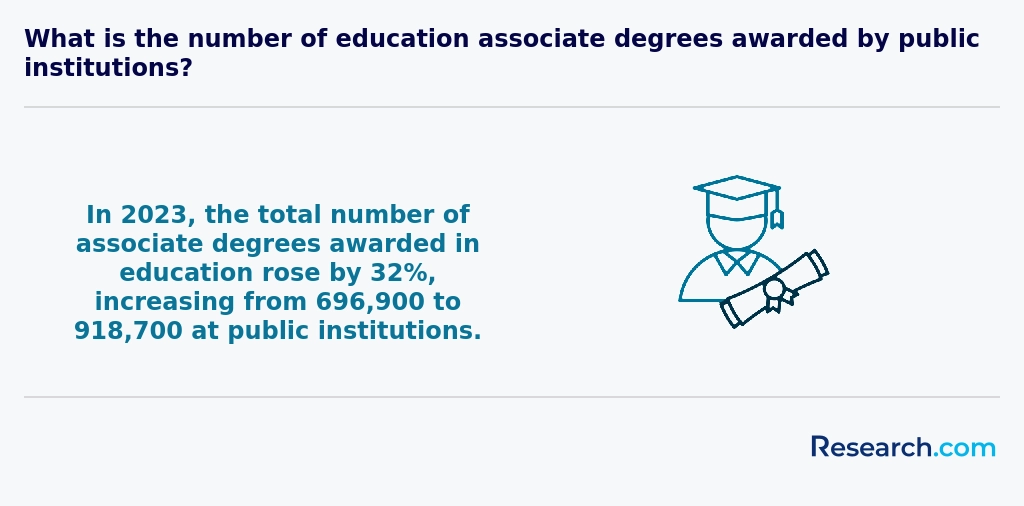
Aspiring educators in Fulton, MO must secure a valid teaching certificate from the Missouri Department of Elementary and Secondary Education (DESE) before entering the classroom. The process typically involves: 1. Degree Completion: Earn a bachelor’s degree in Education from a DESE-approved program or complete at least 48 credit hours in a subject-specific content area. 2. Content Assessment: Pass the Missouri Educator Gateway Assessments (MEGA) or Praxis exams relevant to your teaching field, such as Elementary Education (Praxis Core) or Secondary Content Assessments. 3. Missouri Pre-Service Requirements (MoPR): Fulfill MoPR standards, including coursework in classroom management, learning theory, and cultural competency. 4. Background Check: Submit fingerprints and undergo a criminal background check through DESE’s fingerprinting vendor to ensure student safety. 5. Application & Fees: Apply online via the DESE Educator Certification System, paying the required application and issuance fees. 6. Professional Development: Maintain certification by completing 6 professional development units (PDUs) each year, or pursue a Master’s degree to advance to a Professional Certificate. For candidates seeking cost-effective pathways to certification, consider combining your in-state teacher training with flexible online coursework. You can also explore our nationally ranked Inexpensive Online Education Degree Programs Ranking in Fort Lauderdale, FL to compare tuition rates and course delivery options. Proper planning of certification steps ensures a smoother transition from degree completion to full licensure and long-term career success in Missouri’s schools.
Graduates from Fulton's well-known colleges often share how courses like developmental psychology completely changed their perspective on how kids think and grow. Imagine sitting in a lecture at a local university, unraveling the mysteries of cognitive milestones, feeling excited to support children's unique learning paths from toddlers to teens. These core classes aren't just theory-they're the backbone for understanding every student who walks into your classroom.
Picture yourself crafting dynamic lesson plans in curriculum and instruction courses, learning creative methods to reach English language learners in Fulton's diverse schools. Students rave about using real case studies to design lessons that spark curiosity and cater to every learner's pace and style-making teaching feel less like a job and more like a mission.
Technology in education courses bring a buzz of innovation too. Many find joy in mastering digital tools, turning traditional classrooms into vibrant 21st-century hubs. And hands-on student teaching placements? Graduates recall those moments as pivotal-a mix of nerves and triumph while managing lively classrooms under the guidance of seasoned mentors, perfectly blending theory with practice.
In Fulton, the landscape of education degree specializations unfolds like a vibrant tapestry where aspiring educators find their perfect thread. Graduates from well-known colleges here often share how diving into Elementary Education felt like unlocking the joy of sparking curiosity and confidence in young learners during hands-on classroom practicums.
For those drawn to adolescence, Secondary Education comes alive through targeted subject classes - math, science, or English - crafting experts ready to inspire middle and high schoolers. A graduate recalls energizing debates in Fulton classrooms that made history or literature feel thrilling and deeply relevant.
Special education is a heartfelt journey, where students train to embrace diverse learning needs, responding to Fulton's call for inclusion with passion and skill. Others pursuing Curriculum and Instruction design innovative lesson plans that ripple through local schools, while Educational Leadership and Administration programs transform dreamers into community-shaping principals and policy thinkers.
This rich spectrum is why many seek an education degree here; it's a gateway to purpose and impact. Curious about the easiest teaching degree and how to begin your own story? Fulton's schools and universities make it approachable and inspiring.
To zero in on the best education degrees in Fulton 2027, imagine walking the halls of a well-known Fulton university where graduates share stories of their student-teaching moments-navigating classrooms filled with curious minds while balancing the challenge of rigorous coursework and real-life teaching hours. Their secret? Choosing a specialization that sparks their passion, whether that's early childhood or educational leadership, shaping their future roles with clarity and excitement.
Affordability is a puzzle many solve by comparing tuition-public institutions hover around $10,300 annually, while private colleges stretch to $27,000. These graduates often praise the financial aid and scholarships available, making dreams more tangible. Some even found unexpected flexibility in part-time or accelerated programs, which made juggling jobs and studies less daunting, a personal win for those chasing affordable education degree programs in Fulton.
One testimonial often repeats: knowing the program's CAEP accreditation and graduate success rates turns guesswork into confident decisions. For those seeking more options, exploring resources like Inexpensive Online Education Degree Programs Ranking in Fort Lauderdale, FL offers unexpected inspiration that can apply broadly-even in Fulton's education landscape.
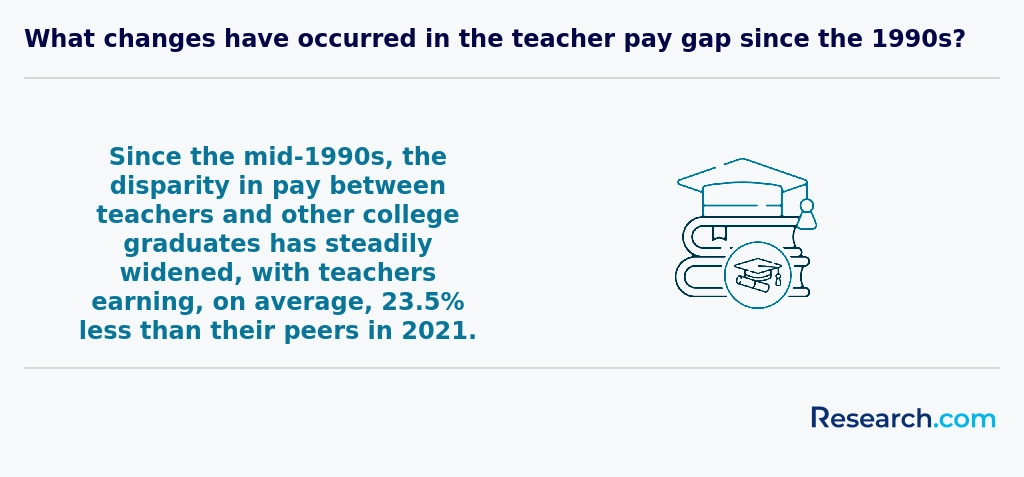
Graduates holding an education degree in Fulton find themselves at the crossroads of inspiring journeys-whether igniting curiosity in an elementary classroom or crafting innovative curricula as instructional coordinators. Imagine walking the halls of Fulton's renowned universities, where graduates merge passion with purpose, stepping confidently into roles as school administrators shaping whole communities or as spirited special education teachers fostering inclusion and empathy.
The allure of Fulton's vibrant education landscape lies in its embrace of evolving roles. For those drawn to technology, becoming educational technology specialists or online curriculum designers offers thrilling challenges, especially following the rise in virtual learning. The pulse of Fulton education degree career opportunities in Fulton beats strongest here, with graduates continually influencing schools and beyond.
Many find their calling consulting on educational strategies or training teachers, blending academic insight with real-world impact. Plus, if city life and flexible learning excite you, explore fast online degree programs for working adults that make career transitions smoother and faster.
The job market for education degree holders in Fulton pulses with opportunity, fueled by one of Georgia's largest school districts. Graduates from local institutions like Georgia State University often share stories of eagerly stepping into classrooms where diversity and growth are the norm. Facing a consistent rise in student enrollment, schools seek passionate educators, especially in specialized fields such as STEM and bilingual education, making the Fulton education degree job opportunities in Fulton lively and expansive.
Salary prospects reflect this demand; with average teacher pay surpassing the state norm, many alumni describe a rewarding balance between competitive income and meaningful work. The vibrant urban school environment also opens doors beyond teaching-into administration, curriculum design, and tech integration-offering varied paths after graduation.
Cost-conscious students appreciate that public universities offer reasonable tuition rates. Many also explore easy degrees to get online to complement or accelerate their education careers, shaping a dynamic outlook for future educators in the Atlanta metro area.
Fulton education degree employment outlook buzzes with potential as the county continues to prioritize equity and innovation in education, inviting new graduates to join a community eager for fresh, passionate voices.
2027 Most Popular Education Degree Programs Ranking in Fulton
Investing in your education is a significant decision that can profoundly impact your future, and the Research.com team recognizes the importance of making well-informed choices. To support prospective students in Fulton, we have carefully developed the "2027 Most Popular Education Degree Programs Ranking in Fulton." Our dedication to quality, credibility, and accuracy is demonstrated through rigorous research and analysis behind this ranking.
We utilized the following reputable data sources to ensure a thorough evaluation of education degree programs:
By examining this ranking, readers will receive valuable insights into the most popular education degree programs in Fulton, assisting them in making confident and strategic decisions about their educational journeys. For a detailed explanation of our approach, please visit our Research.com methodology page.


Frequently Asked Questions About education
Education degree students in Fulton can maximize their learning experience by engaging in hands-on classroom opportunities early in their programs. Practical experience through student teaching assignments, which often begin in the junior year, allows students to apply theory in real settings. Research from the National Center for Education Statistics (NCES) highlights that programs with at least 15 weeks of supervised teaching yield stronger job placement outcomes. Students should also participate in local education organizations and workshops offered by Fulton County Schools, enhancing skills and networking.
Utilizing library resources and technology provided by Atlanta's universities is crucial to deepen academic knowledge. Building relationships with professors and seeking mentorship can help guide academic and career paths effectively. Fulton students benefit from the county's 7% annual growth in teacher demand, encouraging them to focus on high-need subjects like STEM and special education for better employment prospects.
Emerging niches within the education field in Fulton emphasize technology integration and special education. With rapid advancements in digital tools, there is growing demand for educators skilled in educational technology to enhance learning experiences. According to the Georgia Department of Education, Fulton County has seen a 15% increase in job openings related to STEM education support roles over the past three years.
Additionally, special education continues to be a priority due to rising awareness and legislation aimed at inclusive schooling. Programs focusing on early childhood intervention and behavioral analysis are gaining popularity among Fulton students pursuing education degrees. This trend aligns with national growth projections from the Bureau of Labor Statistics predicting a 7% increase in special education teacher jobs through 2030.
Preparing for the job market after completing an education degree in Fulton requires strategic planning and active engagement with local opportunities. Recent data from the Georgia Department of Education highlights that Fulton County has over 200 public schools, creating demand for qualified educators. Graduates should seek certification through the Georgia Professional Standards Commission, as state certification is essential for public school teaching roles.
Networking with Fulton schools through internships or student teaching placements significantly improves employment prospects. Many districts prefer candidates with practical experience and strong classroom management skills.
Additionally, ongoing professional development and familiarity with technology integration in classrooms, as emphasized by Fulton County Schools' initiatives, will make candidates more competitive in this evolving field.
Employers in Fulton seek education degree graduates with strong communication and classroom management skills. According to the Georgia Department of Education, effective verbal and written communication is essential for fostering student engagement and parent interaction.
Critical thinking and problem-solving abilities are highly valued, as educators must adapt lesson plans and address diverse student needs. Research from the Fulton County Schools highlights that graduates who demonstrate flexibility and creativity are more likely to succeed in today's dynamic classrooms.
Technological proficiency is increasingly important. Graduates should be comfortable using educational software and online teaching tools, as Fulton schools continue to integrate digital learning.
Finally, collaboration skills are crucial, as teamwork with colleagues and administration supports a positive learning environment.
Finding internships in Fulton related to education degrees involves multiple practical steps. Firstly, students should utilize university career centers, which connect them with local schools and educational organizations offering placements. Many Fulton institutions, including Kennesaw State University, report internship partnerships with public and private schools in the region.
Online platforms such as Handshake and internships.com often list education internships specific to Georgia. Additionally, reaching out directly to Fulton County Schools or local community programs can uncover opportunities not widely advertised.
Networking with faculty advisors and attending local education job fairs are also effective strategies. According to the Georgia Department of Education, internships completed during degree programs improve graduate employability by up to 40%.
In Fulton, obtaining an education degree significantly enhances career mobility and advancement opportunities for graduates. According to the Georgia Department of Education, professionals with at least a bachelor's degree in education are more likely to achieve faster job promotions compared to those without formal credentials. This degree provides not only foundational teaching skills but also leadership training needed for administrative roles.
Fulton schools often require advanced degrees for positions such as curriculum coordinator or principal. Data from the National Center for Education Statistics indicates that local educators with master's degrees earn approximately 15% more than their counterparts with only a bachelor's background. This reflects the value placed on continual professional development within the district.
Additionally, fostering a strong professional network during education programs in Fulton can open doors to specialized instructional roles. Overall, an education degree is a critical factor in climbing the career ladder in Fulton's competitive educational landscape.
Studying for an education degree in Fulton equips students with skills that extend beyond traditional teaching. Programs emphasize collaboration across subjects, preparing graduates to work in interdisciplinary roles where knowledge from fields like psychology, sociology, and technology is essential. Fulton's higher education institutions often incorporate project-based learning and partnerships with local schools, enhancing practical experience.
According to data from the Georgia Department of Education, approximately 30% of education graduates in Fulton engage in roles that require multidisciplinary approaches.
This approach aligns with national trends encouraging educators to address complex student needs by integrating diverse academic perspectives and innovative teaching methods.
When choosing between a thesis and a non-thesis education degree program in Fulton, consider your career goals first. Thesis programs typically focus on research and are suited for those aiming for academic roles or advanced study. Non-thesis paths usually emphasize practical skills and are popular among professionals seeking leadership or administrative positions.
In Fulton, about 60% of education graduate students opt for non-thesis options, according to the latest data from the Georgia Board of Regents. This reflects local demand for applied skills over research-based training.
Thesis programs require more time commitment, including conducting original research, which may extend your degree duration.
Non-thesis programs often include internships or projects, allowing hands-on experience within Fulton's school systems. Review specific program requirements at local institutions to align with your professional interests.
Students based in Fulton seeking education degrees with an international perspective have several avenues to study abroad. Many universities in Georgia, including those near Fulton, participate in established exchange programs with institutions in Canada, the United Kingdom, and Australia, enabling students to earn credits abroad that count toward their degrees.
According to the Institute of International Education's 2023 report, approximately 4% of education majors in Georgia engage in study abroad experiences, often through summer or semester-long programs. These programs focus on comparative education practices, language immersion, and global pedagogy methods.
The University System of Georgia offers partnerships that can benefit Fulton students through structured education abroad opportunities, supported by scholarships and academic advising. Such options are growing, reflecting a national trend toward internationalized teacher preparation.
Part-time job opportunities in Fulton that complement education degree studies often include roles in tutoring, teacher's aide positions, and after-school program support. These positions provide practical experience with student engagement and curriculum implementation, beneficial for education majors. According to the Georgia Department of Education, Fulton County schools employ numerous teacher assistants, creating openings ideal for part-time work.
Additionally, local libraries and community centers in Fulton frequently seek part-time staff for literacy programs, offering hands-on exposure to educational development.
Such jobs not only enhance teaching skills but also improve resumes for future full-time education careers.
Education students in Fulton have access to a variety of networking opportunities that support their professional growth. Local institutions like Georgia State University and Clayton State offer education majors frequent workshops and career fairs connecting students with area school districts. The Fulton County Schools system hosts regular events allowing students to meet experienced educators and administrators who share insights about the profession.
Professional organizations such as the Georgia Association of Educators (GAE) have local chapters where students can join and attend conferences or seminars. These events enhance networking by offering sessions on current trends in education and by fostering connections with peers and mentors.
In addition, Fulton education students can benefit from internship placements and practicum partnerships that often lead to long-term professional relationships within the community. According to a 2023 Fulton County Schools report, over 70% of education program interns secure employment through these networks.
Alumni networks offer significant benefits to education degree students in Fulton by providing access to a broad community of former graduates who can share career advice, job opportunities, and mentorship. These networks help students build professional connections crucial for entering the local education sector, where personal recommendations often influence hiring decisions.
According to the National Center for Education Statistics, institutions in Fulton report that more than 60% of education graduates find employment through connections made via alumni networks. These groups also organize workshops and seminars, enhancing students' practical skills alongside academic learning.
Additionally, alumni networks can assist with continuing education and certification requirements, keeping graduates informed about industry trends and policy changes relevant to Fulton's schools.
In Fulton, customizing an education degree program to align with your career goals involves selecting specialized coursework, concentrations, and practical experiences. Many institutions offer flexible options such as choosing between elementary, secondary, or special education tracks. You can often include electives in curriculum design, educational technology, or administration to tailor your studies.
Internships and student teaching placements in Fulton schools provide hands-on experience, important for your specific focus. Some programs allow you to integrate certifications, for example, ESL or reading specialist endorsements, enhancing your qualifications.
According to the Georgia Professional Standards Commission, about 68% of education graduates in Fulton pursue certification areas aligned with their career aims, illustrating the degree of customization available locally.
Education students in Fulton face several challenges typical of teacher preparation programs nationwide, yet some issues are more prominent locally. One major difficulty is balancing demanding coursework with student-teaching assignments, which can require upwards of 12-15 hours per week in schools. This practical experience is essential but often stressful for many.
Additionally, according to the Georgia Professional Standards Commission, there is growing pressure to meet diverse student needs, especially in Fulton schools where about 70% of students qualify for free or reduced-price lunch, indicating socioeconomic challenges impacting classroom environments.
Another hurdle involves navigating certification requirements and passing rigorous licensure exams. Many report that preparation resources are limited, causing added anxiety.
Finally, funding limitations and access to updated educational technology also affect the quality of training, as smaller institutions serving Fulton may lack resources compared to larger universities.
With an education degree in Fulton, you can pursue several professional certifications that enhance your teaching career. One common option is obtaining a teaching license or certification through the Georgia Professional Standards Commission, required for K-12 educators.
Additionally, educators often seek certifications in specialized areas such as special education, English as a Second Language (ESL), or reading instruction. These certifications improve job prospects and can lead to higher salaries.
For leadership roles, certification programs in educational administration and principalship are available in Fulton, preparing educators for school management positions.
Continuing education through workshops and endorsements is also popular among Fulton teachers to stay current with teaching methods and state requirements.
When applying for an education degree program in Fulton, it is essential to tailor your application to highlight your passion for teaching and your commitment to student success. Start by clearly stating your career goals and how the program aligns with them. Admissions committees in Fulton, which includes Atlanta-area institutions, often look for candidates with strong academic records, particularly in subjects related to education and child development.
Include relevant extracurricular activities, volunteer work, or employment that demonstrate your experience working with children or in educational settings. According to the Georgia Department of Education, practical experience significantly strengthens applications.
Ensure your personal statement is well-written, free of errors, and reflective of your unique perspective. Additionally, provide strong recommendation letters from educators or supervisors familiar with your abilities. Meeting or exceeding standardized test score requirements, such as the GRE or Praxis Core, can also enhance your chances.
The global perspective on education careers highlights growing demand for skilled teachers and education professionals, especially with increasing emphasis on technology and multicultural classrooms. In the U.S., including Fulton, educators are encouraged to integrate global competencies into their teaching practices to prepare students for a connected world.
According to the National Center for Education Statistics, Fulton County Schools employ more than 10,000 educators, reflecting a robust local demand.
Internationally, countries prioritize education differently, but the U.S. system values certification, ongoing professional development, and adaptability across diverse student populations. Pursuing an education degree in Fulton offers access to programs focused on these global trends, benefiting future educators aiming to work locally or abroad.
Gaining practical experience while studying for an education degree in Fulton involves several effective strategies. Most local universities and colleges require student teaching as part of their programs. This hands-on experience allows candidates to work directly in classrooms under the supervision of certified teachers.
Additionally, many institutions in Fulton collaborate with nearby public schools, giving students opportunities for internships and fieldwork. According to Fulton County Schools, over 70% of education majors participate in such placements during their studies.
Volunteering in after-school programs and education-related community projects also helps build practical skills. These experiences can enhance resumes and improve job readiness after graduation.
Choosing the right concentration within an education degree program in Fulton requires careful consideration of your career goals and interests. Many programs offer concentrations such as early childhood, special education, or secondary education. According to the Georgia Professional Standards Commission, demand for special education teachers in Fulton County has risen by 8% since 2020, highlighting growth in this area.
Reviewing job placement rates and licensure requirements connected to each concentration can help you make an informed choice. For example, elementary education often has broader state certification options, while subjects like STEM or literacy may lead to specialized roles.
Visiting local institutions' websites and speaking with academic advisors will provide insight into specific curriculum and field experiences offered, which directly impact your preparedness for Fulton's schools.
- 2027 Most Popular Education Degree Programs Ranking in Kansas City
- 2027 Most Popular Education Degree Programs Ranking in Des Moines
- 2027 Most Popular Education Degree Programs Ranking in Dubuque
- 2027 Most Popular Education Degree Programs Ranking in Memphis
- 2027 Most Popular Education Degree Programs Ranking in River Forest
- 2027 Most Popular Education Degree Programs Ranking in Wichita
- 2027 Most Popular Education Degree Programs Ranking in Chicago
- 2027 Most Popular Education Degree Programs Ranking in Indianapolis
- 2027 Most Popular Education Degree Programs Ranking in Louisville
- 2027 Most Popular Education Degree Programs Ranking in Nashville
See What Experts Have To Say About Studying Education
Read our interview with Education experts


Nooshan Ashtari
Education Expert
Professor & Book Author
University of Southern California

- MONPERATOTO Jati Diri Situs Togel Online Resmi Bersama Agen Toto Togel 4D Terpercaya https://writerslife.org/educational-markets/
- Can Higher Education Improve Long-Term Career Success https://studysphereadvisors.com/how-higher-education-influences-long-term-career-growth/
- Get the skills employers want | Study UK https://study-uk.britishcouncil.org/why-study/succeed-your-career/get-skills-employers-want
- 18 Highest Paying Jobs With an Education Degree (not teaching) | Devlin Peck https://www.devlinpeck.com/content/jobs-with-an-education-degree
- Education Transfer Path- General Studies - Fulton-Montgomery Community College https://fmcc.edu/education/education-transfer-path-general-studies-aa
- Putting theory into practice: The value of an interdisciplinary approach to teaching https://my.chartered.college/impact_article/putting-theory-into-practice-the-value-of-an-interdisciplinary-approach-to-teaching/
- Promising Niches in the Global EdTech Landscape - Blog https://rocketech.it/blog/post/global-edtech-landscape-what-niches-are-the-most-promising
- Teaching Job Roles | Teach For Life https://www.teachforlife.com/teachingjobs/global-perspectives-teacher
- How Our Plan Was Developed - Fulton County School System https://www.fultonschools.org/our-district/our-strategic-plan/how-our-plan-was-developed
- What Employers Actually Want From Graduates https://bodyswaps.co/resources/blog/what-employers-actually-want-from-graduates


