2027 Most Valuable Skills You Build in a Radiology Technician Degree and Which Careers Use Them Most

Co-Founder and Chief Data Scientist
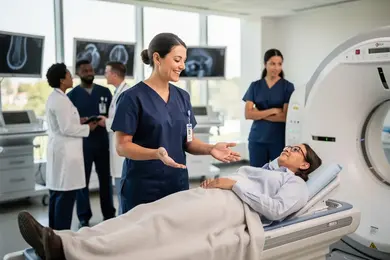
How can mastering complex imaging technology shape a radiology technician's career trajectory? For career switchers aiming to enter healthcare, understanding the critical skills developed in a radiology technician degree is essential. Beyond handling X-ray machines and MRI scanners, students gain expertise in patient communication, safety protocols, and anatomy knowledge-skills employers increasingly prioritize.
According to the Bureau of Labor Statistics, employment for radiologic technologists is projected to grow 7% from 2022 to 2032, reflecting steady demand. This article explores the most valuable competencies acquired in this degree and highlights the careers that depend on them most, guiding readers toward informed decisions.
Key Benefits of the Most Valuable Skills You Build in a Radiology Technician Degree
- Developing technical expertise in imaging equipment operation significantly improves job readiness, with over 80% of employers seeking certified radiology technician graduates.
- Skills in patient communication and data analysis support adaptability, allowing professionals to transition into diverse healthcare and research roles.
- Continuous learning in diagnostic technologies fosters long-term career growth, as the industry expects a 7% employment increase through 2032, enhancing job security.
What Are the Core Skills Taught in Radiology Technician Programs?
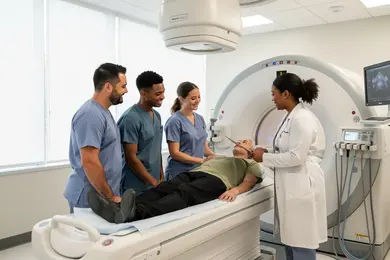
Radiology technician programs focus on equipping students with essential technical abilities in radiology technician training, ensuring they are well-prepared for the complex demands of clinical settings. Studies show that about 85% of graduates feel confident handling clinical responsibilities soon after completing their programs, demonstrating strong practitioner readiness. Developing these core clinical skills for radiology technicians helps bridge the gap between education and professional practice.
Key competencies developed through these programs include the following fundamental skills:
- Critical Thinking: This skill enables students to quickly analyze and interpret imaging situations, allowing them to respond efficiently to different patient needs and unexpected technical challenges in clinical workflows.
- Image Evaluation: Students learn to assess the quality of diagnostic images critically, ensuring clarity and accuracy that support proper diagnosis by identifying when retakes or corrections are necessary.
- Patient Positioning: Proper positioning techniques are taught to optimize image precision, which is vital for obtaining accurate diagnostic results and minimizing the need for repeated imaging procedures.
- Radiation Safety: Instruction emphasizes minimizing radiation exposure in adherence to safety standards, protecting both patients and technicians through strict protocol application.
Students interested in complementary healthcare skills may also explore opportunities through cheapest medical billing and coding online courses, which can enhance their understanding of administrative and technical healthcare processes.
What Technical Skills Are Taught in Radiology Technician Programs?
Radiology technician programs are designed to develop essential technical competencies that enable students to effectively operate medical imaging equipment and apply academic knowledge in practical clinical settings. With healthcare increasingly dependent on digital technologies, approximately 70% of healthcare roles now demand advanced digital literacy. This trend highlights the growing importance of mastering technical skills related to imaging and patient care.
Students interested in radiology technician program skills for career readiness develop expertise in several critical areas, including:
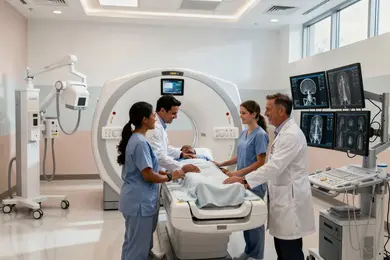
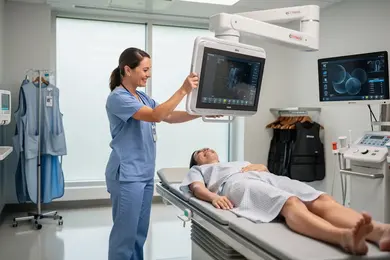
- Imaging Equipment Operation: This skill encompasses handling various diagnostic machines, such as X-rays, CT scanners, and MRIs. Students learn calibration, correct positioning of patients, and adherence to safety protocols to ensure high-quality imaging.
- Anatomical Knowledge: Understanding human anatomy is vital for accurately positioning patients and targeting relevant body regions during imaging. This knowledge supports precise diagnostics and improves the effectiveness of imaging procedures.
- Radiation Safety: Programs emphasize minimizing radiation exposure for both patients and technicians by teaching industry standards and federal regulations. Mastery of these safety protocols ensures compliance and reduces health risks in clinical environments.
- Digital Image Processing: Technicians are trained in enhancing and manipulating digital images to improve clarity and contrast. These skills aid in producing diagnostic images that facilitate accurate medical analysis.
- Medical Documentation: Accurate record-keeping and reporting are fundamental, enabling radiology technicians to document procedures and assist radiologists effectively in patient diagnosis and care.
For those seeking affordable education options aligned with these skill areas, programs like the cheapest online healthcare administration degree can complement technical training with administrative knowledge relevant to healthcare settings.
What Soft Skills Do Radiology Technician Students Develop?
Radiology technician programs cultivate essential interpersonal and behavioral skills that enhance both academic performance and workplace effectiveness. Studies show that more than 90% of employers prioritize strong communication and the ability to work well within teams when selecting candidates for roles in healthcare and similar fields. These programs provide opportunities to develop such competencies through practical experiences and collaborative learning.
Students typically build the following core soft skills during their training:
- Effective Communication: Students learn to convey information clearly and respectfully, fostering trust and understanding with patients and peers alike. This skill is practiced continuously through patient interactions and group assignments.
- Empathy: Developing sensitivity to patient needs helps students provide supportive and compassionate care, which enhances patient comfort and cooperation in clinical settings.
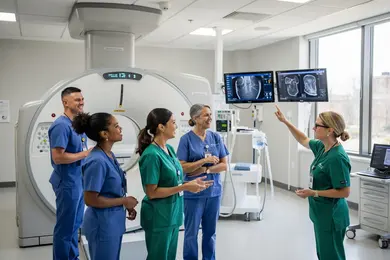
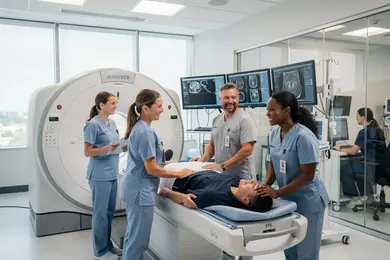
- Team Collaboration: Working closely with instructors and classmates encourages flexibility and respect within diverse groups, skills vital for a cooperative healthcare environment.
- Critical Thinking: Encountering varied clinical scenarios helps students analyze problems and make sound decisions swiftly, preparing them for unpredictable challenges.
- Attention to Detail: Students are trained to follow protocols meticulously and observe small but important clinical cues, ensuring safety and accuracy in both academic labs and patient care.
A radiology technician degree graduate shared that adapting to real-world situations was initially daunting but rewarding. "At first, I struggled with balancing the fast pace of clinical tasks and the emotional aspect of patient care," he recalled.
Through continuous practice and guidance, he developed patience and gained confidence in handling complex interactions. These experiences strengthened not only his technical ability but also his resilience and interpersonal skills, proving invaluable beyond the classroom environment.
According to a 2022 survey by the National Association of Colleges and Employers, 82% of employers prioritize critical thinking and problem-solving skills across industries. This highlights the rising importance of versatile talents in today's workforce, making transferable skills gained from a radiology technician degree highly valuable beyond healthcare. Careers that utilize radiology technician transferable skills often benefit from these diverse capabilities.
Below are key transferable skills developed through this degree program:
- Critical Thinking: Students develop the ability to analyze complex diagnostic information and make prompt decisions. This skill applies broadly in scientific research, education, and technology where logical reasoning is crucial.
- Attention to Detail: Precision in imaging protocols cultivates a meticulous approach to accuracy, benefiting roles in data management, quality assurance, and compliance-driven environments.
- Effective Communication: Clear explanation of technical information is emphasized, enhancing teamwork and client interaction skills that transfer well into customer service and project coordination.
- Organizational Skills: Managing multiple tasks and adhering to protocols fosters strong time management and regulatory compliance abilities useful in event planning and administrative positions.
- Adaptability: The broad application of skills nurtures flexibility, allowing graduates to transition across various fields confidently.
For those interested, some online colleges no application fee offer radiology technician degree programs that emphasize these enduring competencies to enhance professional mobility.
The demand for skilled radiology technicians is expected to grow by 9% from 2022 to 2032, reflecting ongoing advancements in medical imaging technology and healthcare needs. Employers seek candidates who can balance technical expertise with effective patient interaction. The following skills are especially critical in today's healthcare settings.
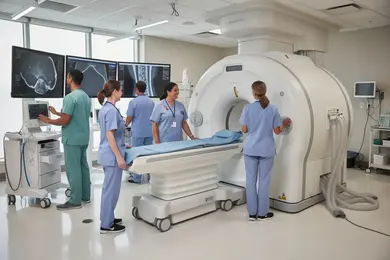
- Technical Proficiency: Mastery of imaging equipment, such as X-rays, CT scanners, and MRI machines, is essential for capturing accurate diagnostic images. Precision in operating these devices ensures the quality and reliability of results.
- Data Management: Radiology technicians must efficiently handle imaging data, recognizing when scans require repetition. Their skill in producing clear and consistent images supports diagnostic accuracy without interpreting findings themselves.
- Communication Abilities: Clear communication is vital for comforting patients who may feel anxious and for coordinating with healthcare professionals. Explaining procedures effectively enhances patient experience and optimizes workflow.
- Adaptability to Technology: Staying updated with rapidly evolving imaging software and hardware enables technicians to maintain compliance and operational efficiency amid constant change.
- Attention to Detail: Careful verification of patient information and accurate record keeping reduces errors, supporting precise diagnoses and overall clinical integrity.
A professional with a Radiology Technician degree shared that one of the more challenging yet rewarding aspects of the role is managing the unpredictable nature of patient reactions during imaging. "Sometimes, calming a nervous patient takes just as much skill as the technical part of the scan," she noted.
She emphasized how critical it is to maintain focus while adapting to each patient's unique needs, explaining, "Balancing empathy with precision is something I've grown into over time, and it really shapes how you perform daily tasks." This reflection highlights how interpersonal skills merge with technical demands in real-world practice.
Employers assessing entry-level radiology technician graduates place strong emphasis on core skills and the ability to function effectively in clinical settings. Recent data shows that more than 70% of hiring managers prioritize practical technical abilities and clear communication when selecting candidates. These criteria help ensure graduates are prepared to contribute safely and efficiently to patient care teams.
Below are key competencies that employers commonly expect from graduates starting their radiology technician careers:
- Technical Proficiency: Employers look for graduates who can confidently operate diagnostic imaging devices including X-ray, MRI, and CT scanners. Accurate application of these skills is essential to generate quality images while following established safety procedures.
- Effective Communication: Clear interaction with patients and colleagues is vital. Entry-level radiology technicians must explain imaging processes understandably, provide reassurance, and respond to patient needs with professionalism and empathy.
- Attention to Detail: Precision in patient positioning and imaging settings significantly impacts diagnostic outcomes. Graduates are expected to demonstrate careful observation and critical thinking to reduce errors and enhance patient safety.
- Safety Knowledge: A solid grasp of radiation protection and infection control guidelines is critical. New technicians must consistently apply these practices to safeguard themselves, patients, and the healthcare team.
- Collaboration and Flexibility: Working well within varied clinical teams and adapting to changing conditions are highly valued. Entry-level radiology technicians should show the ability to cooperate effectively and adjust to evolving patient care demands.
More than 70% of healthcare employers value imaging technology experience when hiring, highlighting the broad applicability of skills developed in radiology technician programs. Graduates often find their core competencies-patient care, imaging operation, anatomy knowledge, and radiation safety-transfer well into multiple healthcare and allied fields. These foundational skills open doors to varied career paths beyond traditional radiologic technology roles.
Several career categories commonly require skills gained in a radiology technician program, including:
- Diagnostic Medical Sonography: Professionals in this field use ultrasound imaging to assist in diagnosing medical conditions. Radiology technician skills in operating imaging technology and understanding anatomy provide a solid base for transitioning into sonography.
- Nuclear Medicine Technology: This specialty involves imaging techniques that use radioactive substances for diagnosis and treatment. Knowledge of radiation safety and imaging equipment from radiology technician training is essential for success here.
- Therapy Support Roles: Fields like physical and occupational therapy benefit from radiology-trained individuals familiar with patient care and anatomical structures, supporting rehabilitation through imaging interpretation and patient handling.
- Healthcare Administration: Managing medical imaging departments requires technical expertise in imaging processes and regulatory compliance, skills that radiology technician programs emphasize.
- Forensic Radiology: Applying imaging technology to examine evidence and injury analysis, this field relies on skills in imaging operation and critical assessment developed through radiology technician education.
- Veterinary Radiography: Similar imaging and patient care abilities are used in veterinary settings to diagnose and treat animals, expanding career options beyond human healthcare.
Certain radiology technician skills are strongly linked to higher salaries because employers recognize their impact on job performance, patient care, and technological proficiency. These competencies help technicians stand out in a competitive field and are often rewarded with better compensation. Understanding which radiology technician skills increase earning potential can guide students toward developing expertise that pays off.
The highest paying radiology technician skills in the US typically include the following key areas:
- Advanced Imaging Technology: Proficiency with sophisticated equipment such as CT scanners and MRI machines can earn technicians a 10% to 20% salary premium. Mastery of these tools allows for more detailed diagnostics, increasing value in specialized clinical environments.
- Radiation Safety Knowledge: Employers favor technicians skilled in applying rigorous safety protocols, resulting in salaries $5,000 to $10,000 higher annually. Understanding radiation dosimetry and regulatory compliance enhances safety for patients and staff, boosting institutional trust.
- Patient Care and Communication: Effective interaction with patients correlates with a 5% to 10% increase in pay. Technicians who manage patient comfort and explain procedures well reduce anxiety and improve cooperation, optimizing workflow efficiency.
- Specialized Certifications: Additional credentials in fields like mammography or cardiovascular-interventional radiography typically lead to a 15% to 25% salary increase. These certifications demonstrate advanced skills and open doors to more complex roles.
Prospective students interested in accelerating their careers may also consider 1 year radiology tech programs, which can swiftly equip them with these high-impact skills.
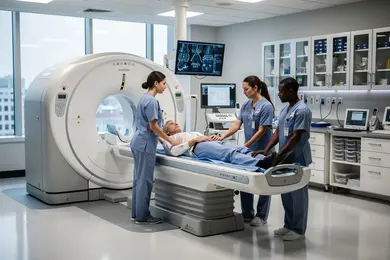
Internships play a vital role in enhancing radiology technician practical skills development by providing direct, real-world exposure that bridges the gap between classroom theory and clinical application. This hands-on experience enables students to understand imaging equipment operation, patient positioning, and radiation safety protocols beyond textbook knowledge.
According to recent data, over 80% of radiology technician graduates who completed internships report improved clinical skills and greater preparedness for their professional duties. Such benefits also reflect the broader advantages of clinical experience for radiology technician career readiness, ensuring students are well-equipped to meet workplace demands.
By engaging in structured tasks like performing X-rays and assisting with ultrasound procedures, internships support skill refinement through supervised practice. Experienced professionals provide essential feedback that helps students correct errors and develop competencies in image analysis, machine calibration, and patient communication.
This guided environment cultivates proficiency and problem-solving abilities necessary for clinical settings, allowing students to adapt effectively to evolving technologies and complex healthcare scenarios. For those exploring related healthcare roles, learning about how to become a nurse practitioner can offer additional perspective on clinical skill application in patient care.
Effectively showcasing radiology technician skills on a resume plays a vital role in highlighting your qualifications and meeting the expectations of healthcare recruiters. Clear presentation helps demonstrate both technical mastery and interpersonal abilities relevant to the profession. Organizing these skills thoughtfully supports a strong professional impression.
Consider the following guidelines for listing radiology technician skills:
- Clarity and Precision: Use concise language and specific terminology aligned with medical imaging standards to convey your expertise without ambiguity. Avoid vague or generic descriptions that fail to communicate your true capabilities.
- Skill Grouping: Separate technical skills like imaging operation and radiation safety from soft skills such as patient communication or teamwork. Grouping related abilities improves readability and allows employers to quickly assess different competency areas.
- Prioritization: Focus on the most relevant and essential skills for the job or specialty you seek. A targeted list avoids overwhelming recruiters and emphasizes strengths that align with the position's demands.
- Professional Tone: Maintain a formal and consistent style throughout your resume. Present skills in bullet points or short phrases that align with industry vocabulary and reflect your readiness for clinical settings.
- Balanced Skill Set: Highlight a combination of hard technical proficiencies and soft interpersonal skills. This approach showcases versatility and prepares you for diverse workplace responsibilities.
What Graduates Say About the Most Valuable Skills You Build in a Radiology Technician Degree
- Valentino: "Completing my radiology technician degree truly opened my eyes to the diverse skill set required at each level of study-from mastering imaging technology basics to honing patient communication in advanced courses. One challenge was adapting quickly to fast-paced clinical environments where accuracy and empathy must coexist. These skills have been invaluable as I transitioned into a hospital setting, impacting not just my technical proficiency but how I connect with patients daily."
- Zev: "Reflecting on my radiology technician training, I recognize that the problem-solving and critical thinking skills I developed were crucial for progressing through different career paths, including diagnostic imaging and radiation therapy. The toughest part was balancing theory with real-world application under pressure, especially during clinical rotations. This degree sharpened my ability to remain composed and precise, which has greatly enhanced my professional growth within healthcare teams."
- Grayson: "What stood out most during my radiology technician degree was how much the practical skills, like operating advanced imaging machines and understanding anatomy, varied between certificate and degree programs. Overcoming the steep learning curve of technical equipment was initially intimidating but deeply rewarding. These competencies have profoundly shaped my career, allowing me to work confidently in medical imaging centers and contribute to accurate diagnoses and patient care."
Other Things You Should Know About Radiology Technician Degrees
Radiology technician skills ensure patient safety through precise imaging techniques that minimize radiation exposure. Proper positioning and equipment calibration reduce errors, helping avoid unnecessary retakes and limiting patient risk. Knowledge of safety protocols and infection control is also critical during imaging procedures.
Absolutely, in 2027, radiology technicians can advance into specialized roles by utilizing their diagnostic imaging skills. Specializations like MRI technologist, CT technologist, or sonography specialist are accessible with additional certifications. These roles take advantage of enhanced imaging techniques, offering greater career progression opportunities.
Most employers expect the American Registry of Radiologic Technologists (ARRT) certification after graduation. To qualify, candidates usually complete an accredited radiography program and pass the ARRT Radiography exam, which covers patient care, image production, procedures, and radiation protection.
- What 7 'soft skills' must radiologists have? | AuntMinnie https://www.auntminnie.com/practice-management/article/15631489/what-7-soft-skills-must-radiologists-have
- Essential Skills for Securing Radiology Technician Jobs | Enhance Your Expertise https://scopecollege.co.in/essential-skills-for-radiology-technician-jobs/
- 9 High-Paying Radiology Tech Jobs with a Bright Future https://www.mtmi.net/blog/9-high-paying-radiology-tech-jobs
- Radiologic Technologist Resume Guide | Sunbelt Staffing https://www.sunbeltstaffing.com/resources/allied/radiologic-technologist-resume-guide/
- Career Progression Guide for Radiologic Technologists: What to Expect https://www.incrediblehealth.com/tech/career-progression-guide-for-radiologic-technologists-what-to-expect/
- Top 9 Highest-Paying Radiology Tech Jobs in 2025 https://www.directshifts.com/clinician-resources/top-9-highest-paying-radiology-tech-jobs-in-2025
- Essential Radiologic Technologist Skills https://www.fortis.edu/blog/healthcare/essential-radiologic-technologist-skills.html
- Resume Skills for Radiology Technician (+ Templates) - Updated for 2026 https://resumeworded.com/skills-and-keywords/radiology-technician-skills
- Clinical competencies and performance of radiologic technology interns in general radiography - Journal of Medical Imaging and Radiation Sciences https://www.jmirs.org/article/S1939-8654(24)00301-1/fulltext
- Radiologic Technologist: Careers, Skills & Job Opportunities https://empowercare.us/blog/radiologic-technologist-careers-skills-job-opportunities