2027 Most Recession-Resistant Careers You Can Pursue With a Radiology Technician Degree

Co-Founder and Chief Data Scientist
During economic downturns, many healthcare roles face budget cuts, but radiology technician positions remain crucial. Studies show employment for radiology technicians is projected to grow by 9% through 2030, outpacing many allied health professions.
This growth reflects an increasing demand for diagnostic imaging across diverse medical settings, regardless of economic fluctuations. However, competition is rising as more graduates enter the field, pushing candidates to gain specialization in advanced imaging techniques or certifications to stand out.
This article explores the most recession-resistant careers a radiology technician graduate can pursue and offers guidance on staying competitive in a shifting job market.
Key Points About Recession-Resistant Radiology Technician Careers
- Healthcare demand remains stable during economic downturns. Radiology technician graduates often secure roles in hospitals and clinics, where imaging services are essential regardless of recession.
- Skills in diagnostic imaging transfer to adjacent fields like nuclear medicine technology, broadening job security and career flexibility in varied medical environments.
- The Bureau of Labor Statistics projects a 9% growth in Radiology Technician employment through 2032, reflecting strong, recession-resistant demand for these professionals.
What is the employment outlook for graduates of Radiology Technician?
The job market for graduates holding a radiology technician degree is projected to remain strong, reflecting steady demand in healthcare settings. The U.S. Bureau of Labor Statistics forecasts a 7% growth rate for radiologic technologists and technicians over the next decade, faster than the average for all occupations.
Below are key factors shaping this employment outlook for graduates of radiology technician programs in the United States.
- Aging population: Increasing numbers of older adults require diagnostic imaging services more frequently, driving job growth and demand trends for radiology technicians in healthcare environments.
- Technological advances: Innovations in medical imaging have created a need for specialists proficient in new technologies, enhancing job prospects.
- Essential medical services: Imaging procedures are critical to patient care and cannot be delayed during economic downturns, contributing to the field's recession resistance.
- Low unemployment rates: Radiology technicians consistently experience unemployment rates below the national average, signaling stable career opportunities.
- Emerging specialized roles: Growth in interventional radiology and outpatient imaging expands job diversity and options for graduates.
For prospective students weighing their educational options, exploring medical assistant programs near me can also be a strategic step alongside radiology technician training to enhance healthcare career flexibility and resilience.
What are the most recession-resistant careers for Radiology Technician degree graduates?
Certain roles within the field of radiology technician and adjacent industries offer strong protection against economic downturns due to their essential functions or regulatory requirements.
Employment for radiologic technologists is projected to grow by 11% over the next decade, faster than average for most occupations-highlighting sustained demand for these positions.
Below are some of the most recession-resistant careers available to radiology technician degree graduates.
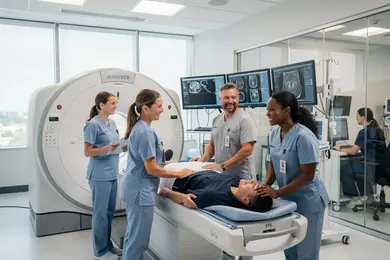
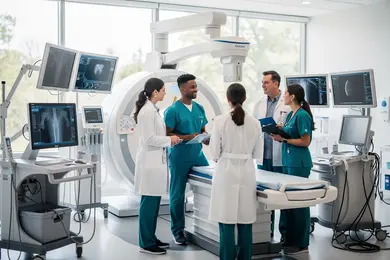
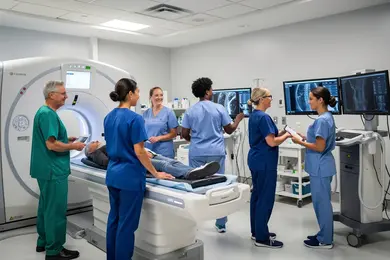
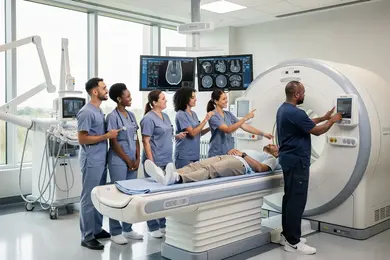
- Diagnostic Imaging Technologist: These professionals operate critical imaging equipment to diagnose a variety of medical conditions. Since diagnostic services are essential in healthcare, hospitals and clinics prioritize maintaining these roles, providing steady employment despite economic challenges.
- Radiologic Technologist Specialist in Mammography: Mammography specialists support government-mandated screening efforts for early cancer detection. This regulatory backing ensures a consistent need for their expertise, making the position less vulnerable to budget reductions during financial downturns.
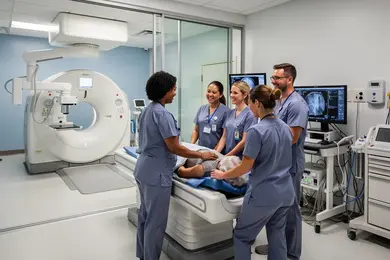
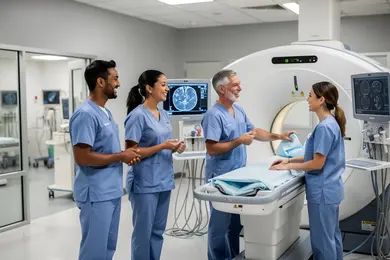
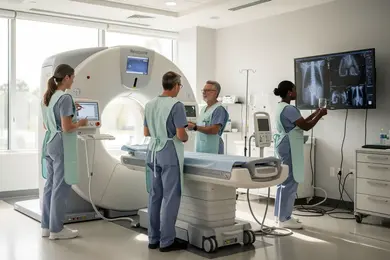
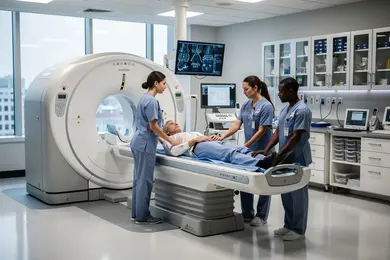
- Computed Tomography (CT) Technologist: CT technologists perform high-priority imaging critical for emergency and trauma care. The urgent nature of these scans means that demand remains stable, even when healthcare systems face financial pressures.
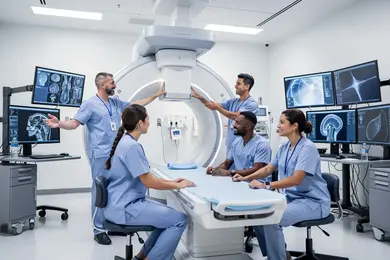
- Interventional Radiology Technologists: By conducting minimally invasive, image-guided procedures, these technologists help reduce hospital stays and overall costs. This cost-efficiency makes their roles attractive to healthcare providers managing tight budgets, sustaining demand regardless of economic fluctuations.
- Radiology Department Supervisor: Supervisors oversee compliance, safety, and quality assurance in imaging departments. Their managerial responsibilities make them essential for maintaining healthcare standards, which supports job security during recessions.
Those seeking to advance their career and widen their opportunities might consider a master in health administration, which complements the technical skills of radiology technician graduates.
By targeting these high-demand radiology technician jobs during economic downturns and focusing on recession-resistant careers for radiology technician degree graduates, students can build a resilient career path within healthcare.
In which industries can Radiology Technician degree holders find work?
Graduates with a radiology technician degree have the flexibility to pursue careers across diverse sectors beyond traditional medical facilities. This versatility is supported by data showing employment in radiology-related fields is projected to increase by 11% over the next decade.
Below is a summary of key industries where radiology technicians often find steady and resilient employment.
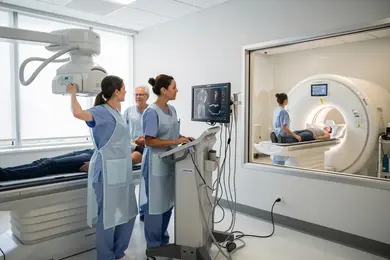
- Healthcare: Radiology technicians play vital roles in hospitals, outpatient clinics, and specialized diagnostic centers by conducting imaging procedures such as X-rays, CT scans, and MRIs. These positions are essential to patient diagnosis and treatment and remain stable across economic shifts.
- Government Healthcare Agencies: Public health organizations and veterans' health services employ technicians to support large populations with diagnostic imaging needs. These roles typically offer strong job security and access to government benefits.
- Research and Pharmaceuticals: Technicians contribute to medical research and clinical trials by capturing detailed imaging crucial for drug development and disease study. Funding in this area tends to be sustained even during economic fluctuations.
- Industrial Non-Destructive Testing (NDT): Technicians utilize imaging technology to assess material and structural integrity without causing harm. This specialty is important in aerospace, manufacturing, and construction industries focused on safety and regulatory compliance.
- Telemedicine and Teleradiology: Remote imaging support and interpretation services have expanded, creating roles where technicians assist radiologists who analyze scans from distant locations, reflecting healthcare's growing reliance on digital solutions.
When asked about the range of career opportunities available after earning a radiology technician degree online, a professional shared that navigating transitions between sectors required adaptability and continuous learning.
He explained, "Entering an online program meant balancing coursework with family responsibilities, which was challenging but rewarding." Upon graduation, moving into a government healthcare role involved understanding new protocols and systems, which felt overwhelming at times.
"I had to quickly get comfortable with electronic health records and different imaging equipment," he recalled. Despite obstacles, the ability to apply core imaging skills across industries provided a sense of security and professional satisfaction, confirming the degree's value in various economic climates.
Radiology technician positions in the public sector generally offer greater job stability than those in private settings.
Public roles benefit from steady government funding and structured healthcare programs that protect jobs during economic downturns, showing only about a 2% employment variation in recessions compared to roughly 7% in private positions. This creates a more predictable work environment supported by pension plans, union protections, and consistent hours.
Conversely, private sector jobs, such as those in corporate hospitals or healthcare startups, may face more fluctuations due to patient volume changes, insurance adjustments, and shifting investments.
However, these roles often provide faster career progression opportunities through exposure to diverse specialties and cutting-edge technologies, alongside performance-based rewards and professional development programs. The trade-off involves a less stable but potentially more dynamic career path.
For graduates, choosing between public and private sectors largely depends on their tolerance for uncertainty and long-term priorities. Those valuing steady income and job security might lean toward public employment, while individuals seeking rapid advancement and varied experiences may prefer private organizations.
Balancing these factors can help new radiology technicians make decisions aligned with both financial stability and professional growth.
Where you choose to work can significantly influence job stability for radiology technician graduates. Certain areas serve as key hubs for healthcare employment.
Below are three states recognized for offering the most dependable opportunities in this field.
- California: With a diverse and sizable population, California supports a wide network of hospitals and cutting-edge medical research institutions mainly in cities such as Los Angeles and San Francisco. The state's ongoing healthcare investments and a growing elderly population help sustain steady demand for radiology technicians.
- Florida: Known for its large retiree community, Florida has a continuous need for medical imaging services. Healthcare facilities across Miami, Tampa, and other metropolitan areas deliver ample opportunities for radiology technician professionals as the aging population grows.
- Texas: Rapid population growth combined with major medical centers in Houston and Dallas positions Texas as a strong market for radiology technician employment. The state's extensive healthcare system prioritizes advanced diagnostic services, ensuring resilient job prospects.
In these states, radiology technologists typically earn about 15% more than the national median, highlighting the premium placed on their skills in stable healthcare sectors even amid economic fluctuations.
Post-graduate credentials and continuing education serve as a layoff shield by validating specialized, high-demand expertise in radiology technician careers. Studies show employers report up to 20% higher job retention rates for multi-certified technologists during economic contractions, underscoring the importance of advanced certifications.
Below are some of the best certifications to make radiology technician careers recession-resistant.
- ARRT Certification: This American Registry of Radiologic Technologists credential is often a baseline requirement for technologists, ensuring they meet national safety and efficiency standards. It boosts employability in hospitals, outpatient centers, and imaging clinics, especially where budget constraints prioritize certified staff who reduce operational risks.
- Computed Tomography (CT): CT certification expands career opportunities by demonstrating expertise in advanced imaging technology crucial in emergency diagnostics and oncology. Technologists with this credential are positioned for roles in high-demand and steady-volume healthcare facilities.
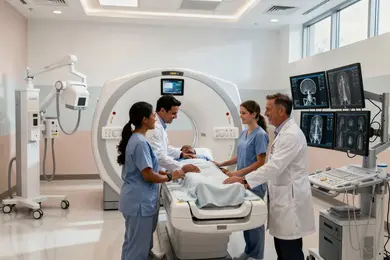
- MRI Certification: Specializing in Magnetic Resonance Imaging offers access to a niche with higher salary growth due to the complexity and cost of MRI equipment. MRI-certified technologists are valued in diverse settings for performing versatile, non-invasive diagnostic scans.
- Bone Densitometry (BD): This certification supports osteoporosis diagnosis in aging populations, with outpatient clinics focused on preventive and chronic care services offering steady demand. BD credentials often provide job security less affected by economic shifts.
- Nuclear Medicine Technology (NMTCB): NMTCB certification enhances careers in fast-growing nuclear imaging, combining radiology and tracer technology for precise disease detection. Its expansion aligns with advances in personalized medicine, making it recession-resilient.
For prospective students aiming to enhance their qualifications, exploring specialized certifications can secure opportunities in resilient healthcare sectors.
Those interested in furthering their education might consider reviewing the best online DNP programs that complement their radiology technician certifications for job security and expand pathways into advanced clinical roles.
Continuously enhancing skills makes professionals less replaceable during economic slowdowns and organizational changes.
The following key abilities help radiology technician graduates increase their job resilience and adapt to evolving healthcare demands.
- Advanced Radiologic Technology Skills: Mastery of current imaging tools, including digital radiography and PACS, keeps technicians competitive. Expertise in these areas is critical as imaging technologies advance rapidly, ensuring career stability.
- Patient Care and Communication: Strong communication paired with compassionate patient interaction improves diagnostic experiences. These skills are essential in settings where technicians serve diverse patient populations, enhancing trust and outcomes.
- Ultrasound Certification: Obtaining ultrasound certification for radiology technician job security broadens professional roles. Cross-training in ultrasound also mitigates risks tied to reliance on a single imaging modality.
- Health Information Management: Familiarity with electronic health records and compliance with data privacy supports accurate documentation. This skill set aligns well with the growing integration of healthcare IT systems and elevates employability.
- Quality Control and Safety: Proficiency in radiation safety and quality assurance minimizes institutional hazards. Adhering to these protocols strengthens the technician's role as a vital contributor to safe imaging environments.
Research shows radiology technicians who develop multi-modality expertise and health IT capabilities have significantly better job retention during sector downturns.
Those aiming for long-term stability may also explore career paths linked to medical billing and coding, where average medical billing and coding salary trends indicate steady demand.
Institutional reputation often plays a significant role in the job market for radiology technician graduates.
Employers may favor candidates from well-known programs due to perceived rigor and quality of training, which can translate into more stable job prospects. Graduates from prestigious schools frequently benefit from enhanced credibility on their resumes, giving them a notable edge when competing for recession-resilient positions.
Beyond prestige, attending the right school can open valuable networking opportunities. Many top-ranked institutions maintain strong relationships with healthcare providers and clinical sites, facilitating internships, job placements, and career mentoring.
These connections help graduates access positions that might not be widely advertised, providing a competitive advantage in a challenging job landscape. That said, graduates from any accredited radiology technician program can remain competitive by demonstrating proven performance and up-to-date skills.
Success in this field depends heavily on reliable clinical skills, certifications, and continuous professional development more than on institutional name alone.
Proactively preparing for a career as a radiology technician is crucial for aligning academic training with the dynamic demands of the healthcare sector. This approach not only enhances employability but also boosts job stability in a competitive market.
To help students focus their efforts, here are key strategies worth considering:
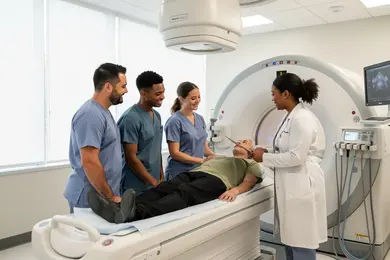
- Clinical Exposure: Pursue diverse clinical rotations covering modalities like MRI, CT, and X-ray to develop hands-on experience. This practical exposure allows students to better understand various imaging technologies and patient care scenarios.
- Professional Certification: Secure credentials from recognized organizations such as the American Registry of Radiologic Technologists (ARRT). Certification validates skills and increases credibility with potential employers.
- Volunteer and Part-Time Work: Engage in healthcare settings beyond the classroom to cultivate communication and teamwork abilities. Real-world interaction enhances soft skills essential for clinical environments.
- Continuing Education: Attend seminars, workshops, or professional gatherings focused on radiology advancements and regulatory updates. Staying informed demonstrates dedication to ongoing learning.
- Networking and Memberships: Join professional associations or radiology-focused groups to access career resources, mentorship, and industry insights. Active participation signals commitment to the profession's growth and standards.
When asked about how students can meet the evolving demands of the radiology technician field, a professional who earned his degree online shared that balancing coursework with clinical internships was challenging but rewarding. "It was tough managing time between theory and real-world application," he noted, emphasizing the importance of adaptability and perseverance.
He also highlighted that connecting with seasoned professionals helped him gain perspective and confidence, making the transition into the workforce smoother. "Understanding the patient side of care alongside technical skills truly set me apart when applying for jobs," he explained, describing how his varied experiences made him feel prepared to meet employer expectations.
Salaries for recession-resistant radiology technician careers in the US tend to be competitive, with the average annual salary for graduates working in vital healthcare settings around $65,000.
This figure reflects the consistent demand for medical imaging professionals and is notably higher than the national average pay for all occupations during economic downturns. The stable need for diagnostic imaging in hospitals and outpatient centers supports this wage level, making radiology technicians an attractive option for financial stability.
Among recession-resistant radiology technician careers, those specializing in advanced imaging modalities such as MRI or CT scanning often earn more lucrative incomes through wage premiums or bonuses.
Conversely, positions in smaller clinics or outpatient care may offer less lucrative but still steady employment opportunities. Both paths provide strong financial prospects, especially in essential healthcare environments where job growth projections outpace the national average.
Income for radiology technician professionals can fluctuate depending on the industry, company size, geographic location, and additional academic credentials earned over time. Certifications and further education typically enhance earning potential and career resilience.
Prospective students looking to enter this field can also explore various educational pathways, including a nutritionist degree online, as part of a broader plan to diversify skills relevant to healthcare support roles.
What Graduates Say About Their Career After Getting a Degree in Radiology Technician
- Gabriel : "Choosing to pursue a radiology technician degree was one of the best decisions I've made, especially with the job market's unpredictability. The hands-on experience and deep understanding of medical imaging I gained prepared me well for the practical challenges in healthcare settings. Thanks to this degree, I secured a recession-resistant role that offers both stability and growth opportunities."
- Julie : "Reflecting on my journey, the radiology technician program truly equipped me with the technical skills and confidence needed to excel. It wasn't just about learning imaging techniques; it was about understanding how to stay adaptable in an ever-changing healthcare environment. This foundation has been essential for maintaining a steady career even during economic downturns."
- Ramiro : "From the start, I wanted a profession that mattered and offered resilience during tough times, which led me to a radiology technician degree. The curriculum's focus on critical thinking and patient interaction made the transition to the workforce smooth and rewarding. Today, I'm grateful that this degree helped safeguard my career against economic uncertainties."
Other Things You Should Know About Radiology Technician Degrees
Radiology technicians generally work in healthcare settings such as hospitals, outpatient clinics, and diagnostic laboratories. During economic downturns, these environments maintain operations due to the ongoing need for medical imaging and diagnostics, making them more stable job sites compared to other industries.
Continuing education helps radiology technicians stay updated on new imaging technologies and safety protocols. Those who pursue specialized certifications and advanced training often have improved job security, as they can perform a wider range of procedures and adapt to evolving healthcare demands.
Part-time roles do exist but are less common in radiology technician careers due to the need for consistent coverage in medical imaging departments. However, facilities may offer flexible scheduling to retain skilled technicians during times of financial uncertainty while balancing budget constraints.
Employers often prefer ARRT postprimary certification in MRI or computed tomography. To qualify, technologists usually need ARRT primary certification, an associate degree or higher, documented clinical experience, and a passing score on the ARRT postprimary exam. Some states also require separate licensure.
- Radiology Technician: A Career Worth Pursuing in 2026 | NCC https://www.northwestcareercollege.edu/blog/radiology-technician-a-career-worth-pursuing-in-2026/
- Radiology Technologists are in High Demand And Short Supply https://www.rsna.org/news/2024/october/radiologic-technologist-shortage
- Explore 5 Recession-Proof Careers in Healthcare https://www.snu.edu/degrees/5-recession-proof-careers-in-healthcare
- X-ray Tech Job Opportunities: Amazing Growth - Liv Hospital https://int.livhospital.com/x-ray-tech-job-opportunities-amazing-growth/
- 9 High-Paying Radiology Tech Jobs with a Bright Future https://www.mtmi.net/blog/9-high-paying-radiology-tech-jobs
- Public vs Private Sector Careers for Tech Professionals | Learning People UK https://www.learningpeople.com/uk/resources/career-guides/private-vs-public-sector/