2027 Which Radiology Technician Degree Careers Have the Lowest Unemployment Risk?

Co-Founder and Chief Data Scientist
Facing uncertain job markets-radiology technician degree holders must navigate specializations, industries, and locations differently to minimize unemployment risk. Entry-level technicians focused in advanced imaging modalities like MRI or CT experience better job stability compared to general radiography. Specialized licensing also reduces vulnerability, especially in metropolitan areas where healthcare demand persists despite economic swings.
Industry data shows that radiology technicians with certification in MRI have a 3.5% lower unemployment rate nationally than those without, underscoring credentialing's importance. This article analyzes these factors-identifying the low-risk pathways for radiology technician careers across all career stages, supported by data-driven evidence and labor market trends.
Key Things to Know About the Radiology Technician Degree Careers With the Lowest Unemployment Risk
- Historic unemployment rates for radiology technician careers show lower risk in specialized imaging fields-especially MRI and CT-due to consistent demand and regulatory licensure requirements providing job security.
- Ten-year projections forecast 21% employment growth in diagnostic medical imaging, boosted by an aging population, while automation threatens routine tasks but not complex imaging analysis roles.
- Geographic markets with larger healthcare systems-combined with advanced certifications and graduate education-offer notable recession resilience and reduce vulnerability to sudden labor market shifts.
What Makes Radiology Technician Degree Jobs More or Less Resistant to Unemployment?
Unemployment risk within radiology technician degree careers involves varying types-structural, frictional, and cyclical-that impact job stability differently. Structural unemployment stems from industry shifts or automation reducing available positions. Frictional unemployment covers temporary periods between jobs as workers search for new roles. Cyclical unemployment happens when economic downturns lower demand across sectors. Recognizing these distinctions clarifies how employment risk manifests in this field.
Key factors predicting lower unemployment risk for radiology technician degree job security include:
- Occupational Licensing: State licensure and required certifications create barriers to entry that stabilize demand and reduce rapid job displacement.
- Employer Concentration: Employment across diverse healthcare settings-hospitals, outpatient clinics, diagnostic labs-lowers sector-specific risks.
- Sector Growth Rate: Expanding healthcare needs driven by aging populations and technological advances increase demand for imaging services, mitigating cyclical effects.
- Role Replaceability: Hands-on patient interaction and complex technical tasks reduce automation vulnerability compared to repetitive jobs.
Degree level and specialization influence resilience further through:
- Advanced Certifications and Specializations: Credentials in areas like MRI or CT scanning strengthen employability by targeting rapidly growing niches.
- Geographic Location: Urban centers tend to offer more opportunities but greater competition, while rural regions may provide steadier but fewer positions-impacting unemployment risk.
This consistent analytical framework uses historical unemployment trends, long-term demand projections, automation vulnerability, recession resilience, licensure effects, geographic labor dynamics, and education levels to evaluate radiology technician careers comprehensively. Such an approach guides evaluation across entry-level, mid-career, and senior stages, helping identify paths with the lowest unemployment risk.
Choosing a specialization in radiology technician careers based on robust unemployment risk data-rather than solely on personal interest or salary-dramatically improves long-term career stability. Prospective students and professionals seeking evidence-based pathways may also explore related opportunities, including online DNP programs without clinicals, enhancing options in related healthcare fields.
Which Radiology Technician Career Paths Have the Lowest Historical Unemployment Rates?
Analyzing historic unemployment risk trends for radiology technician specializations in the US reveals several career paths with consistently below-average unemployment rates. These roles demonstrate resilience due to entrenched structural factors buffering them against economic shocks such as the 2008-2009 recession and the COVID-19 disruptions.
- MRI Technologists: Demand grows from aging populations needing advanced imaging for chronic condition diagnostics.
- Regulatory constraints tightly limit qualified practitioners, creating chronic undersupply.
- Essential-service status in hospitals sustained stable employment through past economic downturns.
- CT Technologists: CT remains critical for trauma, cancer detection, and emergency care.
- Acute setting essential-service designation bolstered employment durability during recessions.
- Complex equipment and required human judgment reduce automation vulnerability.
- Interventional Radiology Technologists: Specialized minimally invasive procedural skills create high entry barriers.
- Continuous technological advances fuel demand for expert technicians.
- Use for urgent care remained stable or increased during economic disruptions.
- Sonographers with Radiology Technician Training: Dual training expands employment options beyond ultrasound alone.
- Licensing across modalities controls workforce saturation.
- Demographic factors linked to obstetric and vascular imaging support steady demand.
- Radiation Therapy Technologists: Cancer treatment roles insulated by essential, ongoing oncology care needs.
- Long-term care and protocol-driven schedules sustain workloads.
- Certification requirements help balance qualified workforce supply.
- Diagnostic Radiology Technicians in Outpatient Imaging Centers: Shift to cost-effective outpatient diagnostic settings preserves job stability.
- Diverse modality handling lowers automation threats.
- Rapid pandemic recovery of outpatient volumes reinforced consistent employment.
Over a decade of unemployment data and labor market research confirms these radiology technician career paths rarely experience spikes beyond average national unemployment. This consistent stability stems from essential healthcare integration, regulatory licensing barriers, and demographic-driven demand. Prospective students and professionals examining radiology technician career paths with lowest historical unemployment rates should view these findings within a broader risk assessment framework - incorporating ten-year demand projections, automation vulnerability, sector growth, and credentialing impact.
For those evaluating advanced degrees or credentials, resources on best DNP programs provide guidance on further education options that may enhance long-term employment resilience.
How Does the Radiology Technician Job Market Compare to the National Unemployment Average?
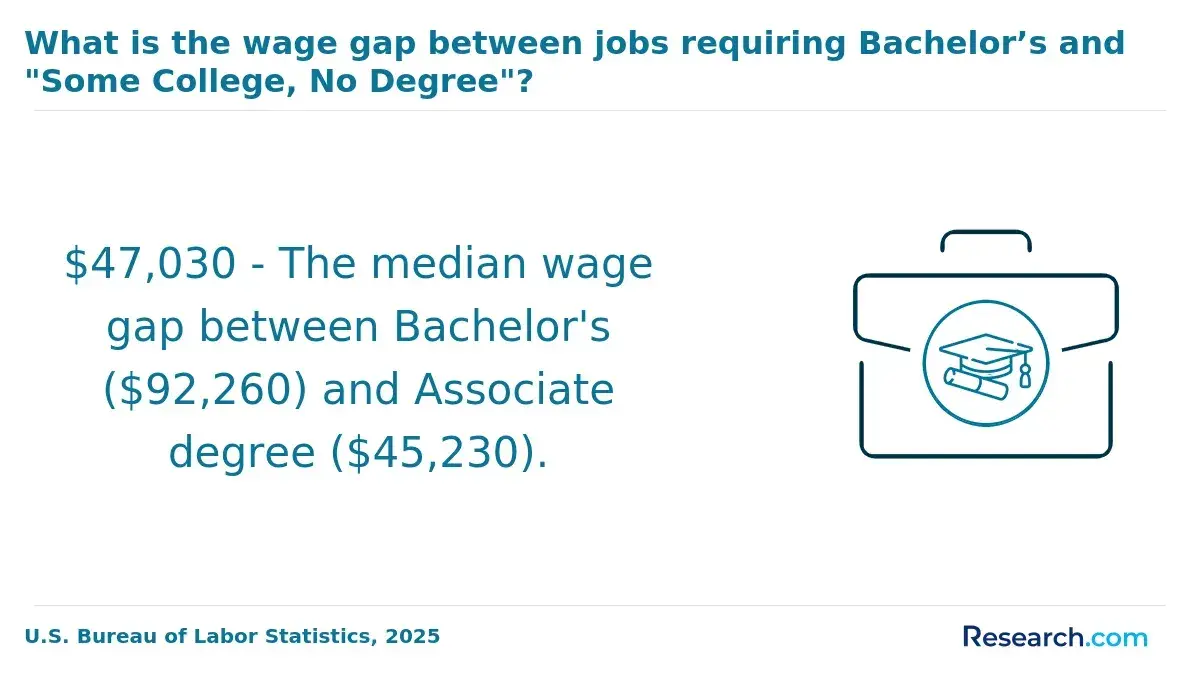
College-educated workers nationally face an unemployment rate near 2.5%, while those with radiology technician degrees experience rates closer to 1.3% within relevant career paths-reflecting stronger employment resilience in this healthcare specialization.
- Employment Stability: This roughly 1.2% lower unemployment rate translates into shorter job searches and steadier income, which supports sustained career growth and financial security for radiology technician graduates.
- Underemployment Risk: Beyond unemployment, some graduates accept roles that do not fully use their specialized skills-underemployment affects earning potential and professional advancement. Moderate underemployment rates in this field highlight the need to carefully select geographic and career niches that maximize skill utilization.
- Data Variability: Because this workforce segment is relatively small, unemployment percentages may vary notably year to year. Evaluating multi-year trends is more reliable than relying on a single year's snapshot to understand the structural job risks within radiology technician occupations.
- Job Market Nuances: Success depends on considering not only unemployment statistics but also factors such as regional demand, credentialing, and specialization. Strategic choices can decrease job search time and enhance resilience against economic fluctuations.
Reflecting on the question of how the radiology technician job market compares with national averages, a professional who completed his radiology technician degree recounted the challenges of navigating early career steps. "Entering the field wasn't just about passing exams," he said. "I had to adapt quickly-balancing certification requirements, internship opportunities, and geographic relocation to areas with higher demand." He emphasized the emotional toll of uncertain periods but noted how focused credentialing and selecting specialties aligned with hospital needs helped shorten his job search. "It felt like solving a puzzle-once I understood the market dynamics and requirements, the path became clearer and more stable."
Employer demand for radiology technician specializations is concentrated in select areas, driven by evolving healthcare technologies, regulatory changes, and demographic trends. Lightcast job posting data, LinkedIn Talent Insights, and SHRM workforce reports highlight several specialties with the highest demand-measured through job volume, salary offers, and time-to-fill rates. This concentration reflects distinct forces rather than uniform demand across all radiology technician career paths.
- MRI Technologists: Growth in advanced magnetic resonance imaging-especially for neurology and oncology-combined with a shortage of skilled operators, drives steady demand.
- CT Technologists: Rising patient loads due to aging populations and expanded CT screening protocols keep this specialization in strong demand.
- Interventional Radiology Technicians: Regulatory emphasis on minimally invasive procedures boosts the need for technicians adept in specialized imaging and procedural support.
- Mammography Technologists: Cancer screening initiatives and evolving certification requirements sustain employer interest.
- Radiation Therapy Technologists: Advances in cancer treatment and an aging population maintain consistent demand, with a focus on safety and multidisciplinary coordination.
- Bone Densitometry Technicians: Increasing osteoporosis screening among seniors supports demand despite a smaller job market.
- Vascular Technologists: A heightened focus on cardiovascular diagnostics in regions with chronic vascular disease elevates demand for this specialization.
Those exploring top in-demand radiology technician career paths in the US should verify these signals using salary surveys, workforce reports, and direct employer conversations-ensuring alignment with geographic, sector, and career stage goals. Academic planning should emphasize advanced imaging coursework, internships in specialized clinical settings, and certifications such as ARRT post-primary credentials to enhance competitiveness and employment stability.
Prospective students may also benefit from researching related fields-for example, the best online medical billing and coding schools-to broaden knowledge of healthcare career options complementing radiology technician roles.
Industries hiring the largest share of radiology technician graduates while maintaining steady growth and low layoffs share distinct protective features. Hospitals lead due to their essential-service status-ongoing patient demand, regulatory healthcare mandates, and complex diagnostic imaging workflows keep technicians indispensable. Responsibilities span clinical imaging procedures and regulatory compliance, requiring expertise in advanced equipment, patient safety, and multidisciplinary coordination. Training emphasizes radiation safety and broad clinical exposure, enhancing graduates' competitiveness.
- Hospitals: Anchored by essential healthcare functions and regulatory oversight.
- Perform diagnostic imaging and ensure strict protocol adherence.
- Mastery of advanced imaging technology, patient safety, and compliance.
- Report within multidisciplinary teams to radiologists or supervisors.
- Clinical training and safety focus produce highly qualified graduates.
- Outpatient Care Centers: High patient volume with specialties promoting sustained technician demand.
- Use specialized imaging tailored to outpatient diagnostics.
- Require patient interaction skills and technical versatility.
- Typically report within flatter organizational structures.
- Degrees stressing modality diversity and communication improve prospects.
- Physician Offices and Clinics: Smaller scale but stable employers with strict regulatory demands.
- Blend imaging duties with administrative documentation.
- Necessitate technical skill and confidentiality.
- Often report directly to physicians, requiring adaptability.
- Multi-modality certification enhances employability.
- Diagnostic Laboratories: Specialized, regulated environments need precise imaging for testing.
- Support biopsy guidance and complex diagnostics.
- Involve instrument calibration and quality controls.
- Work closely with pathologists and supervisors.
- Cross-disciplinary training bolsters job security.
- Government Healthcare Facilities: Stable funding and strict oversight reduce volatility.
- Operate under rigorous procedural frameworks.
- Emphasize compliance with government standards and detailed documentation.
- Hierarchical reporting ensures accountability.
- Licensure and security clearances increase candidate appeal.
Focusing solely on one industry introduces risks from technological shifts or policy changes. Graduates can reduce exposure by developing credentials across multiple sectors and imaging modalities and gaining varied experience. Evaluating employers through hiring trends and employee reviews adds an extra layer of insight into job stability.
Asked about her journey, a professional who built her career after completing the Radiology Technician degree described navigating early uncertainty when emerging imaging technologies threatened traditional roles. She recalled the stress of adapting quickly and the importance of continuous learning to stay versatile. "It wasn't just mastering equipment," she reflected, "but understanding workflow changes and regulatory updates that made me resilient." Her experience underscores the value of adaptability and cross-sector skills to secure long-term employment in a shifting healthcare landscape.
Data from federal and public-sector sources consistently show that radiology technician roles within government entities carry significantly lower unemployment risks compared to private-sector positions. Reliable statistics from the Bureau of Labor Statistics, the Office of Personnel Management, and the National Association of State Personnel Executives reveal several key factors that underpin this employment stability.
- Unemployment Rates: Radiology technicians working in government settings experience fewer layoffs and a steadier employment trajectory, reflecting historical trends of reduced job losses relative to private-sector colleagues.
- Layoff Frequency: Civil service protections and labor agreements sharply limit sudden job cuts among government-employed technicians, unlike in many private-sector jobs where layoffs are more common during economic shifts.
- Career Tenure: Structured advancement opportunities and union involvement in federal, state, and local positions generally result in longer career durations, strengthening practitioners' job security over time.
- Sector Categories: Employment stability varies by type of public employer:
- Federal agencies typically offer the highest security due to stringent civil service regulations and reliable funding.
- State and local governments maintain decent protections but face more vulnerability during budget shortfalls.
- Public universities and affiliated research institutes provide moderately stable roles, though subject to funding variability.
- Quasi-government organizations combine public and private features, resulting in intermediate levels of job security.
- Trade-Offs: Although public positions often start with lower pay than comparable private roles, they compensate through strong benefits-such as comprehensive pensions, generous leave, and eligibility for loan forgiveness programs-that cumulatively enhance lifetime financial security.
- Career Decision Factors: Radiology technician graduates must weigh their tolerance for job market volatility and financial goals carefully:
- Those prioritizing long-term income stability and reduced unemployment risk may find government roles more suitable.
- Graduates aiming for higher initial earnings and growth potential might lean toward private-sector positions despite greater employment uncertainty.
Licensure and certification serve as critical gatekeepers in the employment landscape for radiology technician degree holders by setting formal requirements on who may legally work in the field. Nearly all states require some form of licensure or certification-most commonly through the American Registry of Radiologic Technologists (ARRT) exams-for roles like diagnostic radiologic technologists. This mandatory credentialing acts as a structural barrier to entry, limiting the labor supply to fully credentialed professionals and thereby reducing unemployment risk by establishing a minimum demand for licensed radiology technicians even during economic downturns.
This labor supply restriction prevents employers from substituting uncredentialed workers when market conditions sour. According to the Bureau of Labor Statistics (BLS), radiology technologists holding ARRT certification consistently face unemployment rates as low as 1-2%, compared to higher rates for noncertified practitioners. Beyond these required credentials, many non-mandatory certifications-for example, specialties in computed tomography (CT) or magnetic resonance imaging (MRI)-serve as powerful hiring filters. While not legally required, they narrow applicant pools and enhance job security by differentiating candidates in highly competitive markets.
Building a clear, phased acquisition strategy starting with mandatory licensure and progressing to recognized specialty certifications helps maximize employment stability amid evolving healthcare labor market shifts and automation pressures.
Geographic location significantly influences unemployment risk for radiology technician degree graduates, with noticeable variation across U.S. metropolitan areas and states. Data from BLS metropolitan area unemployment and Lightcast regional demand analytics reveal that healthcare corridors like Minneapolis-St. Paul, Boston, and Dallas-Fort Worth exhibit strong, stable demand for radiology technician graduates-offering below-national-average unemployment rates. States such as Maryland and Virginia, home to large government health institutions and veteran care centers, also demonstrate lower employment volatility due to sustained federal healthcare funding. This geographic impact on unemployment risk for radiology technician graduates reflects structural differences-regions dense in hospitals and diagnostic centers provide abundant opportunities, whereas rural or smaller metro areas with limited healthcare infrastructure face higher unemployment risks and prolonged job searches.
Regional job market trends for radiology technician degree holders further show that remote work capabilities in certain radiology technician specializations-like teleradiology and imaging post-processing-introduce greater geographic flexibility. Remote-eligible roles reduce dependence on local labor markets and broaden access to job openings nationwide, mitigating unemployment risk linked to regional economic downturns. Prospective radiology technician professionals should leverage BLS area-specific employment statistics, LinkedIn job posting filters, and local wage benchmarks to evaluate whether to remain local, relocate to high-demand regions, or pursue remote-compatible specialties for optimal employment stability.
The national employment outlook projects a 7% growth rate over the next decade for radiology technician roles; however, growth varies widely by region, with some metro areas expecting double the national average. Graduates seeking additional educational advancement might explore a health information management associate degree online to enhance career resilience. Strategic geographic labor market analysis remains essential for reducing unemployment exposure amidst demographic changes, automation trends, and sectoral disruptions.
Within the radiology technician careers most vulnerable to automation in the US, automation and technological disruption are reshaping job functions in varied ways. Insights from the McKinsey Global Institute, Oxford Martin School, and MIT's task-level automation analyses reveal which radiology technician paths face the highest displacement risk versus those where automation acts as a tool to augment human expertise.
- Routine Imaging Processing: Roles focused on standardized image acquisition and initial processing are highly exposed to near-term automation. AI systems and machine learning algorithms efficiently analyze and enhance medical images with minimal human oversight, making these functions prone to replacement.
- Standardized Report Generation: Jobs dependent on compiling imaging results into templated reports-especially those based on fixed patterns and decision trees-face significant automation risk. Advances in natural language generation and robotic process automation can reduce or eliminate human involvement in these predictable documentation tasks.
- Equipment Calibration and Maintenance: Routine equipment checks and scheduled maintenance increasingly rely on sensor-driven diagnostics and predictive algorithms, threatening displacement in roles centered on predictable upkeep tasks.
- Client Interaction in Repeat Procedures: Tasks involving repeated, low-variation client engagements-such as scheduling, basic instructions, or routine follow-up communications-are vulnerable to replacement by automated scheduling platforms and AI-powered communication tools.
Conversely, roles demanding complex problem-solving, ethical decision-making, and direct interpersonal judgment-such as advanced diagnostic support, interdisciplinary consultations, and handling ambiguous or non-standard cases-remain less at risk. These functions are evolving into hybrid roles where automation manages routine steps while human expertise guides critical decisions and ethical oversight.
Automation susceptibility metrics represent probabilistic estimates shaped by employer adoption rates, regulation, geographic market factors, and technology investments. Therefore, careful interpretation is essential for career planning, with strategic skill diversification enhancing long-term employability.
For students and professionals considering advanced credentials, pursuing graduate education and professional certification can provide protective value against unemployment risks. Those seeking academic pathways can explore options such as the easiest RN to BSN online programs as models for combining flexibility and credential advancement within healthcare education.
Graduate degrees significantly lower unemployment rates for radiology technician degree holders by enhancing qualifications and access to higher-level roles. Research from the Georgetown University Center on Education and the Workforce and BLS data shows that while associate-level radiology technicians face about a 5% unemployment rate, those with advanced degrees typically experience rates near 2-3%. This discrepancy reflects greater job stability, as graduate credentials facilitate entry into specialized or leadership roles that are less susceptible to automation and economic fluctuations.
Key graduate degree types that contribute to reduced unemployment risk include:
- Professional Master's Degrees: Licensure-eligible programs such as clinical master's degrees improve employability by opening pathways to advanced clinical roles with regulatory protections and steady demand.
- Research-Focused Graduate Degrees: Master's and doctoral programs prepare graduates for specialist or researcher positions in diagnostics and technology, benefiting from limited labor supply and high expertise requirements.
- Master of Business Administration (MBA): MBAs unlock management and leadership opportunities in healthcare settings where bachelor's level staff often encounter promotion limits.
Investment Considerations:
- Cost and Duration: Graduate programs generally last 1-3 years and cost between $20,000 and $70,000 in tuition, alongside the opportunity cost of time away from the workforce.
- Salary Premium: Graduates often earn 15-30% higher salaries compared to those with only bachelor's degrees, leading to improved lifetime earnings.
- Break-Even Analysis: Payback periods vary by program and career path-professional master's degrees with licensure benefits tend to provide quicker returns due to direct eligibility for better employment.
Nonetheless, graduate education is not always the optimal approach to decreasing unemployment risk. Alternatives such as targeted professional certification, selecting employers in high-demand regions, or specializing in emerging technologies may achieve comparable employment security with less time and financial commitment.
Among entry-level radiology technician positions, certain roles distinctly offer stronger prospects for sustained employment stability-anchored by clear advancement paths, robust employer retention, and credentialing that expands professional versatility. Analyses of career progression data, employer promotion patterns, and occupational mobility underscore a select group of entry points that serve as reliable foundations for enduring careers.
- Hospital-Based Roles: These frequently exhibit the lowest unemployment due to hospitals' structured promotion systems and strong retention.
- Technicians typically remain 3-5 years before advancing to specialized or supervisory roles, signaling career momentum.
- High patient volumes and diverse imaging demands encourage continuous credential upgrades valuable across healthcare settings.
- Outpatient Imaging Centers: Although initial pay may be modest, these centers foster steady employment with clearer specialization options like MRI and CT certifications.
- Community-focused clinics benefit from high retention, supported by local patient relationships and growing outpatient diagnostic needs.
- Early certification can facilitate transitions into larger health networks or private practices, bolstering job security.
- Specialized Modalities: Roles in mammography, nuclear medicine, and similar niches require additional certification but yield stronger stability through high demand and less automation risk.
- Technicians build credentials prized in research, education, and specialized clinical settings, broadening employability.
- Government and Veterans Affairs Facilities: These offer exceptional job security and defined career ladders, with tenure of 4-6 years typical before promotion.
- Federal retention policies and networking buffers help shield technicians from economic fluctuations.
Selecting entry-level positions with demonstrated employer retention and opportunities for credential development critically influences long-term career durability. Geographic markets marked by aging populations and expanding healthcare infrastructure-such as the Midwest and Sun Belt-correlate with lower unemployment. Early specialization, strategic employer choice, and ongoing credentialing shape a resilient career trajectory across decades in radiology technician professions.
What Graduates Say About the Radiology Technician Degree Careers With the Lowest Unemployment Risk
- Valerie: "Choosing to specialize in interventional radiology was a game-changer for me-these skills are in high demand within urban hospital settings, which consistently show the lowest unemployment rates. I also prioritized earning advanced credentialing early on, helping me secure steady roles from entry-level through senior positions. The combination of niche expertise and continuous certification truly opened career doors I hadn't anticipated."
- Zev: "Working in outpatient diagnostic centers across the Northeast gave me invaluable industry insight-and these facilities tend to offer more stable employment for radiology technician graduates. Focusing on certifications like the ARRT helped me transition smoothly from mid-career into senior roles without the stress of job instability. Reflecting back, investing time in geographic flexibility was key to maintaining long-term career security."
- Grayson: "From my perspective, the most reliable career pathway lies in specializing in mammography within well-established metropolitan markets. Pursuing incremental credentials tailored to each career stage-from initial licensure to advanced certifications-was critical to minimizing unemployment risk. I found that combining credentialing strategies with focused market selection crafts a professional trajectory that withstands economic fluctuations."
Other Things You Should Know About Radiology Technician Degrees
Mid-career roles with the highest demand typically include specialized positions like CT technologists, nuclear medicine technologists, and mammography specialists. These tracks often require additional certifications but offer greater job security and higher wages. Experience combined with targeted credentials makes these roles attractive to healthcare employers seeking mid-level technologists.
Most radiologic technologist jobs require a state license after graduation, and many states also accept or require ARRT certification. Common requirements include an accredited program, a passing score on the ARRT Radiography exam, and a state application with fees and background checks.
Economic recessions tend to have a moderate impact on radiology technician unemployment rates because healthcare services remain essential. While elective imaging procedures may decline temporarily, diagnostic imaging for urgent care and chronic conditions persists. This resilience helps maintain employment stability even during downturns, especially for technicians in critical or specialized roles.
- Are Radiology Technologists Satisfied with Their Work A Cross-Sectional Study from Taif Hospitals https://www.scirp.org/journal/paperinformation
- X-ray Tech Job Opportunities: Amazing Growth - Liv Hospital https://int.livhospital.com/x-ray-tech-job-opportunities-amazing-growth/
- Top Careers in Imaging and Radiology for 2025 - Supplemental Health Care https://shccares.com/blog/allied-health/top-careers-in-imaging-and-radiology-for-2025/
- Career Center Careers in Radiologic Technology https://www.asrt.org/main/career-center/careers-in-radiologic-technology
- Solving the Health Tech Skills Gap https://www.radiologytoday.net/archive/WebEx0120.shtml
- Rad Tech Careers: Why Imaging Professionals Are in High Demand Right Now? – Staffing Stat! https://medreliefstaffing.blog/2026/04/09/rad-tech-careers-why-imaging-professionals-are-in-high-demand-right-now/
- Career Progression Guide for Radiologic Technologists: What to Expect https://www.incrediblehealth.com/tech/career-progression-guide-for-radiologic-technologists-what-to-expect/
- From Technician to Technologist in Radiology | StaffDNA https://staffdna.com/ghost/career-ladders-in-radiology-from-technician-to-technologist/
- Radiology Technologists are in High Demand And Short Supply https://www.rsna.org/news/2024/october/radiologic-technologist-shortage
- how - Tłumaczenie po polsku - Słownik angielsko-polski Diki https://www.diki.pl/slownik-angielskiego