2027 Which Industries Offer the Best Career Paths for Radiology Technician Degree Graduates?

Co-Founder and Chief Data Scientist
Choosing the right industry after earning a radiology technician degree often feels overwhelming-particularly when balancing compensation, job stability, and advancement prospects. Healthcare facilities and outpatient care centers typically offer strong job security, yet some sectors provide more competitive salaries and clearer promotion pathways. According to the U. S. Bureau of Labor Statistics, the median annual wage for radiology technicians in general medical hospitals was $61,540 in 2022, reflecting notable variation by industry. This article explores which industries align best with radiology technician graduates' career goals by analyzing compensation, workplace culture, licensing demands, and long-term growth opportunities to aid informed career decisions.
Key Things to Know About the Industries That Offer the Best Career Paths for Radiology Technician Degree Graduates
- The healthcare sector leads with competitive salaries-median annual wages reach over $61,000-and strong job stability supported by rising diagnostic imaging demand.
- Advancement opportunities abound in outpatient care centers offering specialized certifications and pathways into radiologic technology management roles.
- Workplace culture in academic hospitals often emphasizes professional development and mission-driven environments-appealing to graduates seeking career growth aligned with patient care values.
Which Industries Offer the Highest Starting Salaries for Radiology Technician Degree Graduates?
Industries offering the highest starting salaries for radiology technician degree graduates tend to reflect a mix of specialized skill demands, sector profitability, and regional labor dynamics. Among these, outpatient care centers stand out due to high patient volumes and investment in advanced imaging technology-enabling them to offer some of the top-paying starting wages. General medical and surgical hospitals also pay well, given their need for 24/7 service and technicians capable of handling complex cases.
- Outpatient Care Centers: Leaders in starting salaries because of growing demand for non-hospital diagnostic services and profitability that supports competitive compensation packages.
- General Medical and Surgical Hospitals: Maintain elevated pay rates tied to complex medical needs and continuous patient care requirements.
- Specialty Hospitals: Such as cancer or orthopedic centers, provide higher salaries to attract technicians skilled in specialized imaging modalities with dedicated training resources.
- Federal Executive Branch: Offers attractive wages paired with stability, driven by strict qualification standards that limit applicant pools and push pay upward.
- Diagnostic Imaging Centers: Focused exclusively on imaging, these centers invest heavily in cutting-edge technology and pay premiums to secure technicians with broad expertise.
- Physicians' Offices: While variable, some specialized practices in urban areas reward versatility and personalized care with competitive starting salaries.
- Home Healthcare Services: Emerging pay premiums here reflect the demand for technicians comfortable with travel and autonomous work in growing home-based imaging settings.
These highest starting salaries for radiology technician graduates often mirror localized labor shortages, technical complexity, and sector profitability. However, starting pay represents just one element of career decision-making. Graduates should also evaluate advancement potential, workplace stability, and job satisfaction across industries. For professionals considering further education alongside these salary factors, exploring RN to BSN programs with no clinicals can provide flexible options to enhance qualifications as they advance within healthcare sectors.
What Are the Fastest-Growing Industries Actively Hiring Radiology Technician Graduates Today?
The industries experiencing the fastest growth in hiring radiology technician graduates combine demographic shifts, healthcare technology advances, and regulatory developments that drive sustained workforce demand.
- Healthcare and Social Assistance: This sector remains the largest employer of radiology technicians, fueled by the aging U.S. population-older adults increasingly require diagnostic imaging to manage chronic illnesses. Expanding health insurance access and preventive care initiatives also augment demand. Regulatory mandates emphasizing imaging quality and patient safety further increase the need for skilled technicians.
- Outpatient Care Centers: Increasing patient preference for outpatient over inpatient settings channels imaging services to specialized clinics, urgent care centers, and ambulatory surgical centers. These centers are investing in advanced diagnostic technologies, creating new roles for radiology technicians. This growth is supported by demographic trends and healthcare policies promoting cost-effective care delivery.
- Diagnostic Laboratories and Imaging Centers: The widespread digital transformation of medical imaging-through extended use of MRI, CT scans, and sophisticated X-ray equipment-supports steady hiring. Emerging imaging software and telemedicine integration demand updated technician expertise, ensuring continued demand beyond short-term technological adoption phases.
- Government and Veterans Affairs Facilities: Federal investments targeting healthcare infrastructure for veterans and underserved populations provide stable employment opportunities. These jobs often come with strong benefits and clear career development pathways, reflecting ongoing government commitment to this workforce.
- Specialized Rehabilitation and Long-Term Care Facilities: Facilities caring for chronic illness and post-acute rehab patients increasingly rely on frequent diagnostic imaging to monitor progress, driven by both rising chronic disease prevalence and advances in rehabilitative care standards.
Industries such as healthcare and outpatient care centers represent structurally expanding demand fueled by enduring demographic and policy forces, making them among the top US industries actively recruiting radiology technician degree holders. In contrast, diagnostic labs linked to transient funding or technology rollout may see short-lived hiring spikes, requiring graduates to carefully evaluate their career timing and stability.
For those exploring career options or considering a reentry, understanding these trends is essential. The rapidly evolving healthcare environment also highlights the importance of advanced credentials and continuous skill development. Resources like nursing programs online illustrate the value of flexible education pathways for professionals seeking to pivot or advance in the radiology technician field.
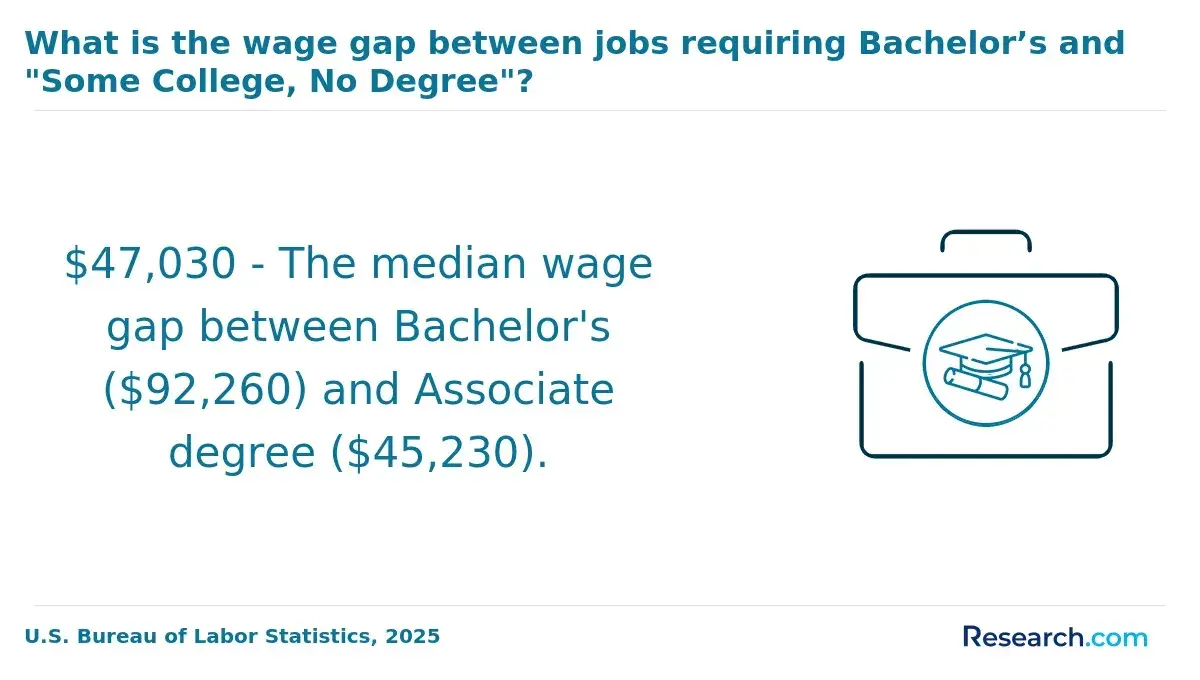
How Does Industry Choice Affect Long-Term Earning Potential for Radiology Technician Professionals?
Salary Trajectory: Industries such as large hospital systems and specialized outpatient centers tend to offer sharper wage growth, with salaries potentially doubling or tripling over ten to fifteen years due to structured career ladders and high demand for advanced skills. Conversely, smaller clinics and government facilities often have limited pay increases, regardless of experience or performance.
Performance Incentives: Sectors that base compensation on patient throughput or profitability-like private hospitals and imaging centers-commonly provide bonuses that boost total earnings over time, rewarding productivity and quality outcomes.
Equity and Profit-Sharing: Though less frequent in this field, some larger healthcare organizations include profit-sharing plans or stock options, offering additional financial benefits beyond base pay.
Advancement Potential: Industries prioritizing ongoing professional development and certifications generally enable career progression into lead or supervisory roles that command higher compensation.
Industry Demand and Stability: Choosing fields with sustained or growing need for radiology services-such as oncology or rehabilitation clinics-helps maintain consistent wage growth rather than stagnation.
Focusing solely on first-year salary overlooks these complex factors shaping earnings over decades; a comprehensive view of bonuses, promotions, and sector stability provides a more accurate long-term outlook.
When I asked a professional who recently completed his Radiology Technician degree about industry impact on earnings, he shared, "Starting out, I felt overwhelmed deciding where to apply-I wanted a place that valued growth but also job security. Early on, smaller clinics seemed accessible, but I noticed limited raise opportunities. Transitioning to a larger outpatient center required additional certifications, which was stressful but worthwhile. Now, with bonuses and clearer promotion paths, I'm confident I'm building solid earnings for the future."
The healthcare industry has consistently demonstrated resilience during economic downturns, making it a core sector for radiology technician graduates seeking recession-resistant career paths. Hospitals, outpatient centers, and government healthcare institutions have maintained stable demand for diagnostic imaging services through the 2008 financial crisis and the 2020 COVID-19 pandemic, benefiting technicians with steady employment and advancement opportunities. These settings also emphasize ongoing professional development and strict licensing enforcement, preserving high standards that contribute to workforce stability.
Stability: Government healthcare agencies and public hospitals tend to offer more secure, protected roles with benefits that appeal to professionals desiring long-term career consistency.
Sectors: Although emerging fields such as telehealth and teleradiology offer flexible, remote-work options, their relative novelty means they have yet to fully replace foundational in-person technician roles.
Volatility: Private-sector industries, including medical equipment manufacturing, present higher salary potential but are often subject to hiring freezes or layoffs during recessions. These sectors can offer valuable technical diversification but may carry greater employment risk.
Trade-Off: Graduates must assess personal financial obligations alongside risk tolerance to balance higher compensation opportunities against the security found in slower-growth public or nonprofit environments.
Trend: Recent labor data indicate a steady 5% growth in healthcare technician employment through the last major economic disruptions, underscoring the industry's resilience.
When exploring the best recession-resistant career paths for radiology technician graduates, considering these dynamics is crucial. For those researching career viability, reviewing related fields can provide insight into wage expectations and market demand-as demonstrated by data on how much does a medical coder make.
- Healthcare Corporations: Major hospital networks and private imaging centers-such as UnitedHealth Group and DaVita-are prominent private employers recruiting radiology technicians. They provide structured career ladders, competitive compensation, and strong benefits. These organizations tend to invest significantly in ongoing certifications and skills development.
- Technology and Device Companies: Firms like Siemens Healthineers and GE Healthcare hire radiology technicians for roles involving equipment maintenance, user training, and clinical support. These companies often prize technical skill, offering quicker advancement opportunities than many public institutions.
- Outpatient Diagnostic Clinics: These centers emphasize efficient patient flow and imaging accuracy, fostering performance-driven environments. Compensation models frequently tie pay to productivity and quality measures, creating a contrast to more fixed public-sector salaries.
- Innovative Startups: Health tech startups integrate AI and digital imaging solutions, appealing to technicians eager for rapid change and creativity. While these roles may include stock options, income tends to be less predictable than in established firms.
Compared to public sector jobs, private roles usually feature dynamic workplace cultures-rewarding merit with faster promotions and incentive-based pay. Some tech-related positions offer flexible or hybrid arrangements, although clinical settings typically require onsite presence. For graduates, choosing between large corporations with established programs and agile startups depends heavily on individual preferences for stability, pace of growth, and core mission alignment.
A radiology technician who built her career in the private sector reflected that early challenges involved navigating diverse expectations-from stringent technical proficiency in corporate roles to adaptability in startup environments. She recalled, "Adjusting to the rapid pace at the startup wasn't easy-but it sharpened my problem-solving and kept me engaged every day." Her experience highlights how private employers shape career paths not only through roles offered but also by cultivating the professional resilience and versatility essential for long-term success.
- Employment Sectors: Federal, state, and local government agencies commonly hire radiology technicians within veterans' hospitals, military medical centers, public health clinics, and correctional institutions. Key employers include the Department of Veterans Affairs and the Department of Defense, which offer structured roles under civil service systems.
- Career Advancement: Advancement in public sector jobs follows clear civil service guidelines with grade-level increases linked to experience and examination results. This leads to predictable promotion schedules but often slower progress compared to private companies, where merit and performance can drive quicker career leaps.
- Compensation: Private sector employers typically provide higher entry-level salaries and more flexible pay raises tied to individual performance. Government pay scales are usually capped within established grades but are supplemented by cost-of-living adjustments and comprehensive benefits.
- Benefits: Government positions frequently include defined-benefit pension plans guaranteeing lifetime retirement income and eligibility for loan forgiveness through programs like Public Service Loan Forgiveness. These benefits enhance financial stability, while job security tends to be stronger, especially during economic downturns.
- Trade-Offs: Individuals attracted to public employment gain stability and long-term benefits but may face slower salary growth and promotion pace. Private employers may offer less security but greater mobility and potential for rapid earnings enhancement.
- Recent Trends: The U.S. Bureau of Labor Statistics projects a 7% growth in radiologic technologist and technician employment within government settings from 2022 to 2032, indicating steady demand for these roles in public healthcare facilities.
Industries with the strongest upward mobility for radiology technician degree graduates feature merit-based promotion systems that elevate professionals into leadership roles within 10 to 15 years. These career pathways lead from supervisory positions into management, director roles, and even executive-level jobs such as chief technologist or director of diagnostic imaging-highlighting the importance of looking beyond entry-level roles to evaluate long-term career ceilings.
- Healthcare Facilities: Hospitals and outpatient centers emphasize professional development by encouraging graduate studies like MBAs or master's degrees in healthcare administration.
- These advanced degrees accelerate movement into management and strategic roles that merge clinical expertise with operational leadership.
- Knowledge of regulatory compliance and quality assurance enhances candidacy for senior leadership.
- Diagnostic Imaging Companies: Private imaging networks and radiology service providers reward technical mastery combined with business savvy through structured hierarchies.
- Graduate education in healthcare technology management fast-tracks advancement into project management and regional supervisory roles.
- Academic Medical Centers: These institutions expand leadership opportunities beyond clinical duties by incorporating research and education.
- A master's degree in health sciences or clinical leadership supports progression to program director or education coordinator positions.
- Veterans Affairs and Government Healthcare: These sectors follow formal promotion pathways emphasizing experience and certification, promoting technologists to positions that influence policy and training initiatives.
Recent workforce data show radiology technicians rank among the fastest-growing allied health professionals advancing into mid- and upper-level management roles, driven by substantial investments in continuing education. Assessing industries for leadership potential requires a focus on sectors that invest in graduate education and provide transparent promotion pipelines-strategies that can transform a technician's career trajectory over a decade or more.
Emerging and technology-driven industries are transforming opportunities for radiology technician degree graduates-moving well beyond traditional healthcare settings. These sectors require a blend of diagnostic imaging expertise and advanced technical skills, creating dynamic roles that cater to professionals drawn to innovation and career growth while responding to emerging healthcare technology trends for radiology technician careers.
- Artificial Intelligence: AI is reshaping medical imaging through enhanced image analysis, automated diagnostics, and predictive modeling. Radiology technician graduates with foundational machine learning knowledge and data interpretation skills are increasingly needed to help integrate AI tools into imaging workflows.
- Digital Health: The growth of telemedicine and remote diagnostics drives demand for radiology technicians adept at operating sophisticated imaging devices connected to cloud platforms. Understanding digital health record systems and cybersecurity is essential to protect patient data during image transmission.
- Biotechnology: Radiology technicians support imaging needs in biotech research for experimental therapies and drug development. Expertise in specialized imaging methods-such as molecular imaging and radiotracer use-enhances employability in this cutting-edge sector.
- Advanced Manufacturing: Imaging technologies serve quality control and materials analysis in advanced manufacturing. Radiology technicians cross-trained in industrial radiography and non-destructive testing can leverage these skills to ensure product integrity.
- Clean Energy: Radiology professionals familiar with radiation safety and imaging hardware find roles in nuclear energy for equipment maintenance and environmental hazard monitoring.
Recent labor market data confirm strong demand for radiology technicians with these cross-disciplinary skills, especially amid rising advanced imaging technology demand in the United States for radiology technicians. Graduates can boost career prospects via certifications in AI applications, digital health informatics, or industrial radiography. Pursuing graduate study in fields such as biomedical engineering or data science can open doors to leadership roles at the nexus of imaging technology and innovation.
New sectors offer higher compensation and exciting environments but come with risks-regulatory shifts, job security variability, and evolving standards. Graduates should evaluate industries carefully, prioritizing stable licensing frameworks, robust professional development, and alignment with long-term goals for sustainable careers. Those considering a pivot may also explore nutrition school online options as complementary pathways supporting holistic healthcare roles.
For radiology technician graduates exploring career advancement opportunities in nonprofit radiology technician roles, mission-driven organizations offer a compelling alternative to private sector employment. While average salaries in nonprofits tend to be somewhat lower than those in hospitals or imaging centers, this sector often balances the pay gap with substantial non-monetary benefits and structured progression pathways. These organizations usually provide stable work-life balance and mission alignment for radiology technician graduates in nonprofit organizations, which many find deeply rewarding.
Nonprofit employers typically offer competitive benefits including robust health insurance, retirement plans, and predictable scheduling. Advancement paths might include opportunities for specialization, certification, leadership, or cross-disciplinary roles within community health programs. Structured professional development is another advantage-many nonprofits invest in staff training to encourage career growth, which supports long-term workforce retention and fulfillment.
Financial incentives further offset salary differences. The Public Service Loan Forgiveness (PSLF) program is a key benefit for eligible radiology technicians in the nonprofit sector-granting forgiveness of remaining federal student loan debt after 120 qualifying payments. Some nonprofits also participate in state and local loan repayment assistance programs. These financial mechanisms narrow the compensation gap, making nonprofit roles more attractive economically despite lower base pay.
Workplace culture remains a critical factor. Nonprofit environments emphasize collaborative, community-focused teamwork and service to underserved populations-elements that can significantly enhance job satisfaction. The sense of contributing to meaningful public health initiatives can outweigh resource constraints or tighter budgets often found in these settings.
- Compensation: Generally lower than private sector but accompanied by robust benefits and loan forgiveness opportunities.
- Advancement: Clear paths exist through certification, specialization, and leadership roles within nonprofit health settings.
- Financial Incentives: Programs like PSLF help offset lower wages with loan debt relief after qualifying employment periods.
- Workplace Culture: Emphasizes mission-driven teamwork, community impact, and a supportive environment.
- Non-Monetary Benefits: Opportunities for professional development, flexible schedules, and meaningful patient interactions often exceed private sector offerings.
Those interested in expanding their qualifications in healthcare management alongside technical expertise may consider pursuing an online masters in healthcare management-a credential that can enhance leadership opportunities within mission-driven organizations and the broader healthcare field.
Remote and hybrid roles for radiology technician graduates vary greatly depending on the industry due to the hands-on demands of imaging procedures. Telehealth and teleradiology sectors have adapted well to remote work, offering opportunities for image analysis, consultation, and digital reporting from virtually any location. Healthcare technology firms also promote flexibility by blending remote technical support with occasional on-site duties, leveraging digital platforms to streamline workflows.
Traditional environments such as outpatient imaging centers and hospitals generally require radiology technicians to be physically present to operate equipment and provide direct patient care. While some administrative tasks may allow limited remote work, the nature of clinical responsibilities mostly restricts flexible arrangements. Meanwhile, education and training providers in academic and continuing education settings increasingly adopt hybrid or fully remote teaching roles, appealing to those pursuing academic career paths.
Geographic flexibility enabled by remote and hybrid positions allows radiology technicians to earn salaries aligned with high-cost urban markets while residing in more affordable areas, improving work-life balance and reducing commute challenges. Evaluating an employer's remote work culture-by researching company policies, gathering employee insights, and asking candid questions during interviews-is essential. Early negotiation of flexible arrangements can align job expectations and enhance satisfaction.
A recent workforce flexibility report from 2023 indicates that 22% of radiology-related healthcare jobs now offer fully remote or hybrid options, reflecting a gradual but significant shift toward flexible work models in the industry.
The path to practicing as a radiology technician varies significantly by industry-some sectors enforce stringent licensing and certification demands that can extend training time and require substantial financial investment.
- Licensing Requirements: State licensure is generally mandatory and typically hinges on passing the American Registry of Radiologic Technologists (ARRT) exam or an equivalent state test. Hospital radiology departments often enforce these as a strict baseline for employment.
- Credentialing Variations: Specialized areas such as nuclear medicine or radiation therapy within oncology frequently call for additional certifications beyond the standard radiologic technology license, necessitating further coursework or exams. These extra qualifications offer access to more specialized positions and often higher salaries.
- Continuing Education: To retain licensure, technicians must regularly complete continuing education credits to stay current with advancing technology and safety protocols. Outpatient imaging centers may offer more flexibility regarding these requirements compared to larger hospital systems, which can impact career progression speed.
- Competitive Advantage Through Voluntary Certifications: Obtaining extra credentials-like certifications in computed tomography (CT) or magnetic resonance imaging (MRI)-can enhance employability, fast-track hiring decisions, and open doors to leadership or technical specialties.
- Regulatory Landscape Awareness: Since licensing and credentialing rules evolve, consulting state licensing boards and professional associations directly ensures candidates have the latest information before committing to a career track.
Labor projections estimate a 7% employment growth for radiologic technologists from 2022 to 2032, emphasizing the need for strategic licensing and certification investments aligned with industry demand.
What Graduates Say About the Industries That Offer the Best Career Paths for Radiology Technician Degree Graduates
- Valentino: "Working as a radiology technician in the healthcare industry has shown me firsthand how stable this career path can be-demand is consistently high, which provides peace of mind during uncertain times. The compensation is competitive, especially when you move into specialty imaging areas, making it worth the rigorous training. What really excites me is the chance for advancement; with additional certifications, the doors to supervisory and technical specialist roles open wide."
- Zev: "Having reflected on my journey, I appreciate how the workplace culture in radiology departments often emphasizes teamwork and patient care, creating a supportive environment. While compensation is solid, the real reward lies in the relationships built with both colleagues and patients. Stability is another pillar here-hospitals and diagnostic centers consistently need skilled radiology technicians, which is reassuring for anyone pursuing a long-term career."
- Grayson: "From a professional standpoint, the best aspect of being a radiology technician is the clear pathway for career growth through specialized training and continuing education. The industries offering these opportunities also tend to have excellent workplace cultures focused on innovation and collaboration. Compensation reflects the expertise required-especially in outpatient imaging centers-making this an attractive field for those seeking a blend of financial and professional benefits."
Other Things You Should Know About Radiology Technician Degrees
Hospitals and outpatient imaging centers often require MRI or CT certification for advanced roles. ARRT postprimary credentials in MRI or computed tomography usually require an active primary certification, documented clinical experience, and passing a specialty exam. Some employers also ask for state licensure where applicable.
Geographic location significantly affects demand and salary levels for radiology technicians. Urban areas and regions with large healthcare networks offer more diverse job openings across hospitals, imaging centers, and research institutions. Conversely, rural locations may have fewer opportunities but often provide incentives, such as higher pay or signing bonuses, to attract qualified professionals to underserved markets.
Academic medical centers and large hospital systems are leaders in funding continuing education and certification for radiology technicians. These employers frequently support advanced training in emerging imaging technologies and offer tuition assistance for specialized certifications. Research institutions also prioritize professional growth to maintain compliance with evolving standards and integrate innovative diagnostic practices.
- X-ray Tech Job Opportunities: Amazing Growth - Liv Hospital https://int.livhospital.com/x-ray-tech-job-opportunities-amazing-growth/
- Beyond the X-Ray: Career Pathways for Radiology and Imaging Professionals https://radiusstaffingsolutions.com/beyond-the-x-ray-career-pathways-for-radiology-and-imaging-professionals/
- Radiologic Technologist - Explore Healthcare Careers - Mayo Clinic College of Medicine & Science https://college.mayo.edu/academics/explore-health-care-careers/careers-a-z/radiologic-technologist/
- Radiologic Technologist Salaries And Job Prospects • How Radiology Works https://howradiologyworks.com/radiologic-technologist-salaries/
- Top 2026 Radiology Trends, RT Students Dip, and Imaging Affordability - The Imaging Wire https://theimagingwire.com/newsletter/top-2026-radiology-trends/
- Radiologic Technology in 2030: Essential Skills Driven by Artificial Intelligence AI. https://www.amrita.edu/blog/future-of-radiologic-technology/
- How Radiologists Can Find Stability During Economic Volatility https://blog.vrad.com/how-radiologists-can-find-stability-during-economic-volatility-rr
- Blogs https://talktocolleges.com/blog-details/top-10-recession-proof-healthcare-career-options-for-2026-best-choices-for-medical-students
- Top 10 Country Destinations for BS Radiologic Technology Graduates – Southville International School and Colleges https://www.southville.edu.ph/news/top-10-country-destinations-for-bs-radiologic-technology-graduates/
- Limited Licensed Radiology Tech Certification - Your Path to a Rewarding Healthcare Career https://www.americanalliedhealth.com/blog-posts/certifications/limited-licensed-radiology-tech-certification