2027 Which Employers Hire Radiology Technician Degree Graduates? Industries, Roles, and Hiring Patterns

Co-Founder and Chief Data Scientist
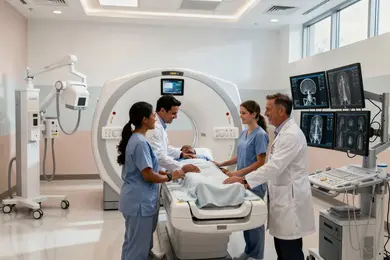
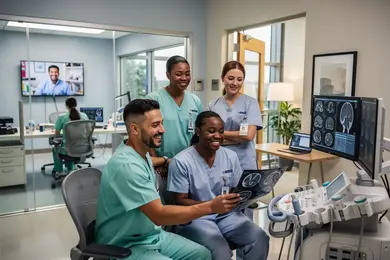
Imagine a recent graduate with a degree in radiology technician uncertain about where to target job applications-should they aim for large hospitals, outpatient imaging centers, or specialized clinics? This dilemma highlights a critical issue: understanding which employers actively hire radiology technician degree holders and how industry dynamics shape opportunities. According to the U. S. Bureau of Labor Statistics, about 60% of radiology technicians are employed in general medical and surgical hospitals, underscoring the dominance of certain sectors.
This article examines the industries, roles, and hiring patterns that define employment for radiology technician degree graduates, providing readers with a strategic framework to optimize career decisions.
Key Things to Know About the Employers That Hire Radiology Technician Degree Graduates
- Hospitals-both public and private-are the primary employers, accounting for over 60% of jobs, followed by outpatient care centers and diagnostic laboratories where specialized imaging roles expand.
- Entry-level radiology technician graduates often secure positions in general imaging departments, while mid-career professionals progress toward supervisory roles and specialized modalities like MRI or CT scans.
- Urban areas exhibit stronger hiring demand due to higher healthcare infrastructure concentration-rural markets rely more on multi-skilled technicians, influencing role versatility and geographic mobility.
Which Industries Hire the Most Radiology Technician Degree Graduates?
Identifying which industries hire the most radiology technician degree graduates in the United States is a critical step for aligning academic paths with the job market. Using data from the Bureau of Labor Statistics (BLS), National Center for Education Statistics (NCES), and LinkedIn Workforce Insights, the top employers and industries for radiology technician degree holders reveal both volume and role depth differences. This insight helps graduates target sectors where their skills will be most valued and career growth most attainable.
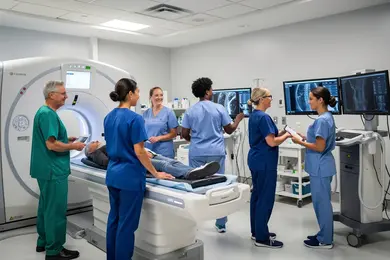
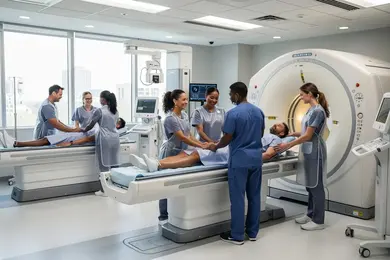
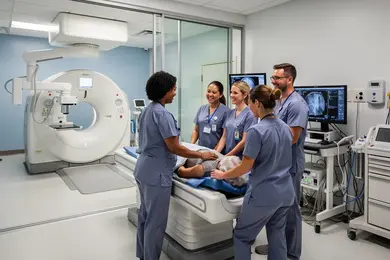
- Hospitals: The largest employer sector, hospitals integrate radiology technician roles as core functions essential to diagnostics and patient care-especially in emergency rooms, outpatient imaging centers, and specialty departments like oncology and orthopedics.
- Diagnostic Laboratories and Imaging Centers: These venues specialize in medical imaging, offering radiology technicians advanced technology exposure and opportunities for clinical expertise development, making them ideal for graduates aiming for specialization.
- Physician Offices and Clinics: While smaller than hospitals, these numerous outpatient settings hire radiology technicians mainly for routine diagnostic support, emphasizing patient interaction and workflow variety.
- Outpatient Care Centers: Focused on specialized, non-emergency care, outpatient centers balance technical imaging duties with patient-facing roles, attracting mid-career radiology technicians seeking diverse work environments.
- Government and Military Healthcare Facilities: These structured settings emphasize compliance with standardized protocols and cater to public and veteran health services, welcoming radiology technician degree holders at various experience levels.
- Educational and Research Institutions: Though smaller employers by number, universities and research centers offer roles involving imaging for academic and investigative purposes, suited for those pursuing advanced or specialized career tracks.
- Home Health Care Services: An emerging industry segment, this sector involves mobile imaging and remote diagnostics-highlighting flexible service delivery models attractive to innovative practitioners.
The concentration of radiology technician degree holders differs by degree level and specialization. Associate degree graduates typically populate hospital and outpatient settings, while bachelor's and graduate degree holders often find expanded opportunities in research, education, and complex imaging roles. Understanding the leading industries for radiology technician graduates also informs strategic decisions around program selection, internship targeting, and geographic mobility.
For career changers and working professionals considering investment in further education, exploring an accelerated medical assistant program can also complement skills and expand employment options within the healthcare ecosystem.
What Entry-Level Roles Do Radiology Technician Degree Graduates Typically Fill?
Graduates with a radiology technician degree often enter entry-level positions that align closely with their training and specialized skills. Data from the Bureau of Labor Statistics Standard Occupational Classification, the NACE Early Career Salary Survey, and graduate employment reports reveal several common roles frequently held by these graduates. Each role varies depending on industry context, organizational setup, and geographic market, influencing job titles and responsibilities.
- Imaging Technologist:
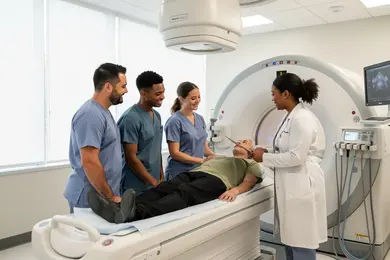
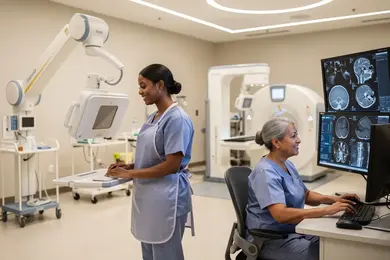
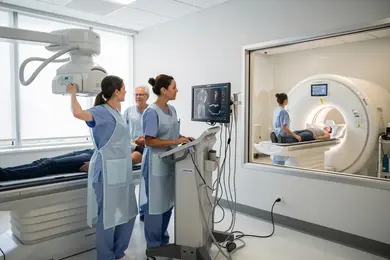
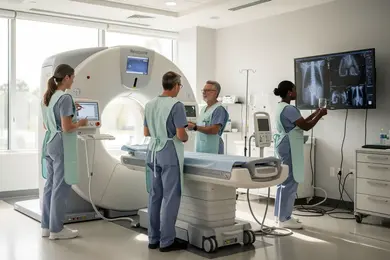
- Core Responsibilities: Operating diagnostic imaging equipment such as X-rays, CT scanners, and MRI machines to capture patient images.
- Reporting Structure: Typically reports to radiologists or department supervisors within hospitals or outpatient clinics.
- Relevant Competencies: Expertise in radiation safety, patient positioning, image processing, and regulatory compliance makes these degree holders competitive in this role.
- Radiology Coordinator:
- Core Responsibilities: Scheduling imaging appointments, managing patient records, and coordinating between medical staff and patients.
- Reporting Structure: Usually part of administrative teams in nonprofit health organizations or community clinics, reporting to department managers.
- Relevant Competencies: Strong organizational skills, medical terminology knowledge, and radiology workflow understanding favor graduates in this capacity.
- Clinical Support Technician:
- Core Responsibilities: Assisting radiologists by preparing equipment, maintaining sterile environments, and ensuring patient comfort during procedures.
- Reporting Structure: Reports to senior technologists or supervising clinicians in hospital settings.
- Relevant Competencies: Technical familiarity with imaging tools and clinical protocols benefits graduates in this supportive role.
- Healthcare Analyst (Radiology Focus):
- Core Responsibilities: Collecting and analyzing radiology data to enhance operational efficiency, patient outcomes, or billing accuracy within healthcare or insurance organizations.
- Reporting Structure: Positioned in administrative or analytics departments reporting to data managers or clinical directors.
- Relevant Competencies: Radiology knowledge combined with data analysis and information management skills is key-particularly for graduates with internship experience in informatics or healthcare administration.
- Radiology Sales or Technical Consultant:
- Core Responsibilities: Advising hospitals, clinics, or vendors on imaging equipment acquisition, maintenance, and use.
- Reporting Structure: Usually aligned with manufacturers or service providers, reporting to sales managers or regional directors.
- Relevant Competencies: A deep understanding of imaging technology paired with communication and client management skills positions graduates well.
The variation in these entry-level radiology technician jobs in the United States depends heavily on the industry sector. For example, while one graduate may begin as an associate consultant at a management consulting firm focusing on healthcare projects, another might secure a coordinator role in a nonprofit emphasizing patient support and operational logistics. Students and career changers should carefully map their target entry-level job titles against their specific degree concentrations, internship experiences, and portfolios to identify the most competitive opportunities upon graduation.
For those considering further education, exploring the best DNP programs online can provide pathways to expanded roles in healthcare leadership and administration.
What Are the Highest-Paying Employer Types for Radiology Technician Degree Graduates?
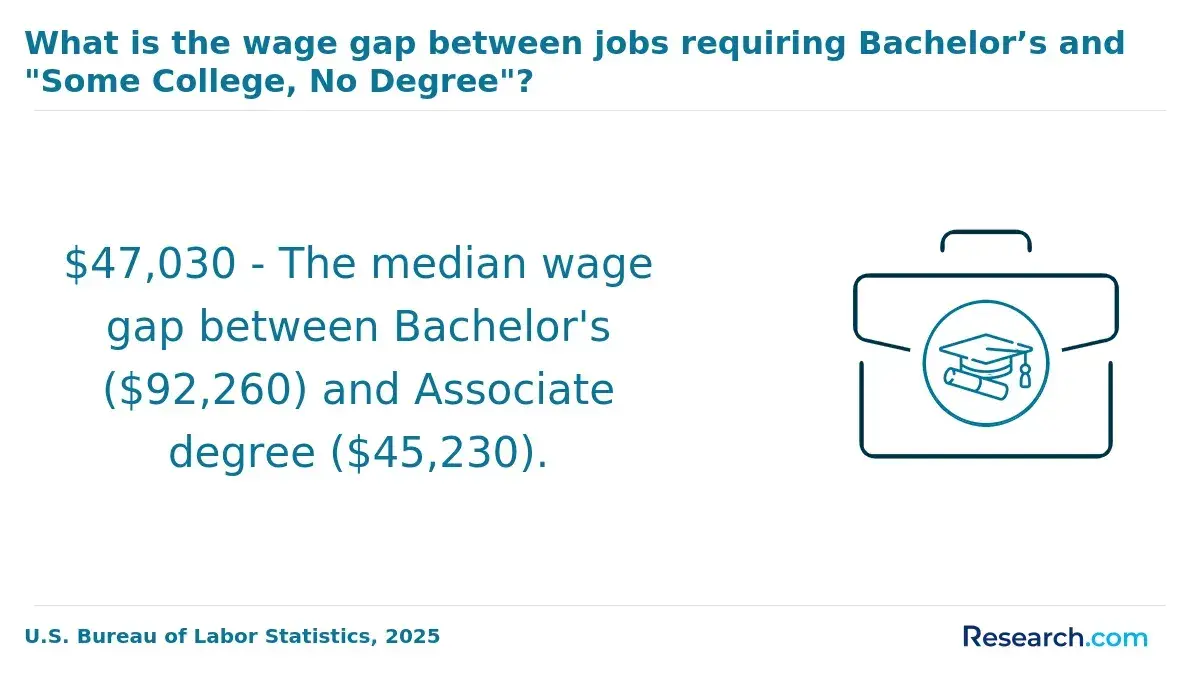
Compensation disparities arise from structural business factors such as profit margins and revenue per employee. Private and technology-driven employers leverage higher revenues to offer premium pay, whereas government and nonprofit sectors operate under tighter financial constraints. Compensation should be evaluated holistically-high base pay might come with fewer bonuses or equity, while moderate salaries could include valuable benefits and retirement contributions.
Private Hospitals and Health Systems: Typically provide the highest starting salaries for radiology technician degree graduates. These employers benefit from substantial patient volumes and advanced imaging technologies, enabling strong payroll budgets and competitive wage offers.
Specialty Medical Clinics and Imaging Centers: Focused exclusively on diagnostic imaging, these centers often pay above-average wages. Their specialization supports premium pricing models and well-structured career advancement pathways for mid-career technicians.
Technology and Medical Device Firms: Though less conventional employers, these companies-often investment-backed-offer attractive base pay and bonuses for roles in R&D or clinical support, reflecting the sector's profitability and innovation incentives.
Nonprofit Health Providers: Generally provide moderate base salaries, balanced by comprehensive benefit packages including retirement plans and professional development funds, which contribute to total compensation.
Government Agencies and Public Hospitals: Tend to have lower base salaries due to fixed budgets and wage scales, though they may offer greater job security and longevity benefits.
When considering opportunities, weighing initial salary against growth potential, job stability, and workplace environment is essential. A role with modest starting pay but clear advancement options can lead to superior long-term outcomes compared to a higher-paying but stagnant position.
Reflecting on the highest-paying employer types, a professional who successfully graduated from a radiology technician degree shared that navigating employer options was initially overwhelming. He recalled, "I focused first on hospitals because of the salary figures, but quickly realized that some smaller clinics offered better career paths despite lower starting pay." His job search involved evaluating each organization's culture and future growth possibilities, not just immediate compensation. "The hardest part was balancing financial needs with where I'd feel supported and could advance. It wasn't just about the paycheck - it was about building a stable, fulfilling career."
Employers of radiology technician degree graduates vary significantly by organizational size, each providing distinct career advantages. Large corporations-such as Fortune 500 firms and major hospital networks-dominate hiring volume for entry-level roles. These organizations offer formal onboarding, comprehensive training, clear promotion pathways, and well-recognized brands that enhance resumes. Their scale supports specialized roles in areas like MRI or CT technology, where collaboration and advanced equipment are standard.
Smaller employers-including clinics, outpatient centers, and nonprofits-account for a sizable share of hires, though less than large entities. They tend to grant radiology technician graduates broader responsibilities and faster career progression. The nimble environments found in smaller organizations expose employees to diverse workflows and cross-functional decision-making, speeding skill acquisition and adaptability.
Choosing between employer sizes involves trade-offs. Large employers emphasize specialization and structured development, while small businesses prioritize versatility and swift role growth. Career goals and learning style should guide graduates when targeting employers-those seeking focused expertise may prefer large systems, whereas individuals craving diverse experience might lean toward smaller settings.
Alignment with specific radiology technician subfields also shapes preferences. High-complexity disciplines favor big organizations, while community-oriented or rural health roles often thrive in smaller firms. Evaluating employer size as part of a broader framework-including industry sector, mission, location, and growth prospects-enables graduates to make informed career decisions that align with their ambitions. For additional insights on selecting an advanced degree, explore anchors part-time Ph.D. in economics.
Federal, state, and local government agencies remain prominent employers for radiology technician degree graduates-offering distinct hiring frameworks compared to private employers. Positions at the federal level generally adhere to the Office of Personnel Management's (OPM) General Schedule (GS) classification, with entry roles typically ranging from GS-5 to GS-7. The GS pay scale adjusts based on education and experience, directly influenced by credential attainment. State and local hiring models often parallel this system but can vary widely depending on jurisdictional policies and agency size.
Key public sector employers include the Department of Veterans Affairs (VA), the Department of Defense (DoD), and various state health departments-organizations that maintain large healthcare facilities requiring consistent imaging services. These agencies often develop structured pathways and fellowship programs specifically aimed at recruiting early-career radiology technicians, facilitating smoother transitions into government healthcare roles.
- Credential Requirements: Candidates must possess an accredited radiology technician degree and typically secure professional certification, such as from the American Registry of Radiologic Technologists (ARRT), crucial for pay band classification under the GS schedule.
- Hiring Process: Recruitment involves rigorous competitive service exams and eligibility screenings through USAJobs, although excepted service positions-common in defense or emergency roles-allow for accelerated hiring.
- Security Clearances: While standard background checks suffice for most roles, DoD and intelligence-related positions require heightened security clearances, adding layers to the selection procedure.
- Job Stability and Benefits: Public sector roles offer enhanced job security, defined-benefit pensions, robust healthcare, and paid leave, typically surpassing private sector advantages, but often come with slower salary growth and more regimented promotion paths.
- Advancement Opportunities: Career progression is structured around GS grade increases tied to tenure, ongoing education, and performance, with some states providing additional merit-based advancement options or specialized certifications.
A radiology technician professional who advanced her career after graduation described the federal hiring journey as "formidable but rewarding," noting that navigating the USAJobs system and meeting GS qualifications felt complex initially. She emphasized the value of patience through the lengthy vetting and security clearance stages, explaining that the steady benefits and clear career ladders kept her motivated. "The structured environment allowed me to focus on skill development without worrying as much about job loss-a reassuring trade-off for slower wage increases," she reflected. Her experience highlights the unique balance government roles strike between stability and advancement, illustrating how graduates can strategically position themselves for long-term public service careers.
Graduates with radiology technician degrees frequently find opportunities within nonprofit organizations that emphasize healthcare access and community well-being. These roles are common in community health clinics, nonprofit hospitals, and rural outreach centers, where their technical skills support essential medical imaging alongside broader public health initiatives.
- Program Areas: Nonprofits typically deploy radiology technician expertise in healthcare accessibility, disease prevention, and health education, often serving underserved populations through charitable hospitals and community health centers.
- Organizational Types: Employment settings range from facility-based nonprofits such as free clinics and rehabilitation centers to mission-focused health advocacy groups that integrate diagnostics with wider social services.
- Functional Roles: Positions require more than imaging skills-responsibilities may include patient education, equipment upkeep, and collaboration across departments to optimize limited resources effectively.
Compared to private healthcare roles, nonprofit positions demand greater adaptability-graduates often undertake diverse healthcare tasks beyond radiologic imaging. This versatility accelerates early-career skill advancement and leadership opportunities but usually comes with lower salaries due to tighter budgets typical of the social sector.
- Compensation: Salary levels in nonprofit settings usually trail private industry benchmarks, though benefits like loan repayment under Public Service Loan Forgiveness (PSLF) can mitigate financial differences.
- Organizational Culture: The nonprofit environment prioritizes mission alignment and community impact, fostering workplaces grounded in purpose and cooperation rather than financial gain.
An expanding area for radiology technician graduates includes mission-driven for-profit entities-such as social enterprises, certified B Corporations, benefit corporations, and impact-oriented startups. These employers blend profit motives with social objectives and generally offer more competitive pay than traditional nonprofits, appealing to those seeking meaningful work without significant income compromises.
The healthcare sector employs radiology technician degree graduates across a broad range of organizations that leverage their specialized skills. Key employers include hospital systems, outpatient imaging centers, insurance carriers, pharmaceutical companies, public health agencies, and evolving health technology startups. These diverse settings require competencies in diagnostic imaging, patient care, and equipment operation, while some roles extend into data analysis, healthcare communications, and operations management.
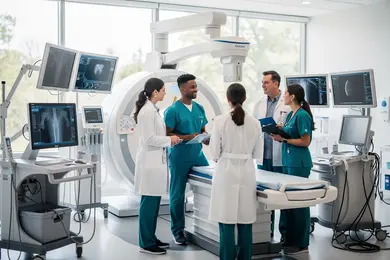
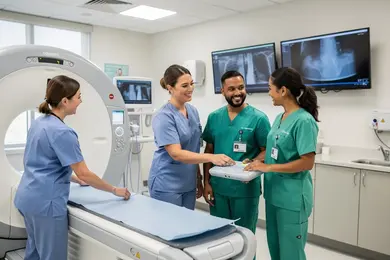
- Hospital Systems: Hospitals remain the primary employers, utilizing radiology technicians within diagnostic imaging departments to support patient diagnosis and treatment plans with precision and strong patient interaction skills.
- Insurance Carriers: Technicians may engage in claims analysis and policy review, which demand knowledge of imaging procedures and healthcare billing for coverage evaluation and fraud detection.
- Pharmaceutical Companies: Clinical trial imaging and diagnostic research employ radiology technicians to provide critical expertise in imaging technologies and data protocols.
- Public Health Agencies: These agencies deploy radiology technicians in screening campaigns and epidemiology, where imaging data informs population health initiatives.
- Health Tech Startups: Emerging companies working on imaging software, AI diagnostics, and telehealth seek technicians skilled in technology integration and data analytics.
Key competency intersections driving demand include proficiency with diagnostic imaging technology, interpreting complex imaging data, and effectively communicating results to clinical teams or patients. Capabilities in operations management also enable technicians to coordinate workflows efficiently in busy healthcare environments.
Regulatory compliance and credentialing provide critical gateways to healthcare employment. Many roles require licensure or certification beyond the radiology technician degree-including American Registry of Radiologic Technologists (ARRT) certification or state licensure. Prospective employees should evaluate the credentialing requirements specific to their target roles and consider continuing education.
The healthcare sector demonstrates robust growth and resilience during economic downturns-particularly in hospital-based imaging, outpatient diagnostics, and telehealth imaging. Concentrating job searches on these expanding sub-sectors can enhance employment stability and long-term career prospects for radiology technician graduates.
Technology companies have become a distinct and growing employer for radiology technician degree graduates, reflecting broader shifts in healthcare innovation and digital transformation. Unlike traditional clinical roles, working at a technology company means applying radiology technician competencies to support a tech-core business-whether in product development, health informatics, or artificial intelligence (AI) applications linked to imaging science.
- Health Tech Companies: This sub-sector leads in hiring radiology technician graduates, placing them in roles related to medical imaging software, diagnostic platforms, and telehealth. These companies use imaging expertise to improve AI training datasets, validate new imaging tools, and enhance device usability in research or clinical operations.
- Cross-Disciplinary Roles: Radiology technician graduates within tech firms may work in product management, quality assurance, or user experience research-bridging clinical insights with engineering teams to tailor technology solutions for healthcare.
- Technology Functions in Non-Tech Firms: Many healthcare providers, insurance companies, and large enterprises undergoing digital transformation employ radiology technicians in IT governance, digital image management, and compliance roles, integrating imaging skills in organizations whose core is not technology.
- Emerging Tech Sub-Sectors: Accelerated hiring occurs in areas such as fintech and edtech-where radiology-derived data analytics inform health insurance products or educational platforms-and climate tech, which occasionally values imaging knowledge for environmental health monitoring. AI and machine learning sectors also offer opportunities in data annotation, validation, and clinical trial support suited to radiology technician skills.
- Skills-Based Hiring and Remote Work: The shift toward skills-focused recruitment and remote-first models in tech has opened pathways for radiology technician graduates without traditional computer science backgrounds. Building digital imaging portfolios, mastering health informatics platforms, and demonstrating interdisciplinary collaboration are essential for entry.
Job seekers exploring which technology companies hire radiology technician degree graduates in the United States can find opportunities that span beyond clinical settings into tech-driven innovation hubs and digital transformation teams across industries. Emerging technology sectors employing certified radiology technician professionals demand a blend of clinical knowledge and tech fluency, a promising combination amid evolving labor markets.
Radiology technician graduates interested in deepening their expertise while maintaining career flexibility may consider advanced education options-as detailed in healthcare PhD programs online-that enhance leadership and interdisciplinary skills for technology-adjacent roles.
Radiology technician graduates typically transition into mid-career roles five to ten years after starting in the field-progressing from frontline technical work to positions that integrate clinical expertise with leadership. According to BLS occupational wage data and LinkedIn progression analytics, these advanced roles frequently combine supervisory duties with specialized technical skills, reflecting the evolving demands of healthcare employers.
- Specialized Technologist: Graduates often pursue certifications in areas such as MRI, CT scanning, or mammography-credentials that boost earning potential and enable roles with advanced clinical responsibilities.
- Lead or Senior Radiology Technician: These positions involve overseeing junior staff, managing schedules, and ensuring quality standards-common in larger hospitals and medical centers.
- Functional Supervisor or Manager: Individuals add credentials in healthcare management or pursue graduate degrees (e.g., healthcare administration) to move into radiology department leadership or imaging services management.
- Clinical Educator: Experienced technologists may shift into training roles, mentoring new hires or students within academic hospitals and radiologic programs.
- Industry Specialist or Sales Consultant: Though less common, some leverage their expertise in working with medical imaging equipment companies, blending clinical knowledge with business acumen.
Mid-career radiology technician positions in healthcare management vary considerably by employer type. Those starting in large healthcare systems often find structured promotion ladders supported by institutional training, while graduates in smaller clinics or startups navigate more lateral, self-directed advancement paths-requiring deliberate skill development and networking.
Early career investments such as ARRT certification, leadership training, and graduate education focused on healthcare systems are key to accessing these mid-career roles. Approaching ongoing education strategically-including exploring ADN to NP programs online-can build the credentials and expertise needed for continued growth and specialization in this evolving field.
Understanding how the employer ecosystem shapes opportunities helps radiology technician graduates map entry-level roles to mid-career destinations-aligning specialization, title progression, and managerial responsibilities with career goals in diverse geographic and institutional contexts.
Employment opportunities for radiology technician degree graduates vary widely across U.S. regions, shaped by local industry strength and healthcare infrastructure. Major metropolitan areas such as New York City, Los Angeles, and Chicago lead in absolute hiring volume, driven by extensive hospital systems, university research centers, and specialized clinics that require highly credentialed radiology professionals. Mid-sized urban centers like Raleigh, NC, and Minneapolis, MN, maintain solid demand with somewhat lower salary ranges, reflecting expanding outpatient services and growing healthcare networks.
In contrast, rural and smaller markets generally favor candidates with certificates or bootcamp credentials, matching the budget constraints and staffing flexibility needs of smaller hospitals and clinics. The highest average salaries cluster in regions with advanced healthcare ecosystems and elevated living costs, including San Francisco, Boston, and Washington, D.C.-regions anchored by biotech industries and federal healthcare agencies.
The shift toward remote and hybrid work since 2020 has begun to reshape hiring landscapes. Although most radiology technician roles require on-site work, some telehealth and administrative tasks allow remote access, enabling graduates in lower-cost locales to compete for better-paid roles nationwide. This broader labor pool intensifies competition, placing greater weight on experience and formal credentials for job seekers.
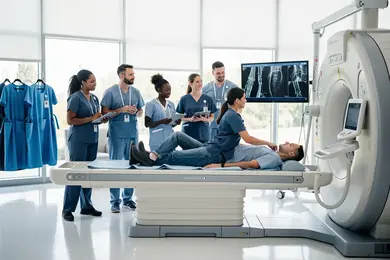
Internships strongly influence hiring outcomes for radiology technician degree graduates-completing one significantly increases the likelihood of receiving job offers before graduation, as shown in data from the NACE Internship and Co-op Survey. Graduates who have completed internships typically secure positions faster and command higher starting salaries than peers without this experience. Employers value internships because they demonstrate hands-on skills and workplace readiness beyond academic achievements.
- Quality and Prestige: Internships at highly regarded hospitals, imaging centers, or medical groups act as powerful signals to employers. They improve immediate placement prospects and create a lasting professional credential that enhances mid-career opportunities by indicating cultural fit and real-world competence.
- Access Disparities: Not all students have equal chances to obtain internships. Barriers disproportionately affect those from low-income families, smaller or rural institutions, and areas with limited healthcare providers-often due to unpaid roles or travel expenses.
- Solutions and Strategies: Virtual internships and cooperative education programs mitigate geographic and economic challenges. Employers' diversity hiring initiatives also expand access for underrepresented populations in radiology technician roles.
- Application Timing and Approach: Students should begin applying midway through their programs to align with employer recruiting cycles. Leveraging university career services, alumni, and faculty networks enhances chances of placement by targeting organizations known for strong radiology technician development.
Recent career services reports indicate that over 70% of radiology technician graduates with internships receive job offers within three months of graduation, compared to less than half of those without-highlighting internships' crucial role in speeding early career progress.
What Graduates Say About the Employers That Hire Radiology Technician Degree Graduates
- Valerie: "Working as a radiology technician graduate opened my eyes to the variety of industries that seek our expertise-most notably hospitals, outpatient clinics, and specialized imaging centers. I found that many employers are looking for professionals who can adapt quickly to high-paced healthcare environments, especially in urban geographic markets where technology is rapidly advancing. The hiring patterns lean toward continuous recruitment, which really showed me that this is a growing field with increasing demand for skilled technicians like myself."
- Zev: "Reflecting on my experience after graduating, I've noticed that employers span a wide range-from private healthcare providers to government-run institutions and even research facilities. It was fascinating to see how organizational roles differ, with some places emphasizing patient care while others focus more on technical expertise or equipment management. Geographically, job opportunities tend to be more abundant in metropolitan areas, but rural communities also value radiology technician skills-though they may hire less frequently, their need is just as critical."
- Grayson: "In my journey as a recent radiology technician graduate, I've come to appreciate how diverse the hiring landscape really is. Employers include everything from large hospital networks to smaller community clinics, each with distinct expectations regarding experience and specialization. From a professional perspective, the demand is stable yet competitive in states with dense populations, while emerging healthcare markets show promising growth, signaling a dynamic and evolving employment environment."
Other Things You Should Know About Radiology Technician Degrees
Graduate degree holders in radiology technician often have a competitive edge over bachelor's graduates when seeking specialized roles in advanced imaging techniques or leadership positions. Employers typically value the deeper clinical knowledge and research experience associated with graduate-level education. However, many entry-level radiology technician positions remain accessible to those with an associate's or bachelor's degree, with hiring preferences depending on the complexity of the facility's imaging equipment and services.
Employers in radiology technician fields prioritize clinical experience and certifications over extensive portfolios or extracurricular activities. Hands-on internships and clinical rotations are critical components that demonstrate practical skills and readiness. While extracurricular involvement in healthcare organizations or technology groups may enhance a candidate's profile, the focus remains on proven competency in radiology procedures and patient care.
In 2027, healthcare sectors including hospitals, outpatient care centers, and diagnostic labs are actively hiring radiology technician graduates. There is also notable demand in specialized areas like pediatric imaging and orthopedic clinics, driven by advancements in medical technology and an aging population.
Most employers require ARRT certification in radiography and an active state license before hire or within 30 to 90 days of employment. Hospitals and imaging centers often also expect Basic Life Support, while trauma and pediatric units may prefer CT, MRI, or fluoroscopy credentials.
- Radiologic Technologist - Explore Healthcare Careers - Mayo Clinic College of Medicine & Science https://college.mayo.edu/academics/explore-health-care-careers/careers-a-z/radiologic-technologist/
- Career Progression Guide for Radiologic Technologists: What to Expect https://www.incrediblehealth.com/tech/career-progression-guide-for-radiologic-technologists-what-to-expect/
- X-Ray Tech Government Jobs: A Comprehensive Guide https://ftp.bills.com.au/lunar-tips/x-ray-tech-government-jobs-a-comprehensive-guide-1767646692
- Becoming a Radiology Tech Intern https://www.internshipcrossing.com/article/630060/Becoming-a-Radiology-Tech-Intern/
- Radiologic Technologist Intern Job Description – Requirements, Salary, Jobs https://www.jobtrees.com/role/radiologic-technologist-intern-job-description
- Is Rad Tech a Good Career? 8 Reasons to Say YES https://www.rasmussen.edu/degrees/health-sciences/blog/is-rad-tech-a-good-career/
- Exploring Career Paths After Completing a Radiography Program | NCC https://www.northwestcareercollege.edu/blog/exploring-career-paths-after-completing-a-radiography-program/
- Top 10 radiology tech jobs and who’s hiring https://joinhandshake.com/blog/students/radiology-tech-jobs/
- How Virtual Interviews Changed Geographic Matching Patterns https://residencyadvisor.com/resources/video-interviews-residency/how-virtual-interviews-changed-geographic-matching-patterns
- Radiologic Technologist Jobs | iHireRadiology https://www.ihireradiology.com/t-radiologic-technologist-jobs.html