2027 Are Too Many Students Choosing Radiology Technician? Oversaturation, Competition, and Hiring Reality

Co-Founder and Chief Data Scientist
Is the radiology technician field becoming oversaturated as enrollment rises while job growth slows? Recent data shows that between 2015 and 2025, employment for radiologic technologists is projected to grow only 7%, slower than many healthcare professions.
Meanwhile, radiology technician programs report increasing graduation rates, intensifying competition for limited openings. For career switchers and recent graduates alike, standing out amid candidates with similar credentials is a growing challenge.
Employers increasingly seek technicians with specialized skills or certifications to differentiate applicants. This article explores the realities of oversaturation, competition, and hiring patterns to help students make informed career decisions.
Key Things to Know About the Oversaturation, Competition, and Hiring Reality in the Radiology Technician Field
- Graduates in radiology technician programs have increased by 25% over five years, leading to tighter job markets and fewer entry-level openings.
- Heightened competition requires candidates to showcase advanced certifications and specialized skills to stand out during hiring processes.
- Understanding regional demand fluctuations and employer preferences helps set realistic expectations regarding salary and job security.
Is the Radiology Technician Field Oversaturated With Graduates?
Oversaturation in the radiology technician field occurs when the number of graduates entering the workforce surpasses the demand for their services. Over the past decade, the volume of graduates from radiology technology programs has increased by nearly 15%, while job openings have grown at a much slower pace.
This disparity creates a surplus of qualified candidates competing for a limited number of positions. As a result, the balance between supply and demand becomes skewed, intensifying competition among new entrants.
The rise in candidate numbers has led employers to heighten their expectations for hiring, often favoring applicants with advanced certifications or specialized experience. Hiring processes have grown more rigorous, emphasizing not only technical skills but also adaptability and soft skills.
Some employers now require superior clinical competence or longer demonstration periods to differentiate between similarly qualified candidates. This shift reflects the evolving landscape shaped by an abundant talent pool and constrained job availability.
What Makes Radiology Technician an Attractive Degree Choice?
Radiology technician programs continue to attract a large number of students, driven by consistent enrollment growth in recent years.
According to the American Registry of Radiologic Technologists, some programs have experienced more than a 10% rise in student interest, reflecting the steady popularity of the major. This growth highlights the degree's ongoing appeal across diverse student populations.
Several factors explain why many choose radiology technician as a preferred field of study. Key advantages include:
- Versatile Foundation: The curriculum offers broad training in medical imaging technologies like X-rays, CT scans, and MRI, making it relevant to various healthcare roles and environments.
- Balanced Education: Students receive a combination of hands-on technical practice and foundational knowledge in anatomy and physiology, providing a comprehensive understanding of both equipment use and human biology.
- Technological Focus: Programs emphasize advanced diagnostic tools and medical innovations, appealing to those interested in the evolving role of technology in healthcare.
- Alignment with Interests: The degree supports students who want direct involvement in patient care and diagnostics without committing to extended medical education, complementing broader health sciences aspirations.
Students looking to broaden their healthcare qualifications might also explore related accelerated pathways, such as how to become a certified medical assistant, which can complement their skills.
The combination of these factors sustains career growth opportunities for radiology technician graduates across a range of medical settings without saturating the field too quickly.
What Are the Job Prospects for Radiology Technician Graduates?
Job opportunities for radiology technician graduates differ depending on location and healthcare needs. While the overall sector sees steady growth, some urban areas experience a crowded job market due to many training programs.
Employment for radiologic technologists is expected to rise about 7% from 2022 to 2032, paralleling average growth across all occupations.
Below are several specific positions within the field along with their job outlooks:
- Radiologic Technologist: This widely recognized role involves performing standard diagnostic imaging like X-rays. Demand remains consistent in hospitals and outpatient centers, supported by ongoing medical imaging requirements.
- MRI Technologist: Focusing on magnetic resonance imaging, these specialists often need advanced certification. Positions typically concentrate in larger medical centers and specialized imaging clinics, with moderate competition for openings.
- CT Technologist: Responsible for conducting computed tomography scans, job prospects remain solid but face more competition, especially in metropolitan regions saturated with graduates seeking similar roles.
- Interventional Radiology Technician: Working alongside physicians during image-guided procedures, this role usually requires extra specialized training. Opportunities tend to be steady but somewhat limited to hospital environments.
- Mammography Technologist: Concentrated on breast imaging and cancer screening, this niche often sees fluctuating demand based on healthcare policy and funding variations.
A radiology technician degree graduate shared that job hunting has been a mixed experience. "In big cities, it felt like dozens of applicants were after the same few roles, so patience was essential," he explained.
Yet, he noticed more openings in nearby rural clinics, which provided a less competitive landscape. He also described the emotional toll of waiting for callbacks and the importance of staying adaptable and persistent throughout the search process.
The job outlook for radiology technician majors remains generally positive, driven by rising demand in healthcare due to an aging population and expanded diagnostic services.
Employment for radiologic technologists is projected to grow about 6% from 2022 to 2032, reflecting an average growth rate that signals steady opportunities. However, availability of roles varies depending on the healthcare setting and regional factors.
Different positions in the field show distinct employment trends, outlined below:
- Diagnostic Radiologic Technicians: Jobs in this area maintain consistent demand, especially in hospitals and outpatient clinics where imaging is crucial for patient diagnosis.
- MRI Technologists: These roles are growing faster than average, fueled by wider adoption of magnetic resonance imaging technology as a non-invasive diagnostic method.
- CT Technologists: Employment remains stable due to the essential role of computed tomography in emergency departments and specialized medical care.
- Interventional Radiology Technologists: Job growth in this specialty is moderate, reflecting the rising use of minimally invasive procedures guided by real-time imaging.
- Mammography Technicians: Demand holds steady but may fluctuate with technological advances and changes in screening guidelines.
While the job growth projections for radiologic technologists are encouraging, competition can be high in urban centers where many graduates seek work. Prospective students may want to consider geographic flexibility or explore different roles within the field.
For those interested in expanding their credentials, exploring online MHA programs may offer additional career opportunities within healthcare administration.
The radiology technician job market is shaped by a growing influx of graduates, which in some areas creates a crowded candidate pool. Educational programs have expanded, producing more qualified applicants than the number of available positions in certain regions or healthcare systems.
Entry-level jobs often see fierce competition because many candidates possess comparable credentials yet lack extensive practical experience preferred by employers.
Specialized roles, such as those requiring MRI or CT certifications, tend to attract fewer applicants, with some studies showing applicant-to-position ratios exceeding 3:1 for basic radiologic technology jobs.
Variations in competition arise across different healthcare settings and geographic locations. Urban hospitals and specialized medical centers usually have more job openings but face higher candidate demand, while rural locations might offer fewer positions with less crowded applicant pools.
Additionally, areas with aging populations and growing healthcare infrastructure can experience fluctuating demand, temporarily lessening competition but necessitating ongoing skill advancement. The need for advanced certifications often influences hiring selectivity and market dynamics within the radiology technician field.
A professional with a radiology technician degree shared her experience about entering this field: "The hiring process was daunting at first because so many candidates had similar academic backgrounds."
She noted that interviews often focused heavily on hands-on skills and adaptability rather than just credentials. "I felt it was important to demonstrate my eagerness to learn and stay current with evolving technology."
Despite the intense competition, she found that persistence and a willingness to take on varied roles helped her secure a position. "It was challenging, but knowing where I could contribute made all the difference."
Certain radiology technician careers tend to be less competitive due to ongoing demand in specialized fields and underserved regions. Staffing shortages in these roles can lead to vacancy rates as high as 10%, showing persistent needs despite overall market saturation.
Factors such as geographic location and varied certification requirements influence these trends. The following list highlights some of the radiology technician-related positions with typically lower competition:
- Mammography Technician: These roles often have more flexible entry requirements compared to general radiology technician positions, attracting fewer but well-qualified candidates. Their specialized focus limits the overall number of applicants, easing competition.
- Nuclear Medicine Technologist: The advanced skills and certifications needed for nuclear medicine technologists reduce the candidate pool. Demand remains steady in facilities offering this specialized imaging, especially where shortages exist.
- Diagnostic Medical Sonographer: This profession experiences less competition partly because of the limited number of trained professionals and consistent demand in diverse healthcare settings, including rural areas.
- Mobile Imaging Technologist: Serving remote or underserved locations, these technologists encounter high vacancy rates due to staffing challenges and geographic factors. Their flexible qualification paths also contribute to reduced saturation.
- Interventional Radiology Technician: The requirement for additional certifications creates a narrower field of applicants. These specialists fill essential roles in advanced imaging procedures, sustaining ongoing demand despite limited entrants.
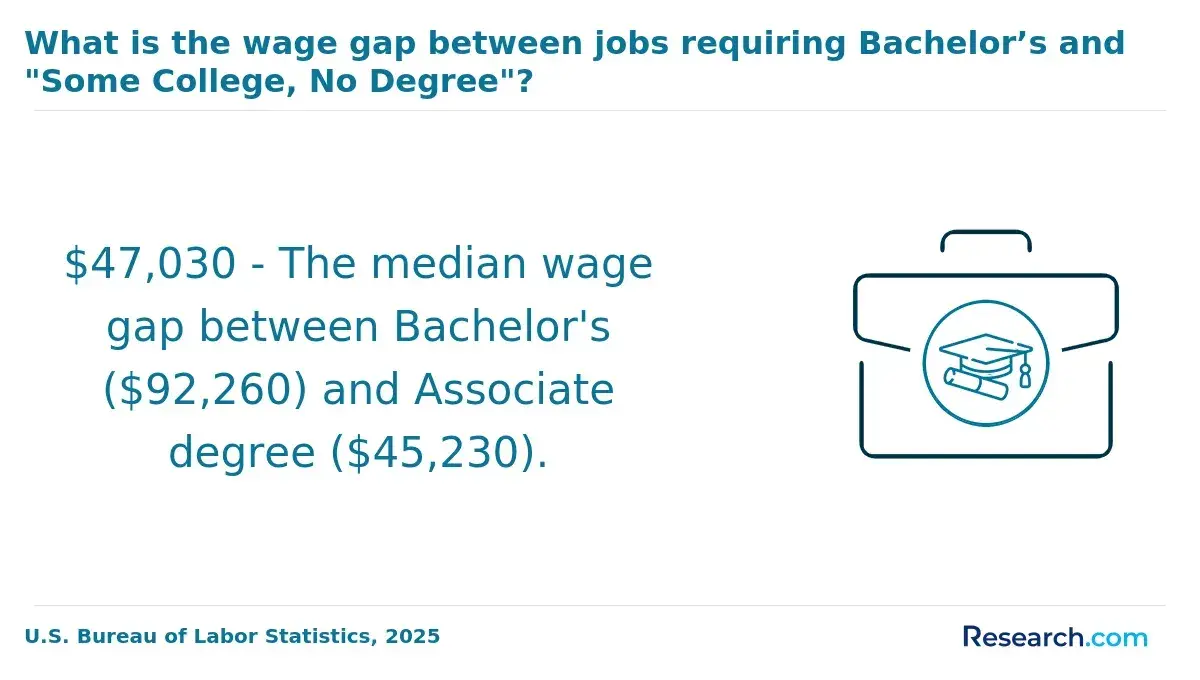
Salary levels significantly influence job market saturation in radiology technician fields, as higher-paying positions naturally draw more candidates. For example, the average salary for a radiology technician in the United States generally ranges from around $50,000 to $70,000 annually, depending on factors like location and specialization.
Positions offering compensation near or above this range often become highly competitive, attracting many applicants eager for financial stability. In contrast, lower-paying roles tend to see fewer applications, resulting in ongoing vacancies despite staffing shortages.
Disparities in salary across various radiology technician careers further shape these saturation patterns. Specialized roles such as MRI or CT technologists command higher wages, which leads to increased competition for these positions.
Meanwhile, general radiologic technologists or less lucrative jobs frequently face understaffing issues because they do not offer comparable financial incentives. This uneven distribution of applicants creates a dynamic where oversaturation occurs in better-paid specialties while other areas struggle to fill vacancies.
Graduates seeking to enter the radiology technician workforce can boost their employability by developing essential skills that meet healthcare employers' evolving demands.
Candidates with strong technical and interpersonal abilities tend to secure jobs more quickly, with studies showing that those demonstrating both skills are hired 30% faster than their peers.
These competencies become even more critical given the growing competition in this field, as more students pursue this career path.
Below are key skills that help radiology technician graduates get hired faster:
- Technical Proficiency: Mastery of X-ray, CT, and MRI equipment operation is fundamental. Employers value candidates who consistently produce clear, accurate images and demonstrate reliability in handling complex imaging technology.
- Patient Communication: The ability to clearly explain procedures and comfort patients during exams enhances patient experience. Strong communication skills are linked to improved patient outcomes and are highly regarded by healthcare providers.
- Attention to Detail: Precise positioning of patients and equipment adjustments reduce the need for retakes and improve workflow efficiency. Graduates with keen observational skills stand out to recruiters looking for accuracy and consistency.
- Safety Knowledge: Adherence to radiation safety protocols protects all parties involved and signals professionalism. A thorough understanding of safety measures lowers liability risks for employers.
- Problem-Solving Abilities: Adaptability in fast-paced clinical settings and the capacity to troubleshoot equipment or patient-related issues ensure smoother operations. Employers favor candidates who can manage unexpected challenges effectively.
For students aiming to strengthen these skills without financial barriers, exploring options such as online colleges no application fee can be a practical step.
Building these top qualifications that help radiology technician graduates secure jobs remains crucial as competition rises and hiring becomes more selective.
Graduates trained as radiology technicians often find that their skills and knowledge extend far beyond traditional imaging roles. Their comprehensive understanding of anatomy, patient care, and radiologic technology opens doors to alternative healthcare and technical career paths.
Several alternative career paths exist for radiology technician graduates, allowing them to transfer their expertise into various professional settings:
- Medical Equipment Sales: Radiology technicians use their familiarity with imaging devices to assist manufacturers or distributors in demonstrating and training healthcare professionals on advanced radiologic equipment. This role blends technical understanding with interpersonal skills, bridging the gap between engineering and clinical use.
- Radiation Safety: Professionals in this area monitor and enforce safe use of ionizing radiation across hospitals, clinics, and industrial facilities. Radiology technicians contribute their practical experience to developing safety protocols and ensuring regulatory compliance.
- Clinical Education: Becoming clinical instructors or educators allows radiology technicians to train future professionals by enhancing academic programs with hands-on knowledge, supporting the growth of the field through effective teaching.
- Medical Imaging Informatics: This emerging field focuses on managing imaging data, electronic health records, and diagnostic software. Radiology technicians combine their imaging knowledge with information technology to improve data workflows and clinical outcomes.
- Healthcare Administration: Some graduates move into administrative roles within imaging departments or diagnostic services, applying their operational insight to improve workflow efficiency, patient scheduling, and departmental logistics.
Exploring these diverse paths can benefit those concerned about competition and oversaturation within traditional radiology technician roles.
For students interested in advancing their careers through leadership or management, pursuing an online PhD in healthcare management offers opportunities to further expand their expertise in healthcare administration and beyond.
The value of a radiology technician degree in today's healthcare job market varies depending on career objectives, specialization, and demand within the industry. Employment for radiologic technologists is expected to grow approximately 6% from 2022 to 2032, reflecting steady opportunities similar to many other occupations.
Graduates who focus on specialized areas like MRI or CT scanning often experience better job prospects. Understanding these dynamics helps clarify how the degree fits into the broader landscape of career prospects and salary expectations for radiology technician graduates.
Factors such as adaptability, ongoing skill enhancement, and interdisciplinary relevance heavily influence whether the degree remains valuable.
Radiology technicians who develop both technical expertise and patient care abilities can work alongside multiple healthcare professionals, including oncologists and radiologists.
Shifts in healthcare demand emphasize high-quality imaging and digital proficiency, maintaining the relevance of this field despite regional hiring challenges.
For those interested, programs listed among the top rated online nursing schools WGU offer pathways for continuous education and skill development necessary to navigate competition effectively.
What Graduates Say About the Oversaturation, Competition, and Hiring Reality in the Radiology Technician Field
- Valerie: "When I graduated from my radiology technician program, I quickly realized the hiring landscape was tougher than I expected. The field feels quite oversaturated, so standing out is crucial; I invested in certifications and specialized training to differentiate myself. Despite the competition, having this degree has opened doors I didn't anticipate, proving the effort was worth it."
- Jillian: "Looking back, the competition for radiology technician roles is intense, which made me seriously consider alternative career paths early on. I found that aiming for less saturated specialties or geographic locations provided better opportunities. The degree remains valuable, but the hiring reality means flexibility and adaptability are essential to success."
- Ronald: "Graduating as a radiology technician gave me a strong professional foundation, but I soon understood that the market is highly competitive and overcrowded. I chose to focus on excelling within the field by gaining experience and networking aggressively. This degree definitely impacts your career positively, but you must be proactive to secure the positions you want."
Other Things You Should Know About Radiology Technician Degrees
Professional organizations, such as the American Society of Radiologic Technologists, provide networking opportunities, continuing education, and job listings, enhancing employment prospects. They also advocate for the profession and influence policy, which can impact hiring standards and practices in 2027.
Certification from recognized bodies, such as the American Registry of Radiologic Technologists (ARRT), is typically required for Radiology Technician employment and strongly affects hiring decisions. Employers prioritize candidates who maintain current certifications and pursue continuing education, as this demonstrates commitment and up-to-date knowledge of evolving imaging technologies.
In 2027, the projected salary range for Radiology Technicians is between $50,000 and $75,000 annually. Variations depend on factors like geographical location, level of education, and years of experience. Higher salaries are typically seen in metropolitan areas with intense industry competition.
In 2027, contract and temporary positions for Radiology Technicians are becoming more common as healthcare facilities seek flexibility in staffing. This trend allows institutions to quickly adapt to patient demand fluctuations and budget constraints. However, permanent positions remain vital for maintaining consistency and expertise within teams.
- Radiology Techs Have Job Security and Above Average Salary | Moffitt https://www.moffitt.org/careers/career-compass/radiology-techs-have-job-security-and-above-average-salary2/
- AI, politics and rising demand for imaging—how rad techs are faring amid an evolving professional landscape https://radiologybusiness.com/topics/healthcare-management/healthcare-staffing/ai-politics-and-rising-demand-imaging-how-rad-techs-are-faring-amid-evolving-professional-landscape
- Is Rad Tech a Good Career? 8 Reasons to Say YES https://www.rasmussen.edu/degrees/health-sciences/blog/is-rad-tech-a-good-career/
- Top 10 Skills Every Radiologic Technologist Needs https://www.directshifts.com/clinician-resources/top-10-skills-every-radiologic-technologist-needs
- Career Center Careers in Radiologic Technology https://www.asrt.org/main/career-center/careers-in-radiologic-technology
- How to Address the Radiology Tech Labor Shortage https://www.glassbeam.com/how-healthcare-organizations-are-addressing-the-radiology-tech-shortage/
- Alternative Careers for Radiologists: How to Make a Change | Diagnostic Imaging https://www.diagnosticimaging.com/view/alternative-careers-radiologists-how-make-change
- Navigating the challenges of radiography | Sectra Medical https://medical.sectra.com/resources/radiography-from-student-attrition-to-workforce-shortages/
- 9 High-Paying Radiology Tech Jobs with a Bright Future https://www.mtmi.net/blog/9-high-paying-radiology-tech-jobs
- Radiologic Technologist - Explore Healthcare Careers - Mayo Clinic College of Medicine & Science https://college.mayo.edu/academics/explore-health-care-careers/careers-a-z/radiologic-technologist/