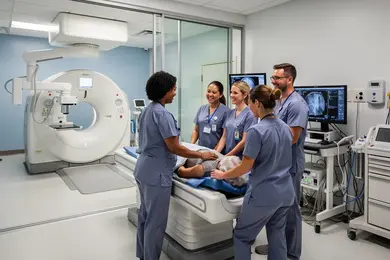
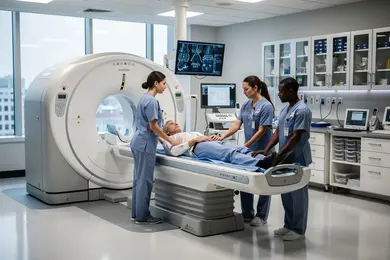
2027 Best Career Pivot Options for People With a Radiology Technician Degree

Co-Founder and Chief Data Scientist
Many individuals holding a Radiology Technician degree face uncertainty when considering a career pivot-whether due to job market shifts, burnout, or aspirations for higher growth. With 43% of healthcare workers exploring alternative roles annually, understanding how to leverage core technical skills and healthcare knowledge is crucial.
Transferable competencies in imaging technology, patient care, and safety protocols open doors to roles like medical sales, health IT, or clinical education-each offering accessible entry points and promising sectors with expanding demand. Credential enhancements and strategic networking further ease transitions. This article explores practical strategies for reframing resumes and selecting credentials to maximize long-term career outcomes beyond traditional radiology technician roles.
Key Things to Know About the Best Career Pivot Options for People With a Radiology Technician Degree
- Leverage technical proficiency and patient care skills-common in radiology technician roles-to enter health informatics or medical device sales, sectors reporting 15% job growth through 2030.
- Consider certification in coding or sonography to broaden credentials; networking via professional associations can enhance access to entry-level positions in expanding telehealth and outpatient care fields.
- Reframe resumes to highlight analytical and regulatory compliance experience-core to radiology technician work-to target clinical data management and healthcare consulting, careers offering superior long-term salary trajectories.
What Career Pivot Options Are Available to People With a Radiology Technician Degree?
Career pivoting has become an increasingly accepted and strategic move in today's evolving labor market. Data from the Bureau of Labor Statistics (BLS), National Association of Colleges and Employers (NACE), and LinkedIn Workforce Insights highlight how graduates from technical disciplines-including radiology technician programs-develop transferable skills that open doors beyond their initial training.
This adaptability is especially relevant given shifting workforce demands, economic conditions, and changing personal ambitions.
A radiology technician degree stands out as a particularly versatile credential, blending technical expertise, healthcare knowledge, patient interaction, and proficiency with advanced imaging technology. These competencies support a variety of career pivot opportunities that harness core strengths while offering new challenges and growth paths. Common pivot directions for radiology technician degree holders include:
- Healthcare Administration: Utilizing knowledge of clinical workflows and regulatory frameworks, many advance into administrative roles such as medical office management or health information coordination, where organizational skills are critical.
- Medical Imaging Sales and Support: Technical training provides a solid foundation for roles in equipment sales, technical support, or personnel training within the medical imaging industry.
- Radiologic Technology Specializations: Additional certifications can help professionals move into focused areas like MRI, CT, or ultrasound technology, enhancing both expertise and earning potential.
- Health Informatics and Data Analysis: As digitization transforms healthcare, radiology technicians can leverage clinical data system knowledge to engage in informatics, improving patient care and quality assurance.
- Patient Care and Support Roles: Positions such as patient advocacy or care coordination emphasize interpersonal skills and healthcare experience without direct imaging work.
These pathways illustrate that a radiology technician degree provides far more than a narrow career route. Instead, it acts as a springboard toward diversified, sustainable employment options. Throughout this discussion, considerations like credentialing, networking, resume reframing, and long-term outcomes will guide deliberate, informed pivots rather than reactive moves.
Recent graduates, mid-career professionals, career changers, and prospective students seeking entry-level job options for radiology technician degree holders will find actionable strategies and insights here-whether aiming for advancement or exploring completely new fields.
For those interested in expanding healthcare credentials to complement a radiology technician background, exploring easy DNP programs represents one accessible route to further specialization and career growth.
Which Industries Outside the Traditional Radiology Technician Field Hire Radiology Technician Degree Holders?
Graduates with a radiology technician degree often find opportunities beyond traditional healthcare imaging roles in several industries that highly value their specialized skills. Based on hiring volume and credential relevance from sources like BLS Occupational Employment and Wage Statistics, Lightcast labor market analytics, and LinkedIn Talent Insights, here are top sectors outside the conventional radiology technician pipeline.
- Medical Research and Clinical Trials: This sector hires radiology technician degree holders as imaging coordinators and clinical research assistants. Their skills in imaging data collection and patient monitoring are essential, and the credential is well recognized-though familiarity with research protocols is a plus.
- Veterinary Services: Animal hospitals and clinics require imaging specialists for diagnostics such as radiographs and ultrasounds. The radiology technician credential is moderately valued, but adapting knowledge for species-specific anatomy and sometimes additional certification is necessary.
- Medical Device and Equipment Manufacturing: Employers in this industry seek degree holders for device testing, training, and technical support roles. The credential provides a strong foundation, yet combining it with technical or business skills improves job prospects.
- Healthcare Administration and Operations: Hospitals and outpatient centers employ graduates in operational roles like scheduling and compliance. Here, radiology technician credentials support process insight more than direct imaging work.
- Health Informatics and Medical Imaging Software: As digital healthcare grows, companies look for professionals blending imaging expertise with IT skills for software development and training. Radiology technician graduates often pivot into these roles after gaining additional knowledge.
- Insurance and Claims Processing: Health insurance firms hire radiology technician degree holders as claims specialists focused on imaging-related assessments. The credential is valued when paired with strong analytical and administrative skills.
- Public Health and Regulatory Agencies: Skills in radiation safety and regulatory compliance open roles in government or nonprofit sectors. Broader public health knowledge or certification is often required alongside the credential.
Understanding the difference between industry-switching and role-switching is crucial. Pivoting into a new industry while maintaining a familiar function-such as research or operations-typically requires fewer new credentials than shifting into entirely new roles like management or software development.
Graduates should leverage their clinical experience toward adjacent functions emphasizing operational, technical, or educational competencies to maximize success in alternative career sectors for radiology technician graduates.
Conducting informational interviews with radiology technician degree holders already employed in target industries is among the most effective strategies. These dialogues reveal employer expectations, unadvertised opportunities, and real-world credential valuation.
Using this overview, readers can translate generalized knowledge into a tailored list of employers to explore, turning research into actionable career moves.
For those still exploring educational requirements linked to healthcare roles, particularly nursing, is the TEAS test required for all nursing programs is a helpful resource to consult as part of broader career planning.
What Transferable Skills Does a Radiology Technician Degree Provide for Career Changers?
Radiology technician degree programs develop a set of versatile skills valuable beyond imaging roles, supporting career shifts into various sectors. These competencies, grounded in O*NET data and educational standards, require intentional articulation to resonate with employers in different fields.
- Technical Proficiency: Mastery of complex imaging devices equips graduates for roles such as medical device support, quality control, or IT hardware troubleshooting-positions that demand precision and comfort with sophisticated technology.
- Attention to Detail: Ensuring the accuracy of imaging and patient positioning translates well to careers in regulatory affairs, laboratory analysis, and data auditing-areas where small mistakes carry significant consequences.
- Patient Interaction and Communication: Empathy and clear communication skills aid transitions into customer service, health coaching, or human resources roles where understanding and managing interpersonal dynamics are crucial.
- Critical Thinking and Problem Solving: Interpreting complex results and managing equipment issues develop reasoning abilities applicable in healthcare administration, policy analysis, or case management, where informed decision-making under uncertainty is routine.
- Data Management: Skills in recording and interpreting diagnostic data prepare individuals for medical coding, health information management, or business analytics roles that rely on accurate data handling.
- Team Collaboration: Experience working with multidisciplinary healthcare teams supports success in project coordination, education, or nonprofit management fields that require cooperative effort.
- Regulatory and Safety Compliance: Rigorous training in health and safety protocols benefits careers in occupational health, environmental safety, or quality assurance-industries with strict standards and compliance demands.
To leverage these skills effectively, individuals should conduct a thorough review of their academic work, clinical internships, and projects to identify specific examples demonstrating these competencies. This deliberate mapping helps create compelling narratives for resumes and interviews rather than relying on employers to infer this relevance.
Communicating transferable skills is a distinct skill itself. Upcoming guidance on resume reframing and networking will help graduates translate their radiology technician competencies into terminology that appeals to employers in targeted alternative fields.
A professional who graduated from the radiology technician degree shared how challenging it was to convey his technical and interpersonal skills when applying outside of healthcare. He recalled, "I realized that just listing 'operated imaging equipment' wasn't enough-I had to explain how troubleshooting devices sharpened my problem-solving and how calming patients improved my communication."
After consciously mapping these experiences to new roles, his confidence grew. "It was a slow process, but redefining my skills gave me a fresh perspective, and employers responded positively once I framed my background in their context."
Employers in adjacent fields evaluate a radiology technician's degree by focusing on a candidate’s technical proficiency in imaging equipment, understanding of anatomy, and ability to produce accurate diagnostic results under strict clinical standards. They also value attention to detail, patient care skills, and adherence to safety protocols, especially when applicants can demonstrate how their imaging experience translates into roles in healthcare diagnostics, medical device support, or clinical operations.
Credential Translation: Employers outside healthcare often struggle to interpret a radiology technician degree, especially when unfamiliar with clinical education. This credential translation requires candidates to reframe their academic and practical training to fit the target industry's language. Graduates should emphasize transferable skills like patient interaction, equipment proficiency, and adherence to safety standards in tailored resumes and cover letters to improve evaluation of radiology technician experience for adjacent career fields.
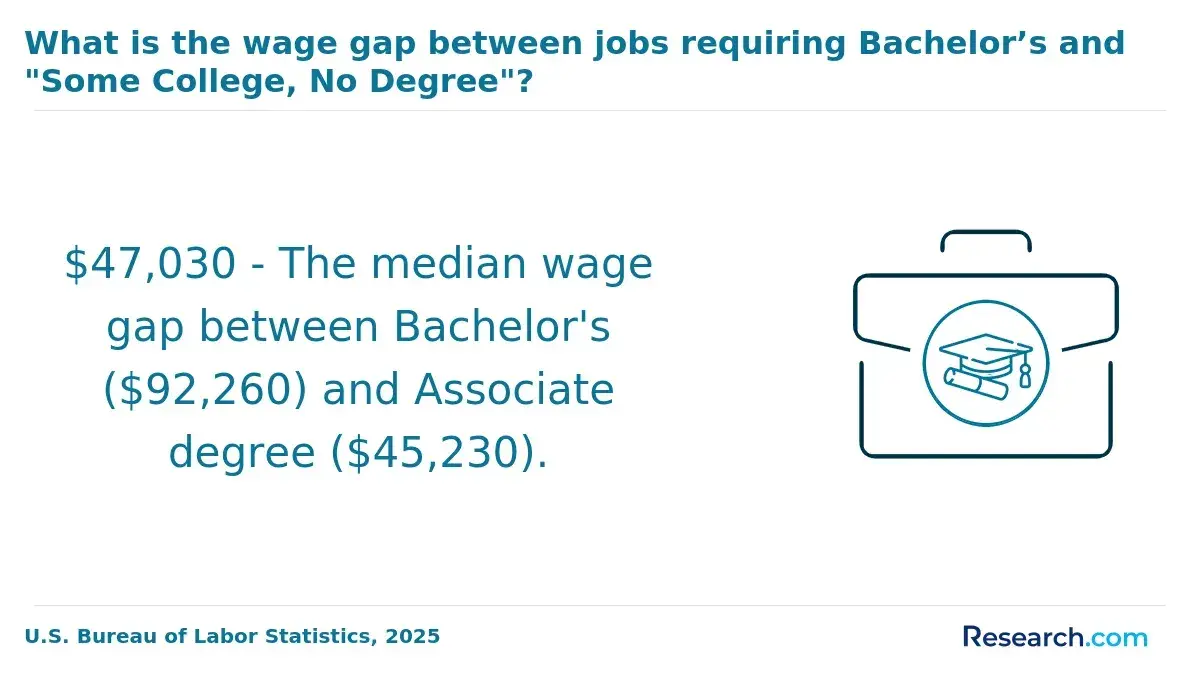
Degree Factors: Hiring managers typically prioritize degree type, viewing associate degrees as foundational and bachelor's degrees as more versatile. While the prestige of the educational institution may initially attract interest, its influence wanes when relevant experience or certifications are evident. GPA generally holds limited weight except in research or technically specialized roles.
Implicit Bias: Some employers retain biases favoring traditional backgrounds such as nursing or health administration, unintentionally sidelining radiology technician credentials. To overcome this, candidates should research employers thoroughly, leverage networking, and present demonstrable skills through portfolios or practical evaluations instead of relying solely on credential screening.
Employer Size and Type: Larger organizations tend to implement rigid credential screening favoring conventional education paths, whereas smaller companies might value adaptability and concrete competencies more. Public sector roles often enforce strict credential standards, while startups and private firms generally offer more flexibility in cross-disciplinary recruitment.
Targeted Employer Selection: Radiology technician graduates benefit from focusing on employers with proven cross-disciplinary hiring practices, identifiable via LinkedIn alumni reviews, employee spotlights, and recruitment messaging highlighting diverse educational backgrounds. Early successes in such environments build a foundation for broader career pivots.
For those exploring alternative pathways, considering programs at accredited medical billing and coding schools online can supplement expertise and expand opportunities.
Graduates pivoting from a radiology technician degree frequently find entry points across several functional areas-each capitalizing on the technical skills and healthcare knowledge acquired. Common accessible roles include:
- Operations Coordinator:
- Manages patient scheduling, coordinates clinical workflow, and oversees equipment upkeep.
- Requires organization, project management basics, and clear communication.
- Typically reports to operations management.
- Radiology technician training provides valuable insight into clinical processes and compliance, enhancing adaptability and credibility.
- Healthcare Data Technician:
- Handles data entry, system maintenance, and preliminary analysis of medical imaging or health records.
- Needs attention to detail, familiarity with healthcare IT systems, and fundamental analytical abilities.
- Reports to health information managers or data leads.
- Experience with imaging technology supports accuracy and technical integration skills.
- Patient Services Representative:
- Coordinates patient appointments, manages insurance verification, and serves as frontline communicator.
- Requires interpersonal skills, problem-solving, and proficiency with administrative software.
- Usually supervised by clinic or patient services management.
- Training offers strong grounding in clinical terminology and patient confidentiality protocols.
- Policy Administrative Assistant:
- Supports documentation, schedules meetings, and aids healthcare policy or compliance teams.
- Needs strong administrative skills, writing ability, and confidentiality awareness.
- Reports to policy or compliance officers.
- Knowledge of regulatory requirements accelerates integration in policy environments.
- Sales Support Associate (Medical Equipment):
- Assists in managing product data, preparing sales materials, and client communications in medical device firms.
- Requires product familiarity, basic sales skills, and interpersonal aptitude.
- Usually reports to sales managers or product specialists.
- Hands-on radiology experience lends credibility when discussing technical product features.
Although shifting fields brings concerns about starting over, evidence shows that radiology technician graduates often advance to mid-career roles within 3 to 5 years-faster than peers without healthcare credentials. Their foundational clinical and regulatory knowledge expedites learning and opens early leadership paths.
Choosing the right entry-level pivot role benefits from weighing four factors: alignment with existing competencies, compensation, advancement speed, and long-term fit. Roles in data and operations generally offer the quickest upward mobility and strongest skill overlap, while patient services and policy roles suit those focused on communication and compliance.
Sales support may promise higher initial pay but requires developing sales proficiency.
One radiology technician graduate shared that the transition felt daunting at first, facing a steep learning curve and moments of uncertainty about starting anew. She emphasized how her technical background eased communication with clinical teams in her operations coordinator role, allowing her to quickly gain trust and assume responsibilities beyond the job description.
"It wasn't just about taking any job-it was finding a role where my prior knowledge truly mattered," she reflected. Her progress, she noted, was boosted by deliberate networking and consciously choosing a pivot aligned with both her skills and career goals.
Several career pivots from a radiology technician degree yield markedly higher median salaries early and mid-career compared to traditional clinical roles. This is driven by factors such as market demand, revenue models, and compensation structures unique to each field.
- Enterprise Technology: Roles like software development and data analysis often offer median earnings two to three times higher than radiology technician positions, supported by scalable products and frequent bonuses or stock options.
- Financial Services: Financial analysts, advisors, and risk managers benefit from work in high-margin markets, securing substantial base pay alongside lucrative performance bonuses and profit-sharing plans.
- Management Consulting: Early-career consulting salaries usually surpass those in technician roles significantly, complemented by bonus systems and rapid growth potential-but typically require advanced credentials like an MBA.
- Healthcare Administration: Transitioning within healthcare to management or administrative roles provides higher earnings mostly through leadership responsibilities rather than clinical technical skills, especially mid-career.
- High-Growth Startups: Although base pay may be lower, compensation often includes equity grants that can generate significant long-term value, with high volatility especially in health tech and biotech sectors.
Differences in pay reflect broader economic realities-industries with scalable revenue and profit-sharing culture typically provide richer compensation than government or nonprofit sectors constrained by budget fixedness. Total compensation frequently includes salary, bonuses, equity, retirement contributions, health benefits, professional development funding, and flexibility such as remote work.
Those targeting these lucrative pivots must consider the often substantial investments needed for additional certifications, degrees, and intensive networking. Weighing the anticipated financial returns against time, cost, and opportunity expenditures is crucial for planning a sustainable career transition.
Radiology technicians are increasingly in demand across multiple high-growth sectors as healthcare systems expand their reliance on advanced diagnostic imaging. Opportunities are especially strong in hospitals, outpatient clinics, and medical technology companies where imaging expertise directly supports patient care, efficiency, and innovation.
Healthcare Technology: Rapid growth in advanced imaging and telehealth demands professionals skilled in operating diagnostic equipment and coordinating patient care. Radiology technician training equips candidates with technical proficiency and adaptability, valuable for roles such as healthcare technology specialists and imaging application trainers. Employers in this evolving sector often prioritize demonstrated skills and flexibility over formal credentials, benefiting radiology technicians pivoting into emerging healthcare tech positions.
- Entry points: Imaging software support, telehealth coordination, medical device training.
Biotechnology and Pharmaceutical Research: Expanded investment in clinical trials and biomedical research creates demand for expertise in imaging data acquisition and analysis. Radiology technicians' hands-on experience with sophisticated imaging equipment aligns well with laboratory and regulatory support roles in research settings. Companies adopting digital diagnostics value practical imaging knowledge, making radiology technicians attractive hires beyond traditional clinical environments.
- Entry points: Clinical trial imaging support, lab equipment specialist, regulatory compliance assistant.
Occupational Health and Safety: Increased workplace health monitoring in manufacturing and construction calls for skills in diagnostic assessments and patient interaction. Radiology technician competencies translate directly to onsite health screenings and workplace safety evaluations, often preferred by employers seeking practical certification and experience rather than conventional occupational health backgrounds.
- Entry points: Occupational health technician, onsite diagnostic examiner, safety compliance support.
Medical Equipment Sales and Training: The complexity of imaging devices drives demand for sales and training professionals with credible technical expertise. Radiology technicians excel by combining equipment knowledge with customer education skills, fitting rapidly growing medical device companies focused on scalable, adaptable talent pipelines.
- Entry points: Technical sales associate, product trainer, customer support specialist.
Health Data Analytics: Demand rises for professionals who understand imaging data within clinical decision frameworks. Radiology technicians' familiarity with imaging outputs and patient context positions them well to upskill into data analysis and informatics roles. Organizations expanding in this area often value practical experience and learning agility over formal analytics degrees.
- Entry points: Imaging data analyst trainee, clinical data coordinator, health informatics assistant.
Emergency and Disaster Response Services: Expansion of emergency medical teams requires personnel skilled in delivering accurate diagnostic imaging under pressure. Radiology technicians' ability to operate equipment efficiently in demanding environments supports roles in mobile imaging and disaster response, where adaptability and hands-on experience are critical.
- Entry points: Mobile imaging specialist, emergency support technician, disaster response imaging coordinator.
Graduate certificates provide a focused pathway for radiology technician degree holders seeking to enhance career flexibility without committing to full degree programs. According to the National Center for Education Statistics (NCES), these certificates often require less than a year of study, typically via part-time coursework, making them a practical choice for professionals balancing work and upskilling.
The American Council on Education emphasizes that certificates act as targeted signals to employers, conveying specialized expertise beyond core radiology technician competencies.
Time and Cost: Graduate certificates typically cost far less than master's degrees and take from several months up to a year to complete. This efficiency suits professionals aiming to pivot quickly or address limitations posed by traditional degree timelines or financial constraints.
Career Signal Value: While not equivalent to advanced degrees, certificates aligned with current labor market demands have recognized value to hiring managers. Radiology technician graduates often pursue certificates in fields such as data analytics, project management, UX research, public health, nonprofit management, and financial analysis. Research shows data analytics and project management credentials yield higher salary differentials and greater employer preference in healthcare-adjacent or administrative roles.
Credential Inflation: The growing number of certificate programs requires careful evaluation before enrolling. Important factors include accreditation status, verified alumni outcomes, employer recognition, and cost-benefit balance to avoid low-value sunk costs.
Strategic Integration: When to pursue a graduate certificate depends on one's career pivot stage: If credentials block access, completing a certificate before job applications is advisable.Some pursue certificates during active job searches to signal ongoing skill development.Others engage in certificates post-transition to advance within new roles through continuing education.
Recent Trend: NCES surveys indicate a 15% year-over-year rise in healthcare professionals obtaining graduate certificates to transition into emerging administrative and analytical positions, underscoring the increasing relevance of these credentials.
Radiology technician career pivot decisions also benefit from exploring targeted programs, such as CAHME accredited online MHA programs, which offer specialized training aligned with healthcare management roles.
Graduate certificate benefits for radiology technician career pivot opportunities complement transferable competencies, accessible entry-level pivot roles, and strategic credentialing-helping graduates frame resumes effectively and leverage networking for long-term success across diverse professional pathways.
Academic credentials-such as degrees-primarily demonstrate foundational education, while professional certifications serve as targeted labor market signals validating specific skills and knowledge. For radiology technician career changes, professional certifications often provide concrete evidence of abilities demanded in non-radiology roles, making them valuable when employers require standardized proof of competencies beyond a Radiology Technician degree.
The importance of certification in validating a radiology technician career pivot varies by field. In sectors like healthcare administration, project management, or analytics, certifications offer a meaningful competitive advantage when pursuing new roles. Conversely, in areas where practical experience or alternative qualifications dominate hiring decisions, the impact of certifications is less pronounced.
Key professional certifications for common Radiology Technician degree pivots include:
- Project Management Professional (PMP): Requires notable project management experience and education. Exam preparation spans 3-6 months with fees around $555. High demand in healthcare administration, IT, and construction industries.
- Certified Analytics Professional (CAP): Demands professional analytics experience and passing a comprehensive exam. Preparation takes 4-6 months, costing approximately $495. Ideal for healthcare and business data analyst roles.
- SHRM Certified Professional (SHRM-CP): Requires HR-related work experience or education. Exam prep ranges 2-4 months, with fees between $300 and $400. Valued in human resources departments.
- Salesforce Administrator: No formal prerequisites necessary; preparation is typically 2-3 months. Exam fees are around $200. Applicable for sales operations, CRM management, and marketing technology roles.
- Certified Coding Specialist (CCS): Focuses on medical coding with clinical experience prerequisites. Preparation time varies, and exam fees near $300. Crucial for medical billing and healthcare documentation positions.
Before investing in certifications, radiology technician graduates should research credential expectations in target fields by scanning job postings, reviewing LinkedIn profiles of established professionals, and conducting informational interviews. This ensures spending time and money on certifications that genuinely influence hiring outcomes.
Sequencing certification pursuit strategically during a career pivot signals commitment-listing in-progress certifications on resumes and discussing them in interviews can highlight ongoing professional development and readiness for new challenges prior to official credential completion.
In addition, considering further education such as online MBA programs healthcare management can complement certifications, enhancing career flexibility and long-term growth opportunities beyond clinical roles.
Freelance, contract, and project-based work can accelerate career transitions for Radiology Technician degree holders by offering flexible, short-term roles that build relevant experience and networks. The gig economy's expansion-growing 15% annually in healthcare-related sectors, creates opportunities in fields like content creation, research assistance, data handling, virtual support, communication strategy, and project coordination.
These jobs leverage core skills such as precision, data management, and medical terminology familiarity, making them ideal for early-stage career pivoters.
- Accessible Roles: Freelance projects in medical content development, health research support, data analysis, virtual assistance, and project management provide hands-on experience that transfers well to permanent positions.
- Portfolio Development: Each completed contract adds concrete work samples and client endorsements, which enhance credibility and strengthen future full-time applications.
- Credential Positioning: Presenting a Radiology Technician degree as specialized expertise builds competitive advantage on freelance platforms by emphasizing medical knowledge and certifications.
- Service Packaging and Rates: Early freelancers benefit from setting competitive prices aligned with emerging skills, then adjusting fees upwards in response to positive reviews and deeper expertise.
- Financial and Career Fit: Freelance pivots require financial reserves and adaptability to income variability; regulated sectors or government roles may limit freelance entry, so aligning sector choice with available freelance opportunities is critical.
Effectively leveraging freelance work streamlines the accumulation of domain-specific knowledge and documented achievements-facilitating smoother, faster career pivots into new industries for Radiology Technician degree holders with sufficient planning and resource buffers.
Intentional networking is crucial for radiology technician graduates shifting careers, as they often lack established contacts in their new fields. Insights from Harvard Business Review and labor market sociology demonstrate how weak ties-informal acquaintances-frequently uncover unadvertised roles through referrals, making deliberate networking an essential strategy to bypass industry unfamiliarity and experience gaps.
- Alumni Network Activation: Seek out alumni from your radiology technician program who have transitioned to your target industry to gain personalized guidance and warm referrals, reducing reliance on cold outreach.
- Professional Association Entry: Join relevant industry associations to access exclusive events, webinars, and forums-participation signals commitment and nurtures credibility over time.
- Informational Interview Campaigns: Arrange brief conversations with insiders to explore career paths and workplace culture. Use concise, polite scripts such as:
- "I'm a radiology technician graduate exploring opportunities in [target field]. May I ask about your experience briefly?"
- LinkedIn Strategic Connection-Building: Utilize filters to identify professionals in your desired sector, then send personalized connection requests citing shared interests or mutual connections to foster authenticity.
- Community of Practice Engagement: Participate actively in online groups or local meetups related to your new field to exchange knowledge, ask questions, and develop ongoing professional relationships.
Networking anxieties-imposter syndrome, fear of rejection, and uncertainty on how to engage-are common among career pivots. Framing interactions as curious, structured conversations rather than self-promotion helps reduce pressure and open dialogue. Expressing gratitude and focusing on learning encourages receptivity.
Establish a regular networking routine by setting weekly outreach goals, allocating specific time slots, and tracking progress to transform networking into a sustainable, proactive practice-not just an urgent job search tactic. A 2023 LinkedIn survey found 85% of roles are secured through networking, highlighting its pivotal role in successful career transitions.
What Graduates Say About the Best Career Pivot Options for People With a Radiology Technician Degree
- Valentino: "Graduating as a radiology technician opened unexpected doors for me when I realized how valuable my transferable competencies were-particularly patient communication and technical proficiency. I found that entry-level roles in medical equipment sales provided a surprisingly smooth pivot, with plenty of room for growth. My advice is to leverage your existing skills confidently and explore industries where healthcare expertise is a hidden advantage."
- Zev: "Reflecting on my journey, the biggest lesson was to reframe my resume to highlight analytical skills and attention to detail rather than just clinical tasks. This strategy helped me land a role in healthcare IT, which I hadn't initially considered but has become a high-growth sector full of opportunity. For anyone with a radiology technician degree looking to pivot, investing in supplementary credentials-like coding or data analysis-can truly pay off."
- Grayson: "My approach to career pivoting leaned heavily on networking-I attended industry events and joined professional groups that extended beyond radiology alone. This broadened my perspective on long-term career outcomes and allowed me to transition into medical imaging technology management. Being proactive in building diverse connections made all the difference, proving that who you know can shape your path just as much as what you know."
Other Things You Should Know About Radiology Technician Degrees
Radiology technician graduates should highlight transferable skills such as patient care, technical proficiency with imaging equipment, and familiarity with medical procedures. Emphasizing certifications, regulatory compliance knowledge, and experience with healthcare technology systems can add value. Tailoring resumes to align with the requirements of the target industry or job role-while downplaying less relevant technical radiology details-improves the chances of standing out to new employers.
In 2027, top certifications for radiology technicians seeking a career pivot include obtaining a Certified Clinical Research Professional (CCRP) for clinical research roles or an IT-related certification like CompTIA A+ for tech-oriented paths.
Graduate programs in healthcare administration, medical imaging technology, or health informatics provide radiology technician degree holders with advanced credentials that signal readiness for new roles. These programs expand knowledge in leadership, data management, and healthcare systems-areas critical to administrative or tech-focused careers. Completing graduate studies often accelerates entry into higher-level positions not accessible with an associate degree alone.
Most bridge programs require an accredited radiography or allied health degree, current CPR certification, and specific science prerequisites such as anatomy, physiology, and microbiology. Many RN bridge tracks also require an unrestricted clinical license, a minimum 2.5 to 3.0 GPA, and completion of TEAS or HESI admissions testing.
- Ignite Your Radiology Career: Five Tips for Fellows and Residents https://www.radpartners.com/2023/10/ignite-your-radiology-career-five-tips-for-fellows-and-residents/
- X-Ray & Radiology Tech Certification + Licensure Guide https://www.trustedhealth.com/allied-career-guide/radiologic-tech/certification-guide
- X-ray Tech Job Opportunities: Amazing Growth - Liv Hospital https://int.livhospital.com/x-ray-tech-job-opportunities-amazing-growth/
- Exploring High-Demand Imaging Careers: CT, MRI, and X-Ray Tech Jobs https://www.crosscountry.com/blog/exploring-high-demand-imaging-careers
- Top 9 Highest-Paying Radiology Tech Jobs in 2025 https://www.directshifts.com/clinician-resources/top-9-highest-paying-radiology-tech-jobs-in-2025
- What Is a Travel CT Technologist? Benefits, Salary & How to Get Started | GHR Healthcare https://www.ghrhealthcare.com/blog/travel-and-contract-work-for-ct-technologists
- 5 Tips to Land Your First Radiology Technologist Job | Career Advice https://radiologytechnologistjobbank.com/articles/5-tips-first-rad-tech-job-after-graduation
- Which Radiology Certifications Offer the Best Job Opportunities? | Vivian Community Hub https://www.vivian.com/community/allied-health/which-radiology-certifications-offer-the-best-job-opportunities/
- Radiologic Technologist - Explore Healthcare Careers - Mayo Clinic College of Medicine & Science https://college.mayo.edu/academics/explore-health-care-careers/careers-a-z/radiologic-technologist/
- 9 High-Paying Radiology Tech Jobs with a Bright Future https://www.mtmi.net/blog/9-high-paying-radiology-tech-jobs