2027 Radiology Technician Degree vs Bootcamp vs Certificate: Which Path Leads to Better Career Outcomes?

Co-Founder and Chief Data Scientist
Choosing between a radiology technician degree, bootcamp, or certificate can feel overwhelming when career success hinges on factors like salary, employer recognition, and job placement. For instance, the Bureau of Labor Statistics reports that degree holders typically earn 15% more annually than those with only certificates, highlighting potential long-term financial advantages. Employers often prioritize formal degrees, yet bootcamps offer faster entry and strong networking in some regions, while certificates provide targeted skills for working adults.
This article examines these pathways through data-driven comparisons on salary outcomes, credential value, job prospects, ROI, networking, growth, and learner suitability to guide informed decisions.
Key Things to Know About Which Path Leads to Better Career Outcomes: Radiology Technician Degree, Bootcamp, or Certificate
- Degree programs typically lead to higher average salaries-around 15% more-due to employer preference for accredited credentials and formal education in radiology technician roles.
- Bootcamps offer rapid skill acquisition but lower job placement rates-often below 50%-and limited networking compared to degree pathways, affecting long-term career advancement.
- Certificates provide cost-effective upskilling and better return on investment for working professionals seeking specific competencies without the extended commitment of a degree or bootcamp.
How Does Radiology Technician Degree Compare to Bootcamps and Certificates in Total Program Cost and Time to Completion?
Prospective students choosing to become Radiology Technicians confront a critical decision: invest several years in a traditional degree program or opt for a quicker, more affordable route via bootcamps or professional certificates. Neither path universally outperforms the other-each suits different learner profiles depending on career goals, time availability, and budget.
A Radiology Technician degree usually denotes an associate's or bachelor's degree from community colleges or universities. Full-time associate's programs typically span two years, while bachelor's degrees require about four. Tuition varies widely-NCES data shows associate's degrees averaging $8,000 to $15,000 annually, totaling $16,000 to $30,000, while bachelor's degrees range from $10,000 to $25,000+ per year, summing to $40,000-$100,000 or more. Part-time study extends completion time but provides flexibility for working students. This pathway offers substantial academic depth and is often preferred by employers for licensing and advanced roles.
Bootcamps offer intensive training focused on practical radiology technician skills in 8-26 weeks, primarily full-time. Costs typically range from $7,000 to $15,000 per aggregated reviews from SwitchUp and Course Report. These programs emphasize rapid skill acquisition but usually lack transferable academic credits and the theoretical depth found in degree coursework. Some bootcamps allow part-time attendance, which moderately extends duration. Bootcamp graduates benefit from cost and time efficiency, fitting those seeking accelerated entry into the workforce.
Professional certificates are often self-paced or instructor-led courses available through platforms like Coursera, Google, or industry associations. Generally completed within weeks to a few months, these certificates cost between $500 and $3,000, making them the most affordable option. While they provide foundational knowledge and resume enhancement, certificates rarely fulfill licensing requirements on their own or deliver comprehensive training compared to degrees or bootcamps. For learners seeking flexibility or skill supplementation, certificates serve as practical options.
The radiology technician program cost comparison and time to complete radiology technician training highlight that cost and duration matter but don't tell the full story. Employer preferences, salary outlook, job placement rates, career advancement opportunities, and networking access also play crucial roles in determining the best pathway for each individual. For further research on affordable training options in related medical fields, see cheapest medical billing and coding online courses.
What Career Outcomes Can Radiology Technician Degree Graduates Expect Compared to Bootcamp and Certificate Completers?
The career outcomes for radiology technician degree graduates generally show advantages in employment stability and earning potential compared to bootcamp and certificate completers. Based on labor market data from the Bureau of Labor Statistics (BLS) Occupational Employment and Wage Statistics, the NACE Early Career Salary Survey, and Course Report's annual bootcamp outcomes, degree holders tend to have higher median starting salaries and better access to mid-level job titles upon first placement. Meanwhile, bootcamp and certificate completers often join the workforce faster but may face initial limitations in career advancement.
Key comparative insights include:
- Employment Rate: Degree graduates usually report employment rates above 85% within six months, reflecting employer preference for formal education in this healthcare field. Bootcamp and certificate programs have placement rates sometimes reaching 75%, but these figures often rely on self-reported data that may include survivorship bias or selective disclosure.
- Median Starting Salary: Degree holders start with salaries between $50,000 and $60,000, consistent with BLS data for licensed radiology technicians. Certificate completers tend to start lower-around $40,000 to $45,000-with bootcamp graduates showing greater variability influenced by program quality and regional job markets.
- Job Title Level: Degree graduates typically enter positions such as "Radiologic Technologist" or "Radiology Technician" with certification, facilitating clearer career trajectories. Bootcamp and certificate completers often start in assistant or technician-support roles, usually requiring extra certification to advance.
- Credential Value Shifts: Employers are increasingly open to skills-based hiring, especially for well-vetted bootcamp graduates demonstrating competency through portfolios or practical assessments. However, formal credentials and clinical hours give degree holders a meaningful edge in competitive hiring pools.
- Data Reliability: Bootcamp outcome statistics often lack independent audits; prospective students should verify claims through third-party sources like the Council on Integrity in Results Reporting (CIRR).
- Contextual Factors: Career outcomes depend not only on credential type but also on portfolio quality, networking efforts, local job market conditions, and radiology technology specialization. No pathway guarantees success-understanding these factors helps in making informed choices aligned with personal goals and learning preferences.
For those exploring educational options, especially adults considering part-time study or career shifts, integrating additional credentials or advanced degrees-such as a master in health administration-can further enhance long-term salary and job placement prospects in the radiology technician field.
Which Radiology Technician Pathway - Degree, Bootcamp, or Certificate - Offers the Highest Starting Salary for Graduates?
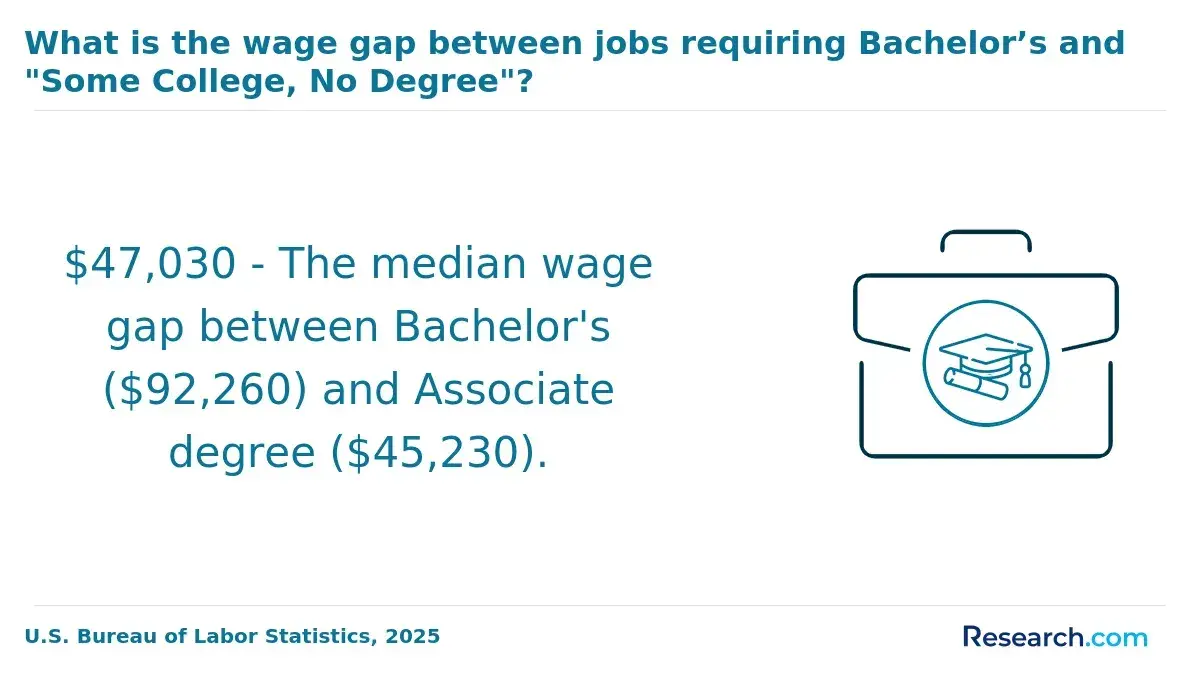
Data consistently shows that radiology technician graduates with degrees typically start with higher salaries compared to those completing bootcamps or certificate programs. According to the U.S. Bureau of Labor Statistics (BLS), entry-level radiology technicians holding an associate degree earn median annual starting salaries around $55,000. In contrast, LinkedIn Salary Insights and Glassdoor report bootcamp and certificate holders usually begin between $40,000 and $48,000. This gap reflects employer preferences-especially among large hospitals and healthcare networks-that prioritize degree qualifications for higher compensation and benefits.
Education Level: Degree programs deliver extensive clinical training, which employers value for initial pay. Bootcamps and certificates offer targeted skills faster and at less cost but often lack the depth linked to salary premiums.
Employer Type: Major hospitals and health systems favor degree-educated technicians, while smaller clinics or startups may hire certificate holders at lower wages.
Industry Sector: Bootcamp and certificate completers often find roles in outpatient centers or imaging clinics with competitive but generally lower pay compared to hospital-employed degree holders.
Geographic Location: Though urban markets offer higher pay, degree holders generally maintain an advantage across regions.
Salary growth trajectories also differ-while some bootcamp and certificate graduates catch up to peers initially, degree holders more frequently ascend into specialized or managerial posts that require formal credentials, resulting in stronger mid- and long-term earnings. Median figures mask wide variation influenced by prior experience, specialization, program quality, and geographic mobility.
A professional who successfully earned a radiology technician degree shared that despite the program's rigor and the challenge of balancing clinical rotations with coursework, the comprehensive education ultimately made job searching more straightforward. He noted that hiring managers frequently asked about hands-on training experience, which he confidently demonstrated thanks to his degree path. "It was tough managing time, but knowing I was thoroughly prepared gave me an edge during interviews," he recalled. His experience suggests that while shorter certificate or bootcamp routes offer quicker entry, the depth and recognition of a degree can significantly impact starting salary and early career opportunities.
Accredited radiology technician degree programs usually require a minimum GPA-commonly 2.5 or higher-and completion of foundational courses like biology, chemistry, and anatomy. These academic standards ensure readiness for advanced study and maintain program quality. Bootcamps and certificate programs rarely impose such prerequisites, making entry more accessible.
Standardized Tests: Many degree programs expect SAT or ACT scores, although some waive these requirements. Bootcamps and certificates generally do not require standardized testing, lowering barriers for applicants without traditional test experience.
Letters of Recommendation: Degree programs frequently ask for recommendation letters to assess candidates' character and professionalism, while bootcamps and certificate offerings seldom require them, allowing quicker admission processes.
Application Timelines and Selectivity: Degree programs operate within structured admissions cycles, often yearly or twice annually, and apply selective criteria based on academic records and other factors. This selectivity serves as a quality filter valued by employers but can limit access. In contrast, bootcamps and certificates often allow rolling admissions or several start dates annually, offering flexibility and minimal screening.
Access and Equity: The easier entry to bootcamps and certificates benefits non-traditional learners-career changers, working adults, and those facing geographic or family constraints-who may find degree programs costly or time prohibitive. These pathways reduce time away from income and bypass demanding preparatory work common in degree tracks.
Quality Signals: Competitive admissions in degree programs often reassure employers of educational rigor. Without selectivity, bootcamps and certificates must demonstrate value through strong curricula, experienced instructors, accreditation, and graduate success rates.
One professional who launched a career after completing a certificate shared her experience: "I appreciated how quickly I could start, without worrying about GPA or test scores. The fast pace was challenging but rewarding. While I didn't have the academic hurdles typical of degree students, the program's quality was clear through hands-on training and the knowledgeable instructors. It allowed me to shift careers without putting life on hold."
The curriculum distinctions among radiology technician degree programs, bootcamps, and certificate offerings highlight varying educational priorities and timelines.
- Degree Programs: These provide an extensive curriculum combining broad general education-such as biology, anatomy, and communication skills-with specialized radiologic technology training. Core courses delve into patient care, imaging modalities, radiation safety, and theoretical foundations. Electives often explore advanced imaging techniques or ethics, while some degrees demand research projects or a thesis, sharpening analytical and evidence-based practice capabilities. Although they take longer to complete, degree programs build a strong knowledge base that supports long-term career flexibility and advancement, preparing graduates to adapt to industry developments and pursue higher specialization.
- Bootcamps: Intensive and time-compressed, bootcamps focus squarely on hands-on skills, including equipment operation, imaging procedures, and essential patient interactions. Project-based modules mimic real clinical environments to enhance practical learning. However, bootcamps typically exclude in-depth theoretical study, general education, and research experience found in degree pathways. This approach prioritizes rapid workforce entry with job-ready competencies but may limit preparation for complex roles or further academic progress.
- Certificate Programs: These vary widely-from entry-level certificates offered by platforms like Coursera or industry bodies such as CompTIA, which introduce fundamental technical skills with limited theory, to advanced professional certificates granted by healthcare associations that validate specialized expertise. Certificates can boost employability, especially for individuals with prior experience, but generally lack the comprehensive curriculum and critical thinking development of degree programs. Their market value depends heavily on employer expectations and the candidate's background.
Return on investment (ROI) for radiology technician pathways depends on total costs-tuition, fees, materials-and notably, the opportunity cost of foregone earnings during training. Opportunity cost reflects the income lost by not working while enrolled, which often makes two- or four-year degree programs less attractive in the short term compared to shorter bootcamps or certificate courses. This factor greatly influences the true financial benefit of each pathway over time.
Drawing on data from NCES, NACE salary benchmarks, and bootcamp outcome reports, consider three learner scenarios analyzed over five- and ten-year post-completion horizons:
- Recent High School Graduate: With little or no income foregone, this profile faces a low opportunity cost. The two-year associate degree may involve higher upfront costs but leads to stronger salary premiums long term. Bootcamps and certificates offer faster workforce entry and moderate salary increases, delivering quicker five-year ROI. Over ten years, degree holders generally realize higher cumulative earnings.
- Mid-Career Professional: Leaving a $50,000 annual job to retrain full-time results in a significant opportunity cost. Shorter bootcamps or certificate paths often produce better five-year ROI by minimizing time out of work. Four-year degrees show negative ROI within five years due to lost income but may improve returns at ten years if higher credentials open advanced roles.
- Part-Time Learner: Balancing work and study drastically lowers opportunity costs, making degree completion financially viable despite longer duration. All pathways can yield positive ROI, with degrees better for long-term growth and bootcamps enabling swift certification and employment.
ROI must be weighed alongside employer credential requirements, desire for specialization, and personal goals-factors not fully captured in financial comparisons. This nuanced perspective helps learners choose the best fit beyond raw dollar returns.
When comparing job placement rates among radiology technician bootcamps, certificate programs, and degree pathways, it is crucial to understand the differences in data sources and definitions behind these figures.
- Reporting Sources: Degree programs typically report placement rates through independent surveys such as the Integrated Postsecondary Education Data System (IPEDS) or audited institutional career services data, providing transparency and consistency. Bootcamps often rely on self-reported outcomes without third-party verification, while certificate programs vary widely, with some following Council on Integrity in Results Reporting (CIRR) standards and others not.
- Definition of Placement: "Job placement" varies by pathway. Degree programs usually measure placement narrowly-focusing on graduates employed as radiology technicians or in closely related roles. Bootcamps and some certificate programs may count any healthcare or allied field employment as placement, which can inflate success rates and complicate direct comparison. This distinction is particularly relevant for comparing radiology technician bootcamp job placement rates to degree programs.
- Career Services Impact: Robust career support-including employer partnerships, resume workshops, mock interviews, and alumni networks-can significantly enhance placement outcomes. Degree programs often offer comprehensive services, while bootcamps and certificate programs might provide limited support, affecting job search success despite the quality of training.
- Evaluating Claims: Prospective students should request detailed placement data broken down by job role relevance, salary ranges, and average time to placement. This scrutiny helps differentiate realistic career prospects from marketing-driven statistics. It is also wise to benchmark any program's claims against industry-wide averages and examine the breadth of career services offered.
For those exploring various educational routes, including certificate programs versus degree programs in radiology technician employment outcomes, assessing these factors can guide a well-informed choice. Additionally, supplementing education with targeted training such as a HIM degree may further enhance career versatility and advancement opportunities.
Networking and alumni access are among the most valuable, long-term benefits a learner can acquire within radiology technician educational pathways-often surpassing the formal curriculum in supporting senior career advancement and job mobility.
- Degree Programs: These programs typically offer the most robust and structured networking opportunities. They provide access to established alumni associations, career fairs, faculty mentorships, Greek or professional organizations, and partnerships with regional and national healthcare employers. The prestige and geographic reach of the degree-granting institution significantly affect the size and influence of the network available to graduates. Radiology technician networking opportunities in degree programs are especially helpful for those aiming at widespread employer recognition and career growth across multiple states or regions.
- Bootcamps: While smaller and more recent compared to degree programs, some established bootcamps have nurtured active alumni communities and strong cohort cultures. These networks often emphasize peer referrals and maintain collaborations with employers looking for tech-savvy radiology technicians, particularly in emerging specialties like imaging software or AI integration. Alumni connections and career advancement in radiology technician bootcamps are frequently centered on niche job markets and faster pathways to employment, providing targeted support where degree programs may be less focused.
- Certificate Programs: Certificate providers, including platforms like Google Career Certificates, typically foster professional communities through online forums and occasional alumni events. The networks are narrower, with fewer direct channels to hiring managers or long-term mentorship. These communities tend to support initial job placement rather than sustained career development and may lack the deep institutional employer linkages seen in degree or bootcamp paths. For adult learners or busy professionals, these certificates provide practical peer support but limited network expansion.
For those exploring educational options beyond traditional paths, investigating shortest post master's PMHNP online programs can also provide useful insights into certificate-based professional education trends.
Geographic factors greatly affect which radiology technician education path-degree, bootcamp, or certificate-leads to the best career results. In large metropolitan areas with dense employer networks, degree programs usually offer higher salaries and more stable job placements due to strong clinical affiliations and reputation. Bootcamp and certificate graduates find success mostly when local employer demand aligns closely with their program's connections.
- Metropolitan Advantage: Degree holders benefit from established hospital and clinic relationships, while bootcamp and certificate completers perform well if tied to local industry partnerships.
- Regional and Mid-Sized Markets: Employers here often show greater acceptance of alternative credentials, providing better chances for bootcamp and certificate graduates, though lower employer density means networking remains essential.
- Rural and Smaller Markets: Degree credentials are generally more recognized, offering greater job mobility. Bootcamp and certificate programs face challenges due to fewer employers and less awareness.
Many bootcamps concentrate in tech and business-centered cities, so graduates relocating away from these hubs often experience lower job placement prospects. Employer networks tied to specific bootcamps heavily influence outcomes. Meanwhile, remote work opportunities are rising, allowing all credential holders to compete for remote roles often benchmarked to metropolitan salaries-this widens access but also increases competition nationally.
According to a recent Department of Labor report, 24% of radiologic technologists and diagnostic medical sonographers have roles permitting partial or full remote work. Prospective students should consider employer density, local credential preferences, and remote work trends before choosing the pathway best aligned with their geographic and career goals.
Employer preferences for radiology technician candidates reveal nuanced patterns tied closely to company size and sector. Large corporations and government bodies often apply strict degree requirements upfront-favoring candidates with two- or four-year radiologic technology degrees accredited by recognized entities. This approach serves as a primary screening mechanism to streamline large applicant pools.
- Skills-First Focus: Startups and smaller organizations emphasize demonstrated competencies over formal credentials. Here, portfolios, technical assessments, and proven clinical outcomes weigh heavily-providing pathways for bootcamp and certificate holders to gain traction if they exhibit solid practical skills.
- Degree Requirement Trends: Although several major employers publicly removed degree mandates in job listings around 2020, actual hiring data from LinkedIn and SHRM indicate only marginal shifts. Majority hires in enterprise settings remain degree holders, suggesting policy changes have yet to significantly alter hiring practices.
- Shifting Attitudes: Resource-limited and progressive employers increasingly recognize bootcamps and certifications as valuable-either as supplements to degrees or standalone qualifications for those with real-world experience.
- Research Recommendations: Published hiring preferences only paint part of the picture. Candidates are advised to conduct informational interviews with recruiters at target firms and analyze LinkedIn profiles of recent hires to assess credential distribution and employer-specific preferences in practice.
- Contextual Fit: Credential expectations also align with organizational mission, patient volume, and culture. Prospective radiology technicians should consider these factors alongside their educational choices to optimize alignment with employer needs.
What Graduates Say About Which Path Leads to Better Career Outcomes: Radiology Technician Degree, Bootcamp, or Certificate
- Valerie: "Choosing the radiology technician degree was definitely the right call for me-while bootcamps offer speed, the degree provides a much stronger foundation and access to employers who highly value formal credentials. The salary outcomes were noticeably better for degree holders, and the networking opportunities through alumni connections helped me land my first job faster than I expected. For those committed to long-term growth, this path offers the most reliable return on investment."
- Zenny: "Reflecting on my journey, I can say that the certificate program was perfect given my busy schedule-it offered just enough to get my foot in the door. Although the job placement rates weren't as high as those for degree programs, I found that employers appreciated the quick proof of competency a certificate provides. Ultimately, if you need a faster pathway tailored to working adults, the certificate offers a solid option with decent salary prospects."
- Grayson: "After completing a radiology technician bootcamp, I realized this route fits learners who want to dive straight into the field without a lengthy academic commitment. The bootcamp's focus on practical skills impressed employers looking for hands-on proficiency, which boosted my job placement chances. While salary growth might be slower compared to degree holders, the intensive experience and relevant network the bootcamp provided made it a smart choice for me professionally."
Other Things You Should Know About Radiology Technician Degrees
Radiology technician degree holders generally experience stronger long-term career growth due to broader clinical training and more comprehensive knowledge. Degree programs often include internships and clinical rotations, which enhance hands-on experience and employer trust. Bootcamps and certificates provide faster entry into the field but typically offer limited advancement potential, as many employers prefer degree holders for supervisory or specialized roles.
Yes, but only if the program meets ARRT education requirements. For primary pathway candidates, ARRT requires an associate degree or higher plus a recognized radiography program with clinical training. ARRT certification also requires passing the Radiography Exam and meeting ethics standards.
During recessions or tight labor markets, degree holders typically have an advantage due to stronger accreditation and employer preference for comprehensive education. Bootcamps and certificates offer entry-level opportunities, but holders may face increased competition and fewer job openings, as hospitals and imaging centers lean towards candidates with formal degrees for stability and long-term investment. The degree also often aligns with requirements for licensure and certification, which remain critical in challenging markets.
Degree programs in radiology technology are usually accredited by recognized bodies like the Joint Review Committee on Education in Radiologic Technology (JRCERT), ensuring standardized curriculum and eligibility for certification exams. Bootcamps and certificates may lack formal accreditation or be offered by nontraditional providers, which can limit eligibility for national certification and state licensure. Employers and regulatory boards generally give higher legitimacy to accredited degrees when verifying candidate qualifications.
- Top 10 Country Destinations for BS Radiologic Technology Graduates – Southville International School and Colleges https://www.southville.edu.ph/news/top-10-country-destinations-for-bs-radiologic-technology-graduates/
- 5 well-paid careers for radiologic technologists https://www.northeastcollege.edu/learn/jobs-for-radiologic-technologists
- Difference Between Certification vs Licensure as a Radiographer https://www.cambridgehealth.edu/radiologic-tech/radiology-technologist/difference-between-certification-vs-licensure-as-a-radiographer/
- Most Common Radiologic Technologist Interview Questions | Incredible Health https://www.incrediblehealth.com/tech/most-common-radiologic-technologist-interview-questions/
- Career Center Careers in Radiologic Technology https://www.asrt.org/main/career-center/careers-in-radiologic-technology
- 9 High-Paying Radiology Tech Jobs with a Bright Future https://www.mtmi.net/blog/9-high-paying-radiology-tech-jobs
- Top Radiology Tech Resume Tips and Examples for Success | Host Healthcare https://www.hosthealthcare.com/blog/top-radiology-tech-resume-tips-and-examples/
- Admissions | Capital Health Hospitals https://www.capitalhealth.org/professionals/school-of-radiologic-technology/admissions
- Radiology Tech School: Cost, Career, And What To Expect https://ftp.bills.com.au/lunar-tips/radiology-tech-school-cost-career-and-what-to-expect-1767647927
- 5 Benefits of Completing an Online Bachelor's in Radiology - Healthcare Administration Degree Programs https://www.healthcare-administration-degree.net/lists/5-benefits-of-completing-an-online-bachelors-in-radiology/