
2027 Is a Radiology Technician Degree Better Than Experience Alone? Salary, Hiring, and Career Growth Compared

Co-Founder and Chief Data Scientist
Entering the radiology technician field without a formal degree presents significant challenges-most employers require at least an associate degree and relevant certification for entry-level roles. Those relying solely on experience and self-teaching often face limited salary growth and fewer advancement opportunities. Recent data indicates degree holders earn on average 18% more annually and have a 35% higher chance of securing stable employment compared to non-degree peers.
The structured training in accredited programs also equips graduates with up-to-date skills necessary for evolving technology. This article explores how education influences salary, hiring prospects, and career advancement in radiology technician roles to guide readers' decisions.
Key Points About Having Radiology Technician Degrees vs Experience Alone
- Radiology technician degree holders earn on average 20% more than those relying solely on experience, according to 2025 industry salary reports.
- Employers prioritize candidates with formal degrees for entry-level roles, limiting job opportunities for non-degree technicians despite experience.
- Degree holders are 35% more likely to advance into supervisory or specialized roles, highlighting stronger career growth prospects compared to experience-only peers.
What technical proficiencies can you gain from having Radiology Technician degrees vs self-teaching?
Professionals pursuing radiology technician degrees gain foundational principles and practical applications through structured education, while those relying solely on on-the-job experience and self-teaching may miss key technical details. Below are some critical technical proficiencies that degree programs develop more comprehensively than experience alone, highlighting the benefits of comparing hands-on experience and formal radiology technician training.
- Medical imaging physics: Degree programs provide thorough coursework on the physics behind medical imaging, essential for safe and effective operation of X-rays and other modalities. Self-taught individuals often lack this formal understanding, which is difficult to grasp fully through tutorials or job exposure.
- Equipment operation: Hands-on labs in degree programs train students on various advanced imaging machines and safety protocols, offering a depth rarely matched by bootcamps or informal experience. This practical training ensures technical fluency and troubleshooting skills.
- Anatomy and physiology: Formal education covers extensive anatomy and physiology relevant to imaging, enabling technicians to position patients correctly and interpret images with clinical relevance. These applied skills are challenging to acquire through self-study alone.
- Radiation safety: Degree coursework emphasizes radiation protection principles to minimize exposure risks legally and ethically. On-the-job experience may provide exposure but often lacks the comprehensive theoretical background that formal education supplies.
- Image quality control: Programs teach evaluation and quality assurance techniques to consistently produce diagnostic-quality images, developed through guided feedback. This level of critical analysis is rarely cultivated in informal training environments.
According to a 2025 industry survey, 82% of employers prefer candidates with formal degrees due to their comprehensive skills, underscoring the real advantage of technical proficiencies gained from degree programs over self-taught techniques. Students exploring career paths in radiology technician roles should also consider related educational opportunities, such as RN to BSN programs without clinicals, that may complement their professional growth.
Are there certifications or licenses that only Radiology Technician degree holders can obtain?
Continuing education and additional credentials are always beneficial, especially as more employers emphasize skills-based hiring. For aspiring radiology technicians, certain certifications and licenses require formal academic training. Below are some key qualifications typically exclusive to individuals with a Radiology Technician degree:
- ARRT Certification (American Registry of Radiologic Technologists): This is the most widely recognized credential for radiology technicians. Candidates must complete an accredited Radiology Technician program and pass a rigorous exam. Holding this certification not only validates proficiency in radiography and ethical standards but is often a prerequisite for state licensure.
- State Licensure: Most states require licensure for radiology technicians, which usually mandates graduation from an accredited degree program. Licensure ensures that practitioners meet mandated safety and professional standards. Employers frequently prefer licensed candidates to ensure compliance with clinical practice regulations.
- Advanced Certifications (e.g., CT or MRI Specialist): These specialized credentials allow radiology technicians to focus on specific imaging modalities such as computed tomography or magnetic resonance imaging. Candidates generally must first hold ARRT certification and a formal degree before applying. Specialization often leads to increased earning potential and advancement opportunities.
- CPR and Patient Care Certifications: While some patient care certificates are available outside degree programs, advanced certifications often integrated within Radiology Technician degrees enhance overall qualifications and clinical readiness.
According to a recent industry report, 78% of employers rated formal Radiology Technician education combined with certification as more valuable than experience alone when hiring. This reflects the growing complexity of imaging technology and the need for foundational academic knowledge. Thus, certifications exclusively available to radiology technician degree holders can substantially shape more structured career growth and better job prospects.
For those uncertain about pursuing formal education, exploring options like an online nursing school can offer flexible pathways to obtaining necessary credentials and entering healthcare fields related to radiology.
Will a degree in Radiology Technician make you more employable?
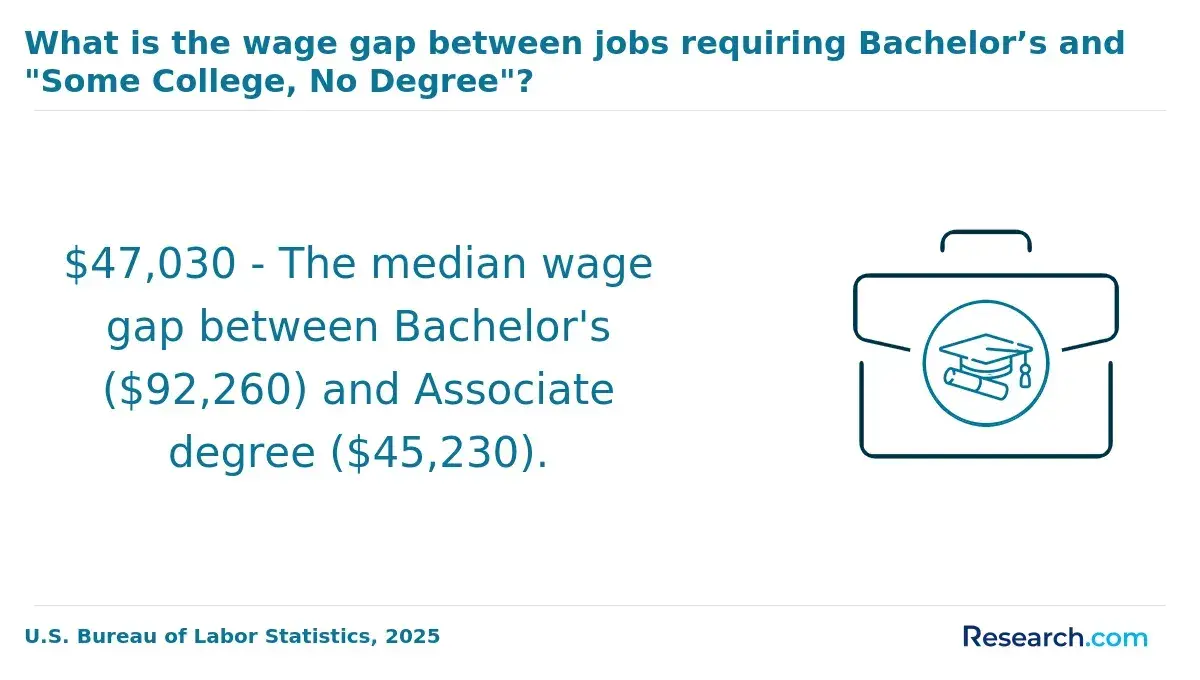
The job market overwhelmingly favors radiology technician degree holders compared to those relying solely on experience. Employers often require formal credentials, making graduates of accredited programs more competitive for positions. Conversely, candidates without a degree frequently face limited opportunities, as many facilities prioritize educational background alongside practical skills.
This preference stems from multiple factors, including regulatory requirements, patient safety standards, and certification eligibility. Accredited programs provide comprehensive clinical training and ensure familiarity with current imaging technologies and protocols, which employers find essential. Experience alone rarely covers all these dimensions, limiting non-degree holders' ability to meet established hiring criteria.
Ultimately, whether pursuing a degree is necessary depends on personal career goals. Those aiming for licensure, certification, or employment in highly regulated or competitive settings will benefit significantly from formal education. Meanwhile, some may find paths through experience in less structured environments, but this approach carries greater risks and fewer clear opportunities for advancement.
Speaking with a professional who earned a bachelor's degree in radiology technician from an online program reveals deeper insights. He shared that balancing coursework and clinical rotations required intense time management and perseverance. "The hardest part was adapting to both virtual learning and hands-on practice, which felt overwhelming at times," he said. Yet, the structured guidance helped build confidence and technical skills that made job searching less daunting. "Employers always asked about my clinical experience and education, so having the degree opened doors that I wasn't sure would be accessible otherwise," he reflected.
Some careers in the radiology technician field require a formal degree, while others focus more on skills and demonstrated job readiness. The difference in educational requirements often influences the types of positions accessible to radiology technician degree holders versus those relying mainly on experience. Below are several career paths typically available to degree holders in this sector.
- Registered Radiologic Technologist: This is the most common outcome for radiology technician graduates. Professionals in this role perform diagnostic imaging like X-rays, ensuring patient safety and accurate results. State licensure and certification from organizations, such as the American Registry of Radiologic Technologists (ARRT), usually require accredited education and supervised clinical experience.
- MRI Technologist: MRI technologists operate magnetic resonance imaging machines to capture detailed images of soft tissues. Due to the complexity of the technology and safety concerns linked to powerful magnets, a radiology technician degree combined with specialized certification is essential, making this path largely inaccessible to those without formal education.
- Nuclear Medicine Technologist: Working with radioactive substances to diagnose and treat diseases, this career demands a strong technical background and adherence to strict regulatory standards. Most employers require a formal degree for entry, although some with extensive experience in radiology may eventually qualify.
- CT Technologist: Specializing in computed tomography scans, CT technologists blend radiologic science with cross-sectional imaging methods. This role calls for specific credentials and hands-on clinical training commonly obtained through degree programs.
- Radiology Assistant: Radiology assistants help radiologists with advanced patient care tasks, including preliminary imaging evaluations. The position generally requires a bachelor's degree and additional specialized training for proficiency.
The landscape of careers for radiology technician degree holders in the United States is broad and distinct from opportunities available to those without formal education. Industry data shows degree holders have a 40% higher chance of securing full-time positions with better pay compared to candidates relying solely on experience and self-taught skills. This difference highlights the growing value of accredited education amid evolving technology and certification standards.
If you are exploring educational options, consider programs designed to ease financial burdens, such as medical assistant programs that accept financial aid. Choosing the right program can make a significant impact on your career trajectory in this competitive field.
Radiology Technician degree holders typically gain access to structured networking opportunities through their programs, including clinical internships, industry events, and alumni connections. These settings provide direct contact with professionals like technologists and radiologists, which can be crucial for referrals and job placements. In comparison, those without formal degrees often must rely on self-initiated outreach via online platforms or personal contacts, which may lack the same credibility in hiring processes.
Degree students benefit from resources such as mentorship programs, career fairs focused on healthcare employers, and clinical rotations that frequently lead to employment offers. Conversely, non-degree technologists tend to build their networks through on-the-job relationships and local professional circles. While both routes can create valuable connections, the network access facilitated by degree programs is generally more organized and trusted by employers.
The radiology technician field values these professional networks, as they often influence hiring and career progression. Although technical skills are essential, the industry relies significantly on established relationships built through educational channels. For aspiring radiology technicians, pursuing a degree can thus serve as a strategic advantage in gaining entry into trusted professional communities that support long-term growth.
A degree in radiology technician can open doors to positions that may not be accessible through experience alone, particularly in supervisory or specialized roles. The structured education behind such degrees equips professionals with skills and credentials valued by employers. Key reasons a degree supports career advancement include:
- Accredited Education: Completion of an accredited program provides formal training in imaging technology and patient safety, ensuring a solid foundation that employers recognize when considering promotions.
- Certification Eligibility: Many certifications and licenses require formal education, and these credentials are often essential for advancing to roles like lead technologist or department coordinator.
- Leadership Preparation: Degree programs often include management and advanced technical training, preparing radiology technicians for supervisory responsibilities beyond what experience alone typically offers.
Radiology technician degree holders generally earn significantly more than those relying solely on experience or self-teaching. On average, professionals with a degree start careers earning about $55,000 annually, while those without formal education often begin near $45,000. Over time, degree holders benefit from greater salary growth due to access to advanced certifications and specialized positions, which tend to be less accessible to non-degree holders.
The income outlook for radiology technician professionals without degrees can be constrained by a lower salary ceiling and fewer promotional opportunities. Although experience is valuable, it may not fully bridge the wage pay gap. Non-degree professionals can improve their earning potential by pursuing certifications, gaining expertise in sub-specialties, and completing accredited programs.
For guidance on educational pathways, students might explore resources such as the best medical billing and coding schools. Constantly upskilling helps radiology technician professionals remain indispensable during industry changes or economic slowdowns.
The average tuition cost for a radiology technician degree program ranges from $10,000 to $30,000, depending on the institution and length of study. Despite this upfront cost, graduates generally achieve a return on investment within three to five years after beginning work, supported by an average annual salary between $60,000 and $70,000. This financial trajectory often surpasses those who rely solely on experience and self-teaching, as their incomes tend to start lower and increase more slowly over time.
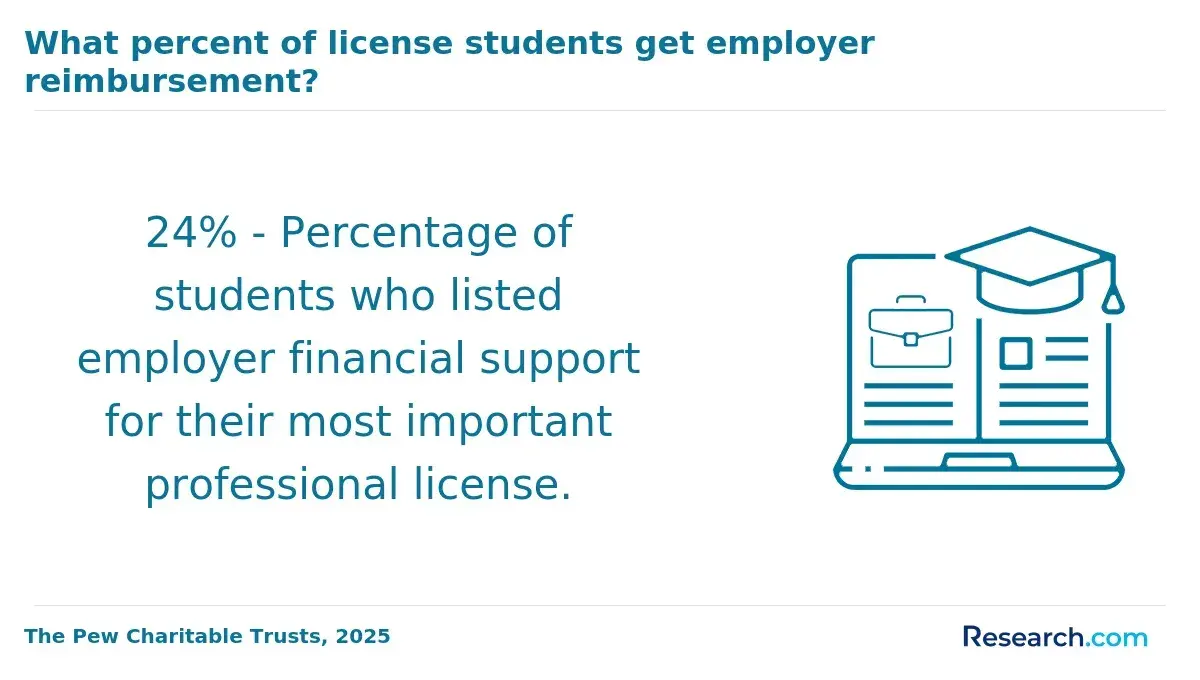
Students can improve their return on investment by seeking financial aid options such as scholarships, grants, and employer-sponsored tuition reimbursement programs. Enrolling in accelerated programs that can be completed in under two years also helps reduce overall expenses and allows quicker entry into the workforce. Recent employment data shows that degree holders are 25% more likely to secure higher-paying jobs compared to those with only on-the-job experience, reinforcing the economic value of obtaining formal education in radiology technology.
Considering the balance of education costs against stronger earning potential, investing in a radiology technician degree often leads to a favorable financial outcome, especially when combined with available financial support to minimize debt.
The radiology technician field is experiencing significant changes as AI and automated imaging software increasingly manage routine imaging tasks. Despite this technological shift, those holding formal degrees tend to be better prepared for evolving job demands. Economic fluctuations and industry automation have added volatility to employment, but degree holders usually possess a deeper understanding of complex imaging technologies and patient care practices, enabling them to adapt more readily.
Employers prioritize professionals who combine technical expertise with formal credentials, especially during downturns or when integrating new technologies. Radiology technicians without degrees often struggle to keep pace, as they may lack comprehensive training and certifications that signal current competence. This gap can increase their risk of layoffs or displacement by automation compared to degree-educated peers who showcase broader skills and adaptability in fast-changing clinical environments.
When discussing this with a professional who earned a bachelor's degree in radiology technology online, he recalled facing significant uncertainty at the start of his career. "I was worried automation would make my role obsolete," he shared. However, through his formal education, he gained confidence in using advanced imaging systems and AI tools, which helped him stay relevant. "The degree program's focus on evolving technologies made me feel secure even during economic slowdowns. It wasn't just theory; it was practical knowledge that employers clearly value," he reflected. This perspective highlights how formal education can provide a valuable buffer against job instability caused by automation and recessions.
What Graduates Say About Their Radiology Technician Degrees
- Valerie: "Graduating with a radiology technician degree truly set me apart in a competitive job market. The hands-on training I received made me confident and thoroughly prepared for the realities of the workplace, which accelerated my ability to secure a position right after graduation. This degree also opened doors for me in terms of promotions and salary growth, proving its value beyond just the curriculum."
- Zev: "Looking back, my radiology technician degree was more than just a credential-it was a foundation that shaped my career. The comprehensive coursework and clinical experience gave me a competitive edge, making me job-ready in a field that demands precision and knowledge. I've experienced firsthand how this qualification positively impacted my employment opportunities and allowed for steady advancement over the years."
- Grayson: "Professionally, earning a radiology technician degree was one of the best decisions I made. It not only provided the technical skills necessary to excel but also boosted my confidence in working with patients and advanced imaging technologies. The degree helped me gain respect within my workplace and significantly influenced my upward mobility and improved compensation."
Other Things You Should Know About Radiology Technician Degrees
A radiology technician degree program should be accredited by the Joint Review Committee on Education in Radiologic Technology, or JRCERT. In 2027, JRCERT accreditation is the main quality standard employers and certification bodies recognize, and it usually supports eligibility for the ARRT certification exam.
In 2027, having a radiology technician degree typically enhances salary prospects compared to experience alone. Degree holders often qualify for higher starting salaries and better long-term earning potential, as employers value formal education alongside practical experience for enhanced competency and knowledge in the field.
Yes, a formal degree often serves as a prerequisite for enrolling in advanced training programs and specializations, such as MRI or CT scanning. Without a degree, self-taught technicians may struggle to meet the entry requirements for these specialized certifications, which are crucial for career advancement and higher earning potential.
Employers generally perceive degree-holding radiology technicians as having more reliable and verifiable skills due to standardized education and accreditation. Self-taught individuals may face skepticism regarding the depth and consistency of their knowledge, potentially affecting their competitiveness during hiring and performance evaluations.
- Alternative Jobs for Radiologic Technologists https://radtechedu.com/alternative-jobs-for-radiologic-technologists/
- Online vs On-Campus Radiology Tech Programs: Which Is Right for You? https://pathways2advancement.org/education-planning/online-vs-on-campus-radiology-tech-programs/
- X-Ray & Radiology Tech Certification + Licensure Guide https://www.trustedhealth.com/allied-career-guide/radiologic-tech/certification-guide
- X-Ray Technologist Requirements: Certification, Skills, Training https://radiusstaffingsolutions.com/x-ray-technologist-requirements-certification-skills-training/
- Is Rad Tech a Good Career? 8 Reasons to Say YES https://www.rasmussen.edu/degrees/health-sciences/blog/is-rad-tech-a-good-career/
- Career Progression Guide for Radiologic Technologists: What to Expect https://www.incrediblehealth.com/tech/career-progression-guide-for-radiologic-technologists-what-to-expect/
- Career Center Careers in Radiologic Technology https://www.asrt.org/main/career-center/careers-in-radiologic-technology
- Networking for Success https://appliedradiology.com/articles/networking-for-success
- Exploring Career Paths After Completing a Radiography Program | NCC https://www.northwestcareercollege.edu/blog/exploring-career-paths-after-completing-a-radiography-program/
- Rad Tech vs. Tech Assistant vs. Limited License (State Differences) https://www.mtmi.net/blog/rad-tech-vs-tech-assistant-vs-limited-license-state-differences


