2027 Which Radiology Technician Degree Careers Offer the Best Return Without Graduate School?

Co-Founder and Chief Data Scientist
Is a bachelor's degree alone sufficient to secure a high-paying career in radiology technician fields, or does advancing to graduate school remain essential? Many prospective students face this dilemma amid growing concerns about tuition expenses and time invested. Employment for radiology technicians is projected to grow 9% from 2022 to 2032, reflecting stable demand without necessarily requiring advanced degrees.
Understanding which career paths yield strong earnings and job stability with just an undergraduate credential can significantly influence education choices. This article explores radiology technician degree careers that offer the best financial returns without graduate school, helping readers make informed decisions.
Key Benefits of Radiology Technician Degree Careers That Offer the Best Return Without Graduate School
- Earning a nationally recognized credential such as the American Registry of Radiologic Technologists (ARRT) certification alongside a radiology degree significantly strengthens employability and earning potential without requiring the additional time and financial commitment of a graduate program.
- Many of the most sought-after radiology technician roles, including diagnostic radiographer, CT technologist, and fluoroscopy technician, are fully accessible at the associate or bachelor's degree level and offer competitive salaries, hands-on patient interaction, and clear opportunities for advancement through specialization.
- A radiology technician degree provides a direct and efficient pathway into a stable, well-compensated healthcare career, with the Bureau of Labor Statistics projecting employment of radiologic and MRI technologists to grow 6% through 2033, reflecting sustained demand across hospitals, imaging centers, and outpatient facilities.
Which radiology technician careers offer the best return without graduate school?
Evaluating the return on investment (ROI) for radiology technician careers is essential for students aiming to maximize their earnings and job stability without pursuing graduate education. According to the U.S. Bureau of Labor Statistics, the median annual wage for diagnostic medical sonographers, an allied profession, was around $77,000 in 2022, highlighting the potential for strong financial returns in radiologic technology fields requiring only bachelor's degrees.
For those focusing on the best high-return radiology technician job paths without advanced degrees, several roles stand out for balancing salary, career longevity, and growth opportunities.
- CT Technologist: Specializing in computed tomography scanning, CT technologists operate sophisticated imaging equipment essential for diagnosing a wide range of conditions. This career offers a strong ROI through consistent demand in hospitals and diagnostic centers, paired with technical expertise gained at the undergraduate level.
- MRI Technologist: By managing advanced MRI machines to provide detailed anatomical images, MRI technologists benefit from competitive salaries and ongoing technological innovation. This role ensures sustained job relevance and growth potential without the need for graduate studies.
- Radiation Therapist: Radiation therapists deliver targeted treatments primarily for cancer patients, combining substantial earning potential with meaningful patient interaction. The steady demand for this role makes it a reliable, rewarding path for graduates seeking a radiology technician career with highest salary without graduate school requirements.
Students looking to further expand their credentials while remaining focused on health sciences might also explore opportunities in PharmD online programs, which provide flexible paths for professional growth beyond the bachelor's degree level.
What are the highest-paying radiology technician jobs without a master's degree?
Evaluating radiology technician roles that offer high earning potential without requiring a master's degree is essential for students aiming to maximize their return on investment. The U.S. Bureau of Labor Statistics reported a median annual wage of about $63,710 for radiologic technologists and technicians in 2023, with some specialized jobs offering notably higher salaries.
Below are some of the highest-paying positions accessible with only a bachelor's degree.
- Magnetic Resonance Imaging (MRI) Technologist: MRI technologists operate complex MRI scanners to capture detailed images of the body, earning typically between $60,000 and $85,000 yearly. Their specialized skills in imaging technology make this a top-paying position for those without graduate education.
- Radiation Therapy Technologist: These technologists administer targeted radiation treatments for cancer patients and command salaries ranging from $70,000 to $90,000 annually. The critical nature of their work drives their higher pay scale within radiology technician fields.
- Computed Tomography (CT) Technologist: Charged with managing CT scans that provide cross-sectional diagnostic images, CT technologists earn from $58,000 up to $83,000 per year. Their technical expertise adds significant value to diagnostic imaging teams.
- Cardiovascular Technologist: Focusing on heart and vascular imaging and diagnostic procedures, cardiovascular technologists typically earn between $55,000 and $80,000 annually. This specialized role remains lucrative without graduate-level requirements.
These roles exemplify how pursuing a bachelor's degree in radiology technician can lead to strong financial rewards and stable career paths in advanced medical imaging and treatment fields.
Which industries offer high salaries without graduate school?
Industry selection plays a crucial role in shaping the salary prospects for radiology technician professionals with a bachelor's degree. According to labor statistics, wage variations between sectors can exceed 20%, highlighting how choosing the right field significantly impacts earning potential.
Here are several industries known for offering attractive compensation without requiring graduate-level education.
- Outpatient Care Centers: These centers often generate higher incomes due to specialized diagnostic imaging and frequent patient turnover. Radiology technicians in this setting benefit from competitive salaries driven by advanced procedures and a fast-paced environment.
- Specialty Hospitals: Focused on distinct medical fields such as cardiology or orthopedics, these hospitals demand precise imaging technology and expert skills. The complexity and niche nature of the work contribute to higher pay scales relative to general hospitals.
- Diagnostic Laboratories: Equipped with state-of-the-art medical testing and imaging devices, these labs invest heavily in technology that enhances diagnostic accuracy. Radiology technicians working here tend to earn salaries above the national average due to the technical expertise required.
- Government Agencies: Public sector roles often offer stable employment with structured salary frameworks and benefits. Facilities affiliated with federal or state organizations, including military hospitals, provide competitive wages without necessitating advanced degrees.
- Physician Offices and Clinics: Multi-specialty physician groups and clinics that emphasize imaging services offer good compensation. The operational efficiency and high patient volume in these environments support elevated hourly wages for technicians.
When discussing industries that pay well without graduate education, a radiology technician degree graduate shared his experience navigating the job market. He noted that gaining access to roles in outpatient centers required persistence, especially during the initial application process.
"It was challenging at first to find the right fit," he explained, "but once I secured a position in a specialty hospital, the skill demands matched my training perfectly." He also mentioned how the variety within diagnostic labs kept his daily work engaging while offering financial stability, affirming the balance between satisfying work and solid compensation is achievable without further schooling.
Selecting entry-level radiology technician jobs with upward mobility is essential for building a rewarding career path. The U.S. Bureau of Labor Statistics projects a 6% growth in radiologic technologist employment from 2022 to 2032, reflecting solid demand in this field.
Below are several roles known for strong career progression potential and skill development.
- Radiologic Technologist: Serving as a foundational position, it involves performing diagnostic imaging like X-rays. This role offers broad exposure to imaging technologies and often leads to specialization in areas such as MRI or CT scanning.
- Computed Tomography Technologist: Entry-level experience in CT imaging allows technicians to master advanced scanning techniques. Developing expertise here can open doors to supervisory roles or specialization in diverse imaging modalities.
- Mammography Technologist: Focusing on women's health, starting in mammography provides valuable experience with growing demand in outpatient care centers. This specialization supports advancement into leadership or clinical coordination roles.
- Interventional Radiology Technician: This technically intensive position supports minimally invasive procedures, offering hands-on experience that often leads to higher-level positions such as lead technician or clinical coordinator.
- Radiation Therapy Technician Assistant: Support roles in radiation therapy facilitate transitions to therapy-specific or outpatient imaging services, promoting multidisciplinary skills and career flexibility.
High demand radiology technician jobs in healthcare facilities frequently present excellent chances for nurturing skills and moving into supervisory or specialist roles. For those seeking flexible education paths, exploring no entrance exam nursing schools can be an alternative resource while advancing in allied health careers.
Developing targeted skills can boost earning potential for radiology technician degree holders without pursuing advanced degrees. Research indicates that candidates with specialized competencies may earn over 20% more, as employers increasingly prioritize skill-based hiring.
Below are several key abilities that can lead to substantial salary improvements and professional advancement in this field.
- Technical Mastery: Expertise in handling a variety of imaging tools like CT, MRI, and digital radiography allows technicians to perform complex tasks reliably, making them invaluable and often better compensated.
- Data Interpretation: The ability to analyze imaging results and utilize healthcare informatics enhances a technician's role in improving diagnostic accuracy and operational workflows, which can translate into increased wages.
- Communication Skills: Strong interpersonal abilities improve patient experiences and cooperation, reducing errors and retakes, which employers reward through salary increases or promotion opportunities.
- Critical Thinking: Quickly solving technical challenges and addressing unexpected clinical issues minimizes downtime and keeps departments efficient, a trait that often leads to financial recognition.
- Regulatory Expertise: Knowledge of safety standards and compliance reduces legal risks and ensures proper procedures, making such technicians more valuable and eligible for higher pay or bonuses.
A professional with a radiology technician degree shared how mastering communication transformed her daily work. Initially, managing anxious patients felt overwhelming and slowed appointments, but developing empathetic communication dramatically improved cooperation and workflow.
She noted, "Building trust with patients not only made my job easier but also increased my confidence and value to the team." This skill alone led to more responsibilities and a noticeable salary bump without further formal education, underscoring how interpersonal skills can be a game changer in this career.
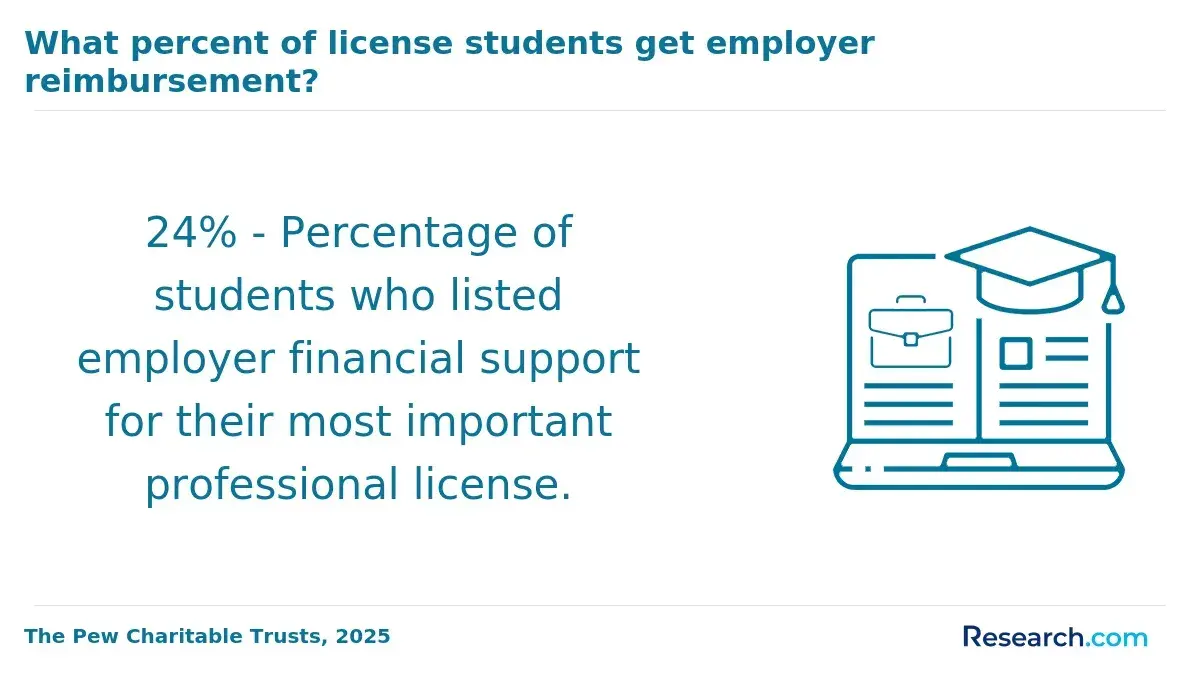
Certifications provide radiology technician graduates with targeted professional recognition that can significantly boost career advancement and salary potential without the need for graduate studies. Research from the American Society of Radiologic Technologists shows certified radiology technicians earn up to 15% more than their uncertified peers, underscoring the value of these credentials in the job market.
Below are several key certifications that enhance expertise and open doors to higher-paying opportunities.
- Registered Radiologic Technologist (ARRT) Certification: Serving as the essential baseline credential, this certification confirms proficiency in radiography and is commonly required by employers. It also serves as a stepping stone for pursuing specialized certifications.
- Computed Tomography (CT) Certification: This credential validates advanced skills in CT imaging, a modality with high demand in healthcare settings. Possession of this certification expands job options and frequently leads to increased compensation.
- MRI Certification: Recognizing expertise in magnetic resonance imaging, MRI certification enhances employability in facilities equipped with this complex technology and offers access to specialized roles with better pay.
- Bone Densitometry Certification (CBDT): Focused on the assessment of bone health and diseases such as osteoporosis, this niche credential helps radiology technicians differentiate themselves and secure specialized positions with favorable salary prospects.
- Cardiac-Interventional Radiography Certification: This advanced certification demonstrates skills in imaging for cardiac interventions, positioning holders for roles involving greater responsibility and elevated compensation due to the complexity of procedures involved.
Professional experience plays a crucial role in career advancement for many radiology technician positions, often serving as a strong alternative to a graduate degree. Employers frequently prioritize demonstrated skills, on-the-job learning, and proven job performance over formal credentials when evaluating candidates.
This practical expertise allows technicians to master specialized imaging techniques, patient care, and equipment management, which are highly valued in the field. Experience also cultivates problem-solving abilities and familiarity with various technologies, leading to stronger opportunities for promotion and specialization.
However, relying solely on experience has its limitations. Entry into advanced or administrative roles may require industry-specific certifications or graduate-level education, which some institutions emphasize during hiring and promotion decisions. Career progression without formal education can sometimes be slower, especially in settings that prioritize academic qualifications.
Experience is most beneficial in environments that value flexible advancement criteria or where certification can supplement practical skills, allowing radiology technicians to build broad professional portfolios showcasing leadership and technical mastery.
Many radiology technician professionals weigh the choice of stopping their education at a bachelor's degree against the potential benefits of graduate studies. Data from the U.S. Bureau of Labor Statistics indicates that individuals with advanced degrees in related healthcare fields can earn 10-20% more than those without.
Considering this difference, it is important to understand the key limitations of not pursuing further education. Below are several challenges associated with holding only a bachelor's degree.
- Slower Career Advancement: Radiology technician roles in leadership or specialized areas, such as radiology manager, often prioritize candidates with graduate degrees. Those with only a bachelor's may experience longer waits for promotion and may need extra certifications to remain competitive.
- Limited Specialized Training: Graduate programs provide focused education in niche areas like MRI technology, nuclear medicine, or interventional radiology. Without this advanced training, professionals might find fewer opportunities in specialized, higher-paying roles.
- Competitive Hiring Disadvantages: In highly competitive healthcare settings, not having a graduate degree can be a noticeable drawback. Employers often view advanced education as a sign of expertise and commitment, which can affect salary offers and job security during hiring or contract negotiations.
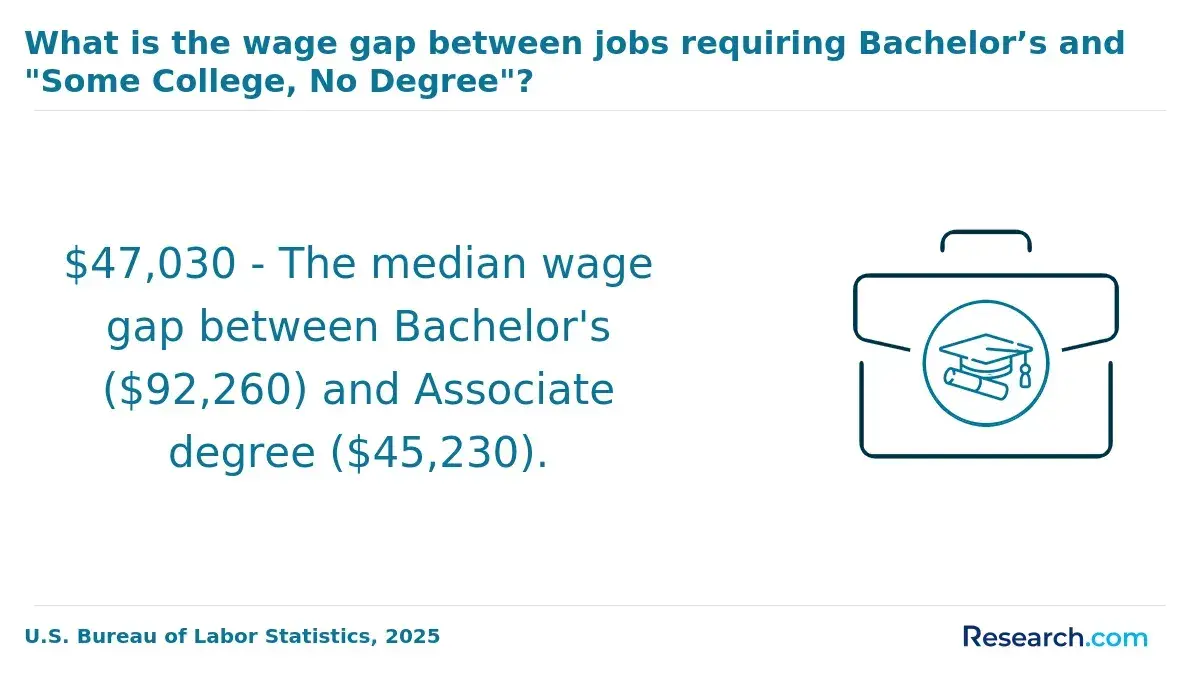
- Reduced Earning Potential: The wage gap between bachelor's holders and those with graduate degrees reflects not only skills but accessibility to higher-paying positions. Radiology technicians stopping at the bachelor's level may face a ceiling on income growth despite experience.
- Fewer Networking Opportunities: Continuing education frequently broadens professional connections and access to research, which are important for career growth. Those pursuing only a bachelor's may miss these valuable networking channels.
For individuals focused on securing high-paying radiology technician jobs without graduate school, understanding these trade-offs helps clarify realistic career paths. Some opt for an accelerated route, such as a fast track degree, to enter the workforce quickly while planning for future advancement.
Return on investment (ROI) in education balances the time and money spent earning a degree against the financial and career benefits gained over time. For radiology technician bachelor's degree holders, the median annual wage is about $62,000, but there are ways to enhance these earnings through strategic choices.
Below are practical strategies to increase ROI for radiology technician graduates.
- Specialize Within Radiology: Focus on acquiring advanced skills such as interventional procedures or cutting-edge imaging technology. Specializations are often in higher demand and come with better salary prospects, boosting long-term financial outcomes.
- Choose High-Paying Work Environments: Employment in urban hospitals, outpatient centers, or specialty clinics usually offers wages above the national median. Targeting regions and facilities known for competitive pay scales can significantly improve lifetime earnings.
- Expand Versatility Through Cross-Training: Learning allied imaging techniques like CT or MRI increases your adaptability and access to higher-paying positions within diagnostic services, providing more career opportunities without additional degrees.
- Build Strong Professional Networks Early: Investing in connections during clinical rotations and professional associations can open doors to faster career advancement and better job offers, directly impacting ROI without extra schooling.
- Seek Roles with Overtime Opportunities: Taking evening or weekend shifts with consistent overtime or shift differentials enhances annual income during the critical early career phase.
Those interested in exploring related healthcare education options can consider best online medical assistant programs to expand their skill set.
Deciding to pursue graduate school for radiology technician careers depends largely on individual career objectives, industry expectations, and an assessment of return on investment. Data shows that professionals holding graduate degrees in medical imaging fields can earn about 20% more than those with just undergraduate credentials.
However, this wage increase generally applies to advanced or specialized positions rather than typical entry-level roles. For those focused on the highest paying radiology technician careers without graduate school, it's crucial to weigh costs against career trajectory carefully.
Graduate education often becomes valuable when targeting specialized roles such as MRI or CT scan technologists, leadership or administrative positions, or careers requiring advanced certification. It is also essential for those seeking to become clinical educators, researchers, or working under specific state licensure regulations demanding advanced qualifications.
Considering these factors helps radiology technicians identify when investing time and resources in graduate studies will provide sustainable career benefits rather than pursuing just an accelerated nutrition degree online or similar credential. Understanding the benefits of graduate school for radiology technician professionals allows for strategic planning aligned with personal ambitions and market demands.
What Graduates Say About Radiology Technician Degree Careers That Offer the Best Return Without Graduate School
- Valentino: "Choosing not to pursue a graduate Radiology Technician degree was a deliberate decision for me, as I valued entering the workforce quickly. I focused on gaining certifications and hands-on experience, which significantly boosted my skills and employability. This approach allowed me to advance in my career steadily without the added time and expense of graduate school."
- Zev: "Reflecting on my path, maximizing my Radiology Technician degree was all about continuous learning beyond the classroom. I took additional specialized training and sought mentors within the field, which opened doors to roles that offered great responsibilities and financial benefits. This not only enhanced my confidence but proved that success in this field doesn't always require graduate education."
- Grayson: "Professionally, my Radiology Technician degree has been foundational in building a rewarding career without a graduate degree. I've appreciated the balance between theory and practical skills the program offered, which made me job-ready from day one. It's proof that with dedication and the right opportunities, advanced degrees aren't the only route to meaningful growth and impact in healthcare."
Other Things You Should Know About Radiology Technician Degrees
For a promising career as a radiology technician in 2027, consider an associate degree in radiologic technology. It provides a comprehensive education in imaging techniques, safety protocols, and patient care, and qualifies graduates to work in hospitals, clinics, or diagnostic imaging centers without needing a graduate degree.
Licensure is typically required to practice as a radiology technician and varies by state. Obtaining a state license ensures that the technician meets professional standards and can legally operate imaging equipment. This credential often enhances employability and can improve salary potential without the need for graduate education.
Yes, advancement is possible through gaining specialized certifications, acquiring additional skills, or moving into supervisory roles. Positions such as lead technician or department coordinator usually require experience and demonstrated expertise rather than a graduate degree. These roles offer increased responsibility and often higher pay.
No. As of 2027, state licensure is required in most states, but not all. Many employers still require certification from the American Registry of Radiologic Technologists, or ARRT, and some states also require an additional state license for practice.
- 5 well-paid careers for radiologic technologists https://www.northeastcollege.edu/learn/jobs-for-radiologic-technologists
- Career Center Careers in Radiologic Technology https://www.asrt.org/main/career-center/careers-in-radiologic-technology
- Top 9 Highest-Paying Radiology Tech Jobs in 2025 https://www.directshifts.com/clinician-resources/top-9-highest-paying-radiology-tech-jobs-in-2025
- 6 Radiography Careers to Consider https://www.ahu.edu/blog/6-radiography-careers-consider
- Career Progression Guide for Radiologic Technologists: What to Expect https://www.incrediblehealth.com/tech/career-progression-guide-for-radiologic-technologists-what-to-expect/
- Alternate Pathways to Certification - American Board of Radiology https://www.theabr.org/get-certified/alternate-pathways-to-certification/
- 7 Appealing Advantages of Being a Radiologic Technologis https://www.rasmussen.edu/degrees/health-sciences/blog/advantages-of-being-a-radiological-technologist/
- Limited Licensed Radiology Tech Certification - Your Path to a Rewarding Healthcare Career https://www.americanalliedhealth.com/blog-posts/certifications/limited-licensed-radiology-tech-certification
- X-Ray & Radiology Tech Certification + Licensure Guide https://www.trustedhealth.com/allied-career-guide/radiologic-tech/certification-guide
- Why should you get a bachelor's degree in radiologic technology? https://blog.cuw.edu/why-should-you-get-a-bachelors-in-radiologic-technology-2163/