2027 What Job Postings Reveal About Radiology Technician Careers: Skills, Degrees, and Experience Employers Want

Co-Founder and Chief Data Scientist
What do employers truly seek when hiring radiology technicians? Job postings across healthcare organizations reveal evolving priorities, especially for recent graduates navigating entry-level roles.
While some expect a formal degree, many listings emphasize certifications, hands-on skills, and familiarity with imaging technologies. The Bureau of Labor Statistics projects a 9% employment growth for radiologic technologists through 2030, highlighting increasing demand.
Understanding these nuanced expectations helps candidates tailor their qualifications effectively. This article examines radiology technician job postings in detail to highlight the skills, degrees, and experience employers prioritize, guiding readers toward informed career preparation and market readiness.
Key Things to Know About Skills, Degrees, and Experience Employers Want
- Job postings consistently emphasize proficiency in imaging technologies and patient care, with over 70% listing specific certifications like ARRT as mandatory.
- Employers typically require an associate degree and 1-3 years of hands-on experience, reflecting industry-standard educational and practical benchmarks.
- Analyzing numerous listings helps candidates understand evolving expectations, aligning skills and credentials with real hiring practices and boosting employment prospects.
What Do Job Postings Say About Radiology Technician Careers?
Job postings for radiology technicians provide a clear indication of the real-world expectations for candidates seeking roles in this field. Common requirements include formal education such as an associate degree or certification from an accredited program, coupled with technical skills in operating imaging equipment.
About 40% of these postings also prefer candidates with one to two years of clinical experience, highlighting the value placed on hands-on practice. Additionally, postings often mention the need for strong patient care and communication abilities to ensure effective interaction in healthcare settings.
Patterns in employer expectations reveal a consistent baseline in qualifications, emphasizing well-rounded candidates who combine technical proficiency with interpersonal skills. While some variation exists depending on the employer's focus or size, essential competencies like adherence to safety protocols and familiarity with digital imaging systems are regularly required.
Soft skills such as teamwork and problem-solving frequently appear alongside technical demands, indicating employers seek adaptable individuals capable of thriving in dynamic clinical environments. This consistency across job listings helps form a reliable picture of what is needed to succeed as a radiology technician.
What Skills Are Most Requested in Radiology Technician Job Postings?
Job postings for radiology technician positions frequently highlight technical and interpersonal competencies that are crucial for success.
A 2023 study by the American Society of Radiologic Technologists found that over 75% of these listings emphasize advanced technical skills with imaging machinery, reflecting high employer demand for such expertise. These listings also underscore the value of certain essential degrees and certifications for radiology technician jobs to validate these skills.
The following key skills are most commonly requested:
- Technical Proficiency: Employers require radiology technicians to operate complex imaging equipment such as X-ray machines, CT scanners, and MRI devices accurately. This ability is vital for producing high-quality images that support precise patient diagnosis and treatment.
- Attention to Detail: Careful adherence to safety protocols and thorough image quality checks minimize patient exposure to radiation and prevent diagnostic errors. This skill is often a top priority in job postings.
- Effective Communication: Clear communication with patients helps explain procedures and alleviate anxiety, while collaboration with healthcare teams ensures smooth information flow and coordinated patient care.
- Analytical Thinking: Radiology technicians must adjust imaging techniques and troubleshoot equipment issues quickly, enabling timely and accurate diagnostics despite varying patient conditions.
- Health Information Systems Competence: Familiarity with electronic health records (EHR) and precise documentation practices are essential for maintaining up-to-date patient data and supporting clinical decisions.
Prospective radiology technicians aiming to meet employer expectations should consider advancing their skills alongside obtaining relevant educational qualifications. Resources like RN to BSN programs may offer complementary education pathways that enhance job prospects in healthcare settings.
What Degrees Do Employers Require for Radiology Technician Careers?
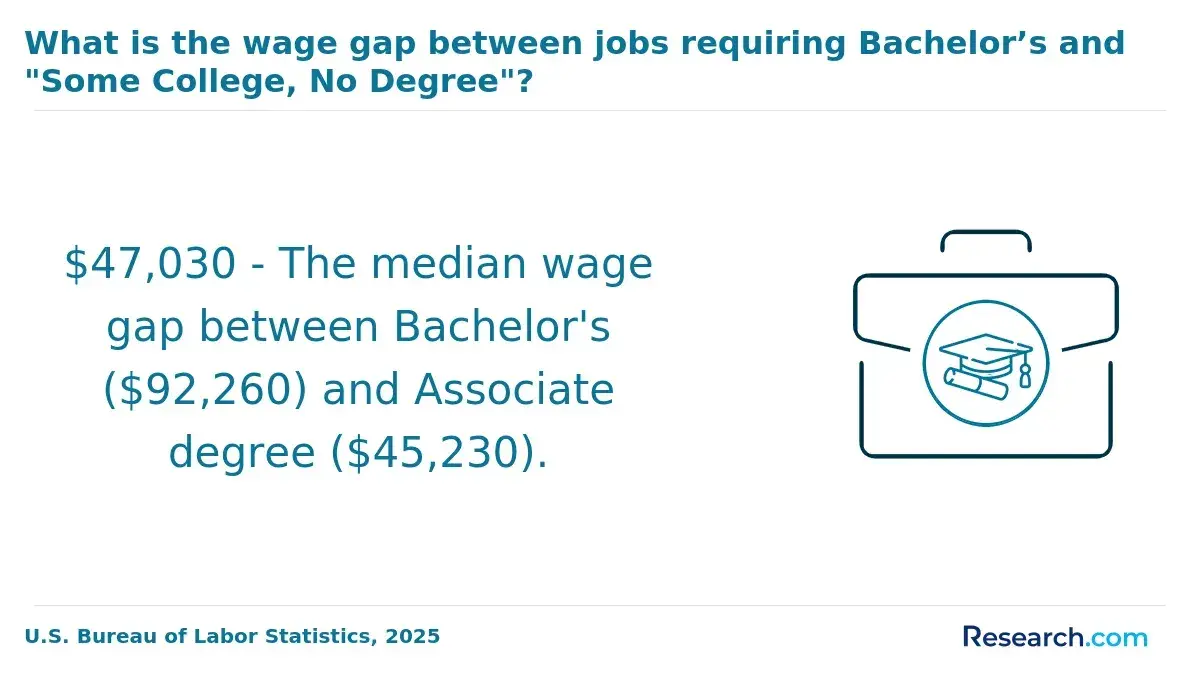
Job postings for radiology technician roles typically signal an associate degree as the essential credential, though requirements can differ based on job complexity and healthcare settings.
Nearly 30% of advertisements now cite a bachelor's degree as either preferred or required, especially for positions involving advanced imaging technologies or leadership responsibilities. This shows an evolving landscape where educational expectations rise alongside industry demands.
Here are some common degree-related patterns found in radiology technician job listings:
- Associate Degree Minimum: Most employers expect candidates to have completed an accredited two-year radiologic technology program, which provides foundational clinical training and technical skills aligned with entry-level demands.
- Bachelor's Degree Preference: Competitive or specialized roles increasingly favor or require a bachelor's degree, reflecting a desire for broader healthcare knowledge and readiness for complex imaging responsibilities.
- Advanced Certifications: For fields like MRI or CT scanning, additional certifications or higher education often supplement the basic degree to demonstrate expertise and meet specialized role standards.
- Sector Variability: Larger hospitals and healthcare systems typically demand higher education credentials compared to smaller clinics, which may accept associate-level qualifications for less complex positions.
A radiology technician degree graduate shared that while earning his associate degree was challenging due to balancing coursework and clinical hours, it provided essential hands-on experience that many employers require. He recalled feeling pressure when some job listings called for a bachelor's degree or specialized certifications, which motivated him to consider continuing education.
"It wasn't just about the degree title," he explained, "but about proving I had the knowledge and skills to handle more advanced equipment and patient care situations." This perspective highlights the growing importance of ongoing education in meeting evolving employer expectations.
Experience requirements in radiology technician job postings fluctuate based on the role's level and area of specialization. Employers rely heavily on experience as a deciding factor to ensure candidates can effectively manage the particular responsibilities of each position.
Below are common experience patterns found in radiology technician job postings.
- Entry-Level Roles usually require little to no prior work experience. These openings target recent graduates or newly certified technicians, focusing primarily on fundamental duties with ample opportunities for hands-on learning.
- Mid-Level Positions often demand two to five years of practical experience. Technicians at this stage are expected to handle more complex imaging tasks independently and may assist with overseeing junior staff.
- Advanced Specializations such as MRI, CT scanning, or interventional radiology typically call for five or more years of expertise. These roles involve high technical skill and greater accountability.
- Equipment-Specific Experience is sometimes required when positions involve specialized machinery or patient groups. Familiarity with certain technologies or clinical environments becomes essential for these jobs.
- Supervisory Roles generally specify previous leadership experience, including training or managing other radiology technicians.
Prospective students interested in related healthcare fields might explore no entrance exam nursing schools to compare education pathways.
Many sectors readily hire fresh radiology technician graduates who lack prior hands-on experience, focusing instead on their educational foundation and willingness to learn on the job.
Job listings for entry-level roles particularly highlight opportunities for newcomers, with nearly 40% of these positions favoring candidates without extensive experience. This trend demonstrates a growing acceptance of recent graduates across various healthcare settings.
Industries that frequently offer entry-level employment to new radiology technician graduates include:
- Hospitals and Medical Centers: Both large and mid-sized hospitals often run formal training programs, integrating new graduates into diverse imaging departments where they can develop their skills through practical exposure.
- Outpatient Diagnostic Centers: These facilities commonly hire entry-level technicians to support routine imaging services, providing a structured environment for graduates to refine their technical abilities.
- Urgent Care Facilities: Fast-paced clinics value flexible and adaptable radiology technicians, making them open to hiring recent graduates eager to handle a wide range of diagnostic cases.
- Mobile Imaging Services: Companies offering community-based or in-home imaging solutions regularly seek entry-level professionals who bring foundational skills and the ability to adjust to varied settings.
Reflecting on her early career, a fresh graduate with a radiology technician degree shared how navigating the job market felt challenging yet hopeful. She described applying to several healthcare providers, often facing questions about experience but finding encouragement where employers emphasized training over prior work.
"It was reassuring to see some facilities genuinely invested in teaching new grads," she said, noting that patience and openness to learning played key roles in her eventual hiring. This experience illustrated how certain industries prioritize potential and education, allowing new radiology technicians to build confidence and competence within supportive workplaces.
Certain industries are notably more selective when hiring radiology technician graduates, often demanding greater experience, specialized training, or advanced qualifications. This heightened selectivity is evident in job postings, which frequently specify multi-year experience and certifications beyond basic licensing.
For instance, a 2023 analysis revealed that about 62% of hospital radiology technician job listings require at least three years of professional experience, compared to 35% in outpatient clinics.
The following overview highlights industries where employers expect more advanced skills or experience from radiology technician applicants:
- Hospitals: Particularly large urban and trauma centers seek radiology technicians with extensive experience and specialized credentials. These settings demand proficiency in handling complex cases and managing high patient volumes independently.
- Diagnostic Imaging Centers: Facilities focused on specialized imaging modalities such as MRI or CT scanning often require technicians to hold certifications specific to these technologies. Hands-on expertise with advanced equipment is crucial in these roles.
- Outpatient Care Centers: While sometimes more flexible, centers emphasizing advanced imaging tend to prefer candidates with additional certifications and demonstrated skills beyond the standard radiologic technology license.
Across these industries, job postings commonly emphasize the value of specialization, certified credentials, and a proven ability to operate sophisticated imaging systems, underscoring the demand for highly skilled radiology technicians in complex and high-stakes environments.
Employer Confidence in Online vs. In-Person Degree Skills, Global 2024

Employers rely heavily on specific credentials to evaluate candidates for radiology technician positions, using these qualifications as benchmarks for clinical competence and professionalism.
Certain certifications, licenses, and academic degrees significantly affect hiring decisions, signaling a candidate's readiness and adherence to industry standards.
The following credentials are frequently emphasized in job postings for radiology technicians:
- Professional Certification: Certifications such as those from the American Registry of Radiologic Technologists (ARRT) are highly valued because they confirm that a candidate has met strict educational criteria, passed a comprehensive exam, and maintains ethical and professional standards through ongoing development.
- State Licensure: Many states require radiology technicians to possess a valid license, ensuring compliance with local regulations. Licensure often involves passing a state exam or holding an equivalent national certification, which reassures employers about legal and clinical accountability.
- Academic Qualifications: An associate degree in radiologic technology or a related field is the minimum educational requirement. Employers sometimes favor candidates with bachelor's degrees, especially from programs accredited by the Joint Review Committee on Education in Radiologic Technology (JRCERT), which signifies nationally recognized quality standards.
- Specialized Certifications: Credentials in specific imaging modalities such as computed tomography (CT), magnetic resonance imaging (MRI), or mammography enhance a candidate's versatility and expertise, aligning with specialized clinical roles.
Salaries for radiology technician positions are often influenced by a candidate's experience, educational background, and the complexity of the role. Employers commonly set starting salaries based on minimum qualifications such as certifications or degrees but tend to increase compensation for candidates bringing advanced skills or more years on the job.
For instance, data from the Bureau of Labor Statistics reveals that median annual wages for radiologic technologists with five or more years of experience can be about 20% higher than those of entry-level employees, highlighting notable radiology technician wage variations based on years of experience.
Job postings frequently display salary ranges to accommodate this variation and to remain competitive in the labor market. This flexibility allows for negotiable radiology technician salaries by experience level, recognizing the value added by experienced professionals with specialized expertise.
Experience also plays a significant role in salary flexibility depending on whether a position is entry-level or more advanced. Entry-level roles often have standardized pay scales with limited room for negotiation because of preset budget constraints and uniform responsibilities.
In contrast, more specialized or supervisory radiology technician roles typically offer greater latitude in salary discussions, reflecting the employer's acknowledgment of the enhanced knowledge and efficiency brought by seasoned workers. Organizations may structure pay ranges with this in mind, signaling openness to negotiation and accommodating the different needs of candidates.
Many candidates pursue fast track career programs to improve their qualifications and ultimately affect their salary prospects within this framework.
Job postings offer valuable guidance for tailoring your radiology technician resume to employer expectations.
Since approximately 75% of resumes are filtered out by applicant tracking systems (ATS) before reaching hiring managers, it is essential to align your resume closely with job descriptions. Doing so increases the likelihood that your application will advance in the hiring process.
To help you customize your resume effectively, consider these key strategies:
- Identifying Key Skills: Focus on the specific skills and certifications mentioned, such as proficiency in MRI or CT imaging. Make sure these are prominently displayed on your resume to reflect the qualifications employers prioritize.
- Highlighting Relevant Experience: Emphasize clinical or practical experience that corresponds directly to the procedures, technologies, or responsibilities noted in the job posting, demonstrating your readiness for the role.
- Aligning Terminology: Use the exact terms and keywords found in the job description. This tactic maximizes your resume's chance of passing ATS filters and grabs the attention of recruiters looking for familiar language.
- Prioritizing Qualifications: Place educational credentials and required licensure or certifications at the forefront, especially if an associate degree in radiologic technology or specific licenses are specifically requested.
- Understanding Role Nuances: Review job postings carefully to discern any unique employer preferences or specialized skills, then reflect these insights by customizing your resume content accordingly.
Candidates exploring radiology technician careers can further their education through reputable programs, such as those listed in online ultrasound tech programs, to strengthen their qualifications and better meet job posting requirements.
Tailoring your resume by leveraging detailed job descriptions helps you emphasize the key skills and qualifications that employers seek most.
Job postings offer valuable insights into employer expectations for radiology technician careers, helping candidates grasp essential role requirements.
Studies show that 65% of hiring managers emphasize technical skills and certifications in their job descriptions, signaling what qualifications are most critical. Careful evaluation of these ads unveils what employers prioritize in a candidate.
Key elements to focus on when reviewing radiology technician job ads include:
- Responsibilities: Examine detailed accounts of daily duties such as operating imaging equipment, properly positioning patients, and adhering to safety standards to understand the practical demands of the role.
- Required Qualifications: Note specified academic degrees, professional certifications like ARRT registration, and licensure prerequisites that indicate baseline eligibility.
- Experience Levels: Identify whether the position seeks entry-level, mid-level, or advanced technicians, including any required clinical hours or specific facility experience.
- Technical and Soft Skills: Look for proficiency with imaging software, familiarity with radiologic practices, and communication skills crucial for patient interaction and teamwork.
- Additional Credentials: Some ads may highlight preferred continuing education paths or certifications linked to career advancement in allied health fields, emphasizing ongoing professional development.
Recognizing these aspects supports clarifying the radiology technician job requirements and qualifications necessary to meet employer expectations effectively.
For further educational guidance, prospective students might consider exploring the best RN to BSN programs as an example of structured advancement paths in healthcare.
What Graduates Say About Skills, Degrees, and Experience Employers Want
- Valerie: "As a fresh graduate, I found that job postings were invaluable for gauging what employers expect from new radiology technician candidates. They helped me tailor my resume precisely to match required certifications and skills, which boosted my confidence during applications. Scanning those ads gave me clarity on choosing the right entry-level roles that aligned with my academic background and career goals."
- Dan: "Over time, I've relied heavily on job ads to identify growth opportunities and specializations within radiology technician careers. These postings often highlight desired hands-on experience and advanced technical skills, guiding me on what additional training to pursue. Reflecting on my journey, I see job listings as a dynamic roadmap that helped me navigate and elevate my career strategically."
- Garrett: "In my professional experience, job ads have been a critical part of understanding market demands and salary trends for radiology technician roles. They provided insight into emerging technologies and departmental priorities, which influenced how I approached ongoing professional development. Personally, this awareness ensured I remained competitive and adaptable in a rapidly evolving healthcare field."
Other Things You Should Know About Radiology Technician Degrees
Many job postings highlight the need for radiology technicians to engage in continuing education or obtain certifications beyond their initial degree. Employers often prefer candidates who keep up with advances in imaging technology and protocols through workshops, seminars, or additional credentials. This emphasis shows that ongoing learning is crucial to maintain competence and comply with regulatory standards in the field.
Soft skills such as communication, attention to detail, and patient care are frequently mentioned alongside technical requirements in job postings. Employers value radiology technicians who can interact effectively with patients and healthcare team members while maintaining accuracy in their imaging tasks. These interpersonal abilities are seen as essential to ensure a smooth workflow and positive patient experiences.
Most radiology technician postings require certification through the American Registry of Radiologic Technologists, or ARRT, and many also ask for a state radiography license where the work is performed. Employers often list BLS certification as well, because technicians work directly with patients and clinical staff.
- What does a Radiology Technologist do? Career Overview, Roles, Jobs | NSH https://jobs.nsh.org/career/radiology-technologist
- Essential Skills for Securing Radiology Technician Jobs | Enhance Your Expertise https://scopecollege.co.in/essential-skills-for-radiology-technician-jobs/
- Which Radiology Certifications Offer the Best Job Opportunities? | Vivian Community Hub https://www.vivian.com/community/allied-health/which-radiology-certifications-offer-the-best-job-opportunities/
- How to land a job as a radiology tech | CV-Library https://www.cv-library.co.uk/career-advice/job-profile/radiology-technician/radiology-technician-job-interview/
- Alternative Jobs for Radiologic Technologists https://radtechedu.com/alternative-jobs-for-radiologic-technologists/
- Thinking About a Career in Radiology? These Are the Skills You Will Need. https://www.crosscountry.com/blog/thinking-about-a-career-in-radiology