2027 What Careers Can You Pursue With a Radiology Technician Degree? Salary Potential, Job Outlook, and Next Steps

Co-Founder and Chief Data Scientist
What careers can someone with a radiology technician degree realistically pursue, and how lucrative are these paths? As healthcare evolves, many graduates worry about job stability and growth opportunities in diagnostic imaging fields.
The U. S. Bureau of Labor Statistics projects a 9% employment growth for radiologic technologists through 2031, outperforming many other healthcare roles. This growth reflects rising demand for diagnostic imaging in hospitals, clinics, and outpatient centers.
Understanding the salary potential, diverse career options, and job outlook is crucial for those invested in this field. This article explores these factors and offers practical next steps for radiology technician degree holders seeking informed career decisions.
Key Things to Know About the Careers You Can Pursue With a Radiology Technician Degree
- Radiology technician degrees open doors across healthcare settings, including hospitals, clinics, and outpatient imaging centers, reflecting broad industry demand.
- Skills in imaging technology and patient care gained are transferable to roles like MRI technologist or radiologic supervisor, enhancing versatility.
- Educational credentials support ongoing certification and specialization opportunities, aligning with growth trends that project 7% employment increase through 2032.
What Careers Can You Pursue With a Radiology Technician Degree?
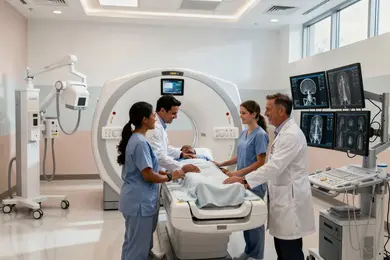
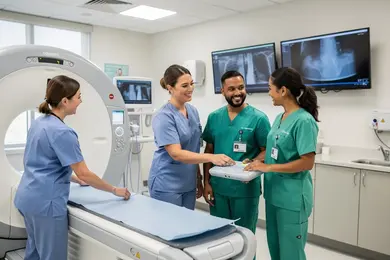
A radiology technician degree opens doors to diverse career paths within healthcare and related industries.
Employment for radiologic and MRI technologists is expected to grow by 6% from 2022 to 2032, highlighting strong ongoing demand. These opportunities allow graduates to work in various specialized imaging and diagnostic settings.
Below are some key career options for those pursuing radiology tech programs online:
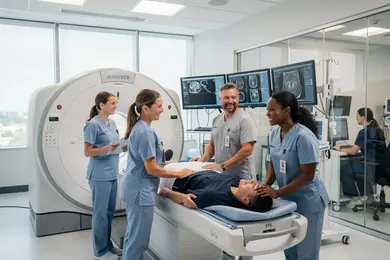
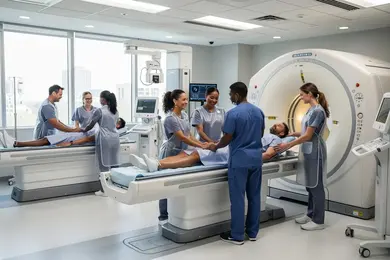
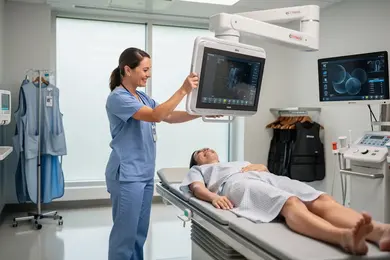
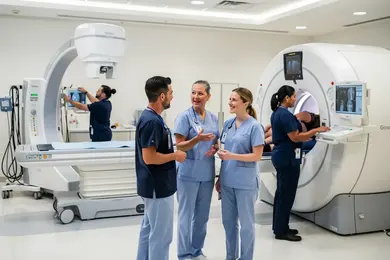
- Radiologic Technologist: This role involves operating X-ray and other imaging equipment to produce diagnostic images. Radiologic technologists ensure proper patient positioning and equipment use, applying core radiology technician skills in day-to-day clinical environments.
- Mammography Technologist: Specialists in breast imaging, mammography technologists perform mammograms to detect early breast cancer. Their work focuses on preventive health care, building on the foundational knowledge gained as a radiology technician.
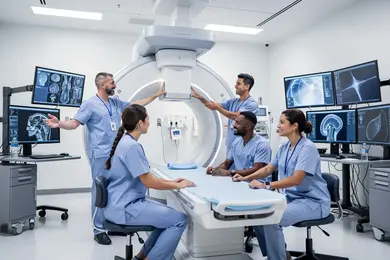
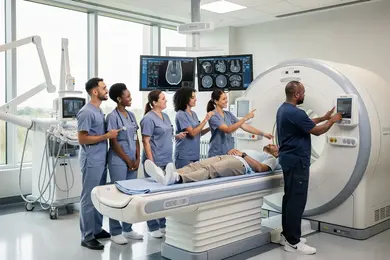
- Computed Tomography (CT) Technologist: CT technologists use advanced imaging technology to create cross-sectional body images. This career requires handling more complex equipment techniques, progressing from a general radiology technician background.
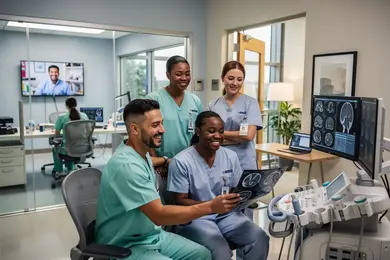
- Ultrasound Technologist (Sonographer): Often starting with a radiology technician degree, sonographers employ high-frequency sound waves to image internal organs. They contribute to fields such as obstetrics and cardiology with specialized diagnostic procedures.
- Nuclear Medicine Technologist: Utilizing radiology technician expertise, these technologists prepare and administer radioactive materials for imaging organ function. Their role integrates safety protocols and molecular-level diagnostic techniques for healthcare.
What Are the Highest-Paying Careers With a Radiology Technician Degree?
A radiology technician degree provides access to multiple high-paying healthcare roles that combine expertise in imaging technology with patient care.
According to the U.S. Bureau of Labor Statistics, median wages for radiologic and MRI technologists were around $65,000 in 2023, with the top 10% exceeding $90,000 annually. This reflects robust earning potential that varies by specialization and region.
Among the highest-paying radiology technician careers in the United States are roles that require advanced technical skills and often certification. These careers are ideal for those seeking top salary jobs for radiology technicians by region and specialties that reward specialized training.
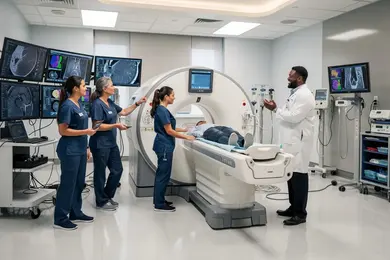
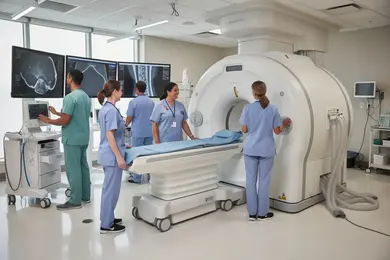
- MRI Technologist: This position involves operating magnetic resonance imaging scanners to generate detailed internal body images for diagnosis. Annual salaries typically range from $60,000 to $95,000. A radiology technician degree provides the essential knowledge required for certification and proficiency in MRI technology.
- CT Technologist: CT technologists perform computed tomography scans critical for diagnosing diseases like cancer and traumatic injuries. Their salaries usually fall between $55,000 and $90,000. Completion of a radiology technician program is necessary to qualify for certification and handle complex CT equipment safely.
- Radiologic Technologist Supervisor: These professionals oversee imaging department operations, manage teams, and ensure compliance with healthcare safety standards. Salaries for supervisors range from $70,000 to $100,000. This role often requires experience and administrative skills, building on a radiology technician background.
- Bone Densitometry Technologist: Specializing in osteoporosis assessment, these technologists perform specialized X-rays to measure bone density. Salary ranges typically span $55,000 to $80,000. The degree supports certification and expertise in this niche imaging area.
As healthcare technology evolves, demand for skilled radiology professionals is expected to increase. Those interested in expanding into related fields, such as healthcare administration, can leverage their radiology technician degree alongside further education for more diverse and lucrative career options.
What Is the Job Outlook for Radiology Technician Degree Careers?
The job outlook for careers related to a radiology technician degree remains strong as healthcare continues to advance and expand diagnostic services.
Employment for radiologic and MRI technologists is expected to grow by around 7% from 2022 to 2032, outpacing the average for most occupations. This growth reflects greater demand for medical imaging driven by an aging population and increased emphasis on early disease detection.
Innovations in imaging technology and a shift toward preventative care further reinforce the need for skilled radiology technicians capable of operating complex equipment. Overall, the trend points to steady opportunities in various healthcare settings including hospitals, outpatient clinics, and diagnostic centers.
When asked about the job outlook, a professional with a degree in radiology technician shared that entering this field brought both challenges and rewards. "The learning curve was steep at first, especially mastering new imaging technology and procedures," he said, explaining how ongoing training is crucial to keep up with rapid advances.
He also noted the emotional aspect of the role, balancing patient interactions with technical precision. "Knowing that your work directly contributes to accurate diagnoses and better patient care makes it worthwhile," he reflected. Despite some initial uncertainty, he views the career path as full of promising opportunities and growth potential in the evolving healthcare landscape.
A radiology technician degree equips graduates with crucial skills for roles in healthcare and diagnostic imaging.
Industry data shows about 70% of these graduates find employment within their first year, reflecting strong entry-level hiring trends. Many positions offer valuable clinical experience that builds a solid foundation for career growth.
Entry-level radiology technician jobs near me or in hospitals commonly include:
- Radiologic Technologist: This role focuses on creating X-ray images to assist in diagnosing injuries and illnesses. The degree prepares students with practical training in imaging technology and patient care, enabling them to perform core duties confidently.
- Mammography Technician: Specializing in breast imaging, this position requires knowledge of mammography equipment and precise patient positioning. Radiology technician programs include targeted coursework and hands-on practice for this specialty.
- CT Technician: Operating CT scanners to produce detailed diagnostic images, this role relies on understanding computed tomography methods and safety procedures taught during the degree program.
- Radiology Assistant: Supporting radiologists, these technicians manage patient preparation, imaging processes, and equipment maintenance. The comprehensive clinical training provided directly supports these functions.
- Medical Imaging Technician: Covering various modalities like X-rays, CT scans, and MRIs, this role benefits from the interdisciplinary approach of the radiology technician degree for a well-rounded skill set.
For those interested in expanding their healthcare qualifications, exploring fast track medical programs can be a strategic next step.
A radiology technician degree cultivates a diverse set of skills that combine technical know-how with effective patient interaction and critical analysis. These competencies are valuable not only in medical imaging but also in research and clinical environments.
Studies indicate that 85% of healthcare employers seek graduates who exhibit strong hands-on skills and precise data interpretation. Key skills acquired through this degree include:
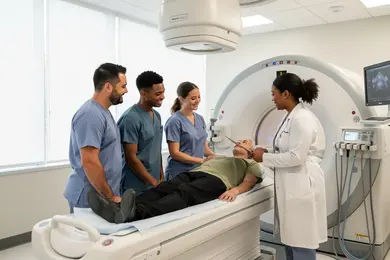
- Technical Proficiency: This involves mastering the use and maintenance of diagnostic imaging equipment such as X-ray, CT, and MRI machines. Training includes laboratory work and clinical practice, enabling students to operate complex technology confidently and safely.
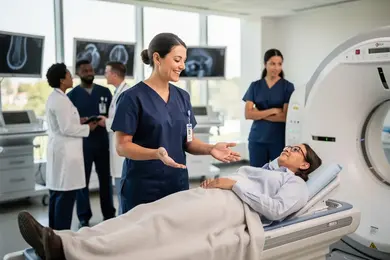
- Patient Care and Communication: Programs teach students to engage with patients compassionately while clearly explaining imaging procedures. Coursework often incorporates role-playing to build communication skills essential for diverse healthcare settings.
- Attention to Detail: Precision is crucial in producing high-quality images. Students are trained to position patients correctly and calibrate equipment accurately through anatomy studies and hands-on imaging protocols.
- Critical Thinking and Problem-Solving: Radiology technicians learn to troubleshoot unexpected issues such as equipment malfunctions or unique patient challenges through scenario-based learning and case studies.
- Safety and Compliance: Understanding radiation safety guidelines and healthcare regulations is emphasized to reduce risk for patients and staff. Classroom lessons paired with practical exercises reinforce adherence to these standards.
A radiology technician degree graduate shared that navigating the balance between technical demands and patient interaction was initially challenging. She recalled moments where adjusting equipment swiftly to accommodate anxious patients required both calm communication and quick problem-solving.
"You learn to think on your feet," she explained, adding that the hands-on clinical experience was invaluable in building her confidence and adaptability in a fast-paced healthcare setting.
A radiology technician bachelor's degree often enables progression into mid-level positions without the need for additional certifications or formal education.
Data shows that roughly 25% of individuals with this degree advance into supervisory or professional roles within five years, highlighting the degree's influence on career mobility. These opportunities typically build on hands-on experience combined with the foundational knowledge gained during degree completion.
Careers attainable with this qualification include:
- Lead Radiology Technician: Responsible for managing daily operations in imaging departments, this role involves overseeing quality control and guiding junior staff. The degree provides in-depth understanding of diagnostic technologies and patient care protocols needed for leadership.
- Imaging Services Supervisor: Supervisors coordinate staff schedules, maintain equipment, and streamline workflow. Skills from the degree in organization and clinical practices prepare graduates for effective communication between technologists and medical administrators.
- Radiology Department Coordinator: This role focuses on administrative functions such as scheduling imaging appointments, managing patient documentation, and ensuring regulatory compliance. Analytical and interpersonal skills cultivated during training are vital for success.
- Quality Assurance Specialist: Charged with monitoring imaging quality and patient safety, specialists use their technical expertise to uphold standards and protocol adherence. The degree's comprehensive coverage of imaging systems supports evaluation and quality improvements.
These positions generally extend beyond routine technical tasks, encompassing leadership, operational management, and quality oversight that leverage both clinical proficiency and applied business skills acquired through the radiology technician degree.
Many careers related to a radiology technician degree require additional certifications or advanced education beyond the bachelor's level to meet professional standards and ensure patient safety.
According to the American Registry of Radiologic Technologists (ARRT), over 80% of radiologic technologists obtain professional licensure or certification, a mandatory requirement in most U.S. states. These credentials are crucial for career advancement and compliance with healthcare regulations.
The following careers typically demand extra certifications or graduate-level education:
- Radiologist Assistant: This position requires certification and usually a master's degree beyond the radiology technician level. Radiologist assistants perform advanced imaging procedures under the supervision of radiologists, necessitating strong clinical expertise and decision-making skills.
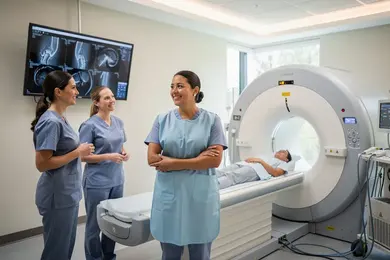
- Magnetic Resonance Imaging (MRI) Technologist: MRI specialists must acquire certification specific to MRI technology. These credentials ensure they can safely operate complex equipment and produce high-quality diagnostic images.
- Computed Tomography (CT) Technologist: Professionals in CT generally pursue certificates in computed tomography. This additional credentialing emphasizes detailed knowledge of CT imaging techniques and patient safety protocols.
- Radiation Therapist: Transitioning into radiation therapy requires dedicated degrees and certification. This career involves delivering radiation treatments for cancer patients and demands advanced understanding of oncology and radiation safety measures.
In all these fields, advanced certification or education helps practitioners maintain licensure and clinical proficiency, supporting both diagnostic accuracy and effective patient care.
Graduates with a radiology technician degree often discover diverse career advancement opportunities beyond traditional imaging roles.
Approximately 27% of healthcare professionals transition into interdisciplinary or allied health positions during their careers, reflecting the versatility of this degree. These shifts open doors to various fields where technical expertise and healthcare experience are highly valued.
Several alternative career options for radiology technician graduates include:
- Medical Equipment Sales: Professionals in this field promote and sell imaging devices and related technology to healthcare facilities. Radiology technician graduates leverage their understanding of equipment functionality and user needs to provide knowledgeable client support and recommendations.
- Health Informatics: This area focuses on managing and analyzing medical data to enhance patient care and optimize clinical workflows. Skills gained from experience with digital imaging software and healthcare environments prepare radiology technicians to contribute effectively to information system integration.
- Radiation Therapy Assistant: These roles assist radiation oncologists by preparing and positioning patients for treatment. Graduates' familiarity with radiation safety protocols and imaging technology supports their transition into this critical area of cancer care.
- Healthcare Education and Training: Some graduates use their hands-on experience to educate aspiring technicians or inform patients about imaging procedures. Strong communication skills help bridge technical knowledge with practical application in these educational roles.
Overall, a radiology technician degree offers transferable skills such as patient care, safety standards, technical operation, and teamwork, making it a foundation for many healthcare sectors. For those interested in expanding their qualifications, pursuing an HIM degree can further enhance career options and growth potential.
Salary potential for radiology technician graduates can vary widely based on multiple professional and educational factors. For instance, experienced radiology technicians may earn approximately 20% more than those just entering the field.
Industry-based salary differences also contribute to these variations, with certain settings offering higher wages due to workload complexity and demand.
The following key factors influence salary ranges for radiology technician graduates across the United States:
- Industry Choice: Radiology technicians working in hospitals generally earn more than those in outpatient care centers or physicians' offices, reflecting the greater case volume and complexity they manage.
- Experience Level: Years of experience significantly impact earning potential, with many entry-level technicians starting with modest salaries before progressing to higher wages through skill development and tenure.
- Geographic Location: Regional salary differences for radiology technician graduates are notable, with metropolitan areas or states in the Northeast and California typically offering higher pay due to cost of living and local demand.
- Specialization: Technicians focusing on advanced imaging modalities, such as MRI or CT scanning, often command a premium compared to general radiography roles, enhancing salary potential.
- Responsibility Level: Those who assume supervisory or administrative duties usually receive increased compensation reflecting their expanded roles.
Prospective candidates should consider these variables when assessing their career trajectory. For additional options in healthcare education, exploring online psych NP programs may provide complementary paths within the medical field.
Most graduates with a radiology technician degree quickly enter the workforce or pursue further education.
Data shows that around 85% of individuals in this healthcare field secure jobs or advance their studies within a year after graduation, reflecting strong career momentum. These options help build practical experience or deepen professional knowledge.
Common next steps for radiology technician graduates include the following:
- Workforce Entry: Many begin working immediately in hospitals, clinics, or diagnostic centers, applying their skills on the job. Obtaining certifications from organizations like the ARRT often enhances employment prospects.
- Specialization: Pursuing focused training in areas such as MRI, CT scans, or mammography can increase expertise and lead to higher-level roles with broader responsibilities.
- Continuing Education: Some choose to enroll in bachelor's degree programs or advanced courses to qualify for supervisory or educational positions, expanding their career opportunities.
- Professional Development: Joining professional associations and attending industry events helps maintain current knowledge, build valuable networks, and foster career growth.
What Graduates Say About the Careers You Can Pursue With a Radiology Technician Degree
- Valerie: "Choosing to study radiology technician was driven by my desire to work directly with patients while applying advanced technology daily. The degree opened doors I hadn't realized existed, including opportunities in specialized imaging fields like MRI and CT scans. Looking back, the training not only prepared me technically but also helped me develop empathy, which is crucial in healthcare."
- Zoren: "After earning my radiology technician degree, I was initially uncertain which path to follow, but the program's diverse curriculum allowed me to explore areas such as diagnostic imaging and radiation therapy. This flexibility gave me confidence to pursue a niche in pediatric radiology, blending technology with patient care for a fulfilling career. The degree truly expanded my understanding of the medical field and my role within it."
- Cath: "Professionally, my radiology technician degree was a game-changer; it significantly enhanced my credibility and access to advanced roles in hospital settings. The knowledge I gained about various imaging modalities and safety protocols has made me a vital part of multidisciplinary teams. Earning this degree reinforced my commitment to continual learning and adapting to innovations in medical imaging technology."
Other Things You Should Know About Radiology Technician Degrees
ARRT certification expands access to most entry-level imaging jobs and is often required by hospitals and imaging centers. To stay active, technologists must meet ARRT ethics standards and complete 24 continuing education credits every two years, which also supports advancement into CT, MRI, and mammography roles.
Job availability for radiology technicians varies significantly by region, with urban and metropolitan areas typically offering more opportunities due to higher concentrations of hospitals and imaging centers. Rural areas may have fewer jobs available but can provide unique opportunities for those seeking less competitive markets.
In 2027, radiology technicians are in high demand in outpatient care centers, diagnostic laboratories, and specialized radiology clinics, alongside traditional hospitals. An aging population and advancements in medical imaging technology drive this demand, broadening employment opportunities beyond hospital settings.
- Industry Pathway: Radiological Technologist https://careerrecon.com/radiological-technologist-career-pathway/
- Career Progression Guide for Radiologic Technologists: What to Expect https://www.incrediblehealth.com/tech/career-progression-guide-for-radiologic-technologists-what-to-expect/
- Exploring Career Paths After Completing a Radiography Program | NCC https://www.northwestcareercollege.edu/blog/exploring-career-paths-after-completing-a-radiography-program/
- 5 well-paid careers for radiologic technologists https://www.northeastcollege.edu/learn/jobs-for-radiologic-technologists
- Radiologic Technologist - Explore Healthcare Careers - Mayo Clinic College of Medicine & Science https://college.mayo.edu/academics/explore-health-care-careers/careers-a-z/radiologic-technologist/
- Radiologic Technologist Salaries And Job Prospects • How Radiology Works https://howradiologyworks.com/radiologic-technologist-salaries/