2027 Which Radiology Technician Degree Careers Offer the Best Long-Term Salary Growth?

Co-Founder and Chief Data Scientist
Which radiology technician careers lead to higher salaries over time? For students and career changers, understanding long-term earning potential is crucial when choosing specializations or advancement paths. The median annual wage for radiologic technologists was $63,710 in 2022, reflecting steady demand and competitive pay.
However, salary growth varies widely depending on additional certifications, experience, and roles such as MRI technologist or supervisory positions. Evaluating these factors helps align education choices with financial goals.
This article explores which radiology technician degree careers offer the strongest long-term salary growth and the reasons behind their potential, guiding informed career decisions.
Key Benefits of Radiology Technician Degree Careers That Offer Long-Term Salary Growth
- Radiology technician careers show steady salary growth, with the U.S. Bureau of Labor Statistics projecting a 9% wage increase over the next decade in related healthcare roles.
- Advanced certifications and accumulating experience directly enhance earning potential, allowing technicians to qualify for specialized, higher-paying positions.
- Long-term career pathways in radiology technology support financial stability through promotions, leadership roles, and opportunities in emerging imaging technologies.
Which Radiology Technician Careers Have the Highest Long-Term Salary Growth?
Certain radiology technician careers experience notably stronger long-term salary growth due to advances in medical imaging technology and expanding clinical applications.
According to labor statistics, radiologic technologists can expect an average wage growth of around 7% over ten years, outpacing many other healthcare roles. This trend highlights the best long-term salary prospects for radiology technician specialties focused on cutting-edge imaging techniques and specialized patient care.
Below are some prominent career paths associated with significant long-term earning potential:
- Interventional Radiology Technician: This role involves assisting with minimally invasive procedures guided by real-time imaging technology. The increasing reliance on interventional radiology treatments supports steady salary escalation as these technicians develop expertise in high-demand clinical environments.
- Nuclear Medicine Technologist: Professionals in this field work with radioactive materials for diagnosis and therapy, a specialized area experiencing growth due to expanding diagnostic applications. Limited practitioner availability and the technical complexity of this work contribute to strong compensation growth over time.
- Cardiovascular Technologist: Focused on imaging the heart and vascular systems, cardiovascular technologists benefit from rising demand tied to cardiovascular disease prevalence. Their specialized skills foster ongoing wage growth as healthcare providers prioritize advanced cardiac imaging services.
These careers represent some of the best long-term salary prospects for radiology technician specialties, blending advanced clinical roles with expanding market demand.
Students researching radiology technician degree careers may also consider pathways with accelerated training, such as the shortest DNP program online, to complement their clinical expertise and enhance future earning potential.
How Does Salary Growth Progress Over Time in Radiology Technician Careers?
Salary progression in radiology technician careers generally follows a steady upward path, with earnings improving as professionals gain tenure and accumulate experience. Studies indicate an average annual wage growth rate of about 3%, reflecting consistent, moderate increases over time.
This progression is marked by cumulative growth, where small yearly raises compound to create meaningful long-term financial advancement. Over a decade or more, these trends often translate into significant salary improvements for dedicated radiology technicians.
The pattern of salary growth typically develops in phases throughout a radiology technician's professional life. Initial years often feature noticeable increases as familiarity with job responsibilities deepens, leading to a period of stable, consistent wage growth.
Later career stages generally see incremental raises that maintain a gradual upward trajectory. This predictable pattern underscores the value of sustained experience, with earnings reflecting steady advancement rather than sharp fluctuations.
Which Entry-Level Radiology Technician Jobs Lead to High-Paying Careers?
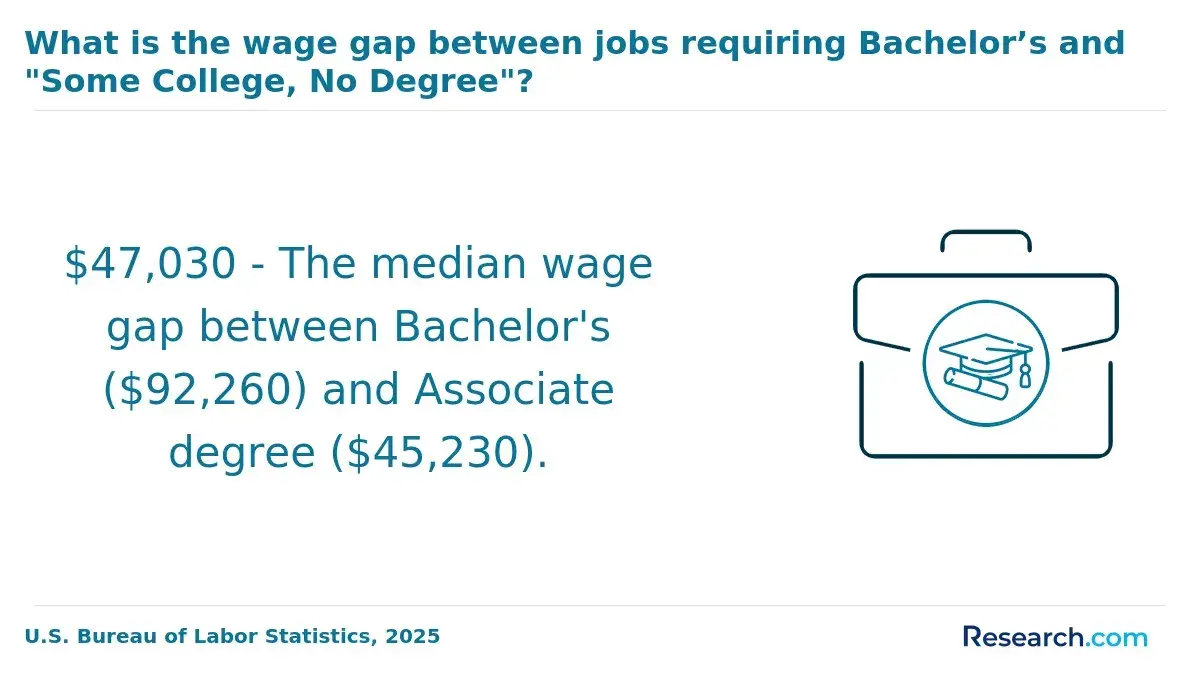
Entry-level radiology technician positions vary widely in their potential for salary advancement over time. Typically, these roles offer starting salaries between $45,000 and $55,000 per year, but some career paths stand out for stronger long-term earning potential.
Below are several entry-level jobs often linked to significant salary growth as experience accumulates:
- MRI Technologist: Specializing in magnetic resonance imaging, this role often begins with higher starting pay and progresses as technologists master more complex imaging procedures, leading to enhanced compensation.
- CT Technologist: Focused on operating computed tomography scanners, this job tends to offer better initial salaries than general radiology roles and supports continued income growth as skills deepen.
- Interventional Radiology Technician: These technicians assist with image-guided, minimally invasive procedures. The technical nature and responsibilities of the role typically translate into more substantial pay increases over the course of a career.
- Mammography Technologist: Concentrating on breast imaging, this specialization combines steady demand with competitive starting salaries that support gradual salary advancement.
A new Radiology Technician degree graduate shared his experience navigating early career decisions: "Starting out, the learning curve was steep, and I wasn't sure which path would be the most rewarding financially."
"Getting hands-on with specialized equipment felt challenging at first, but I quickly realized that roles offering more technical variety tend to open doors to better pay. It wasn't just about the paycheck in the beginning-it was about building confidence and mastering skills that I know will increase my future earning potential," he said
This perspective highlights the mix of challenge and opportunity many new graduates face when entering the field and choosing which entry-level position to pursue.
Certain industries provide radiology technician graduates with stronger opportunities for long-term salary growth due to expanding demand and broader compensation packages.
For example, employment in healthcare settings is expected to increase by 7% over the next decade, often resulting in competitive wage advances. These trends highlight the importance of choosing top-paying sectors for radiology technician graduates in the United States.
Key industries known for delivering higher salary growth include:
- Healthcare Facilities: Hospitals and clinics represent the largest sector for radiology technician careers. They tend to offer steady salary progression driven by investments in advanced imaging technology and growing patient volumes.
- Outpatient Care Centers: These centers usually provide specialized imaging services and often offer enhanced pay structures, including bonuses tied to technical skills and productivity improvements, fostering salary increases.
- Diagnostic Laboratories: Technicians here benefit from salary growth linked to the adoption of new imaging modalities and increased demand in clinical trials and research-focused diagnostics, positively influencing compensation.
- Government Healthcare Providers: Structured pay scales and regular raises in government facilities contribute to strong long-term earning potential for radiology technicians in these settings.
- Specialty Hospitals: Compensation models in specialty hospitals often include well-defined increments and benefits, supporting ongoing salary advancement for radiology technician staff.
Radiology technician students aiming for robust income growth might also explore related educational paths, such as nurse practitioner courses, which can complement their healthcare career options.
Salary growth for radiology technician careers depends on various workplace and career development factors that influence earnings over time. These dynamics interact to create a path for long-term financial progress within the field. Several key elements help explain how and why salaries tend to rise throughout a radiology technician's career.
Below are some important factors affecting this growth:
- Experience and Skill Development: Gaining years of hands-on experience enhances a technician's proficiency with increasingly complex tasks, making them more valuable to employers. This progression typically results in steady salary increases aligned with expertise.
- Expanded Responsibilities: Taking on duties beyond basic imaging, such as equipment management or supervisory roles, often leads to higher compensation. Increased trust and accountability tend to correlate with improved pay.
- Geographic Demand: Working in areas with higher living costs or elevated healthcare needs generally provides better pay rates. Regional demand factors can accelerate salary growth relative to locations with less medical activity.
- Economic Environment: Broader economic influences like inflation, healthcare funding, and institutional budgets impact wage trends. Favorable economic conditions and investments in medical technology often enable more robust salary gains.
- Institutional Size and Type: Employment with larger healthcare networks or specialized centers usually offers clearer salary structures and defined opportunities for pay progression, supporting consistent earnings increases.
When I spoke with a professional who holds a Radiology Technician degree, she emphasized how challenging it was initially to navigate salary growth without clear guidelines. "Early on, it felt like raises were unpredictable," she explained.
Over time, as she gained experience and took on more complex tasks, she noticed a pattern where consistent hard work and expanding job roles led to tangible pay improvements. She shared how working in a metropolitan area with a high demand for radiology services also played a significant role in boosting her earnings.
Her experience underscored the importance of patience and strategic career development amid evolving workplace conditions, reminding me that salary growth often reflects a combination of factors coming together rather than a single trigger.

Developing specialized skills and focusing on specific imaging modalities can significantly enhance long-term salary growth in radiology technician careers.
Research indicates that technicians with expertise in areas such as MRI or CT scans tend to earn between 15% and 25% more annually than those without these specializations. This demonstrates the tangible financial benefits tied to skill advancement in this field.
Several key factors explain how skills and specialization influence career earnings. Consider the following:
- Advanced Imaging Expertise: Mastery of complex imaging technologies like MRI and CT scanning enables radiology technicians to command higher wages due to the technical proficiency required for these modalities.
- Technical Skill Application: Demonstrating strong abilities in operating sophisticated equipment and ensuring image quality often leads to salary increases, as these skills enhance patient care and diagnostic accuracy.
- Continuous Skill Development: Radiology technicians who regularly update their knowledge and adapt to new technologies are more likely to experience sustained salary growth as employers value adaptability and innovation.
- Specialized Patient Management: Competency in managing specific patient needs during specialized procedures contributes to improved efficiency and outcomes, supporting higher compensation over time.
Advanced degrees and certifications can significantly enhance long-term earnings for radiology technician careers by opening doors to specialized roles and leadership opportunities.
Professionals holding additional qualifications, such as a bachelor's degree or specialized certifications in areas like magnetic resonance imaging (MRI) or computed tomography (CT), often receive higher compensation and take on expanded responsibilities.
Research indicates that radiology technicians with advanced certifications may earn up to 15% more than those without these credentials, reflecting the market's recognition of their expertise and improved clinical skills.
However, the financial benefit of further education can vary considerably depending on the work environment and specialization within radiology technician careers.
In hospital radiology departments or outpatient imaging centers, where specialized skills are highly valued, the wage premium for advanced qualifications tends to be more pronounced.
Conversely, in smaller clinics or general diagnostic roles, salary differences due to additional credentials may be less substantial, emphasizing that the long-term earning potential is closely tied to both the career pathway chosen and the employing organization's needs.
Job stability plays a crucial role in long-term salary growth for radiology technician careers by fostering continuous employment and steady income progression. Consistent work allows individuals to gain experience and demonstrate reliability, factors that employers often reward through periodic wage increases.
Research shows that in healthcare fields related to radiology, employees maintaining steady positions experience an average annual wage growth rate of about 3.5%, highlighting the financial benefits of employment continuity.
This gradual growth supports a trajectory of sustained earnings and improved financial security over time, underscoring the impact of job stability on radiology technician earnings.
Throughout a radiology technician's career, stable employment typically correlates with incremental salary increases linked to seniority, accumulated expertise, and additional training or certifications.
Continuous work experience helps technicians build proficiency and trust with employers, resulting in more predictable and steady pay raises compared to careers with frequent job changes or unemployment gaps.
Such stability enhances opportunities for promotions and specialized credentials that contribute to stronger earning potential in the long run.
For those exploring advanced education options, understanding the connection between job stability and salary growth can complement insights like the PhD in nursing salary trends, which also reflect the value of sustained career progression.
After 10 or more years in the field, radiology technician career salary growth over time often reflects a significant increase in earning potential as professionals transition into advanced and specialized roles.
Research indicates that mid-to-late career imaging specialists frequently earn median incomes well above $70,000 annually, with some management positions exceeding $90,000. This progression highlights the value of accumulated expertise and certifications.
Several high-paying career paths emerge after a decade, including the following:
- Radiologist Assistant: Technicians in this role perform advanced clinical duties that directly support radiologists. Their responsibilities go beyond typical imaging tasks, often involving patient assessments and preliminary image evaluations.
- Specialized Imaging Technologist: This path includes MRI and CT technologists who operate complex diagnostic equipment requiring additional certification and targeted expertise. Their specialized skills place them among the highest earners in the profession.
- Leadership Roles: Experienced radiology technicians may move into supervisory or department manager positions. These roles involve overseeing staff, coordinating workflow, and ensuring quality standards within radiology departments.
- Educator or Trainer: Some technicians advance to become educators or trainers, developing and leading programs that prepare new professionals. Their deep knowledge helps shape the next generation of technologists.
Radiology tech programs can provide strong foundational skills that support long-term career maturity and higher salary outcomes in these roles. Understanding these paths helps prospective students and current technicians evaluate the potential for advancement and earnings after a decade in the field.
Evaluating long-term earning potential is essential when selecting radiology technician career paths, as compensation can vary widely based on specialization and experience.
For instance, advanced imaging roles may offer salaries 20-30% higher than those at entry-level positions. Such disparities highlight the financial impact of choosing specific paths within radiology technician specializations.
Several important factors should be considered to identify opportunities with the strongest salary growth:
- Specialization Area: Career paths involving complex imaging such as MRI, CT scans, or nuclear medicine generally provide higher pay due to specialized skills and demand.
- Career Progression: Roles offering clear advancement to supervisory or advanced clinical positions tend to provide greater long-term salary increases.
- Market Demand: Geographic location and healthcare setting influence stability and growth, with outpatient and specialized facilities often presenting better compensation prospects.
- Experience and Certification: Continuous skill development and certifications in high-demand modalities can significantly enhance earning potential over time.
- Technological Adaptability: Embracing emerging imaging technologies positions radiology technicians for higher salary trajectories amid ongoing industry evolution.
Those exploring radiology technician career paths with highest salary growth should weigh these factors in relation to long-term salary prospects for radiology technician specializations.
Additionally, pursuing ongoing education through programs such as an online dietician program can complement skills and open further opportunities.
What Graduates Say About Radiology Technician Degree Careers That Offer Long-Term Salary Growth
- Valeria: "Choosing a radiology technician degree was one of the best decisions I made for my future. The program not only offered hands-on experience but also prepared me for a career with impressive long-term salary growth potential. Looking back, the ROI exceeded my expectations as I quickly moved from entry-level roles to more specialized positions with higher pay."
- Neve: "Reflecting on my journey, the radiology technician degree proved invaluable both professionally and personally. The skills I gained opened doors to a career path that's stable and rewarding financially, especially as technology advances. Understanding the impact of this field's growth on my earnings motivates me to stay committed and continue developing my expertise."
- Scotty: "From a professional standpoint, the radiology technician degree has been a gateway to excellent salary growth and diverse job opportunities. The degree's strong foundation allowed me to confidently navigate the healthcare industry and advance steadily. I'm grateful for the practical knowledge and career flexibility that have come with this education."
Other Things You Should Know About Radiology Technician Degrees
In 2027, the least common work environments for radiology technicians seeking strong salary growth are small clinics and private practices. These settings often offer limited salary advancement compared to larger hospitals or specialty facilities that invest in state-of-the-art technology and provide opportunities for specialization.
Yes, geographic location plays a significant role in salary growth for radiology technicians. Urban areas and regions with a high demand for advanced medical imaging services generally offer better long-term salary opportunities. Additionally, states with growing healthcare industries or shortages of qualified technicians often experience faster wage increases.
Continuing education is critical for radiology technicians seeking to improve their salary prospects. Staying current with new imaging technologies and obtaining specialized certifications can open doors to higher-paying positions. Many employers value technicians who actively update their skills, which contributes to sustained salary growth.
ARRT postprimary certifications in CT, MRI, mammography, and cardiovascular-interventional radiography often add the strongest salary lift. Employers usually require an active ARRT credential, state licensure where applicable, and documented clinical competency before you can qualify for these higher-paying roles.
- Is Rad Tech a Good Career? 8 Reasons to Say YES https://www.rasmussen.edu/degrees/health-sciences/blog/is-rad-tech-a-good-career/
- Top 8 Reasons to Become a Rad Tech | Prolink https://prolinkworks.com/perspectives/top-8-reasons-to-become-rad-tech
- 6 Reasons Why Radiologic Technology Is A Promising Career Path - Radiological Services https://apexceus.com/6-reasons-why-radiologic-technology-is-a-promising-career-path/
- How to Advance Your Career as A Radiologic Technologist https://www.cambridgehealth.edu/radiologic-tech/radiologic-technologist-career/advance-your-career-as-a-radiologic-technologist/
- Salaries in Radiology and Imaging Tech: Education Paths and Outlook https://safesocietylabs.com/salaries-in-radiology-and-imaging-tech-education-paths-and-outlook
- 9 High-Paying Radiology Tech Jobs with a Bright Future https://www.mtmi.net/blog/9-high-paying-radiology-tech-jobs
- 5 well-paid careers for radiologic technologists https://www.northeastcollege.edu/learn/jobs-for-radiologic-technologists
- Explore Endless Opportunities with White Glove Placement – Your Partner in Healthcare Careers https://whiteglovecare.com/radiology-tech-salary-guide/
- 5 Tips to Land Your First Radiology Technologist Job | Career Advice https://radiologytechnologistjobbank.com/articles/5-tips-first-rad-tech-job-after-graduation