2027 Fastest-Growing Careers for Radiology Technician Degree Graduates

Co-Founder and Chief Data Scientist
Amid rapidly evolving healthcare demands, radiology technician degree graduates often face uncertainty about which career paths offer the strongest growth and highest reward. Labor market analytics reveal that employment for radiologic and MRI technologists is projected to grow 9% from 2022 to 2032-much faster than the average for all occupations. This surge reflects increased use of imaging technology in diagnostics and treatment. Understanding these trends helps graduates navigate a competitive job market and prioritize specialties with robust hiring and advancement prospects. This article explores the fastest-growing careers in radiology technician fields, providing data-driven guidance on maximizing career trajectory through emerging opportunities.
Key Things to Know About the Fastest-Growing Careers for Radiology Technician Degree Graduates
- Employment projections from the Bureau of Labor Statistics indicate a 9% growth rate for radiology technician-related roles through 2032-outpacing average healthcare occupations and reflecting expanding diagnostic needs.
- Labor market analytics reveal strong salary gains in advanced imaging specialties, notably in MRI and CT technologies, where certified radiology technician graduates enjoy premium wages and greater advancement potential.
- Current hiring trends emphasize geographic hotspots in urban and suburban medical centers-graduates with multidisciplinary credentials and digital imaging skills are increasingly preferred by employers seeking adaptable, tech-savvy staff.
Which Radiology Technician Degree Career Paths Are Experiencing the Fastest Job Growth in the United States Right Now?
Data from the U.S. Bureau of Labor Statistics (BLS) highlights robust job growth for radiology technician degree graduates across several high-demand roles, driven by an aging population, expanding healthcare access, and technological advancements. This momentum marks a notable shift in employment opportunities, with specific positions projecting above-average expansion through the next decade.
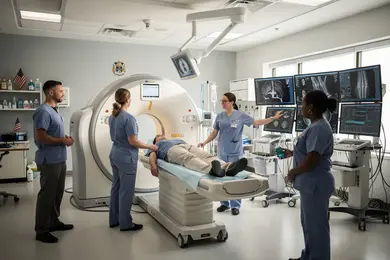
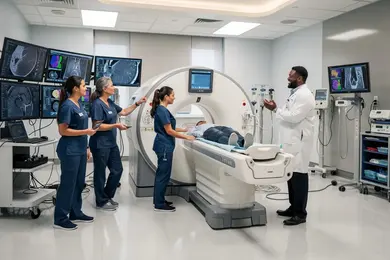
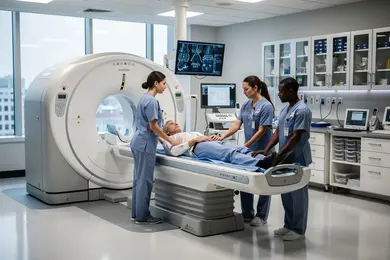
- Magnetic Resonance Imaging (MRI) Technologists: These specialists see strong demand as MRI continues becoming integral in diagnosing chronic and neurological conditions. Advances in imaging technology enhance scan speed and resolution, fueling job growth.
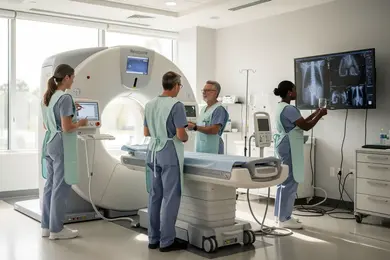
- Computed Tomography (CT) Technologists: Expanding use of CT scans for cancer detection, trauma care, and cardiovascular assessments supports rising employment. Increased outpatient services allow CT to serve broader patient populations beyond hospital settings.
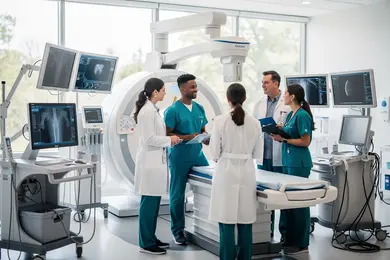
- Interventional Radiologic Technologists: Minimally invasive procedures grow in popularity, benefiting health outcomes and cost-effectiveness. This draws more employers to hire for interventional radiology, a field known for cutting-edge practice and career advancement.
- Radiation Therapists: Rising cancer incidence alongside innovations in targeted radiation treatments drives demand. These technicians require advanced expertise to operate specialized equipment and deliver precision care.
- Ultrasound Technologists: Growing recognition of ultrasound's benefits in prenatal, cardiovascular, and musculoskeletal imaging underpins steady job creation. The non-radiative nature of ultrasound makes it a preferred diagnostic tool in multiple clinical settings.
The convergence of demographic trends, policy reforms expanding insurance coverage, and continuous innovation in medical imaging combine to boost opportunity quality and volume for radiology technician degree careers throughout the United States. Radiology technician degree career growth United States projections point toward enhanced salary trajectories and geographic accessibility especially for those with targeted credentials and practical experience. Many graduates also explore advanced options such as the cheapest DNP programs online to enhance their competitive edge.
Subsequent sections will delve into essential qualifications, career advancement strategies, and positioning techniques enabling radiology technician degree holders to thrive in these fast-evolving professions.
What Does the Bureau of Labor Statistics Project for Radiology Technician Degree Employment Over the Next Decade?
The Bureau of Labor Statistics (BLS) projects a 7 percent growth in employment for radiology technician-related occupations from 2022 to 2032-outpacing the national average growth rate of 5 percent for all occupations. This strong forecast reflects a robust job outlook and salary trends for radiology technician careers in the United States, driven by expanding diagnostic imaging needs and evolving healthcare demands.
- Employment Growth: The increased demand stems from technological advancements and an aging population requiring frequent imaging services. Graduates entering this field can expect steady job creation supported by healthcare delivery across hospitals, outpatient centers, and specialized clinics.
- Technological Innovation: Advances in MRI and CT scanner technology improve efficiency and exam variety, encouraging more frequent procedures.
- Comparison With Other Occupations: Radiology technician roles offer comparatively faster growth than average, making them attractive for individuals tracking employment growth projections for radiology technician degree graduates. Candidates focusing on specialized certifications, such as MRI or computed tomography, may find enhanced salary and advancement prospects.
- Regional Variation: Job availability and pay rates vary by location due to demographic trends and healthcare infrastructure differences; graduates should research regional markets to identify optimal opportunities aligned with their goals.
Radiology technician graduates exploring career advancement or alternative healthcare pathways might also consider related fields. For example, professionals interested in expanding their clinical skill set may look into online FNP programs as a complementary option.
Overall, the BLS data reinforce that radiology technician careers offer growth fueled by consistent demand, technological progress, and evolving healthcare policies-highlighting the importance of strategic education and credentialing choices to stay competitive in this dynamic job market.
How Do Emerging Technologies and Industry Disruptions Create New Career Opportunities for Radiology Technician Graduates?
Artificial Intelligence: The integration of AI within diagnostic imaging is transforming radiology by boosting precision and streamlining workflows. This evolution introduces roles like AI imaging specialists and algorithm trainers, who must combine expertise in imaging hardware with skills in data analysis and software management. Graduates with hands-on experience in radiology and an understanding of AI tools are well placed to oversee these advanced processes and ensure imaging quality.
- Digital Health Transformation: The shift toward electronic health records and telemedicine expands career possibilities for radiology technicians in remote imaging coordination and informatics. Positions such as imaging informatics specialists and remote diagnostic coordinators require familiarity with EHR systems, cybersecurity fundamentals, and effective communication across digital platforms-complementing the technical foundation established during radiology technician training.
- Automation and Robotics: Emerging automated imaging machinery and robotic-guided procedures demand technicians proficient in equipment calibration, troubleshooting, and system integration. Careers like robotic process overseers reinforce the need for graduates adept at hands-on imaging, who can adapt seamlessly to highly mechanized environments where precision and technical agility matter most.
Recent job market analyses from entities like the World Economic Forum and McKinsey indicate that radiology technician graduates who cultivate digital and technical competencies alongside core clinical skills access more rewarding and stable career trajectories. Embracing technology as an opportunity rather than a threat places professionals at the forefront of a healthcare sector that prizes adaptability and interdisciplinary knowledge.
Reflecting on this, a professional who pursued a radiology technician degree shared how navigating new technologies proved both challenging and invigorating. "Initially, I felt overwhelmed by how quickly imaging technology was evolving-I knew I couldn't rely solely on traditional skills," he recalled. By actively seeking supplemental training in digital imaging software and AI basics, he managed to position himself for emerging roles. "The transition wasn't easy; balancing coursework with learning new tech required extra effort, but it made all the difference in expanding my career options and confidence."
Employers seeking recent radiology technician degree graduates often use specific entry-level job titles that indicate both expected duties and growth opportunities. These targeted titles help graduates focus their searches on positions aligned with industry demand and clear career advancement.
- Radiologic Technologist: Entrants in this role perform essential diagnostic imaging such as X-rays and fluoroscopy, typically working in hospitals and clinics. Starting salaries range from $50,000 to $60,000, with advancement paths toward specialized modalities like CT or MRI.
- CT Technologist: Specialists in computed tomography scans, these technologists operate advanced imaging equipment mainly within hospitals and imaging centers. Entry pay usually falls between $55,000 and $65,000, making this a strategic position for moving into interventional radiology.
- MRI Technologist: Focused on magnetic resonance imaging, MRI technologists often work in hospitals and dedicated imaging facilities. Starting salaries range from $58,000 to $68,000, offering routes to research roles or clinical oversight.
- Radiology Assistant: Supporting radiologists directly, this role involves patient prep and preliminary image evaluation in hospital settings. With starting salaries near $60,000, it provides valuable experience that can lead to supervisory positions.
- Ultrasound Technician (Sonographer): Though specializing in a different imaging modality, this role attracts some radiology technician graduates due to shared skills. Employers include clinics and diagnostic labs, with entry salaries between $50,000 and $62,000, and opportunities for diversified certifications.
These most sought-after radiology technician roles for new graduates embody the precise skill sets and titles preferred by recruiters in a competitive labor market. Utilizing exact job titles in applications improves visibility to hiring algorithms. Graduates aiming for sustainable career growth should prioritize roles offering clear advancement, such as CT or MRI technologist. For those considering alternative fast-track healthcare options, exploring an LPN 6 month program can be a complementary pathway.
Starting salaries for graduates in the top five fastest-growing radiology technician careers vary notably and improve considerably with experience and certification. A diagnostic medical sonographer typically begins between $60,000 and $70,000; mid-career earnings range from $75,000 to $85,000; and senior specialists-especially those with vascular or cardiac expertise-can surpass $95,000. MRI technologists see an initial salary from $55,000 to $65,000, rising to $70,000-$85,000 mid-career, with seasoned professionals earning up to $100,000 by assuming specialized or leadership roles.
Radiation therapists enjoy one of the highest starting wages at $60,000 to $75,000, climbing to $80,000-$95,000 as they gain experience, with senior-level pay reaching $110,000, often boosted by advanced credentials or supervisory duties. Nuclear medicine technologists start near $55,000 to $65,000 and grow to $70,000-$85,000 mid-career, though their salary progression tends to stabilize sooner, with upper salaries around $90,000. Computed tomography technologists earn $55,000 to $65,000 initially, progressing to $70,000-$80,000, and senior roles can approach $95,000, reflecting moderate but steady wage growth.
Salary trajectories differ across these fields-radiation therapy shows robust gains over time, while nuclear medicine positions offer solid but flatter increases. Geographic location, employer size, and sector type significantly influence compensation, so reviewing regional and cost-of-living data is essential to understanding overall earning potential. Earning potential is also enhanced by gaining specialized certifications and leadership experience.
After establishing her career following a Radiology Technician degree, a professional shared that navigating certification exams and balancing clinical demands were initially daunting but ultimately rewarding. She reflected, "Advancing my credentials opened doors to supervisory roles, which accelerated my salary growth far more than years alone. It wasn't just about time in the field-it was about strategically choosing where to specialize and investing in my professional development." This perspective highlights how deliberate career planning can impact salary progression in these in-demand fields.
Regional differences strongly influence career trajectories and earnings for radiology technician degree holders across the United States, shaped by local economies, healthcare infrastructure, and population trends. According to BLS OEWS data and state workforce analyses, several metro areas demonstrate distinct demand patterns and wage levels.
- Northeast: Growth in radiology technician jobs remains steady with some of the nation's highest median wages, fueled by dense healthcare systems and notable metropolitan hubs like Boston and New York City.
- Robust university research ecosystems increase demand for cutting-edge imaging specialties.
- Elevated living expenses partly offset higher pay.
- Southeast: This region experiences above-average employment growth due to expanding healthcare access and population surges in cities such as Atlanta and Miami.
- Policy shifts like Medicare and Medicaid expansions boost opportunities across public and private health sectors.
- Median salaries are solid though generally below those in the Northeast and West.
- Midwest: Moderate growth prevails, with rapid job creation concentrated in urban centers such as Chicago and Minneapolis.
- Lower living costs contribute to an appealing balance despite slightly diminished median wages.
- Southwest: Regions like Phoenix and Dallas show robust employment increases tied to rapid population growth.
- State incentives and a surge of outpatient imaging facilities enhance career prospects.
- Wages trend mid-to-high in correspondence with living cost adjustments.
- West: Area employment growth and salaries rank among the strongest nationally, notably in tech-driven cities like San Francisco and Seattle.
- Advanced medical centers and biotech industries drive demand for highly specialized radiology roles.
- High living costs remain a critical factor in compensation considerations.
Economic factors such as the concentration of medical sectors and research institutions create geographic disparities. States actively investing in health technology or offering incentives to attract healthcare professionals typically see amplified demand. Growing populations in the Southeast and Southwest continue to drive service expansion.
The emergence of remote and hybrid work models has lessened geographic limitations for some specialized radiology technician roles-particularly those focused on image analysis or telehealth-but many positions still require direct contact with clinical environments and patient populations.
Graduates should tailor their location decisions based on desired work environments and lifestyle needs. Those seeking research-oriented roles may lean toward the West or Northeast, while candidates favoring lower living costs and expanding markets might prioritize the Southeast or Midwest.
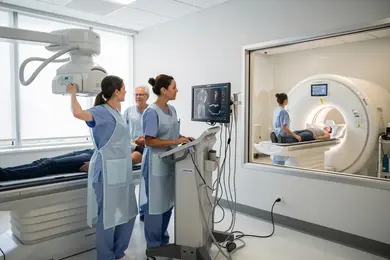
- Healthcare Facilities: Hospitals, outpatient clinics, and specialized imaging centers are the largest employers for Radiology Technician degree graduates. The demand here is fueled by an aging population needing more diagnostic testing and innovations expanding imaging techniques. Entry-level roles often include performing X-rays and assisting radiologists. Experienced technicians may advance to specialized modalities like CT or MRI or move into supervisory roles. Salaries usually align with median earnings but can surpass them in specialized or busy urban centers.
- Diagnostic Laboratories and Imaging Companies: Growth in private diagnostic labs and mobile imaging services responds to consumer preference for convenient outpatient imaging and preventive screenings. Roles emphasize operational efficiency and patient care, with career paths leading to technical team management or equipment maintenance. Pay in this sector can exceed median Radiology Technician salaries, especially for those with expertise in multiple imaging technologies.
- Veterans Affairs and Government Health Services: Federal and state agencies expand recruitment to meet veteran healthcare demands and rural public health needs. Positions vary from imaging in VA hospitals to telemedicine support in underserved areas. These roles typically offer strong benefits, steady salary growth slightly above median levels, and high job security.
- Research Institutions and Academic Medical Centers: Universities and research hospitals employ Radiology Technicians to support clinical trials and innovative imaging studies. Technicians gain exposure to cutting-edge modalities, protocol development, and data management. While starting salaries may match the median, advancement into research coordination or teaching roles can boost earnings over time.
Industry Diversification: Gaining experience across healthcare, government, private imaging, and research sectors builds resilience against economic fluctuations and widens career opportunities. Diverse technical skills enhance adaptability and open niche, higher-paying specialties. Graduates should prioritize sectors that align with their personal values and long-term goals-job satisfaction and meaningful engagement often lead to more durable career success than pursuing only top wages.
For radiology technician degree holders seeking acceleration in their careers, acquiring advanced certifications and graduate credentials is essential. These credentials elevate professional status, unlock specialized roles, and often bring higher compensation. Selecting credentials aligned with career ambitions and industry demand-while weighing time and cost against salary growth-is key to maximizing return on investment for advanced certifications for radiology technician career advancement.
- Registered Radiologic Technologist (ARRT) Certification: A nationally recognized and widely accepted credential, ARRT certification is a baseline for many radiology technician roles. It demonstrates proficiency in radiologic procedures and safety standards, significantly boosting job opportunities and income potential.
- Computed Tomography (CT) Certification: Technicians focused on specialization benefit from CT certification, which grants access to advanced imaging modalities. This credential requires clinical experience and exam success, resulting in a measurable salary premium in fast-growing imaging sectors.
- Magnetic Resonance Imaging (MRI) Certification: Designed for professionals targeting MRI departments or facilities specializing in diagnostic imaging, this credential often commands higher wages due to the sophistication of related equipment and techniques.
- Advanced Practice Credentials: Graduate degrees such as a Master's in Radiologic Science or Healthcare Administration can propel technicians into leadership, educational, or high-level clinical positions. Though more demanding in effort and cost, these credentials can yield substantial pay increases and management roles.
- Specialized Certifications: These include credentials in mammography, cardiovascular-interventional radiography, or bone densitometry-ideal for niche market opportunities with less competition and higher compensation. Individuals pursuing graduate credentials that boost radiology technician job opportunities may also explore these targeted pathways.
Evaluating credential investments involves considering exam fees, time commitments, and renewal cycles relative to expected salary increases. It is critical to verify credential acceptance with accrediting bodies and local licensing authorities, as requirements vary by state and employer. Professionals interested in further clinical advancement and nursing pathways may find valuable options in MSN to DNP programs, which can complement radiology technician skills and expand career opportunities.
Remote work opportunities for radiology technician degree graduates have expanded significantly, especially within diagnostic imaging consultation and teleradiology support roles. A 2023 Society for Human Resource Management (SHRM) report highlights that nearly 40% of healthcare technology jobs-including radiology-focused positions-now offer remote or hybrid options. This trend reflects both the scarcity of skilled radiology professionals and growing evidence that digital workflows enhance productivity, supported by the growing maturity of imaging technology platforms catering to off-site collaboration.
The hybrid work models expanding radiology technician careers in the US primarily benefit roles such as image processing specialists, remote diagnostic assistants, and medical coders who partner with radiologists through secure telehealth systems. Employers increasingly favor these flexible arrangements as they broaden recruitment beyond geographic constraints and lower operational costs without sacrificing diagnostic quality through advanced imaging software.
- Financial Advantage: Location-independent radiology technician professionals can earn salaries benchmarked to high-cost urban markets while residing in more affordable areas. For instance, a remote diagnostic assistant earning $70,000 annually in New York City but living in a midwestern city with a 25% lower cost of living effectively boosts net compensation by approximately $17,500, enhancing quality of life without income loss.
- Search Tips: Candidates should focus on keywords like "remote," "telehealth," and "virtual imaging support" in job searches to find remote-friendly radiology technician roles. Emphasize self-management skills, digital imaging platform proficiency, and secure data-sharing experience on resumes and in interviews.
- Application Positioning: Highlight competencies in digital collaboration and autonomy to align with employer preferences for distributed teams.
- Trend Insight: Buffer's 2024 workforce survey found that 58% of professionals in tech-adjacent healthcare roles prefer hybrid work, indicating rising demand for flexible radiology technician career paths.
For those considering further education to enhance career growth, exploring programs like RN to BSN pathways can provide additional qualifications and broaden opportunities within healthcare fields.
Focusing on a specialization can greatly boost a graduate's salary, job stability, and career progression within radiology technician fields-especially as demand rises for expert skills in certain areas. Specialists often gain access to advanced technologies and roles that generalists may not, improving both marketability and earning potential in competitive healthcare settings.
High-growth, well-compensated specializations supported by BLS data and professional bodies include:
- Magnetic Resonance Imaging (MRI): MRI technologists command higher pay due to specialized expertise.
- Investment: Certification programs and dedicated clinical practice.
- Computed Tomography (CT): Consistently sought after across hospitals and outpatient centers.
- Investment: CT-specific credentials and continuous skill development.
- Interventional Radiology: Combines imaging with minimally invasive procedures, offering strong advancement prospects.
- Investment: Additional certifications plus teamwork skills in clinical environments.
- Radiation Therapy: Growing with rising cancer treatments-highly technical with competitive salaries.
- Investment: Extended education and professional licensure.
Graduates should pursue specialization through targeted coursework, certification, or early hands-on roles. The choice involves balancing focused expertise-which can narrow job options-with broader flexibility. The most effective paths align personal interests and strengths with evolving labor market demands. According to recent BLS projections, roles requiring MRI and CT specialization are expected to grow over 9% from 2022 to 2032, reflecting robust opportunity for invested technicians.
Radiology technician graduates encounter distinct career landscapes in public versus private sectors, with differences in salary growth, job security, benefits, and promotion timeline.
- Salary Potential: Private sector positions, notably in healthcare technology, financial services, and consulting, usually offer higher starting pay and quicker salary increases. In contrast, public sector roles often start lower but provide steady, tenure-based raises within standardized pay bands.
- Job Security: Public agencies deliver robust employment stability with defined pension plans and retirement benefits. Private employers present less predictable security but often supplement compensation with bonuses or equity, especially in innovative industries.
- Advancement Opportunities: Promotion in government and educational institutions tends to follow clear, experience-driven progression schedules. Private companies reward rapid upskilling and entrepreneurial drive, allowing faster elevation for highly skilled radiology technicians.
- Hybrid Career Paths: Initiatives like federal STEM hiring programs and public-private collaborations are creating new models that merge mission-driven public roles with private sector innovation, widening skill development and career options.
- Geographic and Market Accessibility: Public sector roles may be regionally concentrated around government facilities, while private sector jobs span a wider geographic range, with significant clusters in urban tech and healthcare hubs.
Graduates should evaluate personal priorities-mission alignment, earning potential, job stability, or entrepreneurial freedom-to determine which sector matches their career objectives. No single path guarantees superiority as success is closely linked to individual goals and evolving labor market trends.
What Graduates Say About the Fastest-Growing Careers for Radiology Technician Degree Graduates
- Valentino: "Graduating with a radiology technician degree opened doors I never imagined-especially in terms of advancement potential. The career trajectory in this field is quite promising, with many opportunities to climb the professional ladder while enjoying competitive compensation. Plus, the demand is strong in both urban and rural areas, which means flexible geographic options for work."
- Zev: "Reflecting on my journey as a radiology technician graduate, I've found that the most valuable asset is the specialized skills and certifications that set you apart in a crowded job market. Having credentials like advanced imaging techniques helped me secure a high-demand role quickly. Moreover, the geographic accessibility of these jobs means you can find rewarding positions almost anywhere, which is a huge plus."
- Grayson: "From a professional standpoint, the radiology technician field offers a unique blend of stability and growth, especially given the increasing reliance on medical imaging technologies. Compensation grows steadily with experience and additional licenses, and employers often seek candidates with strong technical prowess and patient care skills. I appreciate that this career lets you serve diverse communities since jobs are plentiful across different regions."
Other Things You Should Know About Radiology Technician Degrees
Employers prioritize communication skills, attention to detail, and technical proficiency in imaging equipment for radiology technician roles. Critical thinking and the ability to work effectively under pressure are also important, given the fast-paced healthcare environments where many of these jobs are expanding. Teamwork and adaptability are frequently highlighted due to evolving medical technologies and the interdisciplinary nature of healthcare delivery.
Internships and entry-level positions provide hands-on experience with various imaging technologies, allowing graduates to develop practical skills that hiring managers value. These opportunities often lead to mentorship relationships and networking connections that facilitate entry into specialized roles such as MRI technologists or interventional radiology technicians. Documenting diverse clinical experiences and certifications during internships also enhances a candidate's competitiveness in rapidly expanding job markets.
Most employers require an ARRT primary certification in radiography first, then postprimary credentials in MRI or computed tomography. ARRT postprimary candidates must document structured clinical experience, pass the relevant exam, and keep credentials active through biennial renewal and continuing education requirements.
- Occupational Projections by the BLS: The Future is Bright for X-ray Techs https://ce4rt.com/rad-tech-talk/the-future-is-bright-for-x-ray-techs-occupational-projections-by-the-bls/
- Top 9 Highest-Paying Radiology Tech Jobs in 2025 https://www.directshifts.com/clinician-resources/top-9-highest-paying-radiology-tech-jobs-in-2025
- X-ray Tech Job Opportunities: Amazing Growth - Liv Hospital https://int.livhospital.com/x-ray-tech-job-opportunities-amazing-growth/
- From Technician to Technologist in Radiology | StaffDNA https://staffdna.com/ghost/career-ladders-in-radiology-from-technician-to-technologist/
- 9 High-Paying Radiology Tech Jobs with a Bright Future https://www.mtmi.net/blog/9-high-paying-radiology-tech-jobs
- Building a Career Ladder for Medical Imaging Technologists https://link.ahra.org/Article/building-a-career-ladder-for-medical-imaging-technologists
- Shaping the future of radiology in 2025: Trends, threats, and opportunities | AuntMinnie https://www.auntminnie.com/practice-management/article/15712124/shaping-the-future-of-radiology-in-2025-trends-threats-and-opportunities
- Which Radiology Certifications Offer the Best Job Opportunities? | Vivian Community Hub https://www.vivian.com/community/allied-health/which-radiology-certifications-offer-the-best-job-opportunities/
- 5 well-paid careers for radiologic technologists https://www.northeastcollege.edu/learn/jobs-for-radiologic-technologists
- Compare Radiologic Tech Salaries: California vs. Other Top States | Incredible Health https://www.incrediblehealth.com/tech/compare-radiologic-technologist-salaries-california-vs-texas-florida-and-new-york/