
2027 Radiology Technician Degree Careers That Do Not Require Graduate School

Co-Founder and Chief Data Scientist
A recent radiology technician graduate faces the reality that many entry-level roles in the field do not require graduate school, but advanced positions often do. According to the U. S. Bureau of Labor Statistics, employment of radiologic technologists is projected to grow 9% from 2022 to 2032, reflecting strong demand for skilled workers. Understanding which career paths permit immediate entry and which demand further education is critical for early-career planning. This article explores radiology technician degree careers that offer strong job prospects without needing graduate degrees, guiding readers toward practical opportunities.
Key Things to Know About the Radiology Technician Careers That Do Not Require Graduate School
- Radiology technician careers often allow direct workforce entry with a bachelor's degree, avoiding the need for graduate study and supporting faster employment.
- Employer expectations for entry-level radiology technician roles prioritize technical proficiency and certifications over advanced degrees, shaping hiring practices.
- Skills, internships, and hands-on experience frequently outweigh graduate credentials in securing positions, enabling meaningful professional growth shortly after graduation.
What Career Paths Can You Pursue with a Radiology Technician Degree Without Graduate School?
A large portion of radiology technician degree holders begin their careers immediately after earning a bachelor's degree, as many roles do not require graduate school credentials. Employment data suggests that about 75% of those with a bachelor's degree in radiology technician secure relevant positions within a year, reflecting strong demand and accessible entry points in the field. However, opportunities vary depending on the job type and industry needs.
The following career options are commonly accessible to those who have completed a radiology technician degree without pursuing further graduate education.
- Diagnostic Radiologic Technologist: This role involves performing and interpreting imaging studies such as X-rays and CT scans. The broad applicability of skills gained during undergraduate training makes it highly accessible at the entry level without graduate school.
- Radiation Therapy Technologist: Focused on administering targeted radiation treatments, this position typically hires candidates with a bachelor's degree due to the technical training and safety knowledge provided by the program.
- Nuclear Medicine Technologist: Preparing and administering radioactive drugs is an essential part of this job, which demands practical undergraduate education that covers specialized techniques and safety protocols.
- Bone Densitometry Technologist: Performing scans to measure bone density for diagnosing conditions like osteoporosis requires focused expertise that a radiology technician bachelor's degree adequately provides without needing further schooling.
- Radiologic Equipment Specialist: This position leverages a strong understanding of imaging technology, enabling graduates to work in sales or technical support roles that bridge clinical needs and device solutions, all attainable without graduate-level education.
These career paths demonstrate that radiology technician entry-level careers without graduate school are both diverse and feasible across different settings, matching the growing market demand. For those considering further advanced degrees, exploring options such as a PharmD degree may provide additional opportunities, but many find substantial employment opportunities directly after undergraduate studies.
What Are the Highest-Paying Jobs for Radiology Technician Degree Graduates Without a Graduate Degree?
Many of the highest-paying careers for radiology technician graduates can be pursued without graduate school, especially in roles where employers value a bachelor's degree and there is significant demand in healthcare. According to the U.S. Bureau of Labor Statistics, the median annual wage for radiologic technologists was about $61,900 in 2023, with advanced roles often exceeding this figure without requiring further graduate education.
Several specialized positions stand out for their earning potential at the bachelor's level due to technical expertise and critical responsibilities:
- Computed Tomography (CT) Technologist: Operating advanced imaging equipment, CT technologists earn higher salaries due to their technical skillset and the importance of detailed diagnostic imaging in patient care.
- MRI Technologist: With expertise in magnetic resonance imaging, MRI technologists command strong pay because of the equipment's complexity and the specialized knowledge of anatomy and safety protocols.
- Radiology Supervisor: Overseeing radiology staff and workflows, supervisors receive increased compensation by balancing administrative duties with clinical expertise.
- Interventional Radiology Technician: These technicians support image-guided minimally invasive procedures, which results in higher salaries due to their critical role in therapeutic interventions.
- Mammography Technologist: Specializing in breast imaging, these technologists often earn more because of the specialized training and vital role in early cancer detection.
These positions offer stronger compensation primarily because they require precise technical knowledge, advanced technology proficiency, and responsibility in high-demand healthcare areas, providing radiology technician graduates with attractive earning potential without graduate degrees.
What Skills Do You Gain from a Radiology Technician Degree That Employers Value?
Radiology technician degree programs prepare students with essential transferable skills that employers consistently seek, especially for positions not requiring graduate-level education. A 2023 study by the National Association of Colleges and Employers found that 92% of employers value skills like communication, teamwork, and problem-solving when hiring for entry-level jobs.
Below are several key skills cultivated through these programs that enhance a graduate's readiness and workplace value.
- Technical Proficiency: Students gain hands-on experience with imaging devices such as X-ray and MRI machines, developing the ability to safely perform protocols without extra training. This expertise allows them to contribute immediately in clinical environments.
- Attention to Detail: Producing accurate diagnostic images demands precision and careful monitoring, minimizing errors and aiding physicians in accurate diagnoses. Employers appreciate this reliability in frontline healthcare workers.
- Effective Communication: Radiology technician education emphasizes clear, compassionate interaction with patients to reduce anxiety and improve compliance, alongside teamwork skills that streamline collaboration with medical staff.
- Critical Thinking and Problem-Solving: Training includes troubleshooting equipment issues and managing clinical scenarios, encouraging adaptability and sound decision-making, essential for overcoming unexpected challenges.
- Time Management: Handling multiple patients and tight schedules requires mastering prioritization and efficiency, skills crucial for meeting clinical demands while maintaining quality care.
A radiology technician degree graduate shared that early on in their first position, the communication skills learned were invaluable: explaining procedures patiently helped build patient trust and eased their anxieties, which in turn made the workflow smoother and helped them feel confident despite the fast-paced environment.
Approximately 70% of radiology technician graduates secure entry-level jobs within six months of finishing their degree, even without prior professional experience. Employers often create roles specifically tailored for recent graduates, enabling workforce entry without the need for graduate school or previous employment history. This accessibility reflects the growing demand for healthcare jobs for radiology technician graduates no prior experience.
Below are some common entry-level roles accessible to new radiology technician degree holders:
- Diagnostic Imaging Technologist: These positions usually welcome new graduates to work under supervision, allowing them to gain practical expertise in imaging procedures while receiving structured training. This role offers a solid foundation for those starting their careers.
- Radiologic Technologist Assistant: Assistant roles focus on supporting licensed technologists by managing patient prep and equipment setup. They are designed as entry-level jobs that provide hands-on learning without requiring previous experience.
- Medical Imaging Coordinator: Some employers offer positions centered on scheduling and department organization, which utilize basic clinical knowledge and administrative skills to support radiology services. This broad role is often open to recent graduates.
- Mobile Diagnostic Technician: Jobs in mobile imaging emphasize adaptability and on-the-job learning across various locations, quickly building practical skillsets for new entrants.
For students considering related fields, exploring a hospital administration course online can provide additional career pathways without graduate school.
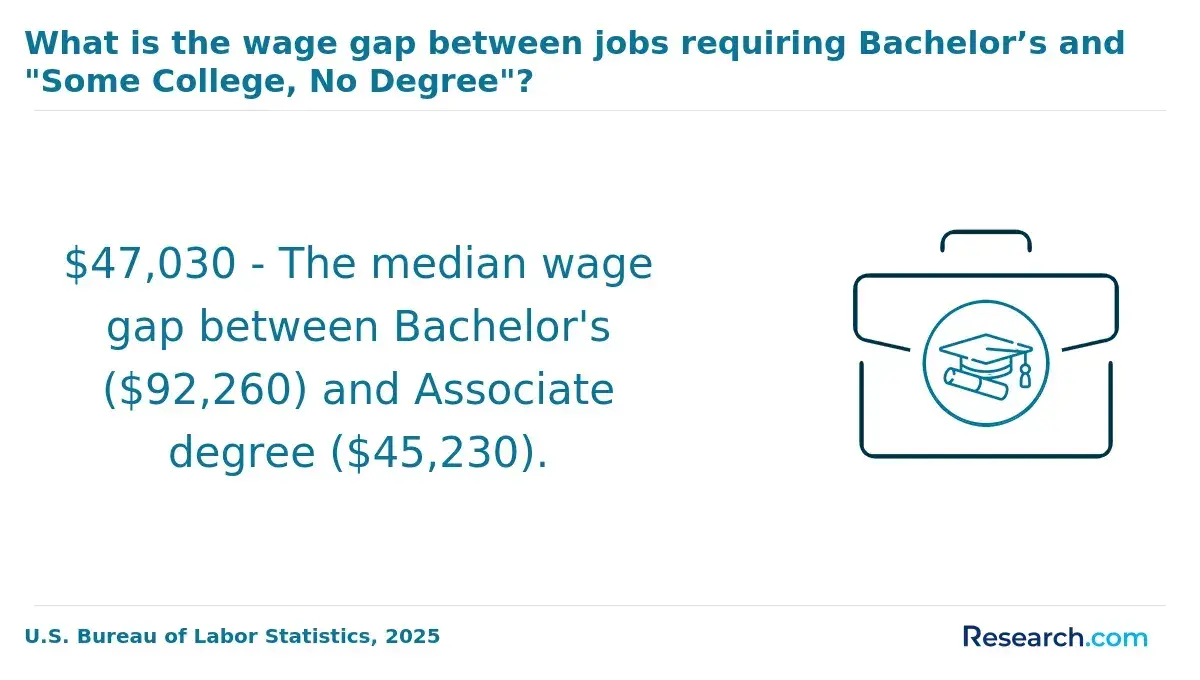
Certifications and short courses offer radiology technician graduates practical ways to advance their careers without attending graduate school. These credentials emphasize specific skills and ongoing professional development, which many employers now seek. In fact, over 70% of healthcare employers prioritize certifications that validate expertise beyond an associate degree.
Below are some notable certifications and short courses that can enhance career prospects for radiology technician professionals:
- American Registry of Radiologic Technologists (ARRT) Certification: Recognized nationwide, this certification confirms proficiency in radiography and often acts as a gateway to licensure. It signals technical competence, helping graduates stand out in competitive job markets.
- Computed Tomography (CT) Certification: This specialized credential expands a technician's abilities to include CT imaging, opening the door to roles involving more advanced diagnostic equipment.
- MRI Certification: By acquiring skills in magnetic resonance imaging, technicians can diversify their expertise and increase employability in departments focusing on non-radiative imaging methods.
- Continuing Education Short Courses: Flexible training sessions in areas such as radiation safety or patient positioning provide timely updates and skill refreshers that keep practitioners current and adaptable.
- Basic Life Support (BLS) Certification: Though not unique to radiology, BLS certification is frequently required in clinical settings and demonstrates preparedness for emergency situations, making candidates more attractive hires.
A radiology technician I spoke with recalled earning CT certification after working several years in the field. They described facing a steep learning curve to master the technology but found the process highly rewarding. The expanded qualifications led to new responsibilities and greater job security. Their experience highlights how targeted certifications can open meaningful career opportunities without the time and expense of graduate education.
Industries vary widely in how they accommodate Radiology Technician graduates who have not completed graduate school. Some sectors have robust hiring needs, making them more accessible to candidates with bachelor's degrees due to workforce structures and ongoing demand. For example, about 60% of Radiology Technicians are employed in general medical and surgical hospitals, highlighting this sector's prominence in bachelor's-level recruitment.
The following industries typically offer accessible employment opportunities for Radiology Technician graduates without advanced degrees:
- General Medical and Surgical Hospitals: As the largest employer within the field, these hospitals frequently have ongoing vacancies. Their need for versatile diagnostic imaging roles allows bachelor's-level technicians to contribute effectively without additional qualifications.
- Outpatient Care Centers: These clinics and imaging centers prioritize efficiency and handle high patient volumes, creating many openings for entry-level Radiology Technicians focused on routine imaging tasks.
- Physician Offices and Specialist Practices: Supporting focused diagnostic procedures, these settings often emphasize practical experience over graduate credentials, making them accessible for graduates with bachelor's degrees.
- Long-Term Care and Rehabilitation Facilities: Growing use of imaging for patient monitoring encourages the employment of bachelor's-level technicians to meet steady demand without requiring advanced specialization.
- Government and Military Healthcare: Due to consistent staffing needs, these facilities frequently recruit Radiology Technicians with bachelor's degrees to support standard imaging services.
Non-traditional career structures broaden opportunities for radiology technician graduates by reducing reliance on conventional employment settings like hospitals and clinics. Digital platforms and freelance work models enable access to roles that do not require graduate school, allowing graduates to engage in more flexible and geographically independent work. Since 2020, approximately 30% of healthcare-related jobs have incorporated remote or hybrid work, highlighting a growing trend toward location-independent careers in allied health fields, including radiology technician roles.
Several unconventional work formats now provide alternate entry points into the radiology technician workforce without the need for advanced degrees. These include:
- Distributed Work Systems: Radiology technicians perform remote tasks such as image processing and quality assurance through digital transmission, decoupling job location from medical facilities and expanding access across regions.
- Digital-First Labor Markets: Online freelance platforms connect technicians with short-term projects like image annotation and AI diagnostic support, broadening career possibilities beyond traditional local job markets.
- Project-Based Independent Work: Freelance consulting or part-time contracts for telemedicine companies or imaging startups offer flexible timelines and diverse assignments without permanent employer ties.
- Remote Technical Support Roles: Positions involving support and training for imaging equipment or healthcare software providers allow fully remote work using clinical expertise, easing participation from outside major healthcare hubs.
- Telehealth Collaboration Models: Engagements coordinating image acquisition or preliminary reviews within virtual care teams enhance remote participation and adaptability in patient care processes.
Graduates with a radiology technician degree can start building a career without graduate school by entering the workforce directly after completing their bachelor's program. Early career momentum is often shaped by securing entry-level positions in hospitals, diagnostic imaging centers, or outpatient clinics, where hands-on experience is highly valued. Approximately 70% of radiology technician bachelor's degree holders find employment within a year of graduation without pursuing advanced degrees, demonstrating the availability of job opportunities. Exposure to practical workplace environments supports steady skill development and career progression over time through experience rather than additional academic study.
Long-term career development for radiology technician professionals without graduate school typically involves growing responsibilities and broader roles within healthcare organizations. Advancement often happens by gaining further certifications, cross-training, or moving into supervisory roles, all supported by ongoing professional engagement and industry participation. This pathway varies across settings-including public hospitals, private practices, and specialized centers-where career growth depends on practical skills and adaptability rather than formal graduate education. For those seeking to explore financial aid for medical billing and coding online classes or related fields, resources like financial aid for medical billing and coding online classes can offer valuable assistance.
Skipping graduate school is a common pathway for many radiology technician careers, enabling earlier entry into the job market. This route suits those focused on gaining hands-on experience quickly but may influence long-term advancement depending on career goals. Approximately 75% of radiology technicians enter the workforce with an associate's or bachelor's degree, bypassing graduate education.
Here are key factors to consider when deciding whether to forgo graduate school:
- Early Workforce Entry: Graduates can start working sooner without the additional two or more years devoted to a master's degree. This often means quicker financial independence and practical experience accumulation.
- Opportunity Cost: Avoiding graduate school reduces tuition fees and lost income, although it may limit access to some advanced positions that prefer or require master's degrees.
- Long-term Progression Limits: Some top-tier hospitals and specialized professional environments favor candidates with graduate education, potentially restricting career growth in these areas.
- Flexibility in Career Exploration: Without the commitment of graduate studies, technicians can explore multiple roles within community hospitals or outpatient imaging centers, where many entry-level radiology technician job prospects after bachelor's degree are available.
Many successful radiology technicians build fulfilling careers without graduate degrees by leveraging certifications and experience in less restrictive workplaces. For those interested in advancing later, options like dietitian graduate programs illustrate how specialized graduate education can complement clinical knowledge when desired.
Graduates with a bachelor's degree in radiology technician fields often experience steady employment prospects across settings like hospitals, diagnostic centers, and outpatient clinics. Employment trends for bachelor's level radiology technician graduates show consistent demand, with placement rates reflecting a workforce need that balances entry-level positions and specialized roles. Median salaries typically range from about $50,000 to over $75,000 annually, depending on experience, skill level, and location. This range highlights a competitive but accessible job market for those entering without graduate education.
Job market demand and placement rates for radiology technician degree holders can vary widely across regions and healthcare facilities. Positions in underserved areas or those requiring less specialization may offer salaries comparable to more selective roles due to local labor shortages. Opportunities span multiple sectors, but outcomes depend heavily on regional market dynamics and institutional budgets. For those interested in advancing within the profession, pursuing upskilling or certifications can further influence career trajectories and earnings. Students seeking further information on specialized training paths might explore resources like best online post master's PMHNP programs.
What Graduates Say About Radiology Technician Careers Even Without Pursuing Graduate School
- Valentino: "Completing my radiology technician degree allowed me to step confidently into the healthcare field without the need for graduate school. The hands-on experience and focused curriculum prepared me to quickly adapt to clinical settings, which made my job search much smoother than I anticipated. I'm grateful for a clear path that led straight to a stable and rewarding early career."
- Zev: "Looking back, I appreciate how my radiology technician degree emphasized practical skills over further academic pursuit, which suited me perfectly. Entering the workforce directly after graduation meant I gained real-world exposure sooner, and I was able to build professional relationships that continue to support me today. It was a smart choice that fulfilled my career goals without the extra time or expense of graduate studies."
- Grayson: "As a radiology technician degree graduate, I found that the program's thorough clinical training was the cornerstone of my quick employment. Not pursuing grad school didn't hold me back; instead, I focused on honing my technical skills and bedside manner, which employers really valued. My early career has been a testament to the solid foundation this degree provided."
Other Things You Should Know About Radiology Technician Degrees
Licensure or certification is generally required to practice as a radiology technician and enhances job prospects. Most states require passing the American Registry of Radiologic Technologists (ARRT) exam or an equivalent credential. Maintaining licensure involves continuing education but does not necessitate graduate-level studies.
Yes, advancement can be achieved through gaining experience, specialized certifications, and leadership roles. Radiology technicians can move into supervisory positions, quality control, or specialize in modalities like CT or MRI. These pathways provide career growth without the need for graduate school.
Most states require radiologic technologists to complete continuing education every 1 to 2 years to renew licensure. The American Registry of Radiologic Technologists, or ARRT, also requires 24 approved continuing education credits during each biennium to maintain certification, plus compliance with ethics and registration rules.
- Limited Licensed Radiology Tech Certification - Your Path to a Rewarding Healthcare Career https://www.americanalliedhealth.com/blog-posts/certifications/limited-licensed-radiology-tech-certification
- Essential Skills for Securing Radiology Technician Jobs | Enhance Your Expertise https://scopecollege.co.in/essential-skills-for-radiology-technician-jobs/
- Radiology & Medical Tech Job Outlook 2025: What Experts Actually Predict - The HJN Blog https://blog.healthjobsnationwide.com/radiology-medical-tech-job-outlook-2025-what-experts-actually-predict/
- X-Ray & Radiology Tech Certification + Licensure Guide https://www.trustedhealth.com/allied-career-guide/radiologic-tech/certification-guide
- Top 10 Skills Every Radiologic Technologist Needs https://www.directshifts.com/clinician-resources/top-10-skills-every-radiologic-technologist-needs
- Radiologic Technologist - Explore Healthcare Careers - Mayo Clinic College of Medicine & Science https://college.mayo.edu/academics/explore-health-care-careers/careers-a-z/radiologic-technologist/
- Radiology Technician Remote & Hybrid Only Jobs https://www.ihireradiology.com/t-radiology-technician-remote-jobs.html
- Top 5 Paying Medical Imaging Jobs for 2025 https://www.ultrasoundschoolsinfo.com/top-5-paying-medical-imaging-jobs/
- Is Rad Tech a Good Career? 8 Reasons to Say YES https://www.rasmussen.edu/degrees/health-sciences/blog/is-rad-tech-a-good-career/
- 9 High-Paying Radiology Tech Jobs with a Bright Future https://www.mtmi.net/blog/9-high-paying-radiology-tech-jobs


