How to Become a Board-Certified Ambulatory Care Pharmacist

Co-Founder and Chief Data Scientist
Ambulatory care pharmacy appeals to pharmacists who want to manage medications with patients over time, but earning the Board Certified Ambulatory Care Pharmacist (BCACP) credential takes more than choosing the right degree. You need pharmacist licensure, qualifying patient-care experience or residency training, and a passing certification exam. This guide separates those requirements, compares routes to eligibility, and shows where program cost, training time, and career goals should shape your next move.
Key Things You Should Know
- BCACP is a specialty credential from the Board of Pharmacy Specialties, not a pharmacist license. Eligible candidates must hold a qualifying active pharmacist license, meet an ambulatory care practice or residency pathway, and pass the BCACP examination.
- The principal eligibility routes are four years of qualifying practice, a qualifying PGY1 residency plus two years of practice, or a qualifying PGY2 ambulatory care residency. Check the current BPS candidate guide before relying on any route.
- A U.S. pharmacist's typical starting point is an accredited Pharm.D. followed by state licensure. The Bureau of Labor Statistics reports $140,910 in May 2025 as the median annual pay for pharmacists overall - not a BCACP-specific salary.
What is a board-certified ambulatory care pharmacist?
A board-certified ambulatory care pharmacist is a licensed pharmacist who has demonstrated specialty knowledge through the Board of Pharmacy Specialties (BPS) BCACP credential. Ambulatory care generally means ongoing care for patients who are not admitted to a hospital. Depending on the position and applicable law, the pharmacist may assess medication regimens, help manage chronic conditions, monitor treatment, educate patients, and collaborate with other clinicians.
BCACP signals expertise; it does not expand a pharmacist's legal scope of practice or guarantee a particular job. For someone exploring pharmacy programs for career changers, the distinction is important: a pharmacy-adjacent credential or prior healthcare experience does not replace pharmacist licensure and the subsequent specialty eligibility requirements.
What are the requirements to become a BCACP?
BPS requires candidates to hold a qualifying active pharmacist license, satisfy its current specialty practice or residency criteria, and pass the BCACP examination. Its principal experience pathways are four years of practice with at least half of the time in ambulatory care activities; a qualifying postgraduate year one (PGY1) residency followed by two years of practice meeting that ambulatory care threshold; or a qualifying postgraduate year two (PGY2) ambulatory care residency. Review the current BPS candidate guide for definitions, residency recognition, documentation, and deadlines before applying.
These are certification eligibility routes, not pharmacy school admission routes. If you have not entered a Pharm.D. program, begin by checking each school's pharmacy school acceptance criteria; admission does not confer pharmacist licensure or reserve a future BCACP examination seat.
What degree and license do ambulatory care pharmacists need?
For the usual U.S.-educated route, complete required pre-pharmacy undergraduate coursework, graduate from an Accreditation Council for Pharmacy Education (ACPE)-accredited professional Doctor of Pharmacy (Pharm.D.) program, and obtain a pharmacist license from the jurisdiction where you will practice. Pre-pharmacy coursework is preparation for admission, not the professional degree. ACPE accredits professional programs; it does not license graduates. Applicants comparing Doctor of Pharmacy pathways after pre-pharmacy study should check each school's prerequisites rather than assume a bachelor's degree is universally required.
Licensure normally involves state-board eligibility requirements and the North American Pharmacist Licensure Examination (NAPLEX), plus any jurisdiction-specific law examination or other requirements. Do not assume every jurisdiction uses the MPJE; examination rules can change. Passing the NAPLEX alone does not issue a license. Internationally educated pharmacists should check the separate credential-evaluation and licensure requirements that apply to their circumstances.
A PGY1 pharmacy residency provides broad postgraduate clinical training. A PGY2 ambulatory care residency builds on that foundation with focused training. Neither is required for every ambulatory care job, and completing a residency is not itself board certification. The comparison below shows how the principal BPS eligibility routes differ once a pharmacist holds the required license.
| Route | Additional experience associated with BCACP eligibility | Main trade-off |
| Practice experience | Four years of qualifying practice, with at least half of practice time in ambulatory care activities | Avoids a residency but takes longer to establish eligibility |
| PGY1 plus practice | Qualifying PGY1 residency followed by two years of qualifying ambulatory care practice | Adds structured training, followed by a practice requirement |
| PGY2 ambulatory care | Qualifying PGY2 ambulatory care residency | Provides focused training but typically follows a PGY1 residency |
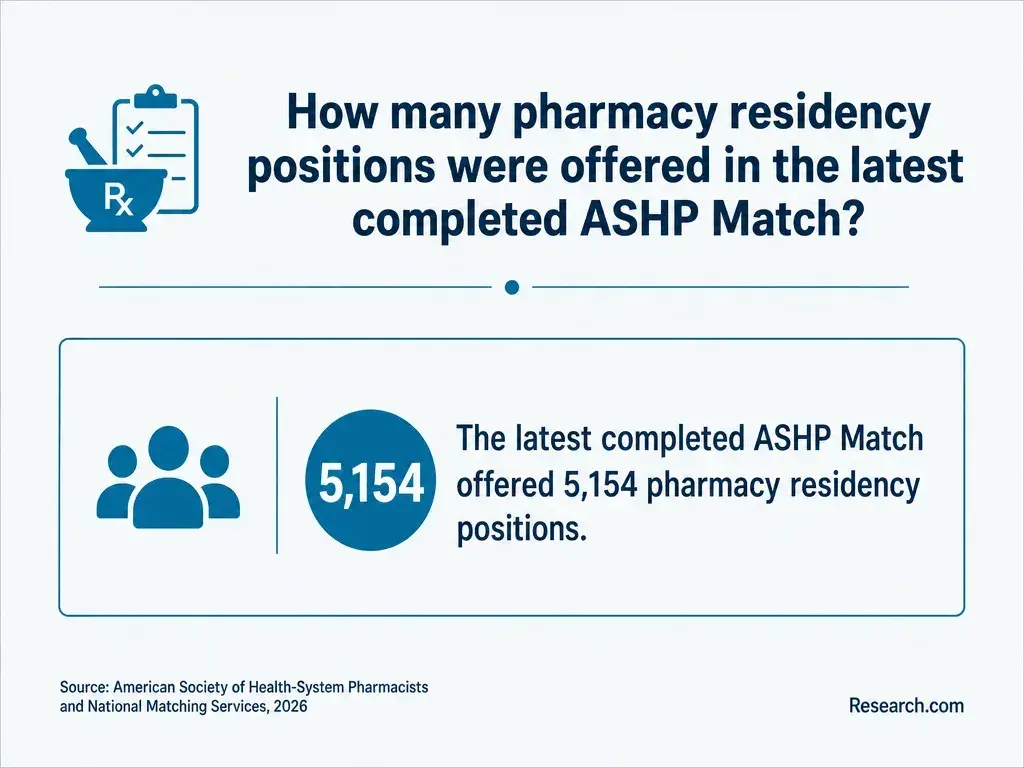
Verify a residency's accreditation and BPS eligibility treatment before accepting an offer. Residency applications may involve PhORCAS and the ASHP Match, depending on the program; fellowships are different training arrangements and should not be assumed to satisfy a residency pathway. Doctor of Pharmacy accelerated tracks may shorten the route to graduation, but they do not waive licensure or BCACP specialty requirements.
Relevant training includes longitudinal medication management, chronic disease pharmacotherapy, patient assessment, motivational interviewing, laboratory-result interpretation, documentation, care transitions, and communication with a healthcare team. Pharmacists may also develop skills in population health, quality improvement, and telehealth workflows. What a pharmacist can independently order, change, or prescribe depends on jurisdictional law and the practice arrangement.
Pharm.D. introductory pharmacy practice experiences (IPPEs) and advanced pharmacy practice experiences (APPEs) can introduce these settings; a residency or qualifying job develops deeper, sustained practice. Prior coursework may help an applicant meet admission requirements, but applying prior college credits to pharmacy programs is a school-specific decision and does not substitute for documented BCACP practice experience.
Online or hybrid instruction can teach clinical reasoning and support case discussions, but pharmacist preparation also requires supervised, hands-on experiences. When comparing Doctor of Pharmacy distance learning programs, confirm ACPE professional-program accreditation, required campus sessions, IPPE and APPE placements, and whether the school can enroll students and arrange clinical training in your location. Institutional accreditation, ACPE accreditation, and distance-education state authorization answer different questions.
For licensed pharmacists, online ambulatory care coursework or examination preparation can supplement practice. It cannot turn an otherwise ineligible candidate into an eligible one. Ask whether scheduled classes, in-person rotations, or residency hours would require time away from work before treating an online format as a flexible option.
The timeline depends on your starting point and eligibility route. After any required pre-pharmacy study, a Pharm.D. commonly takes about four academic years, although program structures vary. Licensure follows graduation and completion of the applicable board requirements. From licensure, the practice-only BCACP route requires four years of qualifying experience; the PGY1-plus-practice route combines a residency year with two qualifying practice years. The PGY2 route typically involves PGY1 and PGY2 training before examination eligibility.
These are planning timelines, not promises about admission, residency placement, exam scheduling, or certification. Comparisons of online pharmacy education duration need particular scrutiny: a shorter pharmacy-related credential is not necessarily a professional Pharm.D. and may not lead to pharmacist licensure.
The Bureau of Labor Statistics reports median annual pay of $140,910 in May 2025 for pharmacists overall. It does not publish a separate BCACP median in that figure, so use it as broad career context rather than an expected ambulatory care offer. Employer type, location, responsibilities, and experience can affect pay.
BLS projects 5% pharmacist employment growth from 2025 to 2035. That outlook describes the broader occupation, not guaranteed demand for board-certified ambulatory care positions. Compare likely compensation with tuition, living expenses, potential residency earnings, and time spent training. Resources that compare pharmacy degree costs and duration can frame the trade-off, but your own program budget and career options matter more than a headline tuition price.
Potential settings include primary care clinics, health systems' outpatient services, community health centers, Veterans Health Administration facilities, and health plans. Responsibilities vary: one position may emphasize direct patient visits and medication adjustments under an authorized agreement, while another focuses on population-level medication reviews and quality measures. Read the job description and applicable state practice rules rather than assuming BCACP creates the same duties everywhere.
Before pursuing a specialty credential, look at postings for the work you want. Some ambulatory care positions prefer a residency or BCACP; others accept relevant experience, and some pharmacy-adjacent roles do not require a pharmacist license at all. For a career changer, that distinction can make fast online doctoral study an especially misleading shortcut to compare with the regulated Pharm.D.-to-licensure route.
How should you choose an accredited pharmacy program or residency?
Choose backward from the role you want. An aspiring pharmacist needs a licensure-eligible professional degree; a licensed pharmacist seeking focused clinical training may benefit more from an ambulatory care residency or qualifying job than from another degree. A lower advertised price is only one part of affordable pharmacy doctoral education: fees, travel for clinical placements, living costs, and time away from paid work can change the comparison.
Use these checks before committing to a program or specialty route:
- Confirm a Pharm.D. program's current ACPE professional accreditation, admission prerequisites, full cost, required in-person activities, and published licensure outcomes; check state authorization separately if studying at a distance.
- Ask who arranges and approves IPPE and APPE sites, where placements may occur, and what travel, intern registration, or schedule changes you must manage.
- For a residency, confirm its accreditation status, ambulatory care experiences, application process, and how its training fits the current BPS eligibility rules.
- If already licensed, compare the time and opportunity cost of residency with building documented qualifying experience in an ambulatory care position.
The costly mistake is choosing a program because it sounds clinical, online, fast, or inexpensive without verifying that it advances the next requirement you actually need to meet.
Other Things You Should Know About PharmD
No. Prescribing and medication-management authority depend on state law, employer policies, and any applicable collaborative practice arrangement - not on BCACP certification alone.
Yes. BPS requires ongoing recertification under its current policies. Check the applicable cycle, continuing education or examination options, and deadlines directly with BPS.
Yes, provided the pharmacist independently meets and maintains each credential's requirements. Consider whether the second specialty matches the work you actually perform before paying for another examination and renewal cycle.
No. State pharmacist-license renewal and BPS credential maintenance are separate obligations. Check both sets of rules; an activity may count toward both only if each organization accepts it.
- Pharmacy - Rhode Island Department of Health https://health.ri.gov/licensing/pharmacy
- NYS Pharmacy: License Requirements - Office of the Professions https://www.op.nysed.gov/professions/pharmacist/license-requirements
- ADA Requirements: Testing Accommodations https://www.ada.gov/resources/testing-accommodations/
- Ambulatory Care Pharmacy | bpsweb.org https://bpsweb.org/ambulatory-care-pharmacy/
- BCACP - Board Certified Ambulatory Care Pharmacist https://careers.accp.com/career-resources/on-the-job-3/bcacp-board-certified-ambulatory-care-pharmacist-a-practical-guide-for-clinical-pharmacy-professionals-139
- Board Certified Ambulatory Care Pharmacist (BCACP) | onetonline.org https://www.onetonline.org/link/certinfo/9162-C
- BCACP - Board Certified Ambulatory Care Pharmacist https://careers.ashp.org/career-resources/on-the-job-3/bcacp-board-certified-ambulatory-care-pharmacist-a-practical-guide-for-health-system-pharmacy-professionals-114