2027 BS in Business Administration and Human Resources Management: Choosing a Focus Without Direct Experience in the Field
Audited and Verified:
Our Editorial and Data Verification Process
Research.com uses government datasets, official education statistics and primary institutional information to support its career and degree guides. Our review process checks factual accuracy, occupational definitions, source dates and the requirements associated with the credentials discussed.
How This Article Was Fact-Checked
Our editorial team verifies salary estimates, employment projections, education requirements and program information against original data providers and official organizations. Salary figures are checked against the relevant occupational definitions and reporting periods. Information about licensure, accreditation and required in-person training is reviewed separately.
Fact-checked and verified on:

Co-Founder and Chief Data Scientist
You do not need to have worked in human resources to consider an HR focus within a BS in Business Administration. The harder decision is whether that focus will help you gain the knowledge and evidence employers expect for the HR work you want to do.
This guide is for students and career changers choosing a concentration without direct field experience. It explains how to test your interest, compare HR with adjacent paths, and evaluate programs for practical learning, not just an appealing degree title.
Key Things You Should Know
- Prior HR employment is generally not required to study HR, but admission rules and access to internships vary by program.
- Choose an HR focus for recruiting, employee support, or HR operations; choose broader management study if supervising or running operations is your main goal.
- US employment of human resources specialists is projected to grow 6% from 2025 to 2035, but a degree alone does not qualify someone for every specialist opening.
What is a BS in Business Administration and Human Resources Management?
It is an undergraduate business degree that combines a general business core with concentrated study of how organizations hire, develop, support, and manage employees. Schools may call the HR component a concentration, emphasis, track, or major.
Those labels are not interchangeable: check the official catalog and transcript designation rather than assuming that a few HR electives constitute a formal concentration.
The business core can help you understand budgets, operations, data, and organizational decisions that affect HR work. The HR courses add functional knowledge, such as recruiting and employee relations.
If you are comparing a bachelor's program with a certificate or graduate study, understanding human resources degree levels can clarify what each academic credential represents. A BS in Business Administration is not itself an HR professional certification.
Can you pursue an HR management degree without prior human resources experience?
Yes. Most undergraduate business pathways teach introductory concepts before advanced HR topics, though each school sets its own admission and course prerequisites. Your lack of an HR job title matters more when competing for internships or jobs than when deciding whether you can learn the subject.
Start with the work you have done. Customer service may demonstrate confidential communication and conflict resolution; scheduling or training coworkers may demonstrate process and coaching skills. Neither is the same as administering benefits or handling an employee investigation.
To close that gap, seek supervised recruiting coordination, onboarding, training, or administrative work while you study. Ask whether the program helps inexperienced students obtain such opportunities.
If you already have substantial experience in a different function and mainly need a bachelor's credential, compare the HR focus with a more directly relevant degree. For example, online undergraduate project management credit acceptance may be more consequential to someone seeking project roles than adding HR courses. Get an official credit evaluation before assuming either path will be shorter.
What careers can you pursue with a business administration and HR degree?
Without direct HR experience, a realistic first target is work involving recruiting coordination, onboarding, personnel records, or HR administrative support. Some human resources specialist openings may also be accessible, depending on the employer and your internships or related work.
HR managers typically need substantial professional experience; "management" in a degree name does not make a new graduate a manager.
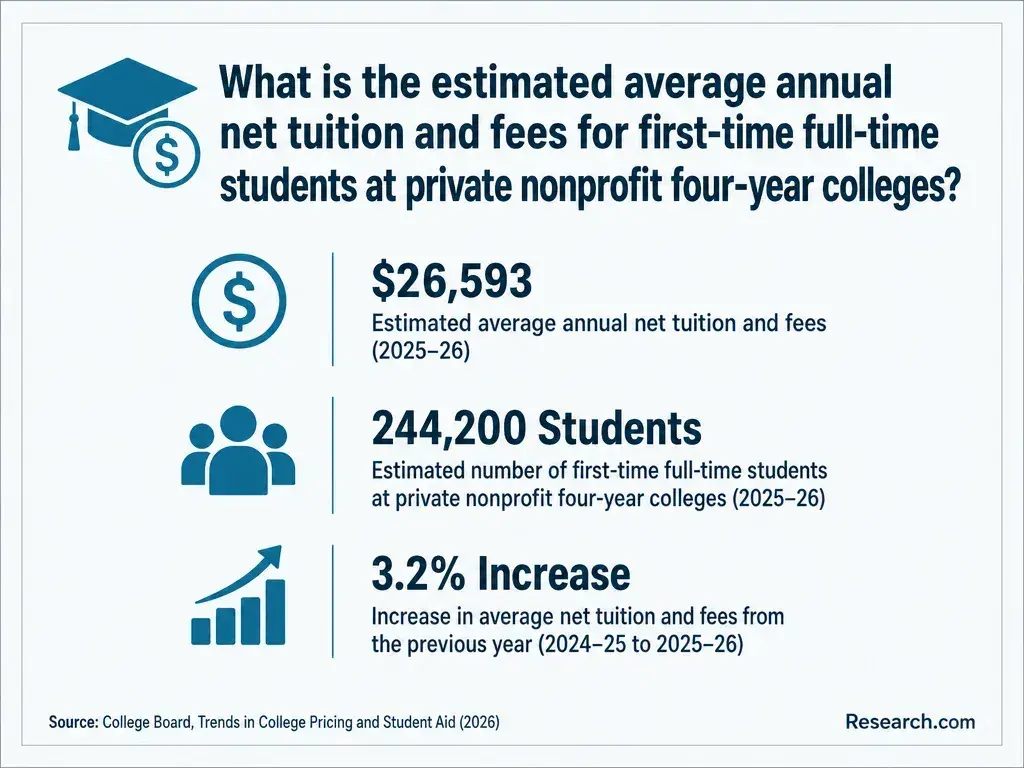
The US Bureau of Labor Statistics reports a May 2025 median annual wage of $75,940 for human resources specialists. That is an occupation-wide midpoint, not an expected starting salary for someone completing this degree. Use local job postings to check which specialist duties and experience requirements apply where you plan to work.
For a reader choosing between functions, the tasks matter more than the word "business" in the degree title. HR centers on employees and workplace practices; supply chain work centers on sourcing, inventory, and moving goods.
If the latter sounds more appealing, compare HR study with budget-friendly supply chain degrees with shorter schedules rather than assuming either focus leads to the same jobs.
Expect business foundations such as accounting, economics, statistics, management, and business communication alongside HR subjects. Depending on the catalog, HR courses may cover staffing, compensation and benefits, training, employee relations, employment law, and HR information systems.
Course titles alone reveal little about depth: compare assignments and prerequisites, especially whether students practice job analysis, interpret workplace data, or evaluate a training need.
For someone without HR experience, applied coursework is particularly valuable. A case analysis can show how you reason through a workplace issue, while a supervised internship can show how you perform actual tasks.
They are not equivalent. If your interest is organizing projects rather than supporting an HR function, examine whether accredited project management programs with low tuition offer a better curricular fit; verify both programs' required courses and total costs before switching paths.
A traditional bachelor's schedule is commonly planned around four years of full-time study, but your actual timeline depends on accepted credits, credits applied to requirements, course sequencing, and enrollment pace.
HR courses offered only in particular terms can delay completion even when you have enough total credits. A transfer adviser should show you an official degree audit, not merely a count of credits accepted.
Shorter formats do not eliminate coursework or guarantee an HR internship will fit your schedule. If speed is your overriding priority and you are still comparing business functions, look at supply chain undergraduate programs with shorter terms as a scheduling comparison, not as a substitute for HR preparation.
Ask each school for a term-by-term plan showing when its required courses are actually available.
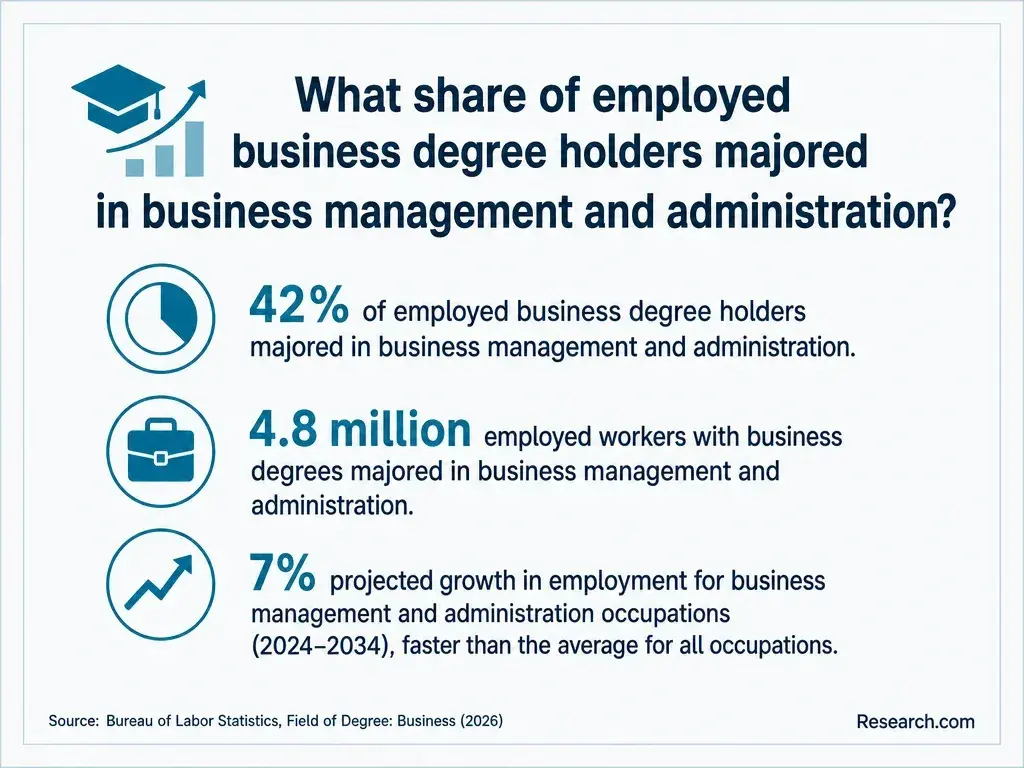
There is no reliable single price: schools charge by credit, course, or term, and the amount you pay depends on applicable transfer credit, fees, aid, and time enrolled.
Compare the cost to finish your specific degree plan, not just an advertised tuition rate. Include required software, books, any internship travel, and borrowing costs when relevant.
Request a written estimate of remaining courses and charges from each school. Then compare it with your aid offer and any employer reimbursement rules, including when reimbursement arrives.
To identify candidates for comparison, you can explore ways to reduce tuition costs for a business degree; confirm the current HR option and your personal net cost directly with each institution.
An online program can teach the same academic subjects, but delivery mode alone cannot establish learning quality or career access. For a student new to HR, the decisive differences may be feedback on workplace cases, access to faculty, internship assistance, and opportunities to practice professional communication.
Ask how online students complete any required internship and whether career services reach employers in your area.
Also verify live attendance, group-project deadlines, proctored exams, and required campus visits. "Online" does not necessarily mean self-paced.
If faster pacing appeals to you, compare online colleges with accelerated business programs against the time you can actually devote to study and experience-building. A faster degree with no practical HR exposure may be a poor trade for an inexperienced applicant.
Requirements vary by school and by whether you apply as a first-year, transfer, or returning student. A school may request prior academic transcripts and set GPA or prerequisite rules; entry to the institution may also differ from entry to its business major or HR concentration.
Prior HR employment is not normally an undergraduate admission prerequisite, but confirm the policy for the exact program.
If you have previous college study, send official transcripts and ask which courses satisfy the business core and HR requirements. Accepted elective credit may not replace a required accounting or statistics course.
Financial-aid applications are a separate process from admission: when comparing online business administration degrees accepting federal aid applications, confirm the school's aid eligibility and your own eligibility with its financial-aid office.
First, verify the institution's recognized accreditation and that the exact degree and HR focus are offered in the format you intend to use.
Institutional accreditation is distinct from business-school or programmatic accreditation, such as AACSB, ACBSP, or IACBE; check whether any claimed business accreditation actually covers the program. Accreditation is an important quality check, not evidence that graduates obtain HR jobs.
Next, compare the HR course sequence, applied-learning access, career support, and written completion plan. Ask where students without HR contacts find supervised experience and whether internship credit requires advance approval.
This scrutiny applies across business specialties: a listing of shorter study timelines for leadership bachelor's students may be useful for comparing schedules, but a leadership curriculum is not necessarily an HR curriculum. Choose the program whose verified requirements build evidence for your intended work.
What certifications and licenses do HR professionals need?
HR is not generally a profession requiring one universal license to enter. Employers may value voluntary credentials, but eligibility rules vary by certification and can depend on education, experience, or demonstrated knowledge.
Check the certifying organization's current rules before paying for an exam or assuming an HR concentration makes you eligible.
Keep academic and professional credentials separate: an HR-focused BS, an employer training certificate, and a professional HR certification represent different achievements. That distinction applies when comparing other business qualifications, too.
A guide to accelerated bachelor's study can help assess a faster degree route, but graduating sooner does not itself award a professional certification. If you lack direct HR experience, prioritize demonstrable workplace skills alongside any credential plan.
Other Things You Should Know About Business Administration
Possibly, but test your interest in the work itself. HR also involves records, policies, difficult conversations, and decisions that balance employee and organizational needs.
Yes. Communication, documentation, and conflict resolution can transfer. Describe specific tasks you performed, then identify the HR procedures you still need to learn.
It is usually a stronger academic signal of HR interest if the concentration has substantial required coursework. General business may fit better if you want to keep several functions open; compare the actual curricula and experience opportunities.
Read local entry-level HR postings, speak with someone doing the work, and seek an approved opportunity to observe or assist with onboarding, recruiting, or training. Use what you learn to evaluate course choices.
- Students & Recent Graduates | U.S. Office of Personnel Management https://www.opm.gov/policy-data-oversight/hiring-information/students-recent-graduates/
- Full article: Student employability-building activities: participation and contribution to graduate outcomes https://www.tandfonline.com/doi/full/10.1080/07294360.2024.2325154
- 5 ways to build your resume and gain career experience | Student Support & Advising Services https://www.colorado.edu/studentlife/blog/professional-experience-opportunities
- Business Management vs. Business Administration: Which Degree Is Right for You? | Cal Lutheran https://www.callutheran.edu/programs/articles/business-management-vs-business-administration/
- Human Resources Degrees: How a Bachelor's in Business Administration Can Help Launch Your HR Career | Purdue Global https://www.purdueglobal.edu/blog/business/human-resources-degrees-launch-hr-career/
- Management vs. Human Resource Management Degree | American Public University https://www.apu.apus.edu/area-of-study/business-and-management/resources/management-vs-human-resource-management-degree/
- Explore these 8 human resources certifications | Business | Capella University https://www.capella.edu/blog/business/human-resource-management-certifications-for-your-career/
- Business Administration vs. Management: Key Differences and Career Fit | post.edu https://post.edu/blog/business-administration-vs-management/
- Gaining Career Related Experience: Are You Internship Ready? | Career Exploration and Success https://careers.rutgers.edu/news/gaining-career-related-experience-are-you-internship-ready
- 25 Transferable Skills Employers Look For | Business Career Center https://careerconnections.smeal.psu.edu/blog/2022/10/28/25-transferable-skills-employers-look-for/