
2027 Easiest Online Colleges Programs Ranking in Arkansas

Co-Founder and Chief Data Scientist
Are you considering earning a degree without leaving Arkansas? This article introduces the 2027 Easiest Online Colleges Programs Ranking in Arkansas, created by the Research.com team of data scientists. It's designed to help you find degree programs that fit your lifestyle and goals.
By exploring this ranking, you'll discover accessible options that make pursuing higher education more manageable. Whether starting fresh or advancing your career, earning a degree can open new doors and boost your confidence. Let us guide you toward an informed choice for your future.
Key benefits of getting online degrees in Arkansas
- Graduates with an online bachelor's degree in Arkansas earn an average of $55,000 annually, while those with a master's degree can boost their salary to around $75,000, showing clear financial benefits at higher degree levels.
- A graduate from the University of Arkansas online nursing program often progresses to rewarding roles like a registered nurse or healthcare manager, enjoying stable and impactful careers.
- Students from Arkansas State University's online business degree highlight flexible schedules and lower costs compared to traditional degrees, making education more accessible without sacrificing quality.
- 2027 Easiest Online Colleges Programs Ranking in Arkansas
- What can I expect from online degrees in Arkansas?
- How much can I make with online degrees in Arkansas?
What can I expect from online degrees in Arkansas?
When you enroll in an online degree program in Arkansas, expect the same rigorous academic standards you'd find on campus, backed by respected institutions like the University of Arkansas System and Arkansas State University. Many graduates recall balancing work and family through flexible, asynchronous classes that fit their busy lives, proving that education can be tailored to your schedule without sacrificing quality.
Students often appreciate the affordability offered by Arkansas colleges, with reduced tuition rates and access to state scholarships making higher education achievable. Imagine logging into live lectures or engaging on discussion boards, connecting with faculty who are just as invested in your success as those teaching face-to-face. Career services remain a strong pillar, helping you land internships or jobs aligned with Arkansas' growing healthcare and tech sectors.
Ultimately, studying online in Arkansas means joining a supportive community that values your goals, giving you the tools to thrive academically and professionally from wherever you are.
How much can I make with online degrees in Arkansas?
Graduates holding online degrees from institutions like the University of Arkansas or Arkansas State University often see rewarding salary outcomes tailored to their fields. For instance, those with a bachelor's in business administration commonly earn around $68,000 annually, reflecting strong demand in Arkansas's business environment.
Many nursing graduates from online programs experience fulfilling careers with median salaries near $65,000, proving that healthcare remains a stable and vital sector. Technology degrees from Arkansas-based colleges can lead to even higher pay; computer science or cybersecurity graduates frequently start near $75,000, thanks to the state's growing tech industry.
If education is your passion, online teaching degrees typically begin around $52,000 at the bachelor level, with opportunities to increase earnings through advanced certifications or graduate degrees. Indeed, pursuing a master's degree online in fields such as business or health administration can elevate salaries past $85,000, showcasing the value Arkansas employers place on advanced skills and experience.
Graduates often share how their online journey balanced with local job market needs has unlocked career potential and financial growth in Arkansas.
- In-state tuition for public universities in Arkansas averages about $280 per credit hour, which is generally more affordable than the national average.
- Annual costs at public institutions for online degrees range from $8,500 to $10,000, lower than the national online tuition average of over $12,000.
- The average starting salary for graduates in Arkansas is around $40,000 per year, with higher salaries seen in healthcare and technology fields.
- Median annual income for degree holders reaches between $55,000 and $60,000 as careers progress.
- Key industries employing graduates include healthcare, education, manufacturing, and technology, with strong growth in nursing, IT, and business administration.
- Online degree programs in Arkansas are accredited, ensuring eligibility for federal financial aid and recognition by employers.
Completing an online degree in Arkansas typically depends on your program and how you choose to approach your studies. For example, many graduates from the University of Arkansas System have shared that full-time bachelor's programs commonly take around four years, mirroring traditional on-campus timelines. However, the flexibility of online learning allows you to speed up or slow down based on your life situations, such as balancing work or family commitments.
Associate degrees often require about two years if you study full-time at schools like Arkansas State University, though part-time students might find themselves extending to three years or more. Master's degrees vary widely; some students at Arkansas Tech University complete their programs in one to two years, especially when enrolled full-time, while others take advantage of accelerated courses to finish sooner.
You'll find that factors such as transferring previous credits or attending schools that offer year-round classes can shorten your time to graduation. Many graduates express pride in managing their own pace, balancing finances, and celebrating milestones-all while studying from home in Arkansas's supportive education environment.
Most online None degree programs in Arkansas feature a balanced mix of foundational, core, and elective courses designed to develop both technical expertise and soft skills. A typical curriculum structure includes: • Foundational Core – Introduction to Professional Communication: Builds writing, speaking, and virtual collaboration skills. – Principles of Critical Thinking: Teaches analytical frameworks for problem-solving in business and technology contexts. • Core Specialization Courses – Project Management Fundamentals: Covers scheduling, budgeting, and stakeholder engagement using industry-standard tools. – Data Analytics and Reporting: Focuses on data collection, visualization, and decision-making insights with platforms like Tableau or Power BI. • Applied Electives – Digital Marketing Strategies: Explores SEO, social media campaigns, and performance metrics. – Organizational Behavior and Leadership: Delves into team dynamics, conflict resolution, and change management in virtual settings. • Capstone Project or Internship – Virtual Capstone Seminar: Integrates theory and practice through a real-world project guided by faculty mentors. – Optional Internship Placement: Provides hands-on experience with Arkansas businesses or nonprofit organizations, enhancing your resume and professional network. • Professional Development Workshops – Career Readiness Bootcamp: Offers resume writing, interview preparation, and LinkedIn optimization sessions. – Tech Lab Sessions: Interactive tutorials on emerging tools such as cloud collaboration suites and agile project boards. By aligning course sequences with market demands, these programs ensure graduates can immediately contribute to roles in management, marketing, IT support, or operations. For students balancing budget considerations, our analysis of cost-effective programs can be invaluable-explore the Inexpensive Online Colleges Programs Ranking in Livonia, MI to compare affordable pathways alongside Arkansas offerings.
The key difference between online and on-campus degrees in Arkansas boils down to flexibility and learning environment. Imagine a busy nurse at the University of Arkansas for Medical Sciences balancing work and family-online courses let her study whenever she finds a quiet moment, unlike on-campus students who attend scheduled classes in Fayetteville. This freedom helps many Arkansans pursue their education without relocating or sacrificing their responsibilities.
Graduates from Arkansas State University often recall the benefits of face-to-face interactions on campus, where real-time discussions and access to labs amplify their learning experience. Still, those who chose online tracks commend the ability to dive into coursework on their own terms, especially when juggling jobs or childcare.
Financially, tuition at public universities in Arkansas remains similar whether studying online or on campus. However, online students save on commuting, housing, and campus fees, easing financial stress. Both degree types hold equal weight with employers, so your choice depends on what learning style fuels your success and fits your life best.
Consider the following factors that contribute to a program’s accessibility:
- Lower GPA or test score requirements
- Minimal prerequisites and credit-hour demands
- Asynchronous, self-paced course formats
- Rolling admissions and shorter application processes
- Streamlined core curriculum with focused assignments
For budget-friendly options with flexible admissions, explore these online colleges.
The average cost of an online degree in Arkansas offers a welcoming opportunity for many who seek higher education without overwhelming financial burdens. For in-state students at well-regarded institutions like the University of Arkansas or Arkansas State University, the median total cost generally sits around $19,614. This affordability compared to national averages encourages graduates to take pride in earning a valuable credential while managing expenses wisely.
Out-of-state students often face higher tuition fees, with the median total cost near $21,900, but many find that the quality of education and flexibility still provide great value. Graduates from Arkansas universities frequently share how affordable tuition and efficient program lengths have allowed them to balance work, family, and education with confidence.
Many students choose online degrees in Arkansas because of the practical savings and accessibility. However, it is essential to consider additional expenses like textbooks and technology fees, which can influence the overall investment. Exploring options such as scholarships or employer tuition reimbursement can make pursuing an online degree even more achievable.
When planning your path, reflecting on real success stories from Arkansas online graduates yields motivation. Their journeys show how managing the Arkansas online college tuition and fees, alongside personal circumstances, builds a strong foundation for future career growth. For those evaluating costs in detail, examining online associate degree cost may present even more economical entry points into higher education.
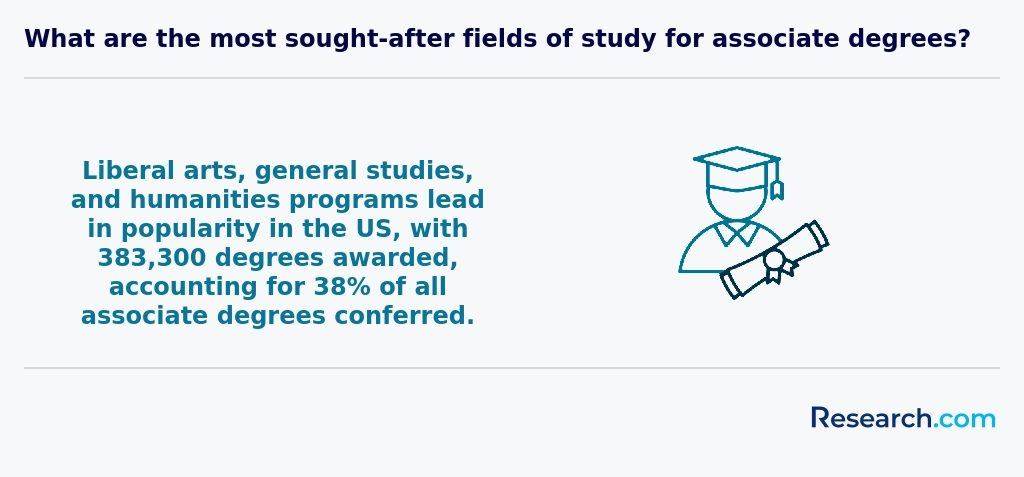
Many students find certain online majors in Arkansas both manageable and aligned with career goals. Below are some of the easiest specializations to consider:
- Liberal Arts: broad survey courses and general education focus
- Business Administration: applied projects and clear, practical concepts
- Psychology: introductory overviews with real-world case studies
- Criminal Justice: structured modules on policy and procedure
- General Studies: customizable curriculum based on your strengths
For guidance on balancing cost and quality, explore our affordable online bachelor's degree guide.
If you're pursuing an online degree in Arkansas, there are many financial aid options designed to lighten your load and keep you focused on your goals. For instance, graduates from the University of Arkansas system often recount how FAFSA helped unlock grants and loans that made balancing work and study manageable. The Pell Grant is especially powerful-offering up to $7,395 annually without repayment-that kind of support can turn dreams into degrees.
The state is equally committed, with scholarships like the Arkansas Academic Challenge Scholarship rewarding strong academic performance with up to $4,000 per year. For adults returning to school online, the Arkansas Non-Traditional Scholarship can cover up to $2,000 annually, a true boost when juggling family and coursework.
Many Arkansas colleges also provide merit and need-based scholarships tailored for online students, including tuition waivers. Veterans often share how VA benefits, like the GI Bill®, made accessing tuition seamless. Remember, checking with your school's financial aid office can uncover personalized aid opportunities that those graduates eagerly recommend exploring.
One of the most crucial aspects of choosing the right online college program is understanding the diverse career paths it can open. In Arkansas, graduates of online programs have built flourishing careers in digital marketing, business administration, healthcare management, IT, and beyond. These programs are designed to equip students with versatile skills that cater to evolving industry demands, enabling seamless transitions into roles ranging from entry-level positions to strategic leadership. Many institutions offer robust career services, comprehensive internship programs, and active alumni networks that provide real-time support in job placement. For example, graduates have reported that networking events and career fairs organized by their schools played a pivotal role in securing positions in competitive markets. Additionally, career counseling services help students explore industry-specific certifications and professional pathways that align with their long-term goals. For those weighing the financial investment in their education, considering the online associate degree cost alongside potential career returns is essential. This careful evaluation ensures that students not only pursue programs that match their learning style and interests but also set a clear roadmap toward a rewarding professional journey. By focusing on personalized career guidance and leveraging industry connections, online college programs in Arkansas empower students to confidently transition from academic success to professional achievement, ensuring a secure and prosperous future in today's dynamic job market.
If you're aiming to enroll in an online degree program in Arkansas, the journey begins with a few key prerequisites that alumni from universities like the University of Arkansas or Arkansas State University found straightforward yet essential. First, having a high school diploma or GED is non-negotiable-it's the foundation that opens doors to college-level success.
Many graduates recall that submitting official transcripts was a step they couldn't overlook, helping admissions verify their academic background. For bachelor's programs, some schools may ask for SAT or ACT scores, though an increasing number follow test-optional policies, reducing stress for applicants.
Graduate programs demand a bit more: a completed undergraduate degree, usually with a minimum GPA around 3.0. Several past students embraced the challenge of crafting personal statements, which gave them the chance to showcase their passion and readiness for advanced study.
Financial planning is vital since Arkansas public universities average around $8,132 per year for tuition, a price that made higher education feel within reach for many. Ensuring you have reliable internet and access to a computer is another practical step-essential for engaging fully with online classes and assignments.
- High school diploma or equivalent
- Standardized test scores if required
- Official transcripts submission
- A bachelor's degree and minimum GPA for graduate programs
- Personal statements or essays for some applications
- Ability to finance tuition and associated costs
- Access to appropriate technology and internet connection
When you enroll in an online None degree program in Arkansas, you’ll progress through a structured curriculum designed to build both foundational knowledge and specialized expertise. Core courses often align with industry demands and may include: • Introduction to Project Management (3 credits): Covers process groups, project lifecycle, and risk assessment techniques. • Data Analysis and Reporting (3 credits): Teaches Excel, SQL fundamentals, and data visualization best practices. • Digital Marketing Strategies (3 credits): Explores SEO, social media campaigns, and analytics tools. • Leadership and Ethics in Business (3 credits): Examines organizational behavior, ethical frameworks, and change management. Beyond these core requirements, most programs allow you to select 2–3 electives (3 credits each) that reflect your career ambitions-examples include Agile Methodologies, Advanced Spreadsheet Modeling, or Customer Relationship Management. In your final semester, you’ll typically complete a capstone project (3–6 credits) that integrates learned concepts into a real-world scenario, such as developing a marketing plan for a local nonprofit or designing a process-improvement proposal for a regional firm. Course delivery follows an 8–12 week module format, blending asynchronous lectures with live discussion sessions. Assignments often involve case studies, group collaborations, and reflective journals, ensuring you graduate with both theoretical understanding and hands-on practice. For students evaluating program costs alongside curriculum rigor, it’s worth exploring affordable online universities that offer comparable coursework without compromising quality. This transparent overview of typical courses will help you align your academic pathway with professional goals and personal commitments.
When you embark on online degree programs in Arkansas, you can expect a thoughtfully designed curriculum that begins with foundational courses essential for academic success. Graduates from popular institutions like the University of Arkansas System frequently recall starting with classes such as English composition, college algebra, and introduction to psychology. These core courses are crafted to sharpen your critical thinking and communication skills, setting a strong base for any pathway you choose.
As you progress in Arkansas distance learning degree programs, coursework becomes more focused on your chosen field. For example, business students often dive into management principles and marketing, while education majors explore curriculum development and educational psychology. Nursing degrees balance theory with practical skills like patient care, sometimes involving local clinical experiences that connect learners to their communities.
Many students appreciate the flexibility of online college courses in Arkansas, where electives and capstone projects enable them to tailor their education to personal ambitions. If budget is a concern, exploring options at affordable online universities in Arkansas can provide quality learning without financial stress.
When choosing the best affordable online degrees in Arkansas, focus first on accreditation. Graduates from universities like the University of Arkansas at Little Rock share how attending a regionally accredited school gave them confidence their credits would transfer smoothly and their degrees held real value. Programs with the Higher Learning Commission (HLC) seal ensure quality education recognized nationwide.
Flexibility matters deeply, especially if you juggle work and family. Arkansas State University alumni often praise the asynchronous courses that let them study evenings or weekends, fitting education into busy lives. These top accredited online colleges Arkansas offer a balance of self-paced learning with live sessions to connect with professors and peers, creating a supportive atmosphere without sacrificing personal schedules.
Cost is another key factor. Students find that understanding tuition ranges, roughly between $7,500 and $13,000 annually, helps them plan better. Many discover financial aid or scholarships tailored for online learners. For those seeking budget-friendly options, exploring rankings like the Inexpensive Online Colleges Programs Ranking in Livonia, MI is a helpful step toward smart investments in education.

Graduates with online degrees from universities like the University of Arkansas or Arkansas State University find diverse career paths waiting for them. Many have stepped into healthcare roles such as registered nurses and health services managers, thriving in hospitals and community clinics that urgently need skilled professionals. Others have used their business degrees to enter Arkansas's vibrant corporate world, joining companies such as Walmart or local startups where their management and marketing skills fuel growth and innovation.
Those pursuing education degrees online often advance to teaching positions or leadership roles in schools throughout the state, addressing critical teacher shortages with confidence. And as digital infrastructure expands in Arkansas, graduates with degrees in IT fields like cybersecurity or software development enjoy strong job prospects aligned with both private firms and government initiatives. These examples embody real success stories and demonstrate promising Arkansas job prospects for online graduates ready to shape the future.
If you're exploring options beyond traditional degrees, consider certifications that pay well as a practical step toward rewarding careers that complement your online degree career opportunities in Arkansas.
The job market for online general degree graduates in Arkansas is steadily growing, offering real promise for those ready to take advantage. Graduates from local institutions like the University of Arkansas at Little Rock and Arkansas State University share stories of landing meaningful roles in thriving sectors such as healthcare, business, and technology right here in the state. Thanks to strong regional recognition of online degrees, employers increasingly value practical skills combined with local internships or experience.
Arkansas's stable unemployment rate near 3.5% reflects a balanced market where opportunity meets preparation. For example, nursing graduates benefit from a projected 15% job growth by 2030, while tech graduates find openings growing at 10% annually. Those with business degrees often connect with major Arkansas companies such as Walmart or Tyson Foods, which actively recruit nearby talent. If you want guidance on choosing your path, exploring options like the easiest master degree online can be a helpful start to navigating career possibilities and boosting your confidence in this job outlook for online graduates in Arkansas.
2027 Easiest Online Colleges Programs Ranking in Arkansas
Investing in your education is a significant decision that can shape your future, and the Research.com team understands the importance of making informed choices. To assist prospective students in Arkansas, we have meticulously crafted the "2027 Easiest Online Colleges Programs Ranking in Arkansas." Our commitment to quality, credibility, and accuracy is reflected in the extensive research and analysis conducted to compile this ranking.
We utilized the following reputable data sources to ensure a comprehensive evaluation of online college programs:
By exploring this ranking, readers will gain valuable insights into the easiest online college programs available in Arkansas, enabling them to make well-informed decisions about their educational journeys. For more details on our methodology, please visit our Research.com methodology page.
# 1 position
University of Arkansas at Little Rock
Master of Gifted, Creative, and Talented Education



Frequently Asked Questions
Students in Arkansas can maximize their online learning experience by actively engaging with course materials and instructors. Regular communication through discussion boards and virtual office hours helps clarify difficult concepts. Utilizing resources provided by Arkansas institutions, such as tech support and academic advising, ensures smoother progress.
Time management is essential. Creating a study schedule and setting clear goals prevents falling behind, a challenge noted by nearly 60% of online learners nationwide (NCES, 2023). Arkansas students should also explore local study groups or online forums to build community and accountability.
Finally, taking advantage of internship opportunities linked to Arkansas universities can provide practical experience, strengthening career readiness while completing online degrees.
Preparing for the job market after earning an online degree in Arkansas involves several strategic steps. Graduates should start by leveraging career services offered by their institutions, which often provide resume reviews, interview practice, and job listings tailored to Arkansas employers.
The Arkansas Department of Workforce Services reports that health care, manufacturing, and education remain top employment sectors, making relevant internships and certifications valuable. Building a professional network through local events or online platforms like LinkedIn also helps graduates connect with potential employers.
Finally, staying informed about regional labor market trends via the Arkansas Economic Development Commission can guide career choices and job applications effectively.
Employers in Arkansas increasingly prioritize a blend of technical and soft skills in graduates. According to the Arkansas Department of Workforce Services, critical thinking, communication, and teamwork rank among the top competencies sought. These skills help graduates adapt to various industries, including manufacturing, healthcare, and technology, which dominate the state's economy.
Technical skills like data analysis, computer literacy, and proficiency in industry-specific software continue to grow in demand. For example, job postings in Arkansas show a rising request for skills in Microsoft Office Suite and basic coding knowledge. Such skills complement the practical experience many online degree programs provide.
Employers also value problem-solving abilities and adaptability, reflecting a changing job market shaped by technology and global trends. Demonstrating leadership and time management can boost a graduate's competitiveness in Arkansas's evolving workforce.
Finding internships in Arkansas requires a strategic approach, especially for students pursuing online degrees. Start by exploring career services offered by your college, as many Arkansas institutions, including the University of Arkansas System, provide dedicated internship resources. Networking is essential; connect with local professional groups and use platforms like Arkansas Workforce Services, which reports thousands of internship opportunities annually. Consider industries prominent in Arkansas, such as agriculture, manufacturing, and healthcare, which often offer internships tailored to students. Additionally, check listings on Arkansas-based job portals and LinkedIn for remote and local internships. Early application and proactive communication increase your chances of success.
In Arkansas, earning an online degree significantly enhances career mobility and advancement opportunities. According to the Arkansas Department of Workforce Services, individuals with at least a bachelor's degree tend to have lower unemployment rates and higher salary potential compared to those with only a high school diploma.
Online degrees offer the flexibility to balance work and education, allowing professionals to gain credentials without interrupting their careers. This flexibility is crucial in Arkansas, where approximately 37% of adults hold an associate degree or higher, per U.S. Census Bureau data.
Employers in Arkansas increasingly value online degrees from accredited institutions as valid indicators of skills and knowledge, especially in growing sectors like healthcare and technology.
Access to online education also supports upskilling, making it easier for workers to qualify for promotions or switch to higher-paying roles in local industries.
When choosing between a thesis and a non-thesis online degree program in Arkansas, students should consider their career goals and learning preferences. Thesis programs typically involve original research and are ideal for those planning to pursue doctoral studies or research-oriented careers.
Non-thesis programs focus more on coursework and practical knowledge, offering flexibility for working professionals or those seeking immediate entry into the workforce. According to the Arkansas Department of Higher Education, over 60% of graduate students in the state opt for non-thesis options due to the shorter completion time.
Cost and time commitment also vary; thesis programs often require more time and resources. Consider your academic strengths, career plans, and available support when deciding.
Students based in Arkansas seeking to study abroad while pursuing online degrees have several opportunities through their home institutions. Many Arkansas universities, such as the University of Arkansas system, offer exchange programs and international partnerships that allow students to spend a semester or summer abroad. These options often integrate smoothly with online coursework, providing flexibility.
Arkansas students also have access to virtual study abroad programs, which have grown since the COVID-19 pandemic. These involve remote international collaboration and cultural immersion without leaving the U.S. According to the Institute of International Education (2023), Arkansas had a modest but steady increase in outbound exchange students, indicating growing interest in international experiences.
Financial aid and scholarships specific to Arkansas residents can sometimes be applied toward study abroad. Organizations like Arkansas' Department of Higher Education provide resources for students to explore funding options. Overall, combining online programs with study abroad experiences is increasingly achievable for Arkansas students.
Part-time job opportunities in Arkansas can effectively complement your online degree education by providing relevant experience and financial support. Fields like healthcare, education, and technology are growing rapidly in the state. For example, healthcare support roles, such as medical assistants or pharmacy technicians, are common and align well with health-related degrees.
Retail and customer service positions also offer flexible hours and practical experience, especially for business or communications students. According to the Arkansas Department of Workforce Services, jobs in education support and IT are projected to grow by over 10% through 2030.
Exploring internships or assistant roles with local government or nonprofits can deepen your practical knowledge while studying.
Online students in Arkansas have growing access to valuable networking opportunities that support academic and professional growth. Universities such as the University of Arkansas and Arkansas State University offer virtual career fairs, webinars, and alumni networking events tailored to online learners. These platforms connect students with industry professionals statewide.
Additionally, statewide organizations like the Arkansas Department of Workforce Services provide online job boards and networking workshops, enhancing career prospects. According to Arkansas Higher Education Coordinating Board data, about 40% of online students participate in at least one virtual networking event, demonstrating growing engagement.
Local professional groups and LinkedIn communities specific to Arkansas industries also serve as practical networking tools for students seeking connections within the state.
Alumni networks provide valuable support for online degree students in Arkansas by creating connections that extend beyond virtual classrooms. Graduates of Arkansas universities often remain engaged through organized chapters, local meetups, and online platforms, offering mentorship and career advice.
These networks can facilitate job placements and internships, with institutions like the University of Arkansas reporting that over 60% of students found job leads through alumni interactions (Arkansas Department of Higher Education, 2023).
Additionally, alumni commonly share resources such as workshops and networking events specifically tailored to Arkansas industries, helping students gain relevant statewide insights and contacts.
Customizing an online degree program in Arkansas begins with selecting a school that offers flexible course options aligned with your career goals. Many Arkansas institutions allow students to choose electives or concentrations within their degree to develop specific skills. For example, the University of Arkansas system provides various specializations in fields like business, education, and health professions, enabling tailored learning paths.
Advisors play a critical role in helping students design their curriculum to meet industry demands. They often assist in integrating internships or project-based courses that enhance real-world experience. According to the Arkansas Department of Higher Education, nearly 65% of Arkansas online students utilize counseling services to align their studies with career objectives.
Additionally, some programs recognize prior work experience and offer credit for certifications, reducing time and cost. Ensuring your chosen program is accredited and designed for flexibility can maximize both learning and career advancement opportunities.
Online students in Arkansas often face challenges related to internet accessibility. Although most areas have broadband, rural regions still report slower connections, affecting video lectures and real-time interactions. According to the Arkansas Broadband Advisory Council, about 20% of rural residents lack reliable high-speed internet.
Another issue is balancing online coursework with work and family obligations, a concern for many adult learners in the state. Time management becomes critical when students juggle multiple responsibilities alongside their studies.
Students also report a lack of personalized support compared to traditional on-campus programs. Navigating academic advising and technical assistance remotely can delay problem-solving and affect retention.
Finally, limited hands-on experiences in certain programs can hinder skill development vital for Arkansas's job market, requiring students to seek additional resources outside their online courses.
Writing a winning application for a college or university program in Arkansas begins with thoroughly researching the specific school's requirements. Many Arkansas institutions, such as the University of Arkansas at Little Rock, emphasize a clear personal statement outlining your goals and how the program aligns with them. Be concise and honest to make a strong impression.
Highlight relevant experience, especially online coursework or professional skills, as Arkansas employers value practical knowledge. According to Arkansas Department of Education data, 47% of adult learners in the state pursue online degrees, so emphasizing digital readiness is beneficial.
Finally, proofread carefully and meet all deadlines, as Arkansas schools have strict cutoff dates. Attach all necessary documents, such as transcripts and letters of recommendation, to avoid delays in processing.
Students pursuing online degrees in Arkansas can gain practical experience through several avenues. Many Arkansas universities and colleges offer remote internships and cooperative education programs that connect students with local businesses. The Arkansas Department of Workforce Services reports partnerships between schools and employers to support such initiatives.
Another option is participating in service-learning projects facilitated virtually, allowing students to apply skills in real community settings. Additionally, Arkansas students may engage in virtual simulations and labs, especially in fields like healthcare and technology, to build hands-on skills.
Networking through university career centers and professional organizations in Arkansas also helps students find practical opportunities while studying online.
Choosing the right concentration within an online degree program in Arkansas involves evaluating your career goals and the state's job market. Arkansas offers diverse options including education, business, healthcare, and technology, reflecting regional industry demands.
Reviewing data from the Arkansas Department of Workforce Services can help identify sectors with high employment growth, such as healthcare and advanced manufacturing. Selecting a concentration aligned with these fields may increase job prospects after graduation.
Consider program accreditation to ensure quality education and transferability of credits. Many Arkansas online programs are accredited by recognized agencies, which is crucial for licensure and employment.
Finally, reflect on your personal interests, skills, and long-term goals to choose a concentration that motivates and fits your lifestyle.
- 2027 Easiest Online Colleges Programs Ranking in Missouri
- 2027 Easiest Online Colleges Programs Ranking in Oklahoma
- 2027 Easiest Online Colleges Programs Ranking in Mississippi
- 2027 Easiest Online Colleges Programs Ranking in Louisiana
- 2027 Easiest Online Colleges Programs Ranking in Kentucky
- 2027 Easiest Online Colleges Programs Ranking in Kansas
- 2027 Easiest Online Colleges Programs Ranking in Ohio
- 2027 Easiest Online Colleges Programs Ranking in Nebraska
- 2027 Easiest Online Colleges Programs Ranking in West Virginia
- 2027 Easiest Online Colleges Programs Ranking in Wisconsin
- Online Degree vs. Traditional: Choosing the Right Path https://beal.edu/online-degree-vs-traditional/
- The challenges of ‘constantly changing’ higher education in Arkansas - Talk Business & Politics https://talkbusiness.net/2018/07/the-challenges-of-constantly-changing-higher-education-in-arkansas/
- What Is a Focus of Study? | ACE Blog https://ace.edu/blog/what-is-a-focus-of-study/
- Family & Community Engagement Resources | AR State Personnel Development Grant https://arspdg.org/parents-family/
- Navigating the College Application Process for Southern Arkansas University: A Step-by-Step Guide - Rephrasely Blog https://rephrasely.com/blog/navigating-the-college-application-process-for-southern-arkansas-university-a-step-by-step-guide-in-2024
- The eight graduate skills employers want https://www.unitemps.com/career-advice/the-eight-graduate-skills-employers-want/
- Top 15 Skills Employers Look for in College Graduates https://www.vupune.ac.in/blog/top-15-skills-employers-look-for-in-college-graduates
- Virtual Career Center | WorkforceAR https://www.workforcear.com/virtualcareercenter
- Home Page https://www.arkansasalumni.org/
- Students: This is How You Should Prepare for the Job Market https://www.agencycentral.co.uk/articles/students-this-is-how-you-should-prepare-for-the-job-market/


