
2027 Easiest Online Colleges Programs Ranking in West Virginia

Co-Founder and Chief Data Scientist
Choosing the right online college program can feel overwhelming, especially in West Virginia's evolving education landscape. To guide you through this important decision, this article presents the 2027 Easiest Online Colleges Programs Ranking in West Virginia, crafted by the Research.com team of data scientists.
This ranking highlights degree programs that combine quality with accessibility, helping you find options that fit your lifestyle and goals. Whether starting fresh or advancing your career, reading this can empower you to make informed choices and take confident steps toward earning a valuable degree.
Key benefits of getting online degrees in West Virginia
- Graduates in West Virginia with a bachelor's degree earn a median annual salary of about $55,000, while those with a master's can expect around $70,000, showing higher degrees often bring better pay.
- A West Virginia University online business graduate can pursue roles in management or marketing, gaining flexible skills that local employers highly value for growing career opportunities.
- An online nursing degree from Marshall University allowed a graduate to balance work and study, leading to a rewarding career with hands-on experience and the convenience of remote learning.
- 2027 Easiest Online Colleges Programs Ranking in West Virginia
- What can I expect from online degrees in West Virginia?
- How much can I make with online degrees in West Virginia?
What can I expect from online degrees in West Virginia?
When enrolling in an online degree program in West Virginia, you can expect a flexible schedule that fits around your work and family life. Many graduates from West Virginia University appreciate the ability to access interactive lectures and coursework anytime, making it easier to balance education with other responsibilities. Community colleges like BridgeValley and Blue Ridge offer fully online associate degrees that connect directly to local job markets, especially in healthcare and IT, which many students find practical and immediately rewarding.
Expect strong support services, including virtual tutoring and academic advising, which graduates highlight as crucial for staying motivated and succeeding without on-campus distractions. Many online learners appreciate the consistent quality ensured by regional accreditation through the Higher Learning Commission, meaning credits earned in West Virginia are widely accepted if you decide to continue your education or switch institutions.
Finally, online tuition often aligns with affordable in-state rates-around $9,400 annually at public universities-allowing students to pursue degrees without excessive debt. This combination of affordability, quality, and convenience makes West Virginia's online programs attractive and accessible for many working adults and recent high school graduates alike.
How much can I make with online degrees in West Virginia?
If you earn an online bachelor's degree in West Virginia from popular schools like West Virginia University or Marshall University, you can expect a median annual income between $50,000 and $55,000. Graduates often share how this increase compared to a high school diploma, which typically leads to earnings around $30,000 to $35,000 annually, has made a real difference in managing living expenses and saving for the future.
Fields such as healthcare and technology offer especially strong salary prospects. For instance, online nursing graduates often report salaries near $60,000, while those completing IT programs may start closer to $65,000. These numbers reflect data from BLS and align with graduates' experiences from West Virginia's online programs, where flexible study options allow students to work and gain real-world skills simultaneously.
Graduates pursuing managerial roles or business analytics degrees, often from institutions like Fairmont State University, find potential salaries ranging from $70,000 to $80,000 as they combine education with on-the-job experience. Overall, these earnings improve steadily and make online degrees in West Virginia a practical investment in your career.
- In-state tuition for online bachelor's degrees in West Virginia ranges from $7,000 to $9,000 per year.
- Graduates with online degrees start with average salaries between $40,000 and $45,000, increasing to around $55,000 over time.
- Key industries with job demand include healthcare, information technology, education, and energy.
- West Virginia offers flexible online programs with academic advising, career services, and technical support for students.
- Online degrees from regionally accredited institutions ensure credit transferability and financial aid eligibility.
Completing an online degree in West Virginia varies mostly by the program and your study pace. For example, graduates from West Virginia University often finish associate degrees in about two years if studying full-time, completing roughly 60 credit hours. Taking accelerated courses or extra credits each term can shorten this timeline.
Bachelor's degrees, like those offered online by Marshall University, generally require around 120 credit hours and typically take four years full-time. However, many online students balance work and family, so they choose part-time options or use credit-by-exam programs to trim the duration. These options offer flexible schedules that fit around busy lives.
Graduate degrees at institutions such as Fairmont State University usually span one to two years for full-time students, covering 30-60 credit hours. Online master's students appreciate the ability to extend their studies across several years, managing jobs and personal commitments without stress.
Practical factors affecting how long your degree takes include full- or part-time enrollment, transfer credits from previous colleges, and available accelerated courses. Many West Virginia students find a balance that lets them progress steadily and confidently.
Understanding what you'll study is essential to making an informed decision about your online education in West Virginia. In this section, we break down the typical courses and curriculum structure offered by many programs to help you know what to expect. Most online programs cover core subjects such as academic writing, critical thinking, research methods, and specialized electives tailored to your field of interest. For example, a typical course load might include introductory courses on industry fundamentals, followed by advanced seminars that integrate real-world projects, case studies, and interactive discussions with seasoned professionals. This clear curricular roadmap not only provides insight into the academic journey but also helps you gauge how well the program aligns with your career aspirations. Prospective students can compare detailed curriculum outlines and even explore options for cross-disciplinary studies. For a broader look at practical and cost-effective study options, you might also find our discussion on the most affordable online general programs in west virginia very helpful. By understanding the structure and typical course offerings, you can better prepare for the learning experience and set realistic goals for your academic and professional future. This section aims to demystify the educational process, ensuring you have a comprehensive view of how coursework is designed to equip you with the skills and knowledge needed in today’s competitive job market.
In West Virginia, choosing between online and on-campus degrees mainly comes down to how you want to structure your education. For example, a graduate from West Virginia University might recall the daily routine of walking through Morgantown's campus to attend lectures. In contrast, a graduate from Marshall University appreciated the freedom of accessing coursework anytime online, balancing studies around a full-time job and family. This flexibility is the biggest difference: on-campus programs require physical presence for classes, while online degrees let you study asynchronously, which fits well if you have unpredictable schedules.
Cost also plays a role. While tuition fees hover around $8,800 yearly at public colleges, online students save on commuting and housing, which can ease financial pressures. However, online learners must ensure they have reliable internet and a quiet workspace, something some graduates found challenging initially.
Both formats in West Virginia offer accredited programs with equal academic rigor, so consider your learning style and how much interaction you want with professors and classmates when deciding.
The average cost of an online degree in West Virginia varies but typically centers around a median total cost of about $24,618. For in-state students, the price tends to be somewhat lower, averaging near $26,064, while out-of-state learners often face costs closer to $37,920. These figures reflect tuition and fees without factoring in financial aid or scholarships, making it important to consider all options early in your planning.
Many graduates from popular West Virginia universities, such as those offering flexible online programs well-suited for working adults, report being pleasantly surprised by how manageable the overall expenses were. Community colleges in the state provide particularly affordable options, often serving as gateways to higher degrees while keeping the average cost of online degree programs in West Virginia within reach for budget-conscious students.
When budgeting, remember to include typical additional costs like technology fees and course materials, which can add several hundred to a few thousand dollars annually. To ease financial burdens, take advantage of West Virginia-specific scholarships and grants designed for residents, which can substantially reduce your net tuition. You can explore more about the most affordable online general programs in west virginia through resources such as most affordable online general programs in west virginia that provide updated tuition comparisons and student experiences.
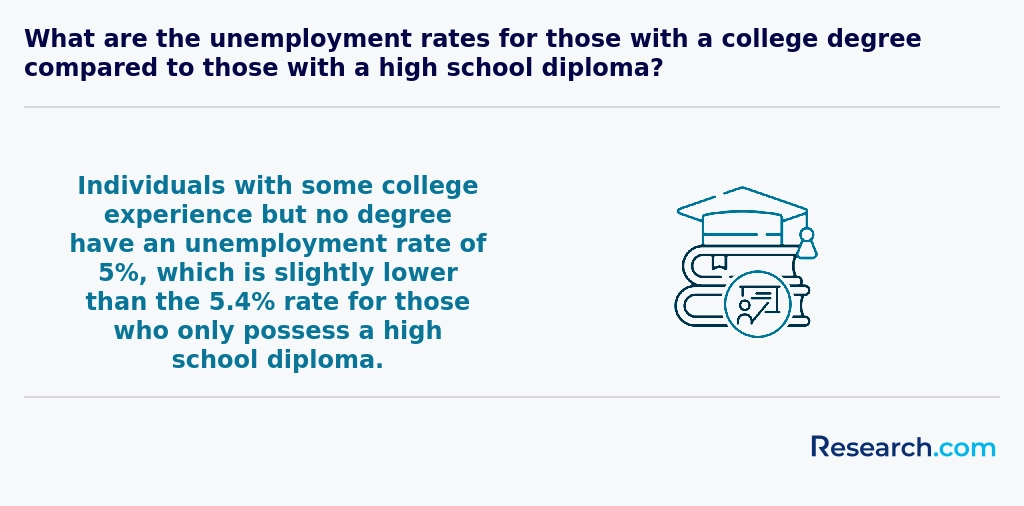
Accreditation verifies the academic quality and rigor of online college programs in West Virginia. All institutions featured in this ranking are regionally accredited by the Higher Learning Commission (HLC), the primary accreditor for postsecondary education in the state. Regional accreditation ensures that:
- Curriculum meets national standards for content and delivery
- Faculty credentials and teaching methods align with best practices
- Credit transfers and degree recognition are widely accepted Beyond institutional accreditation, many programs hold specialized accreditation from bodies such as ABET (engineering), CACREP (counseling), and CAEP (education). Specialized accreditation demonstrates that a program’s curriculum and outcomes have been evaluated by industry experts and comply with professional benchmarks. Prospective students should verify program accreditation on each institution’s website and through the U.S. Department of Education’s Database of Accredited Postsecondary Institutions and Programs. Comparing accreditation status can also help you explore cost-effective alternatives; for example, see our Inexpensive Online Colleges Programs Ranking in Valdosta, GA to gauge how accreditation and affordability intersect across different regions. Prioritizing accredited programs protects your investment and ensures eligibility for federal financial aid, credit transfers, and licensure in regulated professions. Always confirm that your chosen program maintains active accreditation to safeguard your academic and career goals.
When pursuing an online degree in West Virginia, start by applying for federal aid through the FAFSA, which unlocks key support like the Pell Grant. Many students at popular schools such as West Virginia University or Fairmont State University highlight how the Pell Grant, with awards up to $7,395, helped them afford tuition without the stress of hefty debt. This grant is essential because it doesn't require repayment, easing financial pressure during your studies.
Next, look into state-specific aid like the West Virginia Higher Education Grant Program. Graduates from local online programs often share how these need-based grants reduced their annual costs by several thousand dollars. If you graduated from a West Virginia high school with strong grades and test scores, the PROMISE Scholarship might also be available, providing merit-based funding even for some online students.
Don't forget to check institutional scholarships at colleges like Concord University; many offer aid specifically for distance learners. Finally, if further funding is needed, federal student loans with favorable terms, such as the Direct Subsidized Loan, are a practical choice to cover remaining expenses.
Choosing an accredited online program ensures that your education meets rigorous quality standards and is recognized by employers, licensure boards, and other institutions. In West Virginia, reputable accreditation comes from both regional and programmatic bodies: • Regional Accreditation: The Higher Learning Commission (HLC) oversees most four-year universities in West Virginia, including West Virginia University and Marshall University. • Programmatic Accreditation: Specialized accrediting agencies-such as the Accreditation Board for Engineering and Technology (ABET) or the Council for Accreditation of Counseling and Related Educational Programs (CACREP)-validate specific majors. • State Authorization: Verify that an institution is approved by the West Virginia Council for Community and Technical College Education or West Virginia Higher Education Policy Commission to deliver distance education in your state. Key benefits of attending an accredited online college in West Virginia include:
- Credit Transferability: Accredited credits are more likely to transfer if you change programs or advance to a graduate degree.
- Financial Aid Eligibility: Only students enrolled in accredited programs qualify for federal loans, grants, and GI Bill benefits.
- Employer Confidence: Accreditation signals to employers that your curriculum and faculty meet established benchmarks for academic rigor. For students considering continued education beyond their bachelor’s degree, exploring cheap online masters can be an excellent way to balance cost and quality while leveraging the accreditation you’ve already earned.
To enroll in an online degree program in West Virginia, start by confirming your academic background. For undergraduate programs at institutions like West Virginia University or Marshall University, you'll generally need a high school diploma or GED. Graduates often recall how straightforward it was to submit transcripts through online portals. Some schools may consider SAT or ACT scores, but many programs waive these requirements, making access easier for busy adults and working students.
If you're aiming for a graduate degree, such as a master's at WVU or a doctoral program elsewhere in the state, ensure you hold a bachelor's degree from an accredited school. Graduates from local colleges emphasize how having letters of recommendation or relevant work experience, especially in fields like social work or counseling, helped their applications stand out.
Technical readiness is essential. A reliable computer and internet connection are non-negotiable since all lectures, tests, and communications happen online. Many students share that familiarizing themselves early with platforms like Blackboard made the transition smoother.
Financially, completing the FAFSA is crucial for accessing aid. With West Virginia's average public university tuition around $7,000 annually, securing grants and scholarships can make a big difference, especially compared to national averages.

- Business Administration: broad management skills with high earning potential (best degrees to make money)
- Nursing: foundational coursework leading to in-demand roles in hospitals and clinics
- Information Technology: focus on cybersecurity, software development, or network administration
- Criminal Justice: prepares for careers in law enforcement, public safety, or legal assistance
- Psychology: explores behavior, counseling techniques, and community support roles
- Education: teaching methods and curriculum design for K-12 or adult learners
- Healthcare Administration: management of medical facilities, finance, and policy
- Environmental Science: study of natural resources and sustainability, key in West Virginia
- Social Work: training for community outreach, case management, and support services
Online degree programs in West Virginia typically include foundational courses essential for building a strong academic base. Students often start with classes like English Composition and Communication, Mathematics or Quantitative Reasoning, and Social Sciences, including Psychology or History. At popular schools like West Virginia University, graduates appreciate how these courses lay the groundwork for more advanced study while accommodating busy schedules with flexible online options. Adding to this foundation, natural sciences with lab components and humanities electives such as Literature or Philosophy help round out the education, making it well-balanced and adaptable to various interests.
For those exploring West Virginia affordable online courses, the curriculum gradually shifts toward specialization. Business students at Marshall University, for example, take practical classes like Marketing and Finance, enhancing their career readiness. Nursing and education programs offer courses with hands-on virtual or local clinical opportunities, preparing students for state certifications. For more options, consider checking out fast degrees in West Virginia to find alternatives that fit your needs.
Start by confirming the program's accreditation to ensure your degree holds value with employers and other schools. For West Virginia residents, regional accreditation from bodies like the Higher Learning Commission is key. Graduates from West Virginia University often praise the wide selection of accredited online degrees that match their career goals.
Next, explore programs that offer specializations relevant to your field of interest. For example, students at Marshall University find value in degrees that combine certificates with their major, making them more competitive in the job market. Assessing the curriculum helps you avoid generic paths and focus on your personal goals.
Cost is crucial-look into affordable online colleges in West Virginia, where in-state tuition often makes earning a degree financially feasible. Scholarships and grants through the West Virginia Higher Education Policy Commission can significantly reduce expenses. Many learners appreciate the transparency in tuition and fees, easing financial stress. For additional guidance, consider resources on cheap online masters.
Flexibility matters. If managing work and family is a priority, choose fully asynchronous courses that let you study anytime. Students balancing jobs at large public universities often mention how this flexibility was vital to their success.
Finally, check the student support services. Programs providing academic advising and virtual tutoring contribute to higher success rates, as confirmed by the West Virginia Council for Community and Technical College Education. Such support helped many graduates feel confident and prepared throughout their studies.
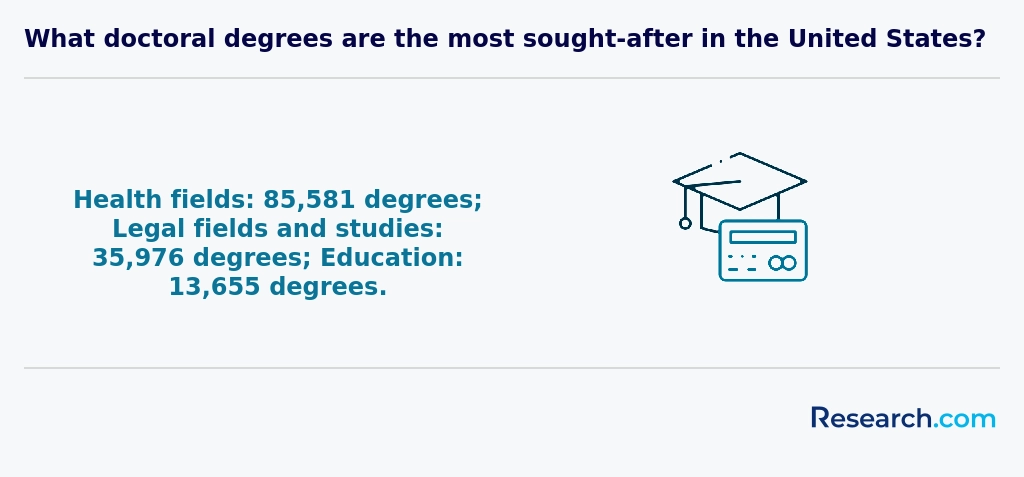
Graduates with online degrees in West Virginia find strong job prospects by targeting key industries such as healthcare, education, technology, manufacturing, and energy. For instance, graduates from well-known West Virginia universities who pursued nursing or healthcare management online have successfully landed roles as registered nurses or health administrators, meeting the state's growing demand for healthcare professionals. This matches the steady rise in healthcare jobs driven by population needs.
Similarly, education degree holders benefit from the state's demand for qualified teachers and school administrators, especially in rural districts expanding online learning. Graduates who studied education or instructional technology at popular West Virginia colleges often secure positions in K-12 schools or community colleges, thriving in environments adapting to blended learning models. These are practical career paths for those searching for stable employment aligned with online degree career opportunities in West Virginia.
Technology-focused graduates report positive experiences stepping into roles like software developers and cybersecurity experts, thanks to West Virginia's efforts to grow its tech sector. Online degrees in IT fields prepare students well for these jobs, often in companies supporting broadband expansion. Manufacturing and energy sectors remain viable options too, where business or engineering technology graduates find work managing operations in coal, natural gas, or manufacturing plants.
For students exploring affordable pathways, exploring Inexpensive Online Colleges Programs Ranking in Valdosta, GA can offer additional guidance on economics while deciding on degree programs.
Graduates holding an online degree looking for job opportunities in West Virginia should focus on sectors showing steady growth, such as healthcare and business. Many online degree holders from well-regarded institutions like West Virginia University and Marshall University share positive experiences securing roles in regional hospitals or local companies. Healthcare employment in particular is projected to grow nearly 10% by 2030, making fields like nursing or healthcare administration promising choices.
For those pursuing more general online degree job opportunities West Virginia offers, considering additional certifications or skillsets in digital tools and remote communication can strengthen your chances. Urban hubs like Charleston and Morgantown provide more diverse job prospects, especially in tech and finance, where graduates with flexible qualifications thrive. Many reported that aligning studies with local market demands made their transition smoother.
It's also helpful to explore specialized pathways like an accelerated associate degree in business or technical fields. This approach has proven effective for online graduates seeking quicker entry into the workforce within West Virginia's evolving economy.
2027 Easiest Online Colleges Programs Ranking in West Virginia
Investing in your education is a significant decision that can shape your future, and the Research.com team understands the importance of making informed choices. To assist prospective students in West Virginia, we have meticulously crafted the "2027 Easiest Online Colleges Programs Ranking in West Virginia." Our commitment to quality, credibility, and accuracy is reflected in the extensive research and analysis conducted to compile this ranking.
We utilized the following reputable data sources to ensure a comprehensive evaluation of online college programs:
By exploring this ranking, readers will gain valuable insights into the easiest online college programs available in West Virginia, helping them make informed decisions about their educational journey. For more details on our methodology, please visit our Research.com methodology page.


# 9 position
West Virginia University
Master of Special Education, Autism Spectrum Disorder certification

Frequently Asked Questions
Students in West Virginia can maximize their online learning experience by actively engaging with course materials and instructors. Research from the National Center for Education Statistics shows that interaction is a key factor in student success. West Virginia's universities, including West Virginia University and Marshall University, offer robust online support services such as tutoring and advising designed to help students stay on track.
Setting a dedicated study schedule is essential, especially given that 13.6% of West Virginia's population has a bachelor's degree or higher (U.S. Census Bureau, 2020). Managing time effectively helps balance education with personal and work commitments.
Further, students should make use of available technology and reliable internet access, which has improved steadily across West Virginia due to state initiatives focused on rural broadband expansion.
After completing an online degree in West Virginia, preparing for the job market involves several key steps. First, graduates should utilize resources offered by their institutions, such as career services and virtual job fairs, which help connect students with local employers. According to the West Virginia Department of Commerce, industries like healthcare, manufacturing, and technology are rapidly growing, so aligning skills with these sectors can improve job prospects.
Networking is crucial; joining professional groups related to your field and attending industry events can open doors. Additionally, tailoring your resume to highlight online learning and relevant competencies can attract employers' attention. According to the U.S. Bureau of Labor Statistics, West Virginia's unemployment rate was slightly above the national average in 2023, emphasizing the need for strategic job search efforts.
Employers in West Virginia increasingly seek graduates with a combination of technical and soft skills. According to the West Virginia Chamber of Commerce, critical thinking, communication, and problem-solving top the list. These skills are vital across growing state industries such as healthcare, manufacturing, and energy.
Additionally, digital literacy is essential as many jobs require proficiency with technology and online tools. The West Virginia Department of Commerce highlights teamwork and adaptability as key qualities for new hires, reflecting the dynamic nature of today's workplaces.
Graduates aiming for success with online degrees should focus on developing both technical expertise relevant to their field and strong interpersonal skills.
Finding internships in West Virginia requires a strategic approach, especially for online degree students. Start by utilizing resources at your college's career services, which often connect students with regional employers. West Virginia's largest industries include healthcare, manufacturing, and energy, so targeting companies in these sectors can increase opportunities.
The West Virginia Department of Commerce provides listings of internships and job training programs useful for students. Additionally, websites like WVJobFinder.gov and internships.com offer localized search options tailored to West Virginia.
Networking is critical; joining local chapters of professional organizations or community groups can lead to internship leads. According to the West Virginia Higher Education Policy Commission, nearly 60% of students who complete internships secure employment within six months. Actively applying early and preparing a strong resume aligned with West Virginia's job market enhances chances.
In West Virginia, earning an online degree significantly enhances career mobility and advancement. According to the West Virginia Higher Education Policy Commission, individuals with a bachelor's degree earn nearly 80% more annually than those with only a high school diploma. Employers in the state increasingly value online degrees, recognizing their flexibility and the rigor of accredited programs.
The state's growing industries, including healthcare and technology, require skilled professionals with credentials that an online degree provides. Many West Virginians find that online education enables them to balance work and study, which supports career progression without interrupting income flow.
Data from the Bureau of Labor Statistics reveals that population segments with postsecondary degrees in West Virginia experience lower unemployment rates, underlining education's role in job security and advancement.
When choosing between a thesis and a non-thesis online degree program in West Virginia, consider your career goals and learning preferences. Thesis programs typically focus on research, requiring a substantial written project, which benefits students aiming for doctoral study or research-oriented careers.
Non-thesis programs usually emphasize coursework and practical skills, ideal for professionals seeking to advance in their fields without conducting original research. In West Virginia, schools like West Virginia University offer both options online, allowing flexibility.
Review program requirements carefully, including credit hours and any residency or capstone projects. According to the West Virginia Higher Education Policy Commission, students pursuing graduate degrees online should also assess faculty expertise and available resources to support their study choice.
Students based in West Virginia who pursue online degrees have several options to engage in study abroad experiences, despite the primarily remote nature of their programs. Many West Virginia universities, including West Virginia University and Marshall University, offer virtual exchange programs or short-term international study opportunities that complement online coursework. These initiatives allow students to gain global perspectives without relocating for extended periods.
Additionally, some online degree programs partner with foreign institutions, enabling students to transfer credits or participate in hybrid study abroad formats. According to the Institute of International Education, West Virginia saw a modest increase in study abroad participation, with around 600 students engaging internationally in recent years, reflecting growing interest. Students should consult program advisors for updated options aligned with their online degrees.
Students pursuing online degrees in West Virginia can find several part-time job opportunities that complement their academic goals. Jobs in healthcare, such as medical assistants or pharmacy technicians, align well with degrees in nursing or health sciences and benefit from the state's growing healthcare sector. According to the West Virginia Department of Commerce, healthcare jobs are expected to grow by 15% through 2030.
Retail and customer service positions offer flexible hours suitable for students studying business or communication. Additionally, tutoring services or virtual assistant roles provide experience that supports education and technology majors.
Many part-time jobs in West Virginia also offer benefits such as networking with local employers, which can be valuable after graduation.
Online students in West Virginia have access to numerous networking opportunities designed to supplement their virtual learning experience. Many state universities, such as West Virginia University and Marshall University, offer online forums, virtual events, and student organizations focused on connecting remote learners.
The West Virginia Network for Educational Telecomputing supports statewide initiatives that encourage collaboration among online learners and professionals. This enhances access to career services and internship connections specific to West Virginia's job market.
Professional groups related to fields common in West Virginia, including energy, healthcare, and education, often provide virtual meetups and webinars accessible to online students. According to the West Virginia Higher Education Policy Commission, about 60% of online students reported improved career networking during their programs.
Local chambers of commerce and alumni associations also organize hybrid and virtual events, helping students build ties with regional employers and peers.
Alumni networks provide significant benefits for online degree students in West Virginia by fostering connections with experienced graduates. These networks offer opportunities for mentorship, career advice, and job referrals, which are crucial for students entering the competitive job market.
West Virginia's alumni groups often organize virtual meetups, workshops, and networking events tailored to online learners, improving access despite geographic constraints. According to the West Virginia Higher Education Policy Commission, students engaged with alumni networks report higher employment rates after graduation.
Furthermore, alumni can guide students in navigating local industries, especially in sectors like healthcare and energy, which are vital to West Virginia's economy. This guidance enhances students' practical knowledge and job readiness.
In West Virginia, many online degree programs allow students to tailor their coursework to meet specific career goals. Students can often select electives or concentrations that align with their professional interests, such as healthcare, business, or technology.
For example, West Virginia University Online offers customizable paths within several programs, enabling learners to focus on specialized skills valuable in the state's job market. Additionally, academic advisors play a key role by helping students choose courses that enhance their career prospects.
Flexible scheduling and part-time options also support working adults in balancing education with existing jobs, making career-focused customization more accessible.
The ability to customize your online degree helps increase employability and prepares you to meet West Virginia's evolving workforce demands.
Online students in West Virginia commonly face challenges related to limited internet access. According to the Federal Communications Commission (FCC), about 10% of West Virginia residents lack broadband at home, which can hinder consistent participation in online classes.
Another issue is balancing coursework with work and family responsibilities. Many adult learners in West Virginia pursue degrees while managing jobs and households, making time management crucial.
Additionally, some students report difficulty accessing campus resources, including advising or tech support, when studying remotely.
These challenges emphasize the need for flexible scheduling and reliable infrastructure to support online education statewide.
To write a winning application for an online college or university program in West Virginia, start by clearly understanding the program requirements listed on each institution's website. West Virginia University and other state schools often value well-organized personal statements that connect your goals with the program's strengths.
Highlight any relevant work experience or prior education, as many programs emphasize practical skills. Ensure your transcripts, test scores, and letters of recommendation are submitted on time and reflect your academic abilities.
According to the West Virginia Higher Education Policy Commission, nearly 30% of residents pursue online education, making competition strong. Tailor your essay to show a genuine interest in West Virginia's educational environment and employment opportunities.
Gaining practical experience while studying online in West Virginia is crucial for career readiness. Many online programs in the state incorporate internships, cooperative education (co-op) opportunities, and service-learning projects. These experiences allow students to apply classroom knowledge to real-world settings, often with local businesses or nonprofits.
The West Virginia Department of Education encourages partnerships between colleges and employers, facilitating access to experiential learning. According to the National Center for Education Statistics, about 30% of online undergraduates nationwide participate in internships, a trend growing steadily in West Virginia.
Additionally, some universities offer virtual labs, simulations, and project-based coursework, which also enhance practical skills without geographic constraints.
Choosing the right concentration within an online degree program in West Virginia involves considering both your career goals and local job market demands. West Virginia's economy has a strong need for professionals in healthcare, education, business, and engineering fields, according to the West Virginia Bureau of Labor Statistics.
Start by researching concentrations that align with in-demand jobs in the state, such as nursing, teaching, or energy management. Also, evaluate your strengths and interests to find a concentration you are motivated to pursue.
Many West Virginia institutions provide detailed course outlines and career support for each concentration, helping students make informed choices suitable for their future in the state.
- 2027 Easiest Online Colleges Programs Ranking in Ohio
- 2027 Easiest Online Colleges Programs Ranking in Kentucky
- 2027 Easiest Online Colleges Programs Ranking in Pennsylvania
- 2027 Easiest Online Colleges Programs Ranking in Michigan
- 2027 Easiest Online Colleges Programs Ranking in Missouri
- 2027 Easiest Online Colleges Programs Ranking in New York
- 2027 Easiest Online Colleges Programs Ranking in Connecticut
- 2027 Easiest Online Colleges Programs Ranking in Massachusetts
- 2027 Easiest Online Colleges Programs Ranking in Mississippi
- 2027 Easiest Online Colleges Programs Ranking in Wisconsin
- Find a Job - WorkForce West Virginia https://workforcewv.org/job-seeker/find-a-job/
- Student Support and Wellness | West Virginia Department of Education https://wvde.us/student-support-wellness
- Online Options - Southern WV Community & Technical College https://www.southernwv.edu/online-options/
- Know more about thesis vs non- thesis: what is the difference? https://studyfans.com/en/blogs/816
- As number of WV special education students increases, some school districts are going into debt • West Virginia Watch https://westvirginiawatch.com/2026/01/23/as-number-of-wv-special-education-students-increases-some-schools-districts-are-going-into-debt/
- Tips for Choosing Your Graduate Concentration - Graduate Programs for Educators https://www.graduateprogram.org/blog/tips-for-choosing-your-graduate-concentration/
- Events https://www.wvcareercollab.org/events/
- Student Internship Programs - NASA West Virginia Space Grant Consortium https://www.wvspacegrant.org/programs/college-students/student-internship-programs/
- Online Colleges in West Virginia https://www.onlineschools.org/guides/west-virginia/
- Online Colleges in West Virginia | Accredited Online Colleges https://www.accreditedonlinecolleges.org/west-virginia/


