
2027 Fastest Online Colleges Programs Ranking in California

Co-Founder and Chief Data Scientist
Choosing the right online college program in California can feel overwhelming, especially with so many options available. This article introduces the 2027 Fastest Online Colleges Programs Ranking in California, created by the Research.com team of data scientists to guide you toward the best choices.
By exploring this ranking, you'll gain insights into degree programs that combine speed, quality, and value. Whether you want to advance your career or start something new, earning a degree is a powerful step. Let this guide help you make an informed decision that fits your goals and lifestyle.
Key benefits of getting online degrees in California
- Graduates with an online bachelor's degree in California earn a median salary of around $65,000, while those with a master's can expect over $90,000, showing clear financial growth with higher degree levels.
- An online computer science graduate from the University of California, Irvine, often starts as a software developer, progressing quickly to roles like project manager due to strong industry connections and hands-on skills.
- Online degree holders from California State University, Fullerton, report greater flexibility and savings on commuting, allowing them to balance work and study effectively while still gaining valuable networking opportunities.
- 2027 Fastest Online Colleges Programs Ranking in California
- What can I expect from online degrees in California?
- How much can I make with online degrees in California?
What can I expect from online degrees in California?
When pursuing an online degree in California, expect a flexible learning experience that fits around your busy life. Graduates from popular institutions like California State University often share how interactive platforms such as Canvas made studying manageable while working full-time. Video lectures, discussion boards, and easy access to digital libraries allow you to engage deeply with course materials without commuting stress.
You'll benefit from programs designed to match industry needs, especially in fields like healthcare and IT, which are thriving in California's economy. For example, community college students frequently praise the practical skills they gained that helped them transition smoothly into local job markets.
Strong self-discipline is crucial, but support is close at hand. Many students highlight how remote tutoring and career advising helped them stay motivated and on track, even from afar. Plus, state financial aid can lighten the financial load, making your education more accessible without extra housing costs.
How much can I make with online degrees in California?
Graduates with online degrees in California can expect competitive earnings that reflect the state's dynamic job market. For instance, bachelor's degree holders typically earn about $77,000 annually, a figure supported by many who graduated from well-known institutions like California State University or the University of California system. Students finishing only high school generally see median salaries around $45,000, highlighting the clear financial advantage of earning a degree online.
Popular fields such as technology and healthcare offer strong salary prospects. Online graduates from programs at schools like San Diego State University report software development starting salaries near $120,000, while registered nurses from reputable online nursing programs can earn about $100,000. These figures show how California's high-demand sectors reward specialized skills acquired through online courses.
Graduates from business or engineering programs at institutions like UCLA Online often see salaries exceeding the state average, with management roles earning above $130,000. Many students share success stories of leveraging their online degrees to get promotions or switch into higher-paying jobs, proving that online education in California opens doors to substantial income growth.
- Online undergraduate tuition at California public universities averages about $6,500 per year for in-state students, while private universities may charge over $30,000 annually.
- California's tech industry employs more than 1.5 million workers, creating strong job opportunities for graduates in computer science and related fields.
- Early-career salaries for online degree holders in California range from $50,000 to $60,000, with mid-career earnings often exceeding $90,000 in tech, engineering, and healthcare.
- Degrees from schools accredited by the Western Association of Schools and Colleges (WASC) are recognized and eligible for federal financial aid.
- Financial aid including state grants and scholarships is available for eligible California residents enrolled in online programs.
- Many universities offer flexible, asynchronous online classes to support working students, especially following expansion during the COVID-19 pandemic.
Completing an online bachelor's degree in California typically takes about four years if you study full-time, requiring roughly 120 to 130 credit hours. Graduates from popular institutions like California State University campuses often share how enrolling full-time helped them finish on schedule while balancing part-time jobs. For those at community colleges, associate degrees usually take about two years, with many students appreciating the chance to transfer credits toward a bachelor's later.
Many students opt for part-time enrollment to manage work and family, stretching completion time but gaining flexibility. For example, at the University of California's online programs, graduates have praised accelerated courses and year-round terms enabling them to finish faster than the traditional timeline.
Transferring previous credits or choosing competency-based courses can shorten your path. Imagine taking eight-week classes at a community college, like those offered online by Santa Monica College, cutting semester lengths in half. This approach lets you control your pace, making the journey feel empowering rather than overwhelming.
Online education in California isn’t one‐size‐fits‐all-students have the flexibility to choose from a diverse array of specializations that align with their career goals. Whether you’re looking to dive into cutting‑edge technology or nurture creative talents, these focused programs allow you to tailor your studies to the demands of your chosen industry. Some popular specializations include: • Business & Management: Programs often dive into leadership, strategic planning, and digital marketing to prepare graduates for dynamic corporate roles. • Technology & Computer Science: Specializations such as cybersecurity, data analytics, and software development offer practical skills that are in high demand. • Health & Human Services: Online degrees featuring specializations in nursing, public health, or healthcare administration equip students to support the growing needs of California’s health sector. • Education & Early Childhood Development: These programs focus on innovative teaching strategies and curriculum design, positioning graduates for roles in K‑12 and adult education. • Creative Arts & Design: For those drawn to visual storytelling, graphic design, or multimedia arts, specialized courses nurture both technical proficiency and creative expression. For prospective students who are budget conscious, exploring the cheapest online general programs in california may offer additional pathways that combine quality education with financial accessibility. By understanding the spectrum of available specializations, you can make an informed decision that not only highlights your interests but also aligns with current industry trends and future job market opportunities.
Online and on-campus degrees in California share similar academic standards, often from well-known institutions like the University of California or California State University systems. Graduates pursuing online studies appreciate the freedom to balance coursework with jobs or family, completing classes remotely without commuting. This flexibility allows a working parent to attend lectures after putting kids to bed or a full-time employee to study during breaks.
On-campus students benefit from face-to-face interaction, immediate access to labs, libraries, and campus events, which enrich their learning and networking experiences. For example, students at a California community college often form study groups or join clubs that help build professional connections.
Tuition for online versus on-campus programs in California tends to be comparable, but online learners save on housing and transportation costs. Graduates note that self-discipline is crucial in online learning, while on-campus programs provide structured schedules and direct faculty support.
California’s online colleges provide a rich array of specializations at every degree level, allowing you to tailor your education to your career goals:
- Associate Degrees: Often include Business Administration, Healthcare Administration, Information Technology, and Early Childhood Education. If you’re looking for quick entry into the workforce, explore programs like the easiest associate's degree in fields such as office management or general studies.
- Bachelor’s Degrees: Common concentrations span Computer Science (with tracks in cybersecurity and data science), Marketing, Psychology, and Nursing (RN-to-BSN). These specialized paths blend theory with hands-on projects, preparing you for roles like software developer, clinical nurse manager, or marketing strategist.
- Master’s Degrees: Advanced specializations include Social Work, Business Analytics, Curriculum & Instruction, and Public Health. Programs often feature capstone projects or internships, ensuring you graduate with both leadership skills and real-world experience.
- Doctoral Programs: For those aiming at research or top-tier leadership, specialties such as Educational Leadership, Nursing Practice (DNP), and Organizational Psychology are available, with dissertation support and faculty mentorship to guide your scholarly work. By choosing a specialization aligned with California’s in-demand industries-tech in Silicon Valley, healthcare in Los Angeles, or sustainability in San Francisco-you can maximize both learning and career prospects.
The average cost of an online degree in California varies significantly depending on the type of institution. For many students, public universities offer a balanced combination of quality and affordability. For instance, graduates from California State University campuses often report paying around $7,000 to $8,000 per year for online undergraduate programs. This makes CSU an attractive choice for those seeking value without compromising on academic reputation.
Community colleges stand out for their exceptional affordability, with tuition typically between $1,500 and $2,000 annually for in-district students. Many students begin their academic journey at these colleges, finding it a practical way to complete lower-division requirements before transferring to a university. This path helps reduce the overall cost of earning a degree and is a popular strategy among Californian students aiming to minimize debt.
On the other hand, University of California campuses offer online programs with tuition ranging from $13,000 to $16,000 per year for residents. Graduates from these programs often highlight the value of well-recognized degrees, despite the higher cost. Private institutions in California tend to have the highest tuition, with online degree costs ranging from $20,000 to over $45,000 annually, reflecting their specialized curricula and smaller class sizes.
Students considering their options should also factor in additional fees, including technology and textbook costs. Financial aid, scholarships, and grants play a crucial role in offsetting these expenses. Prospective students looking to find the cheapest online general programs in california can find valuable comparisons that fit their budget and career goals when evaluating California online college tuition and fees.
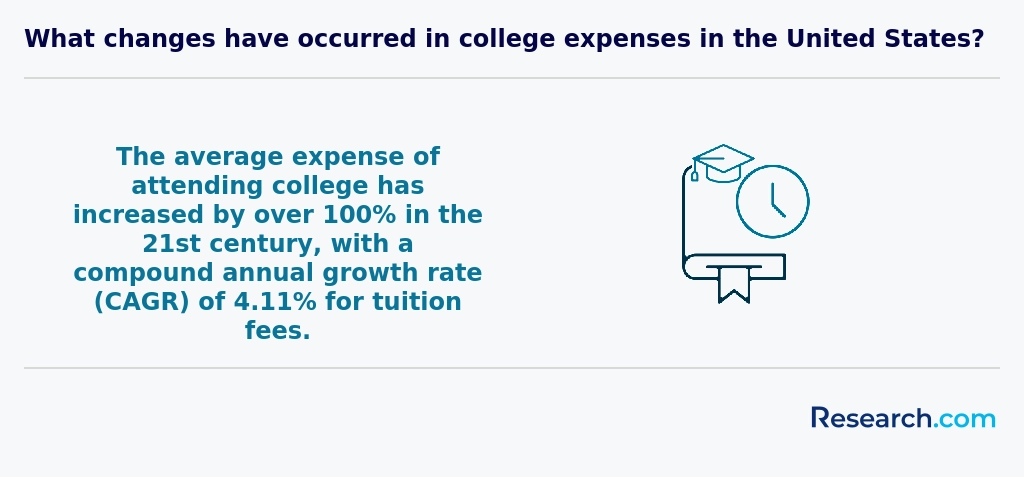
Enrolling in one of the fastest online college programs in California demands strategic planning and disciplined execution. To stay on track and maximize your learning outcomes:
- Establish a Consistent Study Routine: Block out dedicated study hours each week, using digital calendars or apps to set reminders. Treat online lectures and assignments with the same priority as on-campus classes.
- Leverage Academic Support Services: Most California institutions offer 24/7 tutoring, writing centers, and tech help desks. Don’t hesitate to schedule virtual consultations early-this proactive approach prevents small roadblocks from derailing your progress.
- Master Time Management Techniques: Use techniques like the Pomodoro method to maintain focus during high-intensity modules. Prioritize tasks by deadlines and complexity, tackling the toughest topics when your energy levels are highest.
- Build Community Through Peer Networking: Join discussion boards, student Slack channels, or study groups. Engaging with classmates not only enriches your understanding but also creates accountability partners to keep you motivated.
- Choose Programs That Match Your Learning Style: If you need a slightly lighter pace while still earning credits quickly, consider exploring the easiest online college degrees and majors. These programs often balance accelerated timelines with manageable workloads, giving you room to excel without burnout. By integrating these strategies-routine scheduling, early support-seeking, focused time management, active peer engagement, and careful program selection-you’ll be well-equipped to thrive in an accelerated online environment and finish your California degree faster without sacrificing quality.
Online students in California can access several financial aid options that significantly ease the cost of earning a degree. For example, many graduates from California State University report relying on the Free Application for Federal Student Aid (FAFSA) to unlock federal grants like the Pell Grant, which offers up to $7,395 annually to low-income students. This help often covers a large portion of tuition fees at state institutions.
Community college students frequently benefit from the California College Promise Grant, which waives enrollment fees entirely. Graduates recall this as a crucial factor that made their education affordable and less stressful while attending schools like Los Angeles City College.
For those advancing to universities such as UC Berkeley, Cal Grants provide up to $12,570 per year, easing tuition expenses and supporting seamless transfer from community colleges as well. Many students also highlight employer tuition reimbursement programs that cover part or all costs-popular in California's tech and healthcare industries-helping them study without sacrificing income.
Beyond these, institutional scholarships at schools like San Diego State University offer tailored support specifically for online learners. Private scholarships targeting specific communities or majors also open doors, turning degree goals into achievable realities.
Choosing an accredited online college in California ensures your degree is recognized by employers, eligible for federal financial aid, and transferable across institutions. Regional accreditation, such as from the WASC Senior College and University Commission (WSCUC), verifies that an institution meets rigorous academic and administrative standards. Programmatic accreditation-granted by specialized bodies like ABET for engineering or CACREP for counseling-further validates the quality of specific majors. How to Verify Accreditation:
- Visit the U.S. Department of Education’s Database of Accredited Postsecondary Institutions and Programs (DAPIP) or the Council for Higher Education Accreditation (CHEA) directory.
- Confirm both the institution’s regional accreditation and any relevant programmatic credentials.
- Check state authorizations: California’s Bureau for Private Postsecondary Education (BPPE) oversees out-of-state online providers serving California residents. Why It Matters:
- Financial Aid Eligibility: Only students at accredited schools qualify for federal grants and loans.
- Credit Transfer: Credits from accredited programs are far more likely to transfer should you pursue a higher degree or additional certifications.
- Professional Licensure: Many careers-nursing, teaching, psychology-require degrees from properly accredited institutions. While exploring accredited online programs in California, consider how affordability and accreditation intersect. For additional context on budget-friendly options outside the state, see the Affordable Online Colleges Programs Ranking in Burlington, VT. Always prioritize accredited institutions to safeguard your educational investment and career prospects.
To enroll in an online degree program in California, you generally need a high school diploma or GED for undergraduate studies. Many applicants find comfort knowing that schools like those in the California State University system often adopt test-optional policies, reducing the pressure of submitting SAT or ACT scores. Graduates recall how this flexibility helped ease their application process.
For graduate programs, holding a bachelor's degree from an accredited institution is essential, and some programs, such as online master's at the University of California, require a minimum GPA around 3.0. Many students appreciate that clearly defined criteria help them prepare their academic records confidently.
Additional prerequisites include proof of California residency for in-state tuition benefits, official transcripts, application forms with fees typically between $50 and $100, and sometimes letters of recommendation or personal statements. One graduate from a popular California university shared that fulfilling these steps systematically made the process feel manageable and achievable.
Being aware of these requirements early allows you to organize your documents efficiently and join a program that aligns with your goals and financial planning.

California’s fastest online college programs offer a range of focused majors to match market demand and personal interests:
- Business Administration: Develop leadership, finance and marketing expertise for roles in corporate and nonprofit sectors.
- Healthcare Administration: Learn patient management, policy and healthcare systems to support hospitals and clinics.
- Computer Science & IT: Gain programming, network management and systems analysis skills for tech-driven environments.
- Data Analytics: Master statistical methods, data visualization and predictive modeling for decision-making roles.
- Cybersecurity: Study risk assessment, ethical hacking and security protocols to protect digital assets.
- Education & Teaching: Prepare for K-12 or adult education with curriculum design and instructional technology.
Each specialization aligns with accelerated pathways and industry needs-choose one that fits your goals and explore which bachelor degree is best for long-term returns.
Online degree programs in California typically begin with core courses that build a strong academic foundation. These include classes in English composition, mathematics, natural sciences, social sciences, and humanities. Graduates from popular California colleges often reflect how these courses helped them develop critical thinking and communication skills essential for professional success. For example, many students at well-known state universities found that mastering composition and quantitative reasoning built their confidence in tackling complex projects and presentations.
Beyond the basics, students can expect major-specific training that aligns with their career goals. Business majors may study accounting and marketing, while healthcare students often engage in patient care and medical terminology. Technology-focused learners benefit from courses in computer science and cybersecurity, supporting the state's demand for skilled digital professionals. These carefully designed online college courses in California cater to diverse learner needs, ensuring graduates feel prepared and motivated.
Many programs also incorporate electives and hands-on experiences like internships, enabling customization of studies. For those exploring different paths, reviewing the easiest online college degrees and majors can provide helpful guidance on selecting the right course load and career roadmap.
Start by confirming the program's accreditation, especially from the Western Association of Schools and Colleges (WASC), which ensures a quality education recognized across California. Graduates from well-accredited online programs at systems like the University of California often share how this gave them confidence employers value.
Look for flexible online courses that fit your lifestyle. Many students balancing work and family prefer asynchronous classes offered by California State University programs, allowing study at convenient times. This flexibility boosts motivation and success, backed by research from the California Community Colleges Chancellor's Office.
Cost is a major factor; affordable online colleges in California like CSU often charge in-state tuition ranging from $3,500 to $7,500 yearly. Remember to check financial aid and scholarships so you can reduce your expenses. Graduates frequently express relief at managing costs without compromising education quality.
Evaluate student support services, such as tutoring and career counseling, essential for a smooth online experience. Students at renowned California universities often praise these services for helping them stay on track and improve job readiness.
Finally, review graduation and employment outcomes printed by institutions to gauge program effectiveness. If you want career options with less commitment, consider programs like the easiest associate's degree available online in California for a quicker start.
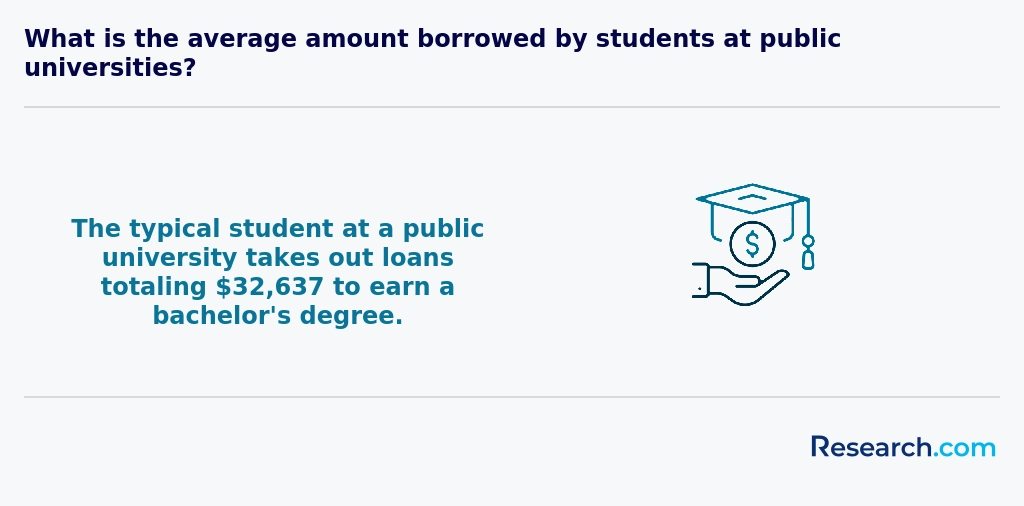
Graduates from online degree programs in California find fast online degree career options in California across thriving sectors like technology, healthcare, and business. For example, those completing computer science programs at well-known institutions often step into roles as software developers or data analysts in Silicon Valley, where demand continues to grow. Graduates from accredited state universities share how their online credentials opened doors to major tech firms eager for skilled talent.
Healthcare is another promising field, with online nursing and public health degrees enabling graduates to secure positions as registered nurses or health services managers in hospitals throughout California. Success stories often highlight how flexible online programs from California-based colleges allowed these professionals to balance work and study effectively.
Business graduates pursuing marketing, project management, or entrepreneurship thrive in California's dynamic economy. Online business degrees from prominent colleges empower students with practical skills that translate directly to competitive job markets. Many find value in exploring rankings like the Affordable Online Colleges Programs Ranking in Burlington, VT to make cost-effective educational choices.
Online degree job opportunities California continue to expand, with many graduates from local schools like California State University and University of California campuses sharing encouraging stories of landing roles in tech, healthcare, and business. These students often highlight how their flexible online programs allowed them to gain practical skills while managing work or family life, making them attractive hires in cities such as San Diego and Los Angeles. For example, graduates with degrees related to software development or healthcare management regularly find positions offering competitive salaries above the national average.
California employment outlook for online graduates shows that employers increasingly recognize online degrees from accredited institutions, especially when paired with certifications or hands-on experience. Graduates from popular universities report smoother entry into mid-level positions when their programs align with fast-growing sectors like renewable energy or data analysis. Pursuing an associate degree in 6 months online from a recognized California college is a strategic choice for those seeking to accelerate their career path.
2027 Fastest Online Colleges Programs Ranking in California
Investing in your education is a significant decision that can greatly impact your future, and the Research.com team recognizes the importance of making well-informed choices. To help prospective students identify the fastest online college programs in California, we have carefully developed the "2027 Fastest Online Colleges Programs Ranking." Our dedication to quality, credibility, and accuracy is demonstrated through rigorous research and analysis involved in creating this ranking.
We utilized the following reputable data sources to ensure a comprehensive and reliable evaluation:
By reviewing this ranking, readers will gain valuable insights into California's fastest online college programs, enabling them to make confident and well-informed educational decisions. For further details on how this ranking was developed, please visit our Research.com methodology page.


Frequently Asked Questions
Students in California can maximize their online learning experience by actively engaging with course materials and instructors. Research from the California Community Colleges Chancellor's Office highlights that students who participate in discussion forums and virtual study groups tend to perform better. Time management is also crucial, as balancing studies with work or family is common in California's diverse population. Utilizing campus resources, such as online tutoring and career services offered by institutions like the University of California system, can enhance understanding and professional readiness.
Additionally, selecting accredited programs recognized by the Western Association of Schools and Colleges ensures quality education. California's strong internet infrastructure supports smooth access to video lectures and interactive tools, further aiding learning outcomes.
After completing an online degree in California, preparing for the job market involves several key steps. First, graduates should leverage resources from both their institution and state programs. For example, the California Community Colleges Career Coach provides localized labor market data to align job searches with market demand.
Networking is crucial; joining professional associations within California can increase job opportunities. Additionally, updating and tailoring a resume to highlight skills gained from online learning is important, as California employers increasingly value digital proficiency.
Internships or volunteer work in relevant industries can strengthen practical experience. According to the California Employment Development Department, sectors like healthcare and technology are growing rapidly, signaling promising job prospects for graduates.
Employers in California value a diverse set of skills when hiring graduates, especially given the state's dynamic economy. According to the California Workforce Development Board, critical thinking and problem-solving are among the most sought-after skills across industries.
Communication skills, both written and verbal, rank highly, as they are essential for collaboration in remote and in-person work environments prevalent in California's tech and healthcare sectors.
Technical proficiency, particularly in digital tools and data analysis, is increasingly important. The Brookings Institution highlights that 56% of jobs in California require advanced digital skills.
Employers also prioritize adaptability and continuous learning, reflecting the fast-changing nature of Californian industries like technology and renewable energy.
Finding internships in California requires a strategic approach, especially for online degree students. Start by exploring university career centers, as many California colleges maintain databases of local internships. According to the California Workforce Development Board, industries like technology, healthcare, and entertainment offer the most internships in the state.
Online platforms such as Handshake, LinkedIn, and internships.com list thousands of California-based opportunities. Networking is essential: engage with professional groups or alumni associations related to your field. Additionally, contact companies directly, focusing on areas like Silicon Valley or Los Angeles, where internship programs are abundant.
Finally, consider state-supported programs like the California Internship and Work Experience Program (IWE), which offers paid internships for students enrolled in accredited institutions.
In California, obtaining an online degree can significantly enhance career mobility and advancement opportunities. According to the California Employment Development Department, workers with a bachelor's degree earn approximately 65% more on average than those with only a high school diploma. Employers increasingly recognize accredited online degrees, especially from regionally accredited institutions, as valid credentials.
The flexibility of online programs allows professionals to continue working while upgrading skills, which is crucial in California's fast-paced and diverse job market. Fields like technology, healthcare, and business show strong growth, where online degrees often lead to promotions or higher-paying roles.
Furthermore, many California companies value continuous education, viewing online degrees as a commitment to personal and professional development, boosting employees' potential for career advancement.
Choosing between a thesis and a non-thesis degree program in California depends largely on your career goals and preferred learning style. Thesis programs typically require original research, making them ideal for students interested in pursuing doctoral studies or research careers. Non-thesis programs focus more on coursework and practical skills, appealing to those aiming for professional advancement.
According to the California Postsecondary Education Commission, about 40% of graduate students in science and engineering fields opt for thesis programs, while over 60% in business and education fields prefer non-thesis tracks. Online degrees in California follow similar trends.
Consider your time commitment, as thesis options often require more months of research and writing. Non-thesis paths may allow faster completion and more flexibility for working professionals.
Students based in California seeking to study abroad have several options, even when enrolled in online degree programs. Many California universities, including those in the California State University and University of California systems, offer study abroad partnerships with institutions worldwide. These programs often allow students to earn credits toward their degree while experiencing international education.
For students in fully online programs, virtual study abroad experiences are increasingly common. These include online courses taught by international faculty and global collaborative projects. According to the California Postsecondary Education Commission, about 12% of California college students participate in study abroad at some point during their studies.
Financial aid and scholarships specifically for California residents can help offset costs, making these opportunities more accessible. Overall, a combination of physical and virtual study abroad options exists for California students pursuing online degrees.
Part-time jobs in California that complement online degree studies are diverse and growing, particularly in sectors aligned with students' fields of study. For example, in tech-focused areas like Silicon Valley, students pursuing degrees in computer science or information technology often find internships or entry-level roles in software development, IT support, or digital marketing. According to the California Employment Development Department, the tech sector is expected to grow 12% from 2022 to 2032, creating strong opportunities.
Healthcare students can look for roles such as medical assistants or administrative helpers in clinics, which provide relevant experience and flexible hours. Education majors might find part-time tutoring or teaching assistant jobs, benefiting both their resume and skillset.
Retail and hospitality jobs remain common, providing income and soft skills, but positions directly related to one's degree can significantly enhance career prospects.
Online students in California benefit from a variety of networking opportunities designed to connect them with peers, alumni, and industry professionals. Many universities provide virtual career fairs, webinars, and online student organizations that promote interaction beyond the classroom. According to the California Community Colleges Chancellor's Office, digital platforms have helped increase student engagement by 30% in the past five years.
Additionally, some institutions partner with California-based companies for internships and mentorship programs, offering practical experience and professional connections. Regional alumni networks also play a significant role, enabling online learners to access local events and job leads tailored to the state's diverse job market.
Alumni networks offer significant benefits to online degree students in California by providing access to professional connections and career resources. Many California universities have strong alumni communities that facilitate job placements, internships, and mentorships, which are crucial for career advancement. According to the California Community Colleges Chancellor's Office, alumni networks help 65% of graduates secure employment within six months of graduation.
These networks also host virtual events allowing online students to connect despite geographic barriers. Engaging with alumni can enhance students' understanding of regional job markets, industry trends, and local business culture, which is especially valuable in California's competitive economy.
California offers numerous ways to customize online degree programs to align with your career goals. Many UC and CSU campuses provide flexible curricula with elective courses and specialization options. For example, students can select concentrations in high-demand sectors like technology, healthcare, or business. According to the California Community Colleges Chancellor's Office, over 70% of online programs allow students to tailor their studies through electives or certificate add-ons.
Additionally, partnerships with local industries often enable internship placements or project work integrated into degree tracks. Academic advisors help students create personalized plans considering career outcomes and salary trends. This flexibility ensures your education supports your specific professional aspirations.
Online students in California face several common challenges that can impact their academic success. A key issue is balancing coursework with work and family commitments, as many students are working adults or parents. According to the California Community Colleges Chancellor's Office, nearly 70% of online learners juggle employment alongside their studies.
Another challenge involves technology access and digital literacy. While broadband availability in California is high, rural areas still experience connectivity problems that hinder online learning. Additionally, some students lack the skills to navigate digital platforms efficiently.
Finally, limited face-to-face interaction can affect motivation and engagement. Online students often report feeling isolated, which may lead to higher dropout rates compared to traditional programs, as noted by the Public Policy Institute of California.
Writing a winning application for a California college or university requires clear and focused preparation. Start by carefully researching the program's requirements and deadlines, as schools like UCLA and UC Berkeley have competitive standards. According to the California State University system, emphasizing your personal statement and academic achievements boosts your chances significantly.
Highlight relevant experiences and explain why you choose an online degree, showing how it fits your career goals. Many institutions in California value diversity and community involvement, so include any volunteer work or leadership roles.
Proofread your application thoroughly and, if possible, ask a mentor to review it. Meeting all submission criteria on time is essential in California's busy application cycles.
Gaining practical experience while studying online in California is achievable through various approaches. Many California universities and community colleges integrate internships and cooperative education programs into their online degree curricula. For example, the California State University system offers virtual internships that align with students' fields of study.
Additionally, students can seek part-time jobs or volunteer opportunities related to their major. California's vibrant economy, especially in tech and healthcare, provides numerous remote work options.
Professional associations and industry groups in California also frequently host virtual workshops and networking events, helping online students build skills and connections. According to the California Workforce Development Board, internships increase employment chances by up to 60% in the state.
Choosing the right concentration in an online degree program in California starts with assessing your career goals and interests. California offers diverse online programs, including business, healthcare, technology, and education, each with various specializations.
Consider labor market trends in the state; for example, healthcare jobs in California are projected to grow by 15% through 2030 according to the California Employment Development Department. Selecting a concentration aligned with high-demand fields may improve job prospects.
Evaluate program accreditation and faculty expertise to ensure quality education that meets California's standards. Also, investigate whether the concentration offers practical experiences or networking opportunities specific to California industries.
Finally, review program flexibility and duration to match your personal schedule and financial situation while supporting your long-term professional development.
- 2027 Fastest Online Colleges Programs Ranking in Washington
- 2027 Fastest Online Colleges Programs Ranking in New Mexico
- 2027 Fastest Online Colleges Programs Ranking in Texas
- 2027 Fastest Online Colleges Programs Ranking in Oklahoma
- 2027 Fastest Online Colleges Programs Ranking in Nebraska
- 2027 Fastest Online Colleges Programs Ranking in South Dakota
- 2027 Fastest Online Colleges Programs Ranking in North Dakota
- 2027 Fastest Online Colleges Programs Ranking in Minnesota
- 2027 Fastest Online Colleges Programs Ranking in Iowa
- 2027 Fastest Online Colleges Programs Ranking in Missouri
- Online Degree vs. Traditional: Choosing the Right Path https://beal.edu/online-degree-vs-traditional/
- Networking in Los Angeles, California | Meetup https://www.meetup.com/find/us--ca--los-angeles/networking/
- EduBookings https://www.edubookings.com/international-student-blog/study-in-the-usa-blog/study-and-work-in-california-as-international-student/
- Online | Coastline College https://www.coastline.edu/locations/online.php
- 10 Key Benefits of Part-Time Jobs for Students While Studying https://www.ue-amsterdam.com/blog/top-10-benefits-of-working-part-time-for-students-while-studying
- CAREER PATHWAYS https://www.workforcealliancenorthbay.org/career-pathways/
- For students - Studyportals https://studyportals.com/for-students/
- Six Ways to Help Students Reach Their Potential | All4Ed https://all4ed.org/blog/six-ways-to-help-students-reach-their-potential/
- Top 25 Low-Cost Online Colleges in California https://www.greatvaluecolleges.net/california/cheapest-online-colleges/
- Better, Broader Learning: California Education Policymakers Prioritize Bolder Expanded Learning Opportunities https://learningpolicyinstitute.org/blog/better-broader-learning-california-education-policymakers-prioritize-bolder-expanded-learning


