
2027 Most Affordable Online Colleges Programs Ranking in California

Co-Founder and Chief Data Scientist
Choosing the right college program can be overwhelming, especially when considering cost and flexibility. This article introduces the 2027 Most Affordable Online Colleges Programs Ranking in California, thoughtfully compiled by the Research.com team of data scientists.
It's designed to help you easily discover affordable degree options that fit your goals and lifestyle. By exploring these programs, you can make an informed decision that balances quality education with financial peace of mind.
Taking this step brings you closer to achieving your dreams and unlocking new opportunities for personal and professional growth.
Key benefits of getting online degrees in California
- Graduates with a bachelor's degree in California earn an average of $25,000 more annually than those with only a high school diploma, while master's degree holders see salaries increase by about $15,000 more than bachelor's graduates.
- An online nursing degree graduate from the University of Southern California often advances quickly into hospital management or specialized care roles, thanks to the strong reputation and network the school provides.
- Students who earned an online business degree from California State University, Long Beach report greater flexibility balancing work and study, leading to higher satisfaction and quicker career growth compared to traditional students.
- 2027 Most Affordable Online Colleges Programs Ranking in California
- What can I expect from online degrees in California?
- How much can I make with online degrees in California?
What can I expect from online degrees in California?
Pursuing an online degree in California offers a flexible experience tailored to busy lifestyles, allowing students to balance studies with work or family commitments. Graduates from institutions like California State University and the University of California report engaging with interactive coursework hosted on learning platforms, which include video lectures, discussion boards, and timely assignments. This setup fosters a feeling of connection despite the physical distance, making it possible to collaborate with professors and peers virtually.
Students often appreciate how accredited programs maintain rigorous academic standards equivalent to on-campus degrees, requiring comparable credit hours and comprehensive curriculum coverage. For example, community college graduates highlight the affordability and accessibility of online associate degrees, often costing under $2,000 annually.
The online learning environment in California cultivates self-discipline and effective time management, essential traits for success. Many students find that the blend of structure and flexibility allows them to pursue their educational goals without sacrificing personal responsibilities, contributing to a positive and empowering academic journey.
How much can I make with online degrees in California?
Graduates with online degrees from California institutions such as the University of California and California State University systems typically see strong financial returns. For bachelor's degree holders, average annual salaries approach $68,000 statewide, significantly higher than the $45,000 median for those without degrees. For instance, alumni with online degrees in nursing from these schools often report salaries near $98,000, reflecting the robust demand in healthcare.
Tech-focused graduates from universities around Silicon Valley frequently earn upward of $120,000 as software developers, illustrating the premium paid for skills in high-growth sectors. Conversely, those completing online degrees in education or social work from well-known colleges may start with salaries around $45,000 to $55,000 but experience steady growth with experience.
Postgraduate graduates with online MBAs or public health degrees from California's reputable programs benefit from starting salaries between $80,000 and $110,000. Many students juggle work and study, enabling immediate application of skills and accelerated salary advancement.
Overall, California's diverse economy and regionally accredited schools empower online degree earners to access competitive salaries tailored to their chosen career paths.
- California State University (CSU) and University of California (UC) systems offer many accredited online bachelor's, master's, and doctoral degrees.
- Tuition for public undergraduate online programs in California ranges from $7,000 to $9,000 per year for in-state students, while private programs can exceed $20,000 annually.
- Early-career salaries for graduates with online degrees average around $55,000, with mid-career earnings often surpassing $85,000 in high-demand sectors.
- Top industries hiring online degree graduates in California include technology, healthcare, and business, particularly in Silicon Valley and Los Angeles.
- Students should ensure their online program is regionally accredited and aligned with California's job market trends for better employment opportunities.
Completing an online bachelor's degree in California typically takes between four to six years, depending on whether students study full-time or part-time. For instance, many graduates from the California State University system have reported finishing their programs in about four years when enrolled full-time, taking advantage of accelerated courses and summer sessions. Conversely, part-time learners balancing work and family obligations often extend their studies closer to six years, reflecting the flexibility that online education offers.
Associate degrees at California community colleges usually require around two years of full-time study. Many students appreciate the option to progress faster by enrolling in summer classes or testing out of prerequisites, which some students from institutions like Santa Monica College have effectively utilized.
Online master's degree programs in California generally span 1.5 to 3 years, with some professional certificates completed in several months to one year. Graduates often highlight how adaptable scheduling allowed them to maintain their careers while advancing their education.
Online learning in California comes with unique challenges. Before you commit, consider the following:
- Self-Discipline and Time Management: Without fixed classroom hours, it’s easy to fall behind. Establish a consistent study schedule and use productivity tools like calendars and reminders to stay on track.
- Technology and Connectivity: Reliable internet and a modern computer are essential. Some programs also require specialized software or virtual labs. Verify system requirements in advance and back up your work regularly.
- Limited Face-to-Face Interaction: While virtual office hours and discussion boards help, the lack of in-person networking can make relationship-building harder. Actively participate in online forums, attend virtual events, and leverage your school’s career services.
- Accreditation and Quality Assurance: Not all online programs hold the same credentials. Confirm accreditation by recognized agencies and review graduation and retention rates to ensure employers respect your degree.
- Balancing Work, Life, and Study: Juggling job responsibilities, family commitments, and coursework requires clear boundaries. Communicate your study schedule to employers or family members to minimize conflicts. If you need to accelerate your path to graduation, consider exploring our curated list of fast degrees designed to help you finish sooner. By anticipating these hurdles and planning proactively, you can maximize the benefits of your online education in California.
The primary difference between online and on-campus degrees in California lies in the mode of delivery rather than the academic quality. Graduates from institutions like California State University or the University of California report that online programs provide unmatched flexibility, enabling them to balance jobs, family, and coursework effectively. For instance, a working professional pursuing an online degree from a CSU campus can access lectures and assignments anytime, avoiding the daily commute to campus.
On-campus students, meanwhile, benefit from direct interaction with faculty and peers, which enhances their engagement through campus activities, study groups, and access to resources such as libraries and labs. Many find this environment enriching but note the challenges of fixed schedules and commuting.
Cost considerations also differ. California's on-campus tuition averages about $7,000 annually for in-state students; however, additional expenses like housing and transportation often raise total costs. Online students often experience financial relief by studying from home and saving on these living expenses, a significant advantage noted by recent graduates.
Both formats maintain accreditation standards recognized by employers statewide, making either choice reputable depending on personal priorities like flexibility or campus life.
When weighing an online degree against a traditional on-campus program, California students often consider factors like cost, flexibility, and career outcomes. Online degrees typically cost 20–30% less per credit hour than their on-campus counterparts, reducing overall student debt. Flexible schedules allow learners to balance work, family, and study without commuting to campus, making accelerated pathways-such as those highlighted in our guide to best online accelerated bachelor’s degrees-even more attainable. Quality and accreditation standards remain consistent across formats: accredited online programs in the California State University system and University of California campuses uphold the same curriculum rigor and faculty expertise. Employers recognize these credentials equally, especially when institutions offer career services, internships, and alumni networking opportunities comparable to on-campus offerings. Time to completion can also differ. Traditional bachelor’s degrees often span four years, while many online programs provide accelerated tracks that let motivated students finish in 2–3 years through quarter-based calendars or condensed terms. This speed-to-market advantage can translate into earlier entry into high-demand fields like healthcare, technology, and business. Student engagement online versus in person varies: virtual classrooms rely on discussion boards, video conferencing, and collaborative projects to foster connection, whereas in-person courses emphasize face-to-face interactions. Both environments develop critical skills-self-discipline, digital literacy, and communication-but online learners often report stronger proficiency with emerging technologies and remote work tools. Ultimately, choosing between online and traditional formats depends on personal priorities: cost savings and schedule flexibility versus on-campus campus life and direct networking. By understanding these distinctions, California students can select the educational model that best aligns with their career goals and lifestyle.
The average cost of an online degree in California varies significantly depending on the institution and residency status. Data shows that the median total cost for in-state students is approximately $32,078, making online degrees accessible for many Californians seeking affordable options. Out-of-state students face a higher median cost of around $32,656, while the overall median total cost reaches about $54,862, reflecting a range of public and private institutions.
Graduates from California State Universities often find the balance between quality and cost appealing, with many reporting satisfaction in completing their degrees online for near the median in-state cost. Community colleges, known for affordable online college tuition fees California, offer one of the most cost-effective paths, with rates close to $2,760 for an associate degree. This affordability attracts working adults who appreciate flexibility without sacrificing budget.
Students enrolled at public research universities in California, such as campuses within the University of California system, encounter higher tuition but benefit from well-regarded programs that enhance career opportunities. Many online learners emphasize how accessing education from top institutions at these costs brings a sense of achievement and long-term value. Financial aid and scholarships further assist in managing expenses.
Prospective students seeking a wider selection and specialized programs may explore the best online general school in california, where programs offer both quality and varied pricing. These options allow individuals to match their educational goals with financial planning, supporting a confident step toward degree completion in the dynamic environment of California's online education landscape.

When evaluating affordable online programs, California often stands out for its diverse course offerings and strong industry connections, but how does it truly compare to programs in other states? In states like Ohio, for example, online students benefit from lower average tuition rates and similar career outcomes. Understanding these regional differences can help prospective students make data-driven decisions about where to invest in their education. Cost Comparison and Value • California In-State Average: $33,668 total tuition • Ohio In-State Average: ~$28,000 total tuition • California Out-of-State Average: $58,440 total tuition • Ohio Out-of-State Average: ~$32,500 total tuition Despite the higher sticker price, California online programs deliver exceptional ROI through access to tech hubs, entertainment industries, and leading healthcare systems. Conversely, Ohio offers budget-friendly options without compromising accreditation or post-graduation support-check out the Low Cost Online Colleges Programs Ranking in Cleveland, OH for a snapshot of highly affordable Midwestern alternatives. Program Diversity and Career Outcomes California’s vast public university system provides hundreds of specializations from AI-driven computer science to sustainable agriculture, resulting in average bachelor’s salaries of $70,000. In Ohio, smaller program catalogs still yield competitive starting salaries (around $65,000) with notable strengths in nursing and business administration. Both regions emphasize transferable skills-like critical thinking and communication-that align with employer demands across the U.S. Choosing the Right Region for You When deciding between California and other states, weigh program costs against local job markets, internship opportunities, and support services. If you aim for Silicon Valley networking and high-paying tech roles, California’s premium pricing may be justified. If you seek lower tuition and strong community college pathways, consider Ohio’s offerings alongside California’s options to find the perfect balance of affordability and outcome.
Students pursuing online degrees in California benefit from a comprehensive array of financial aid options that significantly ease the cost burden. At institutions like the University of California and California State University systems, graduates often recall how Pell Grants provided foundational support, covering thousands of dollars in tuition without requiring repayment. For example, the maximum Pell Grant for 2023-2024 reaches $7,395, making a tangible difference for many.
State-specific aid, especially the Cal Grant program, further assists learners by offering up to $12,570 annually toward tuition at UC campuses. Graduates from CSU campuses frequently cite how Cal Grant A and B helped manage tuition costs and access expenses, enabling them to focus on studies without financial stress.
Institutional scholarships and grants from community colleges or universities provide additional relief, often based on merit or financial need. Payment plans also offer flexibility, spreading tuition over time. Beyond institutional aid, private scholarships and employer tuition reimbursement programs support many working professionals balancing careers and education in California's dynamic online learning landscape.
Completing the FAFSA or the California Dream Act Application early is critical, as many funds are limited and allocated on a first-come, first-served basis-an essential step echoed by numerous successful online graduates.
Online degree programs in California not only equip you with advanced knowledge but also open doors to a variety of promising career environments. Beyond the traditional corporate office, graduates can thrive in remote work settings, community organizations, government agencies, and tech startups. Many sectors-ranging from healthcare and education to technology and public service-actively seek candidates who have mastered online learning's blend of self-discipline, digital literacy, and flexibility. For instance, tech companies in Silicon Valley increasingly hire candidates with a background in computer science, while innovative startups across the state value adaptability gained through online programs. Similarly, the healthcare industry offers roles in remote patient coordination and digital health management, reflecting the sector’s rapid evolution. In education, institutions leverage online teaching expertise to deliver remote instruction, enriching both K-12 and higher education landscapes. Students who pursue fields that lead to the best paying degrees often find themselves in high-demand positions that reward their specialized skills and online learning experience. Whether you’re planning a career in business, social services, or creative industries, your online degree serves as a versatile credential that adapts to an ever-changing job market. By aligning your coursework with industry trends and continuously expanding your skill set, you can take full advantage of California’s diverse employment opportunities, ensuring long-term career growth and success.
To enroll in an online degree program in California, students must first present a high school diploma or its equivalent, such as a GED. This fundamental step is essential for admissions at institutions like California State University or the University of California, where graduates often share how this milestone opened doors to flexible online learning. Graduate programs typically require a bachelor's degree, demonstrating advanced preparedness.
While some schools still request SAT or ACT scores, many have embraced test-optional policies, reducing barriers for applicants. For example, students from UC campuses have benefited from these changes, allowing them to focus on their academic transcripts and essays instead of standardized tests.
Applicants must submit official transcripts to verify prior education and may need to prove California residency to access lower in-state tuition rates, which can dramatically affect affordability. Furthermore, reliable technology and sometimes placement tests in subjects like math or English are required to ensure readiness for online coursework.
Many find the process rewarding, with programs tailored to balance rigorous academics and personal growth, fostering confidence as they advance toward their degrees.
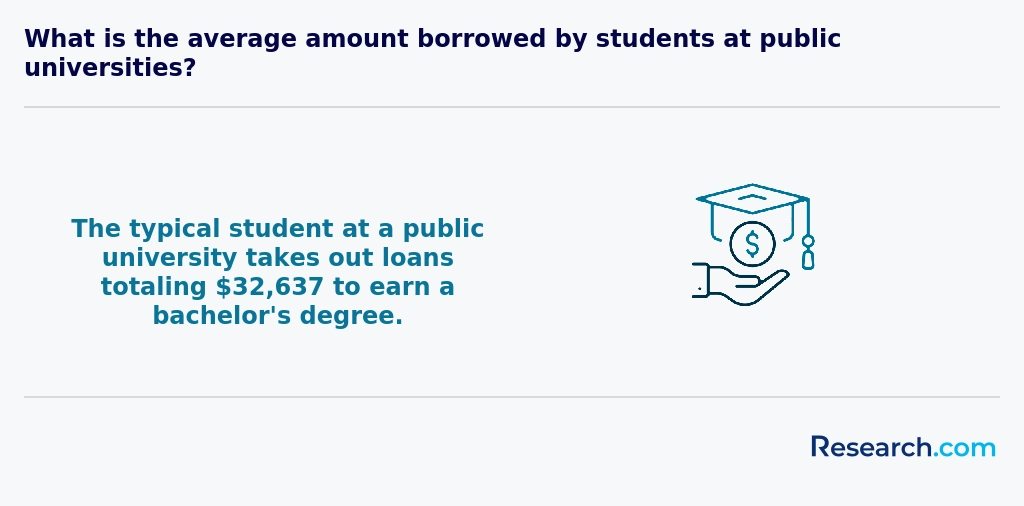
Navigating an online degree program can be uniquely challenging, so implementing solid success strategies is essential. Developing strong time management skills, creating a dedicated study space, and utilizing available academic support services can transform your educational experience. It’s important to set clear learning goals and establish a routine that aligns with your personal and professional commitments. For instance, scheduling regular breaks and using digital tools for task management can help maintain momentum throughout your coursework. Don’t overlook the value of peer support and online discussion groups-engaging with fellow students can provide motivation and foster deeper understanding of course material. Additionally, if you’re comparing different options, take a look at the best online general school in california to see how they structure their support services. By combining these strategies, you’ll be well-equipped to excel in your online studies while balancing other aspects of your life.
Online degree programs in California typically offer a curriculum combining general education, major-specific courses, and electives that provide a well-rounded academic foundation. Students at universities such as those in the California State University system often encounter general education courses in English composition, mathematics, and social sciences that support essential skills across disciplines. This structure ensures accessibility and affordability, aligning well with many learners seeking affordable online college classes California-wide.
Graduates from these programs frequently describe how major courses-ranging from computer science and psychology to criminal justice-are designed to prepare them for dynamic career paths. The inclusion of capstone projects or virtual internships brings real-world experience into their studies, allowing students to apply knowledge actively within California's diverse economic landscape. Many appreciate the interactive nature of online platforms, which fosters engagement through video lectures and discussion forums.
For those interested in career outcomes, links to the best paying degrees complement program choices, guiding students toward prudent investments in education and career planning.
Choosing the best online degree program in California hinges on accreditation, cost, and flexibility. Graduates from well-known institutions such as California State University often emphasize the peace of mind that comes with programs accredited by the Western Association of Schools and Colleges Senior College and University Commission. This ensures credits transfer smoothly and employers recognize the credential. Cost is a critical factor; many students find that California community colleges offer some of the best affordable online colleges in California, with tuition typically under $2,500 per year, making education accessible without excessive debt.
Flexibility in scheduling is another major benefit. Online programs at universities like UC offer asynchronous classes that suit working adults and parents balancing family commitments. Some graduates recall how this flexibility allowed them to maintain steady employment while completing degrees. Additionally, prospective students should explore degree availability carefully, as some fields like healthcare administration are well represented online, whereas programs in specialized disciplines might be limited.
Research into student support services is essential. Access to virtual tutoring, career counseling, and technical assistance often leads to higher satisfaction and better outcomes. To further guide your choice, consult external data on graduation rates and job placement through sources like the California Postsecondary Education Commission.
For those considering accelerated paths, reviewing options such as best online accelerated bachelor's degrees can provide a focused, time-effective route aligned with career goals.
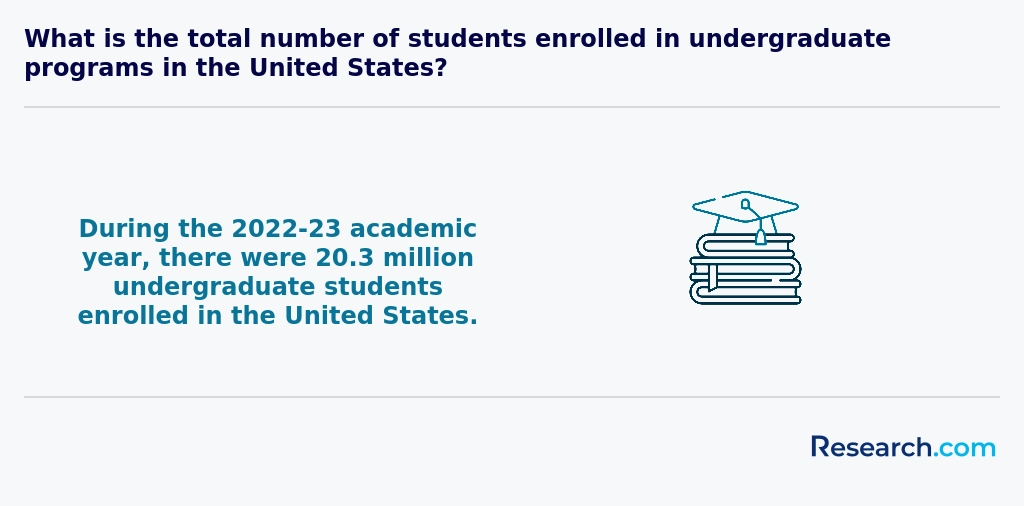
Graduates who earn online degrees from institutions like the University of Southern California or California State University find diverse career paths within California's dynamic economy. Technology roles such as software developers and cybersecurity analysts are highly accessible, reflecting the state's leadership in innovation hubs like Silicon Valley and Los Angeles. Many graduates express enthusiasm about entering these fast-growing fields, confirming the optimistic California job outlook for online graduates. In healthcare, registered nurses and health services managers benefit from robust demand driven by the state's aging population, with online nursing programs preparing students for fulfilling roles in hospitals and clinics across California.
Graduates pursuing education degrees often enter K-12 teaching or educational technology positions in public schools, thriving in an environment increasingly focused on remote and hybrid learning models. Additionally, business graduates frequently secure positions in marketing or project management, leveraging the entrepreneurial culture prevalent at universities such as UCLA or Berkeley. Creative fields, including digital media and graphic design, also offer rewarding opportunities in entertainment centers like Los Angeles. Many online learners choose fast degrees to accelerate their entry into these thriving sectors.
The job market for online general degree graduates in California reflects a robust and expanding landscape, especially in regions with strong economic activity like Silicon Valley and Los Angeles. Graduates from well-known institutions such as California State University and the University of California system often share positive experiences, noting how their online education equipped them with skills valued by employers across tech, healthcare, and business sectors. This demand aligns closely with the job outlook for online graduates in California, where industries like information technology and healthcare exhibit strong growth projections.
Many graduates find that California employers emphasize practical skills and adaptability, often gained through online learning, over traditional on-campus credentials. This shift benefits students attending popular universities offering flexible online programs. Moreover, graduates appreciate that business and finance roles, especially in cities like Sacramento, welcome online degree holders. Those seeking affordable options can explore options highlighted in the Low Cost Online Colleges Programs Ranking in Cleveland, OH, reflecting the growing accessibility of quality education for career advancement.
California online degree employment opportunities continue to expand as remote work and digital proficiency become critical job qualifications. Graduates frequently report a sense of confidence and readiness entering the workforce, supported by employers' increasing recognition of online education credentials.
2027 Most Affordable Online Colleges Programs Ranking in California
Investing in your education is a significant decision that can shape your future, and the Research.com team understands the importance of making informed choices. To assist prospective students in California, we have meticulously developed the "2027 Most Affordable Online Colleges Programs Ranking in California." Our commitment to quality, credibility, and accuracy is reflected in the rigorous research and analysis behind this ranking.
We utilized the following reputable data sources to ensure a comprehensive evaluation of affordable online programs in California:
By exploring this ranking, readers will gain valuable insights into affordable, high-quality online education options tailored to their needs, helping them make confident and informed decisions. For more information on how this ranking was created, please visit our Research.com methodology page.


Frequently Asked Questions
Students in California can maximize their online learning experience by adopting active study habits and utilizing available resources. The California Community Colleges system offers extensive online support, including tutoring and library access, which students should leverage. Scheduling consistent study times helps maintain focus and reduces procrastination. Engaging regularly with instructors and peers through discussion boards or video sessions enhances understanding and motivation.
The California Virtual Campus, a statewide resource, provides access to over 2,500 online courses from various accredited institutions, giving learners flexibility in course selection. According to the California Postsecondary Education Commission, students who actively participate in online classes tend to perform better. Additionally, proper time management and minimizing distractions contribute significantly to success in online programs.
After earning an online degree in California, preparing for the job market is essential. First, update your resume and LinkedIn profile to highlight your digital learning experience and relevant skills. California's job market, especially in tech and healthcare, values practical abilities alongside academic credentials.
Networking plays a critical role. Engage with alumni groups and local professional organizations, such as those supported by the California Chamber of Commerce. According to the California Employment Development Department, sectors like information technology and business services are expected to grow steadily through 2028.
Additionally, consider internships or volunteer work to gain hands-on experience. California employers often favor candidates with professional experience. Finally, utilize career services offered by your online institution to connect with job fairs and potential employers.
Employers in California highly value both technical and soft skills in graduates. According to the California Workforce Development Board, key skills include critical thinking, communication, and adaptability. These are vital for navigating the state's dynamic job market, especially in tech hubs like Silicon Valley.
Additionally, digital literacy and proficiency in software relevant to one's field are crucial. For example, data analysis skills are in high demand in sectors such as healthcare and finance. The California Labor Market Information highlights that over 70% of employers prioritize teamwork and problem-solving abilities.
Graduates with strong project management and time-management skills also tend to stand out, as these competencies support efficient remote and onsite work environments.
Finding internships in California starts with utilizing online platforms like Handshake, which partners with numerous California universities to connect students directly with employers. According to the California Labor Market Information Division, sectors such as technology, healthcare, and entertainment offer the most internship opportunities. Students should also explore the California Community Colleges Internship Registry to access region-specific openings.
Networking remains crucial; attending virtual career fairs and joining professional associations related to your field helps build connections. Additionally, many California universities offer career services tailored for online students, providing resume reviews and internship search assistance.
Applying early and targeting companies based in key metro areas like Los Angeles, San Francisco, and San Diego can improve your chances, as these cities host the highest concentration of internships statewide.
In California, holding an online degree can significantly impact career mobility and advancement. According to the California Employment Development Department, employers increasingly recognize accredited online degrees as equivalent to traditional degrees, especially in fields like healthcare, technology, and business. This acceptance opens doors for job promotions and salary increases.
Data from the Public Policy Institute of California shows that workers with bachelor's degrees earn nearly 50% more than those with only a high school diploma. Online degrees provide a flexible way for adults to gain these credentials while working.
Additionally, many California universities offer online programs designed to meet local industry needs, enhancing graduates' opportunities for career growth within the state.
When choosing between a thesis and a non-thesis online degree program in California, consider your career goals and learning preferences. Thesis programs typically require original research and a formal paper, benefiting students aiming for research or doctoral studies. Non-thesis options focus more on coursework and practical skills, which suit professionals seeking to advance in their field quickly.
California's public universities like CSU and UC systems offer both formats, with about 40% of graduate programs incorporating theses, according to the California Postsecondary Education Commission. Cost and time commitments also differ; thesis tracks may take longer but can open doors to academic roles.
Students based in California who pursue online degrees often seek opportunities to study abroad through exchange programs, internships, or virtual global experiences. Many California State University (CSU) and University of California (UC) campuses offer study abroad partnerships with institutions worldwide, allowing students to earn credits toward their degree while gaining international exposure.
Due to the rise in online learning, some programs now include virtual study abroad options, providing access to cultural immersion and global networking without travel. The Institute of International Education reports that California ranks highest in sending students abroad, with over 15,000 participants in recent years.
Financial aid and scholarships specifically for study abroad may be available through California universities or external organizations, helping to offset costs. Students should consult with their school's education abroad office to explore tailored resources and application procedures.
Part-time job opportunities in California can effectively complement your online degree education by providing practical experience and financial support. For students in tech-related programs, roles such as IT support specialist, web developer intern, or data analyst assistant are in high demand, thanks to California's strong technology sector, particularly in Silicon Valley.
Healthcare students may find part-time openings as medical assistants or pharmacy technicians, reflecting the state's growing healthcare industry. According to the California Employment Development Department, these positions are expected to grow between 10% and 15% through 2028.
Education majors can explore tutoring or instructional aide jobs, while business students benefit from part-time roles in marketing or administrative support. These positions often provide valuable networking opportunities alongside relevant skills development.
Online students in California benefit from a variety of networking opportunities despite studying remotely. Many California universities offer virtual career fairs, professional workshops, and alumni networking events tailored for distance learners. For example, the University of California system provides platforms where students can connect with peers and industry professionals statewide.
Additionally, California's robust online student communities and LinkedIn groups help individuals build professional relationships across sectors. According to the California Workforce Development Board, 70% of jobs are influenced by networking, highlighting its importance.
Regional industry partnerships also support online students by facilitating internships and mentorships, enhancing career prospects within California's diverse economy.
Alumni networks play a crucial role in supporting online degree students in California. These networks offer valuable connections to former graduates who often live and work within the state's diverse industries. With California hosting over 2,000 higher education institutions, alumni connections can help students access mentorship, internships, and job opportunities across key sectors like technology, healthcare, and entertainment.
According to the California Postsecondary Education Commission, 70% of job placements for recent graduates involve networking, highlighting the practical benefits of strong alumni ties. Many universities facilitate virtual events and online platforms dedicated to connecting current students with alumni, enhancing accessibility regardless of location.
Participation in alumni groups also supports professional growth and lifelong learning, allowing students to expand their reputations within competitive California job markets. Overall, alumni networks enrich the online education experience by bridging academic achievement with real-world career development.
Customizing an online degree program in California allows students to align their education with specific career goals. Many California institutions offer flexible course selections, allowing learners to choose electives and concentrations tailored to industries such as technology, healthcare, or business.
Students can often select from various specializations within a degree-like data analytics in business or gerontology in nursing-providing targeted skills employers seek. Additionally, certificate programs and internships integrated into online curricula help bridge academic knowledge with real-world experience.
According to the California Community Colleges Chancellor's Office, roughly 80% of online students benefit from personalized learning paths that improve job placement rates. Consulting academic advisors at your chosen school is recommended to ensure your program supports your professional aspirations effectively.
Online students in California often encounter challenges related to technology access and connectivity. Despite the state's advanced infrastructure, rural areas still struggle with reliable high-speed internet, limiting students' ability to participate fully in live classes or access large course materials.
Time management is another common hurdle. Many online learners juggle work, family, and studies simultaneously, making it difficult to maintain steady progress. According to the California Community Colleges Chancellor's Office, nearly 40% of students balance multiple roles, increasing dropout risks.
Additionally, limited interaction with peers and instructors can affect motivation and engagement. Online students report feeling isolated compared to traditional campus environments, which can impact academic success.
Writing a winning application for a college or university program in California requires careful attention to detail and clear communication. Start by thoroughly researching the program's requirements on the school's official website or platforms like the California Community Colleges system.
California schools value well-structured personal statements. Highlight your motivation, career goals, and how the online degree fits your aspirations. According to the California State University system, a strong personal narrative can significantly impact admissions decisions.
Additionally, submit all requested documents, such as transcripts and letters of recommendation, on time. Many institutions require placement tests or standardized test scores, so check each program's deadlines carefully.
Lastly, emphasize any relevant work experience or skills, especially if applying to professional or graduate programs. This approach enhances your application's competitiveness in California's growing online education market.
Gaining practical experience while studying online in California is essential for career readiness. Many California colleges offer virtual internships and cooperative education (co-op) programs that allow students to apply classroom knowledge in real-world settings. According to the California Community Colleges Chancellor's Office, over 70% of students participate in work-based learning opportunities annually.
Additionally, California's vast economy provides many remote volunteer and freelance options, particularly in tech, healthcare, and creative fields. Students can also engage in project-based courses designed to simulate workplace challenges. Networking through online student organizations and industry webinars further supports experience-building. These options help students develop skills that enhance employability after graduation.
Choosing the right concentration within an online degree program in California starts with assessing your career goals and interests. Many California public and private universities offer diverse concentrations, from business analytics to environmental science. According to the California Postsecondary Education Commission, fields like healthcare and technology continue to show strong job growth in the state.
Consider the labor market demand in California-concentrations aligned with industries such as IT, engineering, or education typically have higher employment rates. Reviewing curriculum details helps ensure the specialization matches your learning preferences and skill development needs.
Finally, evaluate the flexibility and resources offered by the online program, including faculty expertise and support services, to enhance your educational experience.
- 2027 Most Affordable Online Colleges Programs Ranking in Arizona
- 2027 Most Affordable Online Colleges Programs Ranking in Washington
- 2027 Most Affordable Online Colleges Programs Ranking in Colorado
- 2027 Most Affordable Online Colleges Programs Ranking in Texas
- 2027 Most Affordable Online Colleges Programs Ranking in Kansas
- 2027 Most Affordable Online Colleges Programs Ranking in Nebraska
- 2027 Most Affordable Online Colleges Programs Ranking in North Dakota
- 2027 Most Affordable Online Colleges Programs Ranking in Minnesota
- 2027 Most Affordable Online Colleges Programs Ranking in Iowa
- 2027 Most Affordable Online Colleges Programs Ranking in Missouri
- What Is a Degree Concentration & Is It Worth Pursuing? https://www.academicinfo.net/blog/2023-08-04-what-is-a-degree-concentration-is-it-worth-pursuing/
- California State | ACE https://ace.edu/tuition-and-admissions/ace-vs-other-schools/online-degrees-california/
- 25 Best Part-Time Jobs for College Students... | Metaintro https://www.metaintro.com/blog/part-time-jobs-for-college-students
- Students: This is How You Should Prepare for the Job Market https://www.agencycentral.co.uk/articles/students-this-is-how-you-should-prepare-for-the-job-market/
- The eight graduate skills employers want https://www.unitemps.com/career-advice/the-eight-graduate-skills-employers-want/
- CSU: Fully Online Courses https://www.csufullyonline.com/
- Online Degrees & Colleges in California (CA)|OnlineDegrees.com https://www.onlinedegrees.com/california/
- How to Apply to College: Insights on the Application Process https://iesuccess.org/how-to-apply-to-college-insights-on-the-application-process/
- What are the top 10 skills that'll get you a job when you graduate? https://targetjobs.co.uk/careers-advice/skills-for-getting-a-job/what-are-top-10-skills-thatll-get-you-job-when-you-graduate
- For students - Studyportals https://studyportals.com/for-students/



