2027 Easiest Online Colleges Programs Ranking in New Jersey

Co-Founder and Chief Data Scientist
Choosing the right college program can feel overwhelming, especially when balancing busy lives. Our article offers a clear path with the 2027 Easiest Online Colleges Programs Ranking in New Jersey, designed by the Research.com team of data scientists. This ranking helps you explore degree programs that fit your lifestyle and goals.
Reading this guide can empower you to make informed decisions, opening doors to a brighter future. Earning a degree online offers flexibility and new opportunities, making education accessible and rewarding.
Key benefits of getting online degrees in New Jersey
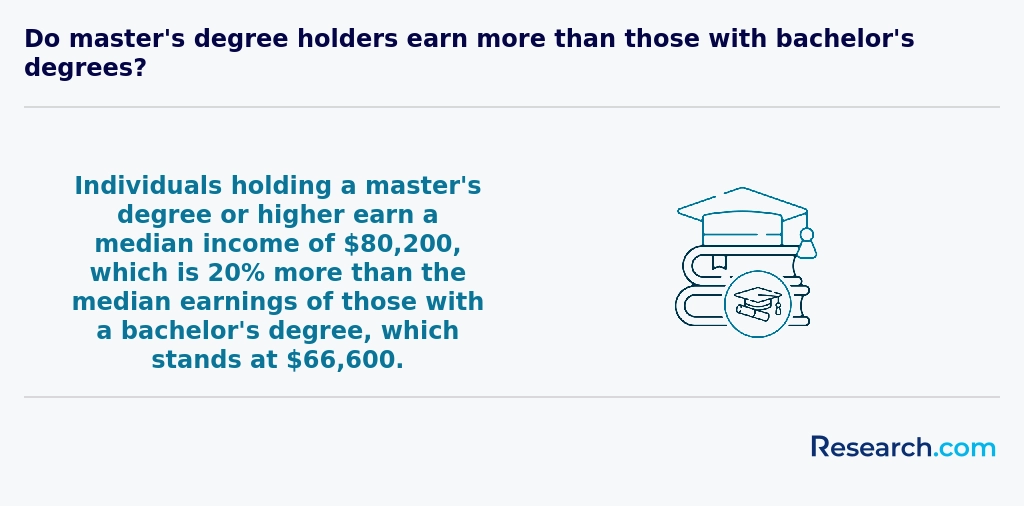
- Graduates in New Jersey with a bachelor's degree earn an average of $60,000 annually, while those with a master's degree see their salary increase to about $80,000, highlighting how higher degree levels boost earning potential.
- A recent online business graduate from Rutgers University successfully started a career in marketing, demonstrating how New Jersey's online degrees open doors to diverse and rewarding job opportunities.
- Online degrees from institutions like New Jersey Institute of Technology offer flexibility and convenience, allowing students to balance work and study, which graduates find empowering compared to traditional programs.
- 2027 Easiest Online Colleges Programs Ranking in New Jersey
- What can I expect from online degrees in New Jersey?
- How much can I make with online degrees in New Jersey?
What can I expect from online degrees in New Jersey?
When pursuing an online degree in New Jersey, you can expect a flexible and supportive learning environment designed to fit your busy life. Many graduates from Rutgers University and Montclair State University share how the hybrid and fully online formats allowed them to juggle work and family while advancing their education. This flexibility is a game changer, helping you maintain balance without compromising your goals.
Quality education is central to these programs, with institutions like Rutgers and NJIT holding respected regional accreditation. This means the knowledge you gain meets high standards recognized by employers and graduate schools. Imagine attending virtual classes with interactive tools and collaborating with peers across the state, all while receiving guidance from dedicated academic advisors and career counselors who understand your journey.
Financially, New Jersey makes it accessible with in-state tuition discounts, making quality degrees more affordable. The seamless integration of technology and robust support ensures you're not just studying online-you're thriving in a real academic community, opening doors to a bright future.
How much can I make with online degrees in New Jersey?
With an online degree in New Jersey, you can anticipate earning notably more than the state's average worker without a college diploma. Graduates holding a bachelor's degree from institutions like Rutgers University or Montclair State typically see starting salaries around $70,000 annually, reflecting nearly 60% higher earnings compared to those with only high school education. This difference can truly transform financial stability and open new career doors.
For example, graduates of nursing programs from New Jersey colleges report salaries between $70,000 and $90,000, reflecting strong demand in healthcare careers. Meanwhile, those with degrees in information technology or finance often earn between $80,000 and $110,000 annually, especially when studying at well-known schools such as New Jersey Institute of Technology or Stockton University.
If you pursue an online master's degree, say an MBA or engineering, your income potential often rises beyond $100,000. Many graduates describe how these programs accelerated their growth, thanks to New Jersey's vibrant job market and proximity to major cities like New York and Philadelphia, where opportunities abound.
Choosing an accredited New Jersey institution offers the flexibility you need without sacrificing earning power, empowering working adults to balance life, study, and career advancement effectively.
- Many New Jersey public and private universities offer fully online degree programs from associate to doctoral levels.
- In-state tuition for online undergraduate programs at public universities ranges from $13,000 to $15,000 per year.
- Private institutions may charge between $20,000 and $35,000 annually for online degrees.
- The average starting salary for online degree holders in New Jersey is around $50,000 annually, with experienced graduates earning $75,000 or more, especially in STEM, healthcare, and business.
- Key employment sectors include healthcare, information technology, finance, and education, with proximity to New York City and Philadelphia increasing job opportunities.
- Accreditation is important for program quality and employer acceptance, and state-specific financial aid and scholarships are available for online students.
Completing an online degree in New Jersey typically takes about two years for associate degrees and around four years for bachelor's degrees when studying full-time. Graduates from institutions like Rutgers University or New Jersey Institute of Technology often find that this timeline fits well with their busy schedules, thanks to flexible course offerings.
Many students juggling work and family commitments appreciate the ability to choose part-time study options, extending their degree completion to three to six years without feeling overwhelmed. One graduate shared how studying at Montclair State University allowed them to balance evening classes online and a full-time job, making steady progress while staying financially stable.
New Jersey's online programs frequently offer rolling admissions and multiple start dates, making it easier to begin when the timing feels right. Plus, some accelerated programs credit prior learning, helping motivated students finish faster. Understanding your pace and options is key-this flexibility turns the dream of a degree into a personalized journey you control.
New Jersey online degrees span multiple fields that balance accessibility with career impact:
- Business Administration (concentrations in marketing, finance, management)
- Nursing and Health Sciences (RN-to-BSN, healthcare management)
- Information Technology and Computer Science (cybersecurity, data analytics)
- Education (special education, instructional design)
- Psychology and Social Work
- Criminal Justice and Public Safety
- Environmental Science and Sustainability
For budget-conscious students, consider exploring cheapest online colleges offering strong specialization options.
Choosing between an online and on-campus degree in New Jersey often comes down to how you want to experience college life. Graduates from Rutgers and Montclair State University frequently share how on-campus learning created strong bonds through face-to-face interactions, lively campus events, and easy access to libraries and counseling centers. These experiences build a true sense of community and support.
On the other hand, many learners at schools like Kean University appreciate the flexibility of online programs, which let them study from home or while balancing jobs and family. They often find that being able to revisit recorded lectures at their own pace reduces stress and helps them grasp difficult concepts better.
Financially, online degrees in New Jersey can save you money on commuting and housing, even if tuition is similar. Think about how avoiding daily travel across the state frees up time for other priorities. However, reliable internet and a good device become your new essentials to succeed in this space.
Ultimately, both paths offer accredited degrees with equal value in the job market-so reflect on your personal rhythm and needs to find the best fit for you.
Online degree programs in New Jersey span a variety of focus areas to match diverse career goals and learning styles. Common specializations include:
- Business Administration and Management
- Nursing and Health Administration
- Information Technology and Cybersecurity
- Education (Early Childhood, Special Education)
- Psychology and Counseling
- Criminal Justice and Homeland Security
- Communications and Marketing
- Social Work and Public Administration
For students aiming to complete their degree faster without sacrificing quality, consider exploring an accelerated bachelor's degree online.
The average cost of an online degree in New Jersey typically falls around $32,460 for in-state students, making it a reasonable investment when compared with national figures. Many students at popular public universities in New Jersey find this price reflects both quality education and accessibility. Graduates often share how attending a well-regarded state institution online allowed them to balance family, work, and education without the heavy financial burden usually associated with higher education.
For those exploring affordable online college programs New Jersey offers some excellent community colleges where tuition fees are significantly lower, sometimes just a fraction of four-year institutions. This makes these options particularly appealing for students seeking to earn credits or complete associate degrees without stretching their budgets. Many students appreciate the flexibility and cost savings, which can make a huge difference in their educational journey and peace of mind.
Keep in mind that the total cost includes more than just tuition. Expenses like textbooks or technology fees might add up, but many programs use digital resources to keep these costs down. Financial assistance and scholarships can also play a crucial role in reducing what you pay out of pocket. For a clear starting point, those curious about the cost of online associate's degree options can find practical pathways to begin their education affordably in New Jersey.
Pursuing an online None degree in New Jersey offers flexibility and convenience, but students often encounter obstacles that can derail progress without the right strategies. When researching the best and most affordable online colleges, it’s equally important to prepare for these common challenges: • Time Management and Self-Discipline: Without a fixed classroom schedule, many learners struggle to establish consistent study routines. Create a weekly calendar that blocks out study sessions, breaks, and assignment deadlines. Use digital tools like Trello or Google Calendar to set reminders and prioritize tasks. • Technology and Connectivity Issues: Reliable internet access and up-to-date hardware are non-negotiable. Test your devices before each term, and identify campus or public Wi-Fi backup spots. Familiarize yourself with the institution’s learning management system early, and take advantage of tech support resources. • Isolation and Engagement: Online programs can feel impersonal. Combat loneliness by joining virtual study groups or online student forums hosted by your university. Actively participate in discussion boards and schedule one-on-one video calls with professors or peers to build a supportive network. • Balancing Work, Life, and Study: Juggling professional responsibilities and personal commitments demands clear boundaries. Allocate “focus hours” free from work and family distractions. Communicate your schedule to employers and family members so they can respect your study time. • Staying Motivated Through Setbacks: Encountering difficult coursework or personal emergencies can sap motivation. Set short-term goals-like completing a module quiz or drafting an essay outline-and reward yourself when they’re achieved. Reflect on long-term career objectives and revisit alumni success stories to maintain perspective. By proactively addressing these hurdles with structured plans and community support, online None degree students in New Jersey can transform challenges into opportunities for growth and ensure a fulfilling academic journey.
For students pursuing online degrees in New Jersey, financial aid opens many doors to achieving dreams without overwhelming debt. At Rutgers or Montclair State, graduates often share how Pell Grants lifted their tuition burden, providing up to $7,395 annually without repayment-an invaluable help when balancing work and studies.
State programs like the Tuition Aid Grant from HESAA also play a vital role, offering need-based support that can significantly reduce costs, sometimes covering thousands of dollars each year. Many students from Rowan University have benefited from additional scholarships through the Educational Opportunity Fund, empowering them to focus on learning rather than financial stress.
Loan options are available, too, with federal loans offering manageable interest rates and flexible repayment plans. But smart students weigh these carefully to avoid excess debt.
Institutional scholarships and tuition discounts targeted at online learners are common at New Jersey colleges, providing tailored support. Plus, employer tuition assistance and GI Bill benefits can stack alongside grants, making education accessible and affordable for military and working students alike.
Understanding the return on investment (ROI) of an online education is crucial when planning for your future. Beyond the immediate benefits of flexible learning and career preparation, it's important to consider how your educational investment pays off over time through increased earning potential, career advancement, and lifelong skills. For instance, many New Jersey graduates have reported that strategic investments in online programs not only enhance subject mastery but also significantly boost their professional marketability. When evaluating the overall expense, including the cost of online associate's degree, it's helpful to compare upfront tuition with long-term benefits such as salary growth and reduced career transition barriers. This approach also involves researching alumni outcomes, job placement statistics, and employer feedback to ensure that the program aligns with current industry demands. Keep an eye on factors like accreditation, curriculum updates, and the availability of career support services, as these elements often translate into higher earning potential and job satisfaction. Ultimately, a well-planned online education strategy can lead to a robust ROI, making every educational dollar an investment in your future success.
Enrolling in an online degree program in New Jersey typically requires a high school diploma or GED, serving as a solid foundation to launch your academic journey. Graduates from institutions like Rutgers or Montclair State have shared how submitting official transcripts helped confirm their readiness, opening doors to flexible online learning that fit their busy lives.
Some programs may ask for standardized test scores like the SAT or ACT, but many New Jersey colleges embrace test-optional policies, making it easier for motivated students to apply without the stress of exams. For those whose first language isn't English, demonstrating proficiency through TOEFL or IELTS can be a crucial step toward success, especially in highly regarded online programs.
Graduate applicants often need relevant undergraduate degrees and, in some cases, professional experience. Business or education programs, for example, may require specific coursework or exams like the GRE or GMAT, but many students find these can be waived depending on the institution's policies.
Institutions such as NJIT and Stockton University also highlight the importance of timely applications and orientation, ensuring students start online courses fully prepared and confident to excel in their studies.
When you dive into online degree programs in New Jersey, you'll quickly find that they are thoughtfully designed to cover a variety of essential courses. General education classes often include English composition, mathematics, social sciences, and natural sciences-building critical thinking and communication skills vital for any career. Graduates from popular New Jersey institutions often recall how mastering English 101 and college-level math boosted their confidence in tackling complex subjects later on. These foundational courses make navigating more advanced material feel achievable and engaging.
Beyond the basics, students can expect major-specific courses tailored to their chosen fields. Whether pursuing nursing, business administration, or criminal justice, courses emphasize practical skills and local relevance. Many find that these programs blend flexibility with rigorous content, making the easiest online college courses in New Jersey a gateway to fulfilling professional goals.
To explore your options and find programs that fit your budget, consider checking out the best and most affordable online colleges available in the state.
Choosing the best online degree program in New Jersey starts with verifying accreditation-ensure the school is regionally accredited, like many respected institutions here, which guarantees quality and credit transferability. Graduates from Rutgers or Montclair State often share how this assurance gave them confidence in their investment.
Consider the program's flexibility; online students juggling work and family thrive in programs offering asynchronous coursework. For example, many students from New Jersey universities appreciate that classes don't require frequent campus visits, allowing learning on their own schedule without sacrificing career or home life. Exploring affordable online degree programs New Jersey residents can access makes a big difference, especially when managing tuition and fees.
Don't overlook student support services-advising, career counseling, and tech help are crucial for a smooth journey. New Jersey online learners often highlight how these resources helped them stay on track and motivated.
Finally, investigate graduation and employment outcomes. Look for transparent data on websites or resources like the National Center for Education Statistics. Want guidance on cost-effectiveness? Check out the Cheapest Online Colleges Programs Ranking in Mississippi for comparison insights.
Graduates with online degrees in New Jersey have discovered promising career paths across several vibrant industries. Many have transitioned into healthcare roles, such as registered nurses and healthcare administrators, drawn by the state's growing demand fueled by its aging population and expanding medical centers. Others who earned degrees from institutions known statewide find themselves thriving in information technology, securing positions in cybersecurity or software development at leading companies all around New Jersey. This reflects the wide range of online degree career opportunities in New Jersey, where flexibility and relevance merge beautifully.
Online graduates from popular New Jersey colleges also find their footing in education, becoming teachers and instructional coordinators eager to innovate in digital classrooms. Meanwhile, some graduates step into finance and business sectors, leveraging skills in accounting or marketing at local financial institutions. Those passionate about public service pursue public administration or social work roles, contributing to their communities' growth. If you're looking for guidance on navigating these options efficiently, consider exploring fast track college programs that help you advance quickly.
The job market for online degree graduates in New Jersey continues to grow, offering promising opportunities across several dynamic industries. Graduates from well-known institutions like Rutgers and New Jersey Institute of Technology frequently share how their flexible online degrees allowed them to balance work and study while gaining skills that employers really need. With sectors such as healthcare, IT, business, and education expanding rapidly, many find that their online education prepares them well for in-demand roles, especially in tech and health administration.
Employers in New Jersey recognize the value of accredited online programs, often rewarding graduates with competitive salaries and strong career advancement prospects. For those curious about which programs are more accessible, students often explore what's the easiest masters degree to get as a smart way to achieve credentials quickly while targeting growth fields. If you are thinking about your future in this landscape, understanding the online degree job opportunities New Jersey offers will help you make confident educational decisions.
Those pursuing these degrees find themselves stepping into a vibrant economy where digital skills meet real-world demands, enhancing the employment outlook for online graduates NJ substantially.
2027 Easiest Online Colleges Programs Ranking in New Jersey
Investing in your education is a significant decision that can shape your future, and the Research.com team understands the importance of making informed choices. To assist prospective students in New Jersey, we have meticulously crafted the "2027 Easiest Online Colleges Programs Ranking in New Jersey." Our commitment to quality, credibility, and accuracy is reflected in the extensive research and analysis conducted to compile this ranking.
We utilized the following reputable data sources to ensure a comprehensive evaluation of online college programs:
By exploring this ranking, readers will gain valuable insights into the easiest online college programs in New Jersey, helping them make informed decisions about their educational journey. For more details on our methodology, please visit our Research.com methodology page.

# 3 position
New Jersey City University
Master of Special Education, Teacher of Students with Disabilities, endorsement eligible


Frequently Asked Questions
Students in New Jersey can maximize their online learning experience by actively engaging with course materials and utilizing available resources. Research from the New Jersey Office of the Secretary of Higher Education highlights that 75% of online learners benefit from regular communication with instructors. Scheduling dedicated study times helps maintain consistency and focus.
Taking advantage of virtual tutoring, libraries, and tech support offered by many state colleges strengthens understanding and resolves challenges promptly. Joining online study groups or forums encourages peer interaction, which enhances motivation and accountability. New Jersey's growing digital infrastructure ensures most students have reliable internet access essential for smooth participation in online programs.
After completing an online degree in New Jersey, preparing for the job market requires strategic steps tailored to the region's economy. Start by leveraging resources from local workforce agencies and New Jersey's Department of Labor, which offers job search tools and career workshops. Networking is vital; joining professional groups related to your field in New Jersey can connect you with employers and mentors. Additionally, many online programs provide career services that include resume reviews and interview preparation specific to online students. According to the New Jersey Department of Labor, sectors like healthcare and technology are projected to grow significantly, so targeting these can improve employment prospects.
Employers in New Jersey highly value a combination of technical and soft skills in graduates. According to the New Jersey Department of Labor, critical thinking, communication, and teamwork are among the most sought-after abilities. In particular, nearly 85% of employers emphasize strong verbal and written communication skills.
Additionally, problem-solving and adaptability remain vital due to the fast-changing economic environment. The state's growing sectors like healthcare and technology require proficiency in digital literacy and data analysis. Employers also appreciate time management and leadership qualities, which enhance workplace efficiency.
These skills align with what online degree programs in New Jersey often promote to increase graduate employability.
Finding internships in New Jersey requires a strategic approach that combines online research, networking, and utilizing school resources. Start by exploring internship listings on websites like the New Jersey Department of Labor's job portal, which offers state-specific opportunities. Many New Jersey colleges connected to online degree programs provide career services that include internship placement support.
Networking is essential, especially attending virtual career fairs sponsored by New Jersey universities and professional organizations. According to the New Jersey Business & Industry Association, sectors like healthcare, finance, and technology offer numerous internships, reflecting the state's diverse economy.
Additionally, internships may be found through platforms such as Handshake, used by many New Jersey colleges, offering access to employers who specifically seek students from local online programs.
In New Jersey, earning an online degree can significantly enhance career mobility and advancement. According to the New Jersey Department of Labor, workers with a bachelor's degree or higher tend to have better job opportunities and earn approximately 60% more than those with only a high school diploma. Online degrees from accredited institutions in New Jersey are recognized by employers statewide, making them valuable for career growth.
Online education offers flexibility, which allows professionals to continue working while upgrading their skills. This is especially important in New Jersey's competitive job market, where advanced degrees are increasingly required for leadership roles.
Additionally, sectors like healthcare, technology, and finance in New Jersey show strong demand for degree holders, according to data from the U.S. Bureau of Labor Statistics. Thus, online degrees can open doors to promotions and higher wages.
Choosing between a thesis and a non-thesis degree program in New Jersey depends on your career goals and learning preferences. Thesis programs typically require conducting original research and writing a substantial paper, which is ideal for students aiming for academic or research careers. Non-thesis programs focus more on coursework and practical skills, appealing to those seeking to enter the workforce quickly or advance professionally.
In New Jersey, many online colleges offer both options, often aligning thesis tracks with graduate research opportunities funded by institutions like Rutgers University. According to the New Jersey Office of the Secretary of Higher Education, about 40% of graduate students choose thesis programs.
Consider your time availability and interest in research, as thesis degrees often take longer to complete. Financial aid and assistantships may also favor thesis students due to research funding.
Students in New Jersey interested in studying abroad through online degree programs have several flexible options. Many New Jersey colleges collaborate with international institutions, offering virtual exchange programs that allow students to experience global learning without leaving home. These programs often include live lectures, group projects, and cultural workshops hosted remotely.
The New Jersey Department of Education supports such initiatives, encouraging institutions to expand international online partnerships. Some local universities, like Rutgers and Montclair State, provide study abroad opportunities integrated with online coursework, letting students earn credits transferable across borders.
Despite being remote, these programs cultivate global perspectives valuable in today's job market. According to Open Doors 2023 data, New Jersey ranks in the top 10 states for student participation in international education, indicating strong interest and resources available.
Many part-time job opportunities in New Jersey align well with online degree studies, helping students gain relevant experience. For instance, healthcare roles like medical assistants or pharmacy technicians support students pursuing nursing or health-related degrees. According to the New Jersey Department of Labor, these roles often pay between $15 and $20 per hour, offering practical skills and income.
Retail and customer service positions can complement business or marketing degrees by enhancing communication and sales skills. Additionally, internships in technology firms located in hubs such as Newark or Jersey City provide hands-on experience for IT or computer science students.
Education majors might consider working as tutors or teacher aides, benefiting from New Jersey's strong emphasis on education professions. Many universities and local organizations facilitate connections between students and part-time roles fitting their academic paths, improving both employability and course comprehension.
Online students in New Jersey have growing access to various networking opportunities despite studying remotely. Many state universities and colleges offer virtual career fairs, webinars, and alumni networking events that connect students with industry professionals. For example, Rutgers University's online programs provide active online platforms where students can engage with peers and faculty.
Professional organizations in New Jersey, such as the New Jersey Technology Council, often hold virtual meetings and events open to online students. According to the New Jersey Business & Industry Association, these forums help build valuable local connections in industries like finance, healthcare, and technology.
In addition, many online programs encourage participation in internships and community projects, which offer real-world networking. Students can also join LinkedIn groups focused on New Jersey-specific educational and professional communities to expand their network.
Alumni networks play a crucial role in supporting online degree students in New Jersey by fostering professional connections. Graduates from institutions like Rutgers University and Thomas Edison State University often access these networks for mentorship and job opportunities. According to the New Jersey Higher Education Data Center, nearly 70% of students find employment through alumni referrals or networking events.
These networks provide students with access to exclusive job postings, internships, and career workshops tailored to the New Jersey market. They also promote a sense of community, which can help online students feel more connected despite not attending campus in person.
Additionally, alumni connections can open doors to local industries such as pharmaceuticals, finance, and technology, which are strong economic sectors in New Jersey. Engaging with alumni can significantly enhance a student's career prospects and professional growth within the state.
Customizing your online degree program in New Jersey allows you to align education with your specific career goals. Many New Jersey institutions offer flexible curriculums where you can select electives, concentrations, or specializations related to your field. For example, a business degree may allow you to focus on marketing, finance, or management. Additionally, some schools provide options for internships, capstone projects, or certifications that enhance practical skills.
Advisors at New Jersey colleges often help students tailor their study plans, ensuring credits meet both graduation requirements and career objectives. According to the New Jersey Higher Education Task Force, personalized online programs can improve job placement rates by up to 15%.
Online students in New Jersey often face challenges related to technology access and reliable internet connectivity. According to the New Jersey Broadband Map, around 8% of households in the state still lack high-speed internet, which can hinder students' ability to participate in live lectures or submit assignments on time.
Another common difficulty is maintaining motivation and time management. Without the structure of traditional classes, many students struggle to balance studies with work and family responsibilities.
Additionally, some students report limited interaction with instructors and peers, which can affect learning engagement and access to academic support.
When applying to online degree programs in New Jersey, it is crucial to present a clear, well-organized application. Start by carefully reading each school's requirements on their official website, as institutions like Rutgers or Montclair State University may have different criteria.
Highlight your relevant academic achievements and professional experience, emphasizing skills that relate to the program. New Jersey colleges often value a strong personal statement explaining your goals and motivation for choosing online education.
According to the New Jersey Office of the Secretary of Higher Education, timely submission of all documents, including transcripts and letters of recommendation, improves your admission chances.
Proofread thoroughly, and consider feedback from mentors familiar with the New Jersey higher education system to ensure your application stands out.
Gaining practical experience while studying online in New Jersey is essential for career readiness. Many online programs encourage internships that can be completed locally or virtually. According to the New Jersey Department of Labor, internships in industries such as healthcare, finance, and technology offer valuable hands-on learning opportunities.
Students can also participate in cooperative education (co-op) programs, combining coursework with paid work experience. Some New Jersey colleges partner with regional employers to facilitate these placements.
Additionally, volunteering and project-based assignments included in online courses help build skills employers seek. Exploring New Jersey's professional networks can open doors to these experiences.
Choosing the right concentration within an online degree program in New Jersey involves understanding your career goals and local job market trends. Fields like healthcare, technology, and business often have strong demand in the state. According to the New Jersey Department of Labor, STEM-related jobs are expected to grow 12% by 2030, making tech concentrations valuable.
Research specific programs thoroughly. Look for concentrations that align with your skills and interests while offering practical experience or internships.
Also, consider the flexibility of the curriculum and the availability of faculty support to ensure a strong online learning environment.
- 2027 Easiest Online Colleges Programs Ranking in Delaware
- 2027 Easiest Online Colleges Programs Ranking in Pennsylvania
- 2027 Easiest Online Colleges Programs Ranking in New York
- 2027 Easiest Online Colleges Programs Ranking in Maryland
- 2027 Easiest Online Colleges Programs Ranking in Connecticut
- 2027 Easiest Online Colleges Programs Ranking in Rhode Island
- 2027 Easiest Online Colleges Programs Ranking in Virginia
- 2027 Easiest Online Colleges Programs Ranking in Massachusetts
- 2027 Easiest Online Colleges Programs Ranking in West Virginia
- 2027 Easiest Online Colleges Programs Ranking in Ohio
- Financial Aid in New Jersey https://afsc.org/financial-aid-new-jersey
- Work-based Learning - A Critical Opportunity for All Students https://www.njsba.org/work-basedlearning-a-critical-opportunityfor-all-students/
- Home https://northjerseychamber.org/
- From campus to career: practical advice for post-graduates facing the job market https://ufvcascade.ca/from-campus-to-career-practical-advice-for-post-graduates-facing-the-job-market/
- New Jersey Online High School | General & Adult Diploma Programs - USCI https://www.uscareerinstitute.edu/online-high-school/new-jersey-online-high-school
- Preparing Grads for the Modern Workforce | Eastwick College https://eastwick.edu/news/preparing-for-the-future-how-eastwick-college-equips-students-for-the-modern-workforce/
- Top 15 Skills Employers Look for in College Graduates https://www.vupune.ac.in/blog/top-15-skills-employers-look-for-in-college-graduates
- NJ's social and economic challenges and possible solutions - NJ Spotlight News https://www.njspotlightnews.org/special-report/the-change-project-series-examines-social-economic-challenges-possible-solutions/
- 10 Colleges That Allow Students to Create Their Custom Degrees - College Cliffs https://collegecliffs.com/colleges-that-allow-students-to-create-custom-degrees/
- Thesis vs. Non-Thesis Master's Programs: Which is Right for You? https://potomac.edu/thesis-vs-non-thesis-masters/