
2027 Easiest Online Colleges Programs Ranking in Rhode Island

Co-Founder and Chief Data Scientist
Choosing the right online college program can feel overwhelming, especially with so many options available. This article introduces the 2027 Easiest Online Colleges Programs Ranking in Rhode Island, created by the Research.com team of data scientists to guide you through the best choices.
By exploring this ranking, you'll discover programs designed to fit your lifestyle and goals, making your journey toward a degree more manageable.
Education opens doors to new opportunities, and finding the right path has never been more important.
Key benefits of getting online degrees in Rhode Island
- Graduates in Rhode Island with a bachelor's degree earn an average annual salary of $60,000, while those with a master's degree see this rise to about $75,000, showing clear financial benefits from higher degree levels.
- A graduate from the University of Rhode Island who studied an online business degree often pursues careers in management or marketing, enjoying flexible job opportunities in the state's growing corporate sector.
- Online degrees from institutions like Rhode Island College offer the advantage of studying at your own pace and balancing work and life, which many graduates say made earning their degree less stressful and more accessible than traditional programs.
- 2027 Easiest Online Colleges Programs Ranking in Rhode Island
- What can I expect from online degrees in Rhode Island?
- How much can I make with online degrees in Rhode Island?
What can I expect from online degrees in Rhode Island?
When pursuing an online degree in Rhode Island, you can expect a flexible learning experience that fits around your work and family commitments. Graduates from the University of Rhode Island and Rhode Island College often share how hybrid and fully online formats allowed them to study evenings or weekends while maintaining their jobs. This flexibility is supported by accredited programs that meet the same high standards as in-person classes, giving you confidence in the quality of your education.
Financially, while tuition parallels on-campus rates-averaging about $11,000 annually for in-state students-many online learners benefit from financial aid and scholarships designed specifically for distance education. This reduces the burden of commuting and housing costs often associated with campus attendance.
Graduates also find their online degrees respected by local employers, especially in growing fields like healthcare and technology. Rhode Island's evolving economy rewards the skills developed through these programs, helping students transition smoothly into the workforce.
How much can I make with online degrees in Rhode Island?
Graduates with online degrees in Rhode Island can expect varied earnings based on their degree level and field of study. For example, those with a bachelor's degree from institutions like the University of Rhode Island often start with salaries around $60,000, especially in business or healthcare fields. Registered nurses, a popular career path for online nursing graduates from colleges in the state, earn a median wage close to $79,000 annually, reflecting strong demand and rewarding work.
Online STEM graduates, such as those holding degrees in computer science or engineering, often report starting salaries between $60,000 and $75,000. Mid-career professionals with these skills frequently surpass the $100,000 mark, especially when affiliated with local tech firms in Providence or industry leaders in the state.
Graduate degree holders from Rhode Island universities pursuing healthcare administration or education leadership generally see salaries above $90,000, underlining the value of advanced qualifications. Many graduates share how online programs allowed them to balance work and study, making it easier to gain experience while earning a degree that pays off financially in their local job market.
- Rhode Island offers online programs through accredited institutions like the University of Rhode Island and Rhode Island College in fields such as business, education, nursing, and technology.
- In-state tuition for public undergraduate online programs ranges from $10,000 to $15,000 per year, while private colleges may charge up to $30,000 annually with available financial aid.
- Entry-level salaries for bachelor's degree holders start around $40,000 to $50,000, increasing to $70,000 to $90,000 after gaining work experience in the state.
- Key employment sectors supporting online degree graduates include healthcare, education, technology, and manufacturing, with nursing programs aligned to local job demand.
- State regulations ensure quality and recognized credentials for online programs, and regional compacts allow some cross-state online education options for Rhode Island students.
Completing an online bachelor's degree in Rhode Island typically takes about four years of full-time study, as demonstrated by graduates from the University of Rhode Island (URI). However, many students appreciate the flexibility that online programs offer, allowing them to balance work and personal life while progressing at their own pace. Some accelerated tracks at local universities enable students to finish in as little as three years, providing a faster route to entering the workforce.
Associate degrees from community colleges in Rhode Island usually require around two years. Graduates often share how starting with an associate degree helped them quickly gain job-ready skills or transfer credits to a bachelor's program, saving time and money.
For master's degrees, students at Rhode Island's public universities often take one to two years, depending on course load and whether they study full- or part-time. The ability to enroll year-round or select accelerated classes allows many to tailor their study plan, maintaining motivation and momentum.
Transfer-friendly policies are another advantage in Rhode Island. Many students find these helpful for reducing redundant courses, making degree completion more efficient and less stressful.
Choosing between an online and an on-campus degree in Rhode Island depends largely on your lifestyle and learning preferences. For example, a recent graduate from the University of Rhode Island shared how online classes allowed balancing a full-time job and family commitments without the stress of commuting. This flexibility is a significant advantage when schedules are tight.
On the other hand, a Rhode Island College student who attended classes on campus appreciated the daily routine and direct interaction with professors and classmates, which helped build a strong network and boost motivation. Rhode Island's compact urban areas mean on-campus commutes are often manageable, making in-person learning convenient for many residents.
Cost differences also play a role. Online programs sometimes have lower fees, reflecting reduced facility expenses and travel costs, though technology fees may apply. Graduates advise checking each program's tuition carefully, especially at Rhode Island institutions offering both options.
- Online learning demands strong self-discipline but offers wider access across the state.
- On-campus degrees foster hands-on experiences and community involvement, valuable for fields like health sciences.
The average cost of an online degree in Rhode Island varies, but data shows the median total tuition and fees for Rhode Island online colleges is approximately $30,937. For residents paying in-state tuition, costs can be considerably lower compared to out-of-state rates, although some programs may have similar total fees regardless of residency. Students pursuing online degrees through popular institutions such as the University of Rhode Island or Providence College often highlight the balance between quality education and affordable tuition, emphasizing the value of in-state rates and financial aid options to make their goals more attainable.
Graduates recall managing expenses effectively by combining online study with work or family commitments, appreciating that reduced campus facility fees help keep costs down. Those enrolled in associate degree programs often experience even lower tuition fees, making it a sensible stepping stone toward a bachelor's degree. Real-life examples show students taking advantage of scholarships, employer tuition reimbursement, and in-state tuition benefits to reduce their overall debt burden, demonstrating practical strategies to navigate total tuition and fees for Rhode Island online colleges.
When budgeting, it's critical to consider additional expenses like textbooks and technology fees, which can add $1,000 to $2,000 annually. Prospective students looking for efficient and affordable options may find a cheap accelerated bachelor's degree online to fit their needs, offering a faster route to degree completion without sacrificing quality.

Students pursuing online degrees in Rhode Island often find strong financial support to ease their educational journey. For example, graduates from the Community College of Rhode Island (CCRI) have benefited greatly from the Rhode Island Promise Scholarship, which covers full tuition for associate degrees, making a two-year online program accessible and affordable. Many also rely on federal Pell Grants, which provide up to $7,395 annually, significantly lowering out-of-pocket expenses.
Beyond these, learners often tap into merit-based or need-based scholarships offered by Rhode Island's institutions that recognize the dedication needed for online study. One graduate from a Rhode Island university shared how institutional aid helped them afford advanced courses without overloading on loans.
Federal and private loans remain options, but with interest rates around 5%, Rhode Island students are encouraged to prioritize grants first. Working professionals appreciate employer tuition assistance programs, especially in sectors like healthcare and technology, where their companies actively support skill development.
This blend of state, federal, and private resources makes pursuing an online degree in Rhode Island both practical and promising.
To enroll in an online degree program in Rhode Island, you need to have a high school diploma or equivalent like a GED for undergraduate studies. Many students from the University of Rhode Island share that meeting this basic requirement opened the door to flexible learning paths tailored to their busy lives. Some programs also ask for a minimum GPA, often between 2.0 and 2.5, so aiming to maintain steady grades during high school can make a big difference.
Many schools now have test-optional policies, meaning you might not need SAT or ACT scores, which eases stress for applicants balancing work or family. Graduate applicants generally must hold a bachelor's degree from an accredited college and submit transcripts, recommendation letters, and a statement of purpose. Some programs, especially in fields like business or nursing, request relevant work experience.
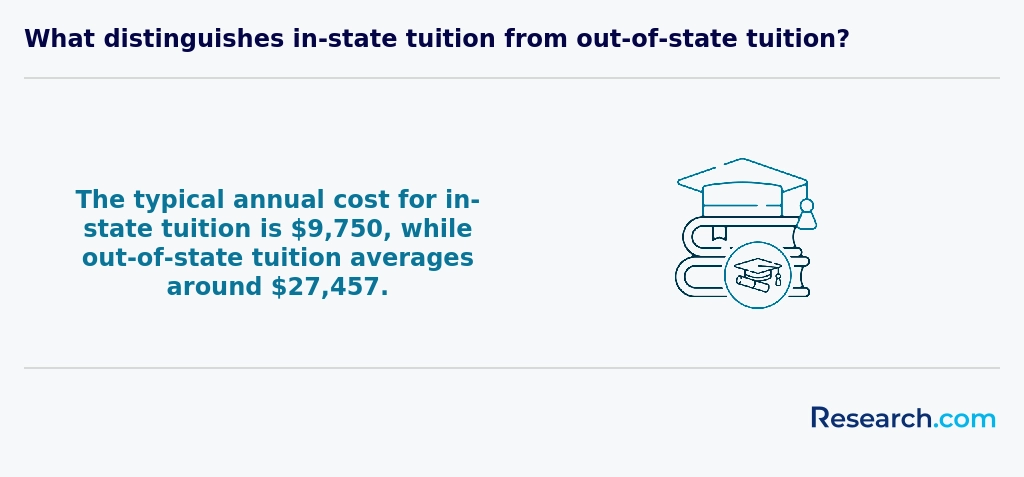
Practical readiness is crucial too. Reliable internet and updated technology are essential since all coursework is online. Application fees in Rhode Island typically range from $25 to $75, so budgeting for those upfront costs is wise. Residents benefit from lower tuition, with in-state rates around $10,000 yearly at public universities, creating an affordable pathway for local students.
Online degree courses in Rhode Island typically include foundational subjects that build essential skills, preparing students from institutions like the University of Rhode Island and Rhode Island College for diverse career paths. Graduates often mention how core classes in English composition sharpened their communication, while math courses such as college algebra or statistics boosted their problem-solving confidence. Social sciences like psychology or political science help students understand human behavior, a key asset across many fields. Natural science courses, often featuring virtual labs, create a hands-on learning experience that students found engaging.
For those seeking affordable online college programs Rhode Island students appreciate the tailored coursework relevant to the local job market. Business majors encounter classes in marketing and finance that graduates say translated well into real-world roles, while healthcare-focused programs offer essential studies in anatomy and healthcare ethics aligned with Rhode Island's medical sector. Many learners balance family or work with interactive course formats, ensuring steady progress toward their degrees. Some also explore online certificate programs that pay well to enhance their resumes alongside their degree pursuits.
When choosing the best online degree program in Rhode Island, focus first on accreditation to ensure your credits will transfer and your degree is respected. Graduates from the University of Rhode Island often praise the region's strong accreditation standards that make their degrees valuable for career growth. Flexibility is key; many working adults appreciate asynchronous classes that fit around their schedules, like those offered by Rhode Island College. Look for programs that provide part-time and full-time options to match your pace.
Consider affordability carefully. Rhode Island residents benefit from affordable online colleges in Rhode Island through in-state tuition and scholarship options. One graduate shared how financial aid made their business degree attainable without excessive debt. Make sure to explore student support services such as online tutoring and career counseling, which many students report boost their confidence and success.
Finally, researching graduation and employment outcomes helps you choose wisely. A useful resource is the best online degree programs for seniors, which provides insights into programs that prepare students effectively for the workforce in Rhode Island's popular fields like business and education.
Graduates holding online degrees in Rhode Island enjoy diverse career paths that leverage the state's growing sectors. For example, many have secured rewarding roles in healthcare, such as registered nurses or health administrators, thanks to flexible online nursing programs popular at local institutions. Others have found success in technology fields like software development and cybersecurity, where Rhode Island's expanding tech industry provides ample job prospects for Rhode Island online graduates.
Education graduates from online programs often transition into teaching or curriculum development positions within Rhode Island's schools, benefiting from the state's acceptance of online certification routes. Similarly, business administration and finance graduates frequently move into roles such as marketing specialists or financial analysts, supporting the region's thriving small business ecosystem.
Graduates report feeling confident that their online degrees, earned through well-regarded local schools, open doors for career advancement and stability. For those exploring options, researching the best open admission colleges in Rhode Island can provide tailored guidance for maximizing career success with an online degree.
Graduates with online degrees in Rhode Island find a job market that values flexibility and relevant skills, especially within healthcare, technology, and education sectors. Those who earned their degrees through institutions like the University of Rhode Island or Rhode Island College often highlight how aligning their coursework with industry needs helped them secure roles quickly. In particular, the state's growing technology sector, which expanded by 5.4% recently, rewards demonstrable skills in IT and cybersecurity, making it a promising path for online degree holders.
Many online graduates in Rhode Island benefit from workforce development programs that partner with local colleges to ensure curricula meet employer demands. For example, graduates with degrees in nursing or healthcare administration find steady employment due to the state's aging population and expanding healthcare services. Individuals remark on the competitive median wage near $58,000 and a low unemployment rate of 3.1%, which together create an encouraging environment for career growth after online study.
To get started, consider exploring the range of easiest associate's degree programs available online, which many Rhode Island students use as a stepping stone toward stable employment and further education options.
2027 Easiest Online Colleges Programs Ranking in Rhode Island
Investing in your education is a significant decision that can shape your future, and the Research.com team understands the importance of making well-informed choices. To support prospective students in Rhode Island, we have carefully developed the "2027 Easiest Online Colleges Programs Ranking in Rhode Island." Our dedication to quality, credibility, and accuracy is evident in the thorough research and analysis behind this ranking.
We utilized the following reputable data sources to ensure a comprehensive evaluation:
By reviewing this ranking, readers will gain valuable insights into the easiest online college programs in Rhode Island, helping them make confident decisions about their educational journeys. For more information about our process, please visit our Research.com methodology page.


Frequently Asked Questions
Students in Rhode Island seeking to maximize their online learning experience should focus on strong time management and engagement strategies. The Rhode Island Board of Education notes that effective scheduling helps learners balance study with work or personal commitments. Utilizing resources like virtual tutoring and library services offered by local institutions enhances understanding and retention.
Participating actively in online discussions and group projects increases interaction, which research from the Online Learning Consortium shows improves student success by up to 25%. Additionally, familiarizing oneself with Rhode Island's digital platforms before courses begin reduces technical interruptions.
Finally, students should explore accredited Rhode Island schools, as the U.S. Department of Education highlights that regional accreditation ensures quality education recognized by employers nationwide.
Preparing for the job market after earning an online degree in Rhode Island involves several key steps. First, it is important to build a professional network, which can include joining local chapters of industry organizations or attending virtual career fairs hosted by institutions like the University of Rhode Island. According to the Rhode Island Department of Labor and Training, sectors such as healthcare and technology are growing rapidly, so tailoring your skills to these fields increases employability.
Developing a strong résumé and practicing interview skills are essential. Many local colleges offer career services specifically for online students, providing access to job boards and counseling. Additionally, obtaining relevant internships or certifications can enhance your credentials in Rhode Island's competitive job market.
Employers in Rhode Island prioritize several key skills when hiring recent graduates. According to the Rhode Island Department of Labor and Training, critical thinking and problem-solving are among the most valued. These skills enable employees to adapt to changing environments effectively.
Communication skills, both written and verbal, are highly sought after across industries such as healthcare, technology, and education. Additionally, digital literacy is increasingly important as employers require proficiency with common software and online collaboration tools.
The state also emphasizes teamwork and interpersonal skills, reflecting the collaborative nature of Rhode Island's growing economy. As of recent surveys, about 60% of local employers rank adaptability as essential for new hires.
Finding internships in Rhode Island involves leveraging both local resources and statewide networks. Prospective students should begin by exploring career services offered by their online colleges, many of which provide connections to Rhode Island employers. Additionally, the Rhode Island Department of Labor and Training maintains a job bank with internship listings tailored to state residents.
Networking is crucial; professional groups like the Rhode Island Chamber of Commerce and industry-specific organizations can offer access to internship opportunities. According to Rhode Island's Economic Development Corporation, sectors such as healthcare, manufacturing, and technology frequently host internships, providing strong options for students.
Many Rhode Island internships are listed on platforms such as Handshake and Internships.com, where students can filter by location and field. It is advisable to apply early and tailor applications to highlight relevant skills given the state's competitive market. Engaging with local alumni networks and attending virtual career fairs specifically aimed at Rhode Island students may also enhance internship prospects.
In Rhode Island, holding a degree significantly enhances career mobility and advancement opportunities. According to the U.S. Census Bureau, individuals with at least a bachelor's degree earn roughly 68% more than those with only a high school diploma. Employers in Rhode Island increasingly value online degrees, especially from accredited institutions, as use of remote work and digital skills grows statewide.
The Rhode Island Department of Labor and Training highlights that sectors like healthcare, technology, and finance-key to the state's economy-favor candidates with higher education credentials for promotions and specialized roles. Online degrees offer flexible access to these qualifications.
Additionally, regional studies show that workers with degrees report lower unemployment rates and greater job stability within Rhode Island, emphasizing the role of education in long-term career growth.
Choosing between a thesis and a non-thesis degree program in Rhode Island depends largely on your career goals and learning preferences. Thesis programs emphasize research and require completing a substantial project, which is ideal for students aiming at doctoral studies or research-intensive careers. Non-thesis programs focus more on coursework and practical experience, appealing to professionals seeking to advance in their field without committing to extensive research.
In Rhode Island, universities like the University of Rhode Island offer both options, aligning with national trends where about 30% of graduate students choose thesis paths (NCES, 2023). Online programs also increasingly provide flexibility between these tracks.
Students based in Rhode Island who wish to study abroad while pursuing online degrees have several options through US higher education institutions offering global programs. Many universities in Rhode Island participate in exchange programs and partner with institutions worldwide, allowing students to earn credits remotely or during short-term on-site experiences.
According to the Institute of International Education, over 60% of Rhode Island higher education institutions report offering such study abroad opportunities integrated with online or hybrid models. This flexibility is particularly valuable for working professionals and adult learners.
Notably, nearby universities often collaborate with international campuses, enabling Rhode Island students to access global resources without significantly interrupting their studies. Financial aid and scholarships specific to study abroad are increasingly available, making these programs more accessible.
Part-time job opportunities in Rhode Island that complement your online degree education vary by field of study. For students in healthcare, the state's growing medical sector offers roles like medical assistants and pharmacy technicians, where the Rhode Island Department of Labor reports steady job growth. Business and finance students can find internships or administrative assistant positions in Providence's expanding financial services industry, which accounts for roughly 20% of local employment.
Educational support roles, such as tutors or teacher aides, are common for students pursuing degrees in education, especially with Rhode Island's focus on improving K-12 outcomes. Technology students can benefit from the increasing demand for IT support and web development roles in the state's technology firms, with job openings projected to rise 13% by 2030, according to the U.S. Bureau of Labor Statistics.
Online students in Rhode Island have growing access to networking opportunities through local universities and statewide professional organizations. Institutions such as the University of Rhode Island and Rhode Island College offer virtual events, webinars, and career services that connect remote learners with faculty, alumni, and industry professionals.
The Rhode Island Technology Council, a statewide network, frequently hosts online meetups and workshops, providing valuable spaces for students to engage with local tech and business communities. According to the Rhode Island Department of Labor and Training, sectors like healthcare and information technology offer strong regional connections beneficial for online learners seeking internships and job placements.
Many colleges also support student clubs and groups that facilitate peer networking virtually. These avenues help online students build professional relationships despite studying remotely, enhancing career prospects within Rhode Island's competitive job market.
Alumni networks in Rhode Island offer valuable support to online degree students by providing access to professional connections and career resources. Graduates often gain mentorship opportunities that help them navigate local job markets more effectively. According to the Rhode Island Department of Labor and Training, networking contributes significantly to job placements in the state's growing tech and healthcare sectors.
These networks also facilitate local internships and job referrals, which can be crucial for online learners who lack on-campus interaction. Schools in Rhode Island, such as the University of Rhode Island, maintain active alumni communities that engage in industry events and workshops.
Such involvement enhances students' chances of employment and professional growth after graduation.
Online degree programs in Rhode Island offer flexibility to align studies with career objectives. Many institutions provide customizable curricula through elective courses or specialized tracks within a major, allowing students to focus on areas most relevant to their professions.
Advisors often help tailor course selections based on career goals, ensuring choices support desired skills and industry demands. For example, the University of Rhode Island offers online programs with options to concentrate on areas like healthcare management or information technology.
Students can also engage in internships or project-based learning remotely, gaining practical experience that enhances employability.
The Rhode Island Board of Governors for Higher Education reports an increasing number of online learners utilize these options to personalize their education effectively.
Online students in Rhode Island often face challenges related to limited access to reliable high-speed internet, especially in rural areas. According to a 2023 report by the Rhode Island Office of Digital Excellence, around 15% of households lack broadband service, which can hinder seamless participation in virtual classes. Additionally, students report difficulties balancing work, family responsibilities, and coursework, a common issue across the US but especially notable in Rhode Island where many adult learners juggle multiple roles.
Technical issues with online platforms and limited direct interaction with instructors can also affect learning quality. Furthermore, some Rhode Island employers may not fully recognize online degrees, impacting career advancement opportunities for graduates.
To write a winning application for a college or university program in Rhode Island, start by thoroughly researching the institution's requirements. Many schools, such as the University of Rhode Island and Rhode Island College, emphasize clear, well-structured personal statements that reflect your goals and experiences. Highlighting your motivation for choosing the program and your career aspirations improves your chances. Be sure to submit all required documents, including transcripts and test scores, on time. Attention to detail is crucial, as Rhode Island schools often use holistic review processes. According to the Rhode Island Office of Higher Education, successful applicants often demonstrate strong academic records paired with relevant extracurricular activities.
Gaining practical experience while studying online in Rhode Island is possible through internships, cooperative education (co-op) programs, and community partnerships. Many Rhode Island colleges collaborate with local businesses and organizations to offer remote or in-person internships aligned with online degree programs.
Students can seek virtual internships with firms based in Providence, a hub for industries like healthcare, education, and technology. According to the Rhode Island Department of Labor and Training, internship opportunities have increased by over 15% in these sectors over recent years.
Additionally, some institutions encourage students to participate in project-based courses or service learning, which provide hands-on experience directly related to their fields. These options help develop professional skills and build local networks while accommodating the flexibility online learning demands.
Choosing the right concentration within an online degree program in Rhode Island involves understanding your career goals and local job market trends. Rhode Island's economy emphasizes healthcare, education, and technology sectors, making concentrations in nursing, education, or information technology particularly relevant.
Research course offerings at accredited institutions like the University of Rhode Island and Rhode Island College to ensure flexibility and quality. Consider concentrations that align with in-demand skills; for example, healthcare occupation growth in Rhode Island is projected to increase by 15% through 2030, according to Rhode Island's Department of Labor and Training.
Evaluate how each concentration fits your schedule and financial situation, including available scholarships or state aid for Rhode Island residents.
- 2027 Easiest Online Colleges Programs Ranking in Massachusetts
- 2027 Easiest Online Colleges Programs Ranking in Connecticut
- 2027 Easiest Online Colleges Programs Ranking in New York
- 2027 Easiest Online Colleges Programs Ranking in New Jersey
- 2027 Easiest Online Colleges Programs Ranking in Pennsylvania
- 2027 Easiest Online Colleges Programs Ranking in Maine
- 2027 Easiest Online Colleges Programs Ranking in Maryland
- 2027 Easiest Online Colleges Programs Ranking in Virginia
- 2027 Easiest Online Colleges Programs Ranking in Ohio
- 2027 Easiest Online Colleges Programs Ranking in West Virginia
- Top 15 Skills Employers Look for in College Graduates https://www.vupune.ac.in/blog/top-15-skills-employers-look-for-in-college-graduates
- Practical Nursing https://www.lincolntech.edu/campus/lincoln-lti-ri/programs/practical-nursing/diploma
- Soft Skills Employers are Looking for in a Graduate https://www.law.ac.uk/resources/blog/soft-skills-employers-are-looking-for-in-a-graduate/
- Seven Challenges - Family Service of Rhode Island https://www.familyserviceri.org/programs/seven-challenges/
- Home - RI Reconnect https://rireconnect.org/
- Free Online Games on CrazyGames | Play Now! https://www.crazygames.com/
- List of Universities & Colleges in the State of Rhode Island - Online Degree https://www.onlinedegree.com/colleges/rhode-island/
- Free Online Games at Poki - Play Now! https://poki.com/
- Online Games.io - Free Games https://www.onlinegames.io/
- 6 Concerns: Why Rhode Island Needs New and Different Schools - Reciprocity Rhode Island https://www.reciprocityrhodeisland.com/about


