Best Diagnostic Medical Sonographer Training Programs & Trade Schools - Top Sonography Schools in Kentucky for 2026

Co-Founder and Chief Data Scientist
Choosing the right medical sonographer trade school in Kentucky can feel overwhelming, but you’re not alone. This article introduces a carefully crafted ranking of the best programs, developed by the Research.com team of data scientists to guide you toward informed decisions.
By exploring these top programs, you’ll discover options that match your goals and lifestyle. Earning a diploma or certification in medical sonography opens doors to rewarding careers in healthcare, offering both stability and personal fulfillment.
Take the first step toward a bright future with confidence and clarity.
Key benefits of finishing medical sonographer trade school in Kentucky
- Graduates of medical sonographer trade schools in Kentucky can expect competitive salaries, with averages ranging from around $74,000 to over $100,000 annually depending on location and experience.
- Career paths include working in hospitals, clinics, or specialized imaging centers, giving graduates flexible options to find a role that fits their skills and interests.
- Completing a medical sonographer trade school online offers flexibility and convenience, allowing students to balance studies with work or family, often accelerating their path to certification and employment.
- Best Diagnostic Medical Sonographer Training Programs & Trade Schools - Top Sonography Schools in Kentucky for 2026
- What can I expect from medical sonographer trade schools in Kentucky?
- Where can I work after finishing medical sonographer trade schools in Kentucky?
What can I expect from medical sonographer trade schools in Kentucky?
Students enrolling in medical sonographer trade school programs in Kentucky can expect a mix of classroom learning and hands-on clinical training at local hospitals or imaging centers. Graduates from popular schools often describe early experiences operating ultrasound equipment under supervision, gaining confidence as they master both technical skills and medical knowledge.
Programs vary from one-year diploma courses to associate's and bachelor's degrees, offering flexibility depending on your prior education and career goals. Many students appreciate the opportunity to specialize in areas like vascular or cardiac sonography, tailoring their studies to what excites them most.
Kentucky's accredited schools ensure you're prepared for national certification exams, which employers highly value. Students frequently share how blended learning options, combining online and on-campus classes, make balancing study with life commitments easier.
Overall, expect a supportive environment focused on practical skills and professional growth, with graduates often feeling ready and optimistic about entering a high-demand field offering competitive salaries and advancement opportunities.
Where can I work after finishing medical sonographer trade schools in Kentucky?
After finishing a medical sonographer trade school program in Kentucky, graduates find diverse job opportunities across the state's healthcare system. Many quickly secure positions in hospitals like Norton Healthcare in Louisville, where they operate ultrasound machines to assist doctors in diagnosing patients. Graduates often share how rewarding it feels to contribute directly to patient care in fast-paced hospital settings.
Outpatient imaging centers also hire new sonographers, offering more regular hours and a stable schedule. Graduates from popular Kentucky trade schools appreciate the balance this work provides compared to hospital shifts. Physician offices and specialty clinics, such as OB/GYN or cardiology practices, offer a more personal work environment with chances to build ongoing patient relationships.
For those seeking adventure and flexibility, travel sonographer roles allow working at various facilities statewide, meeting different teams and facing new challenges. Rural and community health centers welcome graduates eager to make a real difference in underserved areas, often handling broader responsibilities that build valuable skills.
After finishing a medical sonographer trade school program in Kentucky, graduates typically start earning between $31.99 and $45 per hour, depending on experience and location. Many entry-level sonographers report hourly wages around $35.20, which translates to an annual salary near $35,256. This is a solid start compared to other entry-level healthcare jobs in the state.
Graduates from well-known Kentucky trade schools often share how quickly they secured roles in hospitals or clinics in cities like Lexington or Louisville, where hourly pay can reach as high as $53.67. These positions not only offer competitive wages but also opportunities for overtime and shift differentials, which boost overall income.
Weekly earnings typically range from $1,353 to $2,288, with an average around $1,838, providing financial stability soon after graduation. Specialized fields within sonography, such as vascular or obstetric, may lead to even higher pay. For many recent grads, this career path offers both rewarding work and a dependable paycheck in Kentucky's healthcare sector.
- Kentucky has five CAAHEP-accredited medical sonographer programs, which meet national education standards and qualify graduates for certification exams.
- Applicants usually need college courses in anatomy, physiology, medical terminology, math, and physical sciences, often requiring a minimum grade of "C".
- Certification through ARDMS or ARRT is not legally required but is strongly recommended by employers and improves job prospects.
- Program costs range from $10,000 to $25,000 for an associate degree, varying by institution and residency status.
- Starting salaries for medical sonographers in Kentucky average $60,000 to $65,000, with experienced workers earning over $80,000 annually.
- Many programs offer blended learning with online and in-person clinical training to provide flexibility and hands-on experience.
Completing a medical sonographer trade school program in Kentucky typically takes about 18 to 24 months. Many graduates from well-known trade schools in the state share how this timeframe allowed them to balance hands-on clinical training with essential classroom learning without feeling overwhelmed. For example, students often describe their experience as intensive but manageable, with schedules designed to fit both full-time learners and those working part-time.
The programs focus on practical skills, so Kentucky trade schools emphasize real-world ultrasound practice early on. Graduates recall spending significant hours in clinical settings, gaining confidence and excitement as they learned to operate ultrasound equipment and interact with patients.
Choosing a program around two years long gives students enough time to master sonography techniques and pass certification exams while maintaining a positive, motivating pace. The sense of accomplishment reported by graduates often stems from this balanced approach, making the timeframe ideal for those eager to start their healthcare careers promptly without sacrificing quality training.
Online medical sonographer programs in Kentucky mainly differ from on-campus ones in how coursework is delivered and where hands-on training occurs. Graduates from schools like MedQuest College often share how the blended learning model helped them balance studies with family or work commitments. They completed lectures and theory online at their own pace, which felt flexible and convenient.
However, every student, whether online or on-campus, must complete in-person clinical rotations at approved healthcare sites. This essential training provides real-world experience using sonography equipment under professional supervision. On-campus students, who attend most classes and labs in person, appreciate immediate feedback from instructors and the chance to build peer connections, which some find motivating and supportive.
Choosing between formats depends on personal learning style and schedule. Online options suit self-motivated learners needing flexibility, while on-campus programs offer structured environments for hands-on practice and direct engagement with faculty. Both paths prepare students to meet Kentucky's certification standards with strong clinical experience.
The average tuition fees for medical sonography programs in Kentucky typically range between $179 and $186 per credit hour for in-state students, depending on the trade school. For example, graduates from Elizabethtown Community and Technical College (ECTC) recall that textbook costs amounting to around $900, along with uniforms and liability insurance, added notable but manageable expenses. At ECTC, these additional fees total roughly $1,000, making the overall cost accessible when compared to similar programs.
At West Kentucky Community and Technical College (WKCTC), the cost of diagnostic medical sonography degrees in Kentucky is also competitive, with an in-state tuition rate of $179 per credit hour. Graduates describe the value of the program as well worth the investment, despite out-of-state tuition rates rising significantly to $627 per credit hour. However, most students find that in-state enrollment balances affordability with quality training effectively, emphasizing a positive and achievable pathway into the medical sonography field.
Many students pursuing sonography programs in Kentucky highlight the importance of thoroughly reviewing tuition and fees to understand the full scope of financial commitment. To grasp the full set of details regarding sonographer requirements and tuition costs, consider visiting sonographer requirements resources for clear guidance on planning your educational journey.

Students attending medical sonographer trade schools in Kentucky, such as those at Jefferson Community and Technical College or Bluegrass Community and Technical College, often rely on multiple financial aid sources to manage tuition costs. The starting point is submitting the FAFSA to qualify for federal grants like the Pell Grant, which can provide up to $6,895 annually. Many graduates recall how receiving this grant made a significant difference in affording their education without overwhelming debt.
Kentucky offers state-specific aid like the Kentucky Tuition Grant, which awards up to $2,960 per year to eligible full-time students, helping those enrolled in popular sonography programs stretch their budgets further. The merit-based Kentucky Educational Excellence Scholarship (KEES) also rewards students who performed well in high school, increasing their financial support as their grades improve.
Sonography students frequently benefit from scholarships tailored to their field, including awards from organizations like the Society of Diagnostic Medical Sonography. Some graduates report that these scholarships, combined with employer tuition reimbursement programs, created a manageable path through school while balancing work and study. Checking with financial aid offices early ensures students access all available resources.
To enroll in a medical sonographer trade school program in Kentucky, applicants typically need to meet several key prerequisites designed to ensure success in this hands-on field.
Most trade schools in Kentucky require:
- A high school diploma or GED, as graduates from local programs often say this foundational education helped them grasp essential science concepts quickly.
- Completion of prerequisite courses such as anatomy, physiology, and basic algebra to prepare for understanding ultrasound technology.
- Proof of immunizations and a clear background check, reflecting the healthcare setting's safety standards.
- Some schools ask for healthcare experience, even if minimal, like volunteering or CNA work, which builds confidence before diving into clinical training.
Kentucky students attending popular trade schools find that meeting these requirements sets a solid foundation. Graduates often mention that having a clear checklist upfront helped reduce stress and made the enrollment process straightforward, allowing them to focus on the exciting journey toward becoming skilled sonographers.
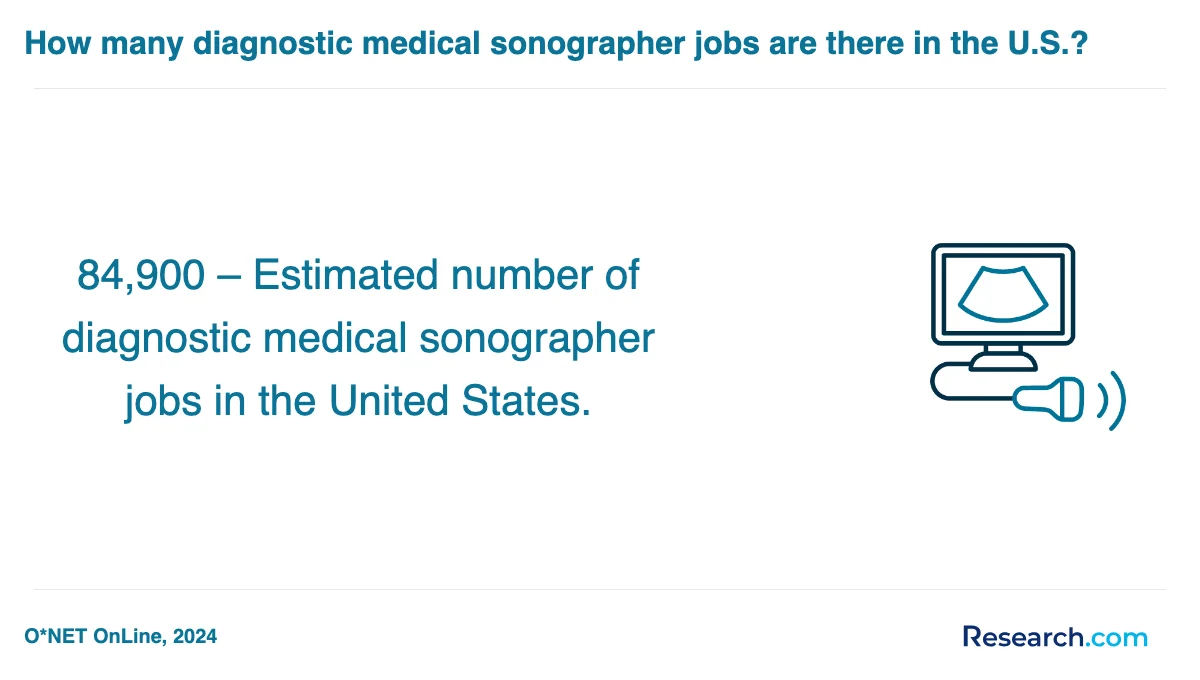
Medical sonographer trade school programs in Kentucky typically include a mix of essential courses designed to build strong foundational skills and practical expertise. Graduates recall how courses in anatomy and physiology helped them visualize the human body's inner workings, making it easier to understand ultrasound images during clinical rotations.
Key courses often cover:
- Pathology and pathophysiology, which explain how diseases affect tissues, crucial for accurate image interpretation.
- Medical terminology and patient care techniques, ensuring clear communication and compassionate treatment in real healthcare settings.
- Sonographic physics and instrumentation, teaching the science behind ultrasound technology and how to operate machines confidently.
- Image evaluation, focused on analyzing sonographic images with precision.
Students at well-known Kentucky schools like MedQuest College appreciate the opportunity to specialize in areas such as echocardiography or vascular sonography, which prepares them for certifications that boost job prospects. Clinical rotations provide hands-on experience, turning classroom knowledge into real-world skills and building confidence in patient care.
Medical sonographer trade school programs in Kentucky offer a variety of specializations to fit different career goals and interests. Graduates often find that focusing on areas such as Cardiac Sonography, which involves imaging the heart's chambers and valves, equips them with skills to assist doctors in diagnosing heart diseases. For example, students at MedQuest College in Lexington benefit from hands-on training in this field, gaining confidence in producing real-time cardiac images.
Other popular specializations include Vascular Sonography, focusing on imaging veins and arteries to detect blood clots or blockages, and General Sonography, which covers abdominal and obstetrics/gynecology imaging. Graduates from Hazard Community and Technical College share that this broad approach prepares them well for diverse clinical roles. Some programs, like those at St. Catharine College, allow students to tailor their studies according to specific interests in Cardiac, Vascular, or General/Obstetric Sonography, making the learning experience highly personalized.
Prospective students can explore schools with ultrasound technician programs to find the right fit for their desired specialization.
- Abdominal Sonography
- Obstetrics and Gynecology Sonography
- Vascular Sonography
- Cardiac Sonography
- General Sonography
When choosing the best accredited sonography programs in Kentucky, start by verifying CAAHEP accreditation to ensure your education meets national standards and qualifies you for certification exams. Graduates from schools like West Kentucky Community and Technical College often highlight the value of solid clinical training paired with experienced faculty, which helped them confidently transition into the workforce. Consider the credential type that fits your goals: certificate, associate, or bachelor's degree, with many students opting for associate degrees due to their balance of comprehensive training and time efficiency.
Location matters-schools such as Southcentral Kentucky Community and Technical College offer blended learning options, ideal for those balancing work and study. Comparing medical sonographer schools in Kentucky also means looking at clinical opportunities and job placement rates, which can vary by program.
For those interested in flexible options, exploring online healthcare degrees can complement your in-person training and fit diverse schedules.
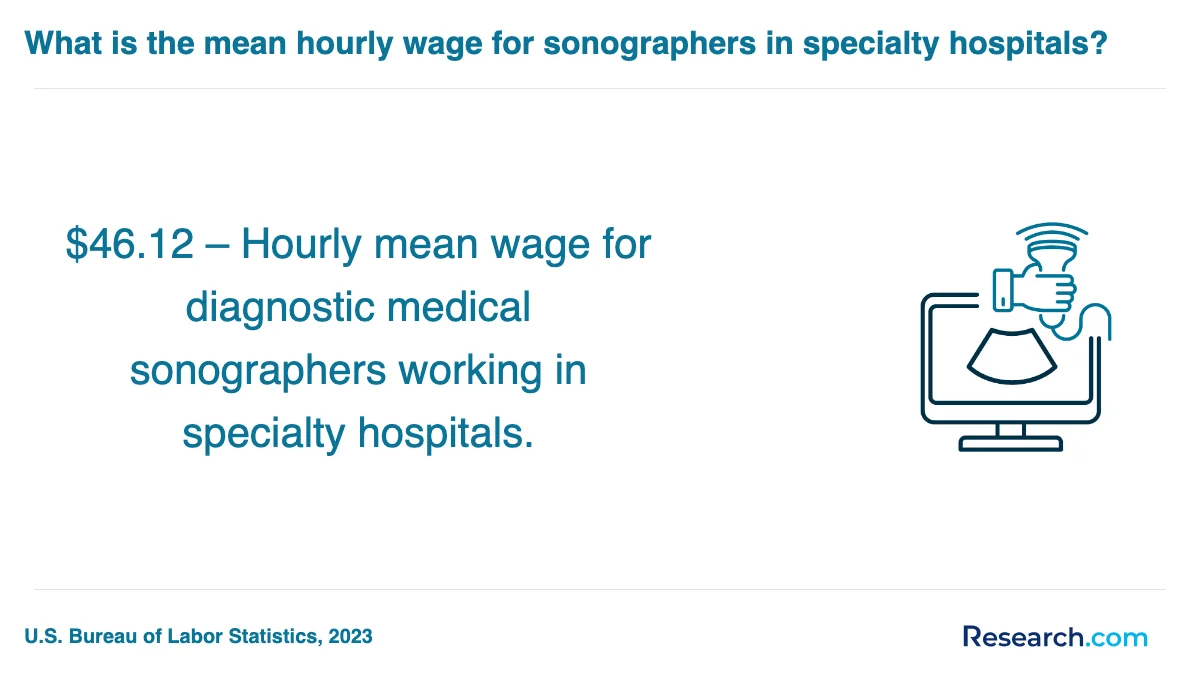
Medical sonographer trade school graduates in Kentucky find a variety of rewarding career paths tailored to their skills and interests. Many step directly into roles such as Diagnostic Medical Sonographer, Ultrasound Technologist, or Registered Diagnostic Medical Sonographer (RDMS), applying advanced imaging techniques daily in hospitals and clinics. Graduates from popular programs, including those at Morehead State University, often specialize in fields like abdominal, obstetric, cardiac, neurosonography, or vascular sonography, enhancing their marketability in diagnostic medical sonographer jobs Kentucky.
Beyond clinical roles, graduates enjoy diverse opportunities in medical imaging clinics, education, research, and device support roles. Many appreciate the steady demand for medical sonography career opportunities in Kentucky, with local employers valuing the hands-on experience from trade schools. Graduates frequently share the satisfaction of contributing to patient care and the excitement of working with cutting-edge technology.
For those considering shorter pathways, exploring 2 year medical degrees that pay well can be a smart step toward launching a career in medical sonography swiftly and effectively.
Graduates from popular medical sonographer trade schools in Kentucky find a robust job market with a strong diagnostic medical sonographer job outlook in Kentucky. Many have secured full-time and travel positions at well-known healthcare providers like Norton Healthcare in Louisville, gaining rewarding hands-on experience in diverse clinical settings. The demand is steady statewide, from urban centers to rural hospitals in towns such as Harlan and Somerset.
Key benefits reported by recent graduates include:
- Competitive salaries averaging $74,610 annually, reflecting the medical sonographer salary and employment Kentucky data.
- Flexible job types including part-time, full-time, and travel roles offering variation and adaptability.
- Clear career pathways enhanced by certification from bodies such as the ARDMS, boosting employability.
Many graduates highlight how their trade school programs prepared them for Kentucky's evolving healthcare landscape and the growing need for diagnostic imaging. For those considering their next step, exploring universities with diagnostic medical sonography programs can offer insights into further specialization and advancement opportunities within this expanding field.
Best Diagnostic Medical Sonographer Training Programs & Trade Schools - Top Sonography Schools in Kentucky for 2026
# 1 position
Elizabethtown Community and Technical College - Diagnostic Medical Sonography/Sonographer and Ultrasound Technician.
associateElizabethtown Community and Technical College offers a Diagnostic Medical Sonography/Sonographer and Ultrasound Technician program with a hybrid format that includes some distance education. The program prepares students to use ultrasound techniques to diagnose medical conditions under physician supervision. Annual in-state tuition is $4,656. Graduates earn a median salary of $60,430 one year after completion. The program is accredited by the Southern Association of Colleges and Schools Commission on Colleges.
# 2 position
MedQuest College - Diagnostic Medical Sonography/Sonographer and Ultrasound Technician.
associateMedQuest College offers a Diagnostic Medical Sonography/Sonographer and Ultrasound Technician program with a hybrid format, including some distance-education options. The curriculum trains students to use medical ultrasound techniques for diagnostic purposes under physician supervision. Instruction covers patient care, sonographic data processing, equipment operation, and professional ethics. The program is accredited by the Accrediting Bureau of Health Education Schools.
# 3 position
Bluegrass Community and Technical College - Diagnostic Medical Sonography/Sonographer and Ultrasound Technician.
associateBluegrass Community and Technical College offers a Hybrid Diagnostic Medical Sonography/Sonographer and Ultrasound Technician program that prepares students to perform medical ultrasound techniques under physician supervision. The program covers patient care, sonographic data collection, and equipment operation. Annual in-state tuition is $4,706. Graduates have median earnings of $55,982 one year after completing the program. The college is accredited by the Southern Association of Colleges and Schools Commission on Colleges.
# 4 position
Hazard Community and Technical College - Diagnostic Medical Sonography/Sonographer and Ultrasound Technician.
associateHazard Community and Technical College offers a Diagnostic Medical Sonography/Sonographer and Ultrasound Technician program with a hybrid format, including some distance education options. The program prepares students to operate ultrasound equipment and collect sonographic data under physician supervision. Annual in-state tuition is $4,656. Graduates earn a median salary of $47,216 one year after completion. The program is accredited by the Southern Association of Colleges and Schools Commission on Colleges.
# 5 position
West Kentucky Community and Technical College - Diagnostic Medical Sonography/Sonographer and Ultrasound Technician.
associateWest Kentucky Community and Technical College offers a Diagnostic Medical Sonography/Sonographer and Ultrasound Technician program with a hybrid format that includes some distance education. The program trains students to use medical ultrasound techniques for diagnostic purposes, covering patient care, data integration, equipment operation, and professional ethics. Annual in-state tuition is $4,656. Graduates earn a median salary of $46,895 one year after completion. The program is accredited by the Southern Association of Colleges and Schools Commission on Colleges.
Frequently Asked Questions about medical sonographer
After completing a medical sonographer trade school in Kentucky, preparing for the job market involves several key steps. First, obtaining professional certification is crucial. Most employers in Kentucky prefer graduates who have earned credentials from the American Registry for Diagnostic Medical Sonography (ARDMS). This certification demonstrates competence and can increase job prospects.
Networking is also important. Joining local healthcare associations or attending job fairs in Kentucky can connect graduates with employers. According to the Kentucky Cabinet for Health and Family Services, demand for sonographers in the state is expected to grow by 17% through 2030, reflecting a positive job outlook.
Additionally, gaining clinical experience through internships or externships during training can strengthen resumes and provide practical skills. Staying informed about advancements in sonography technology will also help graduates remain competitive in the workforce.
Employers in Kentucky value several key skills when hiring medical sonographer trade school graduates. Technical proficiency with ultrasound equipment is essential, as accurate imaging directly impacts patient diagnosis. According to the American Registry for Diagnostic Medical Sonography (ARDMS), hands-on experience during training significantly improves job readiness.
Strong communication skills are also crucial. Sonographers must clearly explain procedures to patients and collaborate effectively with healthcare teams. Additionally, attention to detail and critical thinking help in identifying abnormalities and ensuring high-quality images.
Knowledge of anatomy and medical terminology specific to sonography is important, supported by coursework and clinical practice. The Kentucky Department of Labor notes that employers increasingly seek graduates familiar with electronic health records (EHR) systems, reflecting the growing digitization in healthcare.
Finding internships in Kentucky relevant to medical sonographer trade school programs involves several practical steps. First, students should consult with their school's career services or clinical coordinator, as many accredited programs have established partnerships with local hospitals and clinics. The Kentucky Board of Medical Imaging and Radiation Therapy often provides resources or lists of approved clinical sites for hands-on training.
Hospitals in major cities like Louisville and Lexington frequently offer internship opportunities for sonography students. According to the Kentucky Hospital Association, over 70% of hospitals in the state provide clinical internships annually.
Additionally, students can search job boards specific to healthcare internships, such as the American Registry for Diagnostic Medical Sonography (ARDMS) website or local healthcare networks. Networking with professionals through local chapters of the Society of Diagnostic Medical Sonography is also valuable for locating internships.
Obtaining a medical sonographer trade school diploma in Kentucky significantly enhances career mobility and advancement opportunities. According to the Kentucky Center for Statistics, the state projects a 17% growth in ultrasound technician jobs through 2030, indicating strong demand. A diploma equips students with practical skills and clinical experience, meeting employer expectations in hospitals and clinics.
Graduates often qualify for certification exams like the ARDMS, which many Kentucky employers prefer, thus improving job prospects and potential salary increases. The diploma also facilitates transitions into specialized sonography fields, such as vascular or cardiac ultrasound, broadening career pathways.
Overall, this credential supports upward mobility in Kentucky's healthcare sector by aligning education with workforce needs.
Students enrolled in medical sonographer trade schools in Kentucky can benefit from part-time jobs that provide relevant healthcare experience. Common opportunities include positions as medical assistants, patient care technicians, or ultrasound aides. These roles help develop patient interaction skills and familiarity with clinical environments.
According to the Kentucky Cabinet for Health and Family Services, healthcare support jobs are growing steadily, with a projected 12% increase in related roles through 2030. Working part-time in hospitals or outpatient clinics in cities like Louisville or Lexington can enhance practical knowledge while supporting studies.
Such jobs typically offer flexible hours suitable for students and valuable exposure to medical imaging settings, which can improve employability after graduation.
There are several medical sonography degree programs available near Kentucky, including both associate and bachelor's degrees, offered by community colleges and universities. For those searching "near me," exploring local options within the state or nearby areas is advisable to find the best fit. Research.com is a helpful resource to compare and identify programs near Kentucky that align with your academic and career goals.
- Best Diagnostic Medical Sonographer Training Programs & Trade Schools - Top Sonography Schools in Indiana for 2026
- Best Diagnostic Medical Sonographer Training Programs & Trade Schools - Top Sonography Schools in Ohio for 2026
- Best Diagnostic Medical Sonographer Training Programs & Trade Schools - Top Sonography Schools in West Virginia for 2026
- Best Diagnostic Medical Sonographer Training Programs & Trade Schools - Top Sonography Schools in Missouri for 2026
- Best Diagnostic Medical Sonographer Training Programs & Trade Schools - Top Sonography Schools in Mississippi for 2026
- Best Diagnostic Medical Sonographer Training Programs & Trade Schools - Top Sonography Schools in South Carolina for 2026
- Best Diagnostic Medical Sonographer Training Programs & Trade Schools - Top Sonography Schools in Pennsylvania for 2026
- Best Diagnostic Medical Sonographer Training Programs & Trade Schools - Top Sonography Schools in Michigan for 2026
- Best Diagnostic Medical Sonographer Training Programs & Trade Schools - Top Sonography Schools in Maryland for 2026
- Best Diagnostic Medical Sonographer Training Programs & Trade Schools - Top Sonography Schools in Iowa for 2026
- Sonographer Salary and Job Opportunities: Is It Worth It? | Ultrasound Technician, Diagnostic Medical Sonography, Bachelor and Associate Programs - Los Angeles, Glendale, Pasadena https://amsc.edu/sonographer-salary-and-job-opportunities-is-it-worth-it/
- Sonography Career Paths https://www.ultrasoundschoolsinfo.com/sonography-career-paths/
- Diagnostic Medical Sonographers and Cardiovascular Technologists and Technicians : Occupational Outlook Handbook: : U.S. Bureau of Labor Statistics https://www.bls.gov/ooh/healthcare/diagnostic-medical-sonographers.htm
- Prepare for a Career in Diagnostic Medical Sonography - San Joaquin Valley College https://www.sjvc.edu/guides/career-guide-diagnostic-medical-sonographer/
- WorkBC Site Maintenance - Service Temporarily Unavailable https://www.workbc.ca/career-profiles/medical-sonographers
- Diagnostic Medical Sonographer - Explore Healthcare Careers - Mayo Clinic College of Medicine & Science https://college.mayo.edu/academics/explore-health-care-careers/careers-a-z/diagnostic-medical-sonographer/
- Massive Career Options for Grads of Diagnostic Medical Sonography https://www.andersoncollege.com/massive-career-options-for-grads-of-diagnostic-medical-sonography/
- Sonographer | Explore Careers | National Careers Service https://nationalcareers.service.gov.uk/job-profiles/sonographer
- How to Become a Sonographer | Salary & Programs https://nurse.org/healthcare/how-to-become-sonographer/
- Current Sonography Salary Trends - CBD College https://www.cbd.edu/blog/diagnostic-medical-sonography/current-sonography-salary-trends/