Best Diagnostic Medical Sonographer Training Programs & Trade Schools - Top Sonography Schools in Maryland for 2026

Co-Founder and Chief Data Scientist
Choosing the right medical sonographer trade school in Maryland is an important step toward a rewarding healthcare career. This article presents a carefully crafted ranking of top programs, developed by the Research.com team of data scientists to help you make informed decisions.
Whether you’re starting fresh or seeking certification, earning a diploma in this field opens doors to meaningful work and job stability. Reading this guide will give you clear insights into the best options available, making your path forward more confident and exciting.
Key benefits of finishing medical sonographer trade school in Maryland
- Graduates of medical sonographer trade schools in Maryland can expect starting salaries around $39,468 per year, with experienced professionals earning up to $117,326 annually, offering strong financial growth.
- Career paths include diagnostic, cardiac, and vascular sonography, as shown by graduates from popular Maryland trade schools who quickly find rewarding roles in hospitals and clinics.
- Completing a medical sonographer program online offers flexibility and convenience, allowing students to balance work and study effectively, as many online graduates from Maryland schools report faster program completion and job placement.
- Best Diagnostic Medical Sonographer Training Programs & Trade Schools - Top Sonography Schools in Maryland for 2026
- What can I expect from medical sonographer trade schools in Maryland?
- Where can I work after finishing medical sonographer trade schools in Maryland?
What can I expect from medical sonographer trade schools in Maryland?
Enrolling in a medical sonographer trade school program in Maryland means committing to a focused, hands-on education that blends classroom learning with real clinical experience. Graduates from programs like those at Montgomery College often describe the clinical practicums as eye-opening-working in hospitals or clinics, they build confidence by performing actual scans under supervision, which brings textbook knowledge to life.
You can expect to study essential subjects such as sonographic physics and anatomy, along with specialized areas like abdominal, obstetric/gynecology, vascular, and cardiac sonography. Many Maryland programs let you choose a concentration, tailoring your training to the specific sonography field you want to enter, which graduates find helpful when narrowing their job search.
Time-wise, most programs run full-time and last between 13 and 24 months. Students often appreciate the structured pace, knowing each step-from classroom to clinical hands-on practice-is designed to prepare them for the challenging ARDMS credentialing exams required in the field.
Admission can be competitive because clinical placements are limited, so expect to meet prerequisite math and science courses before starting. Graduates often express satisfaction with the balance of theory and practical training, feeling well-prepared to step into Maryland hospitals or private clinics with strong job prospects ahead.
Where can I work after finishing medical sonographer trade schools in Maryland?
After completing a medical sonographer trade school program in Maryland, graduates commonly find work in hospitals, which employ sonographers across departments like radiology, cardiology, and obstetrics. Many graduates from popular Maryland trade schools report starting their careers in these bustling healthcare settings, where hands-on experience with diverse cases builds strong skills fast.
Outpatient clinics and diagnostic imaging centers also offer steady employment opportunities. Graduates appreciate these environments for their more predictable schedules and close patient interactions, which contrast with hospital shifts. Specialty medical practices, such as obstetrics, gynecology, and cardiovascular clinics, attract those focused on specific ultrasound types, providing a clear career path for those who want to deepen expertise in one area.
Part-time, per diem, and travel sonographer roles provide flexible options. Travel assignments, often arranged through staffing agencies, offer appealing pay-sometimes over $2,100 weekly-and the chance to explore different Maryland regions. Graduates value these roles for combining professional growth with variety and financial reward.
Many employers also provide sign-on bonuses and student loan repayment incentives, making the job market competitive and rewarding for new graduates from Maryland's trade schools.
After completing a medical sonographer trade school program in Maryland, graduates typically start with salaries around $39,468 per year. For many who trained at popular Maryland trade schools, this initial pay provides solid financial footing as they begin their careers.
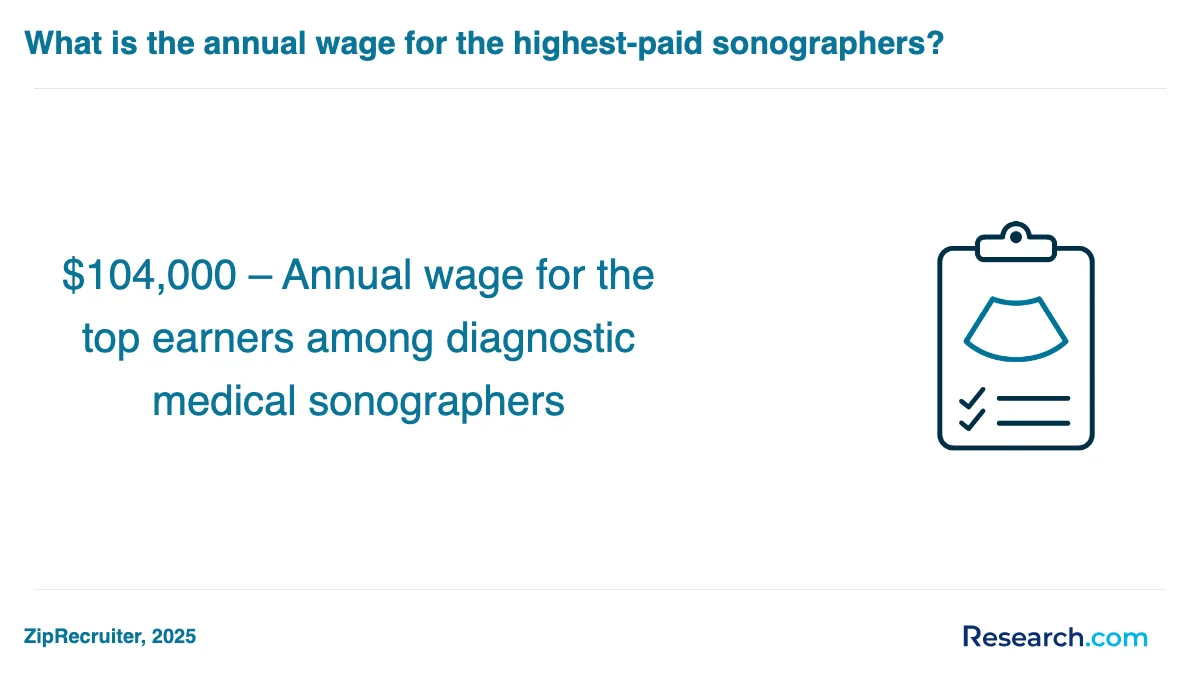
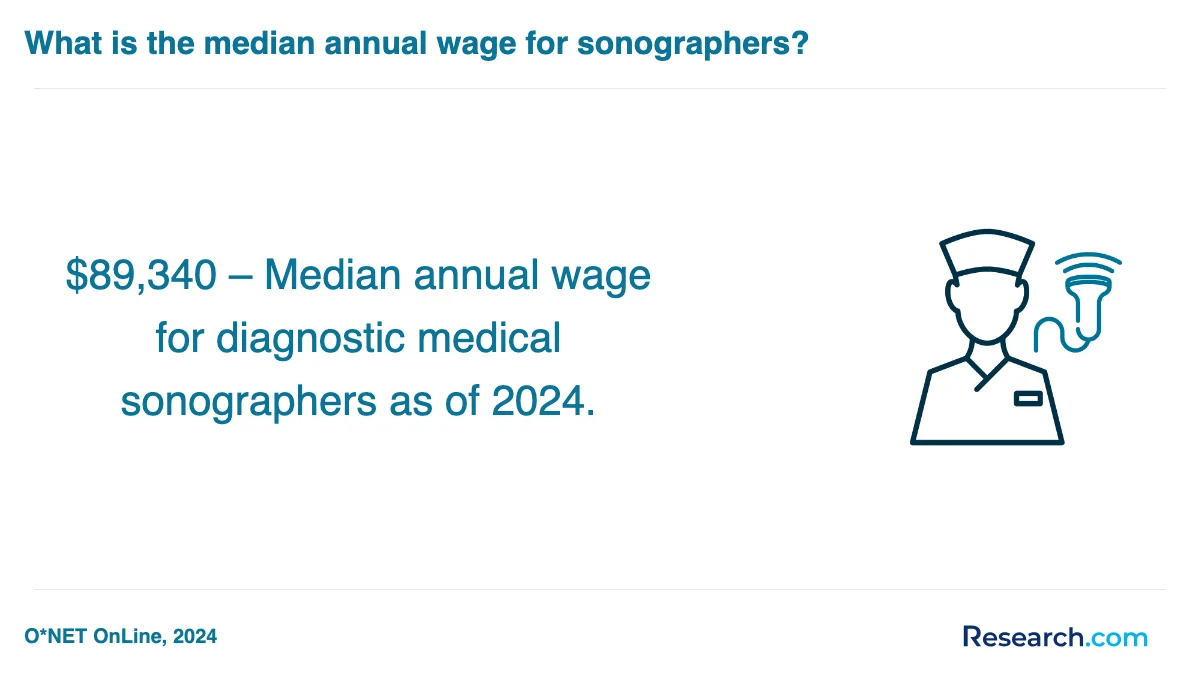
With gained experience, the salary climbs steadily. It's common for sonographers working in hospitals or specialized clinics across Maryland to see their annual income rise to an average of about $52,790, or roughly $26.72 per hour. Some graduates who commit to further certifications or focus on diagnostic sonography report earnings exceeding $100,000 per year.
One graduate shared how, after two years in a busy Baltimore medical center, their pay increased to over $95,000 annually. The strong demand in Maryland means these roles often come with competitive wages and benefits, making the trade school investment worthwhile for many students.
Overall, Maryland medical sonographer graduates can expect a clear path to higher earnings, especially when they leverage experience and specialization opportunities offered by local healthcare employers.
- Programs in Maryland require a high school diploma or GED and enrollment in a CAAHEP-accredited sonography program.
- Admission often needs a minimum 2.5 GPA, prerequisite science and math courses, and sometimes clinical observation hours.
- Most programs are full-time, lasting 13 to 24 months, with mandatory clinical rotations for hands-on training.
- Tuition ranges from $5,000 to $20,000, with extra costs for uniforms, textbooks, and exams.
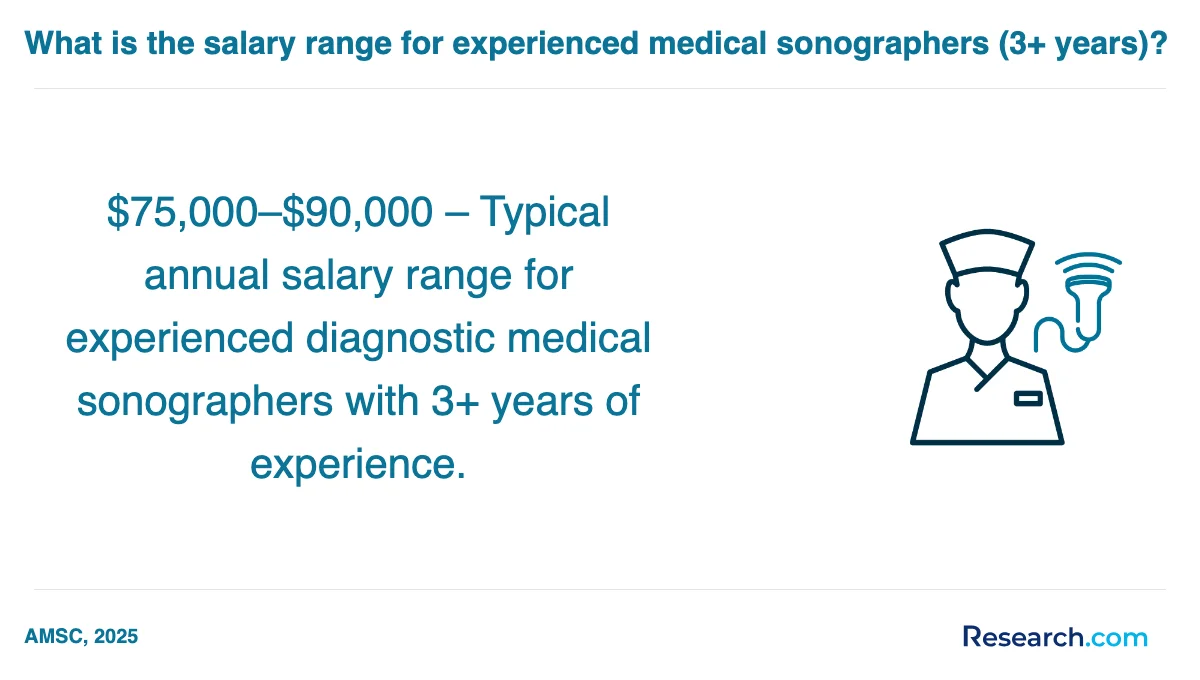
- Maryland sonographers typically earn $65,000 to $75,000 annually at entry, with experienced workers making $90,000 or more.
- Job placement rates reach up to 97%, and employment in Baltimore is expected to grow by 16% through 2030.
Completing a medical sonographer trade school program in Maryland typically takes about 18 to 24 months. Graduates from well-known Maryland trade schools often share how this timeframe felt just right-long enough to build solid skills but short enough to jumpstart their careers without unnecessary delay.
For example, many students at trade schools in Baltimore and Silver Spring find the 2-year programs fit well with their busy lives, allowing them to balance studies with part-time work or family responsibilities. The hands-on training combined with classroom learning means students quickly gain confidence scanning real patients, which makes the experience rewarding and motivating.
Others mention that the focused curriculum helps them stay engaged, making every week count toward mastering sonography technology and patient care. This practical approach in Maryland's trade schools ensures students don't just graduate-they graduate ready to work.
Choosing a program with a clear timeline like this helps you plan finances, work schedules, and life goals while moving steadily toward becoming a certified medical sonographer.
The main difference between online and on-campus medical sonographer trade school programs in Maryland is how the coursework and clinical training are delivered. On-campus programs, like those at Montgomery College and UMBC, require students to be physically present for lectures, hands-on labs, and clinical rotations. Graduates often recall the value of direct access to ultrasound machines and immediate feedback from instructors, which builds confidence and practical skills in real time.
Online programs mostly offer theory courses through web platforms, covering subjects like anatomy and medical terminology. However, fully online options are rare because Maryland's accrediting bodies insist on in-person clinical practice. Students in hybrid programs appreciate the flexibility of studying theory remotely but still commit to on-site clinical hours at hospitals or clinics. This blend suits those balancing work or family responsibilities while gaining essential hands-on experience.
Maryland students choosing on-campus programs often highlight the strong sense of community and collaboration, while online learners value scheduling freedom without sacrificing required patient care training.
The average tuition for sonography programs in Maryland varies significantly depending on the type of program and school. For trade schools offering certificate programs, which typically last one to two years, tuition generally ranges from $5,000 to $25,000. Public trade schools in Maryland often charge between $6,000 and $10,000 annually, making them an affordable option for many students pursuing the cost of diagnostic medical sonography degrees in Maryland. On the other hand, private trade schools have higher tuition, with annual costs between $16,000 and $31,000.
Graduates from Montgomery College in Rockville often share how their associate degree in Diagnostic Medical Sonography, with an average net price of $8,842, was a solid investment that balanced cost with a valuable education. Similarly, those who attended Howard Community College in Columbia report a comparable experience, with an average net price of $9,306, highlighting the financial accessibility of quality programs in Maryland.
Beyond tuition, additional expenses like books, uniforms, and lab fees can add up. For example, Montgomery College estimates $500 for books, $130 for uniforms, and $825-$1,050 per semester for lab fees, which graduates found manageable with proper budgeting. Many students enhance affordability through available financial aid options such as federal and state grants, scholarships, and loans.
For those weighing options, exploring online sonography programs accredited can also offer flexibility and potentially lower costs while maintaining program quality.
Medical sonographer students in Maryland have several financial aid options to ease tuition costs. Graduates from popular trade schools often recommend starting with the FAFSA to access federal grants like the Pell Grant, which can award up to $6,895 annually based on financial need. Some students attending programs that qualify also receive the Federal Supplemental Educational Opportunity Grant (FSEOG), which adds $100 to $4,000 for those with exceptional need.
State aid offers additional relief; for instance, Maryland residents studying sonography may qualify for in-county tuition rates at community colleges by submitting a Shortage Enrollment Verification form. This benefit has significantly lowered expenses for many students seeking training in healthcare shortage fields.
Scholarships, such as the Anne Jones Scholarship Fund from the Society for Vascular Ultrasound, provide $5,500 yearly to students at accredited Maryland programs. Graduates often share that applying broadly for such scholarships helped reduce reliance on loans.
For programs not eligible for federal aid, like the University of Maryland, Baltimore County's sonography program, private loans from lenders such as Sallie Mae or College Ave are common, though terms depend on creditworthiness.
Students should also budget for extra costs like books and uniforms, which can add $1,200 to $1,800. Exploring every available aid source proved invaluable for many Maryland sonography students balancing school and finances.
To enroll in a medical sonographer trade school program in Maryland, you'll typically need a high school diploma or GED as a baseline requirement. Many trade schools in the state emphasize a solid foundation in science and math, so having completed courses in biology, chemistry, and algebra can give you a significant advantage.
Graduates from popular Maryland trade schools often recall how helpful these prerequisites were when diving into hands-on ultrasound training.
Other common prerequisites include:
- Passing a background check and drug screening, ensuring patient safety.
- Providing immunization records, especially for communicable diseases.
- Demonstrating strong communication skills, since sonographers interact closely with patients and healthcare teams.
- Some programs may require completion of specific healthcare-related certifications like CPR.
Trade schools such as those in Baltimore and Silver Spring often offer preparatory workshops or advising sessions to help applicants meet these requirements, making the journey less daunting and more encouraging.
Medical sonographer trade school programs in Maryland focus on a well-rounded mix of technical and clinical courses that prepare students for real-world healthcare roles. Graduates from popular Maryland schools often recall starting with foundational classes like Introduction to Sonography and Sonography Principles & Instrumentation, where they learned how to operate ultrasound machines and master imaging techniques while understanding patient care.
Key courses typically include:
- Cross Sectional Anatomy - essential for recognizing internal body structures on ultrasound images.
- Abdominal Sonography and Obstetric/Gynecology Sonography - sequential classes that build confidence in scanning vital organs and fetal imaging.
- Breast Sonography and Vascular Sonography - specialized topics that open doors to in-demand clinical roles.
- Adult Echocardiography - offered in some programs for students aiming to focus on cardiac imaging.
Students at Maryland's trade schools also engage in multiple Sonography Practicum courses, gaining hands-on experience in real medical settings. These practicums are crucial for building patient interaction skills and diagnostic expertise, which recent graduates say made them feel ready and confident before certification exams.
Alongside technical training, general education courses like communications and ethics ensure students are well-prepared for professional environments in Maryland's healthcare sector.
Medical sonographer trade school programs in Maryland typically offer specialized tracks designed to match the specific career goals of students. The most popular areas include general sonography, cardiac sonography, and vascular sonography. Graduates from schools like Howard Community College and Montgomery College often highlight how their training in general sonography-covering abdominal and OB/GYN imaging-gave them a versatile foundation for employment.
Those pursuing cardiac sonography programs in Maryland benefit from focused instruction on heart imaging, with programs such as the 14-month echocardiography training at Johns Hopkins Hospital offering intensive preparation for those already in allied health fields. This specialization prepares students to confidently support cardiovascular diagnostics in hospital settings.
Vascular and general sonography specializations Maryland students pursue allow for solid practical skills in imaging blood vessels, with many noting how Montgomery College's vascular tracks helped them quickly adapt to real-world clinical environments by detecting vascular diseases.
Many find program accreditation by CAAHEP reassuring, ensuring their education meets high national standards. For those aiming to enter one of the highest paid in medical field careers, choosing the right specialization and school can make a significant difference.
Choosing the best medical sonographer trade school program in Maryland means focusing on factors like accreditation, clinical training, and location. Graduates from Johns Hopkins University praise its hands-on clinical rotations that connect theory with real patient care, while those at Montgomery College highlight the program's affordability combined with solid early-career earning potential. If flexibility matters, look for schools offering part-time or evening classes, but confirm they still provide strong clinical experiences, as found at the University of Maryland campuses. Many students emphasize the importance of faculty expertise, sharing how seasoned instructors at University of Maryland in Baltimore helped them gain real-world insights beyond textbooks.
When exploring your options among the top ultrasound technician schools in Maryland, check program reputations and job placement rates-Howard Community College graduates often note excellent employment support. To get detailed insights into options and outcomes, consider visiting what schools offer ultrasound technician programs and compare offerings that best fit your career goals.
Medical sonographer trade school graduates in Maryland typically start their careers in diagnostic medical sonographer jobs in Maryland, working in hospitals, clinics, or private practices. These roles involve capturing detailed images that help doctors diagnose a range of medical conditions. Graduates from well-known programs on the Eastern Shore and around Baltimore often emphasize how hands-on training at their schools prepared them to confidently operate ultrasound equipment from day one.
Specializing can significantly enhance job prospects. Common focus areas include OB/GYN, abdominal, vascular, and cardiac sonography, with schools like UMBC offering targeted tracks that facilitate national certification. Graduates report strong satisfaction from gaining expertise that boosts both salary and career flexibility.
Additional medical sonography career opportunities in Maryland extend beyond clinical roles. Experienced graduates move into teaching at trade schools or colleges, administrative positions managing imaging departments, or even medical equipment sales, where clinical knowledge is key to advising healthcare buyers. Many also consider further education to transition into roles such as nurse practitioners or physician assistants.
Those interested in exploring the requirements to be a sonographer will find Maryland programs offer a practical balance of classroom and clinical experiences, ensuring readiness for diverse professional paths.
The medical sonographer job outlook Maryland presents a balanced mix of steady demand and moderate competition. Graduates from popular trade schools in Maryland often find opportunities mainly in hospitals, clinics, and diagnostic imaging centers around cities like Baltimore. Job listings include full-time, part-time, and travel positions, with travel sonographer roles offering some of the highest wages. Graduates report that flexibility and willingness to pursue additional certifications in specialties such as obstetric, vascular, or echocardiography imaging enhance job prospects and earning potential.
Key points experienced by recent graduates include:
- At least 165 active job postings for sonographers statewide as of early 2025
- Stronger earning potential for those with two or more years of clinical experience, especially in travel sonography
- Typical hourly wage around $51.36 and average weekly pay about $2,054
Many graduates highlight that targeting certification and skill diversification after completing trade programs increases competitiveness in Maryland's healthcare sector. Though Maryland ranks last in sonographer salary compared to other states, the diagnostic medical sonographer salary Maryland remains solid enough to justify investment in trade school studies. Those interested in advancing can explore more about specialized pathways and masters in radiology salary, which often guide career growth beyond the trade school level.
Best Diagnostic Medical Sonographer Training Programs & Trade Schools - Top Sonography Schools in Maryland for 2026
# 1 position
Montgomery College - Diagnostic Medical Sonography/Sonographer and Ultrasound Technician.
associateMontgomery College offers a Hybrid Diagnostic Medical Sonography/Sonographer and Ultrasound Technician program that trains students to use ultrasound technology for diagnosing medical conditions. The curriculum covers patient care, sonographic data processing, and professional ethics. The program is accredited by the Middle States Commission on Higher Education. Annual in-state tuition is $5,394, and median earnings one year after completion are approximately $50,361.
# 2 position
Montgomery College - Diagnostic Medical Sonography/Sonographer and Ultrasound Technician.
certificate or diplomaMontgomery College offers a Diagnostic Medical Sonography/Sonographer and Ultrasound Technician program with a hybrid format including some distance education. The program trains students to use ultrasound technology under physician supervision to diagnose various conditions. Instruction covers patient care, data integration, sonographic processing, and professional ethics. Annual in-state tuition is $5,394. Graduates earn a median of $50,360 one year after completion. The program is accredited by the Middle States Commission on Higher Education.
# 3 position
Howard Community College - Diagnostic Medical Sonography/Sonographer and Ultrasound Technician.
associateHoward Community College offers a Diagnostic Medical Sonography/Sonographer and Ultrasound Technician program with a hybrid format, including some distance education. The program trains students to perform medical ultrasound techniques under physician supervision, covering patient care, sonographic data processing, and professional ethics. Annual in-state tuition is $4,080. Graduates have a median earning of $72,633 one year after completion. The program is accredited by the Middle States Commission on Higher Education.
# 4 position
Howard Community College - Diagnostic Medical Sonography/Sonographer and Ultrasound Technician.
certificate or diplomaHoward Community College offers a Diagnostic Medical Sonography/Sonographer and Ultrasound Technician program with a hybrid format, including some distance education options. The program prepares students to use medical ultrasound techniques for diagnostic purposes, covering patient care, sonographic data processing, and professional ethics. Annual in-state tuition is $4,080. Graduates earn a median salary of $72,633 one year after completion. The program is accredited by the Middle States Commission on Higher Education.
Frequently Asked Questions about medical sonographer
After completing a medical sonographer trade school in Maryland, preparing for the job market involves several key steps. First, obtaining certification from the American Registry for Diagnostic Medical Sonography (ARDMS) significantly improves employment prospects. Maryland employers often prefer or require this credential. Additionally, gaining hands-on experience through clinical externships or internships during training is essential to build practical skills. Networking with local healthcare facilities and joining professional organizations like the Society of Diagnostic Medical Sonography can provide job leads and career support. According to the U.S. Bureau of Labor Statistics, Maryland's employment of diagnostic medical sonographers is projected to grow by 17% through 2030, highlighting strong job demand.
Employers in Maryland prioritize several key skills when hiring medical sonographer trade school graduates. Technical proficiency with ultrasound equipment is essential, as accurate imaging directly impacts patient diagnosis and care. According to the Maryland Department of Labor, strong knowledge of anatomy and physiology is also critical, enabling sonographers to identify abnormalities effectively.
Communication skills are highly valued since sonographers must explain procedures and findings clearly to patients and healthcare teams. Additionally, attention to detail and the ability to work under pressure are important, given the fast-paced clinical environments in Maryland hospitals and clinics.
Problem-solving skills and familiarity with electronic health record (EHR) systems are increasingly sought after. The Bureau of Labor Statistics highlights that Maryland's healthcare employers emphasize certification and continual education, reflecting the need for graduates to stay current with evolving sonography technology and standards.
Finding internships in Maryland relevant to medical sonographer trade school programs involves a combination of research and networking. Start by contacting the career services or internship coordinators at your trade school, as many have established partnerships with local hospitals and diagnostic centers.
Maryland hosts several healthcare facilities, including Johns Hopkins Hospital and University of Maryland Medical Center, which frequently offer sonography internships. According to the Maryland Higher Education Commission, clinical internships are often required components of accredited programs, ensuring students gain hands-on experience.
Additionally, professional organizations like the Society of Diagnostic Medical Sonography (SDMS) provide resources and internship listings specific to Maryland. Students should also explore job boards and online portals focused on healthcare internships within the state.
Building relationships with local sonographers and attending relevant Maryland healthcare job fairs can further increase internship opportunities.
Obtaining a medical sonographer trade school diploma in Maryland significantly enhances career mobility and advancement opportunities. A diploma certifies that a candidate has completed specialized training, making them eligible for certification exams like the ARDMS, which many Maryland employers prefer.
The Maryland Department of Labor reports that diagnostic medical sonographers earn a median annual wage above $75,000, higher than many allied health roles requiring less formal training. Graduates with diplomas often find easier entry into healthcare settings such as hospitals and outpatient clinics.
Additionally, diploma holders have better prospects for promotion into supervisory or specialized sonography roles, as many employers value practical, accredited training. The diploma also serves as a foundation for further education, such as bachelor's degrees, which can lead to advanced positions and higher salaries.
Students enrolled in medical sonographer trade schools in Maryland can benefit from part-time jobs that provide relevant healthcare experience. Positions such as medical assistants, patient care technicians, or ultrasound technician aides offer practical skills and exposure to clinical environments. These roles help build communication and technical abilities while supporting coursework.
According to the U.S. Bureau of Labor Statistics, Maryland's healthcare support occupations are projected to grow by 15% between 2020 and 2030, reflecting strong demand. Working part-time in healthcare facilities or outpatient clinics can also enhance a resume and networking opportunities.
Flexible shifts in hospitals or imaging centers make it feasible for students to balance work and study effectively.
Yes, there are medical sonographer degree programs near Maryland that can provide the necessary training and education for this field. Various universities and colleges offer accredited programs where students can learn the technical and clinical skills required to become a medical sonographer. If you're searching for options "near me," Research.com can be a helpful resource to identify reputable programs and universities near Maryland.
- Best Diagnostic Medical Sonographer Training Programs & Trade Schools - Top Sonography Schools in West Virginia for 2026
- Best Diagnostic Medical Sonographer Training Programs & Trade Schools - Top Sonography Schools in Pennsylvania for 2026
- Best Diagnostic Medical Sonographer Training Programs & Trade Schools - Top Sonography Schools in New Jersey for 2026
- Best Diagnostic Medical Sonographer Training Programs & Trade Schools - Top Sonography Schools in New York for 2026
- Best Diagnostic Medical Sonographer Training Programs & Trade Schools - Top Sonography Schools in Ohio for 2026
- Best Diagnostic Medical Sonographer Training Programs & Trade Schools - Top Sonography Schools in North Carolina for 2026
- Best Diagnostic Medical Sonographer Training Programs & Trade Schools - Top Sonography Schools in Connecticut for 2026
- Best Diagnostic Medical Sonographer Training Programs & Trade Schools - Top Sonography Schools in South Carolina for 2026
- Best Diagnostic Medical Sonographer Training Programs & Trade Schools - Top Sonography Schools in Indiana for 2026
- Best Diagnostic Medical Sonographer Training Programs & Trade Schools - Top Sonography Schools in Maine for 2026
- Sonographer Salary and Job Opportunities: Is It Worth It? | Ultrasound Technician, Diagnostic Medical Sonography, Bachelor and Associate Programs - Los Angeles, Glendale, Pasadena https://amsc.edu/sonographer-salary-and-job-opportunities-is-it-worth-it/
- Sonography Career Paths https://www.ultrasoundschoolsinfo.com/sonography-career-paths/
- Diagnostic Medical Sonographers and Cardiovascular Technologists and Technicians : Occupational Outlook Handbook: : U.S. Bureau of Labor Statistics https://www.bls.gov/ooh/healthcare/diagnostic-medical-sonographers.htm
- Prepare for a Career in Diagnostic Medical Sonography - San Joaquin Valley College https://www.sjvc.edu/guides/career-guide-diagnostic-medical-sonographer/
- WorkBC Site Maintenance - Service Temporarily Unavailable https://www.workbc.ca/career-profiles/medical-sonographers
- Massive Career Options for Grads of Diagnostic Medical Sonography https://www.andersoncollege.com/massive-career-options-for-grads-of-diagnostic-medical-sonography/
- Diagnostic Medical Sonographer - Explore Healthcare Careers - Mayo Clinic College of Medicine & Science https://college.mayo.edu/academics/explore-health-care-careers/careers-a-z/diagnostic-medical-sonographer/
- Medical Sonography | Wake Tech https://www.waketech.edu/programs-courses/credit/sonography
- How To Become A Sonographer - ARDMS https://www.ardms.org/how-to-become-a-sonographer/
- Sonography Program | New York School of Career and Applied Studies | Touro University https://nyscas.touro.edu/academics/sonography/