
Best Diagnostic Medical Sonographer Training Programs & Trade Schools - Top Sonography Schools in North Carolina for 2026

Co-Founder and Chief Data Scientist
Choosing the right medical sonographer trade school in North Carolina can feel overwhelming. This article is here to help by featuring a medical sonographer trade school programs ranking created by the Research.com team of data scientists.
With clear, data-driven insights, you can confidently explore programs that fit your goals and lifestyle. Earning a diploma or certification in medical sonography opens doors to rewarding careers in healthcare, offering both stability and growth.
Whether you’re starting fresh or changing paths, this guide supports your journey toward a fulfilling future.
Key benefits of finishing medical sonographer trade school in North Carolina
- Graduates of medical sonographer trade schools in North Carolina can expect to earn an average salary around $75,000 per year, with entry-level positions starting near $60,000 and potential to grow beyond $90,000 with experience.
- A graduate from a popular North Carolina trade school often finds diverse career paths, including roles as diagnostic medical sonographers, vascular ultrasound technologists, or travel ultrasound technologists, offering exciting opportunities in healthcare.
- Completing a medical sonographer trade school online provides flexibility and convenience, allowing students to balance study with personal life, as shown by successful online program graduates who quickly enter the workforce.
- Best Diagnostic Medical Sonographer Training Programs & Trade Schools - Top Sonography Schools in North Carolina for 2026
- What can I expect from medical sonographer trade schools in North Carolina?
- Where can I work after finishing medical sonographer trade schools in North Carolina?
What can I expect from medical sonographer trade schools in North Carolina?
Enrolling in a medical sonographer trade school program in North Carolina means diving into a dynamic, hands-on learning journey that blends intense classroom study with real-world clinical experience. Graduates from popular institutions often describe the excitement of mastering anatomy, ultrasound physics, and patient care while rotating through local hospitals, gaining confidence with every scan and patient interaction.
Students can expect programs lasting around 21 months or five semesters, culminating in an Associate in Applied Science degree. The small class sizes-sometimes limited to a dozen students-create a tight-knit, supportive atmosphere where instructors offer personalized guidance, making the challenging coursework feel achievable.
Admission is competitive, requiring a solid foundation in biology, English, and physics, plus strong test scores. But once accepted, students appreciate the structured curriculum accredited by CAAHEP, designed to prepare them for the RDMS certification exam and immediate employment.
Many graduates recall the rewarding feeling of contributing to patient care in hospitals and clinics across North Carolina, knowing their skills are in high demand statewide. The blend of technical learning and patient interaction makes this path both thrilling and deeply fulfilling.
Where can I work after finishing medical sonographer trade schools in North Carolina?
After finishing a medical sonographer trade school program in North Carolina, graduates often find themselves stepping into dynamic roles across a variety of healthcare settings. Imagine working in bustling hospitals like those within UNC Health or Novant Health, where sonographers assist in radiology or emergency medicine, using cutting-edge ultrasound technology to help doctors diagnose patients swiftly and accurately. Many graduates share how rewarding it feels to contribute directly to women's health or cardiovascular care in these large health systems.
Others discover exciting opportunities in outpatient clinics and physician offices focused on specialties such as vascular surgery or obstetrics/gynecology. Here, sonographers perform detailed ultrasound exams, often becoming trusted team members who help guide patient care. Graduates from popular North Carolina trade schools often mention the pride of mastering these skills in real clinical environments, preparing them for fast-paced, hands-on work.
Imaging centers and specialty areas like mammography or echocardiography also attract sonographers eager to deepen their expertise. With over 300 job openings statewide, the adventure of choosing a career path in this field feels full of promise and growth.
After finishing a medical sonographer trade school program in North Carolina, many graduates are thrilled to discover starting salaries around $60,000 to $65,000. Imagine landing your first job and earning a paycheck that comfortably beats many other entry-level healthcare roles in the state. Graduates from popular trade schools like those in Charlotte or Raleigh often share how exciting it feels to step into a career where the average annual salary hits about $75,000, well above the national average.
One recent graduate described the boost in confidence when seeing hourly wages between $30.58 and $39.33 translate into a solid income, allowing for financial independence sooner than expected. With experience and certification, many North Carolina sonographers watch their salaries climb to around $80,500 or more. Some even reach six figures, especially in specialized fields like vascular or perinatal sonography.
It's a rewarding path where your skills are genuinely valued, and the paycheck reflects that hard-earned expertise.
- Applicants need a high school diploma or GED and must complete prerequisite courses like biology and math, often requiring a "C" grade or higher.
- Programs usually last about two years (five semesters or 21 months) and include both classroom learning and clinical rotations with background checks and immunizations.
- Accreditation by CAAHEP is essential to ensure the program meets industry standards and prepares students for the ARDMS certification exam.
- Total program costs at public community colleges typically range from $5,000 to $15,000, including tuition, fees, and supplies.
- Starting salaries for medical sonographers in North Carolina range from $55,000 to $65,000 per year, with experienced professionals earning $70,000 to $85,000 or more.
In North Carolina, completing a medical sonographer trade school program typically takes about 18 to 24 months, depending on the school and your pace. Imagine diving into hands-on ultrasound training at a local trade school, where students often share how the fast yet thorough schedule kept them motivated and excited. Many graduates recall the thrill of mastering real equipment early on, making the time fly by.
At popular North Carolina trade schools, programs are designed to balance classroom lessons with clinical practice, giving you a taste of real-world sonography within two years. Some students who juggled part-time study found their journey stretched closer to 30 months, but the rewarding feeling of progressing steadily toward certification never faded.
Graduates often describe those months as a purposeful adventure-learning anatomy, patient care, and imaging technology while imagining their future impact in healthcare. The experience is intense but empowering, especially knowing you're on a clear path to a hands-on, meaningful career right here in North Carolina.
Imagine stepping into a bustling classroom at Wake Tech or UNC Chapel Hill, surrounded by peers and instructors guiding you through ultrasound machines and real patient cases. That's the heartbeat of on-campus medical sonographer trade programs in North Carolina-hands-on learning paired with immediate feedback during clinical rotations at nearby hospitals. Graduates often share how this direct mentorship and face-to-face interaction made mastering sonography feel exciting and deeply connected to real healthcare work.
Now picture a different path: studying theory like anatomy and physics from your own home, with lectures online but still traveling to approved clinics for the crucial hands-on clinical hours. While fully online sonography programs are rare in North Carolina, some hybrid options offer this flexibility, perfect for students balancing jobs or family.
Both paths demand in-person clinical training to meet certification standards, but the on-campus route immerses you more in the community and daily hospital rhythm, while hybrid models provide freedom without losing essential real-world experience.
The average cost of medical sonography programs in North Carolina can feel like a thrilling maze to navigate, especially for those eager to launch their healthcare careers. Tuition fees for sonography schools in North Carolina typically hover between $2,000 and $3,000 per semester for in-state students, making it a manageable investment for locals. Graduates from well-known trade schools often recall how Central Carolina Community College charged around $2,711 per semester, while at Forsyth Technical Community College, tuition was about $2,276. These costs, although significant, were balanced by the excitement of gaining hands-on experience and stepping closer to a rewarding profession.
Out-of-state students face a steeper climb, with tuition fees often exceeding $10,000 per semester. At Central Carolina, for example, the entire program can cost over $22,700 for non-residents. Students there highlight the challenge of funding these higher fees but also the joy of joining an in-demand field. Beyond tuition, expect additional expenses like background checks, uniforms, immunizations, and textbooks. Wake Technical Community College students have described how these add up to roughly $7,000, a necessary price for quality education and safety in clinical environments.
Financial aid options, including grants, scholarships, and loans, help ease the burden. Future sonographers are encouraged to consult school financial aid offices to uncover support opportunities. The journey toward becoming a sonographer is not only about numbers; it's about the excitement of mastering a vital medical skill and exploring various career paths in healthcare. If you're curious about these options, discovering different radiology jobs after completing your program can be a real adventure in itself.
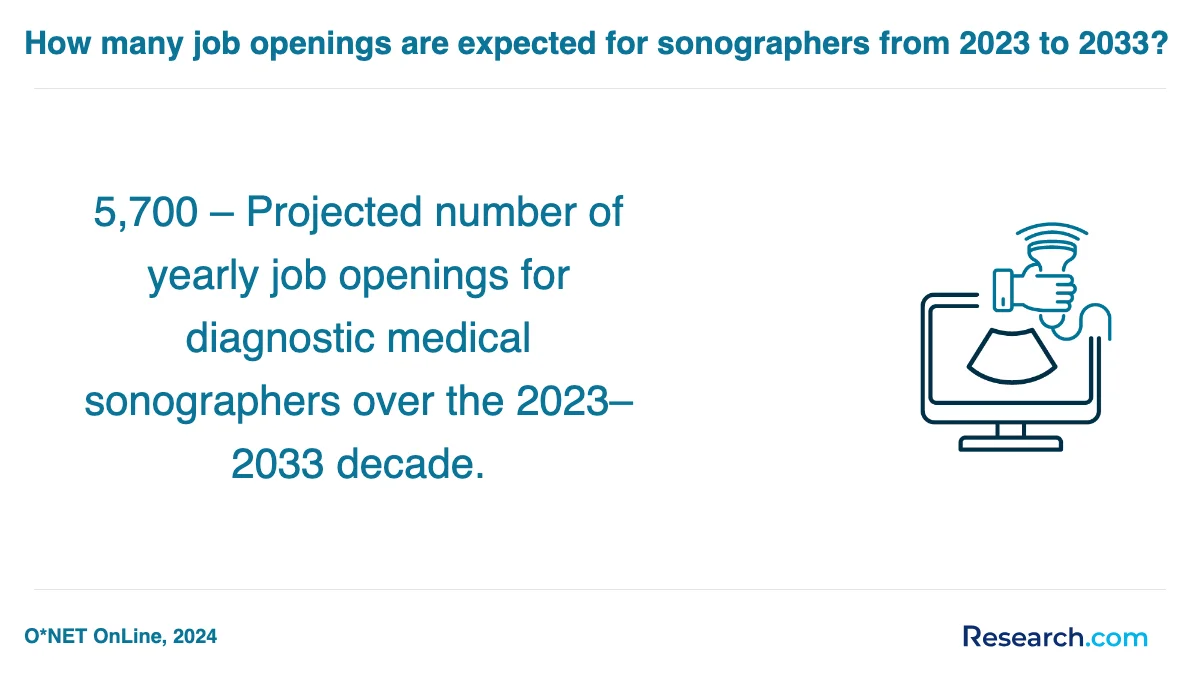
Imagine starting your journey at one of North Carolina's top medical sonographer trade schools, like Wake Technical Community College or Central Piedmont Community College, knowing that financial aid could ease the burden. Many graduates recall how the Pell Grant was a game-changer, covering a significant portion of their tuition-up to $6,895 for the 2022-23 year. This federal grant, designed for students with financial need, often feels like a lifeline.
Some students also tapped into the Federal Supplemental Educational Opportunity Grant (FSEOG), which provided extra funds ranging from $100 to $4,000 annually, depending on their financial situation and school participation. Filling out the FAFSA was their first step, unlocking these crucial resources while enrolled in CAAHEP-accredited programs.
State aid adds another layer of support. North Carolina residents found helpful grants through the NCSEAA, especially those attending community or technical colleges known for their sonography programs. Graduates often mention the relief of receiving state scholarships that made hands-on training more affordable.
Many also discovered institutional scholarships and tuition waivers offered directly by their schools, sometimes fueled by professional organizations like the SDMS or ARDMS. These opportunities often boosted confidence and motivation, knowing the community believed in their potential.
For those already working in healthcare, employer tuition reimbursement programs transformed dreams into reality, making the path to certification smoother and more exciting.
To embark on a medical sonographer trade school program in North Carolina, you'll first need to meet some key prerequisites that set the stage for your success. Most trade schools, like those popular in Charlotte and Raleigh, expect applicants to have a high school diploma or GED. This basic credential is your ticket to entering a hands-on, fast-paced learning environment where theory meets real-world practice.
Graduates often recall how their solid foundation in biology and anatomy, usually gained through high school or prior coursework, gave them a big confidence boost once classes began.
Common prerequisites include:
- Completion of high school diploma or GED
- Basic understanding of human anatomy and physiology
- Strong communication and interpersonal skills
- Background in math and science, especially algebra and physics
Many students share how fulfilling it felt when their prior experience with healthcare volunteering or related jobs helped them connect classroom lessons with patient care. In North Carolina's trade schools, these prerequisites ensure you're ready to dive deep into sonography with enthusiasm and a clear sense of purpose.

In North Carolina's medical sonographer trade schools, students dive headfirst into courses that blend technical mastery with real-world application. Graduates often recall their excitement mastering anatomy and physiology, where understanding the human body felt like unlocking a living map. Imagine tracing the heart's chambers or the liver's lobes, guided by expert instructors in vibrant classrooms.
Courses typically include:
- Medical terminology, essential for communicating clearly in hectic healthcare settings.
- Ultrasound physics, explaining how sound waves create those fascinating images, turning invisible waves into clear diagnostic tools.
- Sectional or cross-sectional anatomy, helping students interpret complex sonographic images from various body planes.
Popular North Carolina programs also emphasize specialties like abdominal sonography, where students practice imaging organs such as kidneys and pancreas, or OB/GYN sonography, involving fetal development monitoring. Clinical rotations at local hospitals bring theory to life, with students eagerly recalling moments when they first confidently operated ultrasound machines on real patients, feeling the thrill of making a difference.
Medical sonographer trade school programs in North Carolina offer exciting and focused specializations that prepare students for dynamic careers in healthcare. Many students find themselves drawn to areas like abdominal sonography and obstetrical/gynecological sonography, two primary specializations in these programs. Picture a graduate from Wake Technical Community College confidently mastering abdominal sonography, skillfully imaging digestive organs to assist doctors in diagnosing complex conditions.
Other popular specializations include cardiovascular and vascular sonography, where students learn to capture vital images of the heart and blood vessels-an exhilarating experience for those fascinated by the inner workings of the circulatory system. Musculoskeletal sonography, another specialization, offers the rewarding challenge of imaging muscles and joints, helping athletes and patients recover from injuries.
Students at Caldwell Community College appreciate the hands-on approach combining classroom theories with real clinical experiences, which prepares them well for certification and future patient care. If you're curious about programs combining physics, cross-sectional anatomy, and these varied sonography specialties, check out some of the top ultrasound technician schools nationwide at top ultrasound technician schools.
Choosing the best medical sonographer trade school in North Carolina means starting with accredited medical sonography programs in North Carolina, ensuring your education meets national standards and opens doors to certification exams like the ARDMS. Graduates from popular schools often share how their hands-on clinical rotations at well-known hospitals made all the difference, turning textbook lessons into real-life skills.
When you compare medical sonographer schools North Carolina, look closely at curriculum options. Some offer exciting specializations like Cardiac or Obstetric sonography, allowing students to tailor their path. One graduate recalls how selective admissions challenged them but ultimately prepared them for a rewarding career.
Cost and location matter too-balancing tuition with financial aid, scholarships, and support services can ease the journey. Many students find flexible schedules essential to juggle work and study, especially in bustling college towns. Exploring 2 year programs in healthcare is a smart way to start quickly and dive into this adventurous field.
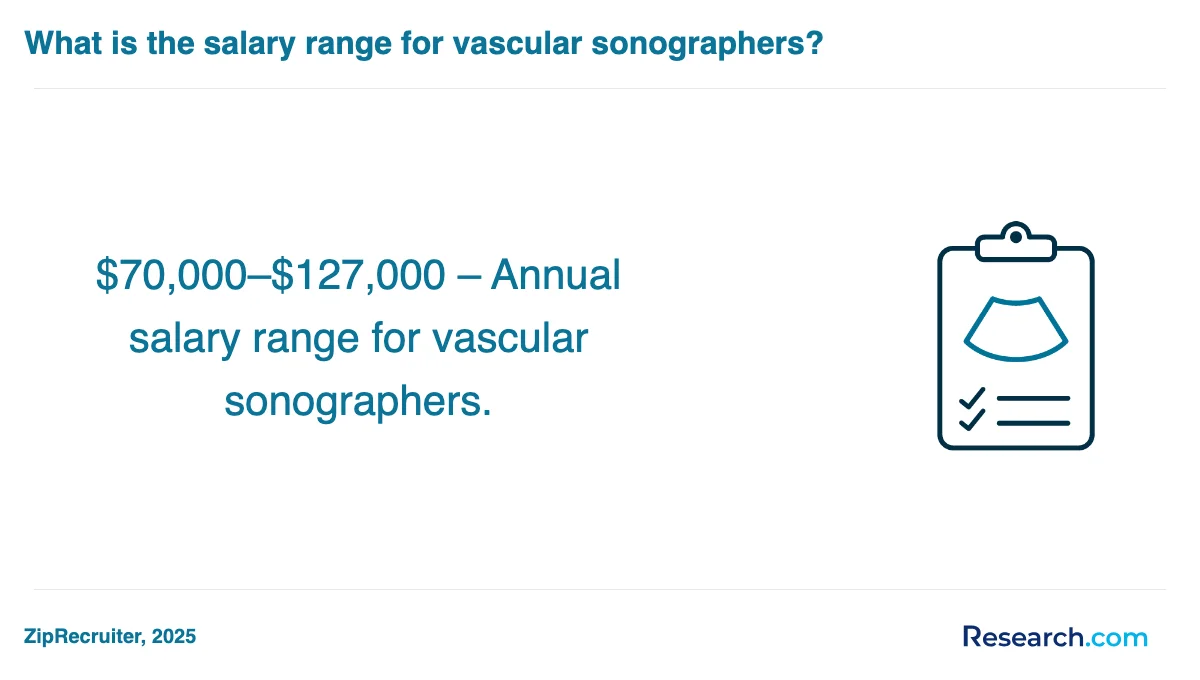
Graduates of medical sonographer trade school programs in North Carolina find a vibrant world of ultrasound technician career opportunities North Carolina offers. Many jump into diagnostic medical sonographer jobs in North Carolina, working hands-on with cutting-edge ultrasound machines in bustling hospitals or cozy outpatient clinics. Imagine a recent graduate from a popular trade school in Charlotte sharing excitement about their first day as an Ultrasound Technologist, capturing life-changing images that help doctors diagnose patients.
Career paths stretch beyond imaging alone. Some graduates specialize in areas like vascular technology or echocardiography, while others explore roles such as Mammography Technologist or Echo Sonographer. Experienced sonographers might move into education, becoming instructors at well-known programs across the state, inspiring the next wave of students. Advancement through ARDMS certifications often leads to leadership or technical specialist roles.
For those eager to expand their horizons, the background in sonography opens doors to roles in healthcare administration or even advanced clinical positions after further schooling. Many alumni find the flexibility thrilling, often balancing patient care with technical expertise.
Students exploring options can also consider an ultrasound tech school online program to tailor their education to their lifestyle while preparing for rewarding careers in North Carolina's healthcare system.
The medical sonographer job outlook North Carolina offers a balanced yet competitive environment for recent trade school graduates. Many find a steady path after completing their programs at well-known North Carolina schools, entering a field where salaries range widely based on experience and location. Graduates often share how the state's job market challenges them to hone skills and consider additional certifications to stand out.
Opportunities tend to cluster around hospitals, outpatient clinics, and mobile imaging services, with urban centers like Charlotte offering some of the highest hourly wages, sometimes exceeding $80. This diversity means students must be ready to adapt and seize roles that fit their career goals.
Key points from the diagnostic medical sonographer employment North Carolina landscape include:
- Entry-level salaries averaging around $60,000 annually
- Statewide averages close to $75,000 per year, with potential to grow over $90,000
- Job postings are steady but less abundant than other states, requiring persistence
For those exploring the pathway to certification, researching schools with diagnostic medical sonography programs across North Carolina helps identify quality training that aligns with this evolving job market.
Best Diagnostic Medical Sonographer Training Programs & Trade Schools - Top Sonography Schools in North Carolina for 2026
# 1 position
Johnston Community College - Diagnostic Medical Sonography/Sonographer and Ultrasound Technician.
associateJohnston Community College offers a Diagnostic Medical Sonography/Sonographer and Ultrasound Technician program with a hybrid format that includes some distance education. The program trains students to use ultrasound technology under physician supervision to collect and analyze sonographic data for diagnosing various conditions. It covers patient care, data processing, equipment operation, and professional ethics. Annual in-state tuition is $2,657, and median earnings one year after completion are $52,281. The program is accredited by the Southern Association of Colleges and Schools Commission on Colleges.
# 2 position
Johnston Community College - Mammography Technology/Technician.
certificate or diplomaThe Mammography Technology/Technician program at Johnston Community College prepares registered radiographers to become registered mammographers. It includes instruction in anatomy and physiology, mammography instrumentation, positioning, principles, procedures, and quality assurance. The hybrid program features some distance-education options. Annual in-state tuition is $2,657. Graduates have median earnings of $52,281 one year after completion. The program is accredited by the Southern Association of Colleges and Schools Commission on Colleges.
# 3 position
Forsyth Technical Community College - Diagnostic Medical Sonography/Sonographer and Ultrasound Technician.
associateForsyth Technical Community College offers a Diagnostic Medical Sonography/Sonographer and Ultrasound Technician program with a hybrid format, including some distance education. The program trains students to use medical ultrasound techniques for diagnosing various conditions under physician supervision. Tuition for in-state students is $2,256 annually. Graduates have median earnings of $54,726 one year after completion. The program is accredited by the Southern Association of Colleges and Schools Commission on Colleges.
# 4 position
Southeastern College-Charlotte - Diagnostic Medical Sonography/Sonographer and Ultrasound Technician.
associateThe Diagnostic Medical Sonography/Sonographer and Ultrasound Technician program at Southeastern College-Charlotte prepares students to perform medical ultrasound procedures under physician supervision. The curriculum covers patient care, sonographic data collection, equipment operation, and professional ethics. The program is accredited by the Accrediting Commission of Career Schools and Colleges. Annual in-state tuition is $24,184.
# 5 position
Central Carolina Community College - Diagnostic Medical Sonography/Sonographer and Ultrasound Technician.
associateCentral Carolina Community College offers a hybrid program in Diagnostic Medical Sonography/Sonographer and Ultrasound Technician. The curriculum trains students to use medical ultrasound technology to collect sonographic data for diagnosing various conditions, including patient care and professional ethics. The program is accredited by the Southern Association of Colleges and Schools Commission on Colleges. Annual in-state tuition is $2,554, providing an affordable option for those pursuing this healthcare field.
# 6 position
South Piedmont Community College - Diagnostic Medical Sonography/Sonographer and Ultrasound Technician.
associateSouth Piedmont Community College offers a Diagnostic Medical Sonography/Sonographer and Ultrasound Technician program with a hybrid format, including some distance-education options. The program trains students to use medical ultrasound techniques for diagnostic purposes under physician supervision. Instruction covers patient history review, sonographic data processing, equipment operation, and professional ethics. The program is accredited by the Southern Association of Colleges and Schools Commission on Colleges. Annual in-state tuition is from 2022.
# 7 position
Fayetteville Technical Community College - Diagnostic Medical Sonography/Sonographer and Ultrasound Technician.
associateThe Diagnostic Medical Sonography program at Fayetteville Technical Community College prepares students to use ultrasound techniques for medical diagnosis under physician supervision. The hybrid program includes instruction on patient care, sonographic data collection, and equipment operation. Annual in-state tuition is $2,628. Graduates have median earnings of $50,872 one year after completion. The program is accredited by the Southern Association of Colleges and Schools Commission on Colleges.
# 8 position
Pitt Community College - Diagnostic Medical Sonography/Sonographer and Ultrasound Technician.
associateThe Diagnostic Medical Sonography/Sonographer and Ultrasound Technician program at Pitt Community College prepares students to use medical ultrasound techniques for diagnosing various conditions. The hybrid program includes training in patient care, data recording, sonographic processing, and professional ethics. Annual in-state tuition is $1,972. Graduates earn a median salary of $62,908 one year after completion. The program is accredited by the Southern Association of Colleges and Schools Commission on Colleges.
# 9 position
Caldwell Community College and Technical Institute - Diagnostic Medical Sonography/Sonographer and Ultrasound Technician.
associateThe Diagnostic Medical Sonography/Sonographer and Ultrasound Technician program at Caldwell Community College and Technical Institute offers a hybrid format with some distance education options. It prepares students to use ultrasound techniques for diagnosing medical conditions under physician supervision. The program includes training in patient care, data processing, and professional ethics. Annual in-state tuition is $2,537. Graduates earn a median salary of $52,283 one year after completion. The program is accredited by the Southern Association of Colleges and Schools Commission on Colleges.
# 10 position
Southwestern Community College - Diagnostic Medical Sonography/Sonographer and Ultrasound Technician.
associateSouthwestern Community College offers a Diagnostic Medical Sonography/Sonographer and Ultrasound Technician program with a hybrid format, including some distance education. The program trains students to use medical ultrasound techniques for diagnosing various conditions under physician supervision. Instruction covers patient care, sonographic data collection, equipment operation, and professional ethics. Annual in-state tuition is $5,806. Graduates earn a median salary of $48,233 one year after completion. The program is accredited by the Southern Association of Colleges and Schools Commission on Colleges.
Frequently Asked Questions about medical sonographer
After completing a medical sonographer trade school in North Carolina, it is essential to focus on certification and practical experience to enter the job market successfully. The American Registry for Diagnostic Medical Sonography (ARDMS) certification is highly valued by employers and often required for clinical positions.
Networking through clinical internships and local healthcare facilities can increase job opportunities. According to the North Carolina Department of Commerce, sonography jobs are expected to grow by 17% through 2030, making timely certification and hands-on experience crucial.
Additionally, preparing a professional resume highlighting clinical skills and joining professional organizations like the Society of Diagnostic Medical Sonography can provide valuable job leads and continuing education.
Employers in North Carolina seek specific skills when hiring graduates from medical sonographer trade schools. Technical proficiency with ultrasound equipment is essential, as is a strong understanding of human anatomy and physiology. According to the Bureau of Labor Statistics, accuracy and attention to detail are critical due to the diagnostic nature of the work.
Communication skills are also highly valued, enabling sonographers to explain procedures clearly to patients and collaborate effectively with healthcare teams. Additionally, problem-solving abilities help sonographers adapt to varied clinical situations.
North Carolina employers often prefer candidates with certification from the American Registry for Diagnostic Medical Sonography (ARDMS), which demonstrates verified competence.
Finding internships in North Carolina relevant to medical sonographer trade school programs requires research and proactive outreach. Start by contacting the career services offices of accredited trade schools and community colleges offering sonography programs. They often maintain partnerships with local hospitals and imaging centers.
North Carolina's healthcare industry is robust, with major hospital systems like Atrium Health and Duke Health frequently offering clinical internships. According to the North Carolina Sonographers Association, students should also explore opportunities at outpatient imaging facilities, which are increasingly popular for practical training.
Additionally, the Commission on Accreditation of Allied Health Education Programs (CAAHEP) lists approved sonography programs with affiliated clinical sites, helping students locate quality internships within the state.
Obtaining a medical sonographer trade school diploma in North Carolina significantly enhances career mobility and advancement opportunities. According to the U.S. Bureau of Labor Statistics, the demand for diagnostic medical sonographers in North Carolina is expected to grow by 17% from 2022 to 2032, faster than the average for all occupations. A diploma provides the necessary clinical skills and technical knowledge, qualifying graduates to sit for credentialing exams such as the American Registry for Diagnostic Medical Sonography (ARDMS).
Employers in hospitals and outpatient care centers in North Carolina often prefer or require candidates with formal diplomas. This credential can lead to higher starting salaries and eligibility for specialized sonography roles, such as vascular or cardiac sonography. Additionally, diploma holders may find better opportunities for promotions and continuing education pathways, contributing to long-term career growth within the state's healthcare system.
Students enrolled in medical sonographer trade schools in North Carolina can benefit from part-time jobs that provide relevant healthcare experience. Positions such as medical assistants, patient transporters, or ultrasound technician aides in hospitals and clinics offer practical exposure to medical environments. According to the U.S. Bureau of Labor Statistics, North Carolina's healthcare sector is growing steadily, with diagnostic medical sonography jobs expected to increase by 17% through 2030.
Gaining work experience in these roles helps students build patient communication skills and familiarity with medical equipment. Additionally, part-time work in outpatient care centers or imaging facilities can complement academic learning and improve employability after graduation.
To choose the best Medical Sonographer degree program near me, consider researching programs offered by local universities and community colleges that provide accredited and comprehensive training. Near North Carolina, you can use Research.com to compare the curriculum, clinical training opportunities, and facilities available at each institution. Additionally, consider visiting campuses to meet with faculty and explore the educational resources firsthand, ensuring they align with your career goals.
- Best Diagnostic Medical Sonographer Training Programs & Trade Schools - Top Sonography Schools in South Carolina for 2026
- Best Diagnostic Medical Sonographer Training Programs & Trade Schools - Top Sonography Schools in West Virginia for 2026
- Best Diagnostic Medical Sonographer Training Programs & Trade Schools - Top Sonography Schools in Florida for 2026
- Best Diagnostic Medical Sonographer Training Programs & Trade Schools - Top Sonography Schools in Maryland for 2026
- Best Diagnostic Medical Sonographer Training Programs & Trade Schools - Top Sonography Schools in Pennsylvania for 2026
- Best Diagnostic Medical Sonographer Training Programs & Trade Schools - Top Sonography Schools in Ohio for 2026
- Best Diagnostic Medical Sonographer Training Programs & Trade Schools - Top Sonography Schools in Mississippi for 2026
- Best Diagnostic Medical Sonographer Training Programs & Trade Schools - Top Sonography Schools in New Jersey for 2026
- Best Diagnostic Medical Sonographer Training Programs & Trade Schools - Top Sonography Schools in Louisiana for 2026
- Best Diagnostic Medical Sonographer Training Programs & Trade Schools - Top Sonography Schools in Indiana for 2026
- Application | UCSD Diagnostic Sonography Program https://dmsprogram.health.ucsd.edu/application.html
- Diagnostic Medical Sonography Application | Clark State College https://www.clarkstate.edu/admissions/admissions-for-healthcare-programs/diagnostic-medical-sonography-application/
- How To Become A Sonographer - ARDMS https://www.ardms.org/how-to-become-a-sonographer/
- Diagnostic Medical Sonography https://www.templecollege.edu/programs/health-professions/diagnostic-medical-sonography/index.html
- Associate of Applied Science in Diagnostic Medical Sonography http://mccollege.edu/aas-in-diagnostic-medical-sonography/
- Bachelor's Degree in Sonography | COTC https://www.cotc.edu/degrees-certificates/diagnostic-medical-sonography-technology
- How to Become an Ultrasound Technician https://www.chcp.edu/blog/how-to-become-an-ultrasound-technician/
- Diagnostic Medical Sonography | Triton College https://www.triton.edu/about/dept/academic/school-of-health-careers-public-service-programs/diagnostic-medical-sonography/
- Diagnostic Medical Sonography | BCTC https://bluegrass.kctcs.edu/education-training/program-finder/diagnostic-medical-sonography.aspx
- Sonography Career Paths https://www.ultrasoundschoolsinfo.com/sonography-career-paths/


