
Most Affordable Diagnostic Medical Sonographer Schools & Training - Budget-Friendly Sonography Trade Programs in Lewiston for 2026

Co-Founder and Chief Data Scientist
Choosing the right medical sonographer trade school in Lewiston can shape your future career in healthcare. This article introduces a carefully crafted ranking of medical sonographer trade school programs, developed by the Research.com team of data scientists. It’s designed to help you make an informed decision about which programs truly stand out.
By exploring these options, you’ll discover affordable paths to gain valuable skills and certifications. Earning a diploma or certification in this field opens doors to rewarding job opportunities and personal growth. Take this step confidently toward a meaningful profession.
Key benefits of finishing medical sonographer trade school in Lewiston
- Graduates in Lewiston can expect competitive pay, with general sonographers earning around $78.56 per hour, offering a strong start to a rewarding career.
- Trade school graduates often explore diverse roles, from general sonography to specialties like obstetrics and gynecology, providing flexible career paths tailored to their interests.
- Completing a medical sonographer program online offers convenience and the ability to balance work or family, as seen with many successful Lewiston graduates who appreciate the flexible learning schedule.
- Most Affordable Diagnostic Medical Sonographer Schools & Training - Budget-Friendly Sonography Trade Programs in Lewiston for 2026
- What can I expect from medical sonographer trade schools in Lewiston?
- Where can I work after finishing medical sonographer trade schools in Lewiston?
What can I expect from medical sonographer trade schools in Lewiston?
Students enrolling in medical sonographer trade school programs in Lewiston, such as those at Lewis-Clark State College, can expect an intensive two-year associate degree curriculum. Graduates often share that balancing over 1,300 hours of hands-on clinical training with classroom learning was challenging yet rewarding. They gain experience with advanced simulation equipment and real patients under supervision, which builds confidence in applying sonographic physics and anatomy knowledge in real medical settings.
Many describe the physical demands-lifting patients and maneuvering equipment-as a test of endurance, but also a source of pride as they learn to provide compassionate care. The small class sizes, sometimes only eight graduates per year, foster a tight-knit community where students support each other through rigorous coursework and clinical rotations.
Students appreciate that the curriculum prepares them for certification exams like the ARRT®, opening doors to entry-level jobs in hospitals and clinics. Financial aid options, including scholarships and GI Bill® benefits, make this career path accessible for diverse students, adding to the positive, determined atmosphere among learners.
Where can I work after finishing medical sonographer trade schools in Lewiston?
After completing a medical sonographer trade school program in Lewiston, graduates find a strong local job market with diverse opportunities. Many secure positions in hospitals and outpatient imaging centers, where their hands-on training prepares them to handle diagnostic equipment confidently. For example, graduates from popular Lewiston trade schools often describe feeling ready to contribute immediately in fast-paced hospital environments.
Sonographers also work in specialized clinics, such as cardiology and vascular imaging, reflecting the growing demand for echocardiography skills. Physician offices in obstetrics and gynecology frequently hire new graduates, allowing them to build close patient relationships while applying their expertise.
Travel sonographer roles appeal to graduates seeking flexible schedules and competitive pay; these positions often include benefits like paid housing and licensure reimbursement. Many Lewiston-trained sonographers share positive experiences working through staffing agencies, appreciating the chance to explore different healthcare settings.
Overall, Lewiston's healthcare sector supports 18-32 open sonographer roles consistently, giving recent trade school graduates confidence in pursuing immediate employment locally.
Graduates from medical sonographer trade schools in Lewiston typically start with hourly wages ranging from about $31.71 to $38.13. For example, those completing popular local programs often find entry-level positions paying just over $31 per hour, especially in specialties like Obstetrics and Gynecology, where wages tend to be lower than the Idaho state average. However, many report quickly moving toward the state average as they gain experience and skills.
Several recent graduates from well-known Lewiston trade schools share that their first jobs paid around $32 to $35 per hour, which feels rewarding compared to other entry-level healthcare roles. These incomes translate to annual salaries starting near $61,310. As they advance, diagnostic medical sonographers in Idaho can earn up to $78,480 annually, with experienced professionals making as much as $99,380.
Some graduates have taken temporary or travel sonographer roles listed at higher rates, sometimes exceeding $78 per hour, boosting their earnings and offering exciting, flexible work options. This steady growth in pay reflects the strong demand and career stability for sonographers trained in Lewiston's trade schools.
- Lewis-Clark State College in Lewiston offers a bachelor's degree program in diagnostic medical sonography and ultrasound technology.
- Tuition and fees for in-state students are about $7,400 per year, with a total estimated cost of around $30,000 for the four-year degree.
- Admission is competitive and usually requires strong science and math backgrounds, plus possible prerequisite courses or healthcare experience.
- Starting salaries for new graduates in Lewiston range from $60,000 to $70,000 annually, with experienced sonographers earning over $80,000.
- The college provides online courses, small class sizes, hands-on training, and required clinical hours to prepare students for certification.
Completing a medical sonographer trade school program in Lewiston typically takes between 18 and 24 months. This timeframe allows students to balance hands-on clinical training with classroom instruction, essential for mastering ultrasound technology. Graduates from well-known Lewiston trade schools often emphasize how this duration offered them a manageable yet intensive learning experience, enabling them to quickly transition into professional roles.
Many students describe the program as challenging but rewarding, highlighting the structured schedule that fits well with part-time work or family commitments. For example, a graduate shared how completing clinical hours at local healthcare facilities within 20 months helped them build confidence and technical skills simultaneously.
Lewiston's medical sonographer programs focus on practical experience, which means students spend significant time in labs and real-world settings, accelerating their readiness for certification exams and employment. This hands-on approach makes the typical 18-24 month timeline feel swift and effective to those pursuing this career path.
The key difference between online and on-campus medical sonographer trade school programs in Lewiston centers on delivery methods and hands-on training. Graduates from Lewis-Clark State College, a popular local program, emphasize the value of in-person classes combined with extensive clinical rotations exceeding 1,300 hours. These students benefit from direct instructor feedback and immediate access to simulation labs, which builds confidence in using ultrasound equipment and interacting with patients.
Online programs, although rare in Idaho, mainly provide the theoretical coursework through flexible web-based platforms. Students juggling work or family appreciate this convenience. However, all online learners must complete in-person clinical practicums at approved healthcare facilities, reflecting the profession's hands-on nature. This requirement ensures students develop practical skills in real medical settings, which online coursework alone cannot replicate.
Lewiston-based students often report that the on-campus experience creates a supportive community and clearer pathways for mastering technical and patient-care competencies essential for certification and employment.
The average tuition for sonography programs in Lewiston generally falls between $20,000 and $40,000, based on comparisons with similar programs in Maine. Graduates from popular trade schools in Lewiston recall investing not only in tuition but also additional expenses like textbooks, lab fees, and specialized equipment that enhance their hands-on learning experience. For many, the cost reflects the comprehensive training that prepares them well for entry into healthcare settings.
Trade schools in Lewiston emphasize practical skills, often enabling students to feel confident and prepared, which many graduates describe as a rewarding outcome despite the initial financial commitment. Understanding the cost of diagnostic medical sonography degrees in Lewiston also means considering varied financial aid options, such as scholarships and grants that many local institutions promote.
Students frequently balance their budgets by exploring these aids and communicating with financial aid offices directly. This approach helps clarify the true cost impact beyond tuition alone. Additionally, prospective students interested in the profession often research how much do ultrasound techs make to justify their investment and confirm the career's financial viability.
In short, the financial framework for pursuing a sonography program in Lewiston involves a mix of tuition, ancillary fees, and funding opportunities, all contributing to a positive educational journey rooted in real-world clinical experience.
Medical sonographer students in Lewiston typically begin their financial aid journey by completing the Free Application for Federal Student Aid (FAFSA), unlocking access to federal grants, loans, and work-study programs. Graduates from Lewis-Clark State College often recall how the Pell Grant eased their tuition burden, as it provides aid based on financial need without requiring repayment.
State-level scholarships, such as the Idaho Opportunity Scholarship and the Idaho LAUNCH program, offer additional support for Idaho residents pursuing sonography careers. For example, some students were able to receive up to $3,500 annually, making their education more affordable at institutions like Lewis-Clark State College.
Institutional scholarships and tuition waivers, including merit-based awards and non-resident tuition discounts like the Western Undergraduate Exchange, are commonly utilized by students. Many graduates express relief at the broad range of aid, which 95% of Lewis-Clark students reportedly receive, helping bring the average net price near $13,000 per year.
Beyond these, private scholarships from organizations like the Society of Diagnostic Medical Sonography (SDMS) and the American Registry for Diagnostic Medical Sonography (ARDMS) provide targeted funding. Graduates often highlight how employer tuition reimbursement programs in local healthcare facilities further reduce costs while gaining practical experience.
Enrolling in a medical sonographer trade school program in Lewiston typically requires a solid foundation in both academic and personal skills. Most programs expect applicants to have a high school diploma or GED, ensuring they possess basic proficiency in math and science. Graduates from popular Lewiston trade schools often recall how their strong background in biology and anatomy helped them grasp sonography concepts more quickly.
Common prerequisites include:
- Completion of high school or equivalent certification
- Basic coursework in algebra, biology, and physics
- Passing a background check and health screenings
- Demonstrated interpersonal skills for patient interaction
For example, graduates describe feeling confident entering clinical rotations because their programs emphasized both technical knowledge and compassionate communication early on. Lewiston trade schools also stress the importance of time management and critical thinking, as these skills directly impact success in hands-on training and fast-paced healthcare environments.
Medical sonographer trade school programs in Lewiston typically include a comprehensive range of courses designed to build both foundational knowledge and specialized skills. Graduates from popular schools like Lewis-Clark State College often highlight the balance between classroom learning and hands-on clinical practice as crucial to their success.
Core courses usually cover:
- Human anatomy and physiology, essential for understanding the body structures visualized during sonography
- Ultrasound physics, explaining how sound waves generate diagnostic images
- Abdominal sonography, focusing on imaging organs like the liver and kidneys
- Vascular sonography, which trains students to assess blood flow and vessel health
- Pathophysiology, helping differentiate normal and abnormal scan results
Clinical training is a highlight, with institutions such as Idaho State University requiring over 1,300 hours of real-world experience. Graduates often describe this phase as both challenging and rewarding, building confidence in patient care and technical skills.
Additional courses in patient care and ethics prepare students to engage compassionately with diverse populations, making the learning experience feel relevant and impactful for future sonographers in Lewiston.
Medical sonographer trade school programs in Lewiston, such as the one at Lewis-Clark State College, offer key diagnostic medical sonography specializations in Lewiston tailored to meet local healthcare demands. Graduates often mention how focused tracks in abdominal sonography, obstetric and gynecologic sonography, and vascular sonography provide clarity and confidence during clinical rotations. For instance, students report hands-on imaging of the liver, kidneys, or fetal health, creating real-world skills directly applicable to patient care.
These ultrasound technician program options Lewiston Idaho support versatility through electives and clinical experience, allowing students to refine skills in:
- Abdominal sonography, visualizing internal organs with precision
- Obstetric and gynecologic sonography, focusing on pregnancy and female reproductive health
- Vascular sonography, specializing in blood vessel imaging and circulatory disorders
Choosing the best medical sonographer programs in Lewiston involves evaluating accreditation, curriculum, and hands-on clinical opportunities. Graduates from local programs often emphasize the importance of CAAHEP accreditation-even though no Maine-based programs currently hold it, considering neighboring state options or related allied health fields is common. Programs like the one at the Maine College of Health Professions, popular among Lewiston students, offer extensive practical training that builds confidence when handling diagnostic equipment.
Many students find value in programs that prepare them thoroughly for ARDMS certification exams, enhancing employability in Lewiston's healthcare facilities such as Central Maine Medical Center. Cost and length of study also factor heavily; some students share that balancing a roughly two-year associate degree with work demands clear planning and realistic budgeting.
For access to the top-rated sonography schools in Lewiston and broader educational options, prospective students can explore the top online bachelor's degree in sonography , helping those seeking flexibility alongside quality education.
Medical sonographer trade school graduates in Lewiston have access to diverse sonographer job opportunities in Lewiston Idaho across various healthcare settings. Many find roles as diagnostic medical sonographers or ultrasound technologists in local hospitals, outpatient clinics, and imaging centers. For example, graduates from prominent trade schools in Lewiston often start in general imaging but quickly move into specialized fields like cardiovascular non-invasive technology or echocardiography.
Travel sonographer positions also attract recent graduates, offering flexible assignments with competitive weekly earnings between $1,913 and $2,198 plus benefits such as housing and travel stipends. This option supports those seeking variety and higher pay while serving communities in Lewiston or nearby areas like Clarkston, WA.
Advancement is common, with experienced sonographers progressing to supervisory roles or specializing in pediatric or vascular sonography. Graduates frequently cite working alongside radiology departments and physicians during diagnostic procedures as rewarding aspects of medical imaging careers for Lewiston graduates. Obtaining state licensure and certifications like Basic Life Support is essential for entry-level positions.
Students benefit from programs known for strong clinical placements, providing real-world exposure that boosts confidence and employment outcomes. Those exploring stable yet dynamic healthcare careers may consider combining their training with knowledge about the highest paying 2 year medical degrees to further elevate their qualifications.
The medical sonographer job market in Lewiston is notably strong, with at least 18 current openings spanning hospitals and clinics in the area. Graduates from popular trade schools in Lewiston often secure positions quickly, benefiting from local healthcare employers prioritizing candidates who hold ARDMS certification and Basic Life Support credentials. These employers frequently offer full-time roles or lucrative contract work, with hourly pay rates for contract sonographers ranging from $70 to $72.
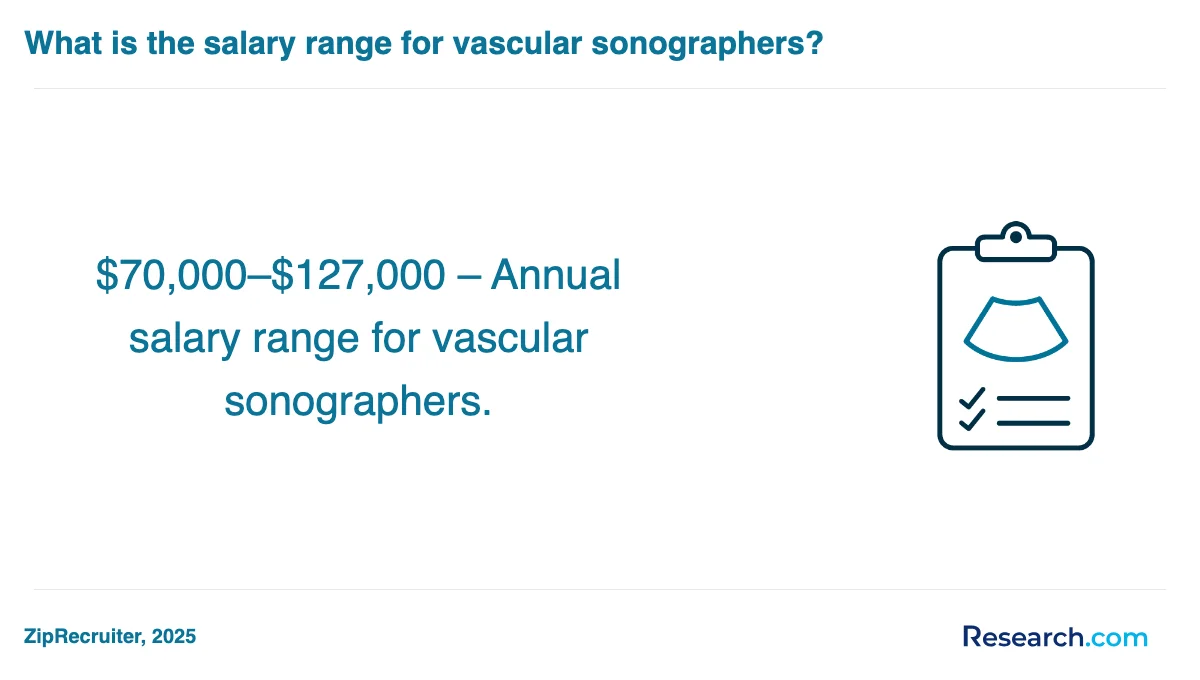
Many graduates share positive experiences of gaining hands-on clinical training during their programs, which translates directly into employability in Lewiston's competitive job market. The sonographer employment outlook Lewiston Idaho shows encouraging salary ranges, with cardiac sonographers earning between $71,000 and $107,000 annually, supported by institutional benefits such as health insurance and retirement plans.
Key aspects driving demand include:
- Specialized roles in echocardiography and cardiovascular technology
- Opportunities for permanent and travel sonographer positions
- Growing need for imaging professionals due to regional healthcare expansion
Students considering medical sonographer trade schools in Lewiston should also explore career development resources like the radiology tech career path to optimize job placement prospects.
Most Affordable Diagnostic Medical Sonographer Schools & Training - Budget-Friendly Sonography Trade Programs in Lewiston for 2026
# 1 position
Maine College of Health Professions - Diagnostic Medical Sonography/Sonographer and Ultrasound Technician.
certificate or diplomaThe Diagnostic Medical Sonography/Sonographer and Ultrasound Technician program at Maine College of Health Professions offers a hybrid format with some distance-education options. It prepares students to use medical ultrasound techniques under physician supervision to diagnose various conditions. The curriculum includes patient care, data collection, sonography equipment operation, and professional ethics. Annual in-state tuition is $17,827. The program is accredited by the New England Commission on Higher Education.
# 2 position
Maine College of Health Professions - Mammography Technology/Technician.
certificate or diplomaThe Mammography Technology/Technician program at Maine College of Health Professions prepares registered radiographers to become registered mammographers. It offers a hybrid format with some distance-education options. The curriculum includes anatomy and physiology, mammography instrumentation, positioning, principles and procedures of mammography, and quality assurance. The program is accredited by the New England Commission on Higher Education. Annual in-state tuition is $17,827.
Frequently Asked Questions about medical sonographer
After completing a medical sonographer trade school in Lewiston, preparing for the job market involves several key steps. First, obtaining certification from the American Registry for Diagnostic Medical Sonography (ARDMS) is critical, as most employers require it. Lewiston graduates should also build a strong resume highlighting clinical experience gained during training. Networking locally through healthcare job fairs and connections at Lewiston hospitals can increase employment chances. According to the U.S. Bureau of Labor Statistics, sonography jobs in Maine are expected to grow by 12% through 2030, signaling positive prospects. Continuing education and staying updated on ultrasound technology trends also enhance job readiness.
Employers in Lewiston prioritize several key skills when hiring graduates from medical sonographer trade schools. Technical proficiency with ultrasound equipment is essential, as accurate imaging directly impacts patient diagnosis and care. According to the Bureau of Labor Statistics, attention to detail is critical, since sonographers must identify subtle abnormalities during scans.
Strong communication skills are also in demand, enabling clear explanations of procedures to patients and effective collaboration with healthcare teams. Additionally, problem-solving abilities help sonographers adapt to unexpected challenges during exams. Familiarity with electronic health records (EHR) systems is increasingly important, reflecting broader healthcare digitalization trends.
These combined skills prepare graduates for the competitive Lewiston job market in diagnostic medical sonography.
To find internships in Lewiston relevant to medical sonographer trade school programs, start by contacting local healthcare facilities such as St. Mary's Regional Medical Center and Central Maine Medical Center. These hospitals often offer clinical internship opportunities as part of accredited sonography programs.
Additionally, trade schools typically maintain partnerships with medical imaging centers and clinics in the area. Students should consult their school's career services or clinical coordinators for internship placements tailored to program requirements.
The American Registry for Diagnostic Medical Sonography (ARDMS) notes that hands-on clinical experience is essential for certification, so securing an internship in Lewiston is a key step for students.
Online platforms like the Maine Department of Labor's job bank may also list local internships specifically for healthcare students, including sonography. Networking with professionals in local medical societies can further aid in discovering opportunities.
Obtaining a medical sonographer trade school diploma in Lewiston significantly enhances career mobility and advancement opportunities. Graduates are qualified to obtain certification from the American Registry for Diagnostic Medical Sonography (ARDMS), which is valued by local employers such as Central Maine Medical Center. This certification often leads to higher starting salaries, with Lewiston sonographers earning an average of 15% more than non-certified peers, according to Maine Department of Labor data from 2023.
Completion of a diploma program also opens doors to specialized roles in areas like vascular or cardiac sonography. Employers in Lewiston increasingly prefer candidates with formal training due to the technical nature of sonography.
Furthermore, a diploma can be a stepping stone toward further education, such as associate or bachelor's degrees, which may lead to supervisory or advanced clinical positions within healthcare facilities.
Students enrolled in medical sonographer trade schools in Lewiston can benefit from several part-time job opportunities that enhance their education and experience. Positions such as medical assistant or patient care technician at local hospitals and clinics help build relevant clinical skills. Lewiston's healthcare sector employs many sonography-related roles, with the U.S. Bureau of Labor Statistics projecting a 17% growth in diagnostic medical sonographer jobs nationwide from 2022 to 2032.
Working in outpatient care centers or imaging facilities offers hands-on exposure to ultrasound technology. Additionally, roles in medical records or health information departments can improve understanding of patient documentation, which is essential for sonographers. These jobs typically offer flexible hours to accommodate school schedules.
To choose the most affordable Medical Sonographer degree program near Lewiston, ME, consider evaluating both local community colleges and online programs that offer degrees or certifications in diagnostic medical sonography. Programs near Lewiston, ME may offer competitive tuition rates, and visiting campus financial aid offices can help identify scholarships and financial aid opportunities. Research.com can be a helpful resource to compare program offerings, costs, and accreditation to ensure you make an informed decision about options near me.
- Most Affordable Diagnostic Medical Sonographer Schools & Training - Budget-Friendly Sonography Trade Programs in Charlottesville for 2026
- Most Affordable Diagnostic Medical Sonographer Schools & Training - Budget-Friendly Sonography Trade Programs in Cleveland for 2026
- Most Affordable Diagnostic Medical Sonographer Schools & Training - Budget-Friendly Sonography Trade Programs in Findlay for 2026
- Advanced Certificate in Diagnostic Medical Sonography | MCHP | Lewiston, ME https://www.mchp.edu/program/medical-imaging/sonography/
- Find Accredited Ultrasound Technician Schools in Maine https://www.ultrasoundschoolsinfo.com/maine/
- Sonography School | How Long Is Sonography School and Is It Hard? https://www.cambridgehealth.edu/dms-diagnostic-medical-sonography/sonography-school/
- Diagnostic Cardiac Sonography (Ultrasound), Cert | School of Allied Health Professions https://alliedhealth.llu.edu/academics/radiation-technology/ultrasoundsonography/diagnostic-cardiac-sonography-ultrasound-cert
- Diagnostic Medical Sonography Diploma https://cnc.bc.ca/programs-courses/programs/detail/diagnostic-medical-sonography-diploma
- SPC : Diagnostic Medical Sonography | Alamo Colleges https://www.alamo.edu/spc/academics/programs/healthcare-sciences-and-early-childhood-and-family-studies/sonography/
- Sonography Ultrasound Technician in Lewiston, ID Salary - August 2025 https://www.comparably.com/salaries/salaries-for-sonography-ultrasound-technician-in-lewiston-id
- Diagnostic Ultrasound Sonographer | Lewiston | JobLeads.com https://www.jobleads.com/us/job/diagnostic-ultrasound-sonographer--lewiston--e313b410cd2596cfb1bc7c2a86d1ff953
- How To Become A Sonographer - ARDMS https://www.ardms.org/how-to-become-a-sonographer/
- Medical Sonography Student Resources https://www.accreditedschoolsonline.org/healthcare/ultrasound-technician/resources/


