Best Diagnostic Medical Sonographer Training Programs & Trade Schools - Top Sonography Schools in Cincinnati for 2026

Co-Founder and Chief Data Scientist
Choosing the right medical sonographer trade school in Cincinnati is a big step toward a rewarding healthcare career. This article presents a carefully crafted medical sonographer trade school programs ranking developed by the Research.com team of data scientists to guide you through your options.
By exploring these top programs, you’ll discover schools that offer quality training and valuable certifications. Earning a diploma or certification can open doors to job opportunities and professional growth. Whether you’re starting fresh or seeking a career change, this guide helps you make an informed, confident decision.
Key benefits of finishing medical sonographer trade school in Cincinnati
- Graduates from medical sonographer trade schools in Cincinnati can expect competitive salaries, with average annual earnings typically ranging from $90,113 to $108,794, offering strong financial stability early in their careers.
- Career paths often include roles like Ultrasound Technologist III or Chief Ultrasound Technologist, providing opportunities for growth and specialization in a thriving healthcare market.
- Completing a medical sonographer trade school online offers flexibility and convenience, allowing students to balance work and study while gaining valuable skills recognized by local employers.
- Best Diagnostic Medical Sonographer Training Programs & Trade Schools - Top Sonography Schools in Cincinnati for 2026
- What can I expect from medical sonographer trade schools in Cincinnati?
- Where can I work after finishing medical sonographer trade schools in Cincinnati?
What can I expect from medical sonographer trade schools in Cincinnati?
Enrolling in a medical sonographer trade school program in Cincinnati means committing to 18 to 24 months of intensive learning, blending classroom instruction with hands-on labs and clinical experience. Graduates from Cincinnati State Technical and Community College and ATA College often describe the curriculum as challenging but rewarding, emphasizing anatomy, sonography terminology, acoustical physics, and Doppler ultrasound principles. Students quickly realize the importance of mastering both the technical equipment and the ability to identify normal versus abnormal anatomical structures.
Clinical rotations at local hospitals and imaging centers provide real-world exposure, allowing students to apply their skills under expert supervision. While these placements are usually unpaid, they are invaluable for building confidence and professional competence in busy healthcare settings.
Many students appreciate the structured daytime schedules, typically Monday through Friday, 8 a.m. to 5 p.m., which help balance study and personal life. Admission is competitive, with prerequisites like a minimum GPA and sometimes healthcare experience, reflecting the program's rigor and quality. Graduates feel prepared and optimistic about sitting for certification exams and launching their careers in Cincinnati's healthcare community.
Where can I work after finishing medical sonographer trade schools in Cincinnati?
After completing a medical sonographer trade school program in Cincinnati, graduates find diverse job opportunities across local healthcare settings. Many secure roles in hospitals like UC Health and TriHealth, where they work in departments such as obstetrics, cardiology, and vascular imaging. These positions often offer flexible schedules, including full-time, part-time, or PRN shifts, accommodating different lifestyle needs.
Outpatient diagnostic centers and physician offices also attract graduates seeking more predictable hours and direct patient care. For example, sonographers trained at popular Cincinnati trade schools often describe rewarding experiences working in obstetrics or cardiology clinics, where they build ongoing patient relationships.
Specialized clinics, including breast and vascular centers, provide focused career paths, with graduates frequently hired for niche roles like fetal or cardiac sonography. Additionally, travel sonography offers adventurous professionals the chance to explore varied clinical environments while earning higher pay through short-term assignments.
This range of opportunities, supported by over 50 local openings reported recently, demonstrates the practical benefits of completing a trade school program in Cincinnati's medical sonography field.
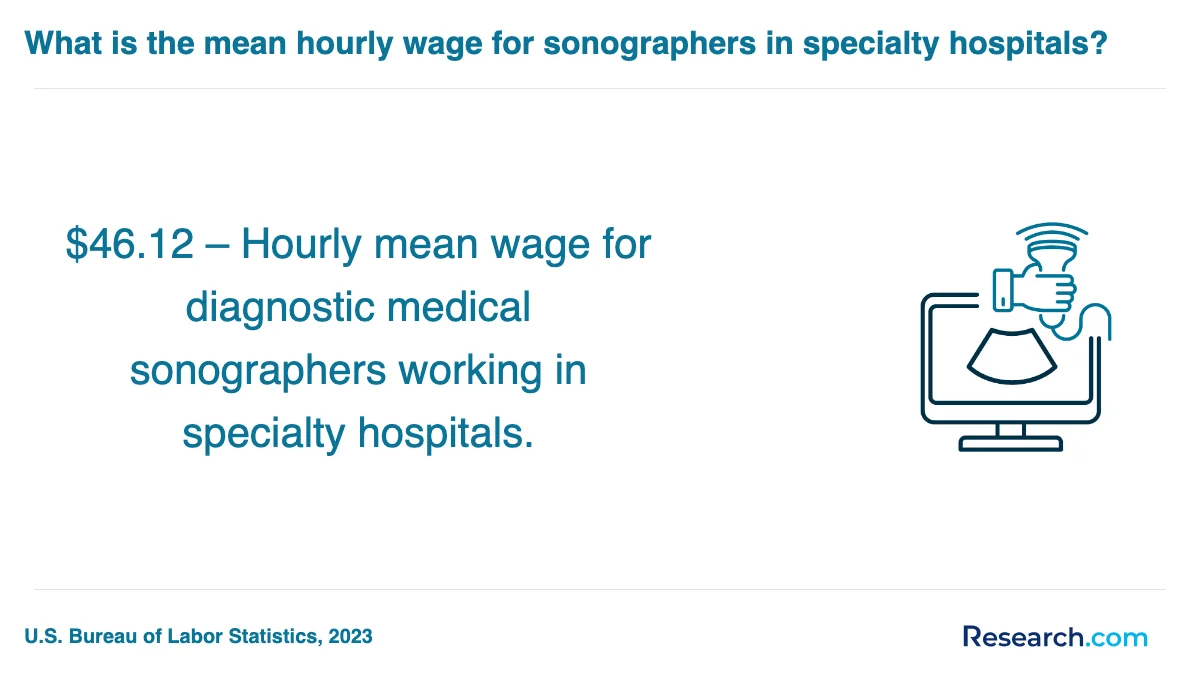
Graduates of medical sonographer trade school programs in Cincinnati often find themselves entering the workforce with a competitive salary. Many report starting salaries around $94,730 annually, reflecting robust demand in the local healthcare market. For example, recent graduates from well-known Cincinnati trade schools share that their hourly wages typically range from $39.29 to $47.39, depending on their role and experience. An entry-level Ultrasound Technologist I might earn about $39.29 per hour, while more experienced technologists can earn up to $47.39.
These wages translate into a stable income that allows graduates to comfortably manage living expenses in Cincinnati. Some vascular sonographers, a specialization chosen by many alumni, make around $82,805 yearly, while chief ultrasound technologists with advanced experience can see salaries exceeding $100,000. Graduates often express satisfaction with their financial progress, noting steady increases as they gain certifications and expertise.
Such earnings highlight the tangible benefits of completing a medical sonographer program in Cincinnati, offering not only a solid paycheck but also promising career growth and stability.
- Programs in Cincinnati typically award an Associate of Applied Science (AAS) degree in diagnostic medical sonography and take 18 to 24 months to complete.
- Hands-on clinical experience is a major part of the curriculum, usually scheduled during daytime hours in local healthcare facilities.
- Accreditation by CAAHEP is common, allowing graduates to take the ARDMS national certification exams required for most jobs.
- Admission is competitive, requiring prerequisite science and math courses, a minimum GPA around 2.75, and sometimes an entrance test or interview.
- Total costs range from $10,000 to $20,000, with additional fees for textbooks and certification; financial aid and scholarships are often available.
- Median salaries in Ohio are about $77,740, with entry-level jobs in Cincinnati paying $55,000 to $65,000 and experienced sonographers earning over $85,000 annually.
Completing a medical sonographer trade school program in Cincinnati typically takes about 18 to 24 months, depending on the specific school and program structure. Graduates from popular schools in the area often mention how this timeframe balances intensive learning with practical experience, allowing them to enter the workforce quickly without feeling overwhelmed.
For many students, the blend of classroom instruction and hands-on clinical training within this period makes the learning process engaging and rewarding. One graduate shared that being able to see real patients during clinical rotations by the second semester made the time investment feel worthwhile and helped solidify their skills early on.
Trade schools in Cincinnati often offer flexible scheduling options, which helps students manage their coursework alongside personal commitments. This practical approach to program length not only prepares students well but also fosters a sense of accomplishment and confidence as they progress.
Choosing a program with this typical completion time means beginning a career as a medical sonographer in a reasonable timeframe, making it an appealing option for those eager to start working in healthcare locally.
The primary difference between online and on-campus medical sonographer trade school programs in Cincinnati lies in how students engage with coursework and clinical training. On-campus programs at well-known institutions like Cincinnati State demand physical attendance for classes, labs, and clinical rotations. Graduates often recall the value of real-time feedback from instructors and hands-on practice with sonography equipment in local health facilities, which helped build their confidence and technical skills.
In contrast, online or hybrid programs offer more flexibility, allowing students to complete theoretical courses-such as anatomy and sonography physics-remotely. Many Cincinnati-based students juggling work or family commitments appreciate this convenience. However, even online students must attend clinical externships in person to gain essential practical experience. This blend supports those needing adaptable schedules while ensuring competency in real-world patient care.
Both formats emphasize accreditation by CAAHEP, ensuring graduates meet industry standards and are prepared for national certification. The choice often reflects personal circumstances rather than educational quality.
The average cost of medical sonographer programs in Cincinnati varies significantly depending on the institution and residency status. For example, Cincinnati State Technical and Community College, a popular choice among students, charges approximately $15,530 for in-state students pursuing an Associate of Applied Science in Diagnostic Medical Sonography. Out-of-state students face higher tuition fees, around $28,117, which includes all associated costs like lab and course fees. Graduates from this college often highlight how budgeting for these expenses felt manageable thanks to clear financial guidance and supportive faculty.
On the other hand, private institutions such as the Christ College of Nursing and Health Sciences demand a higher tuition fee of about $17,982 for their Bachelor of Science in Diagnostic Medical Sonography. Students there appreciate the personalized attention and resources, which often translate into strong confidence entering the workforce despite the steeper tuition fees. When considering tuition fees for sonography schools in Cincinnati, these contrasting examples reveal the financial breadth prospective students must navigate.
In real-life scenarios, students frequently emphasize the importance of planning for additional costs like textbooks, lab supplies, and transportation, which are not always evident upfront. Financial aid, scholarships, and loans available through many Cincinnati trade schools can substantially ease these burdens. Exploring options such as the top online associate in sonography programs also broadens the horizon for affordable or flexible study paths that complement local programs.
Medical sonographer students in Cincinnati benefit from a variety of financial aid options that significantly ease the burden of tuition and expenses. Many graduates from local trade schools like ATA College and The Christ College of Nursing and Health Sciences recall how federal Pell Grants, which provide up to $6,895 annually based on financial need, made pursuing their education feel more attainable without adding debt.
In addition to Pell Grants, some students accessed the Federal Supplemental Educational Opportunity Grant (FSEOG), receiving between $100 and $4,000, though this depends on school participation. Federal Direct Loans offer another pathway, with lower interest rates and flexible repayment plans, which many Cincinnati students found manageable after graduation.
Ohio-specific assistance, such as the Ohio College Opportunity Grant (OCOG), supports those with lower Expected Family Contributions and household incomes under $75,000, making local education more affordable. Meanwhile, programs like the Nurse Education Assistance Loan Program (NEALP) provide targeted support for health program students, including sonography learners.
Institutional scholarships and veteran benefits at Cincinnati trade schools often add personalized aid, allowing students to focus on hands-on learning rather than financial stress.
To enroll in a medical sonographer trade school program in Cincinnati, candidates typically must meet several key prerequisites that ensure readiness for this demanding field. Most programs require a high school diploma or GED, emphasizing a solid foundation in science and math. Graduates from popular Cincinnati trade schools often highlight how early coursework in biology and anatomy helped them grasp sonography concepts more quickly.
Applicants usually need to submit transcripts and may have to pass a basic entrance exam testing their understanding of anatomy, physiology, and medical terminology. Some trade schools in Cincinnati also expect students to complete prerequisite courses such as physics or algebra before starting the program.
Hands-on experience or healthcare exposure, like volunteering at clinics, can be a significant advantage. Graduates recall how shadowing sonographers or working as medical assistants boosted their confidence and made the transition into the program smoother.
Common prerequisites include:
- High school diploma or GED with strong science and math grades
- Completion of prerequisite courses such as biology, anatomy, and physics
- Passing an entrance exam or placement test
- Healthcare experience or volunteer hours in a clinical setting
Meeting these criteria in Cincinnati trade schools not only prepares students academically but fosters a positive, motivated mindset, crucial for success in the fast-paced world of medical sonography.
Medical sonographer trade school programs in Cincinnati offer a thoughtfully structured curriculum that balances theory with hands-on practice, ensuring students become confident and competent in their field. Graduates from popular Cincinnati trade schools often recall how foundational courses like medical and sonography terminology helped them quickly grasp the language used daily in clinical settings, making early clinical rotations less intimidating.
Core anatomy and physiology courses cover human gross and sectional anatomy as well as pathophysiology, which are crucial when distinguishing normal from abnormal ultrasound images. Many students describe the challenge and satisfaction of mastering these topics, especially when interpreting complex images of organs like the liver or kidneys.
Programs also emphasize advanced technical knowledge through courses on acoustical physics, Doppler ultrasound principles, and ultrasound instrumentation. This scientific grounding empowers students to troubleshoot equipment confidently during clinicals at Cincinnati healthcare facilities.
- Sonographic appearance of normal and abnormal anatomy, including abdomen, female pelvis, obstetrics, vascular system, and non-cardiac chest
- Specialized courses such as Echocardiography and Vascular Sonography for cardiovascular imaging
- Healthcare safety, professional issues, and medical ethics
Many graduates highlight how clinical rotations, integrated throughout these courses, bring theory to life, allowing them to develop both scanning skills and patient communication abilities in real-world Cincinnati hospital environments.
Medical sonography specializations in Cincinnati typically include three main areas: general diagnostic, cardiac, and vascular sonography. Graduates from Cincinnati State Technical and Community College often highlight their appreciation for the extensive hands-on clinical rotations, which build confidence in imaging diverse body parts such as the abdomen, female pelvis, and non-cardiac chest. These programs emphasize real-world readiness through rigorous practice and exposure.
Cardiac and vascular sonography programs Cincinnati offer deepen skills in heart and blood vessel imaging. For example, students at Christ College of Nursing and Health Sciences report satisfaction with focused adult cardiac sonography tracks that prepare them for critical diagnosis of heart disease. Vascular sonography training similarly prepares students to detect blood clots or arterial blockages, expanding career opportunities.
Practical coursework often includes sonographic physics and Doppler ultrasound principles, giving graduates a well-rounded foundation. Many find that combined vascular and cardiac credential options enhance employability. For flexible study options, prospective students might explore online courses for medical field related to sonography to complement their hands-on training.
Choosing from the best medical sonography programs in Cincinnati requires focusing on accreditation and clinical experience. Graduates from Cincinnati State Technical and Community College often share how valuable their hands-on rotations were in preparing them for real-world sonography challenges. These top-rated sonography schools in Cincinnati emphasize not only solid classroom instruction but also extensive clinical exposure in hospitals and clinics nearby, which helps students build confidence and competence.
Another critical factor is the program's reputation for preparing students for certification exams by the American Registry for Diagnostic Medical Sonography (ARDMS). Programs with high job placement rates reflect strong industry connections, enabling graduates to move smoothly into sonography careers. Considering tuition and financial aid options at these schools can also ease the pressure during your studies.
For those wondering how long does it take to become a diagnostic medical sonographer, program lengths at these Cincinnati institutions typically range from 18 months to two years, allowing for focused, intensive learning tailored to career goals.
Medical sonographer trade school graduates in Cincinnati find a variety of career opportunities well suited to their training. Many begin as diagnostic medical sonographers, utilizing ultrasound technology in hospitals like UC Health or outpatient clinics affiliated with TriHealth. These roles are foundational and offer a meaningful way to impact patient care by producing vital diagnostic images. Graduates from popular trade schools in Cincinnati often share how hands-on clinical practice prepared them for fast-paced environments.
Specialization further expands career paths, including roles such as:
- Obstetric and Gynecologic Sonographers focusing on prenatal and women's health imaging
- Cardiac (Echo) Sonographers working alongside cardiologists to diagnose heart conditions
- Vascular Sonographers assisting in vascular disease detection
Beyond direct imaging roles, experienced graduates pursue leadership positions like Clinical Coordinator or Lead Sonographer, overseeing teams and training new sonographers. Others apply their skills in niche areas such as breast ultrasound at specialized breast centers. Obtaining certifications like ARDMS or CCI is crucial for these advancements.
For those exploring broader options, diagnostic medical sonography jobs Cincinnati also include opportunities in mobile imaging services, sales, and even medical technology education. Considering local industry growth, exploring healthcare job ideas through trusted sources like healthcare job ideas helps graduates align their ambitions with market demand.
The medical sonographer job outlook Cincinnati presents a promising scenario for graduates of local trade schools. Many graduates report receiving multiple interview calls soon after completing their programs at well-known Cincinnati schools, reflecting ongoing demand for diagnostic medical sonographers in Cincinnati. These opportunities span various settings, including major hospital systems, outpatient imaging centers, and specialized clinics such as breast centers.
Students who have balanced clinical internships with coursework often express confidence in transitioning smoothly into the workforce. Employers seek candidates with flexible skills, particularly those trained in obstetric, vascular, and echo sonography. Key advantages noted by graduates include:
- Competitive salaries with some travel sonographer roles exceeding $3,000 weekly
- Health benefits and potential sign-on bonuses
- Varied work environments suited for diverse career goals
For a realistic picture of earnings and compensation, graduates frequently refer to how much do ultrasound techs make. Understanding this helps manage expectations and career planning in Cincinnati's expanding healthcare market.
Best Diagnostic Medical Sonographer Training Programs & Trade Schools - Top Sonography Schools in Cincinnati for 2026
# 1 position
Cincinnati State Technical and Community College - Diagnostic Medical Sonography/Sonographer and Ultrasound Technician.
associateThe Diagnostic Medical Sonography program at Cincinnati State Technical and Community College offers a hybrid format combining in-person and distance education. It trains students to operate ultrasound equipment and interpret sonographic data for diagnosing medical conditions. The program is accredited by the Higher Learning Commission. Annual in-state tuition is $5,400. Graduates have a median earning of $65,094 one year after completion. The curriculum includes patient care, data processing, and professional ethics.
# 2 position
The Christ College of Nursing and Health Sciences - Diagnostic Medical Sonography/Sonographer and Ultrasound Technician.
associateThe Christ College of Nursing and Health Sciences offers a Diagnostic Medical Sonography/Sonographer and Ultrasound Technician program. This program trains students to use medical ultrasound techniques under physician supervision to diagnose various conditions. Instruction covers patient care, sonographic data processing, equipment operation, and professional ethics. The annual in-state tuition is $16,394. The program is accredited by the Higher Learning Commission.
# 3 position
ATA College-Cincinnati - Diagnostic Medical Sonography/Sonographer and Ultrasound Technician.
associateATA College-Cincinnati offers a Diagnostic Medical Sonography/Sonographer and Ultrasound Technician program designed to train students in medical ultrasound techniques under physician supervision. The curriculum includes patient data integration, sonographic data processing, equipment operation, and professional ethics. The program is accredited by the Accrediting Bureau of Health Education Schools. Annual in-state tuition is $14,075.
# 4 position
Cincinnati State Technical and Community College - Diagnostic Medical Sonography/Sonographer and Ultrasound Technician.
certificate or diplomaCincinnati State Technical and Community College offers a Diagnostic Medical Sonography/Sonographer and Ultrasound Technician program with a hybrid format, including some distance-education options. The program prepares students to use medical ultrasound techniques to diagnose conditions, emphasizing patient care, sonographic data processing, and professional ethics. Annual in-state tuition is $5,400. Graduates earn a median salary of $65,094 one year after completion. The program is accredited by the Higher Learning Commission.
Frequently Asked Questions about medical sonographer
After completing a medical sonographer trade school in Cincinnati, preparing for the job market involves several key steps. First, obtaining certification from the American Registry for Diagnostic Medical Sonography (ARDMS) greatly improves employment prospects. Employers in Ohio increasingly prefer certified sonographers, reflecting national trends where certified professionals earn higher wages.
Networking is essential; attending local healthcare job fairs and joining professional organizations like the Society of Diagnostic Medical Sonography (SDMS) can connect graduates with employers. Cincinnati's healthcare sector, including major hospitals like Cincinnati Children's Hospital, offers numerous entry-level opportunities.
Additionally, gaining hands-on experience through internships or clinical rotations during training is critical. According to the U.S. Bureau of Labor Statistics, the demand for diagnostic medical sonographers in Ohio is projected to grow by 14% through 2030, signaling a strong job market for prepared graduates.
Employers in Cincinnati seek medical sonographer graduates with strong technical skills in ultrasound imaging and anatomy. Proficiency in operating sonography equipment and understanding diagnostic procedures is essential for accurate patient assessments. According to the Bureau of Labor Statistics, employers also value effective communication skills, as sonographers must explain procedures clearly to patients and collaborate with healthcare teams.
Additionally, attention to detail and critical thinking are important for identifying abnormalities during scans. The American Registry for Diagnostic Medical Sonography (ARDMS) certification is often preferred, reflecting verified competency. In Cincinnati's competitive healthcare market, graduates with hands-on clinical experience from accredited trade schools stand out to employers.
Finding internships relevant to medical sonographer trade school programs in Cincinnati involves several strategic steps. First, students should connect with their school's career services or internship coordinator, as many programs have established partnerships with local healthcare facilities.
Hospitals such as Cincinnati Children's Hospital Medical Center and TriHealth often offer clinical internships that provide hands-on sonography experience. According to the Bureau of Labor Statistics, clinical training is a crucial part of sonographer education, and Cincinnati's healthcare network supports numerous internship opportunities annually.
Additionally, students can explore listings through the American Registry for Diagnostic Medical Sonography (ARDMS) or local job boards specific to Cincinnati's medical industry. Networking with professionals via local chapters of sonography associations can also uncover hidden internship openings.
Lastly, timely applications and maintaining required certifications or immunizations are essential to secure these competitive clinical placements.
Obtaining a medical sonographer trade school diploma in Cincinnati significantly enhances career mobility and advancement within the healthcare sector. Graduates typically qualify for entry-level positions in hospitals, outpatient centers, and private clinics, which are in steady demand locally. According to the U.S. Bureau of Labor Statistics, the Cincinnati metro area experienced a 12% growth in diagnostic medical sonographer jobs from 2020 to 2030, highlighting expanding opportunities.
Trade school diplomas provide practical skills that meet employer requirements, often leading to faster job placement compared to traditional degree paths. Additionally, many employers in Cincinnati prefer candidates with accredited diplomas for promotion to specialized roles or supervisory positions. Certification from organizations like the American Registry for Diagnostic Medical Sonography (ARDMS), which trade schools prepare students for, further boosts professional credibility and salary potential.
Students attending medical sonographer trade schools in Cincinnati often seek part-time jobs that enhance their practical skills and professional experience. Common opportunities include working as ultrasound technician assistants or medical aides in local hospitals and imaging centers. These roles provide hands-on exposure to sonographic equipment and patient care, complementing formal education.
Additionally, some students find positions in healthcare administration or medical records departments, which help them understand healthcare workflows. According to the U.S. Bureau of Labor Statistics, the Cincinnati metropolitan area had a 5% growth rate in diagnostic medical sonography jobs from 2021 to 2023, indicating rising local demand.
Such part-time roles can improve both technical proficiency and resumes, aiding future employment prospects in the sonography field.
To find the best Medical Sonographer degree program near me in Cincinnati, OH, consider exploring local colleges and universities that offer accredited programs in medical sonography. Research.com is a helpful resource to compare programs based on rankings and faculty expertise. Additionally, visiting campuses and speaking with advisors can provide valuable insights into the quality and fit of the programs available.
- Best Diagnostic Medical Sonographer Training Programs & Trade Schools - Top Sonography Schools in Fort Wayne for 2026
- Best Diagnostic Medical Sonographer Training Programs & Trade Schools - Top Sonography Schools in Livonia for 2026
- Best Diagnostic Medical Sonographer Training Programs & Trade Schools - Top Sonography Schools in Lansing for 2026
- Best Diagnostic Medical Sonographer Training Programs & Trade Schools - Top Sonography Schools in Joliet for 2026
- Best Diagnostic Medical Sonographer Training Programs & Trade Schools - Top Sonography Schools in Green Bay for 2026
- Diagnostic Medical Sonography https://www.sait.ca/programs-and-courses/diplomas/diagnostic-medical-sonography
- Medical Sonography | Wake Tech https://www.waketech.edu/programs-courses/credit/sonography
- How To Become A Sonographer - ARDMS https://www.ardms.org/how-to-become-a-sonographer/
- Sonography Program | College of DuPage https://www.cod.edu/academics/programs/sonography/
- Diagnostic Medical Sonography Associate Degree Program https://pmi.edu/on-campus-programs/associate/diagnostic-medical-sonography/
- Diagnostic Medical Sonography https://www.mchs.edu/academics/associate-degrees/diagnostic-medical-sonography/
- Diagnostic Medical Sonography - Ivy Tech Community College https://www.ivytech.edu/programs/all-academic-programs/school-of-health-sciences/diagnostic-medical-sonography/
- Diagnostic Medical Sonography https://gwinnetttech.edu/diagnosticmedicalsonography/
- Accredited Diagnostic Medical Sonography Programs | CBD College https://www.cbd.edu/programs/diagnostic-medical-sonography/
- Diagnostic Medical Sonography Program | Medford & Levittown, NY https://hunterbusinessschool.edu/programs-offered/diagnostic-medical-sonography-program/