Best Diagnostic Medical Sonographer Training Programs & Trade Schools - Top Sonography Schools in Green Bay for 2026

Co-Founder and Chief Data Scientist
Choosing the right medical sonographer trade school in Green Bay can shape your future career in healthcare. This article introduces a carefully crafted ranking of medical sonographer trade school programs, created by the Research.com team of data scientists to guide you toward informed decisions.
Discover programs that match your goals, helping you earn valuable diplomas or certifications. Whether starting fresh or advancing your skills, this guide highlights opportunities that can lead to a rewarding and stable profession.
Explore your options confidently and take the first step toward a fulfilling career in medical sonography.
Key benefits of finishing medical sonographer trade school in Green Bay
- Graduates from medical sonographer trade schools in Green Bay can expect competitive salaries, with entry-level pay around $107,066 per year and hourly wages averaging $36.07, offering a strong financial start.
- Career paths are diverse, including roles like Ultrasound Technologist I or advanced positions such as Chief Ultrasound Technologist, allowing graduates from local programs to grow and specialize within the healthcare field.
- Completing a medical sonographer trade school online offers flexible scheduling and faster completion times, making it easier for busy students in Green Bay to balance education with personal commitments while still preparing for a rewarding career.
- Best Diagnostic Medical Sonographer Training Programs & Trade Schools - Top Sonography Schools in Green Bay for 2026
- What can I expect from medical sonographer trade schools in Green Bay?
- Where can I work after finishing medical sonographer trade schools in Green Bay?
What can I expect from medical sonographer trade schools in Green Bay?
In Green Bay, enrolling in a medical sonographer trade school means diving into a hands-on, immersive learning experience. Graduates from programs like Northeast Wisconsin Technical College often share how the blend of classroom theory and real clinical rotations brought their studies to life. You'll spend time mastering anatomy, patient care, and ultrasound physics, then apply that knowledge during supervised practice with actual ultrasound machines.
Expect to develop confidence performing scans on various body parts-from abdominal to obstetric imaging-through lab sessions and simulated patient scenarios. Many students find the clinical rotations at local hospitals especially rewarding, as working alongside licensed sonographers and physicians helps solidify skills and build professional relationships.
Though Wisconsin doesn't require state licensure, graduates appreciate that their CAAHEP-accredited training prepares them well for the national ARDMS certification, boosting job prospects. The balance of rigorous science coursework and hands-on training can be challenging but ultimately fulfilling, setting you up for a strong start in this growing healthcare field.
Where can I work after finishing medical sonographer trade schools in Green Bay?
After finishing a medical sonographer trade school program in Green Bay, graduates find a variety of rewarding job opportunities right in their community. Many quickly land roles at major healthcare providers like Aurora BayCare Medical Center or Bellin Health, working in busy diagnostic imaging departments where their skills truly make a difference.
Graduates often share how exciting it is to start as diagnostic sonographers, operating ultrasound machines to help doctors diagnose and monitor patients. Some specialize in cardiac imaging or women's health, becoming OB/GYN sonographers or echocardiographers. These roles offer hands-on patient interaction and a chance to develop expertise in specific areas.
Others enjoy the flexibility of travel sonographer positions or mobile imaging services, traveling between facilities in Green Bay and nearby towns like Oconto or Manitowoc. This variety keeps the work dynamic and engaging, perfect for those who like change and new environments.
Many graduates from local trade schools appreciate that their training prepares them well for these positions, with steady demand and competitive pay making the career path both stable and fulfilling.
After finishing a medical sonographer trade school program in Green Bay, you can expect to earn a solid income that reflects the strong local demand for skilled professionals. Graduates from popular trade schools here often share how they started with salaries around $80,000 to $100,000 annually, which is quite encouraging for those entering the field.
Many recent grads highlight that entry-level positions in Green Bay pay about $107,000 per year or roughly $51 an hour, a rate that feels rewarding right out of school. One graduate mentioned how this salary allowed them to comfortably cover living expenses while gaining valuable hands-on experience in local clinics.
As you build your skills and move into specialized roles like Vascular Sonographer or Chief Ultrasound Technologist, salaries in Green Bay can reach well over $100,000. The variety of roles and pay levels means you have clear opportunities to grow your income as you gain experience and certifications.
This earning potential, combined with the supportive community at Green Bay's well-regarded trade schools, makes pursuing this career path both practical and exciting.
- Most medical sonographer programs require an Associate of Science degree in Diagnostic Medical Sonography, typically lasting two years and accredited by CAAHEP.
- Admission usually needs a high school diploma or GED, prerequisite math and science courses, and sometimes observation hours or an interview.
- In Wisconsin, the cost for an associate degree ranges from $8,000 to $15,000 for in-state public college students, with private schools often charging more.
- About 71% of graduates find employment in the field soon after completing their program.
- Sonographers in Wisconsin earn an average salary of around $79,000 yearly, with experienced professionals making over $90,000.
Completing a medical sonographer trade school program in Green Bay typically takes about 18 to 24 months. Many graduates from well-known local trade schools share that this timeline felt just right-long enough to gain solid hands-on experience without dragging on. One common story involves balancing evening clinical rotations with daytime classes, which made the learning process feel dynamic and engaging.
Students often find the schedule manageable because these programs are designed to fit the busy lives of adults returning to school or working part-time. For example, graduates recall weeks filled with ultrasound lab practice and real patient interactions that helped build confidence quickly. This practical experience in Green Bay's healthcare facilities is what truly sets these programs apart and keeps motivation high.
Knowing the program duration helps you plan your future with clarity, whether you're aiming to start working sooner or want to fully immerse yourself in your training. The supportive community at Green Bay trade schools often makes the journey feel less like a task and more like an exciting step toward a rewarding career.
The main difference between online and on-campus medical sonographer trade programs in Green Bay centers on how you experience learning and clinical practice. Online students appreciate the flexibility to study theory from home, fitting coursework around jobs or family life. Many graduates share how this helped them stay on track while juggling responsibilities. Yet, hands-on skills can't be learned remotely. Accredited online programs arrange local clinical placements, so you'll still attend labs and patient scans in person at nearby healthcare facilities.
On-campus students at schools like Northeast Wisconsin Technical College enjoy daily face-to-face interaction with instructors and peers, plus direct access to advanced sonography equipment. Graduates often mention the confidence gained from immediate feedback and practicing in a real clinical environment on campus. This immersive setting supports a strong connection to the Green Bay medical community, reflected in NWTC's impressive employment rates shortly after graduation.
Both paths require similar prerequisites and accreditation, but your choice depends on whether you value flexible scheduling or hands-on immersion in Green Bay's healthcare settings.
When considering the average cost of medical sonographer programs in Green Bay, students often find that tuition fees vary widely depending on the school and program type. For example, graduates from Northeast Wisconsin Technical College, a popular trade school in the area, report paying around $9,201 per year if their family income falls between $30,000 and $48,000. This makes it an affordable option for hands-on training in diagnostic medical sonography, especially compared to four-year degrees.
At Bellin College, which offers a Bachelor of Science in Diagnostic Medical Sonography, students receiving financial aid experience average net prices near $26,206 annually. While this is higher, many graduates emphasize the value of a more comprehensive education that can open more advanced career opportunities in Green Bay's healthcare sector. When calculating tuition fees for sonography schools in Green Bay, it's important to remember that additional costs such as textbooks-often about $1,500-and lab fees around $250 per year can add up.
Graduates frequently mention how seeking out financial aid options, including grants, scholarships, and federal loans, made their education financially feasible. Those leaning toward shorter programs might also explore 2 year medical school program options to enter the workforce more quickly without compromising the quality of their training.
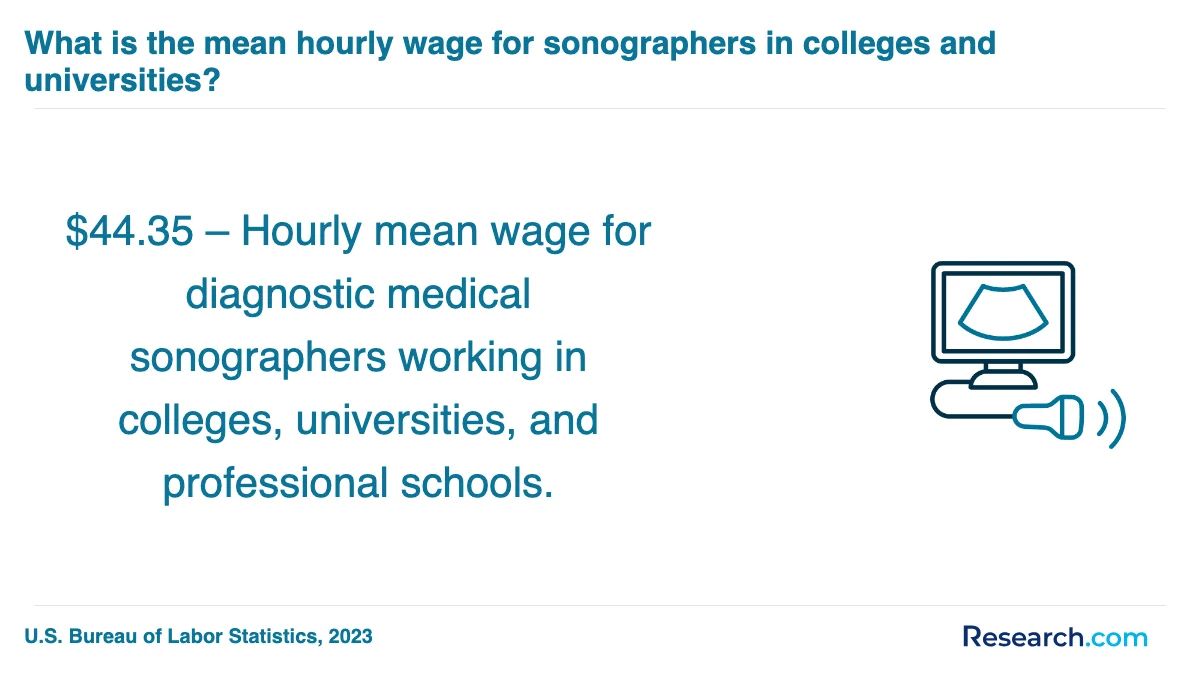
Medical sonographer students in Green Bay have several financial aid options to ease the burden of tuition and fees. Graduates from programs like Northeast Wisconsin Technical College (NWTC) often recall how completing the FAFSA early opened doors to federal grants like the Pell Grant and low-interest loans, making their education far more manageable.
Beyond federal aid, many find scholarships tailored specifically for sonography students in Wisconsin. For instance, some received $1,000 awards from the Ultrasound Schools Info Scholarship or Bellin College's Named Donor Scholarships, which helped cover essential expenses. One graduate shared how a $5,000 Holy Family Memorial Scholarship significantly reduced their overall costs, allowing them to focus more on studies than finances.
Institutional scholarships from NWTC and Bellin College also proved valuable, with financial aid offices guiding students through available grants. State grants like the Wisconsin Grant further support residents attending these schools, easing worries about tuition. Students often recommend connecting early with financial aid counselors to navigate these opportunities smoothly.
To enroll in a medical sonographer trade school program in Green Bay, you typically need a high school diploma or GED. Many trade schools here emphasize a solid foundation in sciences like biology and anatomy, so having completed courses in these areas can really boost your confidence and readiness.
Graduates from popular Green Bay trade schools often mention that schools look for these prerequisites:
- Basic math and science skills demonstrated through transcripts or placement tests
- Proof of immunizations and a physical exam for clinical readiness
- Some programs may require a background check or CPR certification before clinical rotations
- Strong communication skills, as sonographers work closely with patients and medical staff
One graduate shared how preparing these prerequisites early helped them stay calm and focused when starting the hands-on sonography training. In Green Bay's trade schools, this preparation ensures you're not only academically ready but also emotionally equipped to handle patient interactions, making the learning experience rewarding and less stressful.

In Green Bay's medical sonographer trade schools, such as Northeast Wisconsin Technical College and Bellin College, students dive right into foundational courses that are essential for success. Graduates often recall how anatomy, physiology, and medical terminology courses helped them feel confident interpreting sonographic images and communicating clearly with healthcare teams.
Specialized sonography classes form the core of the curriculum. These include abdominal, obstetric and gynecologic, and small parts sonography. Students get hands-on practice with ultrasound equipment in labs, simulating real patient scans, which many describe as exciting and rewarding moments that solidified their skills.
Many programs also offer:
- Vascular sonography and echocardiography modules, perfect for those wanting to specialize further
- Patient care, medical ethics, and healthcare safety courses that emphasize professionalism and critical thinking
Clinical practicum experiences in local hospitals or clinics are highlights for students, providing real-world patient interaction under supervision. These placements bring classroom theory to life, making the learning process feel meaningful and directly connected to future careers in Green Bay's healthcare community.
Medical sonographer trade school programs in Green Bay typically offer a range of specializations designed to fit different career goals and interests. Graduates from local schools like Bellin College often speak highly of their concentrations in general sonography, vascular technology, and cardiovascular sonography. These focus areas allow students to dive deep into imaging techniques specific to each field, helping them build confidence through rigorous hands-on clinical hours. For example, Bellin students complete over 1,200 clinical hours in nearby healthcare settings, gaining real-world experience that turns textbook knowledge into practical skills.
Meanwhile, programs such as the Associate Degree at Northeast Wisconsin Technical College provide comprehensive medical sonography program concentrations in Green Bay that include abdominal, obstetric, gynecologic, and vascular sonography. Graduates appreciate how this broad foundation prepares them to adapt to various specialties in their future workplaces. Many speak about the excitement of applying their training in diverse clinical environments early in their careers.
For those weighing career earnings alongside passion, understanding the ultrasound technician salary in the Green Bay region can also guide smart specialization choices.
Choosing the best accredited sonography programs in Green Bay means prioritizing CAAHEP accreditation to ensure your education meets national standards and prepares you for credentialing exams. Graduates from local programs, like those at Northeast Wisconsin Technical College, often share how the hands-on clinical rotations at nearby hospitals gave them confidence and real-world skills. These clinical experiences are essential, as they expose you to patient care and diagnostic equipment in a supportive setting.
When you compare medical sonographer school costs Green Bay offers, consider not only tuition but also financial aid options and class sizes. Smaller classes often lead to more personalized instruction, which many graduates find invaluable during their training. Employment rates post-graduation also matter; local schools with strong healthcare connections can boost your chances of landing a job quickly.
Many students also explore the fastest medical certifications for high paying jobs to balance cost, time, and return on investment while pursuing sonography in Green Bay.

Graduates of medical sonographer trade school programs in Green Bay step into a variety of rewarding career paths right here in their community. Most begin as diagnostic medical sonographers, applying ultrasound technology in hospital settings like St. Vincent Hospital and St. Mary's Hospital, where flexible part-time and full-time positions are common. Many graduates find satisfaction in roles that blend technology with patient care, seeing firsthand the impact of their work.
Others choose to specialize as OB/GYN sonographers, focusing on women's health and prenatal care, often employed at outpatient clinics such as Aurora BayCare Medical Center. Hourly rates typically range between $37.50 and $56.25, based on experience and credentials. Specialty areas like vascular sonography and echocardiography also attract graduates wanting to deepen their expertise.
Medical sonographer jobs in Green Bay WI extend beyond hospitals:
- Mobile sonography roles, traveling to various healthcare facilities with cutting-edge equipment
- Positions with staffing agencies offering travel assignments and competitive pay throughout Wisconsin
- Leadership and supervisory positions for experienced sonographers overseeing teams or training newcomers
- Technical sales and application specialist roles within ultrasound equipment companies
Many graduates from popular trade schools in Green Bay share that hands-on training helped them confidently enter these roles, fully prepared to excel. If you're exploring ultrasound technician career opportunities Green Bay Wisconsin, consider checking out the best online ultrasound tech schools to complement your local studies and expand your options.
The medical sonographer job openings in Green Bay are abundant, making this an encouraging environment for graduates of local trade schools. Many graduates from Green Bay's recognized programs have successfully landed roles at well-known employers like St. Vincent Hospital and Aurora BayCare Medical Center. These positions are available across various specialties including general sonography and vascular imaging, often welcoming new graduates who bring fresh skills and eagerness to grow.
What helps graduates thrive here is the balance of attainable credentials such as ARDMS certification combined with an active job market. Schools in Green Bay emphasize hands-on training, so graduates feel confident walking into their first roles. Students often share how their flexible schedules at trade schools allowed them to gain work experience simultaneously, easing their transition into the workforce.
The diagnostic medical sonographer employment outlook Green Bay is also promising, with about 22 job openings often posted at a time and competitive pay ranges from $30 to $56 per hour depending on experience. Benefits and career advancement opportunities are additional incentives.
Some key advantages for graduates include:
- Access to full-time and part-time positions within local hospitals and clinics
- Supportive employers offering educational assistance and flexible hours
- Solid foundations from accredited programs preparing students for credentialing exams
For anyone considering this field, exploring a diagnostic medical sonography program in Green Bay can be a strategic choice, opening doors to a steady, rewarding career in healthcare.
Best Diagnostic Medical Sonographer Training Programs & Trade Schools - Top Sonography Schools in Green Bay for 2026
# 1 position
Northeast Wisconsin Technical College - Diagnostic Medical Sonography/Sonographer and Ultrasound Technician.
associateThe Diagnostic Medical Sonography/Sonographer and Ultrasound Technician program at Northeast Wisconsin Technical College offers a hybrid format with some distance education. It prepares students to use ultrasound techniques for diagnosing conditions under physician supervision. Instruction covers patient care, data recording, sonography equipment, and professional ethics. The program is accredited by the Higher Learning Commission. Annual in-state tuition is $4,904, and median earnings one year after completion are $61,044.
# 2 position
Bellin College - Diagnostic Medical Sonography/Sonographer and Ultrasound Technician.
certificate or diplomaBellin College offers a hybrid Diagnostic Medical Sonography/Sonographer and Ultrasound Technician program that prepares students to use medical ultrasound for diagnosing conditions. The curriculum covers patient care, sonographic data collection and processing, and professional ethics. The program is accredited by the Higher Learning Commission. Annual in-state tuition is $28,211, and some courses are available through distance education to accommodate diverse learning needs.
Frequently Asked Questions about medical sonographer
After completing a medical sonographer trade school in Green Bay, graduates should focus on obtaining certification to improve job prospects. The American Registry for Diagnostic Medical Sonography (ARDMS) is the most recognized credential in the field. Many employers in Green Bay prefer or require this certification, which demonstrates professional competence.
Networking is also important. Joining local healthcare organizations and attending job fairs in the Green Bay area can connect graduates with potential employers. Additionally, gaining hands-on experience through internships or clinical rotations during training is valuable.
According to the U.S. Bureau of Labor Statistics, employment for sonographers is projected to grow 14% nationally from 2022 to 2032, indicating a positive job market for certified professionals.
Employers in Green Bay seek medical sonographer graduates with strong technical skills, particularly proficiency in operating ultrasound equipment and interpreting images accurately. According to the Bureau of Labor Statistics, attention to detail is critical, as sonographers must detect subtle abnormalities. Communication skills are also highly valued, as sonographers often explain procedures to patients and collaborate with healthcare teams. Problem-solving abilities and adaptability to new technologies are important due to ongoing advancements in diagnostic tools. Finally, employers prioritize graduates who have completed accredited programs and obtained ARDMS certification, which demonstrates standardized competence and readiness for clinical work in Green Bay's medical facilities.
Finding internships relevant to medical sonographer trade school programs in Green Bay involves several strategic steps. Start by contacting local healthcare providers such as Bellin Health and Aurora BayCare Medical Center, which often offer clinical internship opportunities. These facilities are crucial sites for hands-on ultrasound training and typically collaborate with educational programs.
Additionally, students should explore partnerships that their trade schools maintain with local hospitals and clinics. Many accredited programs require or facilitate internships as part of their curriculum, ensuring placements that meet certification standards.
The American Registry for Diagnostic Medical Sonography (ARDMS) and the Society of Diagnostic Medical Sonography (SDMS) also provide resources and listings that can help identify approved clinical sites in Green Bay.
Networking with program alumni and attending local healthcare job fairs can further increase internship prospects. According to the Bureau of Labor Statistics, clinical experience through internships significantly improves employment chances in sonography.
Obtaining a medical sonographer trade school diploma in Green Bay significantly enhances career mobility and advancement opportunities. According to the Bureau of Labor Statistics, diagnostic medical sonographers in Wisconsin earn a median annual wage of approximately $70,000, with higher pay tied to certification and formal training. A diploma from an accredited program prepares students for the American Registry for Diagnostic Medical Sonography (ARDMS) certification, a key credential that employers in Green Bay prioritize.
Graduates often find increased job prospects in local hospitals, clinics, and specialized imaging centers. The diploma also facilitates upward mobility by qualifying individuals for advanced sonography roles, including specialized areas like vascular or cardiac sonography. The Wisconsin Department of Workforce Development notes steady growth in healthcare jobs, supporting long-term career stability for certified sonographers in the Green Bay area.
Students enrolled in medical sonographer trade schools in Green Bay can benefit from several part-time job opportunities that complement their education. Positions such as medical assistant or patient care technician in local clinics and hospitals provide hands-on experience with patient interaction and basic clinical skills. According to the U.S. Bureau of Labor Statistics, healthcare support roles in Wisconsin are expected to grow by 11% through 2032, reflecting strong job availability.
Additionally, part-time roles like ultrasound technician aide or administrative assistant in radiology departments can deepen understanding of diagnostic imaging workflows. These jobs help students build relevant skills while maintaining flexibility for their studies.
Green Bay's healthcare sector, including facilities like Bellin Health and Aurora BayCare, offers practical environments ideal for gaining experience alongside formal training.
When choosing the best Medical Sonographer degree program, consider factors such as curriculum, clinical training opportunities, accreditation, and pass rates for licensure exams, as well as programs and universities near you that offer focused and comprehensive training. Near Green Bay, WI, researching institutions that provide accredited diagnostic medical sonography programs is essential, and you may find Research.com a helpful resource for identifying reputable programs and comparing them based on faculty credentials and program outcomes. Look for local community colleges or universities offering ultrasound technology classes, ensuring they are equipped with modern facilities and experienced instructors to give you a competitive edge in the field.
- Best Diagnostic Medical Sonographer Training Programs & Trade Schools - Top Sonography Schools in Joliet for 2026
- Best Diagnostic Medical Sonographer Training Programs & Trade Schools - Top Sonography Schools in Lansing for 2026
- Best Diagnostic Medical Sonographer Training Programs & Trade Schools - Top Sonography Schools in Livonia for 2026
- Best Diagnostic Medical Sonographer Training Programs & Trade Schools - Top Sonography Schools in Fort Wayne for 2026
- Best Diagnostic Medical Sonographer Training Programs & Trade Schools - Top Sonography Schools in Cincinnati for 2026
- Diagnostic Medical Sonography - Associate Degree - Northeast Wisconsin Technical College https://www.nwtc.edu/academics-and-training/diagnostic-medical-sonography
- Bachelor of Science in Diagnostic Medical Sonography (BSDMS) - Bellin College https://www.bellincollege.edu/academics/medical-imaging/diagnostic-medical-sonography/
- Find Accredited Ultrasound Technician Schools in Wisconsin https://www.ultrasoundschoolsinfo.com/wisconsin/
- Green Bay, Wisconsin Ultrasound Tech Programs https://www.nursegroups.com/programs/Ultrasound-Tech/WI/Green-Bay
- Sonography Technician Schools In Wisconsin (WI) https://www.sonographytechnicianschools.com/wisconsin.html
- Diagnostic Medical Sonography | Delta College https://www.delta.edu/programs/sonography/index.html
- How to Become an Ultrasound Technician in Wisconsin https://www.healthjob.org/guide/how-to-become-an-ultrasound-technician-in-wisconsin
- How To Become A Sonographer - ARDMS https://www.ardms.org/how-to-become-a-sonographer/
- Medical Sonography | Wake Tech https://www.waketech.edu/programs-courses/credit/sonography
- Diagnostic Medical Sonography https://www.sait.ca/programs-and-courses/diplomas/diagnostic-medical-sonography