
Best Diagnostic Medical Sonographer Training Programs & Trade Schools - Top Sonography Schools in Chicago for 2026

Co-Founder and Chief Data Scientist
Choosing the right medical sonographer trade school in Chicago can shape your future career in healthcare. This article introduces a detailed ranking of medical sonographer trade school programs, carefully developed by the Research.com team of data scientists. The ranking is designed to help you make an informed decision about which programs truly stand out.
Reading this guide will give you clarity and confidence as you explore your education options. Earning a diploma or certification in medical sonography opens doors to rewarding and stable job opportunities. Take the first step toward a fulfilling career with the right program tailored to your goals.
Key benefits of finishing medical sonographer trade school in Chicago
- Graduates can expect a competitive starting salary, with hourly wages often beginning around $34 and averaging about $41.47 in Chicago, offering strong financial stability early in their careers.
- Career paths include working in hospitals, clinics, or private practices, with opportunities to specialize in areas like cardiac or pediatric sonography, as seen in graduates from popular Chicago trade schools.
- Completing the program online offers flexibility and convenience, allowing students to balance work and study effectively, a benefit highlighted by successful online graduates from recognized Chicago institutions.
What can I expect from medical sonographer trade schools in Chicago?
Students enrolling in a medical sonographer trade school program in Chicago can expect a well-rounded education combining classroom theory with hands-on clinical experience. Graduates from schools like Midwestern Career College and Stellar Career College often describe the intense but rewarding clinical rotations where they work directly with patients under supervision, building confidence and real-world skills.
Programs typically last between 6 to 24 months, depending on whether you pursue a certificate or an associate degree. For example, Midwestern Career College's 18-month program includes 380 hours of clinical externship, which many find essential for mastering sonographic techniques.
Coursework covers topics such as sonographic physics, anatomy, and specialized imaging areas like OB/GYN and vascular sonography. Many students appreciate the hybrid format that offers flexibility through online lectures combined with in-person labs and clinical practice.
Admission can be competitive, requiring prerequisite courses and placement tests, but successful students feel well-prepared for certification exams. Graduates highlight strong job prospects in Chicago's healthcare facilities, reflecting the program's practical focus and accreditation standards.
Where can I work after finishing medical sonographer trade schools in Chicago?
After finishing a medical sonographer trade school program in Chicago, graduates find a variety of rewarding job opportunities across the city's healthcare landscape. Many begin their careers at well-known hospitals like Loyola Medicine or Rush University Medical Center, gaining hands-on experience in fast-paced environments. Others choose specialized centers such as the Ann & Robert H. Lurie Children's Hospital of Chicago, where they focus on pediatric imaging, or the University of Illinois Center for Women's Health, perfect for those passionate about women's health sonography.
Graduates often share how exciting it is to work as diagnostic medical sonographers or ultrasound technologists in diverse settings-from outpatient clinics and mobile imaging companies to urgent care centers. These roles allow them to apply skills learned in trade school while enjoying competitive wages and comprehensive benefits.
Many Chicago trade school alumni appreciate the strong local demand for sonographers, describing how their training opened doors to specialties like cardiac or vascular sonography, making their daily work engaging and meaningful.
How much can I make after finishing medical sonographer trade schools in Chicago?
After completing a medical sonographer trade school program in Chicago, graduates often find themselves earning competitive salaries that reflect their specialized skills. Many graduates from popular Chicago trade schools report starting hourly wages around $40 to $42, which translates to approximately $85,000 annually when working full-time. This initial pay is encouraging for those eager to enter the workforce quickly and start earning.
With experience and certifications, salaries can increase significantly. For example, graduates working at major hospital systems in Chicago have shared that their pay ranges from about $40 to $56 per hour, depending on their specific sonography focus and shift schedules. Cardiac sonographers, a specialized role, typically earn between $40 and $49 per hour, offering a rewarding path for those interested in heart-related imaging.
This upward salary trend means many graduates feel confident about their financial future soon after completing their programs. For students attending recognized Chicago trade schools, the investment in education often leads to steady growth in earnings, making medical sonography a practical and fulfilling career choice.
Best Diagnostic Medical Sonographer Training Programs & Trade Schools - Top Sonography Schools in Chicago for 2026
# 1 position
Midwestern Career College - Diagnostic Medical Sonography/Sonographer and Ultrasound Technician.
associateMidwestern Career College offers a Diagnostic Medical Sonography/Sonographer and Ultrasound Technician program with a hybrid format that includes some distance education options. The program prepares students to utilize medical ultrasound techniques for diagnostic purposes, covering patient care, sonographic data processing, and professional ethics. Graduates have median earnings of $42,091 one year after completion. The program is accredited by the Council on Occupational Education.
# 2 position
City Colleges of Chicago-Malcolm X College - Mammography Technology/Technician.
certificate or diplomaThe Mammography Technology/Technician program at City Colleges of Chicago-Malcolm X College prepares registered radiographers to become registered mammographers. It includes instruction in anatomy and physiology, mammography instrumentation, positioning, principles, procedures, and quality assurance. The hybrid program offers some distance-education options, has an annual in-state tuition of $4,380, and is accredited by the Higher Learning Commission. Median earnings one year after completion are $28,481.
# 3 position
Stellar Career College - Diagnostic Medical Sonography/Sonographer and Ultrasound Technician.
certificate or diplomaA program at Stellar Career College prepares students to use medical ultrasound techniques for diagnosing various conditions. Instruction covers patient history review, sonographic data collection and processing, equipment operation, patient care, and professional ethics. The program is accredited by the Accrediting Commission of Career Schools and Colleges.
Key Findings
- Admission to sonography programs in Chicago requires a high school diploma or GED, prerequisite college courses, and sometimes entrance exams, with preference often given to local residents.
- Programs typically offer an Associate in Applied Science (AAS) degree or diploma, taking about two years to complete with combined classroom and clinical training.
- Accreditation from bodies like ACCSC or CAAHEP is necessary for national certification eligibility.
- Tuition for a two-year program usually ranges from $10,000 to $25,000, with career-specific courses costing 1.5 times the standard public college rate.
- Graduates can sit for certification exams from ARRT or ARDMS, which employers in Chicago strongly prefer.
- The median annual salary for sonographers in Chicago is between $77,000 and $95,000, with higher pay for experienced professionals.
How long does it take to complete medical sonographer trade schools in Chicago?
Completing a medical sonographer trade school program in Chicago typically takes about 18 to 24 months. Many students appreciate this timeframe because it allows them to enter the workforce quickly without sacrificing the depth of hands-on training. For example, graduates from well-known Chicago trade schools often share how their programs balanced classroom instruction with clinical practice, making the experience both efficient and engaging.
One graduate mentioned feeling motivated by the fast-paced nature of the program, which kept them focused and confident about their skills by the time they finished. Another highlighted how the structured schedule helped manage work and study, especially in schools that offer evening or weekend classes to accommodate different lifestyles.
Choosing a Chicago trade school with a clear timeline helps students plan their careers realistically while gaining the practical experience needed to succeed as medical sonographers. This blend of speed and quality supports many in feeling ready and excited to start their new profession shortly after enrolling.
What's the difference between online and on-campus medical sonographer trade school programs?
The main difference between online and on-campus medical sonographer trade school programs in Chicago is how coursework and training are delivered. Online programs offer flexibility, letting students complete lectures and assignments remotely, which is ideal for those balancing work or family. For example, graduates from Midwestern Career College appreciate being able to study theory online while completing a required 380-hour clinical externship in person at local healthcare facilities.
On-campus programs, like those at other popular Chicago schools, provide structured schedules with direct access to labs, simulation equipment, and in-person mentoring. Graduates often mention how this immediate support and face-to-face interaction helped them stay motivated and build professional connections quickly.
Both formats require hands-on clinical training in Chicago healthcare settings to develop real-world skills. Some schools offer hybrid options, such as Blackhawk Technical College's "MyEdChoice," allowing students to switch between online and in-person learning based on their needs, combining convenience with essential practical experience.
What is the average cost of medical sonographer trade schools in Chicago?
The average cost of medical sonographer programs in Chicago typically ranges between $14,500 and $27,050, depending on the institution and length of the program. For example, graduates from the Aquarius Institute appreciate its 18-month Ultrasound/Sonography Technician training that costs around $18,500, covering tuition, textbooks, and fees. This balance of cost and time commitment often brings a sense of accomplishment and readiness for job placement.
Other students from Stellar Career College benefit from a 60-week Diagnostic Medical Sonography program priced at $27,050, which includes tuition, books, and fees. Graduates mention feeling confident entering the healthcare workforce given the comprehensive and hands-on nature of the training. Some prefer Harper College's Associate of Applied Science in Diagnostic Medical Sonography, costing about $17,030, which also covers necessary supplies and fees, making it easier to plan finances.
When considering tuition fees for sonography schools in Chicago, it's important to account for additional expenses such as uniforms, liability insurance, and certification exams, which can affect the overall investment. Many successful graduates recommend contacting schools directly to get the most current and detailed pricing.
For those balancing work or other commitments, exploring medical degree programs online may offer flexible options complementary to hands-on sonographer training. This approach helps many students efficiently manage time and costs while pursuing their career goals.
What financial aid is available for medical sonographer trade schools in Chicago?
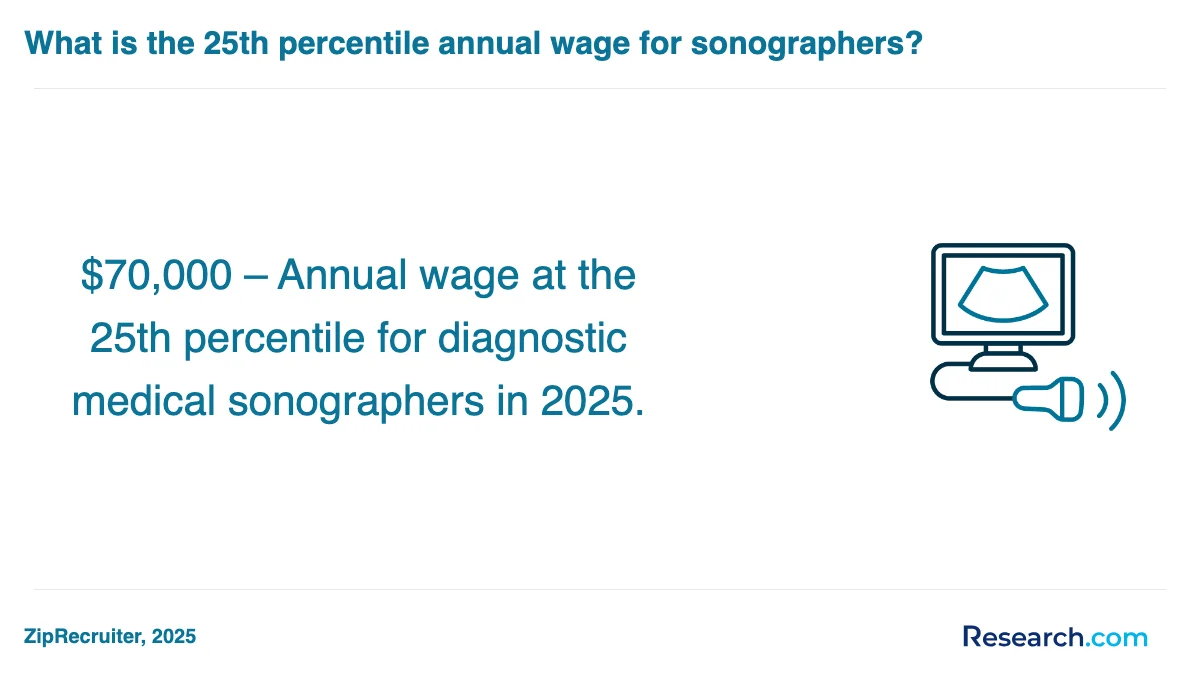
Medical sonographer students in Chicago have access to a variety of financial aid options that make pursuing their education more affordable. Many start by completing the Free Application for Federal Student Aid (FAFSA), which can qualify them for federal programs like the Pell Grant, offering up to $7,395 per academic year without repayment. Graduates from schools such as Midwestern Career College and Stellar Career College often share how this support eased their tuition burden during their training.
Those with greater financial need may benefit from the Federal Supplemental Educational Opportunity Grant (FSEOG), which prioritizes students facing significant challenges. Local schools like Triton College and College of DuPage also provide valuable scholarships and flexible payment plans, helping students manage costs in practical ways.
Work-study programs and veterans' benefits further assist eligible students, allowing them to balance education and income. Graduates frequently highlight the importance of connecting with financial aid offices early to explore all available resources and maximize support throughout their studies.
What are the prerequisites for enrolling in medical sonographer trade schools in Chicago?
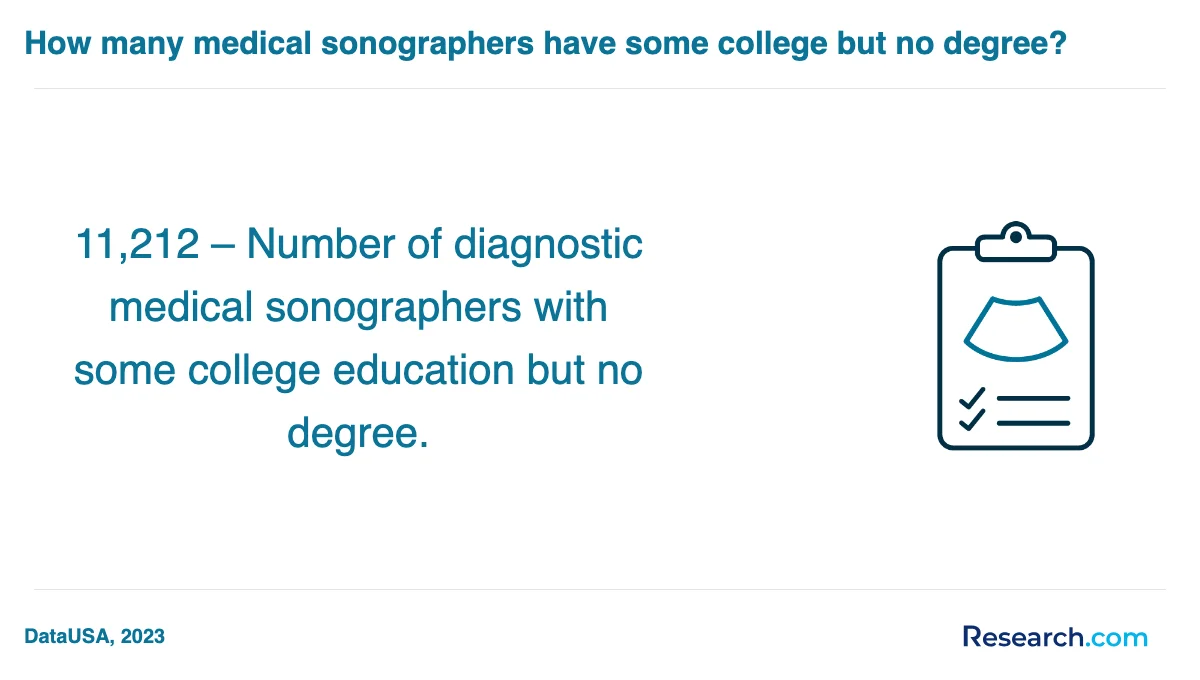
To enroll in a medical sonographer trade school program in Chicago, you typically need a high school diploma or GED. Many popular trade schools in Chicago emphasize a strong foundation in science and math, so courses like biology, anatomy, and algebra taken during high school are highly valued. Graduates often share how having these prerequisites made early coursework more manageable and boosted their confidence.
Additionally, some schools require applicants to pass an entrance exam or complete prerequisite classes before starting the core program. For example, a trade school may ask you to demonstrate basic computer skills or complete a medical terminology course.
Other common prerequisites include:
- Minimum GPA requirements (usually around 2.5 or higher)
- Background checks or immunization records, especially for clinical placements
- Letters of recommendation or personal statements explaining your motivation
Graduates from Chicago trade schools often mention how meeting these requirements early on helped them stay focused and prepared for the hands-on experience that follows. Preparing ahead can turn the admission process into an exciting step toward a rewarding healthcare career.
What are the typical courses in medical sonographer trade schools in Chicago?
Medical sonographer trade school programs in Chicago typically include a well-rounded set of courses that prepare students for real-world diagnostic imaging roles. Graduates from schools like Midwestern Career College and Stellar Career College often highlight how these courses blend theory with hands-on practice, making learning both engaging and practical.
Core courses usually cover:
- Sonographic Physics: Understanding how sound waves interact with tissues and how to create clear ultrasound images is essential for accurate diagnostics.
- Scanning Principles and Techniques: Students gain confidence operating ultrasound machines and positioning patients correctly, skills they use daily in clinical settings.
- Anatomy and Physiology: These courses focus on body structures frequently examined in sonography, such as the abdomen and vascular system, helping students visualize what they scan.
- Abdominal, OB/GYN, and Vascular Sonography: Specialized training prepares students for diverse scenarios, from prenatal imaging to vascular assessments.
- Patient Care and Ethics: Emphasizing respectful communication and safety, this course readies students for compassionate patient interactions.
Students appreciate how the curriculum's combination of classroom learning and clinical experience builds both knowledge and confidence, making the transition into healthcare roles smoother and more rewarding.
What are the available specializations in medical sonographer trade schools in Chicago?
Medical sonographer trade school programs in Chicago typically offer specializations that align with in-demand diagnostic needs. Graduates often share that programs like Stellar Career College and the Aquarius Institute provide hands-on training in:
- Abdominal sonography, focusing on liver, kidneys, and spleen imaging
- Obstetric and gynecologic sonography, essential for monitoring pregnancies
- Breast sonography, geared toward detecting tissue abnormalities
- Cardiac sonography, also called echocardiography, concentrating on heart imaging
- Pediatric sonography, tailored for imaging infants and children
- Musculoskeletal sonography, for muscles and joints assessment
- Vascular sonography, offered at Rush University with bachelor's degree programs
Many students appreciate how these specializations enhance their expertise in medical sonography programs in Chicago, fueling confidence as they prepare for certification. Training includes realistic scenarios, such as evaluating fetal development or examining vascular flow, ensuring practical readiness for clinical environments. Those researching options often find it helpful to explore universities with ultrasound technician programs to compare curricula and career outcomes.
How do you choose the best medical sonographer trade school program in Chicago?
When choosing the best medical sonographer trade school program in Chicago, focus first on accreditation and hands-on clinical experience. Graduates from top ultrasound technician schools Chicago often praise programs accredited by CAAHEP for preparing them well for certification exams and real-world challenges. For example, students at institutions located in the Illinois Medical District benefit from access to multiple clinical sites, creating valuable learning environments that build confidence.
Program length and specialization options matter too. Some students enjoy the comprehensive 20-month vascular sonography track offered by certain schools, which balances classroom theory and practical rotations. Researching job placement rates is crucial; graduates from respected Chicago programs frequently share how strong industry connections led to quick employment after finishing their studies.
Financial aid and support services also ease the journey. Many future sonographers find peace of mind in programs that offer tutoring and career counseling. To deepen your understanding of becoming an ultrasound tech, consider these factors carefully to align your education with career goals.
What career paths are available for medical sonographer trade school graduates in Chicago?
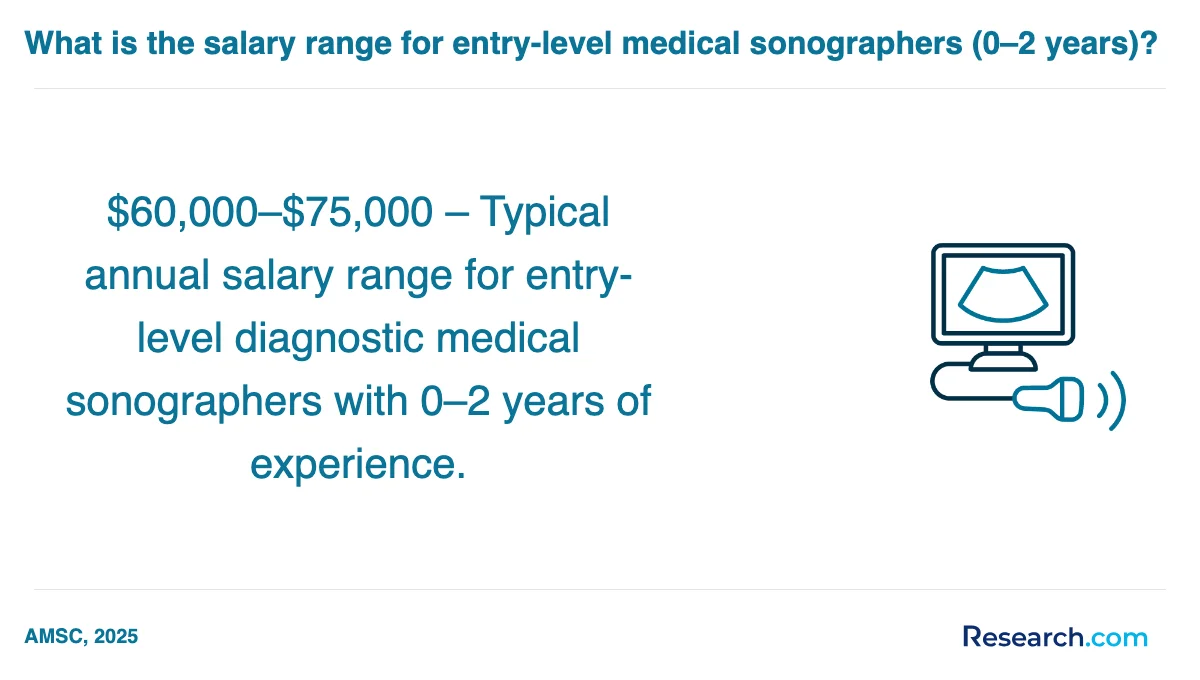
Graduates from medical sonographer trade school programs in Chicago often find a variety of medical sonographer jobs in Chicago that open doors to rewarding healthcare careers. Many start as diagnostic medical sonographers in hospitals or outpatient clinics like those affiliated with Loyola Medicine or Rush University Medical Center. These positions offer hands-on work with patients and real impact on diagnosis and treatment.
Specialization is a common next step. Graduates typically develop expertise in areas such as obstetric and gynecologic sonography, abdominal sonography, vascular technology, or cardiac sonography, which significantly enhance job security and salary potential. Some graduates from Roosevelt University have shared how their clinical training helped them confidently transition into these specialized roles.
For those looking to grow beyond entry-level positions, career advancement options include roles such as lead sonographer, department supervisor, or sonography educator. Trade school graduates have also successfully moved into medical equipment sales, training, or research, leveraging their sonography background in diverse healthcare settings.
Exploring diagnostic medical sonography career opportunities Chicago provides a foundation to build a fulfilling, future-proof career. To learn about related fields, check this comprehensive list of healthcare professionals.
What is the job market for medical sonographer trade school graduates in Chicago?
The medical sonographer job outlook in Chicago is exceptionally strong for graduates of trade schools, thanks to a high demand for diagnostic imaging professionals across the city's extensive healthcare network. Graduates from popular Chicago trade schools often find employment quickly due to over 180 active job openings in major hospitals and outpatient centers. Employers like Loyola Medicine and Rush University Medical Center seek skilled sonographers, offering competitive salaries and clear paths for advancement.
Many graduates share stories of landing entry-level roles that lead to specialized positions in vascular or cardiac sonography, boosting both earning potential and job satisfaction. The city's large concentration of over 2,800 ultrasound technologists fosters a supportive professional community, making it easier to network and grow.
Sonographer employment opportunities Chicago include:
- Positions across large academic hospitals and private imaging centers
- Growth aligned with the national 10%-14% increase in diagnostic sonography jobs
- Benefits tied to advanced certifications and specializations
Prospective students can explore top sonography programs online that complement Chicago-based trade schools, providing flexible options that enhance career prospects in this vibrant healthcare market.
Frequently Asked Questions about medical sonographer
After completing a medical sonographer trade school in Chicago, preparing for the job market involves several key steps. First, obtaining certification from the American Registry for Diagnostic Medical Sonography (ARDMS) is essential, as most employers require it. According to the Bureau of Labor Statistics, Chicago's healthcare sector is growing steadily, with a 12% increase in demand for sonographers by 2030. Networking through local healthcare facilities and attending job fairs can enhance employment prospects. Additionally, gaining clinical experience through internships or externships during training helps build practical skills. Staying updated with advances in ultrasound technology also improves competitiveness in the Chicago job market.
Employers in Chicago prioritize a mix of technical and interpersonal skills when hiring medical sonographer trade school graduates. Proficiency in operating ultrasound equipment and understanding anatomy are essential. According to the U.S. Bureau of Labor Statistics, strong attention to detail is critical due to the precision required in imaging. Communication skills also rank highly, as sonographers must explain procedures clearly and comfort patients during scans.
Familiarity with electronic health records (EHR) systems is increasingly important in Chicago healthcare facilities. Employers also value graduates who demonstrate problem-solving abilities and the capacity to work well under pressure. Overall, technical expertise combined with empathy and professionalism enhances job prospects in this field.
Finding internships in Chicago relevant to medical sonographer trade school programs involves several strategic steps. Start by consulting the career services offices of accredited sonography schools, as many maintain partnerships with local hospitals and clinics. Facilities like Northwestern Memorial Hospital and Rush University Medical Center often offer clinical internships tailored for sonography students.
Additionally, the American Registry for Diagnostic Medical Sonography (ARDMS) website provides resources on accredited programs and clinical sites. Networking through professional organizations such as the Society of Diagnostic Medical Sonography (SDMS) can also open doors to internship opportunities.
According to the Illinois Department of Employment Security, the healthcare sector in Chicago has grown by 5% annually, increasing demand for sonography internships. Applying early and maintaining strong academic performance improves chances of placement.
Obtaining a medical sonographer trade school diploma in Chicago significantly enhances career mobility and advancement opportunities. According to the U.S. Bureau of Labor Statistics, diagnostic medical sonographers in Illinois earn a median annual wage of around $75,000, higher than many other allied health positions requiring less specialized training.
Trade school programs focus on practical skills, enabling graduates to meet certification requirements set by the American Registry for Diagnostic Medical Sonography (ARDMS). Certification is often a prerequisite for employment, increasing job prospects in Chicago's competitive healthcare market.
Graduates typically find entry-level roles in hospitals, clinics, and imaging centers, with potential for advancement into specialized sonography fields or supervisory roles as experience grows.
Students enrolled in medical sonographer trade schools in Chicago can benefit from part-time jobs that provide relevant healthcare experience and flexible hours. Positions such as medical assistant, phlebotomy technician, or patient care technician are common roles that complement sonography studies. These jobs help develop patient interaction skills and familiarity with clinical settings.
According to the U.S. Bureau of Labor Statistics, Chicago's healthcare sector continues to grow, with over 1,500 sonography professionals employed in the area as of 2023, increasing demand for trained support staff. Working part-time in diagnostic imaging centers or hospitals can also offer networking opportunities valuable for future employment.
Additionally, some students find roles in medical billing or health information management helpful, as these jobs deepen understanding of healthcare operations. Balancing work and study remains important, so roles with flexible schedules are preferred.
To choose the best medical sonographer degree program near me, consider factors such as accreditation, curriculum, clinical training opportunities, and faculty qualifications. You can also research specific programs near Chicago, IL, which might involve looking at local universities and colleges that offer strong support systems and career placement assistance. Research.com can serve as a helpful resource to identify top-performing institutions and gain insights into their program specifics and outcomes.
Related Medical Sonographer Rankings for Nearby Cities
- Best Diagnostic Medical Sonographer Training Programs & Trade Schools - Top Sonography Schools in Joliet for 2026
- Best Diagnostic Medical Sonographer Training Programs & Trade Schools - Top Sonography Schools in Fort Wayne for 2026
- Best Diagnostic Medical Sonographer Training Programs & Trade Schools - Top Sonography Schools in Lansing for 2026
- Best Diagnostic Medical Sonographer Training Programs & Trade Schools - Top Sonography Schools in Green Bay for 2026
- Best Diagnostic Medical Sonographer Training Programs & Trade Schools - Top Sonography Schools in Livonia for 2026
- Best Diagnostic Medical Sonographer Training Programs & Trade Schools - Top Sonography Schools in Cincinnati for 2026
Top Trending Rankings
References
- Ultrasound Tech Schools in Chicago https://ultrasoundtechschoolschicago.com/
- Diagnostic Medical Sonography Training Program Chicago | Stellar Career College https://stellarcollege.edu/diagnostic-medical-sonography/
- Sonography Program | College of DuPage https://www.cod.edu/academics/programs/sonography/
- Diagnostic Medical Sonography | Triton College https://www.triton.edu/about/dept/academic/school-of-health-careers-public-service-programs/diagnostic-medical-sonography/
- Bachelor's in Diagnostic Medical Sonography, BS | Roosevelt University https://www.roosevelt.edu/programs/bachelors-diagnostic-medical-sonography-bs
- Diagnostic Medical Sonography Degree Program: Harper College https://www.harpercollege.edu/academics/health/diagnostic-medical-sonography/dms-degree.php
- Diagnostic Medical Sonography (Ultrasound) Specialization | Health Professions | SIU https://academics.siu.edu/health-professions/radiologic-sciences/bachelors/diagnostic-medical-sonography.php
- Associate of Applied Science in Diagnostic Medical Sonography http://mccollege.edu/aas-in-diagnostic-medical-sonography/
- Find Accredited Ultrasound Technician Schools in Illinois https://www.ultrasoundschoolsinfo.com/illinois/
- Diagnostic Medical Sonographers and Cardiovascular Technologists and Technicians : Occupational Outlook Handbook: : U.S. Bureau of Labor Statistics https://www.bls.gov/ooh/healthcare/diagnostic-medical-sonographers.htm


