Best Diagnostic Medical Sonographer Training Programs & Trade Schools - Top Sonography Schools in Georgia for 2026

Co-Founder and Chief Data Scientist
Choosing the right medical sonographer trade school in Georgia can shape your future career in healthcare. This article introduces a carefully crafted medical sonographer trade school programs ranking developed by the Research.com team of data scientists to guide you toward the best options available.
By exploring these top programs, you’ll gain valuable insights to make an informed decision that fits your goals and lifestyle. Earning a diploma or certification in this field opens doors to rewarding job opportunities and professional growth.
Start your journey with confidence and clarity by discovering which schools stand out in 2026.
Key benefits of finishing medical sonographer trade school in Georgia
- Graduates of medical sonographer trade schools in Georgia can expect competitive salaries, with averages around $85,600 annually and the potential to earn over $100,000 with experience and certifications.
- Career options include working in hospitals, outpatient clinics, or imaging centers, giving graduates from popular Georgia trade schools a variety of rewarding paths to choose from.
- Completing a medical sonographer program online offers flexibility and convenience, allowing students from anywhere in Georgia to balance studies with life commitments while still gaining valuable hands-on skills.
- Best Diagnostic Medical Sonographer Training Programs & Trade Schools - Top Sonography Schools in Georgia for 2026
- What can I expect from medical sonographer trade schools in Georgia?
- Where can I work after finishing medical sonographer trade schools in Georgia?
What can I expect from medical sonographer trade schools in Georgia?
Expect a dynamic blend of hands-on learning and classroom study when you dive into a medical sonographer trade school program in Georgia. Graduates from popular community colleges and technical schools often recall their excitement during clinical rotations, where they gained real-world experience scanning patients under expert supervision. Imagine spending 30 hours observing diagnostic sonography in bustling hospital settings, sharpening your skills while absorbing the rhythm of healthcare life.
Coursework covers everything from human anatomy and physics to medical ethics, preparing you for the challenges ahead. Many students find the balance between theory and practice rewarding, especially as they master both the science and the compassionate care side of sonography.
Georgia's programs emphasize meeting accrediting standards, so you'll be ready to sit for national certification exams like the ARDMS. Alumni often share how this credential opened doors to specialized fields like OB-GYN or pediatric sonography, fueling their passion and career growth in the state's vibrant healthcare community.
Where can I work after finishing medical sonographer trade schools in Georgia?
After finishing a medical sonographer trade school program in Georgia, graduates often find themselves stepping into bustling hospitals or welcoming outpatient diagnostic centers, where every scan can feel like a thrilling puzzle to solve. Imagine starting your day at a major Atlanta hospital, like Northside or Emory University, assisting obstetrics or cardiology teams-this is a common path for many fresh grads from popular trade schools in the state.
Others discover rewarding roles in specialty clinics, focusing on prenatal care or vascular imaging, bringing comfort and clarity to patients in need. Some adventurous graduates choose to become traveling sonographers, hopping between facilities with weekly pay ranging from $2,184 to $2,546, blending work with exploration. Trade school alumni also share how they found joy in teaching future sonographers or supporting medical equipment sales, expanding their impact beyond the scan room.
With over 200 job openings statewide, the opportunities are as diverse as the places you could work-from urban centers to rural clinics-making your career journey in Georgia exciting and full of promise.
After finishing a medical sonographer trade school program in Georgia, many graduates find themselves pleasantly surprised by their earning potential. Imagine starting your career with an entry-level salary of about $82,285 annually-enough to feel secure while gaining hands-on experience. Graduates from popular trade schools in Atlanta and nearby cities often share stories of landing jobs that pay between $28.41 and $36.54 per hour, turning their passion into a paycheck that truly reflects their specialized skills.
One graduate recalls their first role where the median hourly wage of $34.22 translated to roughly $71,000 a year-enough to cover living expenses and even plan weekend adventures. In bustling metro areas like Atlanta, wages can climb even higher, with some earning over $37.91 an hour and top performers reaching $45.22. That kind of growth sparks excitement among new sonographers eager to advance.
Registered diagnostic medical sonographers in Georgia report annual salaries averaging $85,600, with seasoned pros making up to $101,587. For those who've invested in their trade school education, this path offers both financial rewards and a fulfilling career in healthcare.
- Admission requires college-level prerequisite courses such as Human Anatomy, Physics, and Algebra with a minimum grade of "C" and a GPA of at least 2.5.
- The typical program is an Associate of Science degree taking 18-24 months, with some schools offering certificate options but no advanced placement for sonography courses.
- Programs should be accredited by CAAHEP to qualify for the ARDMS certification exam, which most employers require even though Georgia does not mandate state licensure.
- Tuition averages about $9,786 for two years, plus approximately $4,500 for books and supplies, with financial aid options like Pell Grants and the HOPE Scholarship available.
- Starting salaries in Georgia range from $61,000 to $65,000 annually, with experienced sonographers earning over $100,000; job growth is projected at 11% nationwide through 2033.
- Specializations such as abdominal, breast, obstetric/gynecologic, and pediatric sonography can increase job opportunities and salary potential.
In Georgia, completing a medical sonographer trade school program typically takes about 12 to 18 months, depending on the school and whether you attend full-time or part-time. Imagine diving into hands-on training at one of Georgia's well-known trade schools, where graduates often share how quickly the months fly by as they master ultrasound technology.
Many students describe the experience as an exciting whirlwind-balancing classroom theory with real-world practice in clinical settings. For example, a graduate from a popular Atlanta-based trade school mentioned how immersive the program felt, making the seemingly short timeframe feel packed with valuable skills and knowledge.
The adventure of learning to operate cutting-edge sonography equipment while collaborating with instructors and peers creates a dynamic environment that keeps motivation high. For those eager to start their healthcare career swiftly, Georgia's trade schools offer a focused path that fits within a year and a half, turning ambition into accomplishment in no time.
Choosing between online and on-campus medical sonographer trade school programs in Georgia feels like picking your own adventure. On-campus programs at places like Gwinnett Technical College immerse you fully-imagine attending lively lectures, practicing hands-on skills in labs, and rotating through bustling hospital clinics in metro Atlanta. Graduates often recall the energy of learning side-by-side with peers, the instant feedback from instructors, and the structured routine that kept them motivated every day.
On the flip side, online programs such as those offered by Oconee Fall Line Technical College bring freedom and flexibility. Picture yourself studying theory from your favorite spot at home, balancing coursework around your job or family life. Yet, the thrill of real patient interaction remains-it's not all virtual. Even online students must dive into clinical training at approved healthcare sites, gaining the scanning skills that only hands-on practice can deliver.
Both paths demand dedication, but whether you crave the camaraderie of campus life or the independence of remote learning, Georgia's sonographer programs ensure you're ready for the exciting world of diagnostic imaging.
When exploring the average cost of sonography programs in Georgia, it's fascinating to see how varied the tuition fees can be depending on the level of study and institution. Many graduates of certificate programs, which are designed for those who already hold a degree and last about 10 to 18 months, share how they managed to keep costs between $2,720 and $25,070. This range allows for flexibility in choosing a school that fits both the timeline and budget. For those diving into an associate degree program at popular trade schools like Grady Health System's School of Diagnostic Medical Sonography, students often find tuition fees fall between $5,000 and $15,000. In fact, some graduates vividly recall budgeting $2,610 per semester over five semesters, summing up to $13,050, a cost manageable with careful planning and financial aid.
It's not just tuition; students also embrace the reality of additional expenses such as books and supplies, which can range from $800 to $4,500, along with uniform costs and exam fees. The tuition fees for ultrasound technician schools in Georgia make it clear that pursuing this rewarding career involves consideration beyond just classes, fueling many with excitement as they envision their future roles. Graduates urge new students to explore financial aid options at their chosen institutions, as these play a crucial role in making the investment worthwhile.
Considering the potential lifetime earnings and opportunities in a medical sonography career, interested learners should tap into resources about the highest paying jobs in medical field to better appreciate the value of this educational journey.
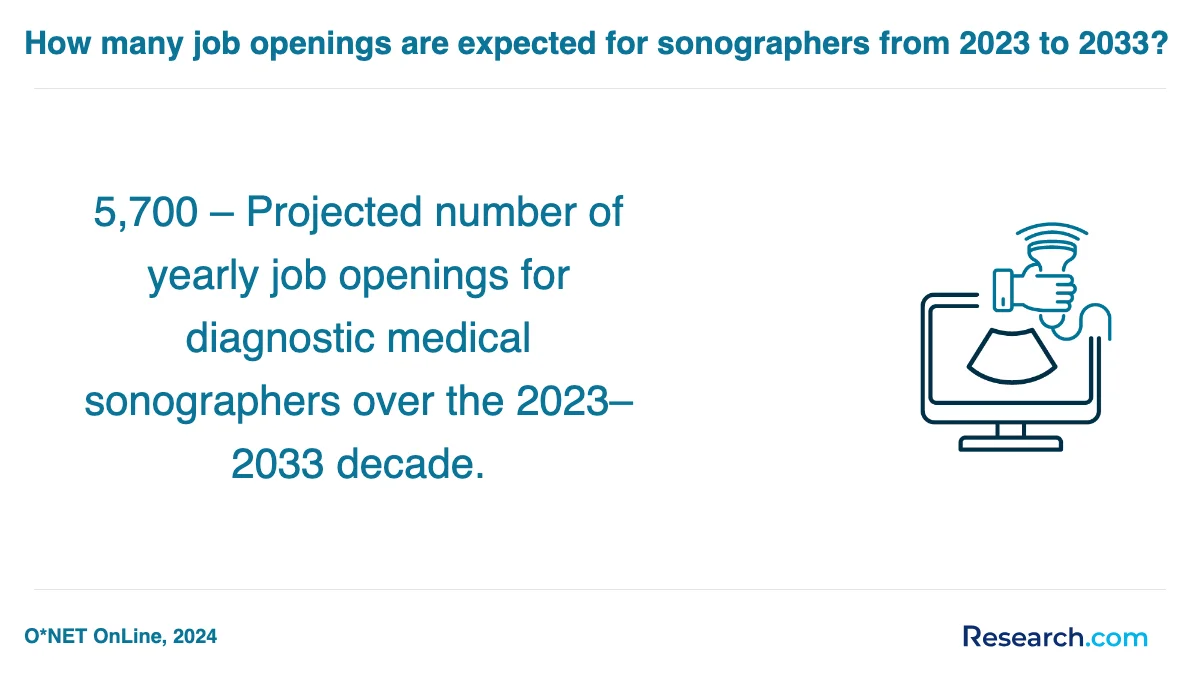
Medical sonographer students in Georgia unlock a treasure trove of financial aid options that make their education feel within reach. Many graduates from Oconee Fall Line Technical College rave about how combining the federal Pell Grant-offering up to $6,895 annually-with state programs like the HOPE Grant and HOPE Scholarship covered most of their tuition, leaving them with minimal debt and big smiles.
Imagine tapping into scholarships from local organizations like the SOWEGA-AHEC or professional groups such as the Society of Diagnostic Medical Sonography, which reward dedication and talent with much-needed funds. Some students even share how federal work-study jobs helped them earn while they learned, balancing hands-on sonography practice with paycheck perks.
Plus, a handful of healthcare employers in Georgia sweeten the deal by reimbursing tuition-especially in high-demand specialties-turning your education into an investment that pays off even before graduation. The key? Enroll early in accredited programs and complete the FAFSA to unlock these exciting financial doors.
Jumping into a medical sonographer trade school program in Georgia means gearing up with a few key prerequisites that set you on the right path. Graduates from well-known Georgia trade schools often share how fulfilling it felt to meet these requirements and start their exciting journey.
Most programs expect you to have:
- A high school diploma or GED-this is your foundation and shows you're ready to dive into specialized training.
- Basic knowledge in anatomy, physiology, and algebra-think of it as the toolkit you'll build on during your hands-on classes.
- CPR certification-because being prepared for real-life medical situations is crucial.
For example, graduates from Georgia's popular trade schools often describe their first day feeling confident, knowing they had already brushed up on biology and math. Imagine walking into your first ultrasound lab, already equipped with these essentials-it makes the experience thrilling instead of overwhelming!
Some programs also require letters of recommendation or a personal statement, which gives you a chance to show your passion. It's like telling your future self, "I'm ready for this adventure."
So, if you're in Georgia and dreaming of becoming a medical sonographer, these steps aren't just hurdles-they're your launchpad into an exciting healthcare career.
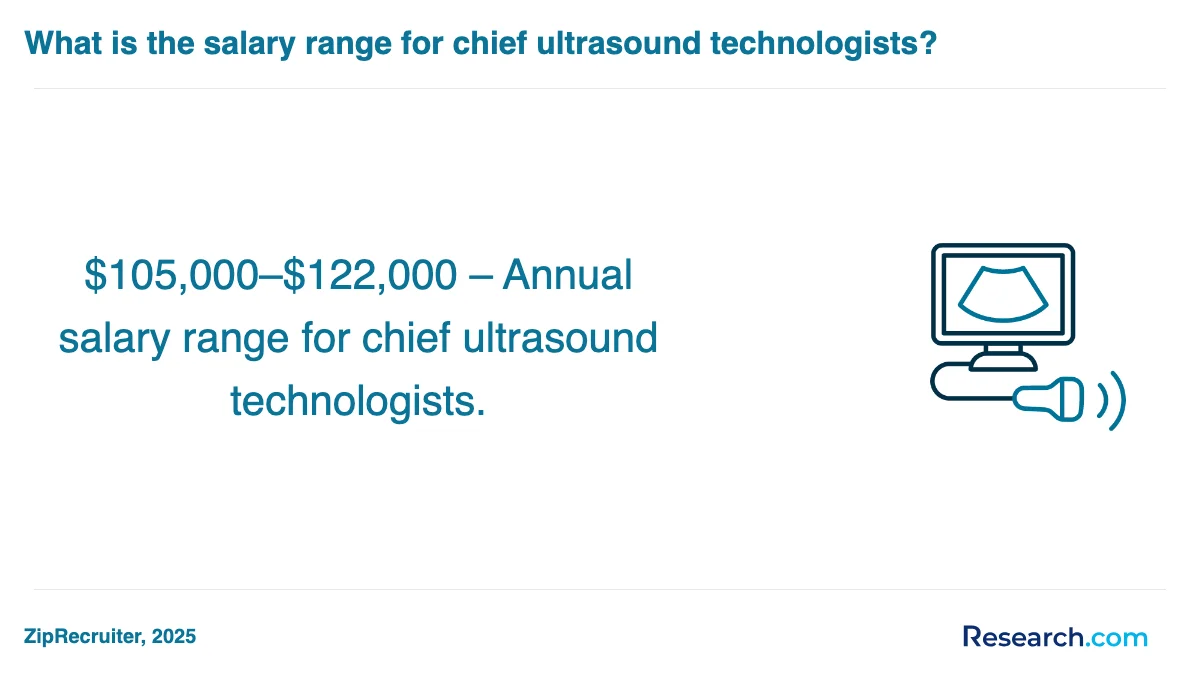
Jumping into a medical sonographer program in Georgia means diving into courses that feel both challenging and exciting, just like graduates from Gwinnett Technical College often describe. Expect to master sonographic physics, uncovering how ultrasound waves magically transform into detailed images, a skill that sparks awe when you first see it in action.
Core subjects like anatomy and physiology bring the human body to life, focusing on everything from the abdomen to fetal development. Georgia Northwestern Technical College students frequently share how fascinating it is to connect textbook knowledge to real patients during their clinical rotations.
Specialized courses open doors to various fields:
- Abdominal sonography
- Obstetric and gynecologic sonography (OB/GYN)
- Vascular sonography
- Echocardiography
Some adventurous learners at Cambridge College explore even further with breast and interventional sonography, expanding their expertise and career options.
To round out your training, expect courses in medical terminology and health sciences, plus essential skills like communication through psychology and speech fundamentals. Real-world readiness shines through extensive clinical application courses and hands-on externships in Georgia's hospitals, where students gain confidence and practical know-how before stepping into professional roles.
When diving into medical sonographer trade school programs in Georgia, students find a thrilling array of specializations tailored to specific diagnostic needs. Graduates from Gwinnett Technical College often rave about their training in Abdominal Sonography and Obstetric and Gynecologic (OB/GYN) Sonography, which prepares them to confidently capture detailed images of the abdomen and developing babies. Their hands-on experience fosters real excitement as they master skills that directly impact patient care.
For those fascinated by the heart's rhythms, programs like the one at Northside Hospital's School of Echocardiography offer an adventurous path into Echocardiography. Graduates celebrate high success rates, fueled by their passion for heart imaging and life-changing diagnostics.
In Georgia, other thrilling options include Vascular Sonography, where students at Georgia Northwestern Technical College learn to visualize circulatory health, and versatile training at Cambridge College of Healthcare & Technology, where multiple specialties like abdominal and vascular sonography can be explored.
Students eager to accelerate their journey can explore a sonography program accelerated to jumpstart their careers quickly and confidently.
- Abdominal Sonography
- Obstetric and Gynecologic (OB/GYN) Sonography
- Vascular Sonography
- Echocardiography
- Pediatric Sonography
Choosing the best sonography programs in Georgia means diving into real-world experiences just like many graduates do. Imagine walking the halls of Gwinnett Technical College, where students praise the hands-on clinical rotations that transform textbook knowledge into confident patient care. These immersive opportunities aren't just theory; they prepare you to face actual diagnostic challenges with ease and enthusiasm.
Another key to unlocking your potential is finding a program with diverse curriculum options. Georgia Southern University stands out, offering specializations like Abdomen-Extended and OB/GYN, allowing learners to tailor their education to their passions. Students often share how this focus made mastering complex sonographic skills exciting and practical.
Cost is also an adventure to navigate. With Gwinnett Technical College's affordable $107 per credit hour, plus financial aid options, many feel relieved and motivated to pursue their goals without overwhelming debt. When exploring top-rated ultrasound technician schools in Georgia, make sure financial factors align with your aspirations.
Finally, don't forget to check if programs prepare you well for certification exams like those from ARDMS. Graduates frequently highlight how accredited schools boost their confidence to pass these crucial tests. For a broader perspective, explore programs for diagnostic medical sonography across Georgia to find your perfect match.
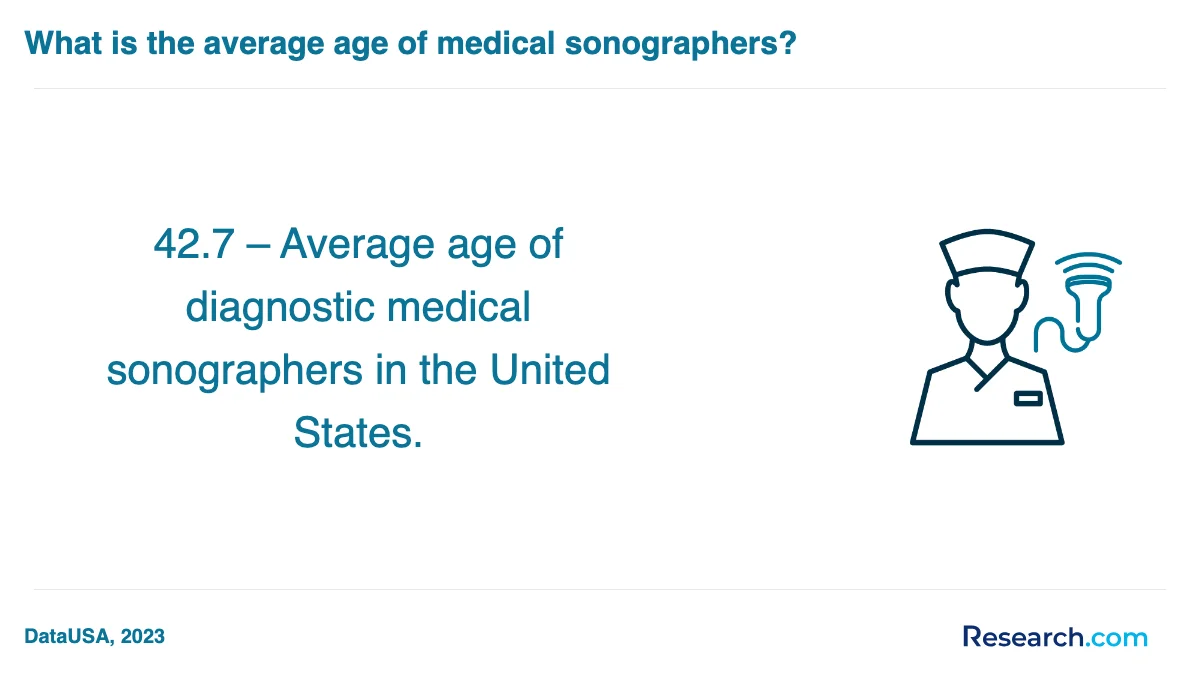
Graduates of medical sonographer trade schools in Georgia step into a world of exciting career paths, each offering unique opportunities to make a real impact in healthcare. From working in bustling hospital imaging departments to cozy outpatient clinics, many find their footing as diagnostic medical sonographers, a role that blends technical skill with patient care. Popular trade schools in Georgia prepare students for this dynamic job market, where job seekers encounter abundant medical sonographer job opportunities in Georgia that promise both stability and satisfaction.
Many graduates explore specialties that spark their curiosity and passion. These include:
- Abdominal sonography, delving into detailed imaging of internal organs
- Obstetric and gynecologic sonography, supporting expectant mothers through precious milestones
- Vascular sonography, focusing on the circulatory system
- Cardiac (echocardiography), a thrilling niche capturing the heart's every beat
- Breast sonography, aiding early detection and treatment
Some graduates advance faster by earning certifications and often move into leadership roles, overseeing teams in well-known Georgia hospitals. Those curious about diagnostic medical sonography career paths Georgia can find inspiration from real graduates who share how they transformed classroom learning into rewarding careers.
For anyone wondering how to get started, a great resource to understand the journey is ultrasound tech how to become. With training from respected Georgia trade schools and a spirit of adventure, your sonography career could be just an exciting heartbeat away.
Graduates of medical sonographer trade schools in Georgia find an exciting job market waiting for them. Across the state, from Atlanta's bustling hospitals to smaller clinics in Savannah and beyond, there are abundant diagnostic medical sonographer jobs in Georgia, with over 300 openings currently available. Many graduates from well-known programs rave about how their hands-on training at local trade schools helped them confidently step into positions offering strong salaries-averaging $78,080 annually-and excellent benefits like health insurance and paid time off.
These programs often emphasize certification preparation, particularly for the American Registry for Diagnostic Medical Sonography (ARDMS), which employers throughout Georgia prioritize. Students report that earning their ARDMS certification through CAAHEP-accredited schools dramatically boosts their hiring prospects. The Georgia sonography job outlook 2026 shines especially bright in urban centers, where sonographers can specialize in fields like cardiac and vascular imaging or venture into travel sonographer roles that pay $1,700+ weekly and encourage exploring new medical environments.
If you're curious about branching into related careers, check out the latest radiology jobs to see the landscape for allied health professionals in Georgia and beyond.
Best Diagnostic Medical Sonographer Training Programs & Trade Schools - Top Sonography Schools in Georgia for 2026
# 1 position
Oconee Fall Line Technical College - Diagnostic Medical Sonography/Sonographer and Ultrasound Technician.
associateOconee Fall Line Technical College offers a Diagnostic Medical Sonography/Sonographer and Ultrasound Technician program with a hybrid format, including some distance education. Graduates earn a median salary of $60,210 one year after completion. The program trains students to operate sonography equipment and interpret sonographic data under physician supervision. Tuition for in-state students is $3,201 annually. It is accredited by the Southern Association of Colleges and Schools Commission on Colleges.
# 2 position
Georgia Northwestern Technical College - Diagnostic Medical Sonography/Sonographer and Ultrasound Technician.
associateGeorgia Northwestern Technical College offers a Diagnostic Medical Sonography/Sonographer and Ultrasound Technician program with a hybrid format, including some distance-education options. The program trains students to perform medical ultrasound techniques under physician supervision to diagnose conditions. It covers patient care, data recording, sonographic processing, and ethical standards. Annual in-state tuition is $3,132. Graduates earn a median salary of $60,744 one year after completion. The program is accredited by the Southern Association of Colleges and Schools Commission on Colleges.
# 3 position
Georgia Northwestern Technical College - Diagnostic Medical Sonography/Sonographer and Ultrasound Technician.
certificate or diplomaGeorgia Northwestern Technical College offers a hybrid Diagnostic Medical Sonography/Sonographer and Ultrasound Technician program designed to train students in medical ultrasound techniques for diagnosing various conditions. The curriculum includes patient care, data integration, sonographic data processing, and equipment operation, following professional standards and ethics. The program is accredited by the Southern Association of Colleges and Schools Commission on Colleges. Annual in-state tuition is $3,132, with median earnings of $60,744 one year after completion.
# 4 position
Georgia Northwestern Technical College - Mammography Technology/Technician.
certificate or diplomaGeorgia Northwestern Technical College offers a Hybrid Mammography Technology/Technician program that prepares registered radiographers to become registered mammographers. The curriculum covers anatomy and physiology, mammography instrumentation, positioning, principles and procedures, and quality assurance. The annual in-state tuition is $3,132. Graduates have median earnings of $60,744 one year after completing the program. The program is accredited by the Southern Association of Colleges and Schools Commission on Colleges.
# 5 position
Southeastern Technical College - Mammography Technology/Technician.
certificate or diplomaThe Mammography Technology/Technician program at Southeastern Technical College prepares registered radiographers to become registered mammographers. It includes training in anatomy and physiology, mammography instrumentation, positioning, procedures, and quality assurance. The hybrid program offers some distance education options. Annual in-state tuition is $3,172. Graduates earn a median salary of $55,102 one year after completion. The program is accredited by the Southern Association of Colleges and Schools Commission on Colleges.
# 6 position
Ogeechee Technical College - Diagnostic Medical Sonography/Sonographer and Ultrasound Technician.
associateThe Diagnostic Medical Sonography/Sonographer and Ultrasound Technician program at Ogeechee Technical College offers a hybrid format with some distance education options. The program prepares students to operate sonography equipment and analyze sonographic data under physician supervision to diagnose medical conditions. Annual in-state tuition is $3,170. Graduates have median earnings of $53,520 one year after completion. The program is accredited by the Southern Association of Colleges and Schools Commission on Colleges.
# 7 position
Central Georgia Technical College - Diagnostic Medical Sonography/Sonographer and Ultrasound Technician.
associateCentral Georgia Technical College offers a Diagnostic Medical Sonography/Sonographer and Ultrasound Technician program in a hybrid format. The program trains students to use ultrasound techniques for diagnosing medical conditions under physician supervision. It includes instruction in patient care, data processing, and professional ethics. The annual in-state tuition is $3,180. Graduates have a median earning of $47,069 one year after completion. The program is accredited by the Southern Association of Colleges and Schools Commission on Colleges.
# 8 position
West Georgia Technical College - Mammography Technology/Technician.
certificate or diplomaWest Georgia Technical College offers a Mammography Technology/Technician program designed to prepare registered radiographers to become registered mammographers. The hybrid program includes instruction in anatomy, physiology, mammography instrumentation, positioning, procedures, and quality assurance. Annual in-state tuition is $3,122. Graduates have a median earning of $46,447 one year after completion. The program is accredited by the Southern Association of Colleges and Schools Commission on Colleges.
# 9 position
Gwinnett Technical College - Diagnostic Medical Sonography/Sonographer and Ultrasound Technician.
associateGwinnett Technical College offers a hybrid Diagnostic Medical Sonography/Sonographer and Ultrasound Technician program that trains students to use medical ultrasound techniques for diagnostic purposes under physician supervision. The curriculum covers patient data integration, sonographic data processing, equipment operation, and professional ethics. Annual in-state tuition is $3,356. Graduates have median earnings of $59,164 one year after completion. The program is accredited by the Southern Association of Colleges and Schools Commission on Colleges.
# 10 position
Augusta Technical College - Diagnostic Medical Sonography/Sonographer and Ultrasound Technician.
associateAugusta Technical College offers a Diagnostic Medical Sonography/Sonographer and Ultrasound Technician program with a hybrid format that includes some distance education. The program trains students to use medical ultrasound techniques for diagnostic purposes under physician supervision. It covers patient care, sonographic data processing, and professional ethics. Annual in-state tuition is $4,022, and median earnings one year after completion are $57,672. The program is accredited by the Southern Association of Colleges and Schools Commission on Colleges.
Frequently Asked Questions about medical sonographer
After completing a medical sonographer trade school in Georgia, preparing for the job market involves several key steps. First, obtaining certification from the American Registry for Diagnostic Medical Sonography (ARDMS) is often required by employers and enhances job prospects. According to the Bureau of Labor Statistics, Georgia's employment of diagnostic medical sonographers is projected to grow by 17% between 2022 and 2032, reflecting strong demand.
Networking through clinical externships and joining professional organizations like the Society of Diagnostic Medical Sonography can provide valuable connections. Additionally, tailoring resumes to highlight hands-on training and relevant skills can improve chances in competitive job markets.
Employers in Georgia highly value medical sonographer graduates who possess strong technical skills in operating ultrasound equipment accurately. Proficiency in anatomy and physiology is essential to produce clear diagnostic images. According to the Georgia Department of Labor, attention to detail and the ability to follow precise protocols directly impact patient outcomes.
Communication skills are also critical, as sonographers must explain procedures clearly to patients and collaborate with healthcare teams. Additionally, employers look for graduates who demonstrate professionalism and adaptability in fast-paced medical environments.
Certification from accredited programs, such as those recognized by the Commission on Accreditation of Allied Health Education Programs (CAAHEP), often distinguishes candidates in Georgia's competitive job market.
Finding internships in Georgia for medical sonographer trade school students involves a combination of research and networking. Many accredited programs require clinical internships, which are often arranged through the school's partnerships with local hospitals and imaging centers. Students should inquire directly with their program's career services or clinical coordinator for available placements.
Additionally, organizations such as the American Registry for Diagnostic Medical Sonography (ARDMS) provide resources and guidance on clinical training opportunities. In Georgia, major healthcare systems like Emory Healthcare and Piedmont Healthcare frequently offer internship positions.
According to the Georgia Department of Labor, healthcare internships in diagnostic imaging grew by 8% from 2021 to 2023, reflecting increasing demand. Students can also explore listings on the Georgia Board of Medical Examiners website, which sometimes posts approved clinical sites.
Proactive outreach to sonography departments and attending local professional events can further increase internship chances.
Obtaining a medical sonographer trade school diploma in Georgia significantly enhances career mobility. Graduates gain the necessary technical skills that employers in hospitals and clinics prioritize, increasing their chances of securing entry-level positions quickly. According to the Georgia Department of Labor, the demand for diagnostic medical sonographers is projected to grow by 19% through 2030, faster than the average for all occupations.
Holding a diploma also supports advancement opportunities. Many employers prefer candidates with formal training when considering promotions to senior sonographer roles or supervisory positions. Additionally, certified sonographers often earn higher wages.
Completing an accredited diploma program can also be a prerequisite for obtaining professional certification from the American Registry for Diagnostic Medical Sonography (ARDMS), which is widely recognized across Georgia's healthcare facilities.
Students enrolled in medical sonographer trade schools in Georgia can benefit from part-time jobs that build relevant skills and provide hands-on experience. Positions such as ultrasound technician assistants, medical clerks, or radiology aides in hospitals and diagnostic centers offer practical exposure. These roles enhance understanding of patient care and imaging technology, complementing classroom learning.
Georgia's healthcare sector is growing, with the Bureau of Labor Statistics projecting a 17% increase in sonography jobs statewide through 2031, well above the national average. Part-time work in clinics or outpatient care centers also helps students network and gain familiarity with healthcare protocols.
Such roles often provide flexible hours suitable for students balancing coursework and practical training requirements.
To find the best Medical Sonographer degree program near me, consider researching available programs and universities in the vicinity through resources like Research.com, which provides information on academic offerings. If you're looking for recommendations specifically near Georgia, you can check out local colleges and vocational schools offering accredited sonography programs. It's also beneficial to attend open house events or contact admissions offices directly to gain more insight into each program's unique features and strengths.
- Best Diagnostic Medical Sonographer Training Programs & Trade Schools - Top Sonography Schools in South Carolina for 2026
- Best Diagnostic Medical Sonographer Training Programs & Trade Schools - Top Sonography Schools in Florida for 2026
- Best Diagnostic Medical Sonographer Training Programs & Trade Schools - Top Sonography Schools in Mississippi for 2026
- Best Diagnostic Medical Sonographer Training Programs & Trade Schools - Top Sonography Schools in Louisiana for 2026
- Best Diagnostic Medical Sonographer Training Programs & Trade Schools - Top Sonography Schools in West Virginia for 2026
- Best Diagnostic Medical Sonographer Training Programs & Trade Schools - Top Sonography Schools in Missouri for 2026
- Best Diagnostic Medical Sonographer Training Programs & Trade Schools - Top Sonography Schools in Indiana for 2026
- Best Diagnostic Medical Sonographer Training Programs & Trade Schools - Top Sonography Schools in Ohio for 2026
- Best Diagnostic Medical Sonographer Training Programs & Trade Schools - Top Sonography Schools in Maryland for 2026
- Best Diagnostic Medical Sonographer Training Programs & Trade Schools - Top Sonography Schools in Pennsylvania for 2026
- Accredited Ultrasound Technician Schools in Georgia https://www.ultrasoundschoolsinfo.com/georgia/
- Diagnostic Medical Sonography https://gwinnetttech.edu/diagnosticmedicalsonography/
- Diagnostic Medical Sonography - West Georgia Technical College https://www.westgatech.edu/program-explorer/nursing-allied-health-sciences/diagnostic-medical-sonography/
- BS in Radiologic Sciences, Diagnostic Medical Sonography | Georgia Southern https://www.georgiasouthern.edu/degrees/bs-radiologic-sciences/diagnostic-medical-sonography
- profile icon https://www.niche.com/colleges/search/best-colleges-with-sonographer-and-ultrasound-technician/s/georgia/
- Diagnostic Medical Sonography – Oconee Fall Line Technical College https://oftc.edu/departments/diagnostic-medical-sonography/
- School of Diagnostic Medical Sonography | Grady Health https://www.gradyhealth.org/training-programs/school-of-diagnostic-medical-sonography/
- Diagnostic Medical Sonography https://www.broward.edu/academics/health-sciences/ultrasound/
- Diagnostic Medical Sonography Program | Greenville Technical College https://www.gvltec.edu/academics_learning/health-sciences/diagnostic_medical_sonography/index.html
- Diagnostic Medical Sonographers and Cardiovascular Technologists and Technicians : Occupational Outlook Handbook: : U.S. Bureau of Labor Statistics https://www.bls.gov/ooh/healthcare/diagnostic-medical-sonographers.htm