
Best Diagnostic Medical Sonographer Training Programs & Trade Schools - Top Sonography Schools in Massachusetts for 2026

Co-Founder and Chief Data Scientist
Choosing the right medical sonographer trade school in Massachusetts can feel overwhelming. This article introduces a carefully crafted ranking of trade school programs developed by the Research.com team of data scientists. It’s designed to help you make an informed decision about which programs truly stand out.
By reading, you’ll discover valuable insights to guide your education journey. Earning a diploma or certification as a medical sonographer opens doors to a rewarding healthcare career with strong job prospects and personal fulfillment.
Take the first step toward a bright future with confidence and clarity.
Key benefits of finishing medical sonographer trade school in Massachusetts
- Graduates of medical sonographer trade schools in Massachusetts can expect competitive salaries, often earning around $109,000 per year, with opportunities to earn even more depending on experience and location.
- A typical graduate from a well-known Massachusetts trade school can explore diverse career paths such as diagnostic imaging, cardiovascular sonography, or working in hospitals and outpatient clinics.
- Completing a medical sonographer trade school online offers flexibility and allows students to balance work or family life, as shown by successful graduates from popular online programs in Massachusetts.
- Best Diagnostic Medical Sonographer Training Programs & Trade Schools - Top Sonography Schools in Massachusetts for 2026
- What can I expect from medical sonographer trade schools in Massachusetts?
- Where can I work after finishing medical sonographer trade schools in Massachusetts?
What can I expect from medical sonographer trade schools in Massachusetts?
When you enroll in a medical sonographer trade school program in Massachusetts, get ready for a mix of classroom learning and hands-on clinical work that really prepares you for the field. Graduates from popular schools like Middlesex Community College often mention how valuable the real-world experience was, especially during clinical rotations at local hospitals and imaging centers. These placements let you build confidence and technical skills while working alongside experienced sonographers.
The coursework covers everything from anatomy and physiology to specialized sonographic imaging techniques, so you'll gain a solid foundation plus specific skills for areas like abdominal or vascular sonography. Many students find completing general education prerequisites beforehand helps manage the fast pace of the core program.
Programs usually take about 16 to 24 months, and the focus on accreditation means you'll be ready to sit for the ARDMS certification exam-a crucial step for landing a good job. Most grads feel well-prepared and excited to start their careers in various healthcare settings across Massachusetts.
Where can I work after finishing medical sonographer trade schools in Massachusetts?
After finishing a medical sonographer trade school program in Massachusetts, graduates find a variety of exciting job options waiting for them. Many land roles in hospitals, outpatient clinics, private practices, or diagnostic imaging centers across the state. Imagine working in top Boston hospitals or smaller regional centers like Salem or Falmouth, where the demand for skilled sonographers is high and growing. Many graduates from popular trade schools in Massachusetts share how rewarding it feels to join healthcare teams providing essential imaging services in these settings.
Some grads enjoy the flexibility of becoming mobile sonographers, traveling to different locations or even doing in-home imaging. This path often offers competitive pay and more control over schedules, which many find appealing. Others take travel sonography gigs, hopping between Massachusetts hospitals on short-term contracts with attractive weekly wages. The variety of options means you can pick a career path that fits your lifestyle and goals perfectly.
After finishing a medical sonographer trade school program in Massachusetts, many graduates feel excited about their earning potential. On average, you can expect to make about $44.26 per hour, which adds up to roughly $92,000 a year if you work full-time. For those who train at well-known trade schools in Boston or nearby areas, salaries can be even higher-graduates often share stories of starting around $95,000 annually, with some reaching over $100,000 after gaining experience.
Imagine landing your first job in a bustling Boston hospital, earning between $83,000 and $107,000 a year, just like many recent grads have reported. Many find this rewarding, especially knowing the salary reflects the specialized skills they worked hard to develop during their training.
While the job market in Massachusetts isn't exploding with openings, the pay rates are some of the best in the country. Graduates from local trade schools often mention feeling proud and confident stepping into roles where their skills are highly valued and well compensated.
- Most medical sonographer programs in Massachusetts require a high school diploma or GED and must be accredited by CAAHEP or JRC-DMS.
- Programs are offered at community colleges like Bunker Hill, Middlesex, and Springfield Technical, lasting from 16 months to four years depending on the credential.
- Students must complete clinical rotations with background checks and pass the ARDMS certification exam to qualify for jobs.
- In-state tuition for a two-year associate program typically ranges from $7,000 to $15,000, with private schools costing more.
- Starting salaries for new sonographers in Massachusetts range from $74,000 to $80,000 annually, with experienced workers earning over $100,000.
In Massachusetts, completing a medical sonographer trade school program typically takes about 1 to 2 years, depending on whether you're attending full-time or part-time. Many students find that enrolling full-time at popular trade schools like those in Boston or Worcester helps them finish faster, often around 12 to 18 months. Graduates often share how this timeline feels just right-long enough to really grasp the hands-on skills but short enough to jump quickly into their careers.
One graduate mentioned how balancing classes and clinical hours was intense but rewarding, especially because the program's schedule was designed to fit around busy lives. The practical training at these schools gives you real-world experience with ultrasound machines, making the learning feel immediate and exciting.
For those juggling work or family, part-time options stretch the program to about 2 years, providing flexibility without sacrificing the quality of training. Overall, the completion time in Massachusetts trade schools offers a great balance between thorough education and a fast track into the medical sonography field.
When it comes to medical sonographer trade schools in Massachusetts, the biggest difference between online and on-campus programs is how you experience learning and hands-on practice. Online programs let you study theory-like anatomy and ultrasound physics-on your own schedule, which is a huge plus if you're juggling work or family. But graduates often say that even with online classes, you still have to show up in person for clinical rotations. For example, students at popular schools like Bunker Hill or MCPHS complete their clinical hours at local hospitals, getting real-world scanning experience that no screen can replace.
On the flip side, on-campus programs at places like Middlesex Community College give you face-to-face time with instructors and peers. Graduates talk about the value of immediate feedback during lab sessions and the chance to practice scanning with actual equipment right on site. The in-person vibe often helps build confidence faster, especially when you're new to the field. Either way, Massachusetts programs make sure you get plenty of hands-on training, which is key to passing certification exams and feeling ready for work.
The average tuition for sonography programs in Massachusetts can vary quite a bit depending on the type of school and whether you live in-state. For example, graduates from Middlesex Community College, a popular trade school in Bedford, often share how affordable the associate's degree in diagnostic medical sonography was for them, with an average net price around $4,140 for families earning between $30,000 and $48,000. This makes it accessible for many local students looking to jumpstart their career.
On the other hand, if you look at Bunker Hill Community College in Boston, the cost is slightly higher but still manageable for many: approximately $6,800 for in-state residents. Out-of-state students may find the $16,600 tuition a bit steeper, but the quality of education and hands-on training often makes it worth the investment.
Some graduates who chose private schools like MCPHS University, which offers a bachelor's degree in diagnostic medical sonography, note that tuition can be significantly higher-around $40,530. Despite the price, many appreciate the comprehensive program and the strong network they build in the field.
While these figures focus mainly on tuition, it's important to remember added costs like books and supplies. Many students highlight how securing financial aid or scholarships can make a big difference in the overall expense. If you're exploring this path, consider checking resources about various health care professions to understand your options better as you plan your education and future.

If you're diving into a medical sonographer program at a popular Massachusetts trade school, financial aid can really ease the pressure. Many students rely on federal grants like the Pell Grant, which can cover a big chunk of costs-up to about $6,895 for the year. It's a game-changer for those balancing work and school. Plus, some students at schools like Springfield Technical Community College have benefited from the Federal Supplemental Educational Opportunity Grant, which adds extra funds if you qualify.
Massachusetts also offers state aid through programs like MASSGrant, helping local students attending schools such as Middlesex Community College. It feels great when you realize that your tuition might be partially waived, especially if you're juggling family and studies.
Scholarships are another bright spot. Many grads recall how scholarships from groups like the SDMS Foundation gave them a much-needed financial boost, sometimes between $1,000 and $2,500. And don't forget institutional scholarships-trade schools often have their own perks to reward hard-working sonography students.
When grants and scholarships don't cover everything, federal loans tend to be the safer bet. Students appreciate their lower interest rates and flexible repayment plans, especially compared to private loans. It's reassuring to know there are options designed with your future in mind.
Getting started in a medical sonographer trade school program in Massachusetts usually means meeting some straightforward prerequisites that set you up for success. Most programs expect you to have a high school diploma or a GED-this is the basic foundation. Beyond that, many schools look for a background in sciences, especially biology and anatomy, since these subjects come in handy when learning about the human body through ultrasound technology.
Graduates from popular Massachusetts trade schools often share that having good communication skills and a genuine interest in healthcare made their studies more enjoyable and rewarding. Some programs also require applicants to pass a basic entrance exam or complete prerequisite courses, like medical terminology or math, to ensure everyone starts on the same page.
Here's a quick list of typical prerequisites you might encounter:
- High school diploma or GED
- Strong foundation in biology and anatomy
- Basic math and medical terminology knowledge
- Passing an entrance exam or placement test (at some schools)
One graduate recalls walking into their first day feeling confident because they had already taken anatomy in high school. That early preparation made the challenging material feel manageable, and the supportive environment at their Massachusetts trade school helped maintain their enthusiasm throughout the program.
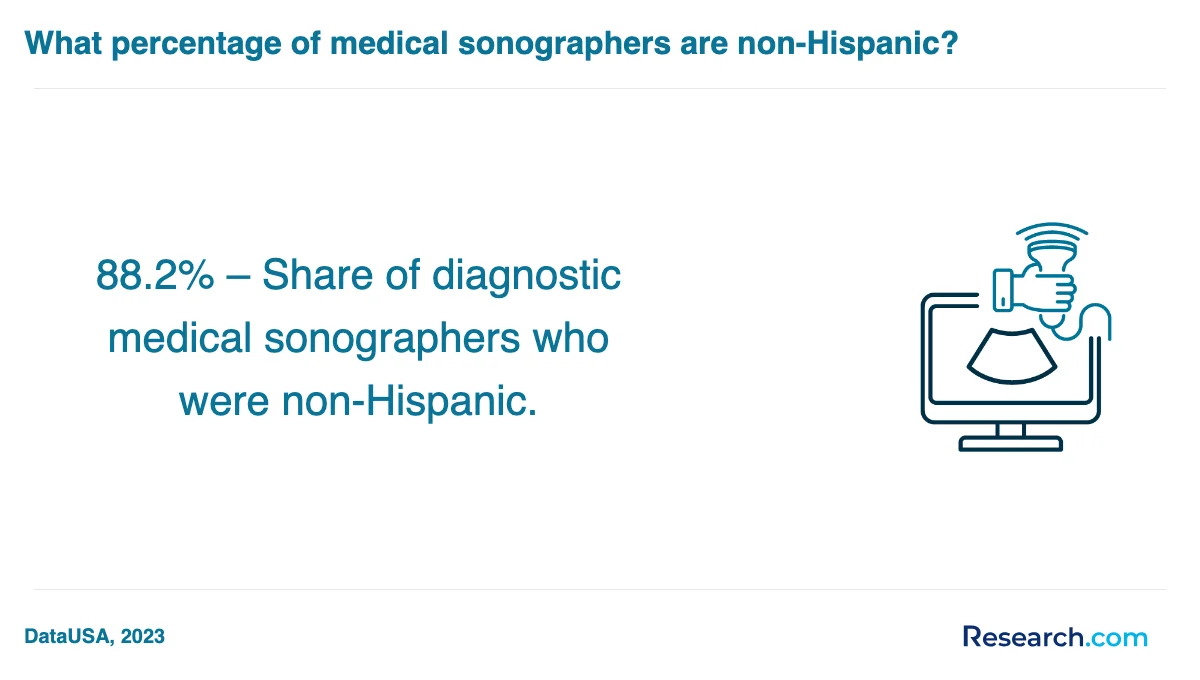
When you dive into a medical sonographer trade school program in Massachusetts, expect a mix of hands-on and classroom learning that really prepares you for the job. Graduates from popular schools like Middlesex Community College and Regis College often share how the courses gave them confidence to handle real ultrasound equipment and understand what they're seeing on the screen.
Typical courses include:
- Sonographic physics and instrumentation: This teaches how ultrasound waves work and how to operate the machines, which is essential for producing clear images.
- Abdominal sonography: You'll study organs like the liver and kidneys, learning to spot normal and abnormal conditions.
- Obstetrical and gynecological sonography: This focuses on fetal development and women's reproductive health, a favorite among many students for its rewarding nature.
- Vascular and pediatric sonography: Offered at places like Regis College, this gets you trained on scanning arteries, veins, and children-skills in high demand.
Students often mention how the extensive clinical practicum in Massachusetts hospitals helped bridge the gap between theory and practice, making the learning feel real and exciting.
Medical sonographer trade school programs in Massachusetts offer an exciting range of sonography specializations in Massachusetts trade schools, designed to prepare students for very focused and rewarding careers. Graduates often share how diving into the abdominal sonography track gave them confidence in identifying liver or kidney issues during clinical rotations at local hospitals. This particular concentration hones in on organs like the liver, pancreas, and reproductive structures, which makes it a versatile choice.
Another popular path is obstetrics and gynecology sonography. Many students find joy monitoring pregnancies and women's health, often mentioning how their hands-on experiences at community health centers deepen their understanding and passion. This specialization aligns well with diagnostic medical sonography concentrations Massachusetts students can pursue to become highly sought specialists in maternal-fetal care.
Vascular sonography is also offered, with some programs like Bunker Hill Community College delivering focused tracks. Students learn to work with Doppler tech to assess blood flow issues, gaining skills essential for diagnosing circulatory problems. Many appreciate the immediacy of impact they feel when spotting abnormalities that can prevent serious health risks.
Beyond these, Massachusetts trade schools often include coursework in pediatric, breast, and musculoskeletal sonography, so students graduate with broad expertise. If you're looking for options or flexibility, check out these accelerated sonography programs online that complement your in-person clinical experiences.
When searching for the best medical sonographer programs in Massachusetts, accreditation is a must-have. Graduates from schools like Bunker Hill Community College often share how CAAHEP accreditation gave them confidence they were truly prepared for certification exams. Beyond that, look at curriculum options-some programs, like the one at MCPHS, offer specializations that let you focus on areas that spark your passion, whether that's vascular or obstetrical sonography. This makes your learning feel more relevant and exciting.
Many appreciate programs with hands-on clinical rotations in diverse settings, like those MCPHS students experience, because it's one thing to learn theory and another to work confidently with patients. Flexible program lengths help too; some classmates loved the fast-track option that fits working schedules without giving up quality.
Don't forget financial aid possibilities-Bunker Hill's scholarships eased the stress for many. Also, strong program outcomes matter; Laboure College grads often celebrate their high certification pass rates. When deciding, consider what matters most to you and remember you can boost your future with a solid understanding of the medical sonographer salary.
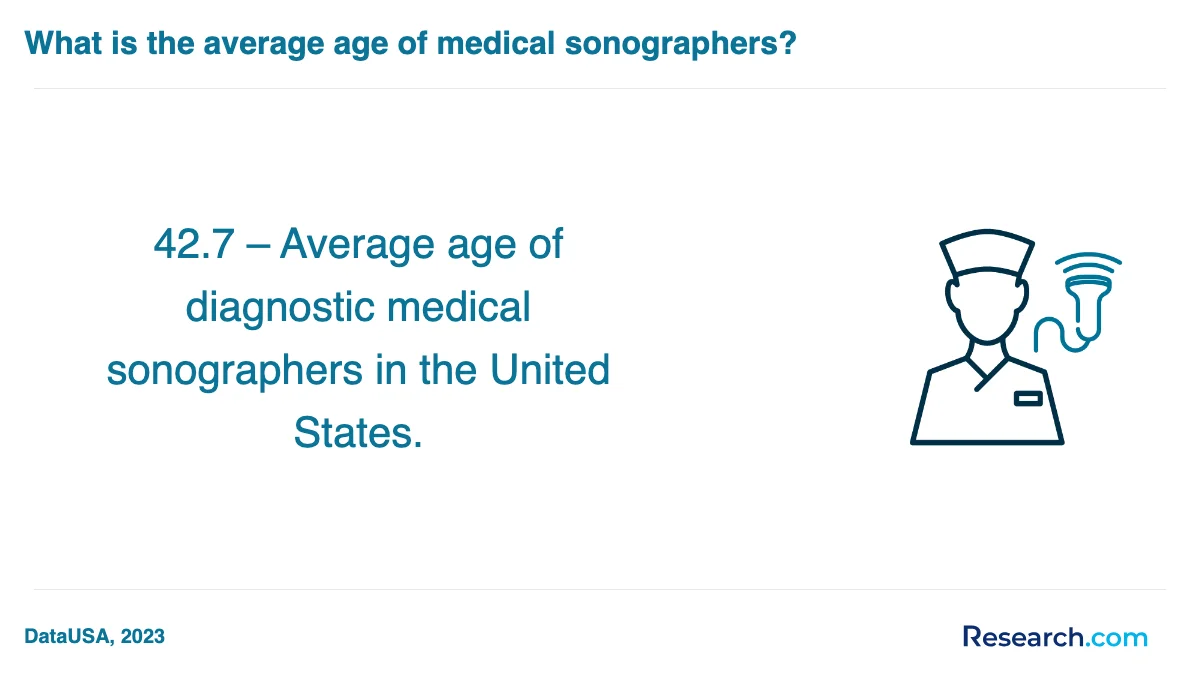
Graduates of medical sonographer trade school programs in Massachusetts often jump right into rewarding healthcare roles, mostly as diagnostic medical sonographers. Many find themselves working in bustling hospitals or outpatient centers, performing ultrasounds that help doctors diagnose illnesses or monitor pregnancies. For example, grads from Middlesex Community College share how hands-on training made them confident stepping into these jobs.
For those seeking advanced sonography specialties in Massachusetts, programs at places like MCPHS University offer focused training in OB/GYN, vascular, pediatric, and musculoskeletal sonography. These specialties not only spice up your daily work but also open doors to higher salaries and certifications.
Beyond scanning patients, career opportunities for medical sonographers in Massachusetts include leadership roles, education, or even jumping into the medical equipment industry, helping hospitals choose the latest ultrasound tech. Some grads channel their skills toward becoming physician assistants or nurse practitioners after further study.
Many find getting certified and combining their clinical skills with business know-how leads to exciting, diverse career paths. Plus, for those wanting to boost their credentials, exploring an online medical degree is a flexible way to move up in healthcare.
Graduates of medical sonographer trade school programs in Massachusetts find themselves entering a job market that's both vibrant and promising. The medical sonographer job outlook in Massachusetts remains strong, with over 240 positions actively posted across hospitals and imaging centers. Many graduates from local trade schools share stories of landing roles quickly at well-known facilities like Lawrence General Hospital or Baystate Health, often impressed by how their hands-on training prepared them for the real demands of the job.
Salary-wise, diagnostic medical sonographer salaries Massachusetts show impressive figures, with average hourly wages around $57.79 and weekly pay ranging between $1,700 and $2,800. Travel sonographer roles can push those numbers even higher, making the field appealing for recent grads eager to start earning well right away.
Many students also explore ways to expand their options through flexible learning paths, which is why some consider if can i study sonography online. Overall, local demand combined with competitive pay makes this a smart career move in the Bay State.
Best Diagnostic Medical Sonographer Training Programs & Trade Schools - Top Sonography Schools in Massachusetts for 2026
# 1 position
Middlesex Community College - Diagnostic Medical Sonography/Sonographer and Ultrasound Technician.
associateMiddlesex Community College offers a Diagnostic Medical Sonography/Sonographer and Ultrasound Technician program with a hybrid format, including some distance-education options. The program prepares students to use medical ultrasound techniques for diagnostic purposes under physician supervision. It covers patient care, sonographic data processing, and equipment operation. Annual in-state tuition is $6,048. Graduates have median earnings of $63,037 one year after completion. The program is accredited by the New England Commission on Higher Education.
# 2 position
Springfield Technical Community College - Diagnostic Medical Sonography/Sonographer and Ultrasound Technician.
associateSpringfield Technical Community College offers a hybrid Diagnostic Medical Sonography/Sonographer and Ultrasound Technician program that trains students to perform medical ultrasound procedures under physician supervision. The curriculum covers sonographic data collection, patient care, anatomy, physiology, pathology, and professional ethics. Annual in-state tuition is $5,520. Graduates have median earnings of $64,346 one year after completion. The program is accredited by the New England Commission on Higher Education.
# 3 position
Bunker Hill Community College - Diagnostic Medical Sonography/Sonographer and Ultrasound Technician.
associateBunker Hill Community College offers a Diagnostic Medical Sonography/Sonographer and Ultrasound Technician program in a hybrid format. The program trains students to use ultrasound technology for diagnostic purposes, covering patient care, data integration, and equipment operation. Graduates earn a median salary of $75,659 one year after completion. Annual in-state tuition is $5,520. The program is accredited by the New England Commission on Higher Education.
# 4 position
Massasoit Community College - Diagnostic Medical Sonography/Sonographer and Ultrasound Technician.
associateMassasoit Community College offers a Diagnostic Medical Sonography/Sonographer and Ultrasound Technician program with a hybrid format, including some distance education options. The program prepares students to use medical ultrasound techniques to assist in diagnosing medical conditions, covering patient care, data collection, and equipment operation. Annual in-state tuition is $5,376. Graduates have median earnings of $56,929 one year after completion. The program is accredited by the New England Commission on Higher Education.
# 5 position
MCPHS University - Mammography Technology/Technician.
certificate or diplomaMCPHS University offers a Mammography Technology/Technician program designed to prepare registered radiographers to become registered mammographers. The curriculum covers anatomy and physiology, mammography instrumentation, positioning, principles and procedures of mammography, and quality assurance. The program is accredited by the New England Commission on Higher Education. Annual in-state tuition for this program is $38,850.
Frequently Asked Questions about medical sonographer
After completing a medical sonographer trade school in Massachusetts, preparing for the job market involves several key steps. Graduates should first ensure they obtain professional certification, such as the American Registry for Diagnostic Medical Sonography (ARDMS) credential, which is highly valued by employers in the state.
Networking is also crucial; joining local professional groups like the Massachusetts Society of Radiologic Technologists can provide job leads and mentorship. Additionally, gaining hands-on experience through internships or clinical rotations during training improves employability.
According to the U.S. Bureau of Labor Statistics, Massachusetts has a growing demand for sonographers, with job growth projected at 14% through 2030, reflecting strong opportunities in hospitals and outpatient centers.
Employers in Massachusetts seek medical sonographer graduates who demonstrate strong technical skills and clinical proficiency. Mastery of ultrasound equipment and the ability to produce clear diagnostic images are essential. According to the Massachusetts Department of Labor, attention to detail and knowledge of anatomy improve job performance significantly.
Communication skills are also highly valued, as sonographers must explain procedures to patients and collaborate with healthcare teams. Critical thinking and problem-solving abilities help in adapting to different clinical scenarios. Additionally, familiarity with Electronic Health Records (EHR) systems is increasingly important.
Professional certification from organizations like the American Registry for Diagnostic Medical Sonography (ARDMS) is often preferred by employers in Massachusetts, reflecting a recognized standard of competence.
Finding internships relevant to medical sonographer trade school programs in Massachusetts involves several practical steps. Start by contacting the career services department of your chosen trade school, as many have established partnerships with local hospitals and imaging centers.
The Massachusetts Department of Higher Education and the Massachusetts Society of Ultrasound Professionals provide resources and listings of healthcare facilities offering clinical internships.
Popular internship sites include large hospitals such as Massachusetts General Hospital and Boston Medical Center, where students can gain hands-on experience under supervision.
Additionally, the Commission on Accreditation of Allied Health Education Programs (CAAHEP) requires programs to offer clinical rotations, ensuring students access to qualified internship opportunities.
Obtaining a medical sonographer trade school diploma in Massachusetts significantly enhances career mobility and advancement opportunities. The state's healthcare sector values diploma holders who complete accredited programs, as these credentials meet the clinical competency standards required by employers.
According to the U.S. Bureau of Labor Statistics, Massachusetts has a higher median wage for sonographers compared to the national average, reflecting strong demand for qualified professionals. Graduates with a diploma often qualify for entry-level positions and can pursue certification through organizations like the American Registry for Diagnostic Medical Sonography (ARDMS), which is highly regarded in the field.
Trade school diplomas can also shorten the pathway to employment compared to four-year degrees, enabling faster entry into the workforce. This advantage supports social mobility by providing accessible training that leads to well-paying jobs in hospitals, clinics, and diagnostic centers across Massachusetts.
Part-time job opportunities in Massachusetts that align well with medical sonographer trade school education include roles such as ultrasound technician assistants, patient care technicians, and medical imaging aides. These positions offer practical experience in clinical settings, helping students develop relevant skills while supporting healthcare teams. According to the Massachusetts Department of Labor, healthcare support occupations, including ultrasound assistants, grew by 8% between 2019 and 2023, reflecting increasing demand.
Working in hospitals or diagnostic imaging centers in the Boston or Worcester areas can provide exposure to sonography workflows. Additionally, roles in outpatient clinics or rehabilitation centers offer flexible hours suitable for students balancing coursework.
To find the best Medical Sonographer degree program near me in Massachusetts, you can begin by researching universities offering reputable programs in diagnostic medical sonography. Research.com can be a helpful resource to compare and evaluate various programs near Massachusetts, considering factors like accreditation, facilities, and faculty expertise. Additionally, attending open days or contacting admissions offices at local institutions can provide more direct insights into which program might best suit your educational and career goals.
- Best Diagnostic Medical Sonographer Training Programs & Trade Schools - Top Sonography Schools in Connecticut for 2026
- Best Diagnostic Medical Sonographer Training Programs & Trade Schools - Top Sonography Schools in New York for 2026
- Best Diagnostic Medical Sonographer Training Programs & Trade Schools - Top Sonography Schools in New Jersey for 2026
- Best Diagnostic Medical Sonographer Training Programs & Trade Schools - Top Sonography Schools in Maine for 2026
- Best Diagnostic Medical Sonographer Training Programs & Trade Schools - Top Sonography Schools in Pennsylvania for 2026
- Best Diagnostic Medical Sonographer Training Programs & Trade Schools - Top Sonography Schools in Maryland for 2026
- Best Diagnostic Medical Sonographer Training Programs & Trade Schools - Top Sonography Schools in Ohio for 2026
- Best Diagnostic Medical Sonographer Training Programs & Trade Schools - Top Sonography Schools in West Virginia for 2026
- Best Diagnostic Medical Sonographer Training Programs & Trade Schools - Top Sonography Schools in South Carolina for 2026
- Best Diagnostic Medical Sonographer Training Programs & Trade Schools - Top Sonography Schools in Indiana for 2026
- Sonographer Salary and Job Opportunities: Is It Worth It? | Ultrasound Technician, Diagnostic Medical Sonography, Bachelor and Associate Programs - Los Angeles, Glendale, Pasadena https://amsc.edu/sonographer-salary-and-job-opportunities-is-it-worth-it/
- Sonography Career Paths https://www.ultrasoundschoolsinfo.com/sonography-career-paths/
- Diagnostic Medical Sonographers and Cardiovascular Technologists and Technicians : Occupational Outlook Handbook: : U.S. Bureau of Labor Statistics https://www.bls.gov/ooh/healthcare/diagnostic-medical-sonographers.htm
- Prepare for a Career in Diagnostic Medical Sonography - San Joaquin Valley College https://www.sjvc.edu/guides/career-guide-diagnostic-medical-sonographer/
- WorkBC Site Maintenance - Service Temporarily Unavailable https://www.workbc.ca/career-profiles/medical-sonographers
- Massive Career Options for Grads of Diagnostic Medical Sonography https://www.andersoncollege.com/massive-career-options-for-grads-of-diagnostic-medical-sonography/
- Diagnostic Medical Sonographer - Explore Healthcare Careers - Mayo Clinic College of Medicine & Science https://college.mayo.edu/academics/explore-health-care-careers/careers-a-z/diagnostic-medical-sonographer/
- Sonographer | Explore Careers | National Careers Service https://nationalcareers.service.gov.uk/job-profiles/sonographer
- How to Become a Sonographer | Salary & Programs https://nurse.org/healthcare/how-to-become-sonographer/
- Current Sonography Salary Trends - CBD College https://www.cbd.edu/blog/diagnostic-medical-sonography/current-sonography-salary-trends/


