
Best Diagnostic Medical Sonographer Training Programs & Trade Schools - Top Sonography Schools in Connecticut for 2026

Co-Founder and Chief Data Scientist
If you’re considering a career as a medical sonographer in Connecticut, choosing the right trade school is a crucial first step. This article presents a carefully crafted medical sonographer trade school programs ranking made by the Research.com team of data scientists to help you make an informed choice.
By exploring the best schools, you’ll discover programs that offer quality training and valuable skills. Earning a diploma or certification can open doors to rewarding healthcare opportunities, giving you confidence and a strong foundation for your future.
Key benefits of finishing medical sonographer trade school in Connecticut
- Graduates can expect strong earning potential, with average salaries around $82,880 to $108,530 per year in Connecticut, reflecting a rewarding return on investment.
- Career paths include roles such as diagnostic medical sonographer, registered healthcare sonographer, or specialized positions in hospitals and clinics, offering diverse opportunities for growth and advancement.
- Completing a medical sonographer trade school online provides flexibility and convenience, allowing students to balance work and study while gaining practical skills, as shown by many successful online graduates from Connecticut programs.
- Best Diagnostic Medical Sonographer Training Programs & Trade Schools - Top Sonography Schools in Connecticut for 2026
- What can I expect from medical sonographer trade schools in Connecticut?
- Where can I work after finishing medical sonographer trade schools in Connecticut?
What can I expect from medical sonographer trade schools in Connecticut?
Expect a selective admission process when applying to medical sonographer trade schools in Connecticut. Graduates often recall the challenge of meeting prerequisites like biology, math, and physics, alongside maintaining a solid GPA. Some programs may also ask for healthcare experience or a C.N.A. license, making the application feel competitive but rewarding.
Programs typically last between 13 and 24 months, requiring full-time daytime attendance. For example, students at CT State Community College Gateway Campus experience a rigorous 24-month schedule combining classroom learning with clinical rotations. Meanwhile, Yale New Haven Hospital's certificate programs, lasting around a year, immerse students in practical sonography skills without evening or weekend classes.
Clinical rotations in various Connecticut hospitals are a highlight, offering hands-on ultrasound training that builds confidence. Graduates often describe the excitement of applying classroom knowledge to real patients, mastering abdominal and obstetrical sonography during these placements. Transportation to clinical sites is student responsibility, emphasizing the need for planning.
Those completing accredited programs become eligible for national certification exams, a key step toward employment. The demanding nature of the programs fosters a strong sense of accomplishment and readiness to join Connecticut's healthcare workforce.
Where can I work after finishing medical sonographer trade schools in Connecticut?
Graduates from medical sonographer trade schools in Connecticut often find themselves stepping into dynamic roles within the state's thriving healthcare landscape. Many quickly secure positions in hospitals-ranging from large medical centers to smaller community facilities-where they perform essential ultrasound exams that directly impact patient care. For instance, graduates from well-known Connecticut trade schools describe feeling proud as they contribute to teams at places like Yale Health or Danbury Hospital, environments that value their hands-on training and technical skills.
Others discover rewarding careers in outpatient clinics or specialized physician practices, such as OB/GYN or cardiology offices. These settings often offer a welcoming atmosphere and a chance to build close relationships with patients, which many recent graduates find deeply fulfilling. Trade school alumni recall the excitement of applying their knowledge in real-world scenarios, interpreting ultrasound images that help diagnose and monitor conditions.
Imaging centers also present opportunities for graduates seeking flexible schedules or part-time work, with competitive hourly wages. Additionally, travel and per diem roles appeal to those eager for variety and exposure to multiple clinical settings across Connecticut's urban hubs. This flexibility allows new sonographers to tailor their careers while gaining valuable experience and confidence.
After finishing a medical sonographer trade school program in Connecticut, graduates often find themselves stepping into a promising salary range. Many alumni from well-known Connecticut trade schools share how their starting salaries hovered around $40,000 per year, which for entry-level positions translates to roughly $23 an hour. This early stage can feel exciting as they apply their hands-on skills in real clinical settings, gaining confidence while earning.
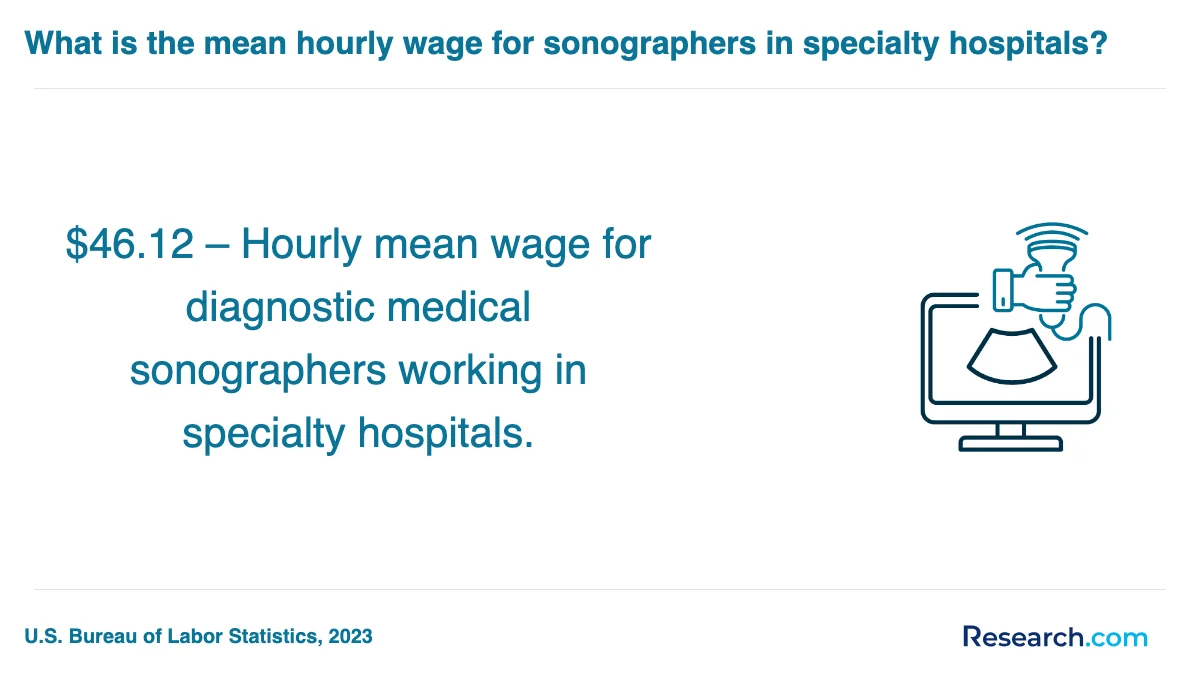
As experience builds, so does earning potential. Graduates commonly report their salaries rising to between $85,000 and $104,000 annually after a few years, reflecting the value of additional certifications and workplace expertise. For instance, registered diagnostic medical sonographers in Connecticut average about $46 per hour, which can feel rewarding when balancing demanding shifts with personal growth.
The journey from trade school to a stable, well-paying role in Connecticut's healthcare landscape often leaves graduates feeling optimistic and proud. Their dedication to mastering sonography pays off not only in income but in meaningful patient care, making the career path both financially and emotionally fulfilling.
- Connecticut medical sonographer programs require completion of a CAAHEP- or JRC-DMS-accredited associate degree, typically taking 24 months of full-time study.
- Admission is competitive and usually requires college-level coursework in English, math, physics, and biology, with some programs needing a CNA license or entrance exams.
- Graduates are eligible for national certification exams from ARDMS or ARRT, which are generally required for entry-level jobs in Connecticut.
- Tuition ranges from $10,000 to $20,000 for in-state students at community colleges, excluding additional fees like textbooks and transportation.
- Starting salaries for new sonographers range from $65,000 to $75,000 annually, with experienced professionals earning over $90,000.
- The job market shows steady demand for sonographers in hospitals, outpatient clinics, and private practices throughout the state.
Completing a medical sonographer trade school program in Connecticut typically takes about 18 to 24 months. Graduates from well-known trade schools in the state often share how this timeframe balances intensive learning with hands-on clinical experience, making the journey feel both challenging and rewarding. Imagine starting your day in a classroom mastering ultrasound technology, then moving to a clinical setting where you apply those skills on real patients - this blend helps students stay engaged and motivated throughout the program.
Many students find the duration ideal because it allows them to quickly enter the workforce while acquiring essential certifications. Those attending popular Connecticut trade schools often mention feeling supported by instructors who understand the local healthcare landscape, which adds confidence to their training. The focused schedule also means you can foresee your career launch without prolonged uncertainty, making the 18- to 24-month commitment feel like a smart investment in your future.
The key difference between online and on-campus medical sonographer trade school programs in Connecticut lies in the hands-on clinical training. Graduates from popular schools like Connecticut State Community College often recall the value of full-time, in-person study that immerses them in real healthcare settings. These students attend daytime classes on campus and spend significant hours at clinical practicums, gaining confidence using ultrasound machines under expert supervision. This direct interaction fosters a strong sense of community and immediate feedback that many find motivating and essential for mastering technical skills.
In contrast, while fully online programs don't currently exist in Connecticut due to strict accreditation standards, some students appreciate hybrid options from institutions like AIHT Education. These allow for online theory courses combined with required in-person labs, offering flexibility without sacrificing crucial hands-on experience. Reflecting on their journeys, many describe the hybrid model as a practical balance-enabling study around busy schedules while maintaining the vital, real-world training needed to succeed as sonographers in Connecticut's healthcare environment.
The average cost of sonography programs in Connecticut varies significantly depending on whether students attend public or private trade schools. For example, graduates from Gateway Community College, a popular public institution for medical sonographer training, typically pay approximately $4,276 annually in tuition if they are in-state residents. These students often mention the manageable tuition fees as a key factor in their positive educational experience, allowing them to focus more on hands-on clinical training and less on financial stress. However, additional costs such as textbooks, uniforms, and clinical fees may add several thousand dollars per year, making budgeting essential for any prospective student.
On the other hand, tuition fees for ultrasound technician schools in Connecticut at private institutions like Quinnipiac University are considerably higher. Graduates from such programs report that the higher investment-around $34,727 per year for in-state students-reflects the comprehensive curriculum and resources available. Despite the cost, many feel confident that the quality of education and career preparedness justify the expense. Out-of-state students face even greater tuition fees, with Gateway Community College charging about $12,828 annually, which can influence decisions on where to study.
Many students recommend exploring financial aid, scholarships, and grants, which can alleviate the financial burden. To understand more about managing these expenses and what the path entails, prospective learners might benefit from resources explaining how to be an ultrasound tech. This insight helps tailor expectations and plan for a successful journey through sonography education in Connecticut.

Students pursuing medical sonographer trade school programs in Connecticut often find financial aid a crucial part of their educational journey. Many graduates recall how completing the FAFSA unlocked access to federal grants like the Pell Grant, which can cover substantial tuition costs, easing financial stress. Some also benefited from the Federal Supplemental Educational Opportunity Grant, although availability depends on the school.
Connecticut residents frequently tap into state scholarships, such as those requiring full-time enrollment and minimum GPAs. Graduates from popular programs at institutions like Connecticut State Community College highlight how scholarships from organizations including the Connecticut Association of Latinos in Higher Education and the Healy Foundation made a tangible difference by offering support ranging from $1,000 to $3,000.
Sonography-specific scholarships further brighten prospects. Students enrolled in CAAHEP-accredited programs have accessed awards like the Ultrasound Schools Info Scholarship and the SDMS Foundation's advanced degree scholarship, which encourage continued professional growth.
Many graduates emphasize the importance of consulting their school's financial aid office for personalized guidance and additional support covering program-related expenses such as uniforms and exams, making the path to becoming a sonographer in Connecticut more accessible and hopeful.
Enrolling in a medical sonographer trade school program in Connecticut typically requires a combination of academic preparedness and personal commitment. Graduates from popular Connecticut trade schools often recall the importance of having a strong foundation in science and math before starting their training.
Common prerequisites include:
- High school diploma or GED equivalency, demonstrating readiness for specialized coursework.
- Completion of prerequisite courses such as anatomy, physiology, and basic algebra, which help students grasp sonography concepts faster.
- Proof of immunizations and a clean background check, ensuring safety in clinical environments.
- Some programs may ask for healthcare experience or volunteer hours, reflecting a genuine interest in patient care.
One graduate shared how meeting these requirements gave them confidence walking into their first clinical rotation at a well-known Connecticut trade school, making the transition smoother and more rewarding. Another emphasized how the science prerequisites helped them excel in ultrasound physics, a core part of the curriculum. These prerequisites shape a supportive learning environment where students can thrive and feel excited about their future careers in sonography.
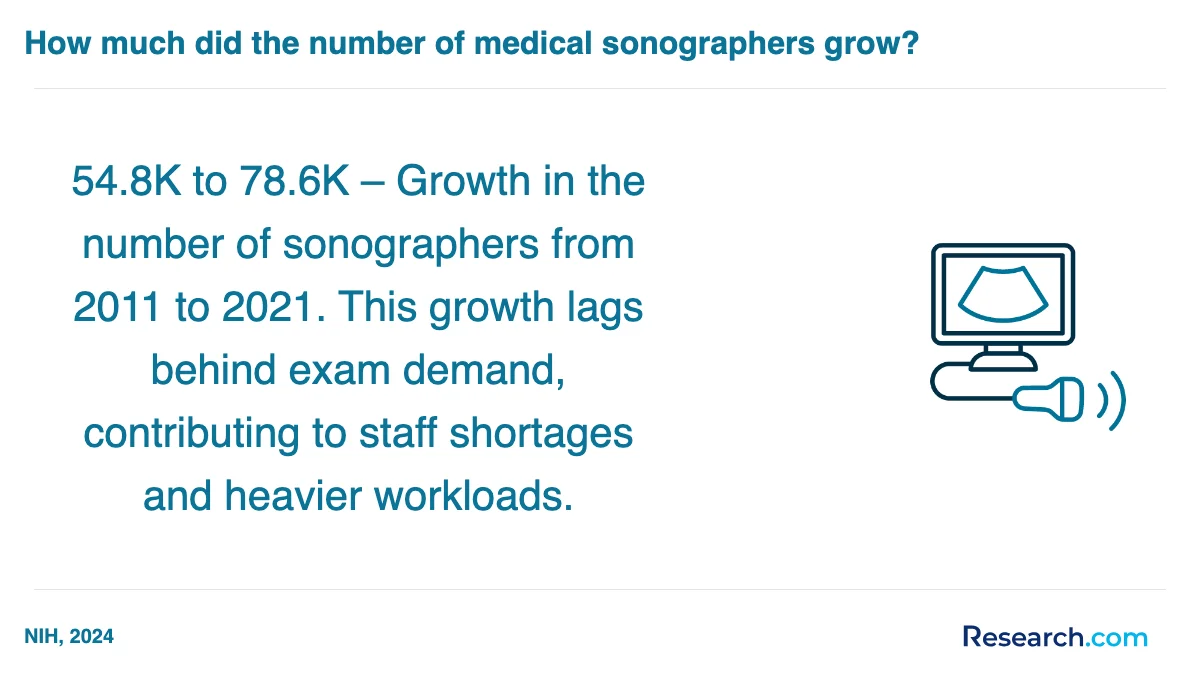
Medical sonographer trade school programs in Connecticut typically begin with foundational courses that build essential knowledge in biology, physics, math, and English composition. Graduates often recall how mastering subjects like biology (BIO 211, BIO 212) and physics (Physics 111) gave them confidence when transitioning into more specialized sonography studies at popular Connecticut trade schools.
The core curriculum then dives into hands-on and technical courses, covering major sonography specialties such as:
- Abdominal Sonography: Imaging vital organs like the liver and kidneys, which graduates describe as fascinating and rewarding when seeing real patient results.
- Obstetrical and Gynecological Sonography: Focusing on prenatal imaging and female reproductive health, often highlighted by students as emotionally fulfilling and impactful.
- Vascular Sonography: Teaching blood vessel imaging techniques that graduates find challenging yet exciting due to their critical role in diagnosing circulatory issues.
Courses like Ultrasound Physics I & II and Introduction to Sonography deepen understanding of imaging technology, while medical ethics and patient care classes prepare students for compassionate interactions. Clinical practicum rotations at Connecticut hospitals provide real-world experience, often described by graduates as the moment theory truly comes alive and their passion for sonography solidifies.
Medical sonographer trade school programs in Connecticut typically offer specialized tracks that prepare students for dynamic healthcare roles. Graduates often share enthusiasm about mastering vascular ultrasound programs in Connecticut, which focus on imaging blood vessels to detect conditions like blockages, offering a hands-on experience that feels both challenging and rewarding.
Cardiac sonography training in Connecticut is another popular path. Students describe the excitement of learning to capture intricate images of the heart, gaining skills that can directly impact patient outcomes. Schools such as Gateway Community College and Yale-New Haven Hospital blend rigorous classroom learning with real clinical practice, making the study engaging and deeply practical.
Other promising specializations include abdominal and obstetric ultrasound, helping students develop the ability to image vital organs and monitor fetal development in maternity care. Those seeking comprehensive certification options will find programs that equip them for certification and real-world success, as reflected in glowing feedback from recent program completers.
For those eager to explore the best certificate programs ultrasound tech, Connecticut's offerings align well with career ambitions and healthcare innovations. Exploring opportunities here can lead to a fulfilling, impactful healthcare career.
Choosing one of the best medical sonographer programs in Connecticut means prioritizing accreditation and hands-on experience. Graduates from popular schools like Gateway Community College emphasize how CAAHEP accreditation assured them they were receiving quality education, essential for passing certification exams. The program's curriculum must be robust, covering abdominal, obstetric, and vascular sonography, offering both theory and clinical practice. Clinical externships are crucial; partnering with well-known hospitals such as Yale New Haven Hospital deepens practical knowledge and boosts confidence in real-world diagnostic procedures.
Flexibility also matters. Many students appreciated programs that accommodate full-time or part-time attendance, fitting studies around their lives without sacrificing depth of training. Cost is a common concern, but exploring scholarships and aid can ease the financial burden. For those looking ahead, understanding employment outcomes in Connecticut-where many employers seek certified sonographers-can guide decisions. Some even consider future earning potential, researching the highest paying ultrasound tech jobs to align their education with career goals. By focusing on these factors, selecting from top sonography schools in Connecticut becomes a relatable and exciting step forward.
Medical sonographer trade school graduates in Connecticut find vibrant and diverse opportunities within the local healthcare system. Many start their careers as diagnostic medical sonographers in hospitals, outpatient clinics, or private practices, gaining crucial hands-on experience with ultrasound technology. Graduates from well-known Connecticut trade schools often share how specializing in areas like obstetrics, vascular, or cardiac sonography elevates their careers to more advanced, higher-paying positions.
As medical sonographer jobs in Connecticut expand, graduates also explore roles such as travel sonographers, allowing them to serve multiple facilities and enjoy varied work environments. Leadership positions like lead sonographer or clinical coordinator become accessible with experience, empowering graduates to influence protocol and mentor new technicians.
Many take unconventional paths beyond direct patient care, including ultrasound equipment sales or clinical education, applying their expertise to train others or support product development at technology companies. A graduate might find satisfaction in shaping healthcare innovation or educating peers, extending their impact beyond imaging.
For those driven to push boundaries further, the foundational clinical experience supports advancing into roles such as physician assistants or nurse practitioners, opening even broader horizons. Connecticut trade school alumni often reflect on these versatile diagnostic medical sonography career paths Connecticut offers-remarkable for both stability and growth potential. Exploring the best healthcare careers can help you envision your future beyond the classroom.
The medical sonographer job outlook in Connecticut is promising for graduates of local trade schools, offering a range of opportunities in both full-time and flexible roles. Graduates often find themselves quickly absorbed into hospital systems and specialty clinics across urban hubs like New Haven and Hartford. Many report positive early experiences leveraging hands-on training received at well-known Connecticut programs, which emphasize technical proficiency and state licensure preparation.
Employment opportunities in diagnostic medical sonography in Connecticut tend to favor candidates with practical skills and a readiness to adapt to both permanent and travel sonographer positions. These roles frequently feature competitive compensation, with travel assignments sometimes paying upwards of $2,700 weekly. Graduates appreciate the ability to explore diverse clinical environments, which bolsters confidence and professional growth.
- Steady demand in hospitals, clinics, and specialty practices
- Competitive salaries exceeding national averages
- Strong prospects in urban centers with higher job concentrations
- Growing opportunities for travel sonographers with flexible schedules
Connecting aspiring sonographers to sustainable career pathways is key. Many students find that understanding local market dynamics, combined with their education, opens doors to rewarding roles. For comprehensive guidance on radiology career pathways, including medical sonography, exploring trusted resources can provide strategic insights tailored to Connecticut's job market.
Best Diagnostic Medical Sonographer Training Programs & Trade Schools - Top Sonography Schools in Connecticut for 2026
# 1 position
American Institute of Healthcare & Technology - Diagnostic Medical Sonography/Sonographer and Ultrasound Technician.
certificate or diplomaThe Diagnostic Medical Sonography/Sonographer and Ultrasound Technician program at the American Institute of Healthcare & Technology offers a hybrid format with some distance-education options. It prepares students to use medical ultrasound techniques under physician supervision to diagnose various conditions. The curriculum includes patient care, data recording, sonographic processing, and professional ethics. The program is accredited by the Middle States Commission on Secondary Education.
# 2 position
Connecticut State Community College - Diagnostic Medical Sonography/Sonographer and Ultrasound Technician.
associateThe Diagnostic Medical Sonography/Sonographer and Ultrasound Technician program at Connecticut State Community College offers a hybrid format with some distance-education options. The curriculum trains students to operate ultrasound equipment and analyze sonographic data under physician supervision. Topics include patient care, data integration, and professional ethics. The program is accredited by the New England Commission on Higher Education. Annual in-state tuition is $5,092, and median earnings one year after completion reach $65,724.
# 3 position
University of Hartford - Diagnostic Medical Sonography/Sonographer and Ultrasound Technician.
certificate or diplomaThe University of Hartford offers a Diagnostic Medical Sonography/Sonographer and Ultrasound Technician program with a hybrid format, including some distance education. The program trains students to use medical ultrasound techniques for diagnosing various conditions, emphasizing patient care, data processing, and professional ethics. Annual in-state tuition is $47,647. The program is accredited by the New England Commission on Higher Education.
Frequently Asked Questions about medical sonographer
After completing a medical sonographer trade school in Connecticut, preparing for the job market involves several key steps. First, obtaining certification from the American Registry for Diagnostic Medical Sonography (ARDMS) is essential, as most employers require it. Graduates should also build a professional resume highlighting clinical experience gained during training.
Networking is important; joining local chapters of professional organizations like the Society of Diagnostic Medical Sonography (SDMS) can help connect with employers. According to the Connecticut Department of Labor, the demand for sonographers is expected to grow by 17% through 2030, indicating strong job prospects.
Finally, consider internships or part-time roles to gain hands-on experience and enhance employability in the competitive healthcare job market.
Employers in Connecticut seeking medical sonographer graduates prioritize strong technical skills in operating ultrasound equipment accurately. Proficiency in anatomy and physiology is essential, as it ensures precise imaging and diagnosis. According to the U.S. Bureau of Labor Statistics, sonographers with detailed knowledge of medical terminology and patient care tend to perform better on the job.
Communication skills are also highly valued, since sonographers must explain procedures clearly to patients and collaborate with healthcare teams. Attention to detail and critical thinking are crucial for identifying abnormalities during scans. The Connecticut Department of Labor highlights that graduates who possess certification from the American Registry for Diagnostic Medical Sonography (ARDMS) often have an advantage in local job markets.
Finding internships in Connecticut relevant to medical sonographer trade school programs involves several strategic steps. Most accredited programs require clinical internships, which students can secure through school partnerships with local hospitals, clinics, and imaging centers. Institutions like Yale New Haven Hospital and Hartford HealthCare often offer placement opportunities.
Students should also explore resources from the Connecticut Society of Radiologic Technologists, which provides listings and networking events. According to the Bureau of Labor Statistics, Connecticut's healthcare sector is growing, increasing demand for sonographer internships.
Contacting school career services and using state job boards like CT Hires can also help locate openings. Early application and maintaining professional certifications improve chances of securing quality internships.
Obtaining a medical sonographer diploma from a trade school in Connecticut significantly enhances career mobility and advancement opportunities. According to the U.S. Bureau of Labor Statistics, Connecticut's employment of diagnostic medical sonographers is projected to grow by 14% from 2022 to 2032, faster than the national average. This growth creates a demand for skilled professionals with formal training.
A diploma demonstrates foundational knowledge and hands-on skills required for certification exams, which are often prerequisites for higher-paying positions. In Connecticut, certified sonographers typically earn median wages above $75,000 annually, according to the Connecticut Department of Labor.
Trade school graduates can access entry-level roles in hospitals, clinics, and diagnostic labs, and with experience and further certifications, advance into specialized areas or supervisory roles. This credential opens pathways to stable employment and upward mobility within the healthcare sector in the state.
Students enrolled in medical sonographer trade schools in Connecticut can benefit from part-time jobs that provide relevant experience and support their education. Positions such as ultrasound technician assistants or medical imaging aides allow hands-on exposure to sonography equipment and patient interaction. These roles are often available in hospitals, outpatient care centers, or diagnostic laboratories throughout Connecticut. According to the U.S. Bureau of Labor Statistics, Connecticut's healthcare sector employs many imaging professionals, reflecting steady demand.
Additionally, part-time work as patient transporters or medical office assistants can develop important communication and organizational skills. These jobs help students understand healthcare workflows, complementing technical training. Local healthcare facilities and clinics in Connecticut frequently offer flexible schedules suitable for students balancing school and work.
To find the best Medical Sonographer degree program near me, consider researching universities and colleges that offer accredited sonography programs, and explore options available both locally and near Connecticut. Research.com can be a helpful resource for identifying reputable academic programs, and contacting local university admissions offices can provide detailed information on curriculum and enrollment. Additionally, attending college fairs or open houses near Connecticut can offer insights into the strengths of specific programs and provide opportunities to speak directly with faculty and current students.
- Best Diagnostic Medical Sonographer Training Programs & Trade Schools - Top Sonography Schools in New York for 2026
- Best Diagnostic Medical Sonographer Training Programs & Trade Schools - Top Sonography Schools in New Jersey for 2026
- Best Diagnostic Medical Sonographer Training Programs & Trade Schools - Top Sonography Schools in Pennsylvania for 2026
- Best Diagnostic Medical Sonographer Training Programs & Trade Schools - Top Sonography Schools in Maryland for 2026
- Best Diagnostic Medical Sonographer Training Programs & Trade Schools - Top Sonography Schools in Maine for 2026
- Best Diagnostic Medical Sonographer Training Programs & Trade Schools - Top Sonography Schools in Ohio for 2026
- Best Diagnostic Medical Sonographer Training Programs & Trade Schools - Top Sonography Schools in West Virginia for 2026
- Best Diagnostic Medical Sonographer Training Programs & Trade Schools - Top Sonography Schools in North Carolina for 2026
- Best Diagnostic Medical Sonographer Training Programs & Trade Schools - Top Sonography Schools in South Carolina for 2026
- Best Diagnostic Medical Sonographer Training Programs & Trade Schools - Top Sonography Schools in Indiana for 2026
- Ultrasound Technician Schools in Connecticut for 2024 https://www.ultrasoundschoolsinfo.com/connecticut/
- Diagnostic Medical Sonography https://gatewayct.edu/dms
- Diagnostic Medical Sonography - CT State https://ctstate.edu/programs/diagnostic-medical-sonography
- Medical Sonography (Ultrasound) Program in NJ & CT - American Institute https://www.americaninstitute.edu/diagnostic-medical-sonography/
- BS in Diagnostic Medical Sonography https://www.qu.edu/schools/health-sciences/programs/bachelors-degree/diagnostic-medical-sonography/
- Diagnostic Medical Sonography Programs - AIHT Education https://aiht.edu/programs/diagnostic-medical-sonography/
- How to Become a Medical Sonographer in Connecticut (2024) | Dreambound https://dreambound.com/blog/how-to-become-a-medical-sonographer-in-connecticut
- Connecticut Education & Training ConneCTion https://www1.ctdol.state.ct.us/etc/program_list.asp
- School of Diagnostic Medical Sonography at Northwell Health - Center for Learning and Innovation | Northwell Health https://professionals.northwell.edu/professional-development/center-for-learning-innovation/programs-services/school-of-diagnostic-medical-sonography-at-northwell-health
- Medical Sonography | Wake Tech https://www.waketech.edu/programs-courses/credit/sonography


