
Best Diagnostic Medical Sonographer Training Programs & Trade Schools - Top Sonography Schools in Springfield for 2026

Co-Founder and Chief Data Scientist
If you're considering a career as a medical sonographer in Springfield, choosing the right trade school is a crucial step. This article introduces a carefully crafted medical sonographer trade school programs ranking created by the Research.com team of data scientists to help you make an informed decision.
Discover programs that offer quality education and hands-on training, setting you up for success in this growing healthcare field. Earning a diploma or certification opens doors to rewarding job opportunities and professional growth.
Explore your options with confidence and take the first step toward a fulfilling career today.
Key benefits of finishing medical sonographer trade school in Springfield
- Graduates from medical sonographer trade schools in Springfield can expect competitive salaries, with averages around $78,700 annually and hourly rates near $38, offering strong financial stability early in their careers.
- Career paths for graduates include roles such as Registered Diagnostic Medical Sonographer and specialized sonography fields, allowing for growth and diverse job opportunities in local hospitals and clinics.
- Completing a medical sonographer trade school online provides flexibility and convenience, helping graduates balance studies with life commitments while achieving certification quickly, as many Springfield students have experienced.
- Best Diagnostic Medical Sonographer Training Programs & Trade Schools - Top Sonography Schools in Springfield for 2026
- What can I expect from medical sonographer trade schools in Springfield?
- Where can I work after finishing medical sonographer trade schools in Springfield?
What can I expect from medical sonographer trade schools in Springfield?
Enrolling in a medical sonographer trade school program in Springfield means diving into a dynamic mix of classroom learning, hands-on labs, and real clinical experience. Graduates from popular schools like Cox College often recall the thrill of mastering ultrasound machines in simulated labs before stepping into bustling local hospitals for clinical rotations. These moments build confidence and sharpen skills in areas such as Abdomen, Obstetrics & Gynecology, or Cardiac sonography.
You can expect to study anatomy, physiology, and ultrasound physics, balancing rigorous coursework with patient interaction. Many students find the clinical internships especially rewarding, as they witness firsthand the impact of their imaging on patient diagnoses. The emphasis on critical thinking and compassionate communication prepares you to not just capture images but to understand and explain them.
Programs range from about 22 months for associate degrees to four years for bachelor's degrees. Graduates feel proud knowing their accredited education-recognized by CAAHEP-qualifies them to sit for national certification exams and step confidently into a career with starting salaries typically between $47,000 and $62,000 in Missouri.
Where can I work after finishing medical sonographer trade schools in Springfield?
After completing a medical sonographer trade school program in Springfield, graduates often find themselves stepping into dynamic roles at major healthcare hubs like CoxHealth and Mercy Hospital Springfield. Imagine starting your day in an OB-GYN department, using the skills honed during your hands-on training to assist in monitoring tiny heartbeats. Many graduates share how rewarding it feels to contribute directly to patient care in such vibrant hospital environments.
Others discover exciting opportunities in specialty clinics-women's health centers, vascular clinics, or cardiology units-where the pace is steady and the work deeply technical. Some grads even embrace the adventure of travel sonographer positions, hopping between Springfield and nearby cities like Branson, enjoying diverse settings and competitive weekly pay ranging from $1,380 to $2,088. These roles offer flexibility and a chance to expand one's experience rapidly.
Whether in bustling hospitals or quieter imaging centers, Springfield trade school alumni often highlight the supportive career pathways and ongoing education options that keep their work fresh and fulfilling.
After finishing a medical sonographer trade school program in Springfield, graduates often find themselves pleasantly surprised by the paycheck waiting at the end of their journey. Many recent grads from popular Springfield trade schools report starting salaries near $86,000 a year, reflecting the strong local demand for skilled sonographers. Imagine stepping out of class and into a job that pays around $81 per hour-enough to cover living costs and still enjoy some well-earned fun.
One graduate shared how their first job offered an hourly wage between $71 and $92, depending on shifts and specialization. For those adventurous enough to try travel sonography, weekly earnings can reach about $2,086, tallying up to over $100,000 annually. This kind of income makes the effort of trade school feel like a smart investment in a thriving healthcare career right here in Springfield.
- Springfield offers associate and bachelor's degree programs in diagnostic medical sonography, including an Associate of Applied Science starting in Fall 2025 at Ozarks Technical Community College and a bachelor's degree at Cox College.
- Admission is competitive with prerequisites such as foundational courses, observation hours, and placement tests; Ozarks Tech accepts only 20 students annually.
- Associate degree programs in Springfield are more affordable than bachelor's degrees, aiming to reduce student debt and address workforce shortages.
- Entry-level sonographer salaries in Springfield range from $47,000 to $62,000 per year, with higher earnings possible through experience and advanced certifications.
- Training includes classroom instruction, lab practice, and clinical rotations, covering specialties like abdominal, obstetric, gynecologic, and vascular sonography.
Completing a medical sonographer trade school program in Springfield usually takes about 12 to 18 months, a timeframe that many graduates describe as both intense and rewarding. Imagine diving into hands-on ultrasound labs one week and then shadowing professionals in bustling Springfield clinics the next-this blend keeps the journey exciting and deeply practical.
Many students at popular trade schools in Springfield find the accelerated pace thrilling, as it allows them to quickly transform curiosity into real skills. One graduate shared how balancing coursework and clinical hours felt challenging but ultimately exhilarating, knowing each day brought them closer to launching their healthcare career.
The compact schedule is designed for focused learning, perfect for those eager to start working without years of delay. From mastering anatomy on high-tech simulators to gaining confidence in patient interaction, Springfield's trade schools create an immersive environment that turns ambition into achievement in under two years.
Choosing between online and on-campus medical sonographer trade school programs in Springfield means weighing how you want to learn and experience this hands-on career. Graduates from State Fair Community College often share how the online coursework fit perfectly into their busy lives-letting them study lectures and quizzes remotely while juggling work or family. But the real magic happens when they attend in-person scanning labs and clinical internships, where they get to practice with ultrasound machines and patient care under expert supervision.
On the flip side, students at Ozarks Technical Community College dive into a fully immersive on-campus experience, enjoying face-to-face instruction, lively group labs, and immediate feedback from instructors. Many find this direct interaction fuels their confidence and sharpens skills faster.
Both paths require clinical hours at trusted Springfield healthcare sites, ensuring every student masters the critical hands-on skills needed for sonography certification. Whether online or on-campus, the journey blends flexibility with real-world practice, tailoring education to fit your unique lifestyle and ambitions.
Discovering the average cost of medical sonography programs in Springfield often leads students directly to two well-known institutions: Cox College and Ozarks Technical Community College (OTC). Graduates from OTC recall paying $122 per credit hour for their Associate of Applied Science degree in Diagnostic Medical Sonography, a figure that feels reasonable when paired with the hands-on clinical experience they gained. It's a sensible investment for the practical skills and job-ready confidence they earned.
Meanwhile, those who chose Cox College, which offers a Bachelor of Science in Diagnostic Imaging with various concentrations, remember a more nebulous tuition landscape because the college does not publicly disclose fees. Many suggest contacting Cox directly to understand the exact tuition fees for their accredited program. It's a slightly more mysterious path, but one filled with the promise of advanced specialization in areas like vascular or adult cardiac sonography.
Students often find themselves budgeting beyond tuition, factoring in expenses like books, supplies, and equipment necessary for the trade. These added costs can vary, keeping the budgeting adventure exciting yet challenging. Fortunately, financial aid options are frequently available to ease this burden, including scholarships and federal support.
For those exploring options beyond Springfield, it might help to check out ultrasound technician school online programs, opening even more flexible pathways to the medical sonographer profession.
With tuition fees for sonography schools in Springfield varying by institution and personal circumstances, students often find value in researching each program's financial details closely before committing to their educational journey.
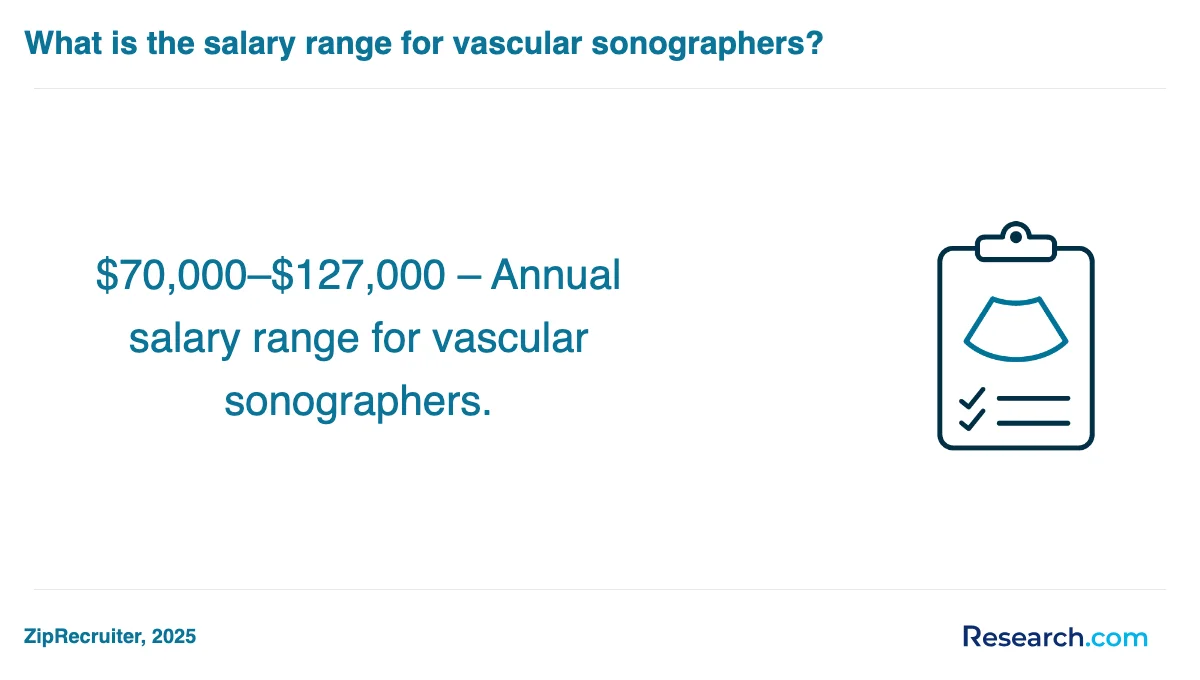
Imagine starting your journey to become a medical sonographer in Springfield and discovering a treasure trove of financial aid options ready to support you. Many students at Lincoln Land Community College, for instance, find relief through the federal Pell Grants accessed by completing the FAFSA, which helped one graduate cover most of their tuition without a single repayment worry. With DMS tuition around $287 per credit hour, these grants can make a huge difference.
Other graduates recall how the PATH program was a game-changer, offering not just tuition assistance but also helping with childcare and transportation-real-life support that lifted heavy burdens off their shoulders. Over at Ozarks Technical Community College and Cox College, students tap into a mix of scholarships-merit-based, need-based, and state grants-that feel like personalized invitations to keep pushing forward.
Attending school info sessions is another must, as advisors share tips to unlock every available dollar. For many, these moments sparked hope and excitement, turning financial challenges into manageable steps on the path to a rewarding healthcare career.
Jumping into a medical sonographer trade school program in Springfield usually means meeting some clear but exciting prerequisites that set you up for success. Graduates from popular Springfield trade schools often mention how these requirements helped them feel prepared and confident from day one.
Most schools expect you to have:
- A high school diploma or GED, ensuring you've got foundational skills down.
- Basic knowledge in biology and anatomy, since understanding the human body is key.
- Strong communication skills, because sonographers often interact closely with patients.
- Sometimes, completion of certain prerequisite courses like algebra or physics is required.
- Proof of immunizations and a background check, reflecting the healthcare environment's safety standards.
One graduate shared how mastering biology before starting made the complex sonography concepts feel like exciting puzzles rather than obstacles. Another recalled how the friendly community at a Springfield trade school made the entire process feel like a shared adventure, boosting their motivation.
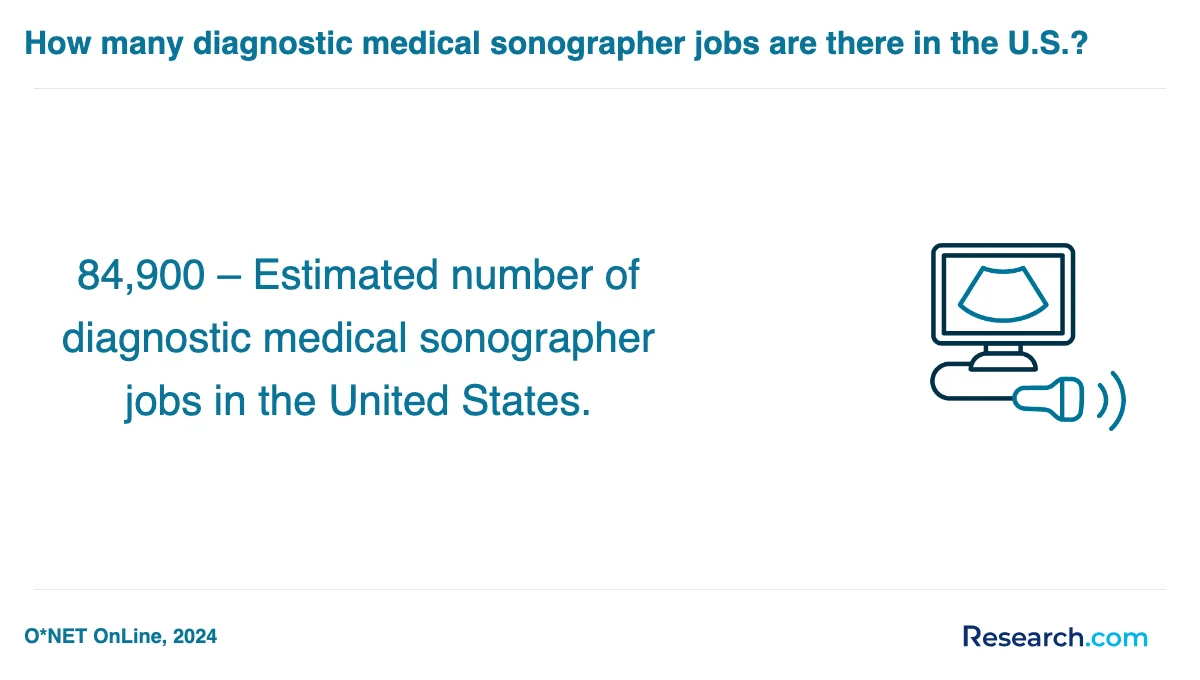
Diving into medical sonographer trade school programs in Springfield means immersing yourself in a curriculum packed with hands-on learning and vital knowledge. Graduates from popular schools like Clark State College often share how the mix of classroom lectures and real-world labs brought concepts to life, fueling their excitement for the field.
Typical courses include:
- Anatomy and physiology, where you explore the intricate human body systems that sonographers must understand to capture clear images.
- Medical terminology and patient care, helping students confidently communicate and provide compassionate support during scans.
- Ultrasound physics and instrumentation, unlocking the secrets behind the machines that reveal hidden details beneath the skin.
Specialized classes focus on key sonography areas-abdominal, obstetrics and gynecology, and vascular imaging-enabling students to master skills from spotting a developing fetus to assessing blood flow in arteries.
Students rave about clinical rotations at Springfield hospitals, where they apply their skills on real patients, guided by seasoned sonographers. This blend of theory and practice makes every lesson an adventurous step toward a rewarding career.
Medical sonography specializations in Springfield open doors to fascinating career paths that many trade school graduates find both challenging and rewarding. Imagine diving into detailed imaging of the abdomen or capturing the miracle of life with obstetric and gynecologic sonography-these are just a couple of the exciting focuses available here. Students attending programs at popular Springfield institutions, like Lincoln Land Community College, often praise how these concentrations prepare them for real-world clinical settings.
Some of the most sought-after Springfield sonographer program concentrations include:
- Abdominal sonography, perfect for those curious about internal organs.
- Obstetric and gynecologic (OB/GYN) sonography, capturing developing life and women's health.
- Vascular sonography, which images blood vessels and helps identify circulatory issues.
- Cardiovascular sonography, including adult echocardiography, focusing on heart function and health.
Springfield programs stand out by combining classroom learning with hands-on clinical rotations across local hospitals and clinics. Graduates often express how this blend helps them feel confident when tackling complex cases. For those eager to boost their credentials, specialized certificates in vascular sonography offer next-level training.
If you want to explore even faster pathways, check out accelerated sonography programs that can shorten your time to certification while keeping quality instruction intact.
Choosing the best sonography programs in Springfield Missouri means diving into what truly matters: accreditation, hands-on clinical training, and job placement success. Many graduates from top programs recall how real-world rotations at local hospitals turned theory into confidence, making tricky ultrasound scenarios manageable. One graduate's vibrant story from a well-known Springfield college highlighted how accessible clinical sites not only refined their skills but also sparked lasting professional connections. When exploring top-rated ultrasound technician schools in Springfield MO, consider program length and specializations-whether you're drawn to vascular or cardiac sonography, aligning your studies with your passion elevates the learning experience.
Financial considerations also play a role; comparing tuition with earning potential can steer you toward a smart investment. Don't forget to check if the curriculum preps you well for certification exams, a crucial step shared by many successful students. For those balancing work or family obligations, exploring easy online medical degree programs might open unexpected doors while staying rooted in Springfield's rich sonography community.

Medical sonographer trade school graduates in Springfield find themselves stepping into vibrant medical imaging careers in Springfield filled with exciting options. Many start as diagnostic medical sonographers, ultrasonographers, or echo technologists, securing positions at renowned local institutions like CoxHealth and Mercy Hospital Springfield, where their skills directly impact patient care. Graduates often share enthusiastic stories about the hands-on experience gained from these bustling hospitals.
For those craving variety, travel sonographer roles present an adventurous path. These positions, often 13-week contracts, offer weekly pay between $1,317 and $2,471 and allow graduates to explore different specialties like diagnostic, echocardiography, and vascular sonography-all while enjoying new clinical environments.
Specialized roles also beckon, such as vascular or OB-GYN ultrasonography, offering focused work in dedicated labs or women's health settings. Hospitals frequently sweeten these opportunities with attractive sign-on bonuses and comprehensive benefits.
Beyond hospitals, graduates discover sonographer job opportunities in Springfield in outpatient clinics, imaging centers, and physician practices, where they can refine skills or climb the ladder toward supervisory or educational roles. Those intrigued by technology even pursue careers with medical equipment companies.
For anyone interested in enhancing skills or exploring remote options, many consider ultrasound tech certification programs online to gain competitive edges in this dynamic field.
The medical sonographer job market in Springfield MO is buzzing with opportunities right now. Graduates from popular trade schools find themselves quickly snapped up by major hospitals like Cox Medical Center South and Mercy Hospital Springfield. These employers value the hands-on skills students gain, creating a pathway to enjoyable and stable work in diagnostic and echocardiography sonography.
Many recent grads share stories of landing roles that pay competitively-average weekly earnings hover around $1,380, with travel sonographer positions reaching even higher, up to $2,049 per week. This vibrant pay range reflects the sonographer employment outlook Springfield Missouri offers, especially for those ready to take on flexible, short-term assignments in nearby communities like Branson or Bentonville.
Popular Springfield programs equip students well, balancing classroom learning with clinical practice. Graduates often highlight these immersive experiences as key to their confidence entering the workforce.
For anyone considering this path, exploring 2 year healthcare degrees that pay well is a smart move to jumpstart a rewarding career.
Best Diagnostic Medical Sonographer Training Programs & Trade Schools - Top Sonography Schools in Springfield for 2026
# 1 position
Lincoln Land Community College - Diagnostic Medical Sonography/Sonographer and Ultrasound Technician.
associateLincoln Land Community College offers a Diagnostic Medical Sonography/Sonographer and Ultrasound Technician program with a hybrid format, including some distance education options. The program trains students to use medical ultrasound techniques for diagnostic purposes under physician supervision, covering patient care, data processing, and equipment operation. Annual in-state tuition is $3,672. The program is accredited by the Higher Learning Commission, and median earnings one year after completion are $53,897.
# 2 position
Lincoln Land Community College - Diagnostic Medical Sonography/Sonographer and Ultrasound Technician.
certificate or diplomaLincoln Land Community College offers a Hybrid Diagnostic Medical Sonography/Sonographer and Ultrasound Technician program preparing students to utilize ultrasound techniques for medical diagnosis. The curriculum includes patient care, data collection, sonographic processing, and equipment operation under physician supervision. Accredited by the Higher Learning Commission, the program charges an annual in-state tuition of $3,672. Graduates report median earnings of $53,897 one year after completion.
Frequently Asked Questions about medical sonographer
After completing a medical sonographer trade school in Springfield, preparing for the job market involves several key steps. First, graduates should obtain certification from the American Registry for Diagnostic Medical Sonography (ARDMS), as most employers in Springfield require this credential. According to the Bureau of Labor Statistics, certified sonographers have higher employment rates and better salaries.
Networking locally through internships or clinical rotations during school can help secure job opportunities. Springfield's healthcare sector is growing, with multiple hospitals and clinics seeking skilled sonographers. Updating a professional resume and practicing interview skills tailored to medical imaging roles is essential. Staying informed about continuing education requirements will also support long-term career success.
Employers in Springfield prioritize strong technical skills when hiring medical sonographer trade school graduates. Proficiency in operating ultrasound equipment and accurately capturing diagnostic images is essential. According to the Bureau of Labor Statistics, sonographers must also understand anatomy and physiology to interpret images correctly.
Communication skills are equally important, as sonographers work closely with patients and healthcare teams. Springfield employers seek graduates who demonstrate empathy and the ability to explain procedures clearly.
Attention to detail and critical thinking help avoid diagnostic errors. Local healthcare facilities report that graduates with hands-on clinical experience stand out in job applications.
Finally, knowledge of safety protocols and patient privacy regulations is required to meet industry standards in Springfield's medical community.
Finding internships in Springfield relevant to a medical sonographer trade school program involves several strategic steps. Start by contacting local healthcare facilities such as hospitals, clinics, and diagnostic imaging centers, as many offer clinical internship opportunities to students. For example, Springfield Regional Medical Center and Mercy Hospital Springfield frequently partner with trade schools for practical training.
Additionally, consult with your trade school's career services department, which often maintains relationships with local employers and can assist in placement. The American Registry for Diagnostic Medical Sonography (ARDMS) emphasizes that hands-on experience is critical for certification and employment readiness.
Utilize online resources like the Springfield Workforce Development Board and healthcare job boards to identify available internships. Networking with professionals through local medical associations or job fairs can further increase chances of securing a position.
Obtaining a medical sonographer trade school diploma in Springfield can significantly enhance career mobility and advancement opportunities. According to recent data from the U.S. Bureau of Labor Statistics, diagnostic medical sonographers in Missouri earn a median annual wage of approximately $70,000, with higher salaries linked to formal training credentials.
In Springfield, employers often prefer candidates with accredited diplomas, as these programs provide hands-on skills and clinical experience required for certification exams like the ARDMS (American Registry for Diagnostic Medical Sonography).
Graduates with a diploma have access to more job openings and can pursue advancement into specialized roles such as vascular or cardiac sonography.
The diploma also supports social mobility by enabling entry into a growing healthcare sector with consistent demand in the region, improving economic stability for many Springfield residents.
Students enrolled in medical sonographer trade schools in Springfield can benefit from part-time jobs that provide relevant healthcare experience. Positions such as medical assistants or patient care technicians offer hands-on exposure to clinical settings, enhancing practical skills important for sonography. Local hospitals and outpatient clinics often seek part-time workers, which can help students build professional networks and strengthen resumes.
According to the U.S. Bureau of Labor Statistics, Springfield's healthcare sector is growing steadily, increasing demand for skilled support staff. Additionally, jobs in medical billing or front-desk roles at radiology centers can familiarize students with the administrative side of sonography.
To choose the best medical sonographer degree program near me in Springfield, IL, begin by researching local community colleges and universities that offer accredited programs in diagnostic medical sonography. It's important to evaluate programs based on factors such as curriculum, clinical training opportunities, and graduate success rates, and considering resources like Research.com can be helpful in this process. Additionally, visiting institutions near Springfield, IL and speaking with program advisors or current students can provide valuable insights into the quality and fit of the program for your needs.
- Best Diagnostic Medical Sonographer Training Programs & Trade Schools - Top Sonography Schools in Joliet for 2026
- Best Diagnostic Medical Sonographer Training Programs & Trade Schools - Top Sonography Schools in Fort Wayne for 2026
- Best Diagnostic Medical Sonographer Training Programs & Trade Schools - Top Sonography Schools in Cincinnati for 2026
- Best Diagnostic Medical Sonographer Training Programs & Trade Schools - Top Sonography Schools in Lansing for 2026
- Best Diagnostic Medical Sonographer Training Programs & Trade Schools - Top Sonography Schools in Green Bay for 2026
- Best Diagnostic Medical Sonographer Training Programs & Trade Schools - Top Sonography Schools in Livonia for 2026
- Best Diagnostic Medical Sonographer Training Programs & Trade Schools - Top Sonography Schools in Tulsa for 2026
- Sonographer Salary and Job Opportunities: Is It Worth It? | Ultrasound Technician, Diagnostic Medical Sonography, Bachelor and Associate Programs - Los Angeles, Glendale, Pasadena https://amsc.edu/sonographer-salary-and-job-opportunities-is-it-worth-it/
- Sonography Career Paths https://www.ultrasoundschoolsinfo.com/sonography-career-paths/
- Diagnostic Medical Sonographers and Cardiovascular Technologists and Technicians : Occupational Outlook Handbook: : U.S. Bureau of Labor Statistics https://www.bls.gov/ooh/healthcare/diagnostic-medical-sonographers.htm
- Prepare for a Career in Diagnostic Medical Sonography - San Joaquin Valley College https://www.sjvc.edu/guides/career-guide-diagnostic-medical-sonographer/
- WorkBC Site Maintenance - Service Temporarily Unavailable https://www.workbc.ca/career-profiles/medical-sonographers
- Massive Career Options for Grads of Diagnostic Medical Sonography https://www.andersoncollege.com/massive-career-options-for-grads-of-diagnostic-medical-sonography/
- Diagnostic Medical Sonographer - Explore Healthcare Careers - Mayo Clinic College of Medicine & Science https://college.mayo.edu/academics/explore-health-care-careers/careers-a-z/diagnostic-medical-sonographer/
- Sonographer | Explore Careers | National Careers Service https://nationalcareers.service.gov.uk/job-profiles/sonographer
- How to Become a Sonographer | Salary & Programs https://nurse.org/healthcare/how-to-become-sonographer/
- Current Sonography Salary Trends - CBD College https://www.cbd.edu/blog/diagnostic-medical-sonography/current-sonography-salary-trends/


