Best Diagnostic Medical Sonographer Training Programs & Trade Schools - Top Sonography Schools in Lansing for 2026

Co-Founder and Chief Data Scientist
Choosing the right medical sonographer trade school in Lansing can feel overwhelming, but this article is here to help. We've gathered a carefully crafted ranking of local programs created by the Research.com team of data scientists to guide you in making an informed decision.
Whether you’re aiming for a diploma or certification, pursuing this path opens doors to a rewarding healthcare career. Reading this will give you clarity and confidence as you take the next step toward becoming a skilled medical sonographer.
Key benefits of finishing medical sonographer trade school in Lansing
- Graduates in Lansing can expect competitive salaries, with average hourly wages around $41.11 and annual incomes near $85,514, offering strong financial stability right after school.
- Many find rewarding career paths as Diagnostic Medical Sonographers or Ultrasound Technologists, expanding opportunities in hospitals, clinics, and specialized imaging centers.
- Completing an online trade school program offers flexibility and convenience, allowing students to balance work and study while gaining practical skills without relocating or pausing their income.
- Best Diagnostic Medical Sonographer Training Programs & Trade Schools - Top Sonography Schools in Lansing for 2026
- What can I expect from medical sonographer trade schools in Lansing?
- Where can I work after finishing medical sonographer trade schools in Lansing?
What can I expect from medical sonographer trade schools in Lansing?
Enrolling in a medical sonographer trade school program in Lansing means diving into an exciting journey of hands-on learning and real-world skill building. Graduates from Lansing Community College's CAAHEP-accredited program often share how rewarding it is to master ultrasound equipment in state-of-the-art labs, gaining confidence as they capture images that help save lives. Expect a blend of classroom theory and clinical practice, where you'll refine your ability to work closely with patients, developing both technical expertise and compassionate communication.
Students appreciate the program's focus on critical areas like abdominal and obstetric sonography, which prepares them thoroughly for national credentialing exams. The competitive application process ensures a motivated and supportive cohort, fostering teamwork and professional growth. Many find satisfaction in knowing their education aligns with high standards and opens doors to promising career paths, with ongoing guidance to navigate prerequisites and transfer credits smoothly.
Where can I work after finishing medical sonographer trade schools in Lansing?
Graduates of medical sonographer trade school programs in Lansing find themselves stepping into rewarding careers full of opportunity and purpose. Many begin working in bustling hospitals, clinics, or outpatient imaging centers, such as those affiliated with University of Michigan Health-Sparrow, where their skills are highly valued. Imagine starting your day capturing detailed abdominal or obstetric images, knowing your work directly supports doctors in diagnosing and caring for patients.
Other graduates share how they quickly found roles in urgent care centers or specialty clinics, focusing on areas like vascular or cardiac sonography. The hands-on training from Lansing trade schools helps them confidently handle advanced ultrasound equipment and engage with patients, creating a meaningful impact every day.
Many new sonographers appreciate how employers offer on-the-job training, allowing them to grow into specialized fields or take on roles in quality assurance and patient education. With dozens of job openings locally, graduates feel encouraged and excited about starting their sonography careers close to home.
After finishing a medical sonographer trade school program in Lansing, graduates often find themselves stepping into roles with impressive earning potential. Many local graduates share how their education at well-known Lansing trade schools opened doors to careers paying between $70,000 and $100,000 annually. This range reflects real success stories of those who started with hands-on training and quickly secured positions that offer both financial stability and professional growth.
Entry-level sonographers typically earn between $34.13 and $43.89 per hour, with an average of about $41.11. Imagine working full-time and making roughly $85,000 a year-a rewarding outcome that many new graduates proudly report. Those specializing as sonographer ultrasound technicians can earn even more, averaging nearly $48 per hour, translating to close to $100,000 annually.
Some graduates have found opportunities with employers like Life Line Screening in Lansing, where monthly salaries around $4,096 highlight the premium placed on skilled sonographers. This steady income supports a comfortable lifestyle and encourages continued career advancement.
With each successful graduate, the path from Lansing's trade schools to a fulfilling, well-paid sonography career becomes clearer and more inspiring.
- Admission to Lansing medical sonographer programs is competitive and requires a high school diploma or GED, prerequisite courses, and meeting academic standards.
- Programs typically award an Associate of Applied Science degree after about two years of full-time study combining classroom, lab, and clinical experience.
- In-state tuition and fees at local public schools like LCC range from $8,000 to $12,000, excluding books, supplies, and living expenses.
- Graduates have strong job prospects with entry-level salaries between $55,000 and $62,000 per year, and experienced sonographers can earn over $70,000 annually.
- Programs are accredited by CAAHEP, allowing graduates to sit for national credentialing exams required for most healthcare jobs.
Completing a medical sonographer trade school program in Lansing typically takes about 18 to 24 months, offering a focused yet comprehensive path to entering this rewarding field. Many graduates from popular Lansing trade schools share how this timeline allowed them to balance hands-on clinical training with classroom learning, making their journey both manageable and deeply engaging.
Imagine starting your mornings in a supportive classroom environment, then moving to a real clinical setting where you gain confidence scanning patients under expert supervision. Graduates often describe the experience as empowering, knowing that within two years they were fully prepared to launch their careers.
Choosing a Lansing trade school means immersing yourself in a community that values practical skills and personal growth. The achievable program length inspires students to stay motivated, seeing steady progress as they move toward certification and employment. This blend of efficiency and thoroughness turns the challenge of learning medical sonography into an inspiring adventure that sets you up for success in healthcare.
The key difference between online and on-campus medical sonographer trade school programs in Lansing lies in how hands-on experience is delivered. Graduates from Lansing Community College often share how invaluable it was to work directly with ultrasound machines under expert supervision, gaining confidence in real clinical settings. This face-to-face training helps students master not only technical skills but also patient interaction, which is essential for their future careers.
On the other hand, online options like those at Baker College offer remarkable flexibility, allowing students to balance studies with work or family. Many appreciate completing foundational courses like anatomy and medical ethics remotely, yet they also emphasize the importance of in-person labs and clinical rotations to truly develop their scanning abilities.
Both paths require dedication, but Lansing students thrive when they experience hands-on learning combined with comprehensive theory, ensuring they are fully prepared to excel as sonographers in healthcare environments.
When considering the average cost of medical sonography programs in Lansing Michigan, many students find Lansing Community College (LCC) offers an accessible and rewarding path to a sonography career. Graduates from LCC often share how the reasonable tuition fees make the dream of entering this in-demand field feel achievable without overwhelming debt. The tuition fees for sonography schools in Lansing Michigan typically run at $120 per billable hour, resulting in a total tuition of about $8,640 for the 72 credit hour program. This affordability helps students focus on mastering the skills needed for success rather than financial stress.
Many graduates describe how investing in a Lansing program set a strong foundation for their future, with hands-on clinical experiences that boosted confidence and competence. While tuition covers the core cost, it's important to factor in additional expenses like textbooks and supplies, which are manageable with proper planning. Students who explore options like scholarships, financial aid, and employer assistance often find ways to alleviate these costs, further lightening the financial load.
For those exploring different routes, online schooling for ultrasound technician programs is also an option, providing flexibility alongside affordability. In Lansing, the combination of cost-effective tuition and practical training ensures students stay motivated, inspired, and ready to make a vital impact in healthcare.
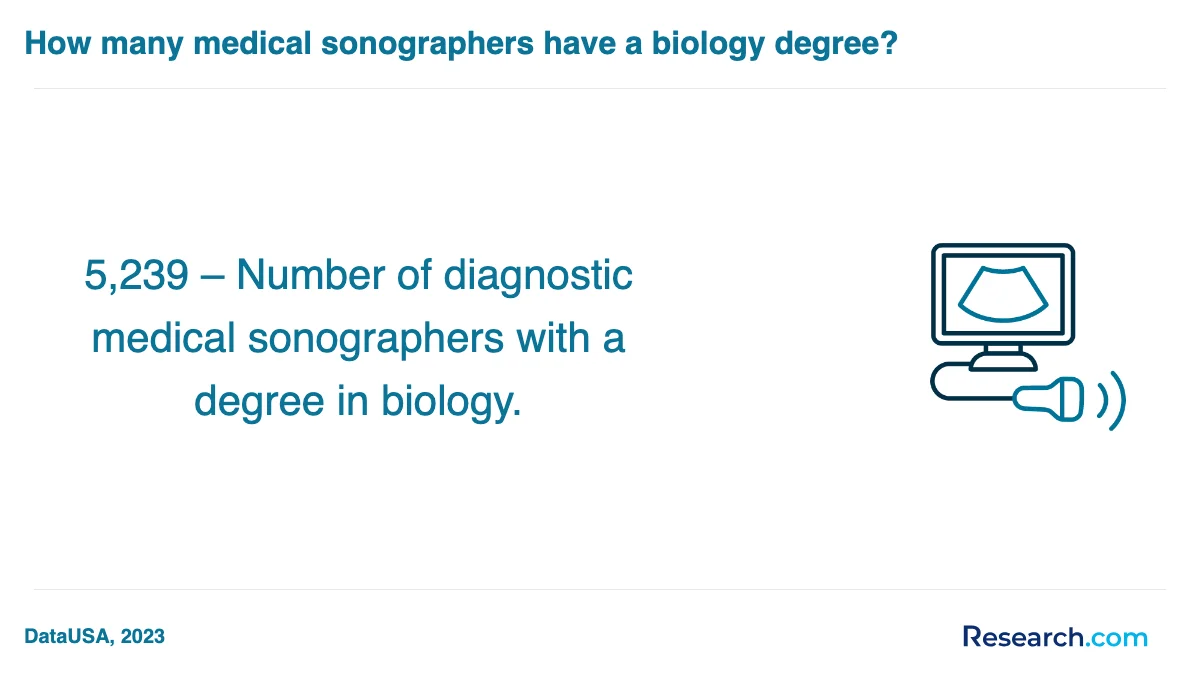
Students pursuing medical sonography in Lansing discover a wealth of financial aid options that make their dreams attainable. Many graduates from Lansing Community College recall how federal Pell Grants, offering up to $6,895, significantly eased their tuition burden, turning uncertainty into confidence. For those with greater need, the Federal Supplemental Educational Opportunity Grant can provide additional support, though availability depends on school participation. Michigan residents benefit from state-level scholarships and grants, with many finding personalized guidance through LCC's dedicated financial aid office, which helped them navigate the complex process smoothly.
Private scholarships brighten the path further. Graduates often mention the encouragement they felt receiving $2,500 awards from the Society of Diagnostic Medical Sonographers Educational Foundation or the Anne Jones Scholarship, affirming their commitment to this rewarding field. Even the $1,000 Ultrasound Schools Info Scholarship adds vital support for Lansing students, turning hope into real opportunity.
Work-study programs also empower students to earn while learning, blending practical experience with financial relief. With a proactive approach, many find that these resources transform challenges into stepping stones toward a fulfilling career.
Enrolling in a medical sonographer trade school program in Lansing opens the door to a rewarding healthcare career, and many graduates recall how meeting the prerequisites was an exciting first step toward their dream. Typically, Lansing trade schools look for candidates with a solid foundation in high school coursework, especially in subjects like biology, physics, and algebra. This background ensures you're well-prepared for the technical and scientific aspects of sonography.
Most programs also require:
- A high school diploma or GED, demonstrating your commitment and readiness.
- Proof of good communication skills, often assessed through interviews or essays, to highlight your ability to connect with patients.
- Basic computer proficiency, since modern sonography relies heavily on advanced imaging technology.
- Some schools may ask for healthcare experience or CPR certification, showing your dedication and familiarity with clinical environments.
Graduates from Lansing's trade schools often share how these prerequisites felt like stepping stones, each one bringing them closer to working alongside compassionate professionals and making a real difference in patients' lives.

Medical sonographer trade school programs in Lansing, such as those at Lansing Community College, offer courses that truly empower students to become confident, skilled professionals. Graduates often recall how foundational classes like anatomy and physiology and sonographic physics and instrumentation gave them a deep understanding of the human body and ultrasound technology, making their learning journey inspiring and rewarding.
Hands-on lab sessions bring theory to life, allowing students to operate advanced ultrasound machines and interpret real diagnostic images. Specialized courses in Abdomen-Extended and Obstetrics and Gynecology sonography provide focused expertise, preparing students to care for patients ranging from adults to expectant mothers.
Students also develop essential soft skills through courses on patient care protocols, medical ethics, and communication skills, helping them build meaningful connections with patients and healthcare teams.
The highlight for many is the clinical practicum, where students gain invaluable, supervised experience in local hospitals, turning classroom knowledge into real-world confidence.
Typical courses include:
- Anatomy and Physiology
- Sonographic Physics and Instrumentation
- Cross-Sectional Anatomy
- Abdomen-Extended Sonography
- Obstetrics and Gynecology Sonography
- Patient Care Protocols
- Medical Ethics
- Communication Skills
- Clinical Practicum
Medical sonographer trade school programs in Lansing offer exciting opportunities to specialize in focused areas of diagnostic imaging, preparing students for impactful careers. Graduates from Lansing Community College often highlight the rewarding challenge of mastering diagnostic medical sonography specializations in Lansing, which include Abdomen-Extended sonography and Obstetrics and Gynecology (OB/GYN) sonography. These tracks allow students to gain hands-on experience imaging vital organs like the liver and pancreas or supporting prenatal care through fetal monitoring and reproductive health exams.
Students frequently share how practical training in these concentrations boosts their confidence and readiness to enter the workforce. Additionally, for those passionate about circulatory health, Lansing offers vascular sonography programs Lansing students can pursue, such as the certificate in Vascular Technology at LCC. This specialization engages students in meaningful work diagnosing vascular diseases and performing critical procedures like carotid artery scans.
Many prospective sonographers seeking to grow in the field find it helpful to explore the top programs for diagnostic medical sonography that balance classroom learning with clinical experience to shape compassionate, skilled professionals.
Choosing from the best medical sonographer programs in Lansing means focusing on accreditation, curriculum, and hands-on experience. Graduates often point to Lansing Community College's nationally accredited program, which balances rigorous classroom learning with valuable clinical placements at local healthcare facilities. This real-world exposure builds confidence and sharpens skills, preparing students for the dynamic medical environment they'll enter.
Admission requirements like GPA thresholds and a point-based system ensure committed learners join the program, giving you motivation to meet set standards. The program's 15-month full-time structure works well for those ready to dive deeply into their training, while flexible schedules may be discussed for others. Graduates highlight the importance of clinical diversity offered by partnerships with reputable hospitals, which truly enriches their learning journey.
For those exploring financial options, examining costs and aid possibilities lays a solid foundation, while knowing the strong job placement rates keeps future goals in clear view. If you aim for top sonography schools in Lansing Michigan, consider these factors alongside reviews from alumni who found rewarding careers after completing their studies. Discover quicker paths through easy medical degree online programs that can complement your journey toward becoming a successful sonographer.
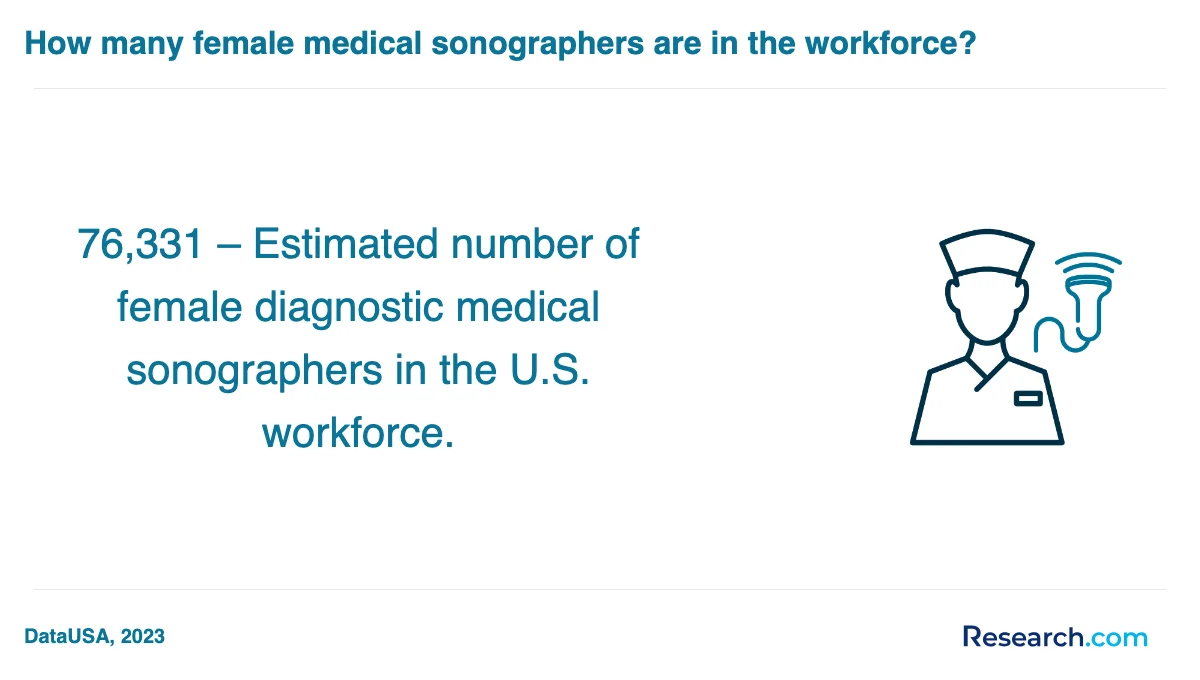
Graduates of medical sonographer trade school programs in Lansing unlock a variety of exciting career opportunities for medical sonographers in Lansing that blend technology and compassionate patient care. Many begin as diagnostic medical sonographers, skillfully operating ultrasound equipment in hospitals and clinics to provide vital imaging that aids in accurate diagnoses. These roles include titles such as Sonographer, Ultrasonographer, and Mammography Technologist, each offering rewarding day-to-day work that touches lives.
For those with ambition, sonography degree jobs in Lansing MI also open pathways to specialized imaging fields or leadership roles such as supervising imaging departments or teaching future healthcare professionals. Graduates often share how hands-on experiences at popular Lansing trade schools gave them confidence to excel in fast-paced healthcare environments.
Additional certifications can enhance opportunities, and many find that completing a short sonography program helps them quickly gain marketable skills and enter high-demand jobs. Success stories from Lansing graduates prove this field offers both financial stability and lifelong satisfaction.
The medical sonographer job outlook Lansing MI is vibrant and full of promise for graduates of local trade schools. Those completing programs in Lansing often find themselves quickly integrated into dynamic healthcare settings such as hospitals and specialty clinics. Graduates share inspiring stories of smooth job placements and steady career growth, thanks to a job market actively seeking skilled ultrasound technicians.
Ultrasound technician employment opportunities Lansing continue to expand, driven by rising demand for diagnostic imaging experts. Entry-level sonographers find competitive wages starting near $41 per hour, with room to increase significantly through experience and certifications. Examples from local trade schools illustrate how new professionals secure positions with salaries well above the national average, sometimes earning more than $4,000 monthly.
Many graduates highlight:
- Supportive connections with Lansing healthcare employers.
- Hands-on training that prepares them for real-world challenges.
- Access to career advancement through ongoing education.
For those curious about the best-paying roles in healthcare, it's helpful to explore resources like highest paid medical jobs, which contextualize the strong earnings potential in this field. Overall, the Lansing market creates an encouraging environment where trade school graduates in medical sonography thrive and grow professionally.
Best Diagnostic Medical Sonographer Training Programs & Trade Schools - Top Sonography Schools in Lansing for 2026
# 1 position
Lansing Community College - Diagnostic Medical Sonography/Sonographer and Ultrasound Technician.
associateThe Diagnostic Medical Sonography/Sonographer and Ultrasound Technician program at Lansing Community College offers a hybrid format with some distance education. It prepares students to use medical ultrasound techniques for diagnostic purposes under physician supervision. The program includes training in patient care, data recording, and sonography equipment operation. Annual in-state tuition is $4,010. Graduates have a median earning of $62,717 one year after completion. The program is accredited by the Higher Learning Commission.
# 2 position
Lansing Community College - Diagnostic Medical Sonography/Sonographer and Ultrasound Technician.
certificate or diplomaThe Diagnostic Medical Sonography/Sonographer and Ultrasound Technician program at Lansing Community College offers a hybrid format with some distance education options. The program trains students to use medical ultrasound techniques to diagnose various conditions, including instruction in patient care, sonographic data processing, and professional ethics. Annual in-state tuition is $4,010. The program is accredited by the Higher Learning Commission, and median earnings one year after completion are $62,717.
Frequently Asked Questions about medical sonographer
After completing a medical sonographer trade school in Lansing, preparing for the job market involves several key steps. First, obtaining certification from the American Registry for Diagnostic Medical Sonography (ARDMS) is crucial, as many employers in Michigan require this credential. According to the Bureau of Labor Statistics, certified sonographers have better employment prospects and higher wages.
Networking with local healthcare facilities, including hospitals and clinics in Lansing, can increase job opportunities. Participating in internships or clinical rotations during training also helps build experience and professional connections.
Finally, staying informed about job openings through Michigan's Department of Labor and Economic Opportunity can provide up-to-date market insights.
Employers hiring medical sonographers in Lansing prioritize a blend of technical and interpersonal skills. Graduates from trade schools must demonstrate proficiency in operating ultrasound equipment and understanding human anatomy to produce accurate diagnostic images. According to the Bureau of Labor Statistics, attention to detail is critical, as sonographers must identify subtle abnormalities.
Communication skills are also highly valued, enabling effective interaction with patients and healthcare teams. Additionally, problem-solving abilities and adaptability are essential due to evolving technology and varied clinical settings. Employers in Lansing often seek graduates familiar with local healthcare regulations and safety standards, ensuring compliance and patient care quality.
Finding internships in Lansing relevant to medical sonographer trade school programs involves several practical steps. Start by contacting local hospitals and diagnostic imaging centers, such as Sparrow Hospital and McLaren Greater Lansing, which often offer clinical internship opportunities for sonography students. Many trade schools have established partnerships with these facilities to facilitate hands-on training. Additionally, the American Registry for Diagnostic Medical Sonography (ARDMS) provides resources and guidance on accredited clinical sites.
Utilize your school's career services, which may have listings specifically for medical sonographer internships in Lansing. Networking through professional associations like the Society of Diagnostic Medical Sonography (SDMS) can also be valuable. According to the Bureau of Labor Statistics, clinical experience is essential for certification and employment, making local internships critical for career advancement.
Obtaining a medical sonographer trade school diploma in Lansing significantly enhances career mobility and advancement opportunities. Graduates gain specialized skills required for entry-level positions in hospitals, clinics, and diagnostic centers, meeting local employer demands. According to the Bureau of Labor Statistics, Lansing's healthcare sector is growing steadily, with sonography jobs expected to increase by 17% through 2030.
Trade school diplomas often serve as a gateway to certifications like the ARDMS, which further boost job prospects and earning potential. Employers in Lansing value accredited diplomas, making graduates more competitive for promotions and specialized roles.
Students enrolled in medical sonographer trade schools in Lansing can benefit from part-time jobs that enhance their practical skills and industry knowledge. Common opportunities include working as ultrasound technician assistants, patient care aides, or medical office receptionists. These roles allow students to gain experience in clinical settings while developing communication and technical skills.
According to the Bureau of Labor Statistics, the Lansing metropolitan area employs a growing number of diagnostic medical sonographers, with an average hourly wage exceeding $30. Part-time work in related healthcare environments helps students build professional networks and improve job prospects post-graduation.
Local hospitals and outpatient clinics often offer flexible positions suited for students balancing education and work. Such roles complement classroom learning by exposing students to real-world sonography equipment and patient interaction.
To find the best Medical Sonographer degree program near you, consider researching accredited community colleges and technical schools near Lansing, MI, as they often offer comprehensive training and associates degrees in diagnostic medical sonography. Research.com can be a helpful resource to identify reputable programs and compare factors such as faculty expertise, graduation rates, and student reviews. For a personalized recommendation, explore programs at universities and institutions known for their medical curriculum that are geographically near me for convenience and quality education.
- Best Diagnostic Medical Sonographer Training Programs & Trade Schools - Top Sonography Schools in Livonia for 2026
- Best Diagnostic Medical Sonographer Training Programs & Trade Schools - Top Sonography Schools in Fort Wayne for 2026
- Best Diagnostic Medical Sonographer Training Programs & Trade Schools - Top Sonography Schools in Joliet for 2026
- Best Diagnostic Medical Sonographer Training Programs & Trade Schools - Top Sonography Schools in Green Bay for 2026
- Best Diagnostic Medical Sonographer Training Programs & Trade Schools - Top Sonography Schools in Cincinnati for 2026
- Ultrasound: Diagnostic Medical Sonography - Lansing Community College https://www.lcc.edu/academics/health-and-human-service-careers/sonography/index.html
- Sonographer - McLaren Careers https://careers.mclaren.org/jobs/sonographer-22815
- Find Accredited Ultrasound Technician Schools in Michigan https://www.ultrasoundschoolsinfo.com/michigan/
- AAS Diagnostic Sonography Degree Program | Baker College in Michigan https://www.baker.edu/academics/undergraduate-studies/college-of-health-science/diagnostic-medical-sonography/
- 10 Best Ultrasound Technician Schools in Michigan – 2025 https://www.nursingprocess.org/ultrasound-technician-programs/michigan/
- How to Become an Ultrasound Technician in Michigan https://www.healthjob.org/guide/how-to-become-an-ultrasound-technician-in-michigan
- 2025 Best Diagnostic Medical Sonography/Sonographer and Ultrasound Technician Schools in Michigan https://www.collegefactual.com/majors/health-care-professions/allied-health-professions/diagnostic-medical-sonography-sonographer-and-ultrasound-technician/rankings/top-ranked/great-lakes/michigan/
- Local Training Finder | GetMyFuture | CareerOneStop https://www.careeronestop.org/GetMyFuture/Toolkit/find-local-training-detail.aspx
- Sonographer Salary and Job Opportunities: Is It Worth It? | Ultrasound Technician, Diagnostic Medical Sonography, Bachelor and Associate Programs - Los Angeles, Glendale, Pasadena https://amsc.edu/sonographer-salary-and-job-opportunities-is-it-worth-it/
- Sonographer | Explore Careers | National Careers Service https://nationalcareers.service.gov.uk/job-profiles/sonographer