Best Diagnostic Medical Sonographer Training Programs & Trade Schools - Top Sonography Schools in New Mexico for 2026

Co-Founder and Chief Data Scientist
Choosing the right medical sonographer trade school in New Mexico can shape your future career. This article presents a carefully crafted ranking of medical sonographer trade school programs created by the Research.com team of data scientists. It’s designed to help you make an informed decision about which programs truly stand out.
By exploring this guide, you’ll discover valuable insights that highlight the benefits of earning a diploma or certification in this rewarding healthcare field. Taking this step can open doors to a fulfilling career helping others while gaining specialized skills.
Key benefits of finishing medical sonographer trade school in New Mexico
- Graduates of medical sonographer trade schools in New Mexico can expect an average salary around $110,747 per year, offering a strong financial foundation early in their careers.
- Career paths include working in hospitals, clinics, and specialty imaging centers, with many graduates from popular New Mexico trade schools quickly finding rewarding roles in diverse healthcare settings.
- Completing a medical sonographer trade school online offers flexibility and convenience, allowing students to balance work and study, as shown by successful online graduates from well-known New Mexico programs.
- Best Diagnostic Medical Sonographer Training Programs & Trade Schools - Top Sonography Schools in New Mexico for 2026
- What can I expect from medical sonographer trade schools in New Mexico?
- Where can I work after finishing medical sonographer trade schools in New Mexico?
What can I expect from medical sonographer trade schools in New Mexico?
Enrolling in a medical sonographer trade school program in New Mexico means engaging deeply with both theory and hands-on practice from day one. Graduates often recall the challenge and reward of mastering ultrasound physics alongside learning the detailed anatomy of the body systems. At popular programs, students quickly understand that success depends on balancing rigorous classroom instruction with demanding clinical internships, often in hospitals around Las Cruces or Alamogordo.
Many students find the clinical rotations especially transformative, working under experienced sonographers and gaining confidence while scanning real patients. These moments spark a true connection to the profession, turning abstract knowledge into meaningful skills. The requirement to pass background checks and drug screenings before starting clinical work also teaches students responsibility and professionalism early on.
Students appreciate how the curriculum covers diverse areas such as OB/GYN and pediatric sonography, preparing them for varied career paths. The two-year full-time study period is intense but builds critical thinking and technical proficiency, shaping graduates who feel ready to thrive in New Mexico's healthcare environments.
Where can I work after finishing medical sonographer trade schools in New Mexico?
After completing a medical sonographer trade school program in New Mexico, graduates often find themselves welcomed in diverse healthcare settings across the state. Many begin their careers in hospitals such as the University of New Mexico Hospital in Albuquerque, where they perform vital diagnostic imaging that supports physicians in treating patients of all ages. These early roles bring a strong sense of purpose and growth, with graduates sharing how rewarding it feels to contribute directly to patient care.
Others pursue positions in clinics and private medical practices, especially in specialties like obstetrics and cardiology. Graduates recall working in outpatient centers and women's health clinics in Santa Fe or Farmington, enjoying the connection with patients during prenatal imaging or cardiac assessments. The availability of sign-on bonuses and competitive wages, sometimes exceeding $50 per hour, adds to the excitement of starting their careers.
Flexible opportunities also abound through mobile imaging services, offering contracts that allow travel across rural New Mexico. Some graduates appreciate the variety and independence these roles provide, often balancing work with personal interests. Additionally, a few find fulfillment in educational roles or technical support positions, sharing their expertise with new sonographers or manufacturers.
After finishing a medical sonographer trade school program in New Mexico, graduates often find themselves pleasantly surprised by their earning potential. Many who trained at well-known local trade schools share how their starting hourly wages hover around $32.60 to $41.92, which for full-time work translates into a solid annual income near $81,700. This is especially encouraging given the relatively short path of two years or less to complete the program.
Some graduates working in Albuquerque report even higher wages, with hourly rates reaching up to $86.73 thanks to the city's demand and specialized opportunities. Those with experience or advanced skills in areas like vascular or cardiac sonography often see wages climb toward $53.35 per hour or beyond, reflecting their expertise.
While New Mexico ranks 50th nationally for sonographer salaries, many graduates express satisfaction, noting that the balance of education length and income sets them up well for financial stability. The real-life stories from local trade school alumni highlight a career path that quickly transforms effort into rewarding paychecks.
- Admission requires a minimum college GPA of 3.0, completion of orientation, and passing a competitive screening process.
- Programs include classroom and clinical training covering abdominal, obstetric, pediatric sonography, and vascular technology.
- Two educational tracks are available: an associate degree for beginners and a certificate for those with a related healthcare degree.
- Students must pass background checks, FBI fingerprinting, and drug screening to participate in clinical training.
- Typical costs for an associate degree range from $6,000 to $10,000 for in-state students, excluding books and fees.
- The average annual salary for medical sonographers in New Mexico is about $82,000, with entry-level pay around $65,000 and experienced professionals earning up to $95,000.
The journey to becoming a medical sonographer in New Mexico typically spans about 18 to 24 months at well-known trade schools. Graduates often reflect on this period as both challenging and rewarding, a compact yet comprehensive experience that balances classroom learning with hands-on clinical practice. For many, attending a trade school in Albuquerque or Santa Fe means immersing themselves in an environment designed to equip them quickly and effectively for the healthcare field.
One graduate shared how the structured schedule allowed them to maintain a steady pace, progressing from foundational anatomy lessons to mastering ultrasound equipment in real hospital settings. This focused timeline helped them stay motivated, knowing each day brought them closer to a career they were passionate about. The immersive nature of these programs in New Mexico ensures students gain confidence and practical skills efficiently without unnecessary delays.
Students often appreciate how the concise duration fits well with their personal lives, enabling them to enter the workforce promptly while still receiving quality training tailored to the needs of New Mexico's healthcare community.
The core difference between online and on-campus medical sonographer trade school programs in New Mexico lies in how hands-on training is delivered. At institutions like Central New Mexico Community College or Doña Ana Community College, students experience in-person lectures, practice scanning techniques in labs, and complete clinical internships at local hospitals. Graduates often recall the value of real-time feedback from instructors and the confidence gained from working directly with ultrasound equipment and patients during rotations across New Mexico and Texas.
In contrast, online or hybrid programs primarily offer theoretical coursework remotely, such as anatomy or medical ethics, but still require students to attend physical sites for lab and clinical hours. This blend provides flexibility but cannot replace the immersive, tactile experience of on-campus training. Many New Mexico students appreciate the balance of convenience with essential hands-on practice, understanding that state licensing and certification demand supervised clinical hours that only in-person settings can provide.
The average tuition for medical sonography programs in New Mexico varies notably by institution, offering students multiple paths to enter this rewarding field. Graduates from Central New Mexico Community College, a popular trade school, often share that while the average net price for families earning between $30,000 and $48,000 annually is around $3,626, the true financial investment extends beyond tuition alone. Many appreciate how financial aid helps ease this burden, but they still budget for the full program cost, which at CNM can reach $16,032 once all fees, books, and supplies are included.
Similarly, those who train at New Mexico State University - Doña Ana frequently remark on the value they received despite the average cost being approximately $5,658 for students in the same income bracket. These experiences highlight the importance of understanding the total cost of diagnostic medical sonography degrees in New Mexico, rather than focusing solely on tuition numbers. Books and materials, which range from $500 to $1,000, and specialized equipment may also factor into a student's budgeting.
Future students seeking affordable and flexible options might explore online sonography programs, which can complement trade school studies or serve as alternative pathways. Investigating all costs and available financial aid opportunities is a key step for those who want to confidently invest in their education and future careers as medical sonographers.
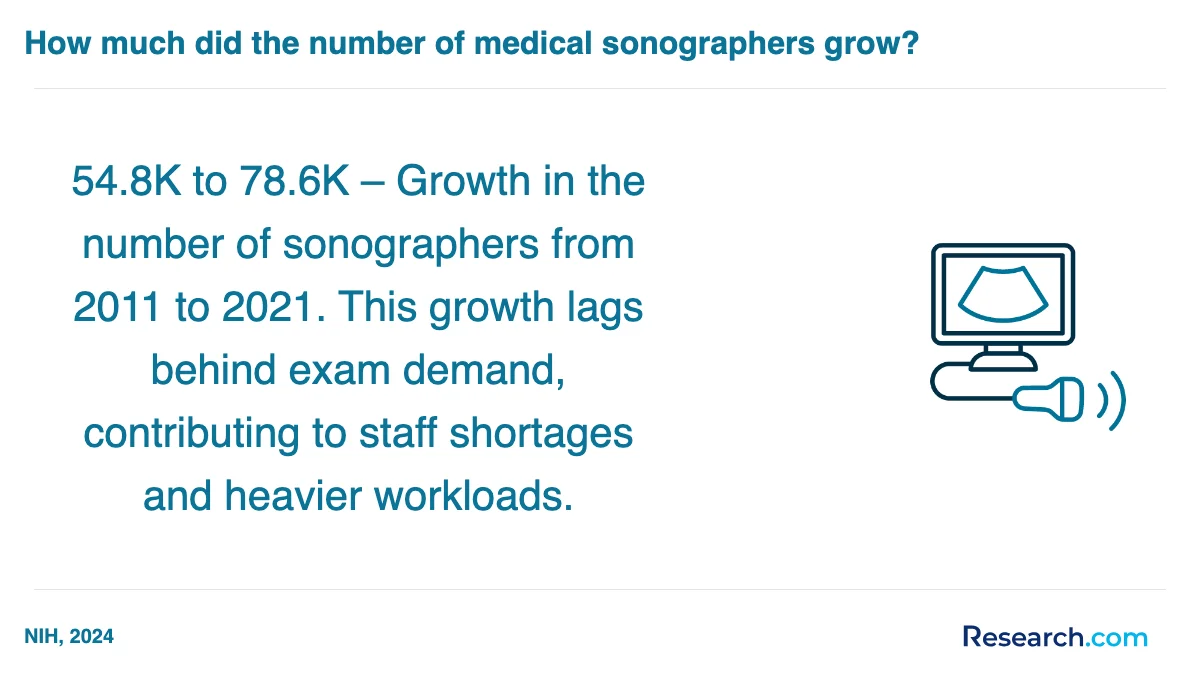
Students pursuing medical sonographer trade school programs in New Mexico often find vital financial aid through federal grants like the Federal Pell Grant, which can provide up to $6,895 for those with significant financial need. Graduates from schools such as Central New Mexico Community College (CNM) recall how this support eased their worries about tuition and living expenses, allowing them to focus deeply on their training.
State-level aid also plays a key role, with the New Mexico Higher Education Department offering scholarships and grants designed specifically for residents. Many students appreciate how this local support feels tailored to their unique circumstances, reinforcing a sense of community investment in their success.
At CNM, learners benefit from flexible payment plans and scholarships like the Society of Diagnostic Medical Sonography Foundation award, which graduates highlight as a meaningful boost during challenging financial times.
Additionally, the Allied Health Loan-For-Service Program offers a distinctive path: students who commit to working in designated shortage areas can have their loans forgiven, a promise that motivates many aspiring sonographers to serve their communities while advancing their careers.
Enrolling in a medical sonographer trade school program in New Mexico often begins with meeting clear but attainable prerequisites that set the foundation for success. Many graduates from popular trade schools in Albuquerque and Santa Fe recall that having a solid background in sciences like biology and physics was essential. These prerequisites ensure you're prepared for the technical and patient-focused nature of sonography.
Common requirements include:
- High school diploma or GED completion
- Basic coursework in anatomy, physiology, and medical terminology
- Proof of immunizations and health screenings
- Sometimes, a background check or drug screening
One graduate shared how completing prerequisite classes at a local community college gave them confidence going into hands-on learning at their trade school. Another emphasized the importance of time management skills developed during prerequisite studies, which made the transition to rigorous clinical training smoother. These steps, though challenging, create a rewarding path toward becoming a skilled sonographer in New Mexico's healthcare community.
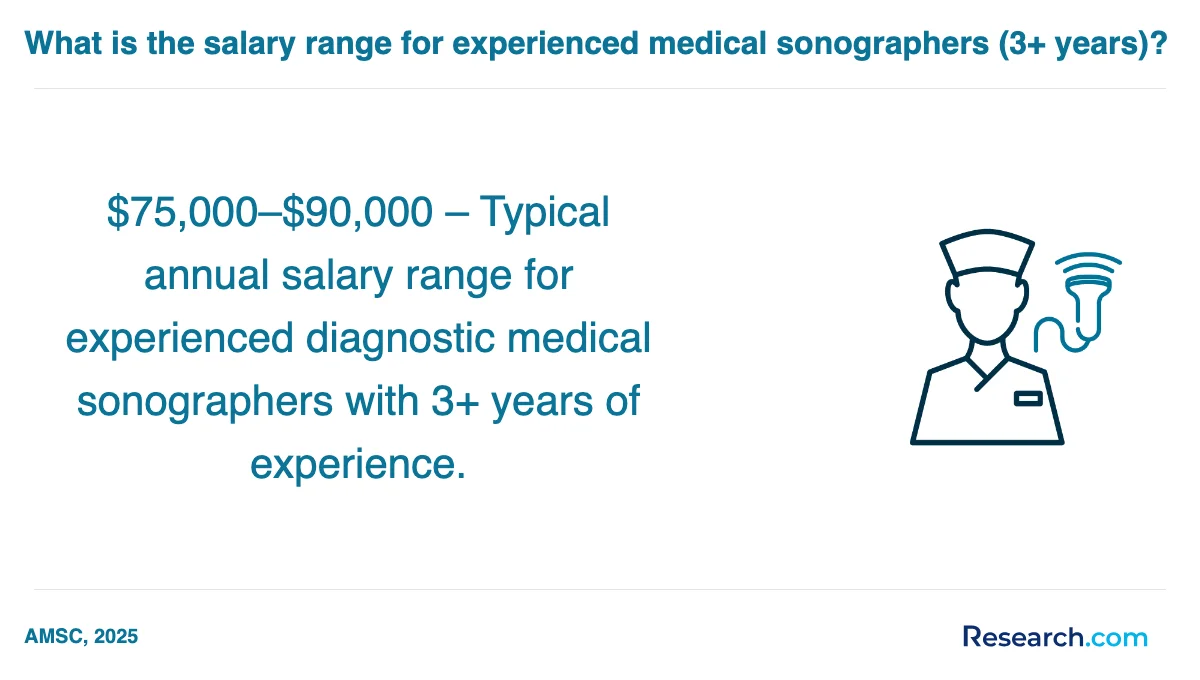
Medical sonographer trade school programs in New Mexico typically include a carefully structured mix of courses that prepare students for real-world diagnostic roles. Graduates from institutions like Doña Ana Community College and Central New Mexico Community College often recall beginning with foundational classes such as anatomy and physiology, which deepen their understanding of the human body's organ systems-an essential base for any sonographer.
Students then progress to learning medical terminology, which helps them confidently communicate within healthcare teams and with patients. Another critical component is mastering ultrasound physics and instrumentation, where they learn how to operate ultrasound machines and optimize image quality, skills that often spark a sense of accomplishment during hands-on labs.
Specialized courses focus on practical sonography areas including:
- Abdominal ultrasound
- Obstetric and gynecological (OB-GYN) sonography
- Pediatric sonography and vascular technology (offered in some programs)
These classes train students to identify normal versus abnormal images, an experience many graduates describe as empowering when they first recognize pathologies confidently. Lab practice using live volunteers and clinical rotations at local New Mexico medical facilities are highlights that bring theory to life, fostering both technical skill and compassionate patient care.
Medical sonographer trade school programs in New Mexico offer a variety of specializations that prepare students to excel in diagnostic imaging careers. Graduates from Central New Mexico Community College, for example, often recall the rewarding challenge of their Cardiovascular Sonography program, which blends classroom theory with real-world clinical experiences to prepare them for heart and vascular imaging roles.
Similarly, Doña Ana Community College offers a robust Diagnostic Medical Sonography track that covers abdominal, obstetric, and gynecologic sonography, alongside pediatric and vascular technology. Graduates frequently emphasize how the clinical internships in diverse New Mexico locations brought their learning to life, enhancing both their confidence and skills.
Students appreciate the option to pursue a Certificate in Vascular Sonography to deepen their expertise within vascular diagnostics. These specializations enable graduates to approach certification confidently and enter the workforce ready to make a difference.
In New Mexico, medical sonographer trade school programs offer various specializations to equip students with comprehensive skills in diagnostic imaging.
- Cardiovascular Sonography: Imaging of the heart and vascular systems, offered at CNM.
- Diagnostic Medical Sonography: Covers areas like abdominal, obstetric, gynecologic, pediatric, and vascular imaging, as offered by DACC.
- Certificate in Vascular Sonography: Specialized vascular imaging knowledge available alongside primary studies.
Many students find that these programs provide the comprehensive coursework and hands-on training needed to prepare for national board exams in areas including abdomen, obstetrics and gynecology, and breast sonography, as emphasized by graduates from both CNM and DACC. For those contemplating their future, understanding what is the highest paying job in the medical field can be a motivating factor to thrive in these demanding yet fulfilling specializations.
Choosing the best accredited sonography programs in New Mexico means focusing on schools with strong accreditation like those recognized by the Commission on Accreditation of Allied Health Education Programs (CAAHEP). Graduates from community colleges such as Doña Ana Community College often share how their hands-on clinical rotations in places like Las Cruces and Alamogordo helped them feel confident and prepared for real-world sonography work. These immersive experiences under registered sonographers are invaluable and shape a student's professional growth.
Knowing how to compare medical sonography schools in New Mexico involves looking beyond just curriculum and considering admissions criteria, student support, and licensing preparation. Many students appreciate programs offering tailored tracks, from certificates to associate degrees, fitting different backgrounds. Also, programs fostering inclusive environments and mentoring can turn challenges into motivation, making the learning journey more rewarding. For those serious about a career in this field, exploring comprehensive education for ultrasound technician opportunities within New Mexico schools is a practical next step.

Graduates of medical sonographer trade school programs in New Mexico find themselves stepping into a broad spectrum of fulfilling career opportunities. Many secure diagnostic medical sonographer jobs New Mexico hospitals, outpatient clinics, and diagnostic imaging centers, where they perform critical ultrasound examinations and work closely with physicians to support patient care. These roles bring a deep sense of purpose, as graduates witness firsthand how their skills impact lives daily.
Besides clinical practice, graduates often explore diverse career paths, including:
- Ultrasound technologists specializing in abdominal, vascular, or cardiac imaging
- OB/GYN sonographers who provide prenatal care insights
- Travel sonographers taking temporary assignments with flexible schedules and competitive pay
- Advanced roles in pediatric or musculoskeletal sonography through additional certifications
New Mexico's popular trade schools prepare students to pursue list of careers in radiology, with many graduates advancing into management, education, or product development within the medical imaging field. Those seeking further growth find opportunities as instructors or clinical coordinators, blending technical expertise with leadership. The steady demand across urban and rural areas ensures that career opportunities for medical sonographers in New Mexico remain promising and rewarding.
Graduates of medical sonographer trade schools in New Mexico step into a job market that, while competitive, offers rewarding opportunities and promising salary potential. Many graduates from popular trade schools share stories of swiftly securing positions in hospitals, outpatient clinics, and imaging centers in urban hubs like Albuquerque and Santa Fe, as well as more rural areas. The job market for medical sonographer trade school graduates in New Mexico is marked by steady demand, with opportunities ranging from general ultrasound technician roles to specialized fields like echocardiography and mammography.
Several factors make this a hopeful scenario for recent graduates:
- Mean annual wages near $78,520, with experienced sonographers earning up to almost $100,000 annually.
- Employers offering benefits such as sign-on bonuses, relocation assistance, and shift differentials.
- Projected job growth of 25% by 2030, fueled by expanding healthcare access across the state.
Reflecting on the sonographer employment opportunities New Mexico provides, many graduates highlight how accredited training helped them meet employer qualifications and gave them flexibility in choosing work locations. For students exploring training, it's helpful to consult universities with ultrasound technician programs to find the best fit for their goals.
Best Diagnostic Medical Sonographer Training Programs & Trade Schools - Top Sonography Schools in New Mexico for 2026
# 1 position
Central New Mexico Community College - Diagnostic Medical Sonography/Sonographer and Ultrasound Technician.
associateCentral New Mexico Community College offers a hybrid Diagnostic Medical Sonography/Sonographer and Ultrasound Technician program that trains students to use medical ultrasound techniques for diagnostic purposes. The program includes instruction in patient care, sonographic data processing, and professional ethics. Annual in-state tuition is $1,934. Graduates earn a median salary of $57,486 one year after completion. The program is accredited by the Higher Learning Commission.
# 2 position
New Mexico State University-Dona Ana - Diagnostic Medical Sonography/Sonographer and Ultrasound Technician.
associateNew Mexico State University-Dona Ana offers a hybrid Diagnostic Medical Sonography/Sonographer and Ultrasound Technician program. It prepares students to use medical ultrasound techniques for diagnosing various conditions, including patient care and sonographic data processing. The program is accredited by the Higher Learning Commission. Annual in-state tuition is $2,322. Graduates earn a median income of $56,196 one year after completion, reflecting strong career prospects in this field.
# 3 position
New Mexico State University-Dona Ana - Diagnostic Medical Sonography/Sonographer and Ultrasound Technician.
certificate or diplomaNew Mexico State University-Dona Ana offers a hybrid Diagnostic Medical Sonography/Sonographer and Ultrasound Technician program that trains students to use medical ultrasound techniques for diagnosing conditions. The curriculum includes patient history review, sonographic data processing, and professional ethics. Annual in-state tuition is $2,322. Graduates earn a median salary of $56,196 one year after completion. The program is accredited by the Higher Learning Commission.
Frequently Asked Questions about medical sonographer
After completing a medical sonographer trade school in New Mexico, preparing for the job market involves several key steps. Graduates should prioritize obtaining certification through the American Registry for Diagnostic Medical Sonography (ARDMS), as many employers require it. This credential validates skills and increases employability.
Networking with local healthcare facilities and attending job fairs can help graduates connect with potential employers. According to the U.S. Bureau of Labor Statistics, sonographer employment in New Mexico is expected to grow about 14% through 2032, indicating strong demand. Additionally, gaining experience through internships or clinical rotations during training enhances practical skills.
Finally, preparing a professional resume highlighting technical skills and certifications is essential for securing interviews in this competitive market.
Employers in New Mexico seek medical sonographer graduates with a strong foundation in technical skills, including proficiency in operating ultrasound equipment and understanding anatomy. According to the U.S. Bureau of Labor Statistics, attention to detail and the ability to produce accurate diagnostic images are critical. Communication skills are also highly valued, as sonographers must explain procedures clearly to patients and collaborate with healthcare teams.
Additionally, employers prioritize graduates familiar with safety protocols and patient care standards specific to New Mexico's healthcare environment. Critical thinking and adaptability are essential due to the variety of cases sonographers encounter daily. These skills increase employability in hospitals and diagnostic centers across the state.
To find internships relevant to medical sonographer trade school programs in New Mexico, start by contacting the career services departments of local schools offering diagnostic medical sonography training. Many programs have established partnerships with hospitals, clinics, and imaging centers across the state.
The New Mexico Society of Radiologic Technologists (NMSRT) can be a valuable resource for internship opportunities and professional networking. Additionally, check listings on the American Registry for Diagnostic Medical Sonography (ARDMS) website, which sometimes posts clinical training sites.
Hospitals in Albuquerque, Santa Fe, and Las Cruces are common locations for sonography internships. According to the New Mexico Department of Workforce Solutions, healthcare internships in diagnostic imaging fields have increased by 8% over the past three years, reflecting growing demand for trained sonographers.
Obtaining a medical sonographer diploma from a trade school in New Mexico can significantly enhance career mobility and advancement opportunities. The diploma provides essential hands-on training and technical skills required for entry-level positions in diagnostic medical sonography. According to the U.S. Bureau of Labor Statistics, New Mexico's employment of diagnostic medical sonographers is projected to grow by 17% from 2022 to 2032, faster than the national average.
Graduates with a diploma often qualify for certification exams, such as those offered by the American Registry for Diagnostic Medical Sonography (ARDMS). Certification improves job prospects and can lead to higher salaries and leadership roles within healthcare facilities. Local healthcare providers increasingly prefer candidates with formal diplomas, boosting graduates' chances of employment and promotion.
Students enrolled in medical sonographer trade schools in New Mexico can benefit from part-time jobs that enhance their clinical skills and knowledge. Common opportunities include working as ultrasound technician assistants or medical imaging aides in hospitals or outpatient clinics. These roles provide hands-on experience with equipment and patient interaction, essential for future certification.
Additionally, positions in medical offices or diagnostic labs involving patient scheduling and record management can strengthen administrative skills relevant to sonography practices.
According to the U.S. Bureau of Labor Statistics, New Mexico's employment of diagnostic medical sonographers is expected to grow by 18% from 2020 to 2030, indicating strong demand for qualified professionals who gain practical experience early.
To find the best medical sonographer degree program near me in New Mexico, you can start by researching local community colleges and universities that offer accredited diagnostic medical sonography programs. Programs may vary in terms of duration and specialties, but it's important to ensure that they meet the standards set by the Commission on Accreditation of Allied Health Education Programs (CAAHEP). Research.com can be a helpful resource when comparing programs near New Mexico to find those that align with career goals and certification requirements.
- Best Diagnostic Medical Sonographer Training Programs & Trade Schools - Top Sonography Schools in Arizona for 2026
- Best Diagnostic Medical Sonographer Training Programs & Trade Schools - Top Sonography Schools in Colorado for 2026
- Best Diagnostic Medical Sonographer Training Programs & Trade Schools - Top Sonography Schools in Texas for 2026
- Best Diagnostic Medical Sonographer Training Programs & Trade Schools - Top Sonography Schools in Oklahoma for 2026
- Best Diagnostic Medical Sonographer Training Programs & Trade Schools - Top Sonography Schools in Kansas for 2026
- Best Diagnostic Medical Sonographer Training Programs & Trade Schools - Top Sonography Schools in Nebraska for 2026
- Best Diagnostic Medical Sonographer Training Programs & Trade Schools - Top Sonography Schools in Missouri for 2026
- Best Diagnostic Medical Sonographer Training Programs & Trade Schools - Top Sonography Schools in Louisiana for 2026
- Best Diagnostic Medical Sonographer Training Programs & Trade Schools - Top Sonography Schools in Iowa for 2026
- Best Diagnostic Medical Sonographer Training Programs & Trade Schools - Top Sonography Schools in Minnesota for 2026
- Diagnostic Medical Sonography Program at CNM https://www.cnm.edu/programs/programs-a-z/diagnostic-medical-sonography
- Diagnostic Medical Sonography | New Mexico State University Academic Catalog https://catalogs.nmsu.edu/dona-ana/academic-career-programs/diagnostic-medical-sonography/
- Diagnostic Medical Sonography Associate Degree Program https://pmi.edu/on-campus-programs/associate/diagnostic-medical-sonography/
- How to Become a Medical Sonographer in New Mexico (2024) | Dreambound https://dreambound.com/blog/how-to-become-a-medical-sonographer-in-new-mexico
- Diagnostic Medical Sonography Associate Degree - Blended https://chartercollege.edu/programs/health-care/diagnostic-medical-sonography-aas/
- Diagnostic Medical Sonography https://dacc.nmsu.edu/academics/programs/diagnostic-medical-sonography/index.html
- Find Accredited Ultrasound Technician Schools in New Mexico https://www.ultrasoundschoolsinfo.com/new-mexico/
- How to Become an Ultrasound Technician in New Mexico https://www.healthjob.org/guide/how-to-become-an-ultrasound-technician-in-new-mexico
- Sonography Technician Schools In New Mexico (NM) https://www.sonographytechnicianschools.com/new-mexico.html
- How To Become a Diagnostic Medical Sonographer | Concorde Career Colleges https://www.concorde.edu/blog/how-become-diagnostic-medical-sonographer