Best Diagnostic Medical Sonographer Training Programs & Trade Schools - Top Sonography Schools in Kansas for 2026

Co-Founder and Chief Data Scientist
Choosing the right medical sonographer trade school in Kansas can shape your future career and open doors to rewarding opportunities. This article presents a carefully crafted ranking of medical sonographer trade school programs created by the Research.com team of data scientists to guide you in making an informed decision.
By exploring these top programs, you’ll discover valuable options that align with your goals and aspirations. Earning a diploma or certification in this field can lead to a fulfilling and stable profession helping others every day.
Key benefits of finishing medical sonographer trade school in Kansas
- Graduates can expect a competitive salary, with average annual earnings around $96,699 and hourly wages close to $36.15, offering strong financial stability early in their careers.
- Career paths include diagnostic, vascular, and research sonography, giving graduates exciting opportunities to specialize and advance in various medical settings.
- Completing a medical sonographer trade school online offers flexibility and convenience, helping students balance education with personal commitments while gaining valuable skills for the job market.
- Best Diagnostic Medical Sonographer Training Programs & Trade Schools - Top Sonography Schools in Kansas for 2026
- What can I expect from medical sonographer trade schools in Kansas?
- Where can I work after finishing medical sonographer trade schools in Kansas?
What can I expect from medical sonographer trade schools in Kansas?
Students entering a medical sonographer trade school program in Kansas can expect a rigorous blend of online coursework and hands-on clinical experience. Programs typically require applicants to have completed 50-60 college credits or hold an associate degree, ensuring readiness for specialized anatomy and physiology studies. Graduates from schools like Labette Community College and the University of Kansas Medical Center describe a structured schedule spanning 14 to 21 months, balancing virtual lectures with in-person rotations.
Clinical training is a highlight for many; students rotate through hospitals and outpatient clinics, working alongside registered sonographers in specialties such as abdominal, cardiac, and vascular ultrasound. This immersive experience builds confidence and practical skills, making the transition to employment smoother. Faculty expertise is often praised, with instructors providing personalized guidance and preparing students for the ARDMS certification exam.
Overall, students feel well-supported and optimistic, appreciating the program's design that combines flexibility with essential, real-world exposure in Kansas's healthcare settings.
Where can I work after finishing medical sonographer trade schools in Kansas?
Graduates from Kansas medical sonographer trade schools often find employment across diverse healthcare settings statewide. Many secure roles as diagnostic medical sonographers or ultrasound technologists in hospitals located in cities like Overland Park, Hays, and Lawrence, where they perform critical imaging procedures that support patient diagnosis and care. These positions range from full-time hospital roles to part-time or travel contracts, offering flexibility and exposure to specialties such as obstetrics, vascular, or cardiac sonography.
Outpatient clinics and specialized imaging centers also hire graduates, providing day-time schedules and close patient interaction, which many find rewarding after hands-on training at Kansas trade schools. Some graduates work in fertility or perinatal clinics, leveraging advanced ultrasound technology to assist unique patient groups.
Staffing agencies present another career path, placing sonographers in temporary assignments across Kansas. This option often comes with higher pay and varied work environments, appealing to those who enjoy diverse experiences. Certification from the American Registry for Diagnostic Medical Sonography (ARDMS), emphasized in trade school curricula, remains essential for all these opportunities.
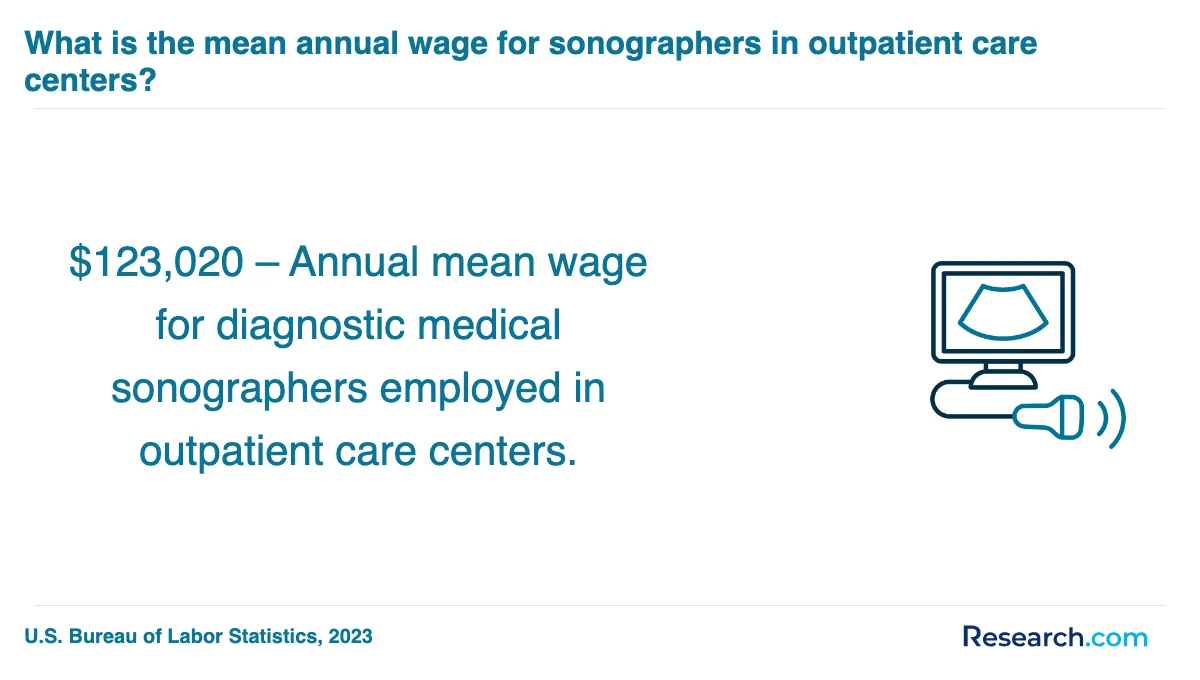
Graduates from medical sonographer trade school programs in Kansas typically start with an annual salary around $64,000, according to recent data, making it a strong choice for those seeking a stable and rewarding healthcare career. For example, graduates from popular Kansas trade schools often share how they quickly secured positions in regional hospitals or diagnostic centers, earning competitive wages close to the state's average of $85,870 per year or about $41.28 per hour.
With experience, many see their salaries rise significantly, with top professionals earning up to $105,530 annually. Some graduates express excitement about advancing into specialized roles like vascular or cardiac sonography, which can push earnings even higher. Certification from the American Registry for Diagnostic Medical Sonography (ARDMS) is frequently cited by students as a key factor that boosted their job prospects and pay.
In urban areas like Wichita or Kansas City, salaries tend to be more competitive, reflecting the demand and complexity of the work. Many graduates appreciate how the program's practical training prepared them to confidently enter these dynamic healthcare environments.
- Applicants generally need an Associate's or Bachelor's degree in healthcare or science, or relevant patient care experience like CNA or EKG Technician roles.
- Required coursework includes college algebra, anatomy & physiology, medical terminology, English or communications, and physics, all with a minimum grade of "C".
- A minimum cumulative GPA of 2.5 on a 4.0 scale is required, and some programs require observation hours, such as 16 hours at Saint Luke's School of Diagnostic Medical Sonography.
- Programs typically last 18 to 21 months and cost between $6,000 and $15,000, varying by institution and residency status.
- Starting salaries for sonographers in Kansas range from $55,000 to $65,000 per year, with experienced professionals earning $75,000 to $90,000 annually.
In Kansas, completing a medical sonographer trade school program typically takes between 18 and 24 months. Graduates from popular trade schools in the state often highlight how this timeframe balances intensive hands-on training with classroom learning, enabling them to gain confidence quickly. For instance, many students share that within the first year, they are already practicing essential ultrasound techniques under supervision, which makes the learning process feel practical and engaging.
One graduate from a well-known Kansas trade school recalled how the structured schedule allowed them to manage work and study efficiently, completing the program in just under two years. This relatively short duration compared to traditional four-year degrees is a major motivator for those eager to enter the workforce sooner while still receiving comprehensive education.
The focused curriculum in Kansas's trade schools also means students experience clinical rotations in local hospitals by the second semester, reinforcing their skills in real-world environments. This hands-on exposure enhances enthusiasm and readiness, making the program's timeframe feel both manageable and rewarding.
The primary difference between online and on-campus medical sonographer trade school programs in Kansas centers on how coursework and clinical training are delivered. Online programs, like those at Labette Community College and Washburn University, allow students to complete theoretical lessons remotely, offering flexibility for those balancing work or living in rural areas. Graduates often describe the convenience of studying from home while still gaining hands-on experience through required clinical rotations at local healthcare facilities.
On-campus programs, such as those at the University of Kansas Medical Center and Saint Luke's School of Diagnostic Medical Sonography, involve in-person classes that foster immediate interaction with instructors and peers. Students appreciate the direct access to campus resources and the immersive learning environment. Clinical training is integrated through partnerships with nearby hospitals, providing diverse real-world experiences.
Both formats maintain rigorous accreditation standards and emphasize supervised clinical rotations, ensuring students are well-prepared for ARDMS certification. This approach resonates with graduates who value both flexibility and quality in their training journey.
The average tuition for sonography programs in Kansas varies significantly depending on the institution and program type, but many trade school options provide accessible pathways. Graduates of Johnson County Community College, a popular trade school, report satisfaction with the associate degree program priced around $8,000 for in-state students. This cost includes quality clinical training, allowing students to gain real-world experience without the expense of a four-year degree. Such affordability makes it easier for many to enter the workforce quickly while feeling confident in their skills.
In contrast, programs like those at the University of Kansas Medical Center, although more comprehensive in scope and duration, come with a higher price tag; the Diagnostic Ultrasound and Vascular Technology Certificate Program costs Kansas residents approximately $28,195, including tuition and fees. Graduates from these longer programs often highlight the value of advanced training in broadening their career opportunities, especially in specialized fields, despite the larger financial investment.
Prospective students focused on cost of ultrasound technician training in Kansas should consider financial aid options available at these institutions. Many students share positive experiences about scholarships and grants that helped ease their financial burden, enhancing their academic journey. For those uncertain about which path to pursue, researching what's the easiest healthcare degree can provide helpful guidance tailored to individual circumstances.
Students pursuing medical sonographer trade school programs in Kansas commonly access federal financial aid like the Federal Pell Grant, which provided up to $6,895 for the 2022-2023 academic year. Graduates from schools such as the University of Kansas Medical Center often highlight how this aid made managing tuition feasible, easing financial stress during their studies.
State-specific options include the Kansas Comprehensive Grant, supporting full-time Kansas residents with financial need, which many sonography students at local trade schools have successfully utilized. High-achieving graduates also report benefiting from the Kansas State Scholarship, especially those recognized as state scholars.
Scholarships like the SDMS Foundation Sonography Student Scholarship offer targeted assistance based on need and academic performance. Some Kansas institutions extend additional funding or tuition discounts; for instance, Missouri residents in border counties can receive in-state tuition rates at the University of Kansas Medical Center's sonography certificate programs.
Students should anticipate additional costs such as ARDMS licensing exam fees, typically $250 to $275, which require out-of-pocket payment despite financial aid. Completing the FAFSA remains crucial for unlocking these aid opportunities, as emphasized by financial aid advisors across Kansas trade schools.
Enrolling in a medical sonographer trade school program in Kansas typically requires meeting several key prerequisites designed to ensure student success and readiness for this specialized healthcare field. Most programs expect applicants to have a high school diploma or GED, which serves as the foundational educational requirement.
Applicants often must complete prerequisite courses in subjects like anatomy, physiology, and basic algebra. For example, students at well-regarded Kansas trade schools report that having a solid background in these areas helped them grasp the technical sonography concepts more easily.
Other common prerequisites include:
- Passing a background check and drug screening, reflecting the healthcare environment's standards
- Demonstrating proficiency in English, both written and verbal, to communicate effectively in clinical settings
- Providing immunization records and a current CPR certification
Graduates from Kansas programs highlight the importance of these requirements in preparing them for hands-on training and clinical rotations. They often recall initial anxiety about meeting these standards but emphasize the confidence gained once prerequisites were fulfilled, enabling a smoother transition into their sonography careers.
Medical sonographer trade school programs in Kansas include a combination of didactic and clinical coursework designed to build both theoretical knowledge and practical skills. Graduates from programs like those at Fort Hays State University and Labette Community College describe how this approach helps them confidently operate ultrasound equipment and interact with patients.
Typical core courses include:
- Sonography Principles and Instrumentation: Understanding ultrasound physics and machine operation is essential, as students learn how sound waves create diagnostic images.
- Abdominal Sonography: This course focuses on abdominal organs, preparing students for general imaging roles encountered daily in clinics.
- Obstetric and Gynecological Sonography: Many students find this course rewarding as it involves imaging for pregnancy and women's health, offering a meaningful connection to patient care.
- Vascular Technology: Learning to assess blood flow and identify vascular conditions equips students with specialized skills highly valued in clinical settings.
- Medical Ethics and Patient Care: Emphasizing communication and safety, this course ensures students are ready to handle real-world patient interactions professionally.
Students report that programs combining classroom theory with extensive clinical rotations-such as the 14-month Labette Community College program-make their learning experience practical and engaging. Clinical hours under the supervision of registered sonographers provide hands-on exposure, helping students transition smoothly into their careers in Kansas's growing healthcare market.
Medical sonographer trade school programs in Kansas typically offer specializations that align closely with the needs of the healthcare sector. Key Kansas medical sonography specialization options include abdominal sonography, obstetrics and gynecology (OB/GYN) sonography, vascular ultrasound, and cardiovascular sonography. These areas equip students to handle real-world scenarios such as diagnosing liver conditions, monitoring pregnancies, evaluating blood flow, or assessing heart health.
Graduates from the University of Kansas Medical Center highlight the value of its 21-month certificate, which integrates abdominal, OB/GYN, and vascular sonography, paired with hands-on clinical rotations at prominent facilities like Children's Mercy Hospital. Similarly, students from Washburn University appreciate the blend of online coursework and practical training focused on vascular and cardiac sonography, preparing them for highly regarded certifications.
Saint Luke's School and Concorde Career College also emphasize practical experience, where students often describe their clinical hours as transformative for confidence and skill-building. These diverse Diagnostic medical sonography programs Kansas foster strong readiness for workplace challenges.
The increasing availability of sonography programs online accredited ensures flexibility for those balancing studies with other commitments.
Choosing among the best medical sonographer programs in Kansas requires careful evaluation of accreditation, program structure, and clinical training opportunities. Graduates from Fort Hays State University often emphasize the value of strong accreditation and affordable tuition, which lead to high certification exam pass rates and career readiness. Similarly, students at Washburn University benefit from online specialization options in General, Cardiac, and Vascular sonography, allowing flexible study while gaining hands-on skills through clinical rotations.
Graduates from the University of Kansas Medical Center highlight the importance of extensive clinical internships embedded in their 18-month certificate program, which directly facilitate employment. When assessing top sonography schools in Kansas, consider these practical components alongside program outcomes like job placement rates. Financial factors are also crucial; Fort Hays State's competitive net price aligns well with strong early-career salary prospects.
Prospective students can better understand how long to become a sonographer by reviewing detailed program timelines and clinical hour requirements offered by these institutions. Selecting a program that integrates rigorous training with accessible education fosters confidence and success in this vital healthcare field.
Graduates of medical sonographer trade school programs in Kansas find diverse career paths aligned with strong local demand. Most enter diagnostic medical sonographer jobs Kansas, working in hospitals, outpatient clinics, and physician offices. Graduates from well-known trade schools in the state often secure roles in major healthcare systems such as The University of Kansas Health System or Children's Mercy Hospital, where they apply skills in radiology, obstetrics, or vascular imaging.
Career flexibility appeals to many graduates, who choose full- or part-time roles with schedules supporting work-life balance. Experienced sonographers often move into education or technical specialist positions, training new students or consulting for medical imaging companies. Some elect to become sales representatives or advisers for ultrasound equipment firms, expanding their professional reach.
Specialization enhances opportunities, with pathways into abdominal, cardiac, vascular, or obstetric sonography providing career growth. Kansas graduates cite competitive salaries and excellent job placement from trade schools as major benefits. Those interested in accelerating their training can explore a fast track sonography program to enter the workforce sooner.
The medical sonographer job outlook in Kansas shows a moderately competitive but steady market with about 86 positions advertised as of June 2025 across hospitals, clinics, and specialty labs such as perinatology and vascular practices. Graduates from Kansas trade schools often find roles in various settings, from full-time hospital jobs to flexible PRN roles at major health systems like the University of Kansas Health System, allowing new sonographers to build experience and advance.
Salary prospects are encouraging yet reflect the state's overall ranking-50th nationally for sonographer wages. The diagnostic medical sonographer salary Kansas averages $47.20 hourly or nearly $98,169 annually, with weekly pay typically ranging from $1,388 to $2,350 based on experience and location. Contract and travel sonographers can earn up to $2,546 weekly, though still below national averages. Positive reports from graduates who chose Kansas trade schools highlight the value of persistence and flexibility to navigate this job market effectively.
- Positions span hospitals, specialty clinics, and contract roles
- Entry opportunities through part-time and PRN jobs
- Salary growth tied to experience, specialization, and location
For those investing in training, understanding these dynamics alongside exploring roles with travel or contract flexibility could maximize earnings and career satisfaction. Kansas-based students considering sonography programs appreciate this realistic view paired with opportunities from local hospitals and practices. While salaries may not top national charts, graduates emphasize the rewarding nature of the career, tied to patient care and technological skill.
Some graduates compare these roles thoughtfully within the broader scope of medical careers and often consult resources identifying the highest paid job in medical field to plan long-term goals. This insight helps frame sonography as a solid, specialized option grounded in Kansas's healthcare environment.
Best Diagnostic Medical Sonographer Training Programs & Trade Schools - Top Sonography Schools in Kansas for 2026
# 1 position
Neosho County Community College - Diagnostic Medical Sonography/Sonographer and Ultrasound Technician.
associateNeosho County Community College offers a Hybrid Diagnostic Medical Sonography/Sonographer and Ultrasound Technician program that trains students to perform medical ultrasound techniques under physician supervision. The curriculum covers patient care, sonographic data collection, and equipment operation, emphasizing professional ethics. The program's annual in-state tuition is $5,644 and it is accredited by the Higher Learning Commission.
# 2 position
Washburn University - Diagnostic Medical Sonography/Sonographer and Ultrasound Technician.
certificate or diplomaThe Diagnostic Medical Sonography/Sonographer and Ultrasound Technician program at Washburn University prepares students to use ultrasound techniques under physician supervision to diagnose various conditions. Instruction covers patient history, care, sonographic data gathering, equipment operation, and professional ethics. The program’s annual in-state tuition is $9,578. Graduates have median earnings of $59,779 one year after completion. The program is accredited by the Higher Learning Commission.
# 3 position
Labette Community College - Diagnostic Medical Sonography/Sonographer and Ultrasound Technician.
certificate or diplomaLabette Community College offers a Diagnostic Medical Sonography/Sonographer and Ultrasound Technician program with a hybrid format that includes some distance education. The program trains students to use medical ultrasound technology to collect sonographic data for diagnosing various conditions. Instruction covers patient care, data integration, equipment operation, and professional ethics. Annual in-state tuition is $3,968. The program is accredited by the Higher Learning Commission.
# 4 position
University of Kansas - Diagnostic Medical Sonography/Sonographer and Ultrasound Technician.
certificate or diplomaThe University of Kansas offers a Diagnostic Medical Sonography/Sonographer and Ultrasound Technician program with a hybrid format, including some distance education. This program trains students to use medical ultrasound techniques under physician supervision to diagnose various conditions. Instruction covers patient history, care, sonographic data processing, and equipment operation, emphasizing professional standards and ethics. Annual in-state tuition is $11,700. The program is accredited by the Higher Learning Commission.
Frequently Asked Questions about medical sonographer
After completing a medical sonographer trade school in Kansas, it is essential to focus on certification to enhance job prospects. The American Registry for Diagnostic Medical Sonography (ARDMS) credential is widely recognized and often required by employers. Kansas healthcare employers value candidates with ARDMS certification, improving chances of employment in hospitals and clinics.
Networking through clinical internships and local professional groups like the Kansas Society of Radiologic Technologists can provide valuable job leads. According to the U.S. Bureau of Labor Statistics, Kansas expects sonography jobs to grow by 14% through 2032, higher than the national average.
Continuing education and staying updated with evolving ultrasound technologies also support career advancement in this field.
Employers seeking medical sonographer graduates in Kansas prioritize strong technical skills and clinical proficiency. Graduates must be adept at operating ultrasound equipment and interpreting images accurately, ensuring patient safety and diagnostic quality. According to the Kansas Department of Labor, attention to detail and critical thinking are essential for success in this field.
Communication skills also rank highly, as sonographers frequently interact with patients and healthcare teams. Being able to explain procedures clearly and show empathy improves patient experience. Furthermore, knowledge of anatomy, physiology, and medical terminology is fundamental.
Finally, employers value graduates who demonstrate professionalism and adaptability in fast-paced medical environments.
Finding internships in Kansas related to medical sonographer trade school programs involves a few key steps. First, students should contact their school's career services or clinical education office, as many programs partner with local hospitals and clinics for clinical rotations. The Kansas Board of Healing Arts also provides guidance on accredited sonography programs and affiliated clinical sites. Additionally, exploring opportunities at major healthcare providers such as Wesley Medical Center or Stormont Vail Health can be beneficial. According to the American Registry for Diagnostic Medical Sonography, accredited programs typically require a set number of clinical hours, often fulfilled through internships. Networking with professionals through local chapters of the Society of Diagnostic Medical Sonography may also open doors.
Obtaining a medical sonographer trade school diploma in Kansas significantly enhances career mobility and advancement opportunities. The Kansas Department of Labor reports that sonography employment is projected to grow faster than average, with a 14% increase expected through 2030. A diploma provides foundational skills needed for entry-level roles, facilitating quicker employment compared to traditional degrees.
Employers in Kansas often prefer candidates with accredited diplomas, as these programs emphasize hands-on training and certification preparation. Certification from bodies like the American Registry for Diagnostic Medical Sonography (ARDMS) is commonly required for advancement.
Additionally, a diploma can serve as a stepping stone toward further education, allowing professionals to pursue specialized certifications and higher-paying positions. According to the Bureau of Labor Statistics, median wages for sonographers in Kansas exceed $65,000, with diploma holders showing strong potential for growth.
In Kansas, part-time job opportunities that complement medical sonographer trade school education often include roles such as medical assistants, patient care technicians, and ultrasound technician aides. These positions provide practical experience with patient interaction and medical imaging equipment, which can enhance technical skills. According to the U.S. Bureau of Labor Statistics, Kansas is expected to see a 12% growth in diagnostic medical sonography jobs through 2031, indicating a healthy job market.
Working part-time in healthcare settings like hospitals or outpatient clinics allows students to apply classroom knowledge in real-world environments. Additionally, roles in medical records or radiology departments can improve understanding of healthcare workflows.
To find the best Medical Sonographer degree program near you, consider researching various programs offered by universities near Kansas and consult resources such as Research.com for rankings and reviews. Focus on institutions with strong reputations for medical imaging education, and gather information on their program curriculum, clinical training opportunities, and graduate success rates. In addition, visiting the campuses near me to explore facilities and meeting with admission advisors can also be beneficial in making an informed decision.
- Best Diagnostic Medical Sonographer Training Programs & Trade Schools - Top Sonography Schools in Nebraska for 2026
- Best Diagnostic Medical Sonographer Training Programs & Trade Schools - Top Sonography Schools in Oklahoma for 2026
- Best Diagnostic Medical Sonographer Training Programs & Trade Schools - Top Sonography Schools in Missouri for 2026
- Best Diagnostic Medical Sonographer Training Programs & Trade Schools - Top Sonography Schools in Colorado for 2026
- Best Diagnostic Medical Sonographer Training Programs & Trade Schools - Top Sonography Schools in Iowa for 2026
- Best Diagnostic Medical Sonographer Training Programs & Trade Schools - Top Sonography Schools in Texas for 2026
- Best Diagnostic Medical Sonographer Training Programs & Trade Schools - Top Sonography Schools in Minnesota for 2026
- Best Diagnostic Medical Sonographer Training Programs & Trade Schools - Top Sonography Schools in New Mexico for 2026
- Best Diagnostic Medical Sonographer Training Programs & Trade Schools - Top Sonography Schools in Louisiana for 2026
- Best Diagnostic Medical Sonographer Training Programs & Trade Schools - Top Sonography Schools in Wisconsin for 2026
- Sonography Career Paths https://www.ultrasoundschoolsinfo.com/sonography-career-paths/
- Diagnostic Medical Sonographers and Cardiovascular Technologists and Technicians : Occupational Outlook Handbook: : U.S. Bureau of Labor Statistics https://www.bls.gov/ooh/healthcare/diagnostic-medical-sonographers.htm
- Becoming a Diagnostic Medical Sonographer | AIMS Education https://aimseducation.edu/blog/diagnostic-medical-sonography-guide
- Careers in Diagnostic Sonography | Health Professions Program | IU School of Medicine https://medicine.iu.edu/undergraduate-health-professions/degrees-and-certificates/sonography/career
- 7 Reasons to Train for a Career in Sonography | Ultrasound Technician, Diagnostic Medical Sonography, Bachelor and Associate Programs - Los Angeles, Glendale, Pasadena https://amsc.edu/7-reasons-to-train-for-a-career-in-sonography/
- Diagnostic Medical Sonographer - Explore Healthcare Careers - Mayo Clinic College of Medicine & Science https://college.mayo.edu/academics/explore-health-care-careers/careers-a-z/diagnostic-medical-sonographer/
- Sonographer-Imaging Part Time Nights at Northwestern Medicine https://jobs.nm.org/job/lake-forest/sonographer-imaging-part-time-nights/27763/78951187296
- Diagnostic Medical Sonography https://www.sait.ca/programs-and-courses/diplomas/diagnostic-medical-sonography
- Medical Sonography | Wake Tech https://www.waketech.edu/programs-courses/credit/sonography
- How To Become A Sonographer - ARDMS https://www.ardms.org/how-to-become-a-sonographer/