Most Affordable Diagnostic Medical Sonographer Schools & Training - Budget-Friendly Sonography Trade Programs in Atlanta for 2026

Co-Founder and Chief Data Scientist
Choosing a medical sonographer trade school in Atlanta comes down to more than finding the lowest tuition. You also need to compare accreditation, clinical placements, certification eligibility, schedule options, prerequisites, and expected return on investment. A program that looks affordable upfront may cost more if it does not prepare you for certification, limits your clinical experience, or requires extra time before you can qualify for entry-level roles.
This 2026 guide highlights affordable medical sonographer trade school options in Atlanta and explains how to evaluate them with confidence. The ranking was developed by the Research.com team of data scientists, and the sections below focus on the questions students typically need answered before applying: what programs include, how long they take, what they cost, what financial aid may be available, and what career paths can follow after graduation.
Use this guide if you are comparing Atlanta-area sonography programs, considering a career change into healthcare, or deciding whether an on-campus, hybrid, or online-supported format fits your life. You will also learn why accreditation and ARDMS exam eligibility matter, how clinical training works, and what salary and job-market expectations look like for graduates in the Atlanta area.
Key benefits of finishing medical sonographer trade school in Atlanta
- Strong earning potential: Graduates of medical sonographer trade schools in Atlanta can expect an average salary between $94,000 and $105,000 per year, with opportunities to earn more as they gain experience and specialize.
- Multiple career options: Career paths include roles such as Diagnostic Medical Sonographer, Vascular Sonographer, and Chief Ultrasound Technologist, giving graduates options in hospitals, outpatient imaging centers, physician practices, and specialty clinics.
- Flexible training pathways: Completing a medical sonographer trade school online can provide more scheduling flexibility for students balancing work, family, and school. However, sonography still requires in-person lab practice and local clinical placements because students must learn to scan patients safely and accurately.
For many students, the main benefit is speed to employment. Sonography programs are usually shorter than traditional four-year degrees, but they still lead to a healthcare career that requires technical skill, patient interaction, and professional certification. Atlanta’s large healthcare network can also help students gain clinical exposure in different care settings before they graduate.
- Most Affordable Diagnostic Medical Sonographer Schools & Training - Budget-Friendly Sonography Trade Programs in Atlanta for 2026
- What can I expect from medical sonographer trade schools in Atlanta?
- Where can I work after finishing medical sonographer trade schools in Atlanta?
What can I expect from medical sonographer trade schools in Atlanta?
Medical sonographer trade schools in Atlanta combine classroom instruction, scanning labs, and supervised clinical rotations. Students learn how ultrasound equipment works, how to recognize normal and abnormal anatomy, how to communicate with patients, and how to document images for physician review.
Programs such as those at Grady Health System and Cambridge College are often structured around small cohorts. Some class sizes may be as small as 16 students, which can make instructor feedback more accessible and help students build scanning confidence earlier in the program.
Typical program experience
- Classroom learning: Students study anatomy, physiology, medical terminology, sonographic physics, patient care, and imaging protocols.
- Hands-on lab training: Students practice positioning, scanning techniques, image optimization, and professional workflow using ultrasound equipment.
- Clinical rotations: Students train in hospitals, outpatient centers, and other healthcare sites where they apply classroom knowledge with real patients under supervision.
- Certification preparation: Accredited programs are designed to help graduates become eligible for ARDMS certification exams, which many Atlanta employers prefer or require.
Expect the program to be demanding. Sonography students must learn both technical imaging skills and patient-care habits, including privacy, professionalism, and clear communication. The strongest programs give students repeated, supervised practice before they enter the workforce.
Where can I work after finishing medical sonographer trade schools in Atlanta?
After completing a medical sonographer trade school program in Atlanta, graduates may pursue jobs in several healthcare environments. Hospitals such as Northside Hospital Atlanta and Emory University Hospital can offer exposure to a wide range of cases, including emergency, inpatient, OB/GYN, cardiac, and vascular imaging needs.
Graduates may also work in outpatient clinics, imaging centers, physician offices, specialty practices, urgent care facilities, and mobile imaging services. The right setting depends on the student’s preferred pace, schedule, specialty, and long-term career goals.
Common employment settings
- Hospitals: Best for graduates who want varied cases, specialty departments, and fast-paced clinical experience.
- Outpatient imaging centers: Often appealing to sonographers who prefer more predictable schedules and high scan volume.
- OB/GYN or cardiology practices: Useful for graduates who want to focus on a specialty and build ongoing patient relationships.
- Travel sonography: A fit for experienced sonographers who want short-term contracts, flexibility, and exposure to different facilities.
- Education or leadership roles: Experienced sonographers may later move into training, quality assurance, lead technologist, or chief technologist positions.
Students should ask each school where recent graduates have completed clinical rotations and where alumni have been hired. Clinical site quality can influence skill development, professional references, and job opportunities after graduation.
Salary after medical sonographer trade school in Atlanta depends on experience, certification, specialty, employer type, and shift schedule. Some graduates from Atlanta trade schools report starting salaries between $83,000 and $95,000 annually, and hourly earnings around $42.52 per hour. Experienced professionals in Atlanta may reach salaries above $120,000.
Students should read salary figures carefully because different sources may describe different groups: entry-level graduates, all working sonographers, specialized sonographers, or experienced professionals. A new graduate should not assume they will immediately earn the highest reported salary, but certification and specialty training can improve earning potential over time.
Factors that can affect pay
- Certification: ARDMS credentials are commonly preferred by employers and can improve competitiveness.
- Specialty: Vascular, cardiac, OB/GYN, and other specialty skills may affect job options and pay.
- Work setting: Hospitals, outpatient centers, private practices, and travel roles may offer different compensation structures.
- Experience: Pay usually rises as sonographers become faster, more accurate, and more independent.
- Schedule: Evening, weekend, call, or travel assignments may pay differently from standard weekday roles.
When comparing programs, look beyond salary promises. Ask about certification pass rates, job placement support, clinical partnerships, and graduate outcomes. Those details are more useful than broad earnings claims alone.
- Admission requires completion of seven college-level prerequisites with a minimum grade of "C" and an overall GPA of at least 2.5.
- Programs typically last 18 months full-time and include classroom, lab, and clinical rotations with small class sizes under 20 students.
- Total program costs range from $10,000 to $30,000, excluding living expenses and additional fees.
- Graduates of CAAHEP-accredited programs can take the ARDMS certification exam, which is preferred by most employers in Atlanta.
- Entry-level sonographers in Atlanta earn between $62,000 and $72,000 annually, with experienced professionals making $80,000 or more.
The most important takeaway is that affordability should be evaluated together with accreditation and certification eligibility. A lower-cost program can be a strong choice if it provides the required clinical training and prepares graduates for ARDMS certification. A higher-cost program may be worthwhile only if it offers stronger clinical access, better student support, or outcomes that justify the added expense.
Medical sonographer trade school programs in Atlanta typically take about 12 to 18 months to complete, depending on the credential, schedule, course sequence, and clinical requirements. Some full-time programs are designed around an 18-month structure, while other options may vary based on prerequisites and enrollment format.
The timeline can feel intensive because sonography training compresses a large amount of technical and clinical content into a relatively short period. Students may move quickly from foundational coursework into scanning labs and then into supervised patient-care settings.
What can extend the timeline?
- Prerequisites: Students who still need biology, anatomy, physiology, or other required college-level courses may need extra time before entering the professional phase.
- Part-time scheduling: Flexible schedules can help working students but may lengthen completion time.
- Clinical availability: Clinical rotations must meet program and accreditation requirements, and placement schedules can affect pacing.
- Certification preparation: Some graduates may take additional time after completion to prepare for ARDMS exams.
Before enrolling, ask whether the advertised 12 to 18 months includes prerequisites or only the sonography core. This distinction matters for budgeting, financial aid planning, and deciding when you can realistically enter the job market.
The main difference is where academic coursework happens and how often students must be physically present. On-campus programs usually require students to attend lectures, labs, and clinical training in person. Hybrid programs may place some coursework online while keeping labs and clinical rotations in person. Fully online sonography programs are rare because students must practice scanning techniques and complete direct patient-care experiences.
Grady Health System's 18-month on-campus program is an example of a traditional format built around in-person learning and clinical rotations across metro Atlanta hospitals. South College's hybrid program shows a different model, allowing students to complete some theory-based coursework online while still attending required labs and clinicals.
How to compare formats
- Choose on-campus if: You want regular face-to-face instruction, immediate feedback in labs, a structured weekly schedule, and close peer interaction.
- Choose hybrid if: You need more flexibility for work or family responsibilities but can still travel to labs and clinical sites.
- Be cautious with fully online claims: A legitimate sonography program still needs hands-on scanning practice, supervised clinical hours, and patient-care training.
Format should not be the only deciding factor. Accreditation, clinical placement quality, ARDMS eligibility, faculty support, and completion requirements matter more than convenience alone.
The cost of medical sonographer trade schools in Atlanta varies widely by institution, credential level, program length, and what is included in the published price. Grady Health System Professional Schools lists tuition and fees totaling $6,940, while the Institute of Medical Ultrasound reports a price of $31,052. In Georgia, the average tuition fees for Diagnostic Medical Sonography programs are about $41,328.
Students should separate tuition from total cost of attendance. Tuition may not include books, supplies, uniforms, background checks, immunizations, exam fees, transportation to clinical sites, or living expenses. For example, the Gurnick Academy of Medical Arts reports a total cost of attendance of $54,133 for a single academic year when tuition, books, transportation, and living expenses are included.
Costs to verify before enrolling
- Tuition and mandatory fees
- Books, uniforms, lab supplies, and equipment
- Background check, drug screen, immunization, and CPR costs
- Transportation and parking for clinical rotations
- Certification and registry exam fees
- Whether financial aid is available, since some programs like Grady Health System's do not offer financial aid
When comparing cost, make sure the program is properly accredited and prepares students for certification. Reviewing accredited diagnostic medical sonography programs can help you understand how program quality and accreditation fit into the value equation.
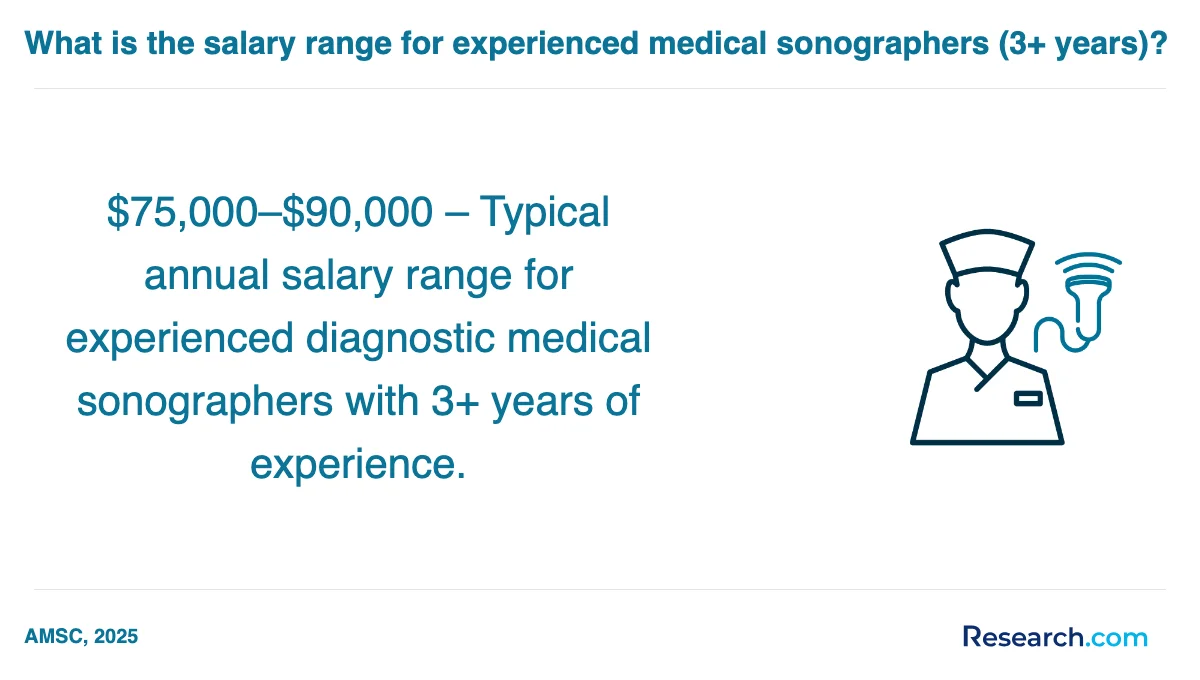
Financial aid for medical sonographer trade schools in Atlanta may include federal aid, state aid, scholarships, veteran education benefits, payment plans, and school-specific assistance. Availability depends on the school’s eligibility, the student’s financial profile, and whether the program participates in aid programs.
Students at schools such as the Institute of Medical Ultrasound (IMU) may be able to complete the FAFSA to seek federal Title IV aid. Aid options may include Pell Grants, which do not have to be repaid, and Direct Subsidized and Unsubsidized Stafford Loans, which must be repaid according to loan terms.
Common funding options to investigate
- FAFSA-based federal aid: Start with the FAFSA if the school participates in federal aid programs.
- Pell Grants: These can reduce out-of-pocket cost for eligible students.
- Direct Subsidized and Unsubsidized Stafford Loans: These can help cover costs but should be borrowed carefully.
- Veteran education benefits: Veterans and eligible dependents should ask whether the program accepts applicable benefits.
- Georgia HOPE Scholarship: Students with a strong high school record may qualify after applying through both FAFSA and a state application.
- Professional scholarships: The Society of Diagnostic Medical Sonographers Educational Foundation and awards such as the Royce Osborn Minority Student Scholarship may provide additional support.
- School payment plans or work-study roles: Some schools offer internal options that can help students manage timing of payments.
Before committing, ask the financial aid office for a full written cost breakdown and a clear explanation of grants, loans, and out-of-pocket costs. Do not compare programs using tuition alone if one school includes fees and another does not.
Prerequisites for medical sonographer trade schools in Atlanta vary by program, but most schools expect applicants to show academic readiness in science, communication, and patient-care basics. Some programs are selective, so meeting the minimum requirements does not always guarantee admission.
Common prerequisites include:
- A high school diploma or GED
- College-level science coursework, especially biology, anatomy, and physiology
- Completion of required prerequisite courses with minimum grades set by the program
- Proof of CPR certification, if required by the school
- Background check, immunization records, and other clinical-site requirements
- Communication skills demonstrated through an interview, essay, or personal statement
Applicants should also confirm whether prerequisites must be completed before applying or before starting the professional sonography sequence. If a program requires seven college-level prerequisites, a minimum grade of "C", and an overall GPA of at least 2.5, plan your application timeline around those requirements.
A strong application usually shows more than minimum eligibility. Grades in anatomy, physiology, and related sciences matter because sonography requires quick recognition of structures and careful interpretation of images during patient exams.
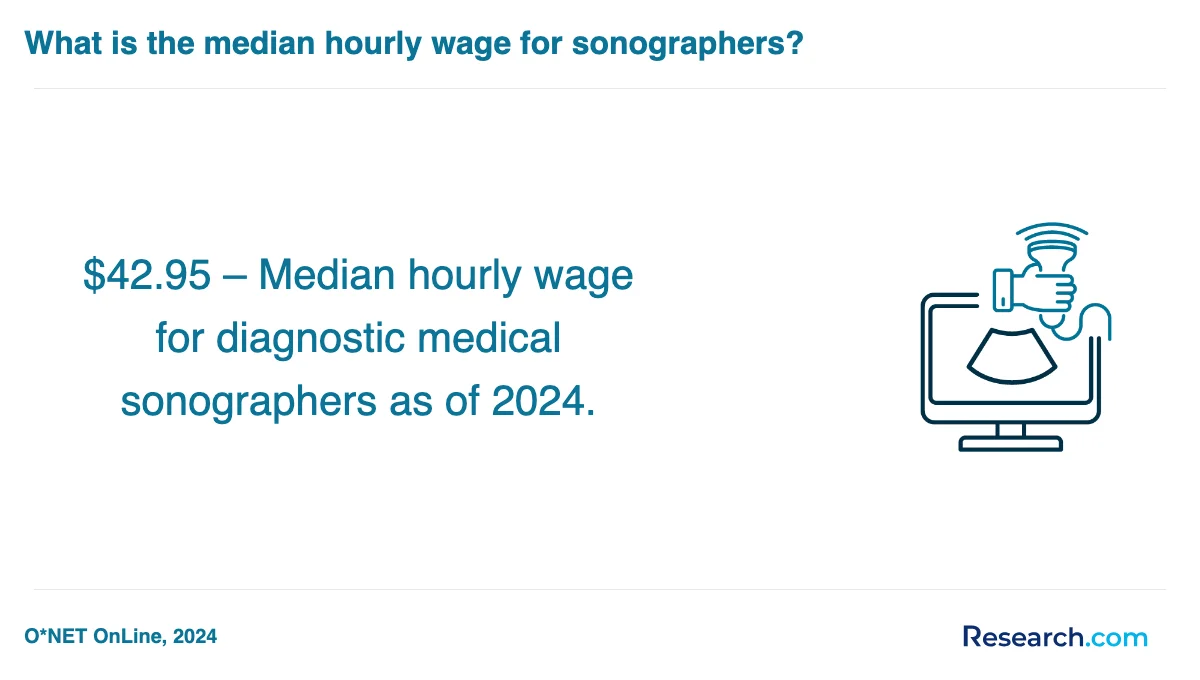
Medical sonographer trade schools in Atlanta typically cover anatomy, physiology, patient care, ultrasound physics, scanning procedures, and clinical practice. The goal is to prepare students to produce diagnostic-quality images, follow protocols, communicate effectively with patients, and work safely in healthcare settings.
Common course areas
- Anatomy and physiology: Builds the foundation for identifying organs, tissues, vessels, and fetal structures on ultrasound images.
- Medical terminology: Helps students communicate accurately with physicians, nurses, technologists, and patients.
- Principles of sonography: Introduces ultrasound equipment, image production, scanning techniques, and professional standards.
- Sonographic anatomy: Teaches students how normal anatomy appears in sonographic images.
- Physics: Covers the science behind ultrasound waves, image quality, artifacts, safety, and equipment settings.
- Abdominal sonography: Focuses on structures such as the liver, gallbladder, kidneys, spleen, pancreas, and related anatomy.
- OB/GYN sonography: Covers pelvic imaging, pregnancy imaging, fetal anatomy, and reproductive health applications.
- Echocardiography: Introduces ultrasound imaging of the heart in programs that include cardiac content.
- Vascular sonography: Teaches imaging of blood vessels and blood-flow assessment.
- Clinical externship or rotations: Places students in supervised healthcare settings to practice scanning, patient communication, and workflow.
Schools such as Cambridge College of Healthcare & Technology emphasize hands-on training with ultrasound machines. Students should ask how many lab hours and clinical hours are required, what types of cases they may observe, and whether the curriculum aligns with ARDMS exam preparation.
Medical sonographer trade schools in Atlanta may offer general diagnostic training as well as exposure to specialty areas. Specializations matter because they can shape clinical rotations, certification plans, and job opportunities after graduation.
Core areas commonly include Abdominal Sonography and Obstetric/Gynecologic Sonography. At Gwinnett Technical College, the Associate of Applied Science degree includes these core areas, preparing students for imaging related to abdominal organs, pregnancy, and gynecologic care.
Specialization options to compare
- Abdominal Sonography: Focuses on organs and structures in the abdomen.
- Obstetric/Gynecologic Sonography: Covers pregnancy imaging, fetal assessment, and pelvic sonography.
- Vascular Sonography: Focuses on blood flow and vascular structures.
- Pediatric Sonography: Applies ultrasound imaging to infants, children, and adolescent patients.
- Musculoskeletal Sonography: Involves imaging of muscles, tendons, ligaments, and joints.
- Breast Sonography: Supports breast imaging and diagnostic follow-up.
- Echocardiography: Focuses on ultrasound imaging of the heart.
Students should choose a specialization based on job goals, clinical strengths, and certification plans. If you need a faster pathway, you can also compare an ultrasound tech accelerated program, while remembering that legitimate sonography training still requires in-person clinical practice.
The best medical sonographer trade school program in Atlanta is the one that matches your budget, schedule, certification goals, and clinical training needs. Accreditation should be your first filter because graduates of CAAHEP-accredited programs can take the ARDMS certification exam, and that credential is preferred by most employers in Atlanta.
Schools such as Cambridge College of Healthcare & Technology can be attractive to students who want structured training, specialty coursework, and clinical externship opportunities. Still, every applicant should verify the details directly with each school before enrolling.
What to compare before applying
- Accreditation: Confirm whether the program is CAAHEP-accredited and whether it supports ARDMS eligibility.
- Clinical placements: Ask where students complete rotations and how placements are assigned.
- Curriculum: Look for abdominal, OB/GYN, vascular, cardiac, and other specialty options that fit your goals.
- Lab access: Strong programs provide repeated practice with ultrasound equipment before clinical rotations.
- Class size: Smaller classes may provide more direct instructor feedback.
- Schedule format: Compare on-campus, hybrid, evening, and full-time options based on your work and family commitments.
- Completion time: Many students look for programs that can be completed in 18 to 24 months, but confirm whether that includes prerequisites.
- Total cost: Include tuition, fees, books, supplies, transportation, exam costs, and living expenses.
- Outcomes: Ask for certification pass rates, retention rates, job placement support, and employer partnerships.
A good program should make its requirements and outcomes clear. If a school cannot explain accreditation, clinical hours, certification eligibility, or total cost, treat that as a warning sign. For broader career planning, it can also help to understand where sonography fits within the highest paid medical field.
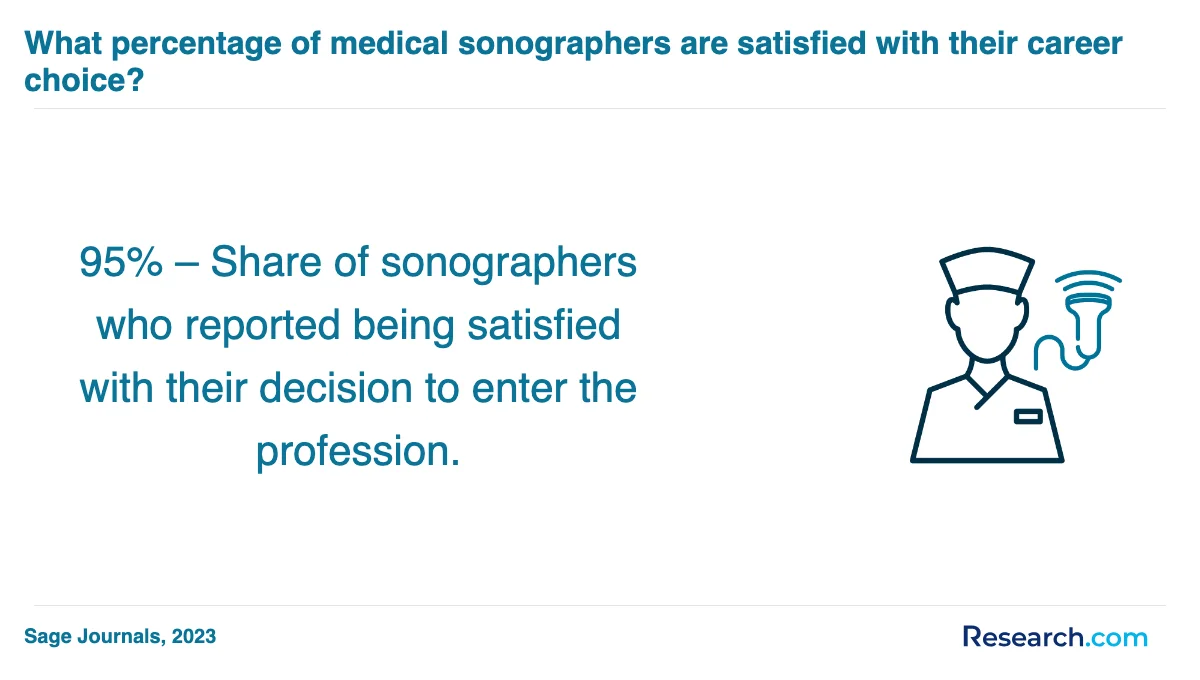
Medical sonographer trade school graduates in Atlanta can pursue several healthcare career paths after completing training and earning the appropriate credentials. Most graduates begin in diagnostic imaging roles, but experience and specialization can lead to more advanced opportunities.
Career paths to consider
- Diagnostic Medical Sonographer: Performs ultrasound exams and captures images for physician interpretation.
- OB/GYN Sonographer: Supports pregnancy, fetal, and gynecologic imaging.
- Abdominal Sonographer: Images abdominal organs and related structures.
- Vascular Sonographer: Evaluates blood vessels and blood-flow patterns.
- Cardiac Sonographer: Performs echocardiograms and supports heart imaging.
- Travel Sonographer: Works temporary assignments across different facilities, usually after gaining experience.
- Community health or outpatient sonographer: Provides imaging in clinics, community health centers, or specialty practices.
- Educator or equipment trainer: Uses clinical expertise to train students, staff, or users of ultrasound technology.
- Quality assurance or lead technologist: Supports protocol consistency, image quality, workflow, and team leadership.
Students who want to expand their healthcare options may also compare related training pathways through medical schooling online. However, sonography itself remains a hands-on profession, so clinical training and certification should remain central to your plan.
The job market for medical sonographer trade school graduates in Atlanta is supported by the city’s large healthcare sector, hospital systems, outpatient clinics, and specialty practices. As of August 2025, around 138 positions were available, including entry-level and specialized openings.
Reported compensation in the Atlanta market includes average pay of $50.89 per hour, or around $105,853 annually. Weekly pay may range between $1,498 and $2,532 depending on experience, setting, schedule, and assignment type.
What employers often look for
- Completion of an accredited sonography program
- Eligibility for or completion of ARDMS certification
- Clinical rotation or externship experience
- Ability to communicate clearly with patients and healthcare teams
- Skill in producing accurate, diagnostic-quality images
- Professionalism, reliability, and attention to patient safety
Many employers prefer candidates who have at least one year of clinical experience, but supervised externships during training can help new graduates demonstrate readiness. Students comparing flexible training routes can review the best online ultrasound tech schools, while confirming that any program they consider includes the required in-person clinical experience for sonography practice.
Most Affordable Diagnostic Medical Sonographer Schools & Training - Budget-Friendly Sonography Trade Programs in Atlanta for 2026
# 1 position
Atlanta Technical College - Mammography Technology/Technician.
certificate or diplomaAtlanta Technical College offers a Hybrid Mammography Technology/Technician program that prepares registered radiographers to become registered mammographers. The curriculum covers anatomy and physiology, mammography instrumentation, positioning, procedures, and quality assurance. The annual in-state tuition is $3,164. Graduates have a median earning of $42,074 one year after completion. The program is accredited by the Southern Association of Colleges and Schools Commission on Colleges.
# 2 position
Grady Health System Professional Schools - Diagnostic Medical Sonography/Sonographer and Ultrasound Technician.
certificate or diplomaThe Diagnostic Medical Sonography/Sonographer and Ultrasound Technician program at Grady Health System Professional Schools offers a hybrid format with some distance-education options. It prepares students to use medical ultrasound techniques for diagnostic purposes under physician supervision. The curriculum covers patient care, data recording, sonographic data processing, and equipment operation, emphasizing professional standards and ethics. The program is accredited by the Joint Review Committee on Education in Radiologic Technology.
# 3 position
Institute of Medical Ultrasound - Diagnostic Medical Sonography/Sonographer and Ultrasound Technician.
certificate or diplomaThe Diagnostic Medical Sonography/Sonographer and Ultrasound Technician program at the Institute of Medical Ultrasound is a hybrid program preparing students to operate medical ultrasound equipment under physician supervision. It covers patient care, sonographic data collection, and professional ethics. The program is accredited by the Accrediting Bureau of Health Education Schools. Annual in-state tuition is $31,052, and median earnings one year after completion are $50,731.
Frequently Asked Questions about medical sonographer
Students in Atlanta's sonography trade schools often face challenges such as balancing rigorous coursework with clinical practice hours, managing student debt, and finding affordable housing in the city. Additionally, staying updated with technological advancements in sonography can be demanding.
Yes, several affordable diagnostic medical sonographer schools in Atlanta offer scholarships for 2026. These scholarships can significantly reduce tuition costs and make the programs more accessible for students. It's advisable to check with individual schools for specific scholarship opportunities and application deadlines.
While studying at a medical sonographer trade school in Atlanta, students can gain practical experience through internships and clinical placements offered by the program. These hands-on opportunities, often coordinated with local healthcare facilities, allow students to apply their learned skills in real-world settings, providing invaluable on-the-job training before graduation.
Yes, there are affordable medical sonographer degree programs available near me in Atlanta, GA. Locally, institutions such as Georgia Northwestern Technical College and Gwinnett Technical College offer accredited programs that are recognized for their affordability and quality training. Interested individuals can explore Research.com and other similar resources to compare tuition costs and program offerings to find a suitable option near Atlanta, GA.
- Most Affordable Diagnostic Medical Sonographer Schools & Training - Budget-Friendly Sonography Trade Programs in Rome for 2026
- Most Affordable Diagnostic Medical Sonographer Schools & Training - Budget-Friendly Sonography Trade Programs in Charlottesville for 2026
- Most Affordable Diagnostic Medical Sonographer Schools & Training - Budget-Friendly Sonography Trade Programs in Findlay for 2026
- Most Affordable Diagnostic Medical Sonographer Schools & Training - Budget-Friendly Sonography Trade Programs in Springfield for 2026
- Most Affordable Diagnostic Medical Sonographer Schools & Training - Budget-Friendly Sonography Trade Programs in Cleveland for 2026
- Most Affordable Diagnostic Medical Sonographer Schools & Training - Budget-Friendly Sonography Trade Programs in Chicago for 2026
- How To Become A Sonographer - ARDMS https://www.ardms.org/how-to-become-a-sonographer/
- Diagnostic Medical Sonography https://www.sait.ca/programs-and-courses/diplomas/diagnostic-medical-sonography
- Diagnostic Medical Sonography Degree and Course Requirements https://www.southeasttech.edu/programs/healthcare/diagnostic-medical-sonography/requirements.php
- Diagnostic Medical Sonographer - Explore Healthcare Careers - Mayo Clinic College of Medicine & Science https://college.mayo.edu/academics/explore-health-care-careers/careers-a-z/diagnostic-medical-sonographer/
- Diagnostic Medical Sonography | BCTC https://bluegrass.kctcs.edu/education-training/program-finder/diagnostic-medical-sonography.aspx
- Diagnostic Medical Sonography https://www.mchs.edu/academics/associate-degrees/diagnostic-medical-sonography/
- Diagnostic Medical Sonography - CT State https://ctstate.edu/programs/diagnostic-medical-sonography
- Diagnostic Medical Sonography | Maricopa Community Colleges https://www.maricopa.edu/degrees-certificates/health-sciences/diagnostic-medical-sonography-3656-aas
- B.S. in Diagnostic Medical Sonography https://shp.rutgers.edu/bs-diagnostic-medical-sonography/
- Diagnostic Medical Sonography - Ivy Tech Community College https://www.ivytech.edu/programs/all-academic-programs/school-of-health-sciences/diagnostic-medical-sonography/