
Most Affordable Diagnostic Medical Sonographer Schools & Training - Budget-Friendly Sonography Trade Programs in Puerto Rico for 2026

Co-Founder and Chief Data Scientist
Exploring a career as a medical sonographer in Puerto Rico is an exciting step toward a rewarding healthcare profession. Choosing the right trade school can feel overwhelming, but this article is here to help.
The Research.com team of data scientists created a ranking of medical sonographer trade school programs to guide you in making an informed decision. This ranking highlights affordable and quality options worth considering.
Discover the benefits of earning a diploma or certification and take confident strides toward a fulfilling future in medical sonography.
Key benefits of finishing medical sonographer trade school in Puerto Rico
- Graduates from medical sonographer trade schools in Puerto Rico can expect an average annual salary of about $28,600, with entry-level jobs starting around $17,940 and experienced professionals earning up to $36,700.
- Many graduates find rewarding career paths in hospitals, clinics, or specialized imaging centers, gaining hands-on experience and opportunities for growth within the local healthcare community.
- Completing a medical sonographer program online offers flexibility and convenience, allowing students to balance studies with personal commitments while still gaining essential skills needed to succeed in Puerto Rico's job market.
- Most Affordable Diagnostic Medical Sonographer Schools & Training - Budget-Friendly Sonography Trade Programs in Puerto Rico for 2026
- What can I expect from medical sonographer trade schools in Puerto Rico?
- Where can I work after finishing medical sonographer trade schools in Puerto Rico?
What can I expect from medical sonographer trade schools in Puerto Rico?
Enrolling in a medical sonographer trade school program in Puerto Rico means immersing yourself in a dynamic blend of classroom learning and real-world clinical practice. Graduates from institutions like Universidad Ana G. Méndez Cupey and National University College - Bayamón often describe their training as both challenging and rewarding, balancing rigorous courses in anatomy, ultrasound physics, and patient care with hands-on experience in hospitals and clinics.
Expect to develop technical skills operating advanced sonographic equipment while honing your ability to communicate compassionately with patients. Many students recall moments of confidence gained when interpreting ultrasound images during supervised clinical rotations, preparing them for the fast-paced healthcare environment.
Admission standards ensure you're ready for this demanding field, including health clearances and a minimum GPA, which reflect the profession's commitment to safety and excellence. While physically engaging tasks like assisting patients are part of the journey, the supportive atmosphere at top Puerto Rican schools helps students overcome challenges with determination and pride.
Ultimately, you'll join a community passionate about advancing medical imaging careers locally and beyond, equipped with knowledge and experience that open doors across the U.S. healthcare system.
Where can I work after finishing medical sonographer trade schools in Puerto Rico?
After completing a medical sonographer trade school program in Puerto Rico, graduates often find themselves stepping into dynamic roles across hospitals, diagnostic imaging centers, and specialty clinics. Many alumni from popular trade schools in Bayamón and Manatí share how their hands-on training prepared them to confidently assist physicians in conducting ultrasound exams and interpreting images that can change lives. These workplaces are more than just jobs; they are environments where technical skills meet meaningful patient care.
Some graduates pursue specialized paths like cardiovascular or vascular sonography, collaborating closely with doctors to evaluate heart and blood vessel health. Others embrace the flexibility of travel healthcare agencies, gaining varied experiences throughout Puerto Rico and beyond while building a diverse résumé. The demand is steady, and with certifications and bilingual abilities, sonographers enjoy a rewarding career that balances technical expertise with real-world impact.
After finishing a medical sonographer trade school program in Puerto Rico, many graduates find themselves stepping into a salary range that reflects both the unique local market and their hard-earned skills. Typical starting salaries hover around $17,940 annually, which might feel modest but quickly grow as experience accumulates. Graduates from well-known Puerto Rican trade schools often share how the early months on the job brought steady hourly wages near $19.91, translating to about $41,400 yearly for full-time roles.
Some sonographers working in bustling urban areas like San Juan report much higher earnings-up to $51.89 per hour-because of specialized roles or private sector opportunities. This jump can feel empowering, turning a challenging entry-level job into a rewarding career with pay exceeding $100,000 annually.
Many graduates also notice how their earnings compare to similar healthcare careers locally, with sonographers typically earning just above radiologic technologists and well ahead of licensed practical nurses. This financial progression helps fuel pride and confidence in their chosen trade, especially when balancing cost of living and career growth prospects in Puerto Rico's evolving healthcare landscape.
- Applicants need a high school diploma and a minimum GPA of 2.5 for programs like the Associate Degree in Diagnostic Ultrasound.
- Programs usually require official transcripts, photos, health certificates including vaccinations, and a negative criminal record certificate.
- Most programs offer an Associate Degree with coursework in ethics, anatomy, patient care, and hands-on sonographic training.
- There is no state licensing in Puerto Rico, but passing ARDMS or ARRT exams is preferred by employers.
- Annual tuition ranges from about $5,433 to $7,559, making Puerto Rico a more affordable training location than the U.S. mainland.
- Job growth for sonographers in Puerto Rico is expected to increase over 20% by 2024, with entry-level salaries in the U.S. around $55,000 to $65,000 per year.
Completing a medical sonographer trade school program in Puerto Rico typically takes between 18 to 24 months, depending on the school and the structure of its curriculum. Many graduates from popular institutions find this timeline manageable, especially when balancing studies with personal commitments. For example, some students share how the accelerated pace at well-known trade schools allowed them to quickly enter the workforce, fostering a sense of accomplishment and motivation throughout their training.
These programs combine hands-on clinical experience with classroom instruction, which helps students retain knowledge more effectively and feel prepared for real-world scenarios. Graduates often describe moments of excitement when performing their first ultrasound scans during clinical rotations, reinforcing the value of completing the program efficiently.
Choosing a program in Puerto Rico means benefiting from a focused, practical education that respects the island's unique healthcare environment. This context helps students feel connected to their future roles as sonographers, making the 18- to 24-month commitment not just a timeline, but a transformative journey.
The difference between online and on-campus medical sonographer trade school programs in Puerto Rico is strikingly clear in how students engage with their learning environment. Graduates from EDIC College in Bayamón often recall the hands-on excitement of working directly with ultrasound machines during in-person labs, where immediate feedback from instructors sharpened their skills and boosted their confidence. This face-to-face interaction creates a dynamic learning space that online courses struggle to match.
Online programs, while offering flexibility to access lectures remotely, remain rare and limited in Puerto Rico. Many students at National University College or Universidad Ana G. Mendez emphasize that no matter how accessible the theoretical content is online, the essential clinical hours still demand in-person attendance at approved medical facilities.
For aspiring sonographers, these clinical rotations are where classroom knowledge transforms into real-world ability-building crucial technical expertise and human connection with patients. The shared experiences of campus students reveal a vibrant support system and community energy that online formats often lack.
The average tuition for medical sonography programs in Puerto Rico tends to hover around $41,328, which reflects a considerable investment but one that many graduates find worthwhile. For those attending popular trade schools such as NUC University or Columbia Central University, the journey is framed not only by cost but by the promise of entering a growing healthcare field. Graduates often share the rewarding feeling of completing roughly 775 contact hours over nearly 22 months, a commitment that prepares them well for certification and employment.
The cost of sonographer training in Puerto Rico varies between institutions, with some programs like PPG Technical College offering tuition as low as $8,700, while others, including NUC University, list fees closer to $11,120. These figures highlight the importance of exploring each school's specific tuition and additional costs. Many students report that understanding this variance early helped manage expectations and plan finances while maintaining focus on their career goals.
Imagining the path ahead, ambitious learners can see themselves thriving in a busy ultrasound lab, energized by the knowledge gained in these focused programs. For those seeking flexibility, researching online healthcare degree programs adds an extra dimension to how they might structure their education while balancing work or family life.
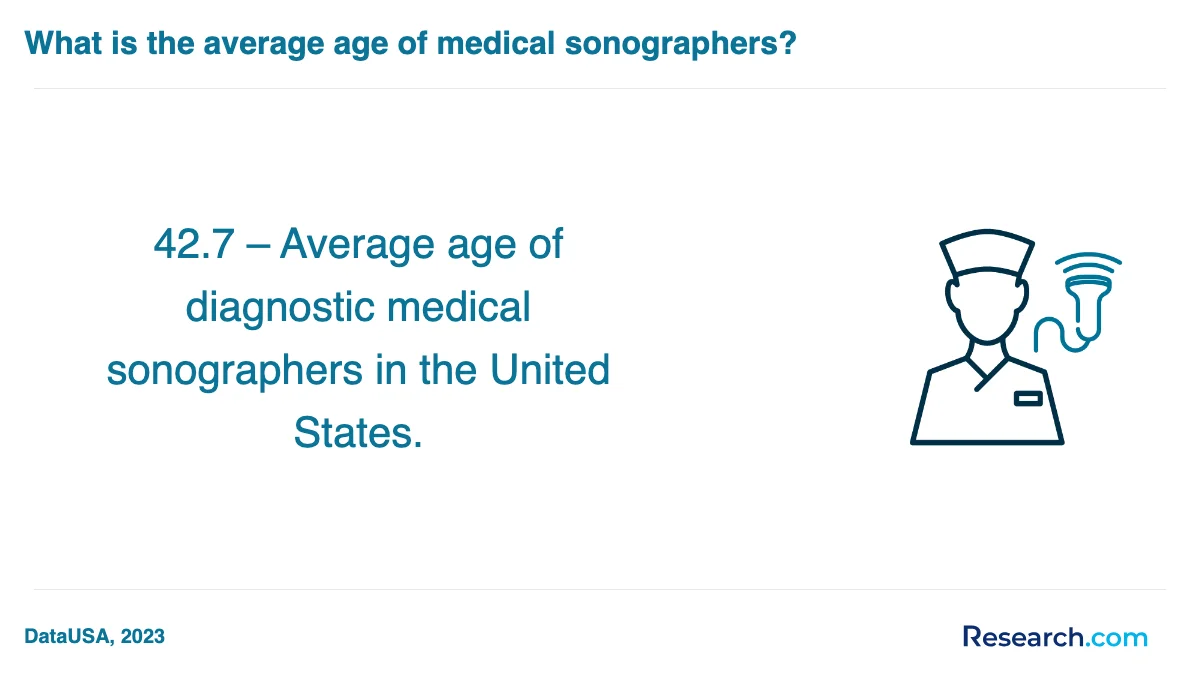
Medical sonographer students in Puerto Rico often find financial aid to be a crucial stepping stone toward their career goals. Graduates from institutions like the Inter American University of Puerto Rico and National University College frequently share how federal grants, especially the Pell Grant, helped ease their tuition burden. With awards up to $6,895 annually, this grant can make a significant difference for those balancing work and study.
Beyond the Pell Grant, some students access the Federal Supplemental Educational Opportunity Grant (FSEOG), which can provide between $100 and $4,000 per year if they demonstrate exceptional financial need. However, since not all schools participate in FSEOG, verifying availability with your chosen program is essential.
Many find that applying through FAFSA opens doors to both federal loans and institutional scholarships. These scholarships, offered by the schools themselves or organizations like the Society of Diagnostic Medical Sonography Foundation, have supported students with awards up to $2,500, covering tuition, books, and fees. Hearing stories from recent graduates, it's clear that these combined resources create a pathway that turns uncertainty into opportunity.
To enroll in a medical sonographer trade school program in Puerto Rico, candidates must typically meet a set of clear prerequisites designed to ensure readiness for the demanding curriculum. Most popular trade schools, known for their hands-on approach, require applicants to have a high school diploma or GED. Graduates often recall how this basic educational foundation gave them confidence to tackle subjects like anatomy and physics.
Additionally, schools emphasize the importance of foundational science knowledge. Expect to provide transcripts showing coursework in biology, chemistry, or related fields. This helps students feel prepared rather than overwhelmed during the early stages of training.
Many programs also require:
- Completion of specific health-related prerequisite courses
- Proof of immunizations and a recent physical exam
- Background checks and CPR certification
- Strong communication skills demonstrated through interviews or written essays
Graduates often reflect on how meeting these prerequisites created a sense of achievement even before classes started, setting a positive tone for their educational journey in Puerto Rico's vibrant trade school community.
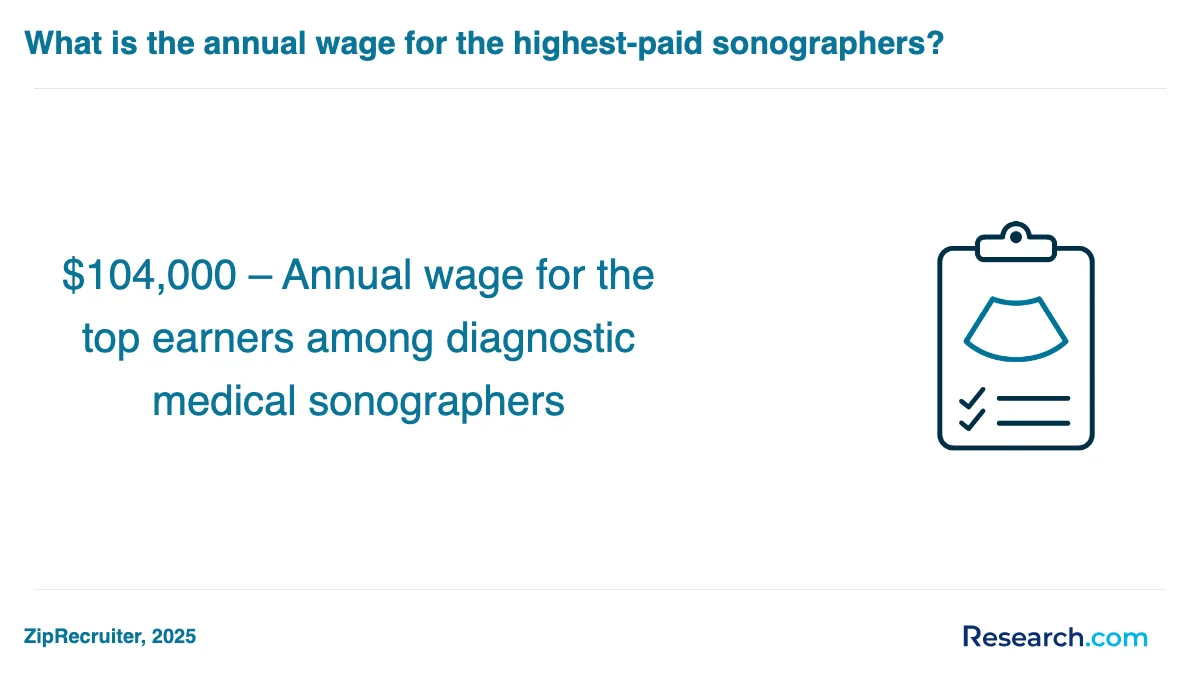
Medical sonographer trade school programs in Puerto Rico provide a rich blend of courses designed to prepare students for real clinical environments. Graduates from popular trade schools often recall the challenge and excitement of mastering human anatomy and physiology, essential for identifying body structures during ultrasound scans. They describe these classes as eye-opening, turning textbook knowledge into vivid images of the human body.
Key courses typically include:
- Medical terminology to communicate confidently with healthcare teams
- Ultrasound physics and instrumentation, where students grasp how sound waves create diagnostic images
- Sonographic procedures and protocols, focusing on imaging the abdomen, obstetrics, gynecology, and vascular systems
- Patient care and ethics, ensuring professionalism and compassion during scans
Hands-on learning is a highlight-laboratory practicums and clinical rotations immerse students in real-world settings, often under the guidance of seasoned instructors. Many recall moments scanning patients during their rotations, feeling the rewarding blend of science and human connection. This practical approach is why students from Puerto Rican trade schools feel prepared and confident entering the workforce.
In medical sonographer trade school programs in Puerto Rico, students can specialize in various areas to enhance their expertise. Common specializations include:
- General Sonography
- Cardiac Sonography
- Vascular Sonography
- Musculoskeletal Sonography
- Pediatric Sonography
Graduates from institutions like Universidad Ana G. Méndez-Cupey Campus and NUC University often share how mastering General Sonography allowed them to confidently perform diverse ultrasound imaging tasks, from obstetrics to vascular studies. Others pursuing Cardiac Sonography find deep satisfaction in diagnosing heart conditions, envisioning their work as crucial life-saving support in Puerto Rico's healthcare system.
Vascular Sonography students frequently describe the thrill of detecting blood flow issues, which can change patient outcomes dramatically. Meanwhile, those focused on Musculoskeletal Sonography appreciate the detailed imaging of injuries affecting athletes or active individuals, a rewarding specialty that connects them directly to community wellness.
Pediatric Sonography students emphasize the unique challenge-and joy-of working with younger patients, tailoring imaging techniques that respect their sensitivity. For those seeking flexible online options combined with Puerto Rico's hands-on learning, exploring top online accredited school programs in sonography can open doors to varied specializations and fulfilling careers.
Choosing the best sonographer training schools in Puerto Rico means focusing on programs that balance both quality and affordability. Graduates often highlight the importance of attending schools with accredited programs, such as those approved by the Commission on Accreditation of Allied Health Education Programs (CAAHEP), ensuring their education meets industry standards and prepares them well for certification.
Many students share how hands-on clinical training at local healthcare facilities helped them gain confidence and real-world skills, essential for a successful career. For instance, ICPR Junior College offers a bachelor's degree in Diagnostic Medical Sonography, praised for its thorough curriculum and manageable tuition, making it one of the affordable medical sonography programs in Puerto Rico that students often recommend.
When weighing your options, consider program length and cost carefully. Also, financial aid availability can make a significant difference. To understand more about how long to become a sonographer, explore detailed timelines and requirements that match your personal and professional goals by visiting how long to become a sonographer.
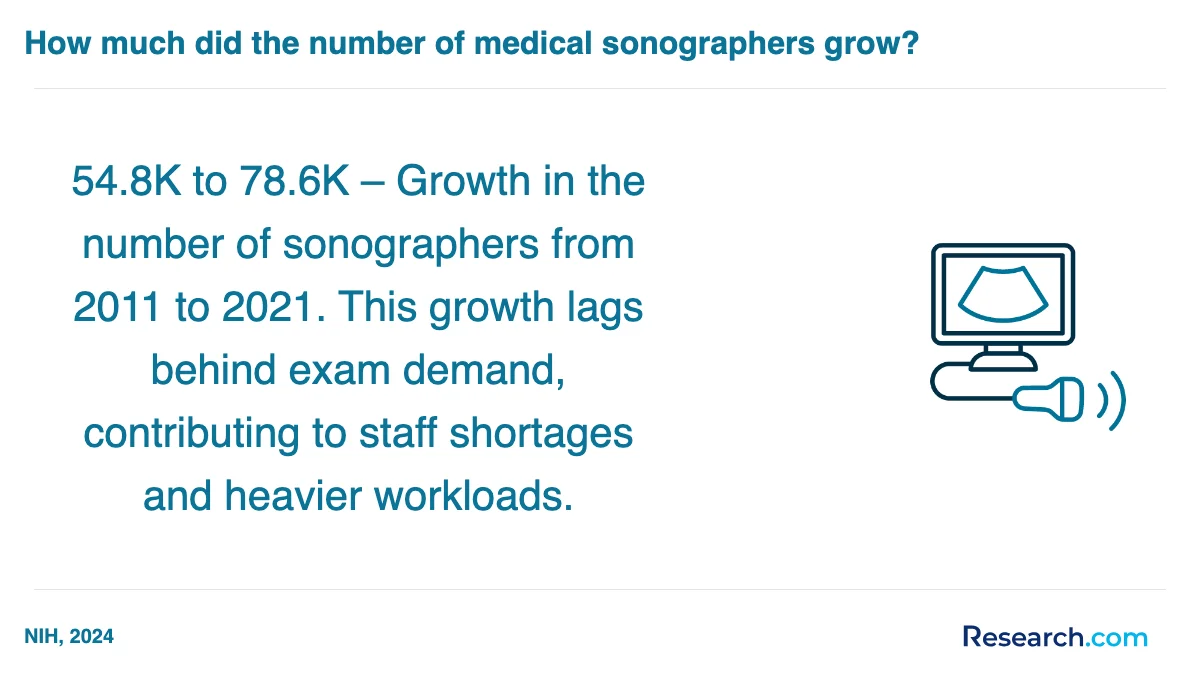
Graduates of medical sonographer trade school programs in Puerto Rico have access to diverse career paths that highlight their specialized skills. Many step directly into medical sonographer jobs in Puerto Rico, working in bustling hospitals, private clinics, or specialized imaging centers where they assist physicians by producing vital diagnostic images.
Others discover rewarding ultrasound technician career opportunities Puerto Rico, particularly in radiology departments where they collaborate closely with radiologists. Specialized fields such as obstetric sonography-focusing on prenatal care and women's health-are rapidly growing, reflecting the demand seen in local healthcare job postings.
In addition, some graduates find fulfilling roles as medical applications specialists, training staff and implementing cutting-edge ultrasound technology in healthcare facilities. Alumni from popular trade schools in Puerto Rico often describe their satisfaction in making a tangible impact while continuously advancing their technical expertise.
For aspiring sonographers eager to explore options beyond clinical roles, pursuing further certification or branching into education and medical sales offer exciting professional growth. Those interested can explore programs through an accelerated sonography school to fast-track their entry into these thriving fields.
The job market for medical sonographer trade school graduates in Puerto Rico offers a mix of promise and competition. Graduates from popular trade schools often share stories of quickly securing roles in hospitals or diagnostic centers, energized by the steady demand for skilled sonographers. However, success depends heavily on certification and clinical experience, especially in urban areas like San Juan where competition is stronger.
Salary expectations vary widely, with entry-level positions starting near $17,940 and some specialized roles in San Juan reaching much higher figures. This range highlights the importance of choosing reputable programs that provide hands-on training and connections to local employers.
Those entering the sonographer employment opportunities Puerto Rico can expect:
- Demand for skills stable across hospitals, clinics, and diagnostic centers
- Opportunities for advancement in specialized imaging techniques
- Need to stand out through accredited certifications and internships
For motivated students, especially those exploring the best 2 year healthcare degrees available in Puerto Rico, the path to a rewarding sonography career is accessible and fruitful.
Most Affordable Diagnostic Medical Sonographer Schools & Training - Budget-Friendly Sonography Trade Programs in Puerto Rico for 2026
# 1 position
Columbia Central University-Caguas - Diagnostic Medical Sonography/Sonographer and Ultrasound Technician.
associateColumbia Central University-Caguas offers a hybrid Diagnostic Medical Sonography/Sonographer and Ultrasound Technician program that prepares students to use medical ultrasound for diagnostic purposes under physician supervision. The curriculum includes patient history review, sonographic data processing, equipment operation, and professional ethics. Annual in-state tuition is $7,314. Graduates earn a median salary of $17,676 one year after completion. The program is accredited by the Middle States Commission on Higher Education.
# 2 position
Universidad Ana G. Mendez-Carolina Campus - Diagnostic Medical Sonography/Sonographer and Ultrasound Technician.
associateThe Diagnostic Medical Sonography/Sonographer and Ultrasound Technician program at Universidad Ana G. Mendez-Carolina Campus offers a hybrid format with some distance-education options. It prepares students to use medical ultrasound techniques under physician supervision for diagnostic purposes. The curriculum includes patient care, sonographic data processing, and equipment operation, emphasizing professional standards. Annual in-state tuition is $6,920, and median earnings one year after completion are $21,354. The program is accredited by the Middle States Commission on Higher Education.
# 3 position
Universidad Ana G. Mendez-Cupey Campus - Diagnostic Medical Sonography/Sonographer and Ultrasound Technician.
associateThe Diagnostic Medical Sonography/Sonographer and Ultrasound Technician program at Universidad Ana G. Mendez-Cupey Campus is a hybrid program that trains students to use ultrasound techniques for diagnosing medical conditions. It covers patient care, sonographic data processing, and professional ethics. The program is accredited by the Middle States Commission on Higher Education. Annual in-state tuition is $6,920, and median earnings one year after completion are $11,311.
# 4 position
Atenas College - Diagnostic Medical Sonography/Sonographer and Ultrasound Technician.
associateAtenas College offers a Diagnostic Medical Sonography/Sonographer and Ultrasound Technician program with a hybrid format, including some distance education. The program trains students to operate ultrasound equipment and gather sonographic data for diagnosing various conditions under physician supervision. It covers patient care, data integration, and professional ethics. Annual in-state tuition is $8,198. Graduates earn a median income of $10,734.65 one year after completion. The program is accredited by the Middle States Commission on Higher Education.
# 5 position
Universidad Central Del Caribe - Diagnostic Medical Sonography/Sonographer and Ultrasound Technician.
certificate or diplomaThe Diagnostic Medical Sonography/Sonographer and Ultrasound Technician program at Universidad Central Del Caribe is a hybrid program offering some distance-education options. It prepares students to use medical ultrasound techniques for diagnosing various conditions under physician supervision. The curriculum covers patient data integration, sonographic data processing, equipment operation, and professional ethics. The program is accredited by the Middle States Commission on Higher Education, with annual in-state tuition of $6,442.
# 6 position
Universidad Central Del Caribe - Mammography Technology/Technician.
certificate or diplomaUniversidad Central Del Caribe offers a Hybrid Mammography Technology/Technician program designed to prepare registered radiographers for certification as registered mammographers. The curriculum covers anatomy and physiology, mammography instrumentation, positioning, principles and procedures, and quality assurance. The program is accredited by the Middle States Commission on Higher Education. Annual in-state tuition is $6,442.
# 7 position
ICPR Junior College-Arecibo - Diagnostic Medical Sonography/Sonographer and Ultrasound Technician.
associateThe Diagnostic Medical Sonography/Sonographer and Ultrasound Technician program at ICPR Junior College-Arecibo offers a hybrid format with some distance education options. It prepares students to use ultrasound technology to collect sonographic data for diagnosing medical conditions. The curriculum covers patient care, data recording, equipment operation, and professional ethics. Annual in-state tuition is $8,060. The program is accredited by the Middle States Commission on Higher Education, with median earnings of $11,491 one year after completion.
# 8 position
ICPR Junior College - Diagnostic Medical Sonography/Sonographer and Ultrasound Technician.
associateThe Diagnostic Medical Sonography/Sonographer and Ultrasound Technician program at ICPR Junior College offers a hybrid format with some distance education options. The program prepares students to utilize medical ultrasound techniques for diagnosing various conditions under physician supervision. It includes training in sonographic data processing, patient care, and professional ethics. Annual in-state tuition is $8,060. Graduates have median earnings of $11,491 one year after completion. The program is accredited by the Middle States Commission on Higher Education.
# 9 position
ICPR Junior College-Mayaguez - Diagnostic Medical Sonography/Sonographer and Ultrasound Technician.
associateThe Diagnostic Medical Sonography/Sonographer and Ultrasound Technician program at ICPR Junior College-Mayaguez offers a hybrid format with some distance-education options. It trains students to use ultrasound techniques under physician supervision to collect sonographic data for diagnosing various conditions. The curriculum covers patient care, data integration, equipment operation, and professional ethics. Annual in-state tuition is $8,060. The program is accredited by the Middle States Commission on Higher Education. Median earnings one year after completion are $11,491.
# 10 position
ICPR Junior College - Diagnostic Medical Sonography/Sonographer and Ultrasound Technician.
associateThe Diagnostic Medical Sonography/Sonographer and Ultrasound Technician program at ICPR Junior College offers a hybrid format with some distance education. It trains students to use ultrasound technology for diagnosing medical conditions, emphasizing patient care, data integration, and professional ethics. Annual in-state tuition is $8,060. Graduates earn a median income of $11,491 one year after completion. The program is accredited by the Middle States Commission on Higher Education.
Frequently Asked Questions about medical sonographer
After completing a medical sonographer trade school in Puerto Rico, preparing for the job market involves several key steps. First, obtaining certification from the American Registry for Diagnostic Medical Sonography (ARDMS) significantly improves employment prospects. Many employers in Puerto Rico prefer or require this credential. Networking with healthcare facilities and attending local job fairs can open doors to potential positions. Additionally, gaining hands-on experience through internships or externships offered during the program is valuable. According to the U.S. Bureau of Labor Statistics, sonographers in Puerto Rico earn a median annual wage close to the U.S. average, emphasizing the importance of strong preparation for competitive roles.
Employers in Puerto Rico seek specific skills when hiring medical sonographer trade school graduates. Technical proficiency with ultrasound equipment is essential, as it directly impacts diagnostic accuracy. Graduates must also demonstrate strong knowledge of human anatomy and physiology to interpret images effectively.
Effective communication skills are highly valued, enabling sonographers to clearly explain procedures to patients and collaborate with healthcare teams. Attention to detail and critical thinking are crucial for identifying abnormalities during scans.
According to the U.S. Bureau of Labor Statistics and local health reports, employers increasingly prefer graduates who have completed accredited programs that emphasize hands-on clinical experience, which enhances job readiness in Puerto Rico's healthcare settings.
Finding internships relevant to medical sonographer trade school programs in Puerto Rico involves several strategic steps. Start by contacting local hospitals and diagnostic imaging centers, as many offer clinical internships required for certification. The Puerto Rico Society of Sonographers is a valuable resource for networking and internship opportunities. Additionally, accredited trade schools often have established partnerships with healthcare facilities, so inquire directly with your program's career services.
According to the Commission on Accreditation of Allied Health Education Programs (CAAHEP), clinical training is essential for certification, making internships a mandatory component. The Puerto Rico Department of Health also lists approved clinical sites where students may gain supervised experience.
Students should prepare a professional resume highlighting relevant coursework and skills. Early application and direct communication with potential internship sites increase placement chances. Combining school resources with local professional organizations maximizes internship opportunities in Puerto Rico.
Obtaining a medical sonographer trade school diploma in Puerto Rico significantly enhances career mobility and advancement opportunities within the local healthcare sector. According to the U.S. Bureau of Labor Statistics, diagnostic medical sonographers in Puerto Rico earn a median annual wage higher than many other allied health professions, reflecting strong demand.
A diploma provides essential hands-on training and certifications required by employers, which can lead to better job placements in hospitals, clinics, and specialized imaging centers. Graduates often qualify for roles that offer increased responsibility and higher pay.
Additionally, many employers in Puerto Rico prefer candidates with accredited diplomas, which can facilitate upward mobility or specialization within sonography fields such as cardiovascular or obstetric imaging.
Students enrolled in medical sonographer trade schools in Puerto Rico can benefit from part-time jobs that build relevant skills and experience. Common opportunities include working as medical assistants or patient care technicians in clinics and hospitals. These roles help students develop patient interaction and basic clinical skills crucial for sonography careers.
Additionally, some students find positions in diagnostic imaging departments as aides, assisting technologists with equipment preparation and patient scheduling. According to the U.S. Bureau of Labor Statistics, Puerto Rico's healthcare support occupations are growing steadily, offering practical experience alongside education.
Part-time work in healthcare not only supplements income but also strengthens resumes for future sonographer positions.
To find the most affordable Medical Sonographer degree program near you in Puerto Rico, you can start by researching local community colleges and universities that offer accredited diagnostic medical sonography programs. Use search phrases like "medical sonography programs near me" or "budget-friendly sonography schools near Puerto Rico" to identify potential options. Research.com can be a helpful resource to compare tuition costs and program details among institutions.
- How to Become an Ultrasound Technician in Puerto Rico https://www.healthjob.org/guide/how-to-become-an-ultrasound-technician-in-puerto-rico
- Inter American University of Puerto Rico - Catalog Home Page - Medical Sonography in Cardiovascular Sonography (BS) https://inter.smartcatalogiq.com/en/2022-2023/general-catalog-2022-2023/programs-of-study-undergraduate-associate-and-bachelor-s-degree-programs/medical-sonography-in-cardiovascular-sonography-bs/medical-sonography-in-cardiovascular-sonography-bs
- profile icon https://www.niche.com/colleges/search/best-colleges-with-sonographer-and-ultrasound-technician/s/puerto-rico/
- The Diagnostic Medical Sonography/Sonographer and Ultrasound Technician Major at ICPR Junior College - Arecibo - Trade College https://tradecollege.org/colleges/icpr-junior-college-arecibo/health-professions/allied-health-professions/sonographer-ultrasound-technology/
- Top Diagnostic Medical Sonography Degrees in Puerto Rico https://www.healthcaregraduate.com/ultrasound-technician-schools-in-puerto-rico/
- Diagnostic Medical Sonography | Southside College of Health Sciences https://www.schs.edu/programs/associate-degree-programs/diagnostic-medical-sonography
- Diagnostic Medical Sonography AS Degree | Keiser https://www.keiseruniversity.edu/diagnostic-medical-sonography-as/
- How To Become A Sonographer - ARDMS https://www.ardms.org/how-to-become-a-sonographer/
- Medical Sonography | Wake Tech https://www.waketech.edu/programs-courses/credit/sonography
- Diagnostic Medical Sonography https://www.mchs.edu/academics/associate-degrees/diagnostic-medical-sonography/


