
Most Affordable Diagnostic Medical Sonographer Schools & Training - Budget-Friendly Sonography Trade Programs in Iowa for 2026

Co-Founder and Chief Data Scientist
Looking to start a rewarding career in healthcare? Becoming a medical sonographer is a great choice, and finding the right trade school in Iowa is key. This article introduces a carefully crafted ranking of medical sonographer trade school programs, developed by the Research.com team of data scientists to help you make an informed decision.
Explore affordable options that fit your goals and budget. Earning a diploma or certification in this field opens doors to stable, meaningful work. Let us guide you toward a bright future with confidence and clarity.
Key benefits of finishing medical sonographer trade school in Iowa
- Graduates can expect a strong starting salary, typically around $60,350, with experienced sonographers in Iowa earning up to $95,360 annually, offering great financial stability.
- Career paths include roles such as Registered Diagnostic Medical Sonographer or specialized ultrasound technician, with many graduates from Iowa's top trade schools quickly securing rewarding positions in hospitals and clinics.
- Completing a medical sonographer trade school online provides flexibility and convenience, allowing students to balance work and study while still gaining hands-on experience through local clinical placements.
- Most Affordable Diagnostic Medical Sonographer Schools & Training - Budget-Friendly Sonography Trade Programs in Iowa for 2026
- What can I expect from medical sonographer trade schools in Iowa?
- Where can I work after finishing medical sonographer trade schools in Iowa?
What can I expect from medical sonographer trade schools in Iowa?
Enrolling in a medical sonographer trade school program in Iowa means diving into a hands-on learning experience that balances classroom theory with real-world practice. Graduates from institutions like Allen College and Mercy College of Health Sciences often recall the challenge and excitement of mastering ultrasound equipment while studying anatomy, physiology, and sonographic physics. Expect to engage deeply with clinical practicums, sometimes working full-time hours in hospitals or clinics, gaining firsthand exposure to diverse patient cases across Iowa's healthcare settings.
Many students find the clinical rotations demanding yet rewarding, as they apply skills in abdominal, vascular, and cardiac imaging under experienced supervision. The need to sometimes travel for these placements encourages adaptability and broadens professional networks. Coursework also emphasizes professional ethics and communication, preparing students to confidently share diagnostic findings. After completing the program, graduates feel equipped to sit for the ARDMS exam and step into careers where every day offers new learning and meaningful patient interactions.
Where can I work after finishing medical sonographer trade schools in Iowa?
Graduates from medical sonographer trade schools in Iowa often find themselves welcomed into a variety of healthcare settings, reflecting the state's broad demand for skilled sonographers. Many step directly into hospital roles, where they contribute to crucial diagnostic imaging in departments like radiology, OB/GYN, and cardiology. Imagine starting your day in a bustling urban hospital or a quieter rural facility, using your training to support doctors in making life-changing decisions.
Others recall the rewarding pace of clinics and outpatient centers, where they provide essential imaging services in community health or women's health practices. The chance to build lasting relationships with patients in these smaller environments brings a sense of purpose and connection often cherished by graduates.
Some graduates thrive in private medical offices, enjoying predictable schedules and close-knit teams. A growing number embrace travel sonography, taking temporary assignments around Iowa to cover staffing needs while gaining diverse experience and often earning higher pay.
From popular Iowa trade schools, students share how their training prepared them well for these varied roles, fueling confidence and excitement about their career paths.
Graduates of medical sonographer trade school programs in Iowa often find themselves stepping into a field with rewarding salary prospects. Many who trained at popular Iowa trade schools share how starting salaries typically range from around $60,000 to $77,000 annually, reflecting strong demand in local healthcare facilities. This initial pay is a solid foundation, especially for those eager to apply their new skills in real clinical settings.
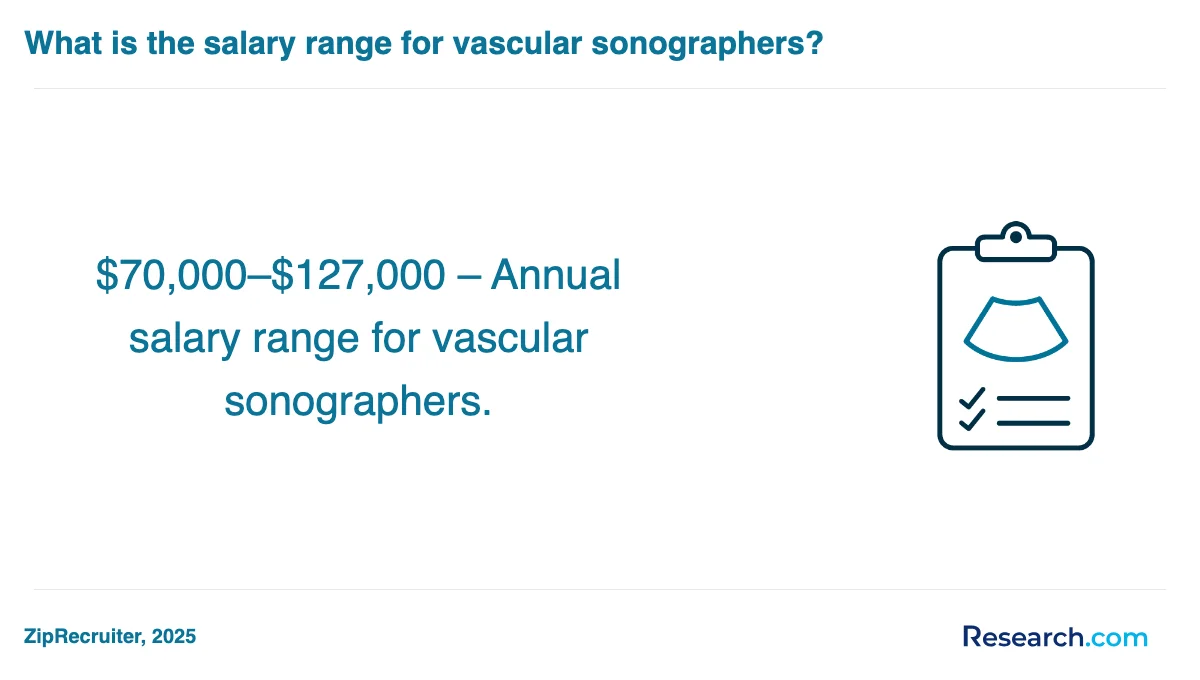
As graduates gain hands-on experience, their earnings tend to rise noticeably. Some report moving into roles that pay between $75,000 and $95,000, especially in hospitals or specialized clinics. Others who explore niche areas, such as vascular sonography or contract positions, highlight salaries exceeding $100,000, illustrating how specialization can boost income significantly.
Many graduates appreciate that Iowa's sonographer salaries hover about 15% above the national average, offering both financial stability and career growth. The journey from classroom to career in Iowa's sonography programs often feels rewarding not just professionally but personally, as graduates see their efforts translate into meaningful work and promising pay.
- Applicants must complete prerequisite courses in science and math with a minimum GPA of 2.0 and grades of "C" or above in core courses.
- Programs are accredited by CAAHEP, allowing eligibility for the ARDMS certification exams required to become a Registered Diagnostic Medical Sonographer (RDMS).
- Clinical practicums are mandatory and may require travel and additional expenses for uniforms, transportation, and housing.
- Tuition ranges from $30,000 to $50,000 depending on residency and other costs, with financial aid options available.
- New graduates typically earn $60,000 to $65,000 annually, while experienced sonographers make $75,000 to $85,000 or more.
Completing a medical sonographer trade school program in Iowa typically takes about 18 to 24 months, depending on the specific school and whether you choose full-time or part-time study. Many graduates from popular trade schools in Iowa recall the intense yet rewarding pace of their programs, where hands-on training complemented classroom learning in a well-structured timeline.
For instance, students often describe balancing clinical rotations with coursework, which helps solidify skills in real healthcare settings across Iowa. This practical experience makes the months fly by, turning initial anxieties into growing confidence as they gain proficiency with ultrasound equipment and patient interaction.
The structure of these programs allows students to see tangible progress each semester, often graduating within two years with certifications that open doors to immediate employment. This timeframe feels manageable to many, especially those motivated by the clear goal of entering the healthcare field quickly.
Trade schools in Iowa are known for fostering supportive environments where students share that sense of accomplishment as they approach graduation, making the journey both challenging and deeply fulfilling.
The key difference between online and on-campus medical sonographer trade school programs in Iowa lies in how students engage with their coursework and clinical training. Graduates from Allen College often reflect on the hands-on experience gained in campus labs, where mastering sonographic equipment feels tangible and immediate. This in-person setting fosters a strong sense of community and real-time support from instructors, which many find deeply reassuring.
Conversely, students enrolled in hybrid online programs appreciate the flexibility to study anatomy and sonographic physics on their own schedule, a crucial advantage for those balancing work or family. Yet, as all Iowa programs emphasize, these online learners still commit to clinical practicums at local healthcare facilities, gaining essential hands-on skills that cannot be replicated virtually.
Whether at Mercy College of Health Sciences or elsewhere, the blend of theoretical flexibility and mandatory in-person clinical training shapes a balanced, practical education. This approach helps students confidently transition into their careers, feeling well-prepared and supported throughout their journey.
The average tuition fees for sonography programs in Iowa can vary widely, generally falling between $6,000 and $33,000 depending on the trade school and its offerings. Graduates from popular Iowa institutions often recall the balance between managing tuition costs and additional expenses such as textbooks, uniforms, and liability insurance. For example, Eastern Iowa Community College District charges tuition around $4,848 for in-state students and approximately $6,456 for out-of-state students, making it an accessible option for many local students. Others who attended Iowa Central Community College mention the cost of about $3,464 per semester for 16 credits, appreciating the clarity in fees but noting the necessity to budget for supplies and other incidentals.
Considering the cost of medical sonography education in Iowa 2026, it's helpful to think about real-life scenarios. Students often discuss how factoring in extra costs alongside tuition gave them a clearer picture of the total investment needed. Many graduates highlight how they balanced their budget while pursuing studies, sometimes seeking financial aid to ease the load. Practical stories from students at these institutions reveal the rewarding outcomes despite the financial commitment, encouraging prospective learners to view these investments as stepping stones toward a fulfilling healthcare career.
For those exploring options, comparing these fees with the quality of programs offered is crucial. A helpful resource to explore available programs is diagnostic medical sonography university programs, offering insights that align with personal goals and finances.
Many students pursuing medical sonography at Iowa's well-known trade schools find financial aid to be a vital support on their journey. Completing the FAFSA is a common first step, unlocking access to federal grants like the Pell Grant, which can provide up to $6,895 annually to those with demonstrated financial need. Graduates often recall how this grant eased their worries about tuition during intense study periods.
State aid adds another layer of help. The Iowa Tuition Grant, for example, offers assistance to eligible undergraduates attending local schools, often covering multiple years of full-time study. Some students have also benefited from the Robert C. Byrd Honors Scholarship, which rewards strong academic performance with an average of $1,500.
One standout resource is Iowa's Last-Dollar Scholarship. Graduates frequently share how this program, designed for high-demand fields like sonography, bridged the gap between other aid and remaining tuition, sometimes making their education virtually tuition-free. With a Student Aid Index of $20,000 or less, many found this scholarship a game-changer.
Private scholarships, such as those from the Society of Diagnostic Medical Sonography or Ultrasound Schools Info, offer additional financial relief. Many students attest that combining these options with school-based aid made the demanding path of sonography education manageable and rewarding.
Enrolling in a medical sonographer trade school program in Iowa typically requires a solid foundation in both academics and personal dedication. Graduates from popular Iowa trade schools often recall the importance of meeting these prerequisites before starting their journey.
Most programs expect students to have:
- A high school diploma or GED, ensuring basic educational readiness.
- Strong skills in science and math, particularly biology and algebra, which are essential for understanding sonography principles.
- Completion of prerequisite courses such as anatomy and physiology, sometimes offered by the trade school or local community colleges.
Many students mention how having good communication skills and a compassionate attitude helped them thrive in clinical settings during their training. For example, at well-known Iowa trade schools, students often engage in hands-on practice early on, making emotional resilience and eagerness to learn crucial.
Additionally, some programs require a background check and immunization records to ensure safety in healthcare environments. Graduates often reflect on how these prerequisites prepared them well, easing their transition into the demanding yet rewarding field of medical sonography.
Medical sonographer trade school programs in Iowa offer a well-rounded curriculum that prepares students for real-world challenges through a mix of science, clinical practice, and professional skills. Graduates often recall starting with sonographic physics and instrumentation, where they learned how ultrasound machines work and how to troubleshoot during exams-a crucial skill when scanning in busy hospital settings.
Understanding anatomy and physiology is central, especially focusing on abdominal, vascular, obstetric, and gynecologic systems. Students share how recognizing normal versus abnormal structures became second nature after hands-on labs and case studies.
Core courses typically include:
- Diagnostic image review and interpretation, helping students confidently communicate findings to physicians
- Specialized training in abdominal sonography, vascular technology, and women's imaging
- Clinical practicums offering real patient experience in Iowa healthcare facilities
- Professional development covering patient care, ethics, and communication skills
Many graduates from popular Iowa trade schools describe their clinical rotations as transformative, highlighting how practicing scans under supervision built both competence and confidence. Additional courses like medical terminology and life support certification round out the education, ensuring students leave ready for the ARDMS credentialing exams and demanding sonography roles.
Medical sonographer trade school programs in Iowa offer diverse options tailored to students' ambitions and the demands of healthcare. Graduates frequently share how engaging it is to specialize in areas like general sonography, which covers abdominal imaging, pelvic structures, and obstetrics, as seen at Iowa Central Community College. This specialization provides a robust foundation for entry-level sonographers and aligns well with many students' goals to become versatile practitioners. Programs focusing on cardiovascular and general sonography programs Iowa, such as those at Mercy College of Health Sciences or University of Iowa Healthcare, provide students with in-depth knowledge of heart and vascular imaging, inspiring confidence in diagnosing critical conditions.
Other sought-after medical sonography specializations in Iowa include:
- Vascular Sonography - allows learners to master blood flow and vessel health, taught at Eastern Iowa Community Colleges.
- Abdominal Sonography - offers focused expertise on organs like the liver and kidneys.
- Women's Imaging - emphasizes fetal and reproductive health, perfect for those drawn to obstetrics and gynecology clinics.
Many students appreciate Iowa's programs for offering hands-on practice paired with theory, helping them envision real-life impacts of their skills. Exploring these specializations opens doors to rewarding careers found among best paying medical jobs with least education.
Choosing among the best medical sonographer programs in Iowa means focusing on accreditation and hands-on experience. Graduates from the University of Iowa often share how important CAAHEP accreditation was in shaping their confidence and ensuring readiness for certification exams. Many find that the program's mix of summer semesters and clinical rotations near local healthcare centers offers a realistic and supportive learning environment. Another aspect to consider is specialization; Iowa schools often provide options like general or vascular sonography, helping students align training with career goals.
When evaluating the top-rated sonography schools in Iowa, look closely at financial aid opportunities and admission requirements. Graduates from Mercy College of Health Sciences express relief at discovering scholarships tailored for healthcare fields, easing their financial burden. Also, understanding program length and structure ahead of time prevents surprises later, allowing for smoother personal planning.
In any case, gaining insights from others and researching sonographer education requirements is vital for making an informed choice that fits your path.

Graduates of medical sonographer trade school programs in Iowa find a rewarding range of options in medical sonographer jobs in Iowa. Many step directly into roles as diagnostic medical sonographers, employing ultrasound technology to assist physicians in hospitals, clinics, and imaging centers statewide. Students from popular programs at Des Moines Area Community College and Kirkwood Community College often share how their hands-on training prepared them confidently for busy diagnostic rooms and diverse patient needs.
Specializations open further doors, with graduates pursuing careers in:
- Abdominal sonography, focusing on organs like the liver and kidneys
- Vascular technology, which involves imaging blood flow and vessels
- Women's imaging, including OB/GYN sonography to support prenatal care
With experience, sonographers may advance into leadership roles or transition toward related fields such as ultrasound equipment sales or healthcare administration. Several choose to deepen their expertise or explore healthcare education or clinical professions.
For those curious about broader options and compensation, understanding what is the highest paying medical job can guide long-term career planning. This perspective helps connect diagnostic ultrasound careers in Iowa with opportunities for growth and fulfilling work in a field that continues to expand.
The medical sonographer trade school graduates in Iowa step into a job market that is both robust and rewarding. With 73 positions statewide, graduates frequently find roles in hospitals, clinics, and specialized practices like cardiology or obstetrics. Many report feeling confident after completing programs at popular trade schools, where hands-on training prepares them for real patient interaction and technical challenges.
Key factors making their transition smoother include:
- Certification requirements such as the ARDMS, often mandatory for employment.
- High median salaries around $103,388 per year, highlighting the value of their specialized skills.
- Opportunities to work full-time, part-time, or on flexible contracts in diverse medical settings.
The diagnostic medical sonographer employment trends Iowa reflect an emphasis on both technical proficiency and caring patient communication. Graduates often share experiences of rapidly gaining responsibility and respect, whether supporting medical residents or conducting complex imaging exams.
For those exploring schools with ultrasound technician programs, understanding this dynamic market is encouraging. It shows that dedication to accredited trade school training can open doors in Iowa's growing healthcare field, making sonography a promising career choice.
Most Affordable Diagnostic Medical Sonographer Schools & Training - Budget-Friendly Sonography Trade Programs in Iowa for 2026
# 1 position
Eastern Iowa Community College District - Diagnostic Medical Sonography/Sonographer and Ultrasound Technician.
associateThe Diagnostic Medical Sonography/Sonographer and Ultrasound Technician program at Eastern Iowa Community College District offers a hybrid format with some distance education options. It prepares students to operate sonography equipment and gather diagnostic ultrasound data under physician supervision. The program includes training in patient care, data processing, and professional ethics. Annual in-state tuition is $4,680. Graduates have median earnings of $42,927 one year after completion. The program is accredited by the Higher Learning Commission.
# 2 position
Mercy College of Health Sciences - Diagnostic Medical Sonography/Sonographer and Ultrasound Technician.
associateThe Diagnostic Medical Sonography/Sonographer and Ultrasound Technician program at Mercy College of Health Sciences offers hybrid learning options. It trains students to use ultrasound technology for diagnosing medical conditions under physician supervision. The curriculum covers patient care, sonographic data processing, and professional ethics. The program is accredited by the Higher Learning Commission. Annual in-state tuition is $17,328, and median earnings one year after completion are $55,912.
# 3 position
St Luke's College - Diagnostic Medical Sonography/Sonographer and Ultrasound Technician.
certificate or diplomaSt Luke's College offers a fully online program in Diagnostic Medical Sonography/Sonographer and Ultrasound Technician. The curriculum trains students to use medical ultrasound techniques for diagnosing various conditions, including patient care, data processing, and professional ethics. The program is accredited by the Higher Learning Commission. Annual in-state tuition is $20,940.
# 4 position
St Luke's College - Mammography Technology/Technician.
certificate or diplomaSt Luke's College offers a fully online Mammography Technology/Technician program designed to prepare registered radiographers for certification as registered mammographers. The curriculum covers anatomy and physiology, mammography instrumentation, positioning, procedural principles, and quality assurance. The program is accredited by the Higher Learning Commission. Annual in-state tuition is $20,940.
# 5 position
Allen College - Diagnostic Medical Sonography/Sonographer and Ultrasound Technician.
certificate or diplomaAllen College offers a Diagnostic Medical Sonography/Sonographer and Ultrasound Technician program with a hybrid format that includes some distance education. The program trains students to use medical ultrasound techniques for diagnostic purposes under physician supervision. Instruction covers patient care, sonographic data processing, and professional ethics. The annual in-state tuition is $20,444. This program is accredited by the Higher Learning Commission.
Frequently Asked Questions about medical sonographer
After completing a medical sonographer trade school in Iowa, preparing for the job market involves several key steps. First, obtaining certification through the American Registry for Diagnostic Medical Sonography (ARDMS) is crucial, as many employers in Iowa prefer or require it. According to the Bureau of Labor Statistics, Iowa's demand for diagnostic medical sonographers is projected to grow by 12% from 2022 to 2032, indicating strong job prospects.
Networking with local healthcare providers and attending career fairs can increase job opportunities. Additionally, gaining hands-on experience through internships or clinical rotations offered by trade schools strengthens practical skills. Finally, tailoring your resume to highlight relevant certifications and clinical experience will improve your chances in the competitive Iowa healthcare market.
Employers in Iowa seek medical sonographer graduates who demonstrate strong technical skills, especially proficiency with ultrasound equipment and imaging software. According to the Iowa Workforce Development, the ability to produce clear diagnostic images is critical for entry-level positions. Communication skills also rank highly, as sonographers must explain procedures and collaborate with physicians and patients effectively.
Attention to detail is essential for accurately interpreting images and ensuring patient safety. Additionally, familiarity with anatomy and medical terminology is important for precise diagnostics. Problem-solving and adaptability are valued, given the fast-paced healthcare settings where sonographers work.
Finding internships in Iowa relevant to medical sonographer trade school programs involves several strategic steps. Start by contacting the career services department of your trade school, as many maintain partnerships with local hospitals and clinics. Facilities such as UnityPoint Health and MercyOne often offer clinical internship opportunities tailored to sonography students.
Additionally, the Iowa Society of Radiologic Technologists provides resources and networking events that can connect students with potential internship sites. According to the Iowa Workforce Development, healthcare internships in the state have grown by 8% over recent years, reflecting increased demand.
Finally, proactively reaching out to local diagnostic imaging centers and hospitals with a resume and letter of interest can open doors to valuable hands-on experience required for certification.
Obtaining a medical sonographer trade school diploma in Iowa significantly enhances career mobility and advancement opportunities. According to the U.S. Bureau of Labor Statistics, Iowa's demand for diagnostic medical sonographers is expected to grow by 12% through 2031, faster than the average for all occupations. This growth creates new job openings, especially for those with formal training. A diploma from an accredited trade school equips graduates with essential skills, making them eligible for certification through the American Registry for Diagnostic Medical Sonography (ARDMS), a credential often required by employers.
In Iowa, certified sonographers typically earn a median annual wage of approximately $70,000, above the state average for healthcare support roles. Trade school diplomas also facilitate transitions into specialized fields like cardiovascular or obstetric sonography, supporting upward mobility. Additionally, many Iowa healthcare facilities prioritize candidates with formal diplomas for promotions and advanced roles, reinforcing the diploma's role in career advancement.
Part-time job opportunities in Iowa that complement medical sonographer trade school education often include roles in healthcare settings such as hospitals, clinics, and diagnostic imaging centers. Students may find positions as ultrasound technician assistants or medical imaging aides, which provide hands-on experience while supporting diagnostic procedures.
Additionally, roles like patient transport or medical receptionist jobs can help students develop valuable communication and organizational skills relevant to sonography. According to the Iowa Workforce Development, healthcare support positions in Iowa are expected to grow by 15% through 2030, reflecting increased demand.
Gaining practical experience through these jobs can enhance a student's understanding of clinical workflows and patient care, ultimately strengthening their qualifications upon graduation.
To choose the most affordable Medical Sonographer degree program near me in Iowa, start by researching community colleges and state universities in the area known for offering cost-effective education, as they often have lower tuition fees compared to private institutions. You can use resources like Research.com to evaluate program rankings and verify accreditation to ensure the quality of the education you will receive. Additionally, consider factors such as financial aid opportunities, program specifics, and proximity to clinical training facilities to ensure a comprehensive education that balances affordability with quality.
- Most Affordable Diagnostic Medical Sonographer Schools & Training - Budget-Friendly Sonography Trade Programs in Minnesota for 2026
- Most Affordable Diagnostic Medical Sonographer Schools & Training - Budget-Friendly Sonography Trade Programs in Wisconsin for 2026
- Most Affordable Diagnostic Medical Sonographer Schools & Training - Budget-Friendly Sonography Trade Programs in Illinois for 2026
- Most Affordable Diagnostic Medical Sonographer Schools & Training - Budget-Friendly Sonography Trade Programs in Missouri for 2026
- Most Affordable Diagnostic Medical Sonographer Schools & Training - Budget-Friendly Sonography Trade Programs in Indiana for 2026
- Most Affordable Diagnostic Medical Sonographer Schools & Training - Budget-Friendly Sonography Trade Programs in North Dakota for 2026
- Most Affordable Diagnostic Medical Sonographer Schools & Training - Budget-Friendly Sonography Trade Programs in Michigan for 2026
- Most Affordable Diagnostic Medical Sonographer Schools & Training - Budget-Friendly Sonography Trade Programs in Ohio for 2026
- Most Affordable Diagnostic Medical Sonographer Schools & Training - Budget-Friendly Sonography Trade Programs in Oklahoma for 2026
- Most Affordable Diagnostic Medical Sonographer Schools & Training - Budget-Friendly Sonography Trade Programs in West Virginia for 2026
- Sonography - Diagnostic Medical | EICC https://eicc.edu/classes-programs/pathway/health/sonography-medical/default.aspx
- Diagnostic Medical Sonography | Radiation Sciences - Carver College of Medicine | The University of Iowa https://radsci.medicine.uiowa.edu/programs/diagnostic-medical-sonography
- Iowa Central: Diagnostic Medical Sonography (Ultrasound) https://www.iowacentral.edu/health_science/diagnostic_medical_sonography/index.asp
- How to Become a Medical Sonographer in Iowa (2024) | Dreambound https://dreambound.com/blog/how-to-become-a-medical-sonographer-in-iowa
- Allen College Bachelor of Health Sciences - Sonography https://www.allencollege.edu/our-programs/school-of-health-sciences/bachelor-of-health-sciences-sonography
- Diagnostic Medical Sonography https://www.mchs.edu/academics/associate-degrees/diagnostic-medical-sonography/
- Ultrasound Technician Schools in Iowa https://www.ultrasoundschoolsinfo.com/iowa/
- Diagnostic Medical Sonography | College of Allied Health Professions | University of Nebraska Medical Center https://www.unmc.edu/alliedhealth/academics/programs/dms/index.html
- Diagnostic Assistant | Kirkwood Community College | Cedar Rapids, Iowa https://www.kirkwood.edu/programs/degrees/health-wellness/diagnostic-assistant
- How to Become an Ultrasound Technician https://www.chcp.edu/blog/how-to-become-an-ultrasound-technician/


