Best Diagnostic Medical Sonographer Training Programs & Trade Schools - Top Sonography Schools in Boston for 2026

Co-Founder and Chief Data Scientist
Choosing the right medical sonographer trade school in Boston can shape your future career in healthcare. This article presents a carefully crafted medical sonographer trade school programs ranking developed by the Research.com team of data scientists. It is designed to help you make an informed decision about which programs truly stand out.
By exploring this guide, you’ll discover valuable insights into top programs that offer quality education and hands-on training. Earning a diploma or certification in this field opens doors to rewarding job opportunities and personal growth. Take the first step toward a fulfilling career today.
Key benefits of finishing medical sonographer trade school in Boston
- Graduates from medical sonographer trade schools in Boston can expect competitive salaries, with average hourly wages around $44.09 and annual earnings near $91,700, reflecting strong local demand.
- Career paths include roles like diagnostic sonographer or Registered Diagnostic Medical Sonographer, offering opportunities in hospitals, clinics, and specialized departments for graduates from popular Boston trade schools.
- Completing a medical sonographer program online offers flexibility and convenience, allowing students to balance work and study effectively, as seen with online graduates from well-known Boston trade schools.
- Best Diagnostic Medical Sonographer Training Programs & Trade Schools - Top Sonography Schools in Boston for 2026
- What can I expect from medical sonographer trade schools in Boston?
- Where can I work after finishing medical sonographer trade schools in Boston?
What can I expect from medical sonographer trade schools in Boston?
Enrolling in a medical sonographer trade school program in Boston means diving into a dynamic blend of classroom learning and hands-on clinical experience. Graduates often recall the intensity of mastering anatomy, physiology, and sonographic physics before moving on to specialized areas like abdominal or pediatric sonography. For example, students at MCPHS appreciate the fast-paced 24-month Bachelor of Science program that balances theory with early clinical exposure.
Expect to spend significant time in clinical rotations at Boston's top hospitals, working alongside seasoned sonographers. This immersive setting builds not only your technical skills but also confidence in patient care and image acquisition. Many graduates highlight how these real-world experiences made the transition to employment smoother and more rewarding.
Accreditation matters here: programs accredited by CAAHEP ensure you're prepared for certification exams, a step most Boston employers highly value. Graduates from Middlesex Community College often share their pride in strong job placement rates and credential success shortly after finishing their studies, reflecting the city's supportive healthcare environment.
Where can I work after finishing medical sonographer trade schools in Boston?
After finishing a medical sonographer trade school program in Boston, graduates find themselves stepping into a dynamic job market with diverse opportunities. Many quickly secure roles in major hospitals like Massachusetts General Hospital or Boston Medical Center, where they apply skills learned in school to real-world diagnostic imaging, often specializing in areas such as cardiac or vascular sonography. Graduates describe the excitement of contributing to patient care in bustling hospital environments.
Others pursue positions in private medical practices, including OB/GYN and cardiology clinics, where they enjoy closer patient interaction and flexible schedules. Graduates from top Boston trade schools often share stories about the rewarding experience of supporting women's health through prenatal imaging in community clinics.
For those craving independence, mobile sonographer roles offer the chance to travel across the city, delivering essential imaging services directly to patients. This path appeals to graduates who value variety and autonomy, with competitive hourly wages making it an attractive option.
With over 120 openings in Boston, the field is thriving, and graduates feel optimistic about launching their careers where their training makes an immediate impact.
Graduates from medical sonographer trade schools in Boston often find themselves stepping into a job market that rewards their skills generously. For instance, many recent graduates from popular Boston programs report starting wages around $38 to $44 per hour, reflecting an annual salary close to $90,000 when working full-time. This strong starting point creates excitement and financial confidence for new professionals eager to launch their careers.
One graduate shared how quickly their income rose after gaining experience, moving from entry-level wages to earning nearly $99,000 annually as a Registered Diagnostic Medical Sonographer I, a common next step in Boston's competitive market. This progression highlights the value of hands-on training received at local trade schools, where students develop skills that employers actively seek.
In everyday terms, this means being able to afford comfortable living in Boston while building expertise. Graduates often feel proud knowing their education leads to stable, well-paying jobs, with opportunities to grow into specialized or supervisory roles that command salaries exceeding $150,000 annually for experienced professionals.
- Admission to medical sonographer programs in Boston typically requires a high school diploma or GED and a minimum GPA of 2.5.
- Programs last between 2 and 4 years and offer certificate, associate, or bachelor's degree options with clinical rotations included.
- Accreditation by the Commission on Accreditation of Allied Health Education Programs (CAAHEP) or a similar body is essential for certification and employment.
- Tuition ranges from $10,000 to $40,000 or more, with additional costs for textbooks, uniforms, and certification exams.
- Graduates can take the ARDMS certification exams and expect starting salaries between $75,000 and $90,000 annually in Boston.
- Experienced sonographers in Boston can earn over $100,000, with strong job opportunities in hospitals and outpatient centers.
Completing a medical sonographer trade school program in Boston typically takes about 18 to 24 months, depending on the school and whether you choose full-time or part-time study. Graduates from popular Boston trade schools often share how the intensive hands-on training alongside classroom learning accelerates their readiness for the workforce, making the timeline feel both challenging and rewarding.
Many students describe their experience as a focused journey, where balancing clinical hours with coursework creates a rhythm that quickly builds confidence. Imagine attending a well-known Boston trade school, spending mornings in labs practicing ultrasound techniques, and afternoons in clinical rotations at local hospitals. This immersive schedule helps students visualize themselves already working as skilled sonographers shortly after graduation.
Boston's trade schools often offer flexible pacing options, so if life demands extra time, the program can stretch without losing momentum. Graduates frequently express excitement about how this structure helped them stay motivated and engaged throughout the process, making the typical 18- to 24-month timeline feel achievable and inspiring.
The difference between online and on-campus medical sonographer trade school programs in Boston centers on how students engage with hands-on training. Graduates from on-campus programs at schools like Massachusetts College of Pharmacy and Health Sciences often describe the immersive experience of working directly with ultrasound machines in well-equipped labs. They value the immediate guidance from instructors and the chance to build confidence through real-time practice. Clinical rotations at nearby hospitals also provide a sense of connection to Boston's healthcare community, making the learning process feel tangible and rewarding.
In contrast, students exploring online or hybrid options find flexibility in completing theoretical coursework remotely, which suits busy schedules. However, they still must physically attend labs and clinical sites to develop essential scanning skills. This blend can be a relief for those balancing work or family, though it requires careful planning. Overall, Boston's accredited programs emphasize that no matter the delivery method, in-person components remain vital for mastering the craft and building professional confidence.
The average tuition for sonography programs in Boston typically varies based on residency status and specific institutions, but many students find that attending a community college or local trade school helps manage costs effectively. Graduates from Bunker Hill Community College recount that in-state tuition for their two-year Associate of Science in Diagnostic Medical Sonography was approximately $6,800, making it an accessible option for Massachusetts residents. Non-resident students, however, experience a steeper financial commitment, paying around $16,600 in tuition and fees. This pricing structure influences students' decisions on where and how to enroll, often balancing cost with program quality and outcomes.
Other popular options like Middlesex Community College showcase tuition rates of about $195 per credit for in-state learners, which supports a more tailored payment plan depending on course load. Out-of-state tuition can reach about $207 per credit, which still feels competitive for aspiring sonographers. Graduates often appreciate the flexibility this model offers, helping them budget over the duration of their studies. These examples clarify the cost of diagnostic medical sonography degrees in Boston and the investment required for this promising healthcare career.
For students exploring different learning formats, the option of an accelerated Bachelor of Science at Massachusetts College of Pharmacy and Health Sciences appeals especially to those who already hold degrees or are transferring. Those seeking alternatives may also consider an ultrasound technician online school to potentially reduce living expenses while still gaining credible credentials.
It's important to keep in mind that the stated average tuition often excludes necessary expenses such as textbooks, lab fees, uniforms, and supplies. Many graduates reflect positively on the affordability relative to program quality, emphasizing how planning ahead for these additional costs ensured a smoother educational journey and less financial stress during their sonography training.
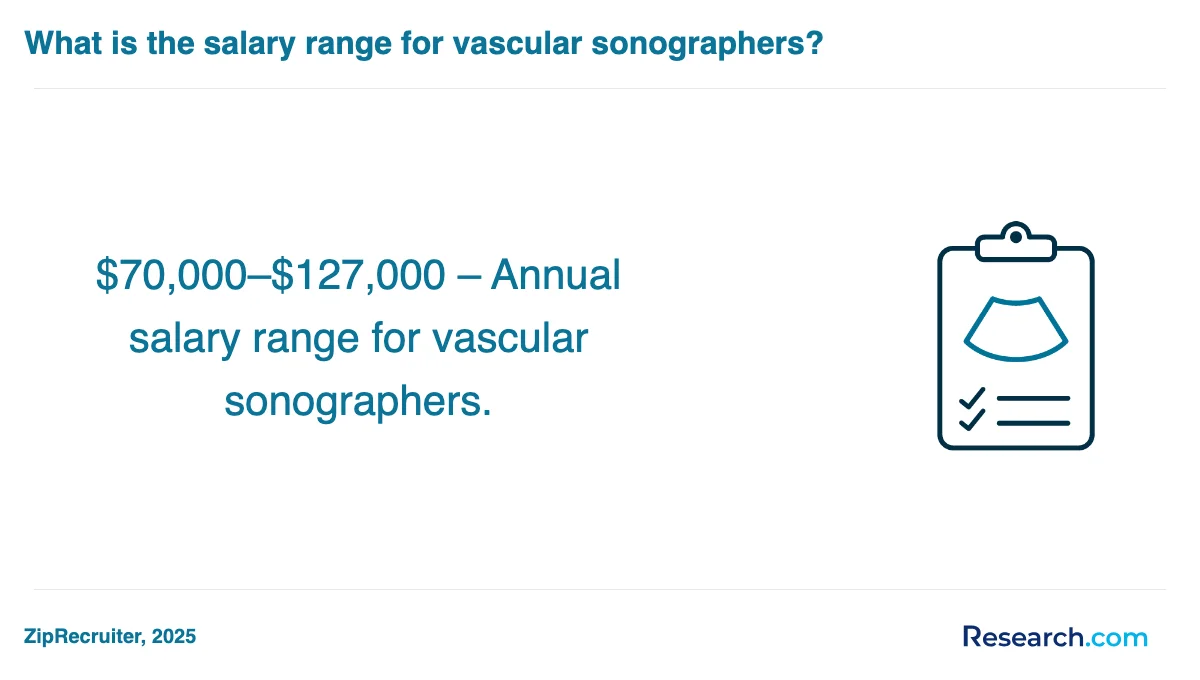
Medical sonographer students in Boston often find relief through a range of financial aid options that make pursuing their education more accessible and less stressful. Graduates from popular schools like Bunker Hill Community College frequently highlight the Federal Pell Grant as a game-changer, since it provides up to $7,395 in need-based aid without the burden of repayment. This kind of support often allows students to focus more on mastering sonography skills rather than worrying about finances.
Many students also take advantage of Federal Direct Student Loans, which come in both subsidized and unsubsidized forms, offering flexible repayment terms. Local community colleges, including Middlesex Community College, have helpful financial aid offices guiding students through these processes, making the experience feel supportive and manageable.
Massachusetts residents can benefit from the MASSGrant and additional state scholarships, which several graduates mention as critical in bridging tuition gaps. Institutional scholarships and payment plans at Boston trade schools further ease the financial load, turning what once seemed daunting into an achievable career path.
National scholarships, like the $2,500 award from the SDMS Foundation, also inspire optimism among students eager to invest in their future. Many find that combining these with private scholarships or employer tuition reimbursement creates a realistic path to completing their sonography education in Boston.
To enroll in a medical sonographer trade school program in Boston, students typically need to meet clear prerequisites that set a strong foundation for their studies. Many popular Boston trade schools expect applicants to have a high school diploma or GED, with a solid background in science and math. Graduates often recall how early preparation in biology and anatomy classes made their transition smoother and boosted their confidence during hands-on training.
Some key prerequisites include:
- Completion of prerequisite courses such as physics, algebra, and human anatomy
- Proof of CPR certification before clinical rotations
- Submission of letters of recommendation highlighting commitment and communication skills
- Passing a background check and immunization records, ensuring safety during patient interactions
Boston students share that trade schools like those near the Longwood Medical Area emphasize these criteria to cultivate a dedicated, compassionate student body. This approach helps candidates feel prepared and excited about the real-world challenges ahead, fostering a positive, supportive learning environment.
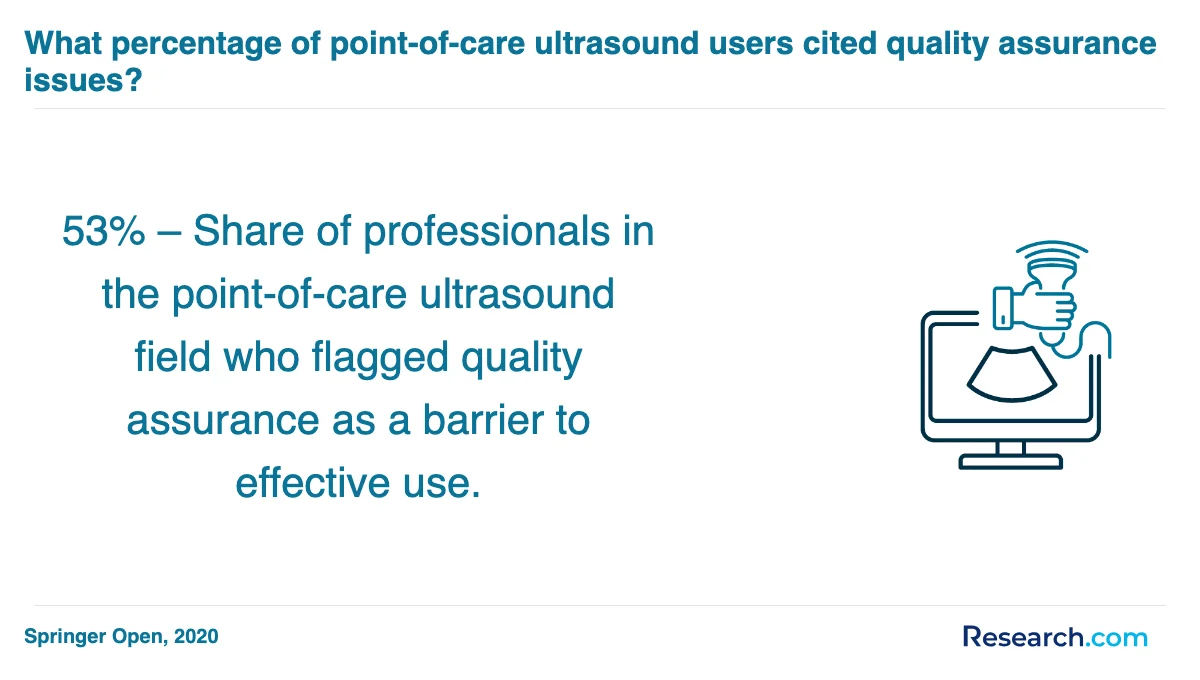
Medical sonographer trade school programs in Boston typically immerse students in a well-rounded curriculum designed to build confidence and competence from day one. Graduates from institutions like Bunker Hill Community College often recall starting with sonographic physics and instrumentation, a course that demystifies how ultrasound machines function, empowering students to produce clear, diagnostic images with ease.
Students quickly move into detailed studies of anatomy and physiology, learning the ins and outs of human body systems crucial for accurate imaging. Specialized courses then sharpen skills in areas such as:
- Abdominal sonography: capturing images of vital organs like the liver and kidneys.
- Obstetric and gynecological sonography: monitoring fetal development and female reproductive health.
- Vascular sonography: focusing on blood flow and vessel health, often using Doppler techniques.
- Pediatric sonography: adapting imaging methods for infants and children.
Many students share how patient care and ethics courses prepare them to communicate compassionately and professionally during scans, making patient interactions less intimidating. Hands-on clinical practicums in Boston-area hospitals provide real-world experience, turning textbook knowledge into practiced skill under expert supervision-an aspect graduates often highlight as pivotal to their readiness for employment.
Medical sonographer trade school programs in Boston currently emphasize diverse diagnostic medical sonography specializations in Boston, equipping students to thrive in a competitive healthcare environment. Graduates often share how focusing on abdominal sonography allows them to confidently image vital organs like the liver and kidneys, preparing them for hands-on hospital experiences diagnosing digestive or urinary conditions.
Many programs highlight vascular and OB/GYN sonography programs Boston as pivotal paths. One graduate recalls the excitement of mastering vascular sonography at a renowned Boston college, where unique exposure to blood flow and artery assessments opens doors to specialized jobs rarely found elsewhere in Massachusetts.
Besides the core tracks, popular Boston schools also expand horizons with specialties like breast, pediatric, and musculoskeletal sonography, making students feel well-prepared for varied clinical roles. Enrolling in these dynamic trade schools with options from certificates to bachelor's degrees, students benefit from real-world ultrasound training while building rewarding futures. For those seeking efficient entry into healthcare, exploring medical careers with 2 year degree can complement these sonography programs perfectly.
Choosing the best sonography programs in Boston involves looking beyond basic curriculum and focusing on real-world application. Graduates from top-rated ultrasound technician schools in Boston often emphasize the importance of clinical experience, where hands-on work in busy hospitals and clinics sharpens their skills and builds confidence. Many students find that programs offering flexible schedules, including evening classes or part-time options, make completing the course more manageable alongside work or family commitments.
Accreditation is another non-negotiable factor, ensuring your education qualifies you for certification exams that employers require. Boston-based programs that integrate certification preparation into their curriculum tend to produce graduates who feel well-prepared and optimistic about job prospects. Location also matters-a school close to major healthcare facilities provides more training opportunities, as alumni attest to the invaluable patient interaction they gained.
For those seeking speed without sacrificing quality, investigating options like an ultrasound tech fast track program could be transformative, offering an intensive route to certification and employment. The mix of affordable tuition, strong reputations, and supportive career services often shapes a rewarding student experience in this vibrant city.

Graduates of medical sonographer trade school programs in Boston often find themselves stepping into vibrant diagnostic medical sonographer jobs in Boston, where their skills are in high demand. Many quickly secure roles in hospitals, outpatient clinics, and specialized imaging centers, applying their knowledge in areas like abdominal or vascular sonography. For example, those trained at Bunker Hill Community College report feeling confident navigating real clinical environments, which helps them stand out to local employers.
Career opportunities for sonography graduates in Boston extend well beyond initial positions. With experience, many transition into specialized fields such as pediatric or musculoskeletal sonography or advance into leadership roles like sonography department supervisor. Others pursue paths as sonography educators or research technologists, contributing to innovative clinical studies at top Boston hospitals. Some find rewarding roles as applications specialists for ultrasound equipment companies or work with mobile ultrasound units serving community health agencies.
These diverse options show why so many students from Massachusetts College of Pharmacy and Health Sciences feel optimistic about their futures. With the city's expanding healthcare sector and competitive compensation, Boston remains a prime location for exploring good paying medical jobs that require little schooling, especially for those with sonography certifications.
The medical sonographer job outlook in Boston is highly promising for graduates from local trade schools. Many graduates from well-known Boston programs report quickly securing positions due to the city's robust healthcare infrastructure. With over 130 active job listings currently available, the demand spans general ultrasound roles to specialized fields like OB/GYN and vascular technology.
Boston's healthcare landscape is enriched by major hospitals and research centers, offering graduates a diverse employment environment and strong potential for career growth. Sonographer students often share experiences of rapid hiring, competitive wages, and sign-on bonuses reaching up to $15,000 for experienced candidates.
Key advantages graduates enjoy include:
- High hourly wages averaging $57.49 and weekly pay up to $2,861
- Opportunities in specialized diagnostic areas enhancing skill sets
- A network of hospitals and imaging centers for varied job placements
For those looking to optimize their job prospects, exploring diagnostic medical sonography accredited programs in Boston offers a strong foundation aligned with employer needs and current market trends in diagnostic medical sonography employment Boston.
Best Diagnostic Medical Sonographer Training Programs & Trade Schools - Top Sonography Schools in Boston for 2026
# 1 position
Bunker Hill Community College - Diagnostic Medical Sonography/Sonographer and Ultrasound Technician.
associateBunker Hill Community College offers a Diagnostic Medical Sonography/Sonographer and Ultrasound Technician program in a hybrid format. The program trains students to use ultrasound technology for diagnostic purposes, covering patient care, data integration, and equipment operation. Graduates earn a median salary of $75,659 one year after completion. Annual in-state tuition is $5,520. The program is accredited by the New England Commission on Higher Education.
# 2 position
MCPHS University - Mammography Technology/Technician.
certificate or diplomaMCPHS University offers a Mammography Technology/Technician program designed to prepare registered radiographers to become registered mammographers. The curriculum covers anatomy and physiology, mammography instrumentation, positioning, principles and procedures of mammography, and quality assurance. The program is accredited by the New England Commission on Higher Education. Annual in-state tuition for this program is $38,850.
Frequently Asked Questions about medical sonographer
After completing a medical sonographer trade school in Boston, preparing for the job market involves several key steps. First, obtaining professional certification, such as the American Registry for Diagnostic Medical Sonography (ARDMS), significantly improves employment prospects. Employers in Massachusetts often prefer certified candidates.
Networking is also critical. Joining local professional groups, like the Massachusetts Society of Ultrasound Professionals, can provide connections and job leads. Additionally, Boston's healthcare sector offers numerous internship and entry-level opportunities, which graduates should actively pursue to gain practical experience.
Finally, staying informed about regional job trends through resources like the Massachusetts Executive Office of Labor and Workforce Development helps tailor applications to in-demand specialties.
Employers in Boston seeking medical sonographer trade school graduates prioritize a mix of technical and interpersonal skills. Proficiency in operating ultrasound equipment and understanding anatomy are essential, as noted by the American Registry for Diagnostic Medical Sonography (ARDMS). Communication skills also rank highly, enabling sonographers to explain procedures clearly and comfort patients.
Attention to detail is critical for accurate imaging and diagnosis. According to the U.S. Bureau of Labor Statistics, diagnostic accuracy directly impacts patient outcomes, making precision a top skill. Additionally, familiarity with electronic health records (EHR) systems is increasingly important in Boston's healthcare facilities.
Problem-solving abilities and adaptability are valued, reflecting the fast-paced environment of hospitals and clinics in the region. Lastly, a strong foundation in patient care and professionalism rounds out the core skills employers demand from new graduates.
Finding internships in Boston relevant to medical sonographer trade school programs involves several strategic steps. First, students should connect with their school's career services, as many trade schools have established partnerships with local hospitals and imaging centers. These affiliations often provide direct internship opportunities tailored to sonography students.
Additionally, exploring Boston's major healthcare institutions like Massachusetts General Hospital and Boston Medical Center is beneficial. These facilities frequently offer clinical internships essential for hands-on experience. According to the Society of Diagnostic Medical Sonography (SDMS), clinical internships are a required component of accredited programs, ensuring students gain necessary practical skills.
Online platforms such as Handshake and Indeed can list local internship openings. Networking through professional associations, including the Massachusetts Sonographers Association, also increases access to opportunities. Early application and maintaining good academic standing improve chances of placement in competitive Boston internships.
Obtaining a medical sonographer trade school diploma in Boston significantly enhances career mobility and advancement opportunities. The diploma certifies technical competency in diagnostic imaging, a skill highly valued by local employers including hospitals and outpatient clinics. According to the U.S. Bureau of Labor Statistics, Boston's metropolitan area shows a projected 14% growth in sonography jobs through 2031, outpacing the national average.
Graduates with a diploma can qualify for entry-level positions swiftly, often leading to higher earning potential compared to candidates without formal training. Additionally, many Boston healthcare facilities prefer or require accredited diplomas for promotion to specialized roles.
Trade schools also frequently provide networking and clinical placement assistance, critical for career progression in the competitive Boston healthcare market. The Massachusetts Department of Higher Education highlights that diploma holders in allied health fields experience measurable improvements in employment rates and wage growth within five years of graduation.
Students enrolled in medical sonographer trade schools in Boston can benefit from several part-time job opportunities that enhance their education. Positions such as ultrasound technician assistants or medical imaging aides provide practical exposure to sonography equipment and patient interaction. These roles often exist in hospitals, outpatient clinics, and diagnostic imaging centers throughout Boston.
Additionally, working as a medical receptionist or administrative assistant in radiology departments offers valuable insight into healthcare workflows. According to the U.S. Bureau of Labor Statistics, Boston's healthcare sector is growing steadily, increasing demand for support roles linked to sonography.
Gaining experience in these part-time positions can improve technical skills and strengthen resumes for future sonographer certification and employment.
Yes, there are several medical sonographer degree programs near Boston, MA. Many local universities and community colleges offer accredited programs in diagnostic medical sonography, preparing students for certification and employment in the healthcare field. For detailed information on top-ranking programs, Research.com could be a helpful resource to find a program near me.
- Best Diagnostic Medical Sonographer Training Programs & Trade Schools - Top Sonography Schools in Lewiston for 2026
- Best Diagnostic Medical Sonographer Training Programs & Trade Schools - Top Sonography Schools in Livonia for 2026
- Best Diagnostic Medical Sonographer Training Programs & Trade Schools - Top Sonography Schools in Lansing for 2026
- Best Diagnostic Medical Sonographer Training Programs & Trade Schools - Top Sonography Schools in Fort Wayne for 2026
- Best Diagnostic Medical Sonographer Training Programs & Trade Schools - Top Sonography Schools in Cincinnati for 2026
- Sonography Career Paths https://www.ultrasoundschoolsinfo.com/sonography-career-paths/
- Diagnostic Medical Sonographers and Cardiovascular Technologists and Technicians : Occupational Outlook Handbook: : U.S. Bureau of Labor Statistics https://www.bls.gov/ooh/healthcare/diagnostic-medical-sonographers.htm
- 7 Reasons to Train for a Career in Sonography | Ultrasound Technician, Diagnostic Medical Sonography, Bachelor and Associate Programs - Los Angeles, Glendale, Pasadena https://amsc.edu/7-reasons-to-train-for-a-career-in-sonography/
- Careers in Diagnostic Sonography | Health Professions Program | IU School of Medicine https://medicine.iu.edu/undergraduate-health-professions/degrees-and-certificates/sonography/career
- Becoming a Diagnostic Medical Sonographer | AIMS Education https://aimseducation.edu/blog/diagnostic-medical-sonography-guide
- Diagnostic Medical Sonographer - Explore Healthcare Careers - Mayo Clinic College of Medicine & Science https://college.mayo.edu/academics/explore-health-care-careers/careers-a-z/diagnostic-medical-sonographer/
- Sonographer-Imaging Part Time Nights at Northwestern Medicine https://jobs.nm.org/job/lake-forest/sonographer-imaging-part-time-nights/27763/78951187296
- Diagnostic Medical Sonography (General Fast Track BS) | MCPHS https://www.mcphs.edu/academics/programs/diagnostic-medical-sonography-bs-fast-track
- General Sonography - Bunker Hill Community College https://www.bhcc.edu/academics/divisions/healthsciences/medicalimaging/generalsonography/
- How to Become a Medical Sonographer in Massachusetts (2025) | Dreambound https://dreambound.com/blog/how-to-become-a-medical-sonographer-in-massachusetts