Best Diagnostic Medical Sonographer Training Programs & Trade Schools - Top Sonography Schools in Northeast for 2026

Co-Founder and Chief Data Scientist
Choosing the right medical sonographer trade school in the Northeast can feel overwhelming, but this article is here to help. We present a carefully crafted medical sonographer trade school programs ranking developed by the Research.com team of data scientists to guide your decision-making.
By exploring this ranking, you’ll discover programs that offer quality training and valuable certifications, setting you up for a rewarding career in healthcare. Whether starting fresh or advancing skills, earning a diploma can open doors to meaningful work and growth.
Take this step confidently toward your future in medical sonography.
Key benefits of finishing medical sonographer trade school in Northeast
- Graduates in the Northeast can expect a strong starting salary, such as in Massachusetts where entry-level medical sonographers earn between $76,000 and $98,000 annually, offering great financial stability early in their careers.
- A graduate from a popular Northeast trade school often finds diverse career paths, including roles in hospitals, outpatient clinics, or specialized imaging centers, allowing for growth and specialization.
- Finishing a medical sonographer trade school online offers flexibility and convenience, as shown by online graduates who balance work and study effectively while gaining the same valuable skills as traditional students.
- Best Diagnostic Medical Sonographer Training Programs & Trade Schools - Top Sonography Schools in Northeast for 2026
- What can I expect from medical sonographer trade schools in Northeast?
- Where can I work after finishing medical sonographer trade schools in Northeast?
What can I expect from medical sonographer trade schools in Northeast?
Enrolling in a medical sonographer trade school program in the Northeast means committing to an intensive, full-time schedule that many graduates describe as both challenging and rewarding. For instance, students at CT State Community College experience a rigorous 24-month daytime program requiring hands-on learning without the flexibility of evening or online classes. This immersive environment encourages deep focus and fosters strong peer connections.
Expect a blend of classroom learning-covering anatomy, patient care, and ethics-and extensive clinical practicums where you actively scan patients in hospitals or outpatient clinics. Graduates often recall the excitement and nervousness of their first supervised clinical day, emphasizing how these real-world experiences build confidence and skill. Traveling within the state for clinical rotations is common, so you'll need to plan accordingly.
Programs like those at Yale New Haven Hospital offer shorter certificate options but maintain the same in-person, hands-on approach. Many graduates feel well-prepared to tackle national certification exams and step into the workforce quickly, buoyed by strong employment prospects in local medical facilities.
Where can I work after finishing medical sonographer trade schools in Northeast?
After finishing a medical sonographer trade school program in the Northeast, graduates often find themselves welcomed by a diverse range of employers eager to hire skilled professionals. Many start their careers in bustling hospital diagnostic imaging departments, emergency rooms, or specialty units like cardiology and women's health. For example, graduates from popular trade schools in New Jersey and Pennsylvania frequently secure positions in these high-demand settings, experiencing firsthand the rewarding pace and teamwork involved.
Others discover fulfilling roles in outpatient imaging centers and specialty clinics, where they apply their training to obstetrics or cardiovascular imaging. Some graduates share how working in smaller physician practices specializing in gynecology or vascular medicine offers a more personal connection with patients, making their work feel deeply impactful.
Mobile imaging services and urgent care centers attract those seeking variety and flexibility, often allowing graduates to travel between facilities or communities. Many alumni also appreciate opportunities in per diem or travel sonographer roles, which blend higher pay with dynamic work environments.
Experienced graduates sometimes pivot toward education, helping train the next wave of sonographers at trade schools throughout the Northeast, a path that brings both satisfaction and a sense of giving back.
Graduates from medical sonographer trade schools in the Northeast often find themselves stepping into roles with promising salaries right away. For example, many who trained at well-known regional programs report starting wages close to $40 an hour, which can quickly add up to an annual salary around $83,000 to $92,000 depending on the state. In New Jersey, the average annual pay is about $87,010, while in Massachusetts, entry-level sonographers commonly see hourly rates near $44, translating to roughly $92,060 per year.
Many graduates share how these earnings provide immediate financial relief and a strong sense of accomplishment after completing their training. One common story is starting at a bustling hospital or outpatient clinic in Boston or nearby cities, where the demand for skilled sonographers helps keep salaries competitive. While entry pay varies-some earn closer to $76,000 annually, others reach nearly $98,000-this range reflects differences in employer type and location.
Beyond salary, these graduates often highlight the positive workplace environments and opportunities for rapid advancement with additional certifications, making the investment in a trade school program feel worthwhile and motivating for future growth.
- Programs require a high school diploma or GED and may ask for prior science coursework and Basic Life Support CPR certification.
- Full-time study ranges from 12 to 24 months, with clinical practicums at affiliated medical centers and students covering transportation costs.
- Tuition varies widely, starting around $8,000 per year at community colleges, with higher costs at private schools in urban areas.
- Graduates can take the ARDMS and ARRT(S) registry exams, which are necessary for sonographer employment.
- Entry-level salaries range from $65,000 to $80,000 annually, with experienced sonographers earning over $90,000.
- Most programs are accredited by CAAHEP and report high employment rates in hospitals, clinics, and private practices.
Completing a medical sonographer trade school program in the Northeast typically takes about 18 to 24 months, depending on the school and whether you attend full-time or part-time. Many graduates from well-known trade schools in this region describe the journey as intense but incredibly rewarding, especially when they move from classroom theory to hands-on clinical practice so quickly.
At popular Northeast trade schools, students often share how the structured timelines helped them stay motivated and on track. One graduate recalled balancing coursework with clinical hours, feeling a growing sense of confidence as they mastered ultrasound equipment and patient interaction. The relatively short duration means you can start working in the field sooner, which adds to the excitement and sense of accomplishment.
The blend of lectures, labs, and clinical rotations is designed to immerse you fully, ensuring that by the time you finish-often in under two years-you're prepared for certification and the fast-paced healthcare environment. This timeframe suits those eager to launch their medical sonographer career without long delays.
The key difference between online and on-campus medical sonographer trade school programs in the Northeast revolves around how students engage with their training. Graduates from on-campus programs at schools like Connecticut State Community College often describe the energy of attending face-to-face classes and hands-on labs every day. They value the immediate feedback from instructors and the chance to practice with real ultrasound machines, which builds their confidence. Clinical rotations at nearby hospitals require a daily commute, but many find the direct patient interaction and teamwork immensely rewarding, making the hard work feel purposeful.
In contrast, students pursuing online components usually experience greater flexibility with their general education courses but still must complete core sonography training and clinical hours in person. Graduates from these hybrid setups appreciate managing their schedules but often mention the challenge of coordinating clinical placements independently. Despite this, both pathways share a common goal: ensuring students gain the essential hands-on skills needed to succeed as sonographers in the Northeast healthcare environment.
The average cost of medical sonographer programs in Northeast trade schools often falls within a broad range depending on the program level and institution. Certificate programs tend to vary from $5,000 to $25,000, with some graduates sharing how the one-year focus allowed them to enter the healthcare workforce quickly while managing expenses effectively. In the Northeast, tuition fees for sonography schools generally reflect this spectrum, with some community colleges offering more affordable options close to $6,800 for in-state students.
Graduates from these programs frequently highlight the balance they found between cost and quality, feeling confident they received hands-on training that prepared them well for sonographer careers. For those pursuing associate degrees, tuition fees can increase significantly, sometimes reaching up to $40,000 depending on duration and residency. These programs, often lasting two to four years, appeal to students seeking deeper expertise and more comprehensive clinical experiences.
When considering tuition fees for sonography schools in Northeast United States, it's helpful to hear how graduates appreciated programs that combined classroom learning with practical internships, helping them feel ready for real-world challenges. Prospective students should explore specific schools to find the right fit, including what schools are good for ultrasound tech by visiting what schools are good for ultrasound tech. This research can clarify costs and program strengths in a region where prices vary but opportunities abound.
Medical sonographer trade school students in the Northeast often find financial aid options that truly ease the burden of tuition, making their educational journey feel achievable and hopeful. Graduates from well-known programs like those at community colleges in Massachusetts and New York describe how completing the Free Application for Federal Student Aid (FAFSA) unlocked Pell Grants and state-specific grants, reducing their out-of-pocket costs significantly.
Many recall the relief of securing scholarships from professional groups such as the Society of Diagnostic Medical Sonographers Educational Foundation, which awards $2,500 to committed students, or the Anne Jones Scholarship from the Society for Vascular Ultrasound, which not only supports tuition but also recognizes academic excellence and financial need.
Institutions themselves often offer scholarships or tuition discounts, creating a supportive environment where students can focus on learning instead of finances. Some healthcare employers also provide tuition reimbursement, which graduates often mention as a game-changer, allowing them to work and study simultaneously without overwhelming debt.
Work-study programs and private scholarships from nonprofit foundations add further layers of support, ensuring students have multiple avenues to fund their education while balancing real-life responsibilities.
Enrolling in a medical sonographer trade school program in the Northeast typically requires a few key prerequisites that prepare students for success. Most popular trade schools in this region expect applicants to have a high school diploma or GED, ensuring a foundational level of education.
Graduates often recall the importance of meeting these baseline requirements, which gave them confidence entering the program. Beyond this, many schools emphasize proficiency in subjects like biology, anatomy, and basic math, as these form the backbone of sonography studies.
Applicants may also need to submit letters of recommendation or complete an entrance exam to demonstrate their readiness. Some trade schools encourage or require healthcare-related volunteer experience, helping students envision real-life clinical environments early on.
- High school diploma or GED
- Basic science and math knowledge
- Letters of recommendation or entrance exams
- Healthcare volunteer experience (preferred or required)
These prerequisites ensure students from Northeast trade schools feel prepared and excited as they begin hands-on training, fostering a strong sense of accomplishment and motivation throughout the program.
Medical sonographer trade school programs in the Northeast typically immerse students in a mix of essential science and hands-on clinical training, preparing them confidently for real-world healthcare settings. Graduates often recall starting with core science courses like Anatomy and Physiology, which build a clear understanding of the human body's structure-crucial when identifying organs during scans.
Many students appreciate how classes in Pathophysiology and Ultrasound Physics make complex concepts accessible, explaining how diseases appear on images and how sound waves create those images. Popular Northeast trade schools emphasize specialized technical courses, covering abdominal, obstetric, gynecological, and vascular sonography, often through focused modules such as:
- Abdominal Sonography
- Obstetric and Gynecologic Sonography
- Vascular Technology
Hands-on clinical practicums at affiliated hospitals bring excitement and confidence to students, who describe these rotations as the moment theory truly meets practice. They handle real equipment and patients under supervision, gaining skills that textbooks alone can't provide.
General education courses like English Composition and Psychology also support students' growth, enhancing communication and empathy-skills highly valued in patient care. Throughout the program, ethics and professional standards are continuously reinforced, ensuring graduates feel ready to uphold trust and safety in any clinical environment.
Medical sonographer trade school programs in the Northeast often offer diverse specializations, enabling students to tailor their training to specific diagnostic areas. Graduates from popular institutions like the Center for Allied Health Education in Brooklyn share how focused study in fields such as abdominal sonography and obstetric sonography helped them build confidence in clinical settings. Many programs also emphasize vascular sonography and echocardiography, addressing growing demand for expertise in imaging blood vessels and heart function.
Typical specializations available include:
- Abdominal and obstetric sonography, covering imaging of vital organs and fetal development
- Cardiac sonography (echocardiography), concentrating on heart diagnostics
- Vascular sonography, focusing on blood flow and vessel health
- Musculoskeletal sonography in select schools
Some associate degree programs even let students focus on abdominal-extended and obstetric tracks, providing hands-on experience that graduates describe as empowering. These targeted curricula help students prepare for specific roles, aligning with increasing job opportunities in the region's healthcare sector. For a better grasp of the career landscape, exploring different radiology jobs through different radiology jobs can be insightful for prospective students eager to understand their options beyond training.
Choosing the best medical sonographer trade schools in Northeast means focusing on accreditation and real-world experience. Graduates from well-known institutions like Northeast College of Health Sciences often share how early clinical exposure gave them confidence in ultrasound labs, reinforcing learning beyond textbooks. Programs that emphasize specialized tracks, such as vascular or cardiac sonography offered at Northampton Community College, allow students to explore areas aligned with their passions and career goals.
Financial clarity is essential, especially regarding the average cost of medical sonographer diploma in Northeast programs. Some schools offer support through scholarships and meal plans, making the investment manageable and less stressful. Flexible scheduling options and shorter program lengths appeal to those balancing work and study, with many students appreciating Associate degrees completed in under two years.
Certification readiness is crucial; programs preparing for the ARDMS exam increase employability and professional credibility. Many graduates note that hands-on learning and strong faculty support were vital to their success. Exploring these factors will help you join a thriving community within health care professions.
Graduates of medical sonographer trade school programs in Northeast find a wealth of medical sonographer jobs in Northeast that tap into diverse, rewarding roles. Many start as diagnostic medical sonographers in busy hospitals or clinics, where graduates from popular trade schools experience hands-on patient care while conducting ultrasound exams. Some pursue specializations such as obstetric/gynecological or vascular sonography, driven by the high demand in Northeast metropolitan areas.
Others leverage their skills into career opportunities for Northeast sonography graduates beyond direct patient care. These include:
- Ultrasound technician roles in diagnostic laboratories
- Educational positions training new students at local trade schools
- Administrative roles managing sonography departments
- Technical advisor or sales specialist positions with medical device companies
Many graduates report a strong sense of accomplishment and optimism, appreciating the Northeast's robust job market that supports rapid employment growth. With the right certifications, they can secure higher-paying jobs and explore leadership or research paths. For those curious about compensation, check out salary for diagnostic medical sonographer to better understand potential earnings and career advancement trajectories.
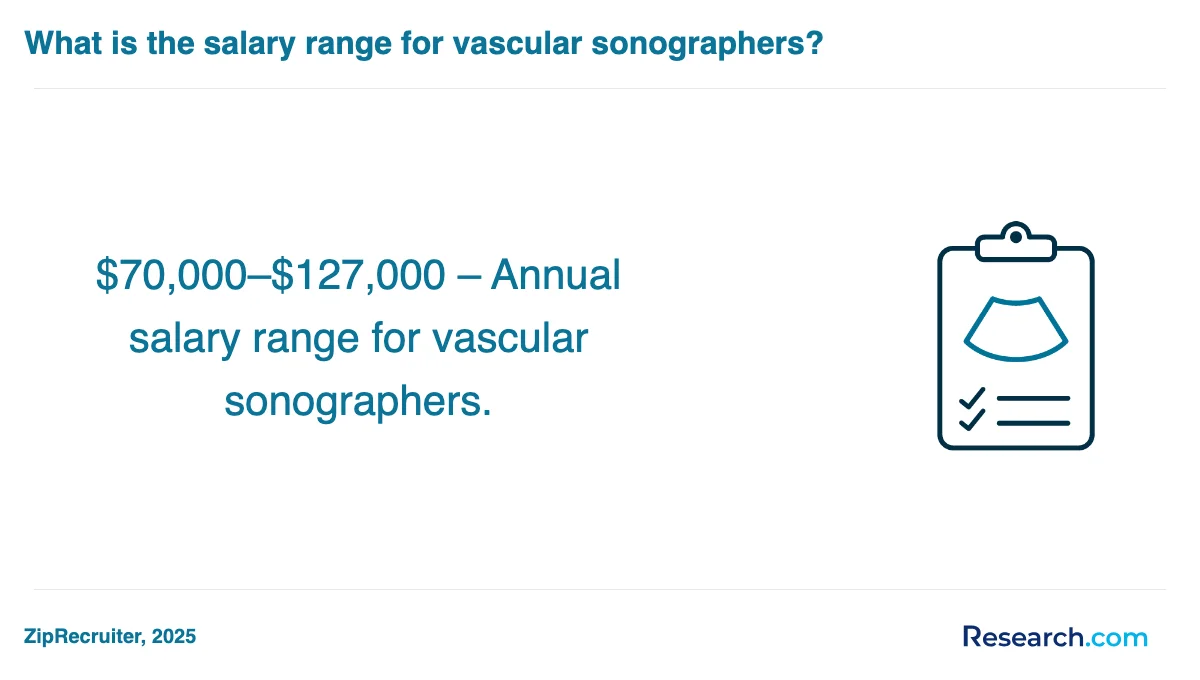
The medical sonographer job outlook Northeast remains exceptionally strong, fueled by an expanding healthcare sector and a growing need for skilled professionals. Graduates from popular trade schools in the region often share stories of quick job placements and hands-on clinical experiences that prepare them thoroughly for roles in hospitals and outpatient clinics. With Rhode Island projecting a 21% growth and Vermont 14%, the opportunities feel both promising and tangible.
Many graduates describe working in bustling metropolitan areas like New York or Camden-Philadelphia, where demand for diagnostic medical sonographers is among the nation's highest. These regions also offer competitive compensation, reinforcing a positive outlook for new entrants in the field. The diagnostic medical sonographer salary Northeast regularly exceeds national averages, with wages often ranging between $33.65 and $55.05 per hour, rewarding both experience and dedication.
For those interested in pathways to success, exploring the best sonography online programs can complement local trade school training, broadening skills and career potential.
- Strong job growth in top Northeast states
- Hands-on clinical training valued by employers
- High employment rates in major metro job markets
- Competitive salaries exceeding national averages
Best Diagnostic Medical Sonographer Training Programs & Trade Schools - Top Sonography Schools in Northeast for 2026
# 1 position
Rowan College at Burlington County - Diagnostic Medical Sonography/Sonographer and Ultrasound Technician.
associateRowan College at Burlington County offers a hybrid Diagnostic Medical Sonography/Sonographer and Ultrasound Technician program. The curriculum trains students to use ultrasound techniques to collect diagnostic sonographic data, including patient care and equipment operation. The program is accredited by the Middle States Commission on Higher Education. Annual in-state tuition is $4,968, and graduates earn a median salary of $81,015 one year after completion.
# 2 position
American Institute of Healthcare & Technology - Diagnostic Medical Sonography/Sonographer and Ultrasound Technician.
certificate or diplomaThe Diagnostic Medical Sonography/Sonographer and Ultrasound Technician program at the American Institute of Healthcare & Technology offers a hybrid format with some distance-education options. It prepares students to use medical ultrasound techniques under physician supervision to diagnose various conditions. The curriculum includes patient care, data recording, sonographic processing, and professional ethics. The program is accredited by the Middle States Commission on Secondary Education.
# 3 position
Hudson Valley Community College - Diagnostic Medical Sonography/Sonographer and Ultrasound Technician.
certificate or diplomaHudson Valley Community College offers a fully online Diagnostic Medical Sonography/Sonographer and Ultrasound Technician program. This program trains students to use medical ultrasound techniques for diagnosing various conditions, including instruction in patient care, data recording, and sonography equipment operation. The annual in-state tuition is $6,694. Graduates earn a median salary of $69,242 one year after completion. The program is accredited by the Middle States Commission on Higher Education.
# 4 position
Bucks County Community College - Diagnostic Medical Sonography/Sonographer and Ultrasound Technician.
associateThe Diagnostic Medical Sonography/Sonographer and Ultrasound Technician program at Bucks County Community College offers a hybrid format with some distance-education options. It trains students to use medical ultrasound techniques for diagnostic purposes under physician supervision. The program covers patient care, sonographic data processing, and professional ethics. Annual in-state tuition is $5,021. Graduates have a median earning of $63,565 one year after completion. The program is accredited by the Middle States Commission on Higher Education.
# 5 position
Middlesex Community College - Diagnostic Medical Sonography/Sonographer and Ultrasound Technician.
associateMiddlesex Community College offers a Diagnostic Medical Sonography/Sonographer and Ultrasound Technician program with a hybrid format, including some distance-education options. The program prepares students to use medical ultrasound techniques for diagnostic purposes under physician supervision. It covers patient care, sonographic data processing, and equipment operation. Annual in-state tuition is $6,048. Graduates have median earnings of $63,037 one year after completion. The program is accredited by the New England Commission on Higher Education.
# 6 position
Howard Community College - Diagnostic Medical Sonography/Sonographer and Ultrasound Technician.
associateHoward Community College offers a Diagnostic Medical Sonography/Sonographer and Ultrasound Technician program with a hybrid format, including some distance education. The program trains students to perform medical ultrasound techniques under physician supervision, covering patient care, sonographic data processing, and professional ethics. Annual in-state tuition is $4,080. Graduates have a median earning of $72,633 one year after completion. The program is accredited by the Middle States Commission on Higher Education.
# 7 position
Howard Community College - Diagnostic Medical Sonography/Sonographer and Ultrasound Technician.
certificate or diplomaHoward Community College offers a Diagnostic Medical Sonography/Sonographer and Ultrasound Technician program with a hybrid format, including some distance education options. The program prepares students to use medical ultrasound techniques for diagnostic purposes, covering patient care, sonographic data processing, and professional ethics. Annual in-state tuition is $4,080. Graduates earn a median salary of $72,633 one year after completion. The program is accredited by the Middle States Commission on Higher Education.
# 8 position
Bergen Community College - Diagnostic Medical Sonography/Sonographer and Ultrasound Technician.
associateBergen Community College offers a Diagnostic Medical Sonography program with a hybrid format, including some distance-education options. The program trains students to use ultrasound technology for diagnosing medical conditions under physician supervision. It covers patient care, data collection, sonographic processing, equipment operation, and professional ethics. Annual in-state tuition is $4,757. Graduates have a median earning of $72,486 one year after completion. The program is accredited by the Middle States Commission on Higher Education.
# 9 position
Bunker Hill Community College - Diagnostic Medical Sonography/Sonographer and Ultrasound Technician.
associateBunker Hill Community College offers a Diagnostic Medical Sonography/Sonographer and Ultrasound Technician program in a hybrid format. The program trains students to use ultrasound technology for diagnostic purposes, covering patient care, data integration, and equipment operation. Graduates earn a median salary of $75,659 one year after completion. Annual in-state tuition is $5,520. The program is accredited by the New England Commission on Higher Education.
# 10 position
Community College of Rhode Island - Diagnostic Medical Sonography/Sonographer and Ultrasound Technician.
associateThe Diagnostic Medical Sonography/Sonographer and Ultrasound Technician program at Community College of Rhode Island offers a hybrid format with some distance education. It trains students to use ultrasound techniques to collect sonographic data for diagnosing various conditions under physician supervision. The curriculum covers patient care, data processing, equipment operation, and professional ethics. Annual in-state tuition is $5,326. Graduates earn a median salary of $58,304 one year after completion. The program is accredited by the New England Commission on Higher Education.
Frequently Asked Questions about medical sonographer
After completing a medical sonographer trade school in the Northeast, preparing for the job market involves several key steps. First, obtaining certification from the American Registry for Diagnostic Medical Sonography (ARDMS) is crucial, as many employers in the region require this credential. According to the Bureau of Labor Statistics, the Northeast has a competitive but growing job market for sonographers, with states like New York and Massachusetts showing strong demand.
Networking through clinical rotations and school career services can connect graduates with potential employers. Additionally, developing strong technical skills and staying updated on ultrasound technology trends enhances employability. Job seekers should also tailor resumes to highlight hands-on experience and certifications when applying to hospitals, clinics, or imaging centers.
Employers in the Northeast region prioritize several key skills when hiring medical sonographer trade school graduates. Technical proficiency in operating ultrasound equipment is essential, as it ensures accurate imaging and diagnosis. According to the Bureau of Labor Statistics, strong knowledge of anatomy and physiology is also critical for effective patient assessments.
Communication skills are highly valued, enabling sonographers to explain procedures and results clearly to patients and healthcare teams. Additionally, attention to detail is necessary to identify subtle abnormalities during scans.
Employers often seek graduates familiar with electronic health records (EHR) systems, reflecting the growing digitization of medical data in Northeast healthcare facilities.
Finding internships relevant to medical sonographer trade school programs in the Northeast involves several strategic steps. Start by contacting local hospitals, diagnostic imaging centers, and outpatient clinics, as these facilities frequently offer internship opportunities to students. The Society of Diagnostic Medical Sonography (SDMS) reports that clinical internships are often a required component of accredited programs, ensuring students gain hands-on experience.
Many trade schools in the Northeast have partnerships with healthcare providers, so inquire directly at your school's career services office. Additionally, websites like the American Registry for Diagnostic Medical Sonography (ARDMS) provide resources to locate accredited programs and affiliated clinical sites.
Networking through local professional organizations and attending career fairs can also increase internship prospects. According to the Bureau of Labor Statistics, the Northeast has a higher concentration of sonography-related jobs, which may translate to more internship openings in urban centers such as New York, Boston, and Philadelphia.
A medical sonographer trade school diploma in the Northeast significantly enhances career mobility and advancement opportunities. According to the Bureau of Labor Statistics (BLS), the region's healthcare sector shows steady growth, with an expected 12% increase in sonography jobs from 2022 to 2032. Graduates with a diploma are often preferred for entry-level positions, providing a competitive edge in a crowded job market.
Trade schools focus on practical skills and clinical experience, which employers value highly. This hands-on training can lead to faster promotions and higher salaries. Additionally, many employers in the Northeast recognize accredited diplomas, facilitating easier relocation within states like New York, Massachusetts, and Pennsylvania.
Data from the American Registry for Diagnostic Medical Sonography (ARDMS) indicates that certified diploma holders tend to have better job retention rates and advancement prospects. This credential can open doors to specialized sonography fields, increasing social mobility and long-term career growth.
Part-time job opportunities in the Northeast that complement medical sonographer trade school education often include roles such as ultrasound technician assistants, medical office receptionists, and patient transporters. These positions provide valuable exposure to healthcare settings and help develop relevant skills. According to the U.S. Bureau of Labor Statistics, the Northeast region shows steady growth in diagnostic medical sonography, with a 14% projected increase through 2030, making practical experience beneficial.
Working in clinics or hospitals part-time allows students to observe sonographic equipment usage and patient interaction firsthand. This experience can enhance understanding of sonography principles taught in trade schools.
Additionally, positions in medical billing or health information management offer insight into healthcare operations, useful for future sonographers interested in administrative aspects.
To find the best Medical Sonographer degree program near me in Northeast, start by researching local colleges and universities that offer programs in this field, as they provide crucial hands-on training and academic resources. Programs accredited by the Commission on Accreditation of Allied Health Education Programs (CAAHEP) are typically sought after, ensuring that the curriculum meets industry standards. Research.com can be a helpful resource to compare different programs and university offerings in the area, guiding you in making an informed decision.
- Diagnostic Medical Sonography https://www.sait.ca/programs-and-courses/diplomas/diagnostic-medical-sonography
- Medical Sonography | Wake Tech https://www.waketech.edu/programs-courses/credit/sonography
- How To Become A Sonographer - ARDMS https://www.ardms.org/how-to-become-a-sonographer/
- Sonography Program | College of DuPage https://www.cod.edu/academics/programs/sonography/
- Diagnostic Medical Sonography Associate Degree Program https://pmi.edu/on-campus-programs/associate/diagnostic-medical-sonography/
- Diagnostic Medical Sonography https://www.mchs.edu/academics/associate-degrees/diagnostic-medical-sonography/
- Diagnostic Medical Sonography - Ivy Tech Community College https://www.ivytech.edu/programs/all-academic-programs/school-of-health-sciences/diagnostic-medical-sonography/
- Diagnostic Medical Sonography https://gwinnetttech.edu/diagnosticmedicalsonography/
- Accredited Diagnostic Medical Sonography Programs | CBD College https://www.cbd.edu/programs/diagnostic-medical-sonography/
- Diagnostic Medical Sonography Program | Medford & Levittown, NY https://hunterbusinessschool.edu/programs-offered/diagnostic-medical-sonography-program/