Best Diagnostic Medical Sonographer Training Programs & Trade Schools - Top Sonography Schools in Louisiana for 2026

Co-Founder and Chief Data Scientist
Choosing the right medical sonographer trade school in Louisiana can shape your future career and open doors to rewarding opportunities. This article introduces a carefully curated ranking of medical sonographer trade school programs, developed by the Research.com team of data scientists to guide you in making an informed decision.
Whether you’re starting fresh or seeking a new path, earning a diploma or certification in this field offers valuable skills and job prospects. Read on to discover programs that match your goals and help you take confident steps toward a fulfilling career.
Key benefits of finishing medical sonographer trade school in Louisiana
- Graduates from medical sonographer trade schools in Louisiana can expect an average annual salary around $84,000, with potential to earn more as they gain experience and certifications.
- Career paths often include roles as diagnostic medical sonographers or specialized technicians, providing opportunities in hospitals, clinics, or imaging centers.
- Completing a medical sonographer trade school online offers flexibility and convenience, allowing students to balance work and study while gaining the same valuable skills as traditional programs.
- Best Diagnostic Medical Sonographer Training Programs & Trade Schools - Top Sonography Schools in Louisiana for 2026
- What can I expect from medical sonographer trade schools in Louisiana?
- Where can I work after finishing medical sonographer trade schools in Louisiana?
What can I expect from medical sonographer trade schools in Louisiana?
Enrolling in a medical sonographer trade school program in Louisiana means diving into a well-rounded mix of classroom learning, lab work, and hands-on clinical experience that builds real confidence. Graduates from schools like Baton Rouge Community College and Delgado Community College often reflect on how their time juggling anatomy lectures and sonographic physics labs prepared them for the technical challenges ahead.
Expect to engage deeply with courses covering abdominal, obstetrics, and gynecology sonography, alongside clinical rotations in nearby healthcare facilities where you apply skills directly to patient care. Many students describe these rotations as eye-opening, turning textbook knowledge into practical expertise under the watchful guidance of seasoned professionals.
The programs are designed not just to teach but to prepare you for ARDMS certification exams, which graduates say was a motivating milestone that validated their readiness. Along the way, supportive faculty and mentoring make the demanding journey manageable, with many appreciating the personalized advising that keeps them on track toward graduation.
Where can I work after finishing medical sonographer trade schools in Louisiana?
Graduates from medical sonographer trade schools in Louisiana often find rewarding employment in diverse healthcare settings across the state. Many begin their careers in hospitals, where they work closely with physicians in radiology or diagnostic imaging departments. One graduate shared how starting at a Baton Rouge hospital allowed them to gain hands-on experience performing ultrasounds that directly impact patient care, making each day feel meaningful and fulfilling.
Others discover opportunities in outpatient clinics, specialty medical practices, or physician offices focusing on obstetrics, cardiology, or vascular medicine. For example, a recent graduate from a New Orleans program described the satisfaction of supporting a busy cardiology clinic, where flexible scheduling helped balance work and personal life.
Travel sonography is another exciting path, offering the chance to work short-term assignments across Louisiana's urban and rural areas. Graduates appreciate how this flexibility combines adventure with a lucrative weekly income. Overall, medical sonographer trade schools in Louisiana prepare students for roles that provide both professional growth and emotional rewards in vibrant, patient-centered environments.
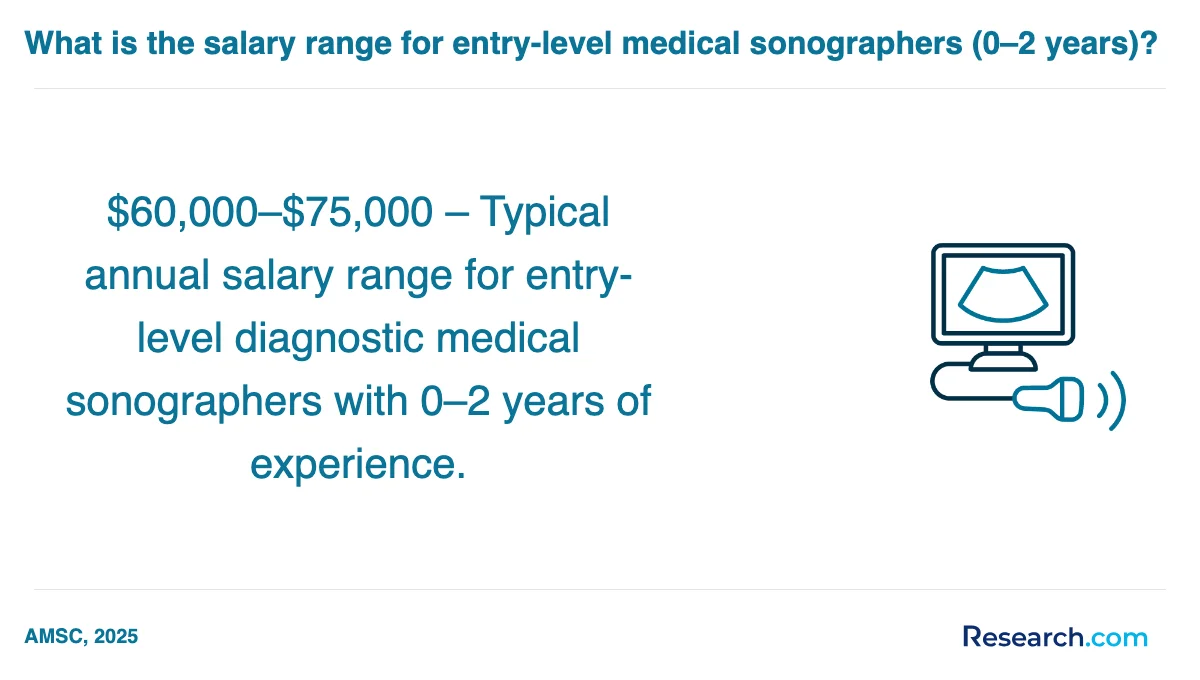
Graduates of medical sonographer trade schools in Louisiana often find themselves pleasantly surprised by the earning potential that follows their hard work. Starting salaries typically hover around $47,440 per year, a figure many recent completers from well-known Louisiana programs have shared as a solid stepping stone.
As these graduates gain hands-on experience in hospitals or clinics-some in bustling New Orleans or Baton Rouge-they often see their salaries climb toward the state average of about $61,790 annually. One graduate recalled feeling proud when moving past the entry-level mark after just a year on the job.
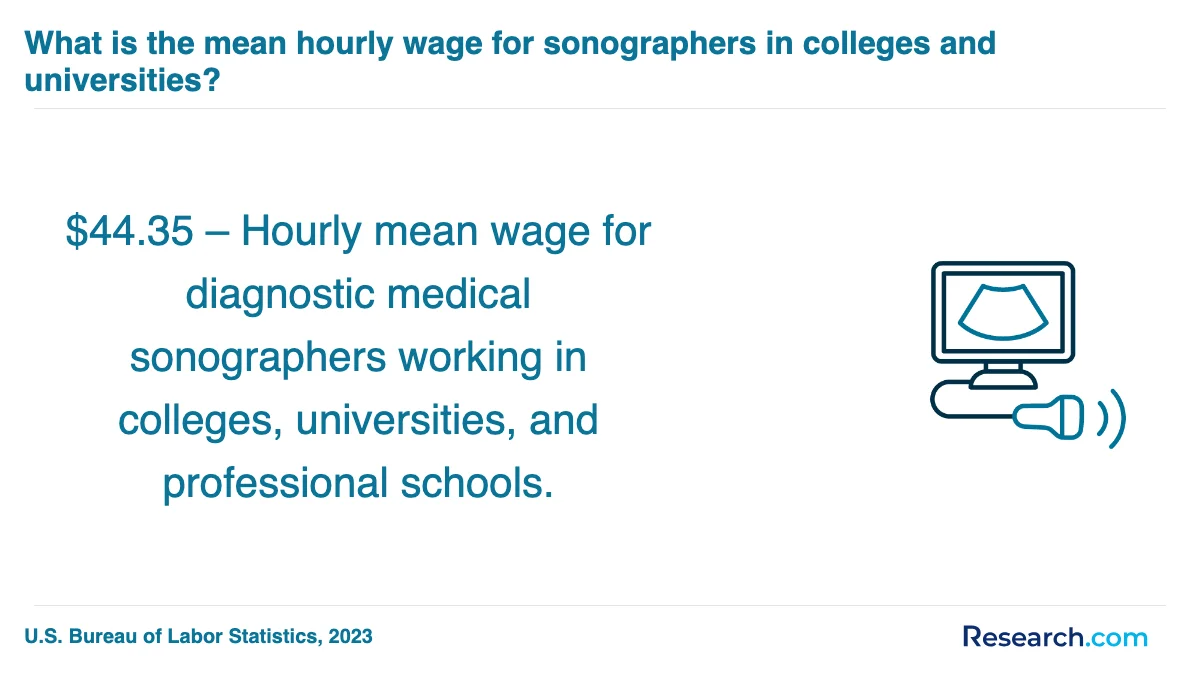
For those who specialize, such as in vascular sonography, the payoff can be even greater, with salaries reaching $90,000 to $100,000 per year in major cities. Hourly wages also reflect this growth, ranging from about $30 to $50 per hour, depending on location and expertise.
Many graduates appreciate how their trade school education in Louisiana equips them not only with skills but also with a pathway to stable and rewarding compensation, making the investment feel worthwhile both professionally and personally.
- Most sonography programs in Louisiana require an Associate Degree in Diagnostic Medical Sonography and completion of courses like English, Algebra, Anatomy, Medical Terminology, and Psychology with a minimum grade of C.
- Programs typically last 18 to 24 months, are full-time, and require in-person attendance due to clinical training.
- Tuition for a full associate degree ranges from $24,000 to $29,000, with extra costs for textbooks, uniforms, and health screenings.
- State licensure is not required, but employers prefer certification from ARDMS or CCI, which usually requires graduation from a CAAHEP-accredited program.
- The job outlook in Louisiana is strong with an 11% growth projected through 2033, and average annual salaries around $77,210, with experienced sonographers earning over $100,000.
Completing a medical sonographer trade school program in Louisiana typically takes about 18 to 24 months. Graduates from well-known Louisiana trade schools often share how this timeframe balances thorough hands-on training with classroom learning, allowing them to confidently enter the workforce without feeling rushed.
Many students describe their experience as a carefully paced journey, where early mornings in labs transform into moments of pride when successfully conducting ultrasound exams. For instance, those attending popular programs in cities like Baton Rouge or New Orleans find the structured timeline gives them room to absorb complex anatomy and technology without overwhelm.
This duration also fits well with personal commitments, making it possible to maintain part-time work or family responsibilities. Graduates often reflect on how the program's length provided enough time to build strong relationships with instructors and peers, which helped ease the challenges of mastering sonography skills in real clinical settings.
The main difference between online and on-campus medical sonographer trade school programs in Louisiana centers on how coursework and clinical training are delivered. Graduates from Baton Rouge Community College and Delgado Community College often recall the energy of in-person labs and direct faculty support, which made mastering hands-on ultrasound techniques more intuitive and engaging. These on-campus programs offer immediate feedback during clinical practice, building confidence through real-time interaction with instructors and peers.
Online or hybrid programs, while rare in Louisiana, appeal to those juggling jobs or family by providing flexible access to lectures and assignments. However, students still must complete essential clinical rotations in person, often at local approved medical facilities. Graduates appreciate this balance, though they note the virtual environment requires stronger self-discipline and proactive communication.
Ultimately, students pursuing sonography in Louisiana find that the traditional campus experience fosters a deeper sense of community and practical skill development, whereas online options offer convenience but demand greater self-motivation to meet rigorous accreditation and clinical standards.
The average tuition fees for sonography programs in Louisiana typically range around $8,260 to $8,876 annually for in-state students, based on figures from well-known trade schools like Louisiana State University - Eunice and Baton Rouge Community College. Graduates from these programs often recall the balance of excitement and careful budgeting that comes with managing tuition alongside additional costs such as textbooks, uniforms, and clinical supplies. The tangible investment reflects the rewarding journey of gaining practical skills essential for a career in diagnostic medical sonography.
One common experience among students is leveraging financial aid to ease the load of the cost of medical sonography education in Louisiana. Federal and state grants, scholarships, and loans are often crucial supports, transforming daunting price tags into achievable goals. Many graduates emphasize the importance of connecting with their school's financial aid office early to uncover opportunities specific to sonographer trade school programs.
Choosing a program involves not just tuition but also weighing the accreditation and success rate in certification and employment, factors well demonstrated by popular Louisiana trade schools. For those curious about potential earnings after completing a program, exploring the medical sonography salary can bring clarity and motivation, painting a vivid picture of the career possibilities ahead.
Many medical sonographer students in Louisiana find federal financial aid to be a vital resource during their training at popular trade schools like Delgado Community College and Baton Rouge Community College. Completing the FAFSA opens doors to Pell Grants, which can provide up to $6,895 annually, helping ease the burden of tuition and supplies. Graduates often recall how receiving the Pell Grant gave them the confidence to focus fully on mastering sonography skills rather than worrying about finances.
Some students also benefit from the Federal Supplemental Educational Opportunity Grant (FSEOG), which awards between $100 and $4,000 based on need and school participation. However, since not every Louisiana school participates, it's crucial to check with your institution's financial aid office early on.
State grants like the Taylor Opportunity Program for Students (TOPS) and scholarships from organizations such as the Society of Diagnostic Medical Sonography provide additional support. Many graduates express gratitude for these opportunities, as they made attending local accredited programs more accessible and affordable.
Employers in Louisiana's healthcare sector sometimes offer tuition reimbursement, especially for those already working or committing to work post-graduation, adding another layer of financial relief and motivation.
By exploring these options and seeking advice from school counselors, students can transform the challenge of funding their education into a manageable and hopeful journey.
Enrolling in a medical sonographer trade school program in Louisiana typically requires a blend of academic readiness and personal commitment. Graduates from popular Louisiana trade schools often recall the importance of meeting clear prerequisites before starting their journey.
Most programs expect applicants to have:
- A high school diploma or GED, ensuring a foundational level of education.
- Completion of prerequisite courses in subjects like biology, anatomy, and sometimes physics, which help students grasp the technical aspects more confidently.
- Proof of immunizations and a health screening, reflecting the hands-on nature of sonography work.
- Basic computer skills, as modern sonography equipment and patient records rely heavily on technology.
Graduates often describe how these requirements prepared them to engage fully in their hands-on clinical training, which is a cornerstone of Louisiana trade schools. One recalls feeling reassured that having completed the science prerequisites made tackling ultrasound physics less intimidating. Another highlights how the health screenings and immunizations reflected the real-world clinical environments they would soon face, instilling a sense of professionalism early on.
These prerequisites are designed not just as hurdles but as supportive stepping stones, making the learning experience smoother and more fulfilling for those passionate about a career in medical sonography in Louisiana.
Medical sonographer trade school programs in Louisiana typically combine foundational science courses with specialized sonography training, giving students a strong start in this rewarding field. Graduates often reflect on the early focus on prerequisite courses like human anatomy, physiology, and medical terminology, which are essential to understanding the body and communicating effectively in clinical settings. For example, students at popular institutions like Bossier Parish Community College appreciate how courses such as Human Anatomy and Physiology I & II and Elemental Physics prepare them for the technical aspects of sonography.
Core sonography classes dive into practical and theoretical knowledge, including:
- Introduction to Diagnostic Medical Sonography
- Abdominal Sonography
- Obstetric and Gynecologic Sonography
- Vascular Sonography
These courses emphasize hands-on skills with ultrasound equipment and image interpretation, which students find both challenging and deeply satisfying as they develop confidence scanning real patients.
Extensive laboratory and clinical rotations allow students to practice techniques under supervision before entering real-world environments. Graduates often recall the excitement of their first clinical day in a hospital or imaging center, working alongside experienced sonographers and applying their knowledge to patient care.
Additionally, courses on health care systems, patient safety, and professional ethics round out the curriculum, fostering a holistic understanding of the sonographer's role. Many students appreciate how these classes prepare them not just for exams but for compassionate, ethical practice in Louisiana's diverse medical settings.
Medical sonographer trade school programs in Louisiana commonly offer specializations focusing on abdominal and obstetrics & gynecology (OB/GYN) sonography, reflecting the core demand in healthcare settings. Graduates from schools like Louisiana State University Eunice (LSUE) and Bossier Parish Community College (BPCC) often speak about feeling confident in their ability to image vital organs such as the liver, kidneys, and reproductive system, thanks to hands-on training closely aligned with national certification standards.
Students can expect to explore sonography specializations in Louisiana trade schools that include:
- Abdominal sonography, for diagnosing conditions involving organs like the pancreas and gallbladder
- OB/GYN sonography, essential for prenatal care and monitoring fetal development
While cardiovascular and OB/GYN ultrasound programs Louisiana predominantly emphasize OB/GYN imaging within their AAS degrees, some programs offer additional training in vascular sonography and echocardiography, though less commonly. Many students appreciate the clarity this specialization focus provides when preparing for certification exams.
For those seeking an entry-point into healthcare swiftly, exploring 2 year programs in healthcare may reveal pathways that offer both foundational knowledge and specialization opportunities tailored to Louisiana's medical sonography landscape.
When deciding among the best medical sonographer trade schools in Louisiana, accreditation should be your first checkpoint. Graduates often recall the confidence they gained knowing their program met the Commission on Accreditation of Allied Health Education Programs (CAAHEP) standards, allowing them to sit for the ARDMS certification exams. Programs at institutions like Baton Rouge Community College are frequently praised for combining affordability with this respected accreditation.
Understanding how to choose the best medical sonographer trade school program in Louisiana also involves examining the curriculum. Successful students value programs that offer comprehensive hands-on clinical training in abdominal, obstetrical, gynecological, and vascular sonography, such as the Associate of Applied Science at Louisiana State University Eunice.
Another aspect to consider is the program's length and structure. Graduates often share how a 15-month accelerated program can provide focused study without sacrificing depth, like the track at the Institute of Ultrasound Diagnostics in Baton Rouge. Location plays a vital role too, with students enjoying access to diverse clinical experiences at local healthcare providers such as Baton Rouge General Hospital.
Lastly, assessing financial aid and employment outcomes is critical. Many students appreciate schools that offer financial aid options and boast strong job placement rates, which foster hope and motivation. If you're aiming for medical careers that pay well with minimal schooling, these factors make all the difference in a rewarding sonography career path.

Graduates from medical sonographer trade schools in Louisiana typically find diverse opportunities in medical sonographer jobs in Louisiana that align closely with their training. Most commonly, they begin as diagnostic medical sonographers, working in environments like hospitals and outpatient clinics across vibrant cities such as New Orleans and Baton Rouge. These entry-level roles allow graduates to develop hands-on skills in ultrasound technology, assisting physicians in diagnosing conditions.
Many graduates enhance their career prospects by specializing in areas like obstetric and gynecologic sonography, cardiac sonography, or vascular sonography. This specialization often leads to roles offering higher salaries and more responsibility. Experienced sonographers may advance to positions such as lead sonographer or department supervisor, managing teams and operations.
Louisiana graduates have also found rewarding paths in education, teaching aspiring sonographers at local trade schools, or transitioning into related fields like radiologic technology. For those seeking flexible options, exploring ultrasound technician certification programs online can complement their career growth while balancing real-life demands.
These diagnostic medical sonography career paths Louisiana offers create a gratifying and promising future for those passionate about healthcare technology.
The job outlook for medical sonographers in Louisiana remains steady and promising for graduates from local trade schools. Facilities in cities like New Orleans and Baton Rouge consistently list more than 100 openings monthly for roles ranging from general diagnostic to pediatric sonographers. Graduates often share how their training prepared them well enough to confidently apply for positions offering various work arrangements, including full-time and travel contracts. Employers in the state highly value certification such as RDMS, which many students earn during their studies at well-regarded programs.
When considering the diagnostic medical sonographer salary Louisiana offers, many graduates find starting wages competitive, with hourly rates between $28 and $64 depending on specialty and location. Travel positions can pay around $2,327 weekly, with some even reaching $2,632 for night or weekend shifts. These real figures reflect the market's recognition of skilled professionals.
For those looking to maximize their readiness and explore flexible course options, an ultrasound accelerated program can be an excellent path to enter this thriving field sooner.
Best Diagnostic Medical Sonographer Training Programs & Trade Schools - Top Sonography Schools in Louisiana for 2026
# 1 position
Bossier Parish Community College - Diagnostic Medical Sonography/Sonographer and Ultrasound Technician.
associateBossier Parish Community College offers a fully online Diagnostic Medical Sonography/Sonographer and Ultrasound Technician program. The curriculum trains students to perform medical ultrasound techniques for diagnosing various conditions under physician supervision. Instruction covers patient care, data recording, equipment operation, and professional ethics. The annual in-state tuition is $4,283. Graduates have median earnings of $69,595 one year after completion. The program is accredited by the Southern Association of Colleges and Schools Commission on Colleges.
# 2 position
Louisiana State University-Eunice - Diagnostic Medical Sonography/Sonographer and Ultrasound Technician.
associateLouisiana State University-Eunice offers a Diagnostic Medical Sonography/Sonographer and Ultrasound Technician program with a hybrid format, combining in-person and distance education. The program trains students to perform medical ultrasound techniques under physician supervision, including patient care, sonographic data processing, and professional ethics. Annual in-state tuition is $4,730. Graduates earn a median salary of $57,329 one year after completion. The program is accredited by the Southern Association of Colleges and Schools Commission on Colleges.
# 3 position
Baton Rouge Community College - Diagnostic Medical Sonography/Sonographer and Ultrasound Technician.
associateBaton Rouge Community College offers a Diagnostic Medical Sonography/Sonographer and Ultrasound Technician program with a hybrid format, including some distance education. The program trains students to use medical ultrasound techniques for diagnostic purposes, covering patient care, data recording, and sonography equipment operation. Annual in-state tuition is $4,221. Graduates earn a median salary of $50,625 one year after completion. The program is accredited by the Southern Association of Colleges and Schools Commission on Colleges.
Frequently Asked Questions about medical sonographer
After completing a medical sonographer trade school in Louisiana, preparing for the job market involves several key steps. First, obtaining certification from the American Registry for Diagnostic Medical Sonography (ARDMS) is essential, as most employers require this credential. Louisiana's healthcare sector is growing, with the Bureau of Labor Statistics projecting a 17% increase in sonographer jobs statewide by 2030. Networking through internships or clinical placements gained during training can open doors to job opportunities. Additionally, developing strong technical skills and maintaining knowledge of emerging ultrasound technologies will improve employability. Staying informed about local job openings via Louisiana's workforce commission websites is also beneficial.
Employers in Louisiana seek medical sonographer graduates with strong technical skills, including proficiency in operating ultrasound equipment and understanding anatomy. According to the Bureau of Labor Statistics, attention to detail and the ability to produce clear diagnostic images are essential for high-quality patient care.
Communication skills are also highly valued, as sonographers must explain procedures to patients clearly and collaborate with healthcare teams. The Louisiana Workforce Commission highlights critical thinking and problem-solving as important for adapting to different clinical situations.
Additionally, employers prefer graduates familiar with regulatory standards and patient safety protocols, ensuring compliance with healthcare laws and ethical practices.
Finding internships relevant to medical sonographer trade school programs in Louisiana involves strategic research and networking. Start by contacting the career services departments of accredited sonography schools, as they often partner with local hospitals and clinics to place students in internships. The Louisiana Society of Radiologic Technologists (LSRT) is also a valuable resource for locating clinical placement opportunities within the state.
Many internships are offered in hospitals, diagnostic imaging centers, and outpatient care facilities. According to the U.S. Bureau of Labor Statistics, clinical training is a mandatory component for sonography certification, making internships essential. Students should also explore Louisiana's Department of Health website for listings of healthcare facilities offering accredited sonography training.
Networking with professionals through local healthcare job fairs and joining relevant professional associations can enhance internship prospects. Early application and maintaining good academic standing improve chances of securing competitive placements.
Obtaining a medical sonographer trade school diploma in Louisiana significantly enhances career mobility and advancement opportunities within the state's healthcare sector. Graduates gain hands-on skills that meet the standards set by employers and certification bodies such as the American Registry for Diagnostic Medical Sonography (ARDMS).
Louisiana's healthcare industry values diploma holders for their specialized training, which often leads to quicker job placement compared to candidates without formal education. According to the Bureau of Labor Statistics, Louisiana's demand for diagnostic medical sonographers is projected to grow by 14% through 2030, higher than the national average.
This growth supports upward mobility as diploma holders can advance into supervisory roles or specialize in areas like cardiovascular or obstetric sonography, increasing earning potential.
Additionally, many trade programs offer externships and employer connections, which help graduates build professional networks crucial for career progression in Louisiana's competitive job market.
Students enrolled in medical sonographer trade schools in Louisiana can benefit from part-time jobs that build relevant skills and experience. Positions such as medical assistant, patient care technician, or ultrasound technician aide are common options. These roles provide hands-on exposure to clinical environments and patient interaction, which are valuable for sonography training.
According to the U.S. Bureau of Labor Statistics, Louisiana had about 1,100 diagnostic medical sonographers employed as of 2022, with steady job growth expected. Working part-time in related healthcare settings can enhance a student's resume and networking opportunities in this growing field.
Hospitals, outpatient clinics, and imaging centers in urban areas like New Orleans and Baton Rouge often hire part-time staff, allowing students to balance work and school effectively.
To find the best Medical Sonographer degree program near Louisiana, you can start by researching accredited colleges and universities that offer specialized programs in diagnostic medical sonography, considering factors like program curriculum and clinical training opportunities. Look for programs with high graduate success rates and positive reviews from students and alumni in your local area or "near me" to ensure quality education and good prospects for employment after graduation. Research.com can assist you in comparing different programs and making an informed decision about pursuing your sonography education.
- Best Diagnostic Medical Sonographer Training Programs & Trade Schools - Top Sonography Schools in Mississippi for 2026
- Best Diagnostic Medical Sonographer Training Programs & Trade Schools - Top Sonography Schools in Texas for 2026
- Best Diagnostic Medical Sonographer Training Programs & Trade Schools - Top Sonography Schools in Missouri for 2026
- Best Diagnostic Medical Sonographer Training Programs & Trade Schools - Top Sonography Schools in Oklahoma for 2026
- Best Diagnostic Medical Sonographer Training Programs & Trade Schools - Top Sonography Schools in Florida for 2026
- Best Diagnostic Medical Sonographer Training Programs & Trade Schools - Top Sonography Schools in Indiana for 2026
- Best Diagnostic Medical Sonographer Training Programs & Trade Schools - Top Sonography Schools in Kansas for 2026
- Best Diagnostic Medical Sonographer Training Programs & Trade Schools - Top Sonography Schools in Iowa for 2026
- Best Diagnostic Medical Sonographer Training Programs & Trade Schools - Top Sonography Schools in South Carolina for 2026
- Best Diagnostic Medical Sonographer Training Programs & Trade Schools - Top Sonography Schools in North Carolina for 2026
- How To Become A Sonographer - ARDMS https://www.ardms.org/how-to-become-a-sonographer/
- Medical Sonography | Wake Tech https://www.waketech.edu/programs-courses/credit/sonography
- Sonography Program | New York School of Career and Applied Studies | Touro University https://nyscas.touro.edu/academics/sonography/
- Diagnostic Medical Sonography https://www.sait.ca/programs-and-courses/diplomas/diagnostic-medical-sonography
- Diagnostic Medical Sonography https://www.mchs.edu/academics/associate-degrees/diagnostic-medical-sonography/
- Accredited Sonography School | Ultrasound Career Training Program https://www.gurnick.edu/programs/ultrasound-technology/
- Diagnostic Medical Sonography Associate Degree Program https://pmi.edu/on-campus-programs/associate/diagnostic-medical-sonography/
- Find Accredited Sonography Programs in 2025 https://www.ultrasoundschoolsinfo.com/accredited-sonography-programs/
- Diagnostic Medical Sonography | Maricopa Community Colleges https://www.maricopa.edu/degrees-certificates/health-sciences/diagnostic-medical-sonography-3656-aas
- Academics - Diagnostic Medical Sonography https://www.lsue.edu/academics/dms/index.php