Best Diagnostic Medical Sonographer Training Programs & Trade Schools - Top Sonography Schools in South for 2026

Co-Founder and Chief Data Scientist
Choosing the right medical sonographer trade school is an important step toward a rewarding healthcare career. This article introduces the best medical sonographer trade schools in the South for 2026, backed by a ranking created by the Research.com team of data scientists.
By exploring this ranking, you’ll gain valuable insights to help you find programs that match your goals and offer quality training. Earning a diploma or certification in this field opens doors to meaningful work and new opportunities. Dive in to discover your path with confidence and clarity.
Key benefits of finishing medical sonographer trade school in South
- Graduates can expect competitive salaries, with an average annual income around $74,930 and entry-level positions starting near $50,300, reflecting strong earning potential in South Carolina.
- Career paths include roles as diagnostic medical sonographers, ultrasound technicians, or specialized positions, offering growth and diverse opportunities within healthcare.
- Completing a medical sonographer trade school online offers flexibility and convenience, allowing students to balance work and study while gaining credentials quickly compared to traditional degrees.
- Best Diagnostic Medical Sonographer Training Programs & Trade Schools - Top Sonography Schools in South for 2026
- What can I expect from medical sonographer trade schools in South?
- Where can I work after finishing medical sonographer trade schools in South?
What can I expect from medical sonographer trade schools in South?
Expect a rigorous mix of classroom learning and hands-on practice when you enroll in a medical sonographer trade school program in the South. Graduates from Southside College of Health Sciences, for example, describe a fast-paced environment where they quickly mastered ultrasound physics and patient care techniques during their 15-month Associate of Applied Science program. Others from Southeast Technical College emphasize the value of their 78-credit, two-year curriculum that balanced detailed abdominal and OB/GYN sonography courses with real clinical experience.
Most programs require you to spend significant time in hospitals or imaging centers, scanning patients under expert supervision. This clinical exposure builds confidence and professionalism, making the transition to the workforce smoother. Graduates often share how these hands-on moments were their favorite part, transforming textbook knowledge into meaningful patient care.
You'll also prepare to pass national certification exams like those from ARDMS, which many Southern programs boast high success rates for-some as high as 87%. The strong job placement rates, often above 95%, reflect this effective preparation and the demand for skilled sonographers in the region.
Where can I work after finishing medical sonographer trade schools in South?
Graduates from medical sonographer trade schools in the South often find themselves working in diverse healthcare settings. Many start careers in hospitals, where full-time and part-time roles in general imaging, obstetrical, vascular, and cardiac sonography are common. For example, graduates from popular programs in South Carolina have shared how quickly they secured positions in local hospitals, gaining hands-on experience with advanced ultrasound technology.
Outpatient care centers and diagnostic labs also hire sonographers, especially as more procedures move outside hospital walls. Graduates appreciate the faster-paced environments and closer patient interactions found in these settings. Additionally, private physician practices, particularly OB/GYN and cardiology clinics, offer specialized roles where sonographers perform routine and focused ultrasound imaging.
Working in urban centers like Atlanta or Dallas means more job openings, but rural areas in states like Kentucky can offer greater job security and sometimes higher pay incentives. Many graduates describe feeling confident entering the job market knowing their training prepared them to meet local demand and earn competitive salaries ranging from $64,000 to $66,000 annually.
After finishing a medical sonographer trade school program in the South, you can generally expect to start with a salary around $60,000 to $70,000 annually. Graduates from popular Southern trade schools often share how landing entry-level roles in states like Alabama or Mississippi brought them salaries near $60,240, reflecting the regional norms. While this is below the national median of $84,470, many find satisfaction in the steady income combined with strong job demand.
One graduate recalled beginning work at a local hospital where their specialized training in cardiac sonography boosted their earning potential beyond the initial salary. Experience and certifications quickly opened doors to higher wages, sometimes reaching well over $100,000 after several years. For those attending well-known Southern programs, the path often includes gaining hands-on skills that employers value, making it easier to negotiate better pay.
In short, your income after completing a sonographer program in the South depends on your state, specialization, and willingness to advance credentials, but it remains a promising and rewarding career choice.
- Admission requires completion of prerequisite courses with at least a "C" grade and passing the HESI A2 assessment, often with two attempts allowed.
- Programs typically last 15 months to two years, awarding Associate of Applied Science degrees or Advanced Technical Certificates, with about 60 to 70 credit hours needed.
- Tuition costs range from $5,000 to $20,000 for in-state students at public schools, excluding books, supplies, and living expenses.
- Graduates can sit for the ARDMS certification exam, which is required for most jobs in the field.
- Starting salaries for new graduates are generally between $55,000 and $65,000 annually, rising to $75,000-$90,000 with experience.
- Job prospects are strong due to high demand for sonographers and shortages of qualified professionals in many Southern regions.
Completing a medical sonographer trade school program in the South typically takes about 12 to 24 months. Graduates from well-known trade schools in the region often share how this timeframe fits well with their busy lives, allowing them to balance coursework and personal responsibilities. For example, many find that a year-long program with intensive hands-on training prepares them efficiently for certification exams and entry-level jobs.
Some schools offer part-time options extending the duration closer to two years, giving students more flexibility if they need to work or manage family obligations simultaneously. Graduates frequently mention the satisfaction of progressing steadily without feeling overwhelmed, which keeps motivation high throughout their studies.
Trade schools in the South usually emphasize practical experience with ultrasound equipment early on, so students quickly see how their learning applies in real clinics. This approach helps students feel confident and ready to start their careers faster than they initially expected, making the investment of time feel worthwhile and encouraging.
The main difference between online and on-campus medical sonographer trade school programs in the South centers on how hands-on training is delivered. Graduates from on-campus programs often share how being physically present in labs and clinical sites gave them confidence using ultrasound equipment under direct instructor supervision. At South College, for example, students attend full-time classes and complete on-site clinical rotations over 27 months, which fosters immediate feedback and peer support-key for mastering the tactile skills sonography demands.
Online programs, while more flexible, still require students to complete clinical hours in person at approved local healthcare facilities. Many Southern schools offering online coursework combine virtual lectures with mandatory hands-on labs, allowing students to balance education with work or family. Graduates appreciate this hybrid model for the convenience but emphasize that real patient scanning experience remains essential to feel ready for the job.
Both paths meet CAAHEP accreditation standards, but on-campus training often feels more immersive, helping students build practical skills and professional networks in real time.
The average tuition fees for medical sonography programs in the South vary by program length and institution type. Certificate programs typically cost between $5,000 and $25,000 total, making them a practical choice for students looking to enter the field quickly. For those considering the cost of sonography associate degrees in Southern states, expenses usually range from around $6,000 to $40,000 depending on in-state or out-of-state status and school. Graduates from trade schools such as Angelina College in Texas have reported manageable tuition fees as low as $4,019 for in-district students, which eases the financial burden while gaining valuable skills.
Students pursuing bachelor's degrees in the region can expect higher costs, generally between $30,000 and $48,000 total. For example, the University of Arkansas for Medical Sciences charges in-state students between $3,975 and $4,770 per semester, with out-of-state tuition significantly higher. The real-life experiences of students highlight the importance of planning not just for tuition but also for certification fees and other expenses, which can add up over time.
Additionally, aspiring sonographers should budget for certification processes, including the $200 ARDMS exam fee and yearly renewals, plus materials and supplies, which might cost $10,000 to $20,000 annually. These costs make it essential to explore financial aid options. For those seeking good paying healthcare jobs that require little schooling, medical sonography trades can be a fulfilling and financially sound path when planned carefully.
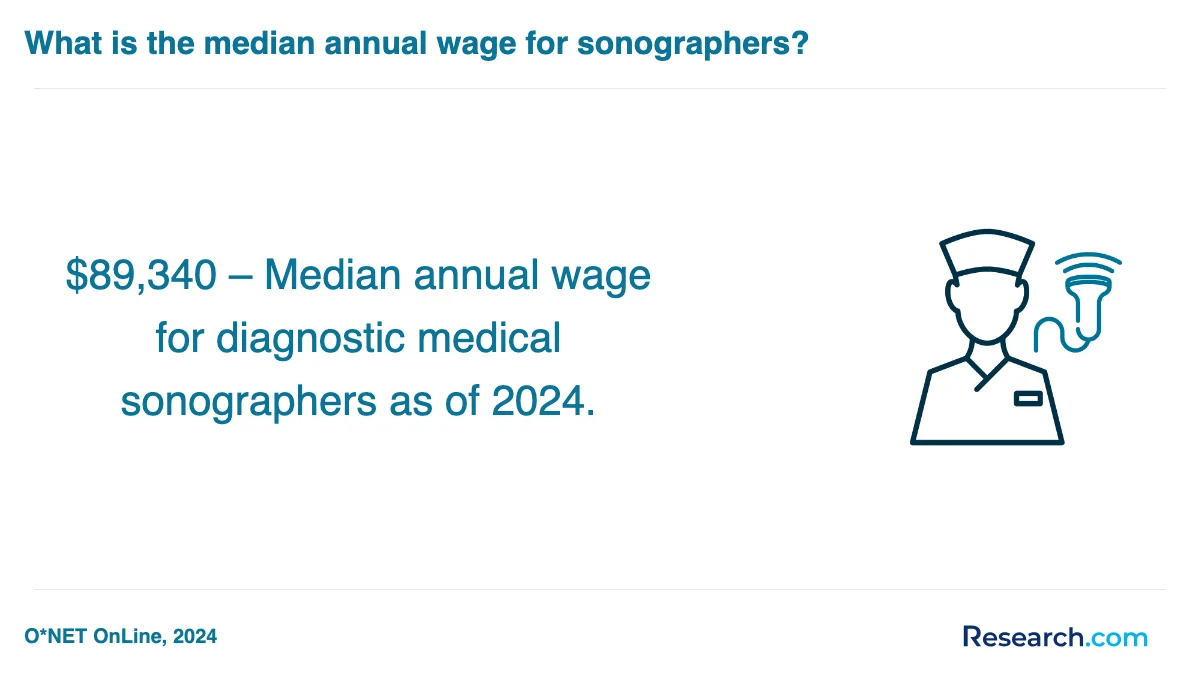
Medical sonographer trade school students in the South often rely on a mix of financial aid options to manage tuition costs effectively. Federal aid is a cornerstone-by completing the FAFSA, students can qualify for grants like the Pell Grant, which covered up to $6,895 in recent years, or the Federal Supplemental Educational Opportunity Grant for those with exceptional need. Many Southern programs, such as those at South College, require enrollment in CAAHEP-accredited courses to access these funds.
State grants and scholarships can make a big difference, especially for residents attending community or technical colleges. Some students share how state-funded free tuition programs eased their financial stress, allowing them to focus more on learning than loan repayments.
Institutional aid is also common. Trade schools in the South often offer scholarships based on merit or military service; graduates from these programs report feeling supported by these awards, which reduced their out-of-pocket expenses significantly.
Private scholarships from organizations like SDMS and ARDMS are valuable too. For example, the SVU Anne Jones Scholarship provides $5,500 annually, which some students have used to cover essential supplies and exam fees.
Lastly, employer tuition assistance is a hidden gem for those already working in healthcare. Many find these programs cover partial or full tuition, making the transition to a certified sonographer smoother and less financially daunting.
To enroll in a medical sonographer trade school program in the South, applicants typically need a high school diploma or GED as a basic foundation. Many trade schools emphasize a solid grasp of science and math, so completing courses like biology, anatomy, and algebra in high school can give you a strong advantage.
Graduates from well-known Southern trade schools often mention these common prerequisites:
- Proof of immunizations and a clean background check, as clinical rotations require safety compliance.
- Passing an entrance exam or placement test that assesses reading comprehension and basic math skills.
- Some programs ask for letters of recommendation or a personal statement explaining your motivation to pursue sonography.
For example, students at trade schools in Texas and Georgia share how meeting these requirements felt like a checkpoint before jumping into hands-on ultrasound training. They appreciate the clear roadmap because it builds confidence and readiness for the fast-paced learning environment.
Additionally, a few programs recommend or require CPR certification before clinical practice, ensuring students are prepared for real-world healthcare settings.

Medical sonographer trade school programs in the South focus on practical, career-ready courses designed to build solid expertise quickly. Graduates from well-known schools often highlight how foundational classes in human anatomy and physiology, medical terminology, and patient care procedures gave them the confidence to understand body systems and communicate effectively with patients and healthcare teams.
Hands-on learners appreciate the deep dive into ultrasound physics and instrumentation. For instance, students at South Texas College mention courses like "Basic Ultrasound Physics" and "Doppler Physics" as eye-opening, helping them grasp how sound waves create detailed images and how to operate sonography machines with precision.
Specialized sonography techniques are another core part of the curriculum, covering:
- Abdominal scanning protocols and image interpretation
- Obstetric and gynecologic sonography focusing on fetal and reproductive health
- Optional training in vascular, cardiac, and superficial imaging depending on the program
Clinical rotations are where theory meets real life. Graduates often describe the value of supervised practicum in hospitals or clinics, where they apply skills on actual patients, making the coursework feel immediately relevant and rewarding.
Medical sonographer trade school programs in the South commonly offer specialized tracks that align with specific healthcare demands. Graduates from programs at Georgia Southern University and South College often highlight three key specializations: Abdomen-Extended Sonography, Obstetrics and Gynecology Sonography, and Adult Echocardiography.
Abdomen-Extended Sonography prepares students to expertly examine organs like the liver and kidneys, critical for diagnosing abdominal conditions. Students gain hands-on experience that builds confidence for real clinical settings.
- Obstetrics and Gynecology Sonography trains students to monitor fetal development and female reproductive health, a specialization with high demand across Southern healthcare facilities.
- Adult Echocardiography focuses on heart imaging, responding to the increasing need for cardiovascular diagnostic skills, with South College providing targeted training in this area.
These diagnostic medical sonographer programs Southern states also emphasize readiness for the ARDMS certification, ensuring graduates feel prepared for certification exams and entry-level roles.
For those exploring different types of healthcare jobs, understanding these medical sonography specializations in the South helps clarify career pathways and program choices at popular trade schools.
When deciding on the best medical sonographer trade schools in South, focus first on accreditation and real-world training. Graduates from programs like South College in Tennessee often highlight the confidence gained from CAAHEP-accredited courses combined with hands-on clinical rotations. This practical experience is a game-changer, preparing students to handle diagnostic equipment confidently in busy hospital settings.
Another key factor is the curriculum's breadth, including specializations such as vascular or cardiac sonography. Schools like Georgia Northwestern Technical College attract students eager to tailor their skills to specific fields, helping them stand out in the job market. Many graduates remark how this focus made their certification exams more approachable and job interviews more rewarding.
For those wondering how to choose best medical sonographer trade school program in South, job placement rates and location convenience matter deeply. University of Oklahoma's program boasts a 100% placement rate, giving graduates peace of mind about employment prospects. Facilities close to urban medical centers enhance networking opportunities and clinical exposure.
To explore comprehensive options, consider reviewing best diagnostic medical sonography degree programs that fit your goals and lifestyle.
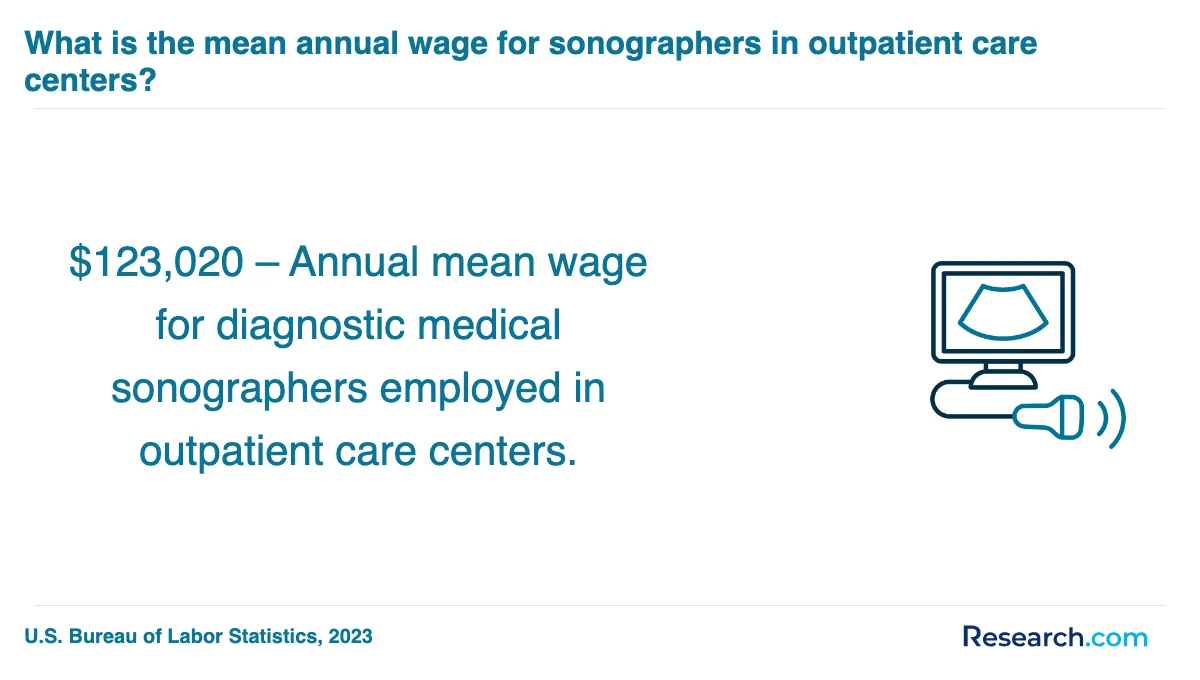
Graduates of medical sonographer trade school programs in the South quickly find diverse medical sonographer jobs in the South, starting as diagnostic medical sonographers in hospitals, clinics, and imaging centers. Many leverage their training from well-known Southern trade schools to specialize in high-demand fields like vascular or cardiac sonography, enhancing both their skills and job prospects.
Beyond clinical roles, graduates often explore options such as:
- Mobile imaging services, delivering ultrasound diagnostics directly to patients
- Supervisory or lead technologist positions within healthcare facilities
- Ultrasound equipment sales or application specialists, where practical experience aids in supporting tech purchases
Career advancement for sonographers in Southern states is realistic, with many moving into teaching roles or pursuing certifications like ARDMS to secure specialized roles. Graduates report satisfaction knowing their skillset impacts patient care daily. For those who want to expand further, exploring how to be a sonographer guides to advanced practitioner roles like nurse practitioner or health administrator.
The medical sonographer job outlook in the South is promising, driven by steady demand and regional growth. Graduates from prominent trade schools in Texas and Florida often find themselves with multiple job offers soon after completing their programs. Large urban hospitals and outpatient centers in these states frequently recruit from local schools due to the rising healthcare needs of expanding populations. For instance, graduates report smooth transitions into roles where they directly contribute to patient diagnostics, reflecting strong job security.
Salary prospects align well with the demand. In South Carolina, the diagnostic medical sonographer salary South Carolina averages around $61,000, with some graduates in northern Tennessee earning between $64,000 and $66,000. Facilities like outpatient care centers may pay seasoned sonographers over $100,000, reflecting value for advanced skills. Factors influencing pay include location and whether graduates pursue dual certifications.
- Trade school graduates find work in hospitals, physician offices, and diagnostic labs across Southern states.
- Rural areas offer incentives and job stability due to higher local sonographer shortages.
- Many graduates appreciate the variety of workplaces, which enriches experience and long-term opportunities.
Those considering this path can learn more about how much do ultrasound technicians make a year to understand potential earnings based on experience and location, helping to set realistic career goals.
Best Diagnostic Medical Sonographer Training Programs & Trade Schools - Top Sonography Schools in South for 2026
# 1 position
Dallas College - Diagnostic Medical Sonography/Sonographer and Ultrasound Technician.
associateThe Diagnostic Medical Sonography/Sonographer and Ultrasound Technician program at Dallas College offers a hybrid format with some distance-education options. It trains students to use ultrasound technology for diagnostic purposes under physician supervision, covering patient care, data processing, and professional ethics. The program is accredited by the Southern Association of Colleges and Schools Commission on Colleges. Annual in-state tuition is $2,370, and median earnings one year after completion reach $83,557.
# 2 position
Dallas College - Diagnostic Medical Sonography/Sonographer and Ultrasound Technician.
certificate or diplomaDallas College offers a Diagnostic Medical Sonography/Sonographer and Ultrasound Technician program in a hybrid format with some distance education. Graduates earn a median salary of $83,557 one year after completion. The program trains students to use ultrasound techniques for diagnostic purposes, including patient care, data recording, and equipment operation under physician supervision. Annual in-state tuition is $2,370. The program is accredited by the Southern Association of Colleges and Schools Commission on Colleges.
# 3 position
Oconee Fall Line Technical College - Diagnostic Medical Sonography/Sonographer and Ultrasound Technician.
associateOconee Fall Line Technical College offers a Diagnostic Medical Sonography/Sonographer and Ultrasound Technician program with a hybrid format, including some distance education. Graduates earn a median salary of $60,210 one year after completion. The program trains students to operate sonography equipment and interpret sonographic data under physician supervision. Tuition for in-state students is $3,201 annually. It is accredited by the Southern Association of Colleges and Schools Commission on Colleges.
# 4 position
Northern Virginia Community College - Diagnostic Medical Sonography/Sonographer and Ultrasound Technician.
associateNorthern Virginia Community College offers a Diagnostic Medical Sonography/Sonographer and Ultrasound Technician program with a hybrid format. The program trains students to use ultrasound techniques for diagnosing various conditions, including patient care, sonographic data processing, and professional ethics. Annual in-state tuition is $5,703. Graduates earn a median salary of $74,050 one year after completion. The program is accredited by the Southern Association of Colleges and Schools Commission on Colleges.
# 5 position
Hill College - Diagnostic Medical Sonography/Sonographer and Ultrasound Technician.
associateHill College offers a Diagnostic Medical Sonography/Sonographer and Ultrasound Technician program with a hybrid format, combining in-person and distance education. The program prepares students to use medical ultrasound techniques for diagnosing various conditions under physician supervision. Tuition for in-state students is $3,570 annually. Graduates earn a median salary of $78,100 one year after completion. The program is accredited by the Southern Association of Colleges and Schools Commission on Colleges.
# 6 position
Austin Community College District - Diagnostic Medical Sonography/Sonographer and Ultrasound Technician.
associateAustin Community College District offers a Diagnostic Medical Sonography/Sonographer and Ultrasound Technician program with a hybrid format including some distance education. The program trains students to use medical ultrasound techniques for diagnosing conditions, covering patient care, data recording, and equipment operation. Annual in-state tuition is $2,550. Graduates have median earnings of $66,380 one year after completion. The program is accredited by the Southern Association of Colleges and Schools Commission on Colleges.
# 7 position
Austin Community College District - Diagnostic Medical Sonography/Sonographer and Ultrasound Technician.
certificate or diplomaAustin Community College District offers a Diagnostic Medical Sonography/Sonographer and Ultrasound Technician program with a hybrid format that includes some distance education. The program prepares students to use medical ultrasound technology to collect sonographic data for diagnosing conditions. Coursework covers patient care, data processing, and professional ethics. Annual in-state tuition is $2,550. Graduates have a median income of $66,380 one year after completion. The program is accredited by the Southern Association of Colleges and Schools Commission on Colleges.
# 8 position
Lone Star College System - Diagnostic Medical Sonography/Sonographer and Ultrasound Technician.
associateLone Star College System offers a Diagnostic Medical Sonography/Sonographer and Ultrasound Technician program with a hybrid format, including some distance education. The annual in-state tuition is $3,090. Graduates earn a median of $69,820 one year after completion. The program trains students to operate sonography equipment and analyze sonographic data under physician supervision. It is accredited by the Southern Association of Colleges and Schools Commission on Colleges.
# 9 position
Lone Star College System - Diagnostic Medical Sonography/Sonographer and Ultrasound Technician.
certificate or diplomaThe Diagnostic Medical Sonography/Sonographer and Ultrasound Technician program at Lone Star College System is a hybrid course that trains students to use ultrasound technology for diagnosing medical conditions. The program includes instruction on patient care, sonographic data processing, and professional ethics. Annual in-state tuition is $3,090. Graduates earn a median salary of $69,820 one year after completion. The program is accredited by the Southern Association of Colleges and Schools Commission on Colleges.
# 10 position
Alvin Community College - Diagnostic Medical Sonography/Sonographer and Ultrasound Technician.
associateAlvin Community College offers a hybrid Diagnostic Medical Sonography/Sonographer and Ultrasound Technician program that trains students to use medical ultrasound techniques for diagnosing various conditions. The curriculum includes patient care, sonographic data processing, and equipment operation under physician supervision. The program’s annual in-state tuition is $1,834, and graduates earn a median salary of $59,760 one year after completion. It is accredited by the Southern Association of Colleges and Schools Commission on Colleges.
Frequently Asked Questions about medical sonographer
After completing a medical sonographer trade school in South, preparing for the job market involves several key steps. First, graduates should pursue certification through the American Registry for Diagnostic Medical Sonography (ARDMS), as many employers in South require this credential. According to the Bureau of Labor Statistics, certified sonographers can expect better job prospects and higher salaries.
Building a professional resume highlighting clinical experience gained during training is essential. Networking through local healthcare facilities and career fairs in South can increase job opportunities. Additionally, staying updated with continuing education ensures skills remain current in this evolving field.
Employers hiring medical sonographer trade school graduates in South prioritize a mix of technical and interpersonal skills. Proficiency in operating ultrasound equipment and understanding anatomy is essential, as these directly impact diagnostic accuracy. According to the Bureau of Labor Statistics, attention to detail reduces errors, which is critical for patient safety.
Communication skills also rank highly since sonographers must explain procedures clearly and comfort patients during scans. Additionally, problem-solving abilities help in adjusting techniques for diverse patient needs. The South's healthcare facilities emphasize teamwork, making collaboration skills valuable for graduates entering clinical environments.
Finally, adherence to safety protocols and ethical standards is mandatory, ensuring compliance with healthcare regulations and quality care delivery.
Finding internships in South for medical sonographer trade school programs involves several strategic steps. Start by contacting the career services office at your trade school, which often maintains partnerships with local hospitals and clinics offering sonography internships. According to the American Registry for Diagnostic Medical Sonography (ARDMS), internships are essential for clinical experience and certification eligibility.
Networking with local healthcare providers, including outpatient imaging centers and hospitals, can reveal available internship opportunities. Websites like the South Healthcare Workforce Center provide listings specific to the region. Additionally, state health departments sometimes offer internship programs or resources.
Be proactive in applying early, as competitive programs in South can fill quickly. Maintaining good academic standing and demonstrating strong communication skills will improve your chances.
Obtaining a medical sonographer trade school diploma in South significantly enhances career mobility and advancement opportunities. According to the Bureau of Labor Statistics, diagnostic medical sonographers in the US experience a faster-than-average job growth rate of 14% from 2022 to 2032. In South, this translates into growing demand for skilled professionals, especially in hospitals and outpatient care centers.
A diploma equips graduates with essential technical skills and clinical experience, meeting state certification requirements like the ARDMS exam, which is critical for career progression. Employers in South often prefer candidates with accredited diplomas, boosting hiring potential and salary prospects.
Furthermore, local healthcare networks frequently promote diploma holders into specialized roles or supervisory positions, reflecting the diploma's value in professional development.
Students enrolled in medical sonographer trade schools in South can benefit from part-time jobs that provide relevant experience and financial support. Common opportunities include working as ultrasound technician assistants or medical assistants in clinics and hospitals. These roles help build patient interaction skills and familiarity with medical imaging equipment.
Additionally, some students find employment in outpatient care centers or diagnostic labs, where they gain exposure to healthcare workflows. According to the U.S. Bureau of Labor Statistics, South has a growing demand for diagnostic medical sonographers, with a 15% projected job growth through 2031, making practical experience particularly valuable.
Positions in medical records or healthcare administration also complement sonography studies by enhancing organizational skills and understanding of healthcare systems.
Yes, there are several medical sonography degree programs available near South regions, offering comprehensive training in diagnostic imaging. Many community colleges and universities provide accredited programs that can be found "near me" with the help of resources like Research.com to explore options. These institutions offer both associate and bachelor's degrees, ensuring aspiring sonographers receive the necessary education and clinical experience to excel in the field.
- How To Become A Sonographer - ARDMS https://www.ardms.org/how-to-become-a-sonographer/
- Diagnostic Medical Sonography Degree and Course Requirements https://www.southeasttech.edu/programs/healthcare/diagnostic-medical-sonography/requirements.php
- Diagnostic Medical Sonography https://www.sait.ca/programs-and-courses/diplomas/diagnostic-medical-sonography
- Diagnostic Medical Sonography | BCTC https://bluegrass.kctcs.edu/education-training/program-finder/diagnostic-medical-sonography.aspx
- Diagnostic Medical Sonographers and Cardiovascular Technologists and Technicians : Occupational Outlook Handbook: : U.S. Bureau of Labor Statistics https://www.bls.gov/ooh/healthcare/diagnostic-medical-sonographers.htm
- Diagnostic Medical Sonography https://www.mchs.edu/academics/associate-degrees/diagnostic-medical-sonography/
- Diagnostic Medical Sonography - Ivy Tech Community College https://www.ivytech.edu/programs/all-academic-programs/school-of-health-sciences/diagnostic-medical-sonography/
- Diagnostic Medical Sonography Associate Degree Program https://pmi.edu/on-campus-programs/associate/diagnostic-medical-sonography/
- Diagnostic Medical Sonography - State Fair Community College https://www.sfccmo.edu/academics-programs/areas-of-study/diagnostic-medical-sonography/
- Diagnostic Medical Sonography Associate Degree - Blended https://chartercollege.edu/programs/health-care/diagnostic-medical-sonography-aas/