Best Diagnostic Medical Sonographer Training Programs & Trade Schools - Top Sonography Schools in Minnesota for 2026

Co-Founder and Chief Data Scientist
Choosing the right medical sonographer trade school in Minnesota can shape your future career in healthcare. This article introduces a carefully researched ranking of medical sonographer trade school programs, developed by the Research.com team of data scientists. It’s designed to help you make an informed decision about which programs truly stand out.
By exploring this guide, you’ll discover valuable insights on schools that offer quality training and certification opportunities. Earning a diploma or certification in this field opens doors to rewarding and stable job prospects, making your educational journey worthwhile and exciting.
Key benefits of finishing medical sonographer trade school in Minnesota
- Graduates from medical sonographer trade schools in Minnesota can expect a strong starting salary, with averages around $104,210 per year, reflecting high demand and rewarding pay in the state.
- Career paths include roles in hospitals, specialized clinics, and outpatient care centers, offering diverse opportunities as seen in alumni from popular Minnesota trade schools.
- Completing a medical sonographer trade school online provides flexibility and convenience, allowing students to balance work and study effectively, as demonstrated by successful online program graduates in Minnesota.
- Best Diagnostic Medical Sonographer Training Programs & Trade Schools - Top Sonography Schools in Minnesota for 2026
- What can I expect from medical sonographer trade schools in Minnesota?
- Where can I work after finishing medical sonographer trade schools in Minnesota?
What can I expect from medical sonographer trade schools in Minnesota?
When you enroll in a medical sonographer trade school program in Minnesota, expect a hands-on, immersive experience that prepares you for real-world healthcare settings. Graduates from schools like Mayo Clinic College of Medicine & Science and St. Cloud Technical and Community College often highlight how quickly they developed confidence operating ultrasound equipment and interpreting images through clinical rotations at local hospitals.
You'll dive deep into anatomy, physiology, and sonographic techniques, practicing scans on live patients while working alongside experienced medical teams. Many students find the mix of classroom theory and direct patient interaction rewarding, as it builds both technical skills and professional bedside manner.
Programs typically last 18 to 24 months for an Associate's Degree, with some students opting for shorter certificate paths if they have prior healthcare experience. The rigorous training includes mastering scans of the abdomen, heart, and vascular systems, making you well-prepared for entry-level sonographer roles.
Be ready for challenging prerequisites and competitive admissions, but also know that completing an accredited program opens doors to certification and promising job prospects across Minnesota, especially in the Minneapolis-St. Paul area.
Where can I work after finishing medical sonographer trade schools in Minnesota?
After completing a medical sonographer trade school program in Minnesota, graduates find a variety of rewarding career paths waiting for them. Many start working in hospitals, from large urban centers to smaller regional facilities, where they assist doctors by producing clear ultrasound images. For example, graduates from well-known Minnesota trade schools often secure positions at places like the Mayo Clinic, gaining hands-on experience with advanced imaging technology and contributing directly to patient care.
Others find fulfilling roles in outpatient clinics or private physician offices, especially in specialties like OB/GYN and cardiology. Here, graduates enjoy a more personal connection with patients, performing scheduled exams and becoming trusted members of healthcare teams.
Diagnostic imaging centers also offer exciting opportunities, including part-time and full-time roles, sometimes with sign-on bonuses. Graduates appreciate the variety in work settings, from pediatric to adult imaging, which keeps their daily routine engaging and dynamic.
Many graduates also explore specialty fields such as mammography or vascular sonography, or even mobile imaging services that travel between facilities. The demand in Minnesota remains strong, ensuring steady employment and the chance to build a meaningful career.
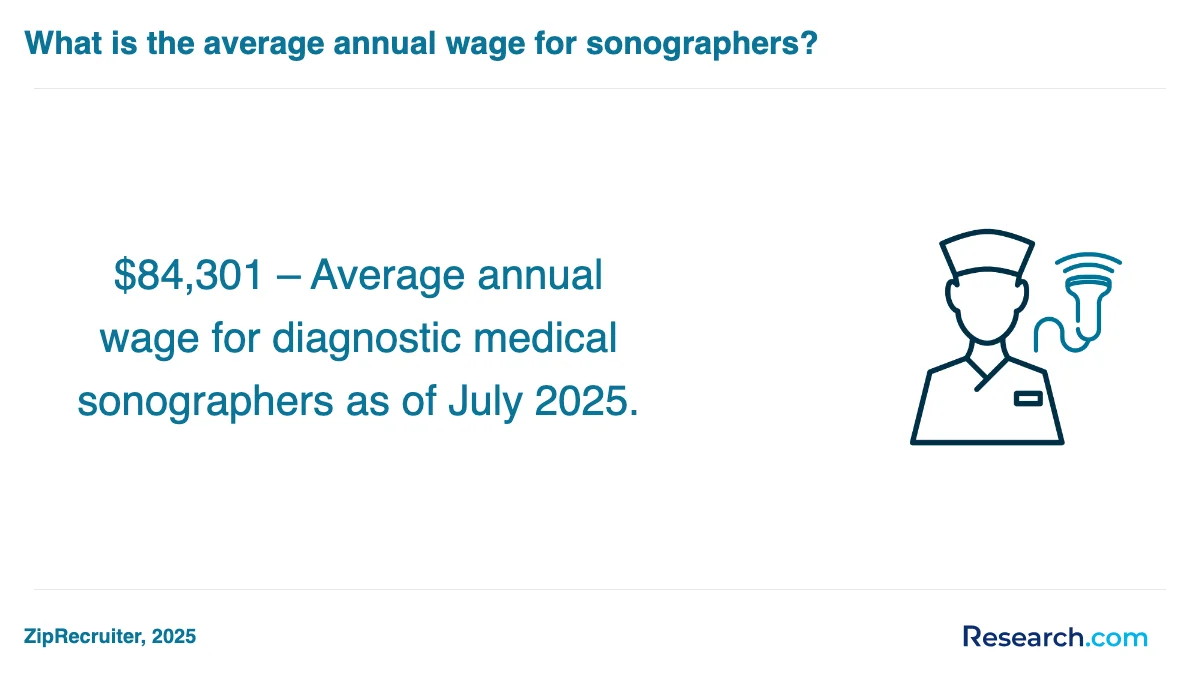
After finishing a medical sonographer trade school program in Minnesota, you can expect a strong financial outlook that reflects the state's healthy healthcare industry. Many graduates from well-known Minnesota trade schools start with salaries around $73,390 per year, which is impressive for entry-level roles. For example, recent grads often share how their first jobs at clinics in Minneapolis or St. Paul offered hourly wages in the mid-$40s, giving them a solid foundation to build their careers.
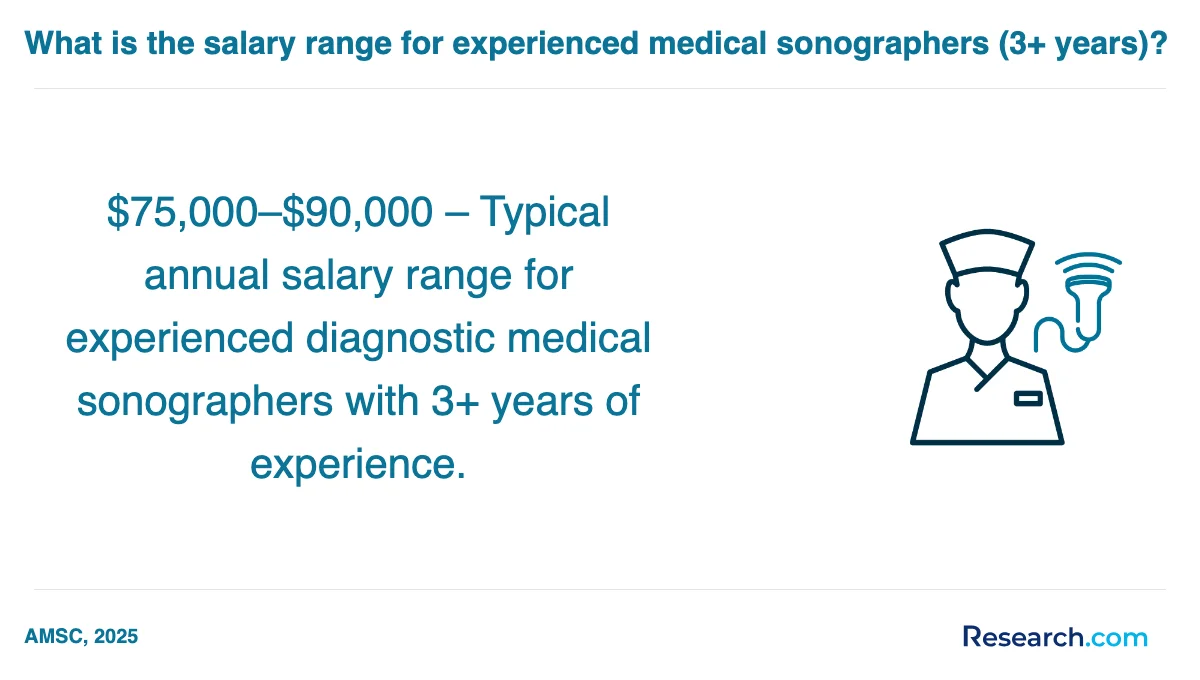
With experience and certification, those numbers quickly rise. It's common for sonographers in Minnesota to earn between $79,810 and $96,250 annually, and some specialized roles even reach over $101,000 per year. One graduate from a popular Minnesota program mentioned how after just a few years, their paycheck reflected this growth, making the investment in their education feel worthwhile.
The average hourly wage also tells a positive story, ranging from about $46 to $54.55. This means you can expect steady income as you gain skills and confidence in your role, with metropolitan areas offering some of the best pay rates. Overall, training in Minnesota positions you well for a rewarding career both financially and professionally.
- Most Minnesota medical sonographer programs require a high school diploma or GED, with some preferring college coursework in science and math, and a minimum GPA around 2.75.
- Prerequisites often include college algebra, anatomy and physiology with labs, physics with lab, and courses in speech, English, and medical terminology.
- Program lengths vary from 12-18 months for certificate programs to 18-24 months for associate degrees.
- Program costs range from $7,000 to $25,000 at public colleges and up to $35,000 or more at private or bachelor's level programs.
- The median annual wage for ultrasound technicians in Minnesota is generally over $80,000, with strong job growth expected in the Minneapolis-St. Paul area.
- Certification, such as passing the ARDMS exam, is not legally required but is expected by most employers for new hires.
Completing a medical sonographer trade school program in Minnesota typically takes about 1 to 2 years. Many graduates from well-known Minnesota trade schools share that the program's duration felt just right-long enough to build solid skills but short enough to start working quickly. For example, those attending programs in the Twin Cities often find themselves balancing hands-on training with classroom learning in a way that keeps motivation high.
One graduate recalls how the fast-paced schedule made every day exciting, as they moved from learning ultrasound techniques to practicing on real patients within months. This blend of theory and practice is common in Minnesota's trade schools and helps students feel confident stepping into their new careers.
Programs often offer flexible scheduling, which is perfect if you're juggling work or family. That means you can complete your training without feeling overwhelmed, making the experience both manageable and rewarding.
The main difference between online and on-campus medical sonographer trade school programs in Minnesota comes down to how and where you gain hands-on experience. Graduates from on-campus programs like those at St. Cloud Technical and Community College often share how valuable it was to attend in-person labs and clinical rotations. They describe the confidence gained from directly handling ultrasound equipment and interacting with patients under expert supervision-something that builds real-world skills you can't get from a screen.
Online or hybrid programs offer flexibility by delivering lectures and assignments virtually, which many students juggling work or family appreciate. However, even these programs require you to attend in-person labs and clinical sessions at local medical facilities. For example, Concordia University's hybrid program lets students study theory online but requires on-site clinical training to master the tactile skills essential for sonography.
Many find this blend helpful-allowing them to learn on their own schedule while still gaining critical hands-on experience. In Minnesota, no accredited sonography program is fully online because patient care demands in-person practice to ensure you're truly ready for the profession.
The average tuition for sonography programs in Minnesota can vary widely depending on the school you choose. For example, graduates from the Mayo Clinic College of Medicine and Science often mention the comprehensive 21-month Sonography Program in Rochester, Minnesota, which has a total cost of around $29,880. This figure includes tuition, books, uniforms, software, and exams, making it a full-package experience. Many students appreciate how this investment prepares them thoroughly for their careers while providing access to a top-tier clinical environment.
On the other hand, graduates from St. Cloud Technical and Community College share that the total expenses for medical sonography degrees in Minnesota can be more affordable. Their average net price tends to be about $9,019 for students with family incomes over $110,000, which makes this trade school an attractive option for those balancing cost with quality education. These students often highlight the program's practical approach and supportive community, which helps them feel confident stepping into the workforce.
Keep in mind, these totals cover tuition and program-related fees but usually exclude housing, food, and transportation costs. Many Minnesota students find it useful to explore financial aid options, scholarships, or in-state tuition benefits to offset expenses. If you're considering a shorter pathway, also look into 2 year programs in healthcare, which some trade schools offer and can be a great route to enter the field quickly and affordably.
When pursuing a medical sonographer trade school in Minnesota, students often find significant financial support through federal aid. Many graduates recall how completing the FAFSA opened doors to the Federal Pell Grant, which can provide up to $6,895 annually. This non-repayable grant helped ease worries about tuition costs at schools like the Mayo Clinic's Sonography Program in Rochester. Some also benefited from the Federal Supplemental Educational Opportunity Grant, which offers extra funds for those with exceptional financial need, though availability varies by program.
At the state level, the Workforce Development Scholarship is a game-changer for many Minnesota residents. Students enrolled in eligible programs at Minnesota State institutions found this scholarship provided up to $2,500 each year, helping cover tuition while maintaining a manageable course load and GPA. One graduate shared how this support made balancing school and life stress much easier.
For those at the Mayo Clinic's Advanced Cardiovascular Sonography Program, the full tuition coverage from the Mayo Clinic Workforce Development Scholarship was a huge relief, though living expenses remained their responsibility. These real examples show that exploring all financial aid options can make the dream of becoming a sonographer in Minnesota truly attainable.
When preparing to enroll in a medical sonographer trade school program in Minnesota, you'll find that most schools have clear prerequisites designed to set you up for success. Typically, you'll need a high school diploma or GED, as this foundational education ensures you're ready for the technical coursework ahead.
Many graduates from popular Minnesota trade schools share that having a background in science courses-especially biology and anatomy-made the transition smoother. Schools often require or recommend:
- Completion of prerequisite courses such as math, biology, or physics
- Basic computer skills to manage imaging software
- Good communication skills for patient interaction
- Some programs may ask for CPR certification before clinical rotations
For example, graduates from a well-known Minneapolis trade school mention how their prior biology classes helped them understand sonographic anatomy faster, making hands-on labs more enjoyable and less intimidating. These prerequisites don't just check boxes-they prepare you emotionally and intellectually, so when you start scanning patients, you feel confident and capable.
In Minnesota, medical sonographer trade school programs focus on a well-rounded curriculum that balances theory and hands-on practice. Graduates from schools like Concordia University, Mayo Clinic, and St. Cloud Technical and Community College often share how foundational courses such as introductory sonographic scanning techniques, medical terminology, and basic patient care helped them build confidence early on.
Students quickly learn machine operation, known as knobology, which is essential for controlling ultrasound equipment effectively. As they advance, coursework becomes more specialized with classes covering:
- Abdominal sonography
- OB/GYN sonography
- Vascular technology
One graduate recalled how clinical rotations starting in the fifth week immersed them in real hospital settings, allowing them to practice patient assessments and image analysis under expert supervision. Programs often include review semesters and board exam prep, especially for those pursuing Registered Diagnostic Medical Sonographer credentials.
Some students also choose specialty tracks like adult cardiac sonography, diving deep into heart anatomy and function. The strong emphasis on clinical experience and accredited curricula ensures students leave prepared and excited to start their careers.
Medical sonographer trade school programs in Minnesota commonly offer specializations that prepare students for a broad spectrum of diagnostic roles. Graduates from popular schools like Mayo Clinic College of Medicine & Science and St. Catherine University often highlight their training in areas such as:
- Abdominal Sonography - imaging organs like the liver and kidneys to detect internal issues.
- Obstetric and Gynecologic (OB/GYN) Sonography - monitoring pregnancies and female reproductive health.
- Vascular Sonography - studying blood flow to find blockages or abnormalities.
- Cardiac Sonography (Echocardiography) - assessing heart function and structure.
These Minnesota medical sonography program specializations provide hands-on experience coupled with robust classroom instruction, allowing students to confidently handle real-world clinical situations. Many graduates recall how the comprehensive curriculum at institutions like St. Cloud Technical & Community College helped them visualize and understand patient care dynamics vividly.
For those balancing life and education, exploring available online certificate programs for ultrasound technician can be a flexible way to gain valuable skills without compromising other commitments. Tailoring your study path to your career goals is crucial for success in diagnostic medical sonography concentrations in Minnesota.
Choosing the best medical sonography schools in Minnesota starts with verifying program accreditation, especially by CAAHEP, as graduates from schools like Mayo Clinic College of Medicine & Science and St. Cloud Technical and Community College often highlight how this recognition boosted their confidence entering the workforce. When visiting campuses or speaking with alumni, focus on how well the curriculum matches your career goals-whether that's general sonography or a specialty like echocardiography. Graduates frequently mention that strong clinical rotations, such as those offered at Minnesota State Community and Technical College, made a real difference in preparing them for day-to-day patient care.
Another key factor is how to compare sonographer program costs Minnesota, balancing tuition with available financial aid and part-time options. Students often share that understanding prerequisites and certification exam prep, including readiness for ARDMS exams, helped them stay motivated. Location matters too; picking a school near the Twin Cities or St. Cloud can ease commuting and expand job opportunities. For a deeper look at career outcomes and even the average salary for diagnostic medical sonographer, seek out schools providing transparent placement and exam pass rates.
Graduates from medical sonographer trade school programs in Minnesota quickly discover a variety of rewarding sonographer job opportunities in Minnesota that match their interests and skills. Many start as diagnostic medical sonographers in hospitals or outpatient clinics, using ultrasound technology to provide crucial patient care. Graduates often recall hands-on training in popular Minnesota trade schools that prepared them for real-world scenarios, like emergency imaging or routine prenatal scans.
Specializing can open exciting doors. Common focuses include obstetric and gynecologic sonography, abdominal sonography, vascular technology, or echocardiography. These advanced certifications lead to roles with greater responsibility and higher pay. Career paths often expand to include:
- Working in diagnostic imaging centers or private physician practices
- Mobile imaging services, offering flexible schedules
- Supervisory roles such as lead sonographer or department director
- Instructing future sonographers or engaging in clinical research
For those interested in further growth, the diagnostic medical sonography accelerated program available at several Minnesota institutions helps experienced sonographers advance quickly. Navigating these medical sonography career paths Minnesota offers allows graduates to build long-term, fulfilling healthcare careers while positively impacting patient lives.
Graduates of medical sonographer trade schools in Minnesota find a strong and supportive job market waiting for them. With hospitals like Mayo Clinic and health systems such as Allina Health frequently hiring, the medical sonographer job outlook in Minnesota is encouraging for new professionals. Many graduates secure positions in metropolitan areas or regional medical centers, often benefiting from sign-on bonuses and relocation packages that ease the transition into their new careers.
Working in diverse settings such as outpatient clinics or mobile imaging units, graduates often share positive experiences about the variety and flexibility of available roles. Popular trade schools in Minnesota prepare students well for specialties including OB/GYN, echocardiography, and vascular sonography, enhancing their employability.
Salary expectations are also motivating. The average sonographer salary in Minnesota reflects this demand, with hourly wages ranging from $39 to $54, or travel sonographers earning substantial weekly pay. For those exploring various healthcare fields, understanding whats the easiest medical degree to get can help in making informed decisions about complementing skills or certifications.
- Strong demand across hospitals, clinics, and specialized practices
- Comprehensive benefits and career advancement opportunities
- Competitive pay that supports a rewarding work-life balance
Best Diagnostic Medical Sonographer Training Programs & Trade Schools - Top Sonography Schools in Minnesota for 2026
# 1 position
St Cloud Technical and Community College - Diagnostic Medical Sonography/Sonographer and Ultrasound Technician.
associateSt Cloud Technical and Community College offers a hybrid Diagnostic Medical Sonography/Sonographer and Ultrasound Technician program, preparing students to use ultrasound techniques for diagnosing medical conditions. The curriculum includes patient care, sonographic data processing, and equipment operation under physician supervision. Annual in-state tuition is $4,957. Graduates earn a median salary of $65,019 one year after completion. The program is accredited by the Higher Learning Commission.
# 2 position
Minnesota State Community and Technical College - Diagnostic Medical Sonography/Sonographer and Ultrasound Technician.
associateMinnesota State Community and Technical College offers a hybrid Diagnostic Medical Sonography/Sonographer and Ultrasound Technician program. It trains students to use ultrasound techniques under physician supervision to diagnose medical conditions. The curriculum covers patient care, data recording, equipment operation, and professional ethics. Annual in-state tuition is $5,900. Graduates earn a median salary of $55,649 one year after completing the program. The program is accredited by the Higher Learning Commission.
# 3 position
Concordia University-Saint Paul - Diagnostic Medical Sonography/Sonographer and Ultrasound Technician.
associateConcordia University-Saint Paul offers a Diagnostic Medical Sonography/Sonographer and Ultrasound Technician program with a hybrid format that includes some distance education. The curriculum trains students to use ultrasound technology to collect sonographic data for diagnosing medical conditions, emphasizing patient care, data integration, and professional ethics. The program is accredited by the Higher Learning Commission. Annual in-state tuition is $25,000.
# 4 position
Mayo Clinic College of Medicine and Science - Diagnostic Medical Sonography/Sonographer and Ultrasound Technician.
certificate or diplomaThe Diagnostic Medical Sonography/Sonographer and Ultrasound Technician program at Mayo Clinic College of Medicine and Science offers a hybrid format with some distance education. It prepares students to use medical ultrasound techniques to collect sonographic data for diagnosing conditions. The curriculum covers patient history, data processing, equipment operation, and professional ethics. Annual in-state tuition is $3,257. Graduates have a median earning of $72,446 one year after completion. The program is accredited by the Higher Learning Commission.
Frequently Asked Questions about medical sonographer
After completing a medical sonographer trade school in Minnesota, preparing for the job market involves several key steps. First, obtaining certification through the American Registry for Diagnostic Medical Sonography (ARDMS) significantly improves employment prospects. Minnesota hospitals and clinics often prefer or require this credential.
Networking with local healthcare providers and attending job fairs can help graduates connect with employers. According to the Minnesota Department of Employment and Economic Development, job openings for diagnostic medical sonographers in the state are expected to grow by about 14% from 2022 to 2032, faster than average for all occupations.
Gaining clinical experience through internships or externships offered by trade schools also strengthens resumes. Additionally, developing strong communication and technical skills is essential to meet employer expectations in Minnesota's healthcare facilities.
Employers in Minnesota seek several key skills in graduates from medical sonographer trade schools. Strong technical ability is essential, as sonographers must accurately operate ultrasound equipment and interpret images. According to the Minnesota Department of Employment and Economic Development (DEED), attention to detail and hand-eye coordination are highly valued due to the precision required in diagnostics.
Communication skills also rank highly because sonographers often explain procedures to patients and collaborate with healthcare teams. Additionally, familiarity with anatomy, physiology, and medical terminology is crucial for effective imaging and reporting.
Problem-solving skills help in adapting to unexpected situations during scans. Finally, employers prefer candidates with clinical experience gained through accredited programs, which enhances readiness for real-world healthcare settings.
Finding internships relevant to medical sonographer trade school programs in Minnesota involves several practical steps. Start by contacting the career services office at your chosen trade school, as many schools maintain partnerships with local hospitals and clinics. These connections can help secure clinical placements required for program completion.
Additionally, explore Minnesota's major healthcare systems, such as Mayo Clinic, Allina Health, and HealthPartners. These organizations often offer internship opportunities for sonography students. The Minnesota Department of Employment and Economic Development (DEED) reports a steady demand for diagnostic medical sonographers, supporting availability of practical training slots.
Networking through professional associations, like the Minnesota Society of Diagnostic Medical Sonography, can also provide leads on internship openings. Many positions require students to be enrolled in accredited programs, so ensure your school is recognized by the Commission on Accreditation of Allied Health Education Programs (CAAHEP).
Obtaining a medical sonographer trade school diploma in Minnesota significantly enhances career mobility and advancement opportunities. According to the U.S. Bureau of Labor Statistics, Minnesota employs over 1,200 diagnostic medical sonographers, with a median annual wage above the national average. A diploma from an accredited program qualifies graduates to sit for the American Registry for Diagnostic Medical Sonography (ARDMS) certification, which many employers in Minnesota require.
Holding this credential allows professionals to access higher-paying roles and specialized positions, such as vascular or cardiac sonography. Additionally, Minnesota's healthcare sector is growing steadily, increasing demand for skilled sonographers. Trade school diplomas provide the practical training employers seek, enabling quicker entry and upward mobility in the field.
Students enrolled in medical sonographer trade schools in Minnesota often seek part-time jobs that enhance their skills and practical knowledge. Common opportunities include roles as ultrasound technician assistants or medical imaging aides in clinics and hospitals. These positions allow hands-on experience with ultrasound equipment and patient interaction, which are vital for future sonographers.
The Minnesota Department of Employment and Economic Development notes a steady demand for diagnostic medical sonographers, with a 12% growth expected between 2020 and 2030. Part-time work in related healthcare settings also helps build professional networks and improve understanding of clinical environments.
Additionally, some students find employment in outpatient care centers or therapeutic services, reinforcing their technical and patient-care abilities while continuing their education.
To choose the best Medical Sonographer degree program near me in Minnesota, consider researching programs at universities and colleges that offer accredited degrees in diagnostic medical sonography, which ensures a quality education and eligibility for certification exams. Evaluate factors such as program length, clinical experience opportunities, and graduation success rates of institutions near Minnesota. Research.com can be a useful resource for comparing program strengths, and visiting campuses or speaking to alumni can also provide valuable insights into making an informed decision.
- Best Diagnostic Medical Sonographer Training Programs & Trade Schools - Top Sonography Schools in Wisconsin for 2026
- Best Diagnostic Medical Sonographer Training Programs & Trade Schools - Top Sonography Schools in Iowa for 2026
- Best Diagnostic Medical Sonographer Training Programs & Trade Schools - Top Sonography Schools in Nebraska for 2026
- Best Diagnostic Medical Sonographer Training Programs & Trade Schools - Top Sonography Schools in Missouri for 2026
- Best Diagnostic Medical Sonographer Training Programs & Trade Schools - Top Sonography Schools in Michigan for 2026
- Best Diagnostic Medical Sonographer Training Programs & Trade Schools - Top Sonography Schools in Kansas for 2026
- Best Diagnostic Medical Sonographer Training Programs & Trade Schools - Top Sonography Schools in Indiana for 2026
- Best Diagnostic Medical Sonographer Training Programs & Trade Schools - Top Sonography Schools in Ohio for 2026
- Best Diagnostic Medical Sonographer Training Programs & Trade Schools - Top Sonography Schools in Colorado for 2026
- Best Diagnostic Medical Sonographer Training Programs & Trade Schools - Top Sonography Schools in Oklahoma for 2026
- How to Become a Medical Sonographer in Minnesota (2024) | Dreambound https://dreambound.com/blog/how-to-become-a-medical-sonographer-in-minnesota
- Sonography Program (Florida and Minnesota) - Health Sciences Education - Mayo Clinic College of Medicine & Science https://college.mayo.edu/academics/health-sciences-education/sonography-program-florida-and-minnesota/
- Sonography | St. Cloud Technical & Community College https://sctcc.edu/degrees-programs/sonography
- Diagnostic Medical Sonography - Abdominal Extended and OB/GYN Concentration - Concordia University, St. Paul https://www.csp.edu/program/diagnostic-medical-sonography-aas/
- Sonography-Echocardiography Technology | M State https://www.minnesota.edu/programs-and-degrees/sonography-echocardiography-technology
- Accredited Sonography Program | St. Catherine University | St. Catherine University https://www.stkate.edu/academics/academic-programs/cfw-sonography
- Sonography | Pre-Health Student Resource Center https://healthcareers.umn.edu/health-careers/sonography
- U is for Ultrasound Technician / Minnesota Department of Employment and Economic Development https://mn.gov/deed/newscenter/publications/review/january-2017/u-ultrasound.jsp
- Sonography | University of Minnesota Rochester https://r.umn.edu/academics/undergraduate-programs/bachelor-science-health-professions/sonography
- Find Accredited Ultrasound Technician Schools in Minnesota https://www.ultrasoundschoolsinfo.com/minnesota/