
Most Affordable Diagnostic Medical Sonographer Schools & Training - Budget-Friendly Sonography Trade Programs in Illinois for 2026

Co-Founder and Chief Data Scientist
Choosing the right medical sonographer trade school in Illinois can feel overwhelming. To make this easier, the Research.com team of data scientists created a ranking of the most affordable and quality programs for 2026. This article highlights schools that offer strong training without breaking the bank.
By exploring these options, you can find a program that fits your goals and budget. Earning a diploma or certification in medical sonography opens doors to a rewarding healthcare career with growing demand. Let this guide help you take confident steps toward your future.
Key benefits of finishing medical sonographer trade school in Illinois
- Graduates from medical sonographer trade schools in Illinois can expect competitive salaries, with averages around $102,328 annually or about $49 per hour, reflecting strong earning potential right after certification.
- Career paths for graduates include roles such as Registered Diagnostic Medical Sonographer, offering opportunities to work in hospitals, clinics, and specialized imaging centers across Illinois.
- Completing a medical sonographer trade school online offers flexibility and convenience, allowing students to balance studies with personal commitments while still gaining essential hands-on training, as seen in successful graduates from popular Illinois programs.
- Most Affordable Diagnostic Medical Sonographer Schools & Training - Budget-Friendly Sonography Trade Programs in Illinois for 2026
- What can I expect from medical sonographer trade schools in Illinois?
- Where can I work after finishing medical sonographer trade schools in Illinois?
What can I expect from medical sonographer trade schools in Illinois?
Enrolling in a medical sonographer trade school program in Illinois means stepping into a dynamic, hands-on learning environment where small class sizes foster close connections with instructors and peers. Graduates from programs like Southwestern Illinois College share how completing an intensive 12-month certificate program immersed them in real clinical settings early on, building confidence through direct patient interactions and expert guidance.
Expect a blend of rigorous coursework and practical training, with classes designed to master ultrasound technology alongside interpreting diagnostic images. Illinois Central College students often describe their 26-month journey through diverse clinical rotations as transformative, gaining exposure to various healthcare settings that prepare them for real-world challenges.
Admission standards are firm but fair, ensuring you enter fully prepared with science and math foundations. Many students appreciate the emphasis on professional networking, which opens doors to career opportunities. Upon graduation, you'll be ready to pursue ARDMS certification, a credential highly valued by Illinois employers, setting you on a rewarding healthcare career path.
Where can I work after finishing medical sonographer trade schools in Illinois?
Graduates from medical sonographer trade schools in Illinois find themselves stepping into a world full of exciting career opportunities. Many quickly secure positions in hospitals, where they perform crucial diagnostic sonograms in areas like abdominal, cardiac, and OB/GYN imaging. One graduate shared how working in a hospital cardiology department not only sharpened their skills but also provided a dependable income with hourly rates between $39 and $50.
Others choose outpatient imaging centers or physician offices, enjoying more regular hours and a focused work environment. For instance, a recent graduate from a well-known Illinois trade school described the satisfaction of working in a reproductive endocrinology clinic, helping patients through advanced ultrasound technology.
Specialty clinics, such as OB/GYN or cardiovascular centers, also welcome new sonographers eager to perform targeted exams like first-trimester fetal scans or vascular studies. Many graduates highlight how certifications like BLS or ARRT boosted their confidence and opened doors to higher-paying roles.
With over 290 sonographer jobs currently available statewide, Illinois trade school graduates are empowered to embark on rewarding careers right after completing their programs.
After finishing a medical sonographer trade school program in Illinois, many graduates find themselves stepping into a rewarding career with an average starting salary around $106,664 per year or about $51.28 per hour. This exciting milestone reflects the strong demand and value placed on skilled sonographers throughout the state.
Graduates from well-known Illinois trade schools often share how their new roles in hospitals or clinics bring not only financial stability but also daily satisfaction from helping patients. In Chicago, entry-level sonographers typically earn between $78,000 and $100,400 annually, with hourly wages ranging from $33 to $52 as experience grows. Many find the hands-on training received in programs across Illinois prepares them well to negotiate competitive salaries and pursue specialized fields like vascular or obstetric sonography.
Imagine starting your career knowing that your skills are in demand statewide, with salaries often exceeding expectations and growing as you advance. Graduates often feel proud to have chosen a path that combines meaningful work with strong financial rewards in vibrant Illinois healthcare settings.
- Admission requires completion of specific science courses, passing entrance exams, and sometimes patient care experience, with deadlines typically from early February to late May.
- Program lengths range from 12 months for certificates to 18-26 months for associate degrees, combining classroom and clinical training.
- Graduates are eligible to take the ARDMS certification exam, which is preferred by most Illinois employers, although state certification is not required.
- The 26-month associate program tuition at Illinois Central College is about $11,840, excluding supplies and fees; costs vary by school and residency.
- Average annual salary for diagnostic medical sonographers in Illinois is approximately $82,000, with entry-level pay near $65,000 and experienced professionals earning over $100,000.
Completing a medical sonographer trade school program in Illinois typically takes about 1 to 2 years, depending on whether you choose a certificate or associate degree track. Many graduates from popular Illinois trade schools share how this focused timeframe empowered them to jumpstart their careers quickly, balancing hands-on training with classroom learning. Imagine stepping into a busy ultrasound lab after just a year of study, confidently applying skills learned through real-world practice.
For example, graduates from well-known Illinois programs often highlight the supportive environment that helps them stay motivated, even during challenging clinical rotations. The blend of expert instructors and state-of-the-art equipment available at these schools creates an inspiring atmosphere where students can thrive. This efficient timeline means you can be working in a fulfilling healthcare role much sooner than you might expect, turning your passion for helping others into a rewarding profession.
Many find this rapid journey both exciting and achievable, making medical sonography an accessible and uplifting path for Illinois students ready to make a difference.
The key difference between online and on-campus medical sonographer trade school programs in Illinois lies in the hands-on experiences that shape confident, skilled professionals. Graduates from on-campus programs at places like Illinois Central College and Southern Illinois University often share how the small class sizes and direct access to ultrasound equipment truly brought their learning to life. Imagine spending your days practicing scanning techniques in vibrant labs and then moving on to clinical rotations, working side-by-side with patients under expert supervision. This immersive environment builds not only technical skills but also the compassion essential for patient care.
While some courses at Joliet Junior College offer online lectures, the heart of sonography training-the labs and clinical work-can't be completed remotely. Illinois students appreciate that this blend of classroom learning and real-world practice ensures they meet certification standards and feel ready to step into their careers with confidence and pride.
When considering the average cost of medical sonographer programs in Illinois, students often find that tuition fees vary widely depending on the institution. For example, graduates from well-known trade schools like the College of DuPage in Glen Ellyn have shared how managing $12,750 in tuition fees felt like a worthwhile investment toward a fulfilling healthcare career. Similarly, Joliet Junior College offers programs with tuition around $13,800 for in-state students, making it an accessible option for many eager to start their journey in diagnostic medical sonography.
While tuition is a significant part of tuition fees for sonography schools in Illinois, students also encounter expenses for books, supplies, and daily living costs. Graduates often reflect on budgeting for these additional costs as part of their educational experience. For instance, some have found the average tuition for a full vocational sonography program, hovering near $36,325, complemented by around $2,170 for necessary materials. Such clear awareness helps prospective students prepare mentally and financially for success.
Financial aid plays a crucial role in making these programs attainable. Many students leverage scholarships, grants, and loans that lighten their financial burden, empowering them to focus on mastering their skills. Drawing inspiration from these stories, hopeful entrants know they can pursue rewarding healthcare careers with the right financial support and planning.
For those eager to explore related healthcare options, consider researching medical degrees that take 2 years or less, a pathway many have taken toward a fulfilling career in medical sonography and beyond.

Medical sonographer trade school students in Illinois can access a variety of financial aid options that truly lighten the journey toward their dream careers. Many graduates from Illinois Central College and Joliet Junior College recall how federal aid, like the Pell Grant, provided essential support, covering thousands of dollars in tuition costs. Completing the FAFSA opened doors not only to grants but also to federal loans and work-study programs, making education feel within reach.
State-level grants offer additional relief, especially for Illinois residents attending community colleges or technical schools. Graduates often share how these grants, combined with scholarships from organizations like the Society of Diagnostic Medical Sonography, helped them focus on learning rather than worrying about finances.
Trade schools' financial aid offices become trusted allies, guiding students through applications and tuition plans. Some students even benefit from employer tuition reimbursement programs, sparking hope that investing in education can lead to rewarding career growth.
Enrolling in a medical sonographer trade school program in Illinois is an exciting step that requires some key prerequisites, setting you up for success in this rewarding career. Most programs expect applicants to have a high school diploma or GED, ensuring you have the foundational knowledge to thrive.
Beyond this, many Illinois trade schools look for:
- Completion of prerequisite courses such as anatomy, physiology, and algebra - essential for understanding sonography principles.
- A background in healthcare or related experience, which can boost confidence and readiness.
- Strong communication skills and a compassionate mindset, both vital to patient interaction.
Graduates from popular Illinois institutions often share how meeting these requirements helped them feel prepared and motivated as they began hands-on training. Picture yourself walking through the halls of a bustling trade school in Chicago or Springfield, already equipped with the basics and eager to learn the life-changing skill of using ultrasound technology.
These prerequisites aren't just hurdles; they're stepping stones to a fulfilling career helping others every day.
Medical sonographer trade school programs in Illinois are crafted to equip you with both essential knowledge and hands-on skills that empower a rewarding career. Graduates from programs like those at Harper College highlight how foundational courses in Human Anatomy, Human Physiology, and Basic Physics build a strong understanding of the human body and ultrasound principles. Imagine confidently identifying organs and systems thanks to these science courses.
As you advance, specialized sonography classes such as Ultrasound Physics and Instrumentation, Sonography Theory, and practical Sonography Labs immerse you in real equipment and imaging techniques. Students describe the excitement of mastering ultrasound machines and interpreting images that can change lives.
Illinois programs also emphasize professional growth through courses in:
- Medical Terminology
- Basic Pharmacology
- Legal and Ethical Issues in Health Care
- Health Care Technology and Informatics
With clinical rotations at hospitals or clinics, like those at Illinois Central College, students gain invaluable real-world experience, bridging classroom learning and patient care. This blend of rigorous coursework and clinical practice prepares you to confidently step into the healthcare field and make a meaningful impact.
Medical sonographer trade school programs in Illinois offer diverse medical sonography specializations in Illinois that inspire graduates to pursue impactful careers. Students from popular Illinois trade schools often share how specializing in abdominal sonography allowed them to confidently image vital organs like the liver and kidneys, directly contributing to patient diagnoses. Others found their passion in obstetric and gynecologic sonography, experiencing the joy of monitoring fetal development and supporting expectant mothers throughout pregnancy.
Programs also include:
- Cardiac sonography, where students develop skills to evaluate heart function and help save lives.
- Vascular sonography, which prepares students for certification and focuses on blood flow and vessel health.
- Musculoskeletal sonography, perfect for those drawn to diagnosing injuries in muscles and joints.
- Pediatric sonography, honing expertise in caring for infants and children with gentle, specialized techniques.
These tracks reflect the commitment of Illinois ultrasound technician program specializations to delivering comprehensive education and hands-on experience. Graduates often express gratitude for the blend of expert instruction and practical training encountered in their studies. For those considering this rewarding path, discovering the right fit among online ultrasound tech schools can open doors to a thriving healthcare career.
Choosing the best accredited sonography programs in Illinois begins with ensuring the school is accredited by CAAHEP, a vital step graduates praise for preparing them with both strong theory and hands-on clinical experience. For instance, students from Illinois Central College often highlight their supportive environment and personalized attention due to small class sizes, which made challenging concepts easier to grasp and boosted their confidence. Programs at Joliet Junior College and College of DuPage offer diverse tracks like vascular and cardiac sonography, allowing students to tailor their education to their passions and career goals.
Understanding medical sonographer program requirements Illinois is key to success. Many graduates recall how completing prerequisite courses and attending mandatory advising sessions, especially at colleges like Triton, helped them feel ready and focused. Considering costs, financial aid, and proximity also plays a role, as does the encouragement many students found through strong support services and real-world clinical opportunities. To see what a rewarding career can look like, explore what does an ultrasound tech make and envision your future in this growing field.
Graduates of medical sonographer trade school programs in Illinois step confidently into a variety of fulfilling roles. Many find themselves working as diagnostic medical sonographers, operating cutting-edge ultrasound equipment in bustling hospitals, outpatient clinics, and private practices. For example, graduates from Joliet Junior College and Lincoln Land Community College often celebrate the versatility their training offers, preparing them for multiple entry-level positions in abdominal, OB/GYN, and vascular sonography.
There is a wealth of medical sonographer job opportunities in Illinois, especially for those who specialize. Some graduates pursue advanced credentials to move into cardiac sonography or vascular technology, opening doors to specialized and rewarding careers. Chicago-area alumni recall how certification from the American Registry for Diagnostic Medical Sonography boosted their confidence and expanded their career horizons.
Beyond clinical roles, diagnostic medical sonography careers in Illinois offer paths into education, department management, equipment sales, and even research. For students exploring the field, programs recognized among the best ultrasound tech certificate programs online provide the foundational skills to thrive and grow in this dynamic healthcare sector.
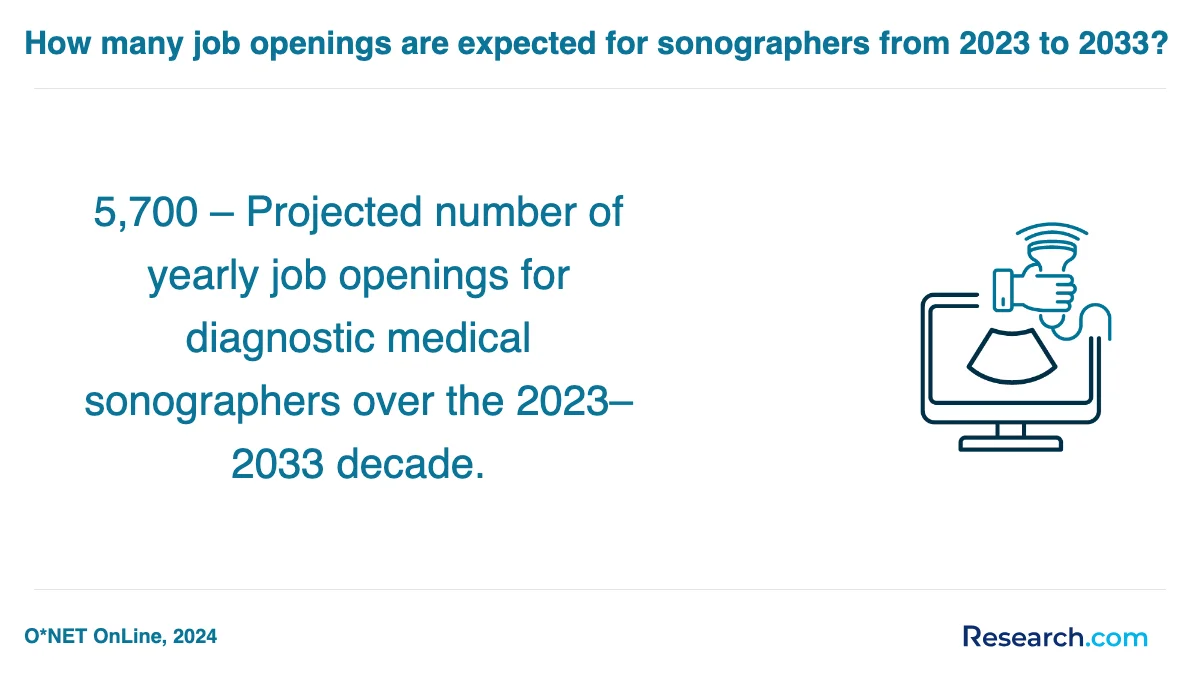
The medical sonographer job outlook in Illinois is incredibly promising for graduates of local trade schools. With around 2,840 diagnostic medical sonographers expected to be employed by 2026 and about 170 job openings annually, opportunities abound. Many graduates from popular Illinois programs share how their training equipped them to step confidently into rewarding roles at both bustling Chicago hospitals and smaller community clinics. This steady growth-about 12.3%-may be slightly below the national average but still outpaces many fields, inspiring many students to pursue this vibrant healthcare path.
Sonographer salary and employment trends Illinois reveal strong earning potential, with average wages nearing $95,000 and some reports showing $106,664 yearly or $51.28 hourly. Graduates often highlight the excitement of hands-on work and the variety of settings available-urban centers, advanced imaging centers, and rural facilities. Travel sonographer roles offering weekly pay around $2,246 add flexibility and adventure for those open to exploring the state.
Trade schools in Illinois provide crucial ARDMS or ARRT certification prep, ensuring graduates are ready to thrive without needing a state license. For those considering alternative paths, exploring easiest online medical degree programs expands opportunities without sacrificing quality.
Most Affordable Diagnostic Medical Sonographer Schools & Training - Budget-Friendly Sonography Trade Programs in Illinois for 2026
# 1 position
Elgin Community College - Diagnostic Medical Sonography/Sonographer and Ultrasound Technician.
certificate or diplomaElgin Community College offers a Diagnostic Medical Sonography/Sonographer and Ultrasound Technician program with a hybrid format, including some distance-education options. This program trains students to use medical ultrasound techniques under physician supervision to collect sonographic data for diagnosing conditions. Instruction covers patient care, data integration, sonographic processing, equipment operation, and professional ethics. The program is accredited by the Higher Learning Commission. Annual in-state tuition is $3,180, and median earnings one year after completion are $44,483.
# 2 position
William Rainey Harper College - Diagnostic Medical Sonography/Sonographer and Ultrasound Technician.
associateWilliam Rainey Harper College offers a Hybrid Diagnostic Medical Sonography/Sonographer and Ultrasound Technician program preparing students to utilize medical ultrasound techniques for diagnosing conditions. The program includes training in patient care, sonographic data collection, equipment operation, and professional ethics. Annual in-state tuition is $3,822. Graduates have median earnings of $65,443 one year after completion. The program is accredited by the Higher Learning Commission.
# 3 position
Lincoln Land Community College - Diagnostic Medical Sonography/Sonographer and Ultrasound Technician.
associateLincoln Land Community College offers a Diagnostic Medical Sonography/Sonographer and Ultrasound Technician program with a hybrid format, including some distance education options. The program trains students to use medical ultrasound techniques for diagnostic purposes under physician supervision, covering patient care, data processing, and equipment operation. Annual in-state tuition is $3,672. The program is accredited by the Higher Learning Commission, and median earnings one year after completion are $53,897.
# 4 position
Lincoln Land Community College - Diagnostic Medical Sonography/Sonographer and Ultrasound Technician.
certificate or diplomaLincoln Land Community College offers a Hybrid Diagnostic Medical Sonography/Sonographer and Ultrasound Technician program preparing students to utilize ultrasound techniques for medical diagnosis. The curriculum includes patient care, data collection, sonographic processing, and equipment operation under physician supervision. Accredited by the Higher Learning Commission, the program charges an annual in-state tuition of $3,672. Graduates report median earnings of $53,897 one year after completion.
# 5 position
Joliet Junior College - Diagnostic Medical Sonography/Sonographer and Ultrasound Technician.
associateJoliet Junior College offers a Diagnostic Medical Sonography/Sonographer and Ultrasound Technician program with a hybrid format, including some distance education. The annual in-state tuition is $4,530. Graduates have median earnings of $57,778 one year after completion. The program trains students to use medical ultrasound for diagnostic purposes, covering patient care, data recording, sonographic processing, and professional standards. It is accredited by the Higher Learning Commission.
# 6 position
Joliet Junior College - Diagnostic Medical Sonography/Sonographer and Ultrasound Technician.
certificate or diplomaJoliet Junior College offers a Diagnostic Medical Sonography/Sonographer and Ultrasound Technician program with a hybrid format, combining distance education and on-site instruction. The program trains students to use medical ultrasound for diagnosing various conditions, covering patient care, sonographic data processing, and professional ethics. Annual in-state tuition is $4,530. Graduates have median earnings of $57,778 one year after completion. The program is accredited by the Higher Learning Commission.
# 7 position
College of DuPage - Diagnostic Medical Sonography/Sonographer and Ultrasound Technician.
associateThe Diagnostic Medical Sonography/Sonographer and Ultrasound Technician program at College of DuPage offers a hybrid format with some distance-education options. It trains students to use medical ultrasound techniques for diagnosing various conditions under physician supervision. Instruction includes patient care, sonographic data processing, and professional ethics. The program is accredited by the Higher Learning Commission. Annual in-state tuition is $4,320, and median earnings one year after completion are $62,471.
# 8 position
College of DuPage - Diagnostic Medical Sonography/Sonographer and Ultrasound Technician.
certificate or diplomaThe Diagnostic Medical Sonography/Sonographer and Ultrasound Technician program at College of DuPage offers a hybrid format with some distance-education options. It prepares students to use medical ultrasound techniques for diagnosis under physician supervision. The curriculum includes patient care, data processing, equipment operation, and professional ethics. Annual in-state tuition is $4,320. Graduates have a median earning of $62,471 one year after completion. The program is accredited by the Higher Learning Commission.
# 9 position
Triton College - Diagnostic Medical Sonography/Sonographer and Ultrasound Technician.
associateThe Diagnostic Medical Sonography/Sonographer and Ultrasound Technician program at Triton College offers a hybrid format with some distance-education options. The program prepares students to use medical ultrasound techniques to collect sonographic data for diagnosing various conditions. Instruction covers patient care, sonographic data processing, equipment operation, and professional ethics. Annual in-state tuition is $4,920. Graduates have median earnings of $62,280 one year after completion. The program is accredited by the Higher Learning Commission.
# 10 position
Triton College - Diagnostic Medical Sonography/Sonographer and Ultrasound Technician.
certificate or diplomaThe Diagnostic Medical Sonography/Sonographer and Ultrasound Technician program at Triton College offers a hybrid learning format. It trains students to use ultrasound technology for diagnostic purposes under physician supervision. The curriculum covers patient care, sonographic data processing, and professional ethics. The program is accredited by the Higher Learning Commission. Annual in-state tuition is $4,920. Median earnings one year after completion are $62,280.
Frequently Asked Questions about medical sonographer
After completing a medical sonographer trade school in Illinois, it is essential to focus on certification to enhance job prospects. The American Registry for Diagnostic Medical Sonography (ARDMS) certification is widely recognized and often required by employers. Illinois also offers state licensure for sonographers, which can further validate your qualifications.
Networking within local healthcare facilities and attending job fairs can improve employment opportunities. According to the Illinois Department of Employment Security, the demand for diagnostic medical sonographers is projected to grow by 14% through 2030, faster than the average for all occupations.
Additionally, gaining practical experience through internships or clinical rotations during training is crucial. Employers value hands-on skills alongside formal education. Continuous learning and staying updated with new ultrasound technologies will also help maintain competitiveness in the job market.
Employers in Illinois highly value medical sonographer graduates who demonstrate strong technical skills, including proficiency in operating ultrasound equipment and producing clear diagnostic images. According to the Illinois Department of Employment Security, attention to detail and the ability to accurately interpret sonographic data are critical for success in this field.
Communication skills are also essential, as sonographers must effectively explain procedures to patients and collaborate with healthcare teams. Additionally, employers seek graduates who show strong problem-solving abilities and adaptability to rapidly evolving medical technologies.
Knowledge of anatomy, physiology, and safety protocols is fundamental, ensuring patient well-being during examinations. Certification from recognized bodies like the American Registry for Diagnostic Medical Sonography (ARDMS) can significantly enhance employability in Illinois healthcare facilities.
Finding internships relevant to medical sonographer trade school programs in Illinois involves several practical steps. Start by contacting the career services department of your trade school, as many maintain partnerships with local hospitals and clinics. These institutions often provide lists of approved internship sites that meet certification standards.
Additionally, the Illinois Society of Radiologic Technologists (ISRT) offers resources and networking events that can connect students with clinical opportunities. According to the Bureau of Labor Statistics, Illinois has a growing healthcare sector, increasing the availability of sonography internships, especially in Chicago and Springfield.
Students should also explore hospital websites directly, focusing on organizations accredited by the American Registry for Diagnostic Medical Sonography (ARDMS) to ensure quality clinical experiences.
Obtaining a medical sonographer trade school diploma in Illinois significantly enhances career mobility and advancement opportunities. The Illinois Department of Employment Security reports a steady growth rate of 17% for diagnostic medical sonographers through 2030, indicating strong job prospects. Graduates with a diploma often qualify for entry-level sonographer positions in hospitals, clinics, and imaging centers.
Additionally, holding a diploma allows individuals to pursue certification from the American Registry for Diagnostic Medical Sonography (ARDMS), which many employers prefer. Certified sonographers in Illinois typically see higher salaries and more chances for specialization, such as vascular or cardiac sonography.
Trade school diplomas also facilitate upward movement into supervisory or educational roles, especially when combined with work experience. This credential is a practical pathway for Illinois residents seeking quick entry and long-term growth in the healthcare imaging field.
Students enrolled in medical sonographer trade schools in Illinois often seek part-time jobs that enhance their practical skills and complement their education. Positions such as ultrasound technician assistants or medical imaging aides in hospitals and clinics provide valuable hands-on experience. These roles help students familiarize themselves with sonography equipment and patient care protocols.
Additionally, working as a patient transporter or medical receptionist in healthcare facilities can improve communication and organizational skills, which are essential in sonography careers. According to the Illinois Department of Employment Security, healthcare support occupations are expected to grow by 15% through 2030, offering ample opportunities for part-time work relevant to sonography students.
To choose the most affordable Medical Sonographer degree program near me, consider researching community colleges and public universities that offer accredited programs with low in-state tuition rates near Illinois. Compare financial aid packages, scholarships, and work-study options available at these institutions to further offset costs. Research.com can be a helpful resource to find detailed analysis on program rankings and affordability in areas near Illinois.
- Most Affordable Diagnostic Medical Sonographer Schools & Training - Budget-Friendly Sonography Trade Programs in Indiana for 2026
- Most Affordable Diagnostic Medical Sonographer Schools & Training - Budget-Friendly Sonography Trade Programs in Wisconsin for 2026
- Most Affordable Diagnostic Medical Sonographer Schools & Training - Budget-Friendly Sonography Trade Programs in Missouri for 2026
- Most Affordable Diagnostic Medical Sonographer Schools & Training - Budget-Friendly Sonography Trade Programs in Michigan for 2026
- Most Affordable Diagnostic Medical Sonographer Schools & Training - Budget-Friendly Sonography Trade Programs in Minnesota for 2026
- Most Affordable Diagnostic Medical Sonographer Schools & Training - Budget-Friendly Sonography Trade Programs in Ohio for 2026
- Most Affordable Diagnostic Medical Sonographer Schools & Training - Budget-Friendly Sonography Trade Programs in North Dakota for 2026
- Most Affordable Diagnostic Medical Sonographer Schools & Training - Budget-Friendly Sonography Trade Programs in West Virginia for 2026
- Most Affordable Diagnostic Medical Sonographer Schools & Training - Budget-Friendly Sonography Trade Programs in Oklahoma for 2026
- Most Affordable Diagnostic Medical Sonographer Schools & Training - Budget-Friendly Sonography Trade Programs in Alabama for 2026
- Diagnostic Medical Sonographer - Illinois Central College https://icc.edu/programs/diagnostic-medical-sonographer/
- Diagnostic Medical Sonography (DMS) - 028D - Southwestern Illinois College https://www.swic.edu/academics/career-certificates/health-sciences/diagnostic-medical-sonography/
- How to Become a Medical Sonographer in Illinois (2025) | Dreambound https://dreambound.com/blog/how-to-become-a-medical-sonographer-in-illinois
- Diagnostic Medical Sonography - AAS | ROCKFORD CAREER COLLEGE https://www.rockfordcareercollege.edu/programs/diagnostic-medical-sonography-aas
- Associate of Applied Science in Diagnostic Medical Sonography http://mccollege.edu/aas-in-diagnostic-medical-sonography/
- Diagnostic Medical Sonography | Joliet Junior College https://jjc.edu/choose-your-path/health-public-safety-human-services/diagnostic-medical-sonography
- Sonography Program | College of DuPage https://www.cod.edu/academics/programs/sonography/
- Diagnostic Medical Sonography | Triton College https://www.triton.edu/about/dept/academic/school-of-health-careers-public-service-programs/diagnostic-medical-sonography/
- Medical Sonography AAS Degree Program: Harper College https://www.harpercollege.edu/academics/health/diagnostic-medical-sonography/index.php
- Diagnostic Medical Sonography at Lincoln Land Community College https://www.llcc.edu/explore/health-professions/sonography/diagnostic-medical-sonography


