
Most Affordable Diagnostic Medical Sonographer Schools & Training - Budget-Friendly Sonography Trade Programs in Omaha for 2026

Co-Founder and Chief Data Scientist
Choosing the right medical sonographer trade school in Omaha can feel overwhelming. To help you navigate this important decision, this article features a medical sonographer trade school programs ranking created by the Research.com team of data scientists. It highlights the most affordable and reputable options for 2026, making your search easier and more informed.
Investing in a sonography diploma or certification opens doors to a rewarding healthcare career with strong job prospects. Reading this guide will empower you to find a program that fits your goals and budget, setting you up for success.
Key benefits of finishing medical sonographer trade school in Omaha
- Graduates from medical sonographer trade schools in Omaha can expect starting salaries around $38.77 per hour, with chances to grow to over $80,000 annually as they gain experience and certifications.
- Career paths include roles like Ultrasound Technologist, Vascular Sonographer, and Chief Ultrasound Technologist, offering diverse opportunities based on skills and interests.
- Completing a medical sonographer program online provides flexibility for busy students, allowing them to balance work and study while still receiving quality training recognized by employers in Omaha.
- Most Affordable Diagnostic Medical Sonographer Schools & Training - Budget-Friendly Sonography Trade Programs in Omaha for 2026
- What can I expect from medical sonographer trade schools in Omaha?
- Where can I work after finishing medical sonographer trade schools in Omaha?
What can I expect from medical sonographer trade schools in Omaha?
Enrolling in a medical sonographer trade school program in Omaha means immersing yourself in a carefully balanced mix of classroom theory and hands-on clinical experience. Graduates from Nebraska Methodist College and the University of Nebraska Medical Center often describe their days split between about 10 hours of focused classroom learning and 30 hours of real-world clinical training each week, where they refine skills under expert supervision.
Expect to master advanced imaging techniques while gaining deep insights into anatomy, physiology, and pathology. Many recall the rewarding challenge of applying this knowledge directly with patients, learning not just the science but the compassionate communication needed during scans.
The programs emphasize competency, ensuring students confidently perform sonographic exams before graduating. With accredited, multispecialty options in Omaha, students feel prepared to enter diverse healthcare settings.
Beyond skills, the sense of accomplishment and readiness for Omaha's thriving healthcare job market is palpable among graduates, especially knowing their education aligns with preferred certifications like RDMS, opening doors to promising careers.
Where can I work after finishing medical sonographer trade schools in Omaha?
After finishing a medical sonographer trade school program in Omaha, graduates often find themselves stepping into diverse healthcare environments. Many secure positions in major hospitals like Nebraska Medicine or CHI Health Clinic, where they apply skills learned during their training to conduct prenatal scans and advanced vascular imaging.
Others share how working in outpatient clinics or specialized imaging centers offers a balanced lifestyle, with predictable hours and chances to build patient relationships over time. Some graduates recall starting their careers in private cardiology or urgent care centers, environments that value the specialized certifications gained through Omaha's trade schools.
These real-life experiences highlight how Omaha's sonographer programs prepare students for roles across a wide spectrum-from busy hospital floors to focused specialty clinics. The strong local demand, with over 75 job openings as of mid-2025, ensures new professionals can confidently enter the workforce, bringing both technical expertise and compassionate care to patients of all ages.
Graduates from medical sonographer trade schools in Omaha often find themselves stepping into well-paying roles almost immediately. Many report starting salaries around $80,000 annually, reflecting the strong demand for skilled sonographers in local hospitals and clinics. For example, a recent graduate from a popular Omaha trade school shared how landing a position as an Ultrasound Technologist I came with a solid wage near $80,451 per year, providing financial stability early in their career.
With experience, these earnings can grow significantly. Some graduates have advanced to specialized roles, such as Chief Ultrasound Technologist, where annual salaries can exceed $101,000. Others find rewarding opportunities in vascular or echocardiography subspecialties, which often come with higher pay and more responsibility.
Omaha's healthcare employers recognize the value of certified sonographers, offering competitive wages that often surpass national averages. Graduates appreciate how their trade school training opens doors to careers with both strong earning potential and meaningful patient care.
- Most Omaha programs require at least an associate degree or completion of an accredited certificate program in diagnostic medical sonography.
- Program lengths range from 12 months for certificate tracks to 21 months for associate degrees, including over 1,000 hours of supervised clinical training.
- Tuition costs typically fall between $6,000 and $25,000, with financial aid and scholarships available at accredited schools.
- Entry-level salaries in Omaha range from $55,000 to $65,000, while the national median salary was $80,850 in May 2023.
- Certification is not required by law but most employers prefer the Registered Diagnostic Medical Sonographer (RDMS) credential to improve job prospects and salary potential.
Completing a medical sonographer trade school program in Omaha typically takes about 18 to 24 months, depending on the school and whether you attend full-time or part-time. Many graduates from well-known Omaha trade schools describe this period as intense yet incredibly rewarding, balancing hands-on clinical experience with classroom learning. One common experience shared is the feeling of rapid growth-starting with basic anatomy and moving quickly into mastering ultrasound technology.
Students often mention how the compact timeframe keeps motivation high, knowing they'll soon enter the workforce in a growing field. Trade schools in Omaha emphasize real-world training, allowing students to shadow professionals in hospitals or clinics, which makes the learning process tangible and exciting. For example, graduates recall their first patient scans as moments filled with both nervousness and pride-proof that the program's structure effectively prepares you in under two years.
The primary difference between online and on-campus medical sonographer programs in Omaha comes down to how students engage with the material and gain hands-on experience. Graduates from on-campus programs at institutions like the University of Nebraska Medical Center (UNMC) often recall the intensity of spending 10 hours a week in lectures paired with 30 hours of clinical rotations. This immersive environment fosters immediate feedback from instructors and direct patient interaction, which many find invaluable for building confidence and practical skills.
Conversely, those who pursued online or hybrid options appreciate the flexibility to juggle work or family while completing theory-based courses remotely. However, they emphasize that the essential clinical hours must still be completed in person at approved healthcare sites, ensuring no compromise in skill acquisition. This blend of convenience and real-world training allows students to tailor their education without sacrificing the quality required by Omaha's demanding sonography standards.
The average cost medical sonographer trade school Omaha 2026 varies widely depending on the program type and school chosen. Graduates from local programs often describe the financial commitment as a vital investment in their future healthcare careers. For example, students attending institutions like the University of Nebraska Medical Center pay tuition fees medical sonographer programs Omaha 2026 of around $11,340 annually for in-state students, while out-of-state students face costs closer to $30,510. These numbers reflect only tuition; additional mandatory fees such as technology and course fees raise the total expense, along with requirements like health insurance.
Others enrolled in certificate programs at smaller trade schools in Omaha report total costs anywhere from $5,000 to $25,000, often appreciating the shorter duration yet intensive hands-on training. Associate degree students recalled paying in the $6,000 to $40,000 range, which felt manageable considering the career opportunities that opened afterward. The practical nature of these programs helped many feel engaged and confident despite the financial challenges.
Understanding the full scope of tuition costs and fees can seem daunting, but students often find relief by researching and budgeting carefully well before enrollment. Hearing from alumni who navigated these expenses successfully reassures prospective learners they are making a strategic choice. Furthermore, exploring detailed information on ultrasound technicians education requirements can clarify financial and educational expectations before committing.

Students pursuing medical sonographer programs in Omaha find a range of financial aid options that make the journey less daunting. Graduates from Nebraska Methodist College often recall how completing the FAFSA opened doors to federal aid like Pell Grants and Direct Student Loans, which significantly eased their tuition burden. At the University of Nebraska Medical Center (UNMC), many appreciated the institutional scholarships that rewarded both merit and financial need, making education feel like a reachable goal rather than a distant dream.
One graduate shared how the Horatio Alger Association Career and Technical Scholarship's $2,500 award helped cover essential expenses, reducing stress and allowing more focus on mastering sonography skills. Work-study programs and state grants also provide practical support, letting students earn while they learn, which many found empowering.
UNMC's aid for technology purchases, such as laptops, reflects a thoughtful understanding of student needs. These combined efforts transform what could be overwhelming financial concerns into manageable stepping stones toward a fulfilling healthcare career in Omaha.
Enrolling in a medical sonographer trade school program in Omaha typically requires meeting several key prerequisites that set the foundation for success. Most local trade schools expect applicants to have a high school diploma or GED, emphasizing strong skills in math, science, and communication. These basics ensure you're ready to tackle the technical and patient-focused aspects of sonography.
Graduates from Omaha's popular trade schools often share how the prerequisite of completing courses in anatomy, physiology, or medical terminology made their transition smoother once the program started. For example, one graduate described feeling confident during hands-on ultrasound labs because of prior biology coursework.
Common prerequisites include:
- High school diploma or GED
- Basic coursework in biology, math, or health sciences
- Clear background check and immunization records
- Completion of healthcare-related certifications like CPR
These requirements not only prepare students academically but also emotionally, helping them embrace the rewarding challenges of patient care and diagnostic imaging in Omaha's healthcare environment.
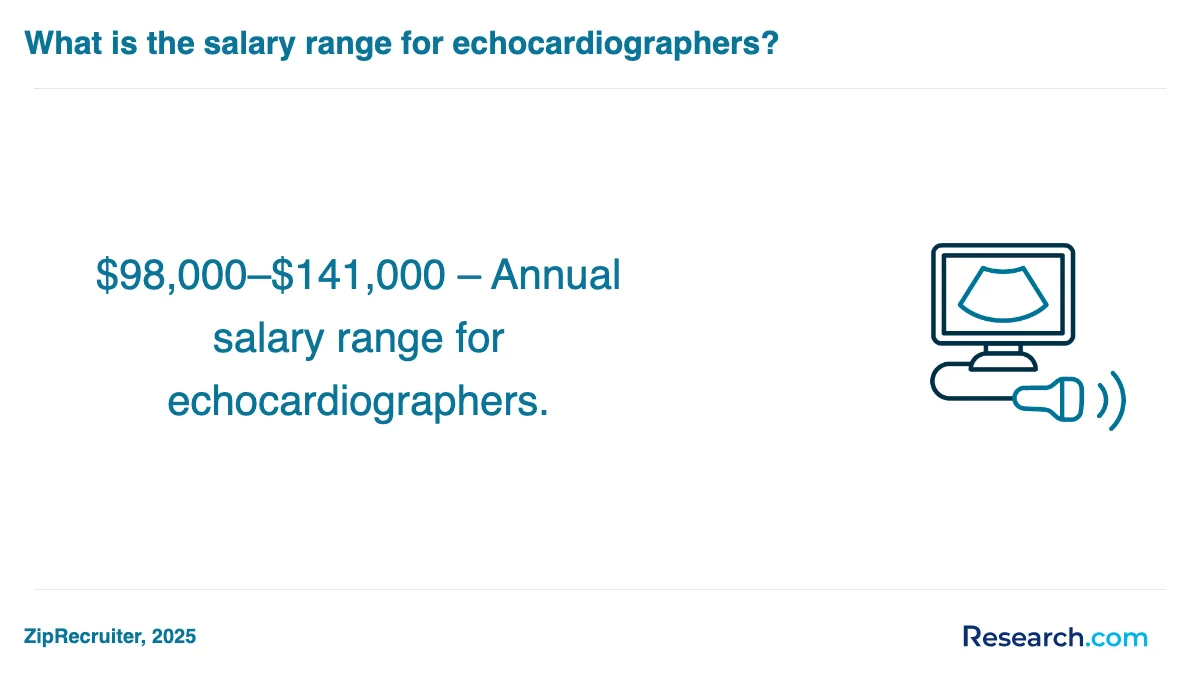
Medical sonographer trade school programs in Omaha immerse students in a rich blend of courses designed to build both confidence and expertise. Graduates often recall hands-on training at institutions like the University of Nebraska Medical Center, where over 1,000 hours of clinical experience complement foundational studies. Core courses typically include:
- Abdominal Sonography: mastering imaging of vital organs such as the liver and kidneys, a skill crucial for diagnosing common yet complex conditions.
- Obstetric and Gynecologic Sonography: students learn to track fetal development and assess female reproductive health, a rewarding course that connects deeply with patient care.
- Vascular Sonography: identifying circulatory issues by imaging veins and arteries, offering a direct impact on patient outcomes.
- Cardiac Sonography: focusing on heart imaging techniques, some Omaha schools provide specialized training in echocardiography.
Beyond technical knowledge, students embrace professionalism and compassionate patient care, preparing them to thrive in real clinical environments. These comprehensive courses ensure Omaha graduates feel capable and ready to meet the demands of a dynamic healthcare field.
Medical sonographer trade school programs in Omaha offer focused specializations that equip graduates with targeted skills for diverse imaging careers. For example, students at the University of Nebraska Medical Center often choose between the General Track, which centers on abdominal and OB/GYN ultrasound, or the Cardiovascular Track, emphasizing heart and vascular sonography. These paths allow students to envision themselves confidently performing fetal monitoring or detailed echocardiograms, experiences many graduates describe as deeply rewarding.
Meanwhile, sonography program specializations Omaha also include options like the Multispecialty Sonography program at Nebraska Methodist College, where trainees master both extended abdominal imaging and obstetrics and gynecology. Graduates frequently share how this broad training prepared them for versatile roles in busy clinical settings.
For those drawn to vascular imaging, the specialized certification at the Vascular Institute of the Americas offers in-depth preparation for diagnosing carotid and peripheral artery diseases, a niche with strong career potential.
These focused programs not only spark passion but also align perfectly with Omaha's healthcare demands, creating pathways toward high paying healthcare careers with short schooling.
Choosing the best medical sonographer trade school program in Omaha starts with verifying accreditation from respected bodies like the Joint Review Committee on Education in Diagnostic Medical Sonography or CAAHEP. Graduates from well-accredited programs often share how this recognition boosted their confidence and opened doors to top employers. In Omaha, schools such as Nebraska Methodist College provide robust clinical training, where students spend hundreds of hours in local hospitals, gaining hands-on experience that feels both challenging and rewarding.
To compare Omaha sonography schools effectively, consider program length and format. Some graduates from accelerated bachelor's tracks at the University of Nebraska Medical Center describe the intense pace as demanding but deeply fulfilling, thanks to extensive supervised clinical hours. This practical exposure enhances skills and readiness for real-world sonography roles.
Understanding curriculum breadth is crucial. Programs covering abdominal, obstetric, vascular, and cardiac sonography tend to produce versatile professionals. Also, explore job placement rates and support services, which can make a significant difference in launching your career. For a comprehensive view of health career options, including sonography, check out this list of medical professions.
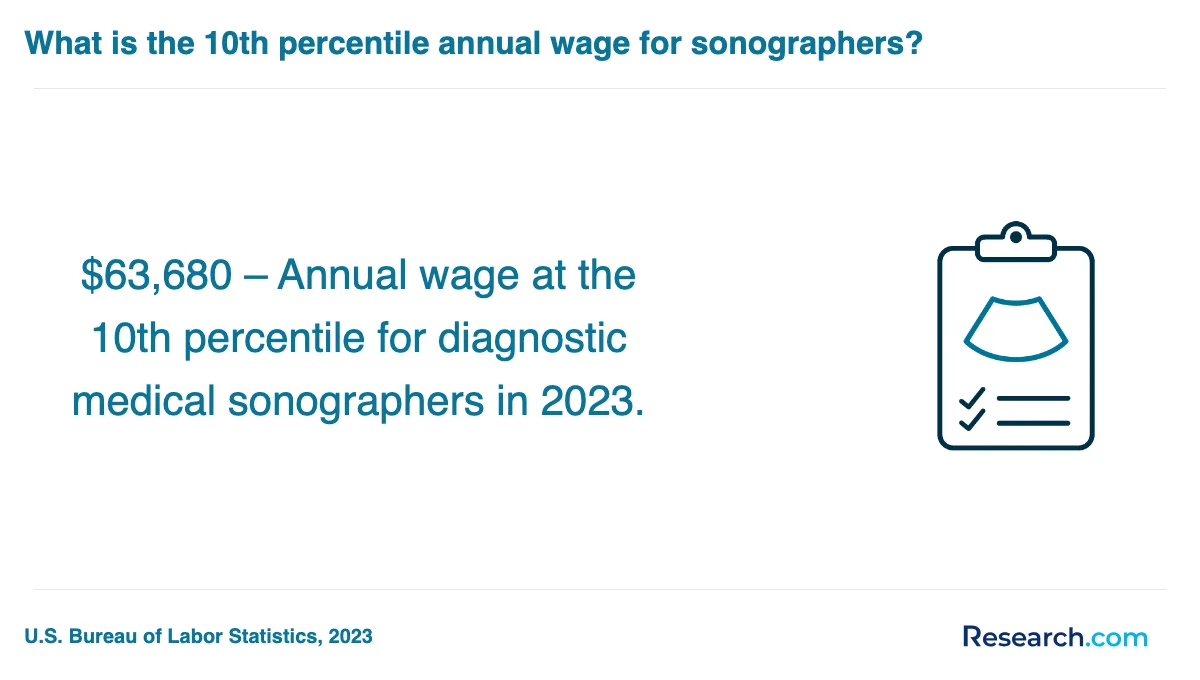
Medical sonographer trade school graduates in Omaha step into a variety of rewarding roles that reflect the city's strong healthcare network. Many find positions as diagnostic medical sonographers in hospitals, outpatient clinics, or women's health centers, where they perform detailed ultrasound imaging to aid in patient diagnoses. Graduates often share how their training at popular Omaha trade schools prepared them for the fast-paced environments of Nebraska Medicine or CHI Health Clinic.
Promising medical sonographer jobs in Omaha Nebraska include specialties such as:
- General sonography in busy hospital settings
- Obstetric and gynecological imaging supporting maternal-fetal care
- Cardiac and vascular ultrasound, including echocardiograms
Beyond clinical practice, graduates explore diverse sonography career opportunities in Omaha, including contributing to research institutes, educating future sonographers, or working in medical equipment application and sales-areas that appeal to those passionate about evolving medical technology.
Travel sonographer roles provide flexible schedules and exposure to multiple healthcare facilities, a path that many graduates find exciting for both experience and income. For students considering where to launch their careers, reviewing programs at well-known local trade schools is key. To explore training options, see this resource on the top best ultrasound technician schools online.
The medical sonographer job outlook Omaha remains strong, reflecting a vibrant healthcare sector eager for skilled graduates from local trade schools. Graduates often share their excitement about landing roles at major employers like Methodist Hospital and Nebraska Medicine, where entry-level starting pay reaches $32.30 per hour. Many find the transition from school to paid professional rewarding, especially when securing positions across various specialties such as vascular, cardiac, and obstetric sonography. These opportunities are not limited to hospitals; outpatient clinics and specialized imaging centers also actively seek certified sonographers, making the job market diverse and accessible.
For those wondering about earning potential, diagnostic medical sonographer salary Omaha can be quite competitive, particularly for roles requiring advanced credentials or travel assignments. Weekly earnings in some OB/GYN sonography positions climb above $2,400. Graduates emphasize the value of completing an accredited program and obtaining ARDMS certification to enhance employability.
Interested students can explore best online associate in sonography programs to prepare effectively for this promising career path.
Most Affordable Diagnostic Medical Sonographer Schools & Training - Budget-Friendly Sonography Trade Programs in Omaha for 2026
# 1 position
Nebraska Methodist College of Nursing & Allied Health - Diagnostic Medical Sonography/Sonographer and Ultrasound Technician.
associateNebraska Methodist College of Nursing & Allied Health offers a Diagnostic Medical Sonography/Sonographer and Ultrasound Technician program with a hybrid format, including some distance education. The program prepares students to operate sonography equipment and gather diagnostic ultrasound data under physician supervision. Instruction covers patient care, data integration, and professional ethics. Accredited by the Higher Learning Commission, the annual in-state tuition is $18,173, and median earnings one year post-completion are $58,162.
# 2 position
Nebraska Methodist College of Nursing & Allied Health - Mammography Technology/Technician.
certificate or diplomaNebraska Methodist College of Nursing & Allied Health offers a Mammography Technology/Technician program that prepares registered radiographers to become registered mammographers. The program covers anatomy and physiology, mammography instrumentation, positioning, procedures, and quality assurance. It is accredited by the Higher Learning Commission. Annual in-state tuition is $18,173. Median earnings of graduates one year after completion are $58,162.
Frequently Asked Questions about medical sonographer
After completing a medical sonographer trade school in Omaha, graduates should focus on obtaining professional certification to improve their job prospects. The American Registry for Diagnostic Medical Sonography (ARDMS) certification is widely recognized and often required by employers. In Nebraska, certified sonographers typically earn a median annual salary of about $70,000, according to the U.S. Bureau of Labor Statistics (BLS) 2023 data.
Networking within local healthcare facilities and attending career fairs in Omaha can open job opportunities. Additionally, developing strong skills in ultrasound technology and patient care is essential. Many employers value hands-on clinical experience gained during training.
Continuing education and staying updated with new sonography techniques can also enhance employability in this competitive field.
Employers in Omaha seek medical sonographer graduates with strong technical skills, including proficiency in operating ultrasound equipment and understanding anatomy. According to the Bureau of Labor Statistics, attention to detail and the ability to produce clear diagnostic images are critical. Communication skills are also highly valued, as sonographers must explain procedures to patients and collaborate with healthcare teams.
Problem-solving abilities and adaptability to new technologies matter due to ongoing advancements in sonography. Additionally, certification from the American Registry for Diagnostic Medical Sonography (ARDMS) significantly improves job prospects in Omaha's competitive healthcare market. Employers prioritize graduates who demonstrate both clinical competence and professionalism.
Finding internships in Omaha relevant to a medical sonographer trade school program involves several key steps. First, students should connect directly with their school's career services, as many programs maintain partnerships with local healthcare facilities. Hospitals such as Nebraska Medicine and CHI Health often offer clinical internships specific to sonography students.
Additionally, checking listings on healthcare job boards like the Nebraska Workforce Development website can reveal available internship opportunities. According to the Bureau of Labor Statistics, the demand for diagnostic medical sonographers in Nebraska is expected to grow by over 10% through 2030, increasing internship availability.
Networking through local professional organizations, such as the Society of Diagnostic Medical Sonography's Nebraska chapter, can also provide internship leads. Early application and maintaining good academic standing are crucial to securing these competitive positions.
A medical sonographer trade school diploma in Omaha significantly enhances career mobility and advancement opportunities. Graduates gain practical skills that meet local healthcare employers' demands, improving employability in hospitals, clinics, and diagnostic centers. According to the Bureau of Labor Statistics, the Omaha metropolitan area expects a 14% growth in diagnostic medical sonography jobs through 2031, higher than the national average.
Completion of a diploma program often leads to eligibility for certification exams, such as those from the American Registry for Diagnostic Medical Sonography (ARDMS), which many employers in Omaha prefer or require. Certified sonographers typically earn higher salaries and have better job security.
Additionally, a diploma can serve as a stepping stone for advanced education or specialization, further promoting career growth in the region's expanding healthcare sector.
Students enrolled in medical sonographer trade schools in Omaha can benefit from part-time jobs that provide relevant healthcare experience. Positions such as medical assistants or patient care technicians in local clinics and hospitals offer practical exposure to medical environments. These roles help develop patient interaction skills and familiarity with medical terminology, which complement sonography training.
Additionally, Omaha's healthcare sector, including facilities like Nebraska Medicine and CHI Health, frequently hires part-time workers. According to the U.S. Bureau of Labor Statistics, the demand for diagnostic medical sonographers in Nebraska is expected to grow by 18% from 2020 to 2030, indicating strong job prospects.
Working as a medical receptionist or in medical records can also enhance administrative skills important for sonographers.
Yes, there are affordable Medical Sonographer degree programs available near Omaha, NE. Research.com is a helpful resource to explore and compare the costs and offerings of these programs. Many universities and colleges offer these degrees, allowing prospective students to find options that suit their financial and educational needs near me.
- Most Affordable Diagnostic Medical Sonographer Schools & Training - Budget-Friendly Sonography Trade Programs in Springfield for 2026
- Most Affordable Diagnostic Medical Sonographer Schools & Training - Budget-Friendly Sonography Trade Programs in Chicago for 2026
- Most Affordable Diagnostic Medical Sonographer Schools & Training - Budget-Friendly Sonography Trade Programs in Findlay for 2026
- Most Affordable Diagnostic Medical Sonographer Schools & Training - Budget-Friendly Sonography Trade Programs in Cleveland for 2026
- Medical Sonography | Wake Tech https://www.waketech.edu/programs-courses/credit/sonography
- How To Become A Sonographer - ARDMS https://www.ardms.org/how-to-become-a-sonographer/
- Diagnostic Medical Sonography https://www.sait.ca/programs-and-courses/diplomas/diagnostic-medical-sonography
- Sonography Program | New York School of Career and Applied Studies | Touro University https://nyscas.touro.edu/academics/sonography/
- Diagnostic Medical Sonography https://www.mchs.edu/academics/associate-degrees/diagnostic-medical-sonography/
- Diagnostic Medical Sonography Associate Degree Program https://pmi.edu/on-campus-programs/associate/diagnostic-medical-sonography/
- Accredited Diagnostic Medical Sonography Programs | CBD College https://www.cbd.edu/programs/diagnostic-medical-sonography/
- Diagnostic Medical Sonography - Ivy Tech Community College https://www.ivytech.edu/programs/all-academic-programs/school-of-health-sciences/diagnostic-medical-sonography/
- Diagnostic Medical Sonography | Maricopa Community Colleges https://www.maricopa.edu/degrees-certificates/health-sciences/diagnostic-medical-sonography-3656-aas
- Diagnostic Medical Sonography Program | College of Southern Nevada https://www.csn.edu/schools/school-of-health-sciences/department-of-health-related-professions/diagnostic-medical-sonography-program


