Best Diagnostic Medical Sonographer Training Programs & Trade Schools - Top Sonography Schools in Iowa for 2026

Co-Founder and Chief Data Scientist
Choosing the right medical sonographer trade school in Iowa can feel overwhelming. This article introduces a carefully crafted ranking of medical sonographer trade school programs developed by the Research.com team of data scientists. It aims to help you make an informed decision about which programs truly stand out.
Getting a diploma or certification in this field opens doors to rewarding career opportunities in healthcare. By exploring this guide, you’ll discover programs that fit your goals and set you up for success.
Take the first step toward a fulfilling future in medical sonography with confidence and clarity.
Key benefits of finishing medical sonographer trade school in Iowa
- Graduates of medical sonographer trade schools in Iowa can expect competitive salaries, with averages around $60,350 for entry-level positions and up to $85,000 annually for those with experience and certifications.
- Career paths often include roles like diagnostic medical sonographer, ultrasound technician, or specialized sonography areas, offering diverse opportunities in hospitals, clinics, and diagnostic centers.
- Completing a medical sonographer trade school online provides flexibility and convenience, allowing students to balance work and study while gaining practical skills, as seen in successful graduates from popular Iowa programs.
- Best Diagnostic Medical Sonographer Training Programs & Trade Schools - Top Sonography Schools in Iowa for 2026
- What can I expect from medical sonographer trade schools in Iowa?
- Where can I work after finishing medical sonographer trade schools in Iowa?
What can I expect from medical sonographer trade schools in Iowa?
Enrolling in a medical sonographer trade school program in Iowa means diving into a blend of rigorous classroom learning and hands-on clinical experience. Graduates from institutions like Iowa Central Community College and Allen College often describe their journey as both challenging and rewarding. Expect to study core subjects such as anatomy, physiology, and sonographic physics, which provide the foundation for understanding how to operate ultrasound equipment effectively.
Clinical rotations are a defining feature of these programs, sometimes requiring travel up to 300 miles from campus, as noted by Allen College students. These immersive practicums, often demanding a 40-hour week, expose students to diverse ultrasound specialties, from abdominal scans to vascular imaging, fostering confidence in real-world settings.
Many students appreciate the balance of theory and practice, feeling prepared to face the demands of hospitals and imaging centers across Iowa. The opportunity to sit for the ARDMS certification exam upon graduation adds a tangible goal that motivates learners throughout their studies.
Where can I work after finishing medical sonographer trade schools in Iowa?
After completing a medical sonographer trade school program in Iowa, graduates often find themselves stepping confidently into diverse healthcare settings. Many recall their first roles in bustling urban hospitals in Des Moines or Cedar Rapids, performing critical ultrasound exams that directly impact patient care. These experiences quickly build both skill and confidence, especially when working alongside seasoned Ultrasound Technologists. Others share stories of joining outpatient clinics or OB/GYN practices, where the focus on obstetric and gynecologic imaging creates a close connection with expectant mothers, bringing rewarding moments that make the work feel truly meaningful.
Some graduates embrace travel sonography, enjoying the excitement of short-term assignments across Iowa's varied communities, from rural hospitals to specialty diagnostic centers. This path not only offers higher pay but broadens clinical expertise in ways classroom training alone can't match. Graduates from well-known Iowa trade schools often highlight how ARDMS certification earned during their studies opens doors to these opportunities, fueling their enthusiasm for a dynamic, impactful career.
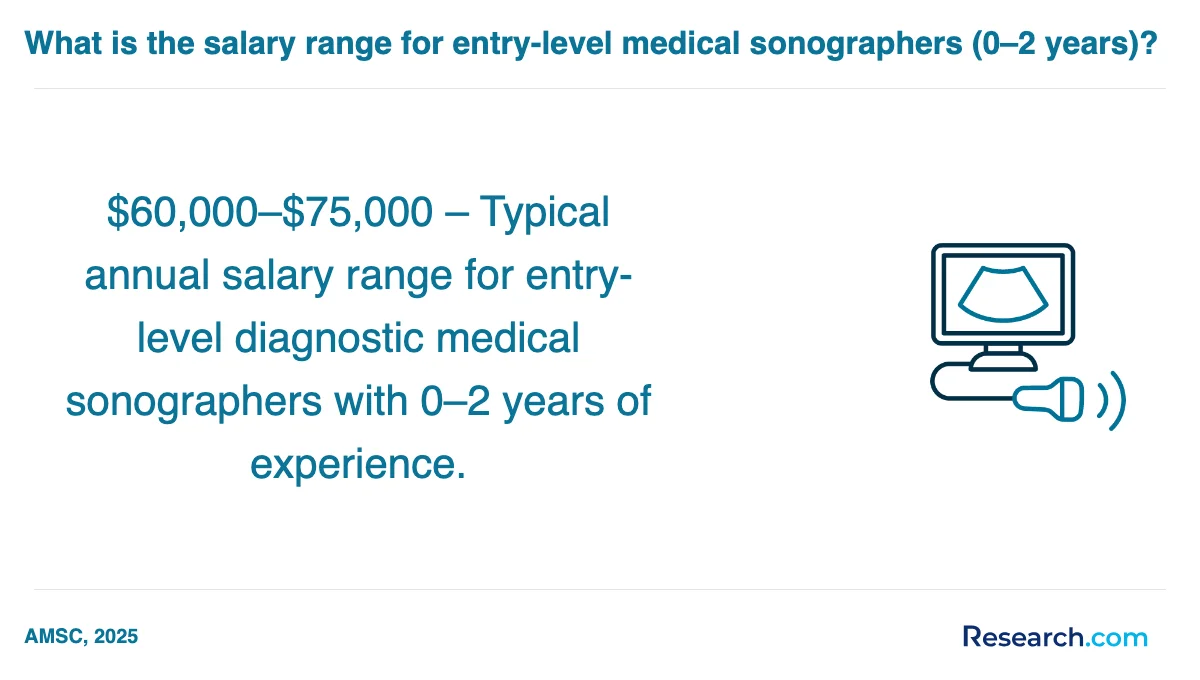
Graduates of medical sonographer trade schools in Iowa often find themselves stepping into a career with strong earning potential right from the start. Many report beginning salaries around $65,000 per year, a figure that feels rewarding after the effort invested in programs at popular schools like Des Moines Area Community College or Hawkeye Community College. One recent graduate shared how landing a role at a local outpatient care center came with a paycheck comfortably above the state average, fueling excitement about their future.
With experience, those initial salaries can climb impressively. Seasoned sonographers in Iowa regularly earn up to $98,000 annually, and some specialized or travel roles push beyond $100,000. Imagine transitioning from entry-level work to commanding a higher wage within a few years, making the investment in trade school feel even more worthwhile.
Hourly rates around $49.71 also give flexibility, especially for those balancing part-time roles or seeking specialized shifts. Many graduates highlight how their education opens doors to diverse employers-from major health systems to specialized clinics-each offering competitive pay and career growth. This real-world payoff makes pursuing a sonography trade school in Iowa a compelling choice for anyone ready to turn passion into a prosperous profession.
- Applicants need a high school diploma or equivalent, with some programs requiring a minimum GPA of 2.5 or specific test scores.
- Most programs in Iowa offer an Associate or Bachelor's degree in Diagnostic Medical Sonography, taking two to three years to complete.
- Clinical training requires full-time weekday participation and students must manage their own transportation and housing during rotations.
- In-state tuition at community colleges ranges from $6,000 to $8,000 per year, with total costs up to $20,000; four-year programs generally cost more.
- Graduates can take the ARDMS certification exam, and starting salaries in Iowa typically range from $60,000 to $70,000 annually.
Completing a medical sonographer trade school program in Iowa typically takes about 18 to 24 months, depending on the school and whether you attend full-time or part-time. Graduates from well-known Iowa trade schools often share how this timeframe felt just right-long enough to gain essential hands-on experience but short enough to start their careers quickly. Imagine balancing study with real clinical practice, learning to operate ultrasound equipment, and interpreting images, all within two years. This pace keeps motivation high and the learning dynamic.
Many students appreciate that Iowa's programs emphasize practical skills, making those months intensely rewarding. Some graduates describe their time in school as a transformative journey where they quickly moved from classroom lessons to real patient interactions. For those eager to enter the workforce without years of delay, Iowa's focused programs offer an energizing path that feels achievable and fulfilling.
The key difference between online and on-campus medical sonographer trade school programs in Iowa lies in how students experience their education and clinical training. Graduates from Allen College or the University of Iowa often recall the intensity of attending in-person classes combined with hands-on labs and full-time clinical practicums. These on-campus programs demand physical presence, sometimes requiring travel up to 300 miles for clinical rotations, creating a deeply immersive learning environment that builds confidence in real-world scanning skills.
Conversely, students pursuing online coursework appreciate the flexibility to study anatomy and sonographic principles remotely, making it easier to balance family or work commitments. Yet, even online learners must complete in-person clinical hours at approved healthcare sites, mirroring the full-time, hands-on experience of their on-campus peers. This hybrid model challenges students to manage travel and rigorous schedules but offers the best of both worlds-remote learning convenience paired with essential practical training.
Understanding the average tuition fees for sonography programs in Iowa is crucial for anyone considering a career in this rewarding field. For example, graduates from the University of Iowa often share how the in-state tuition of around $11,283 per year made their journey demanding but worthwhile, while out-of-state students faced higher costs near $33,371 annually. Such varied tuition rates reflect the differences between public universities and community colleges, highlighting the importance of financial planning.
Trade schools like Mercy College of Health Sciences in Des Moines provide another perspective-charging about $8,800 per term, which some graduates describe as a balanced cost that allows them to stay focused on their studies without overwhelming debt. On the more affordable end, many students have found Eastern Iowa Community College District's average net price of $10,650 reassuring, especially for families earning above $110,000 annually, offering an accessible option without sacrificing program quality.
Beyond tuition, graduates commonly emphasize several additional expenses, such as books, supplies, liability insurance, and travel to clinical sites-an unavoidable reality for hands-on learning. Iowa Central Community College students often recount budgeting carefully for trips to and from clinics, which usually require attendance three days per week. This practical experience brings valuable skills but also extra costs that prospective students must consider within the overall cost of diagnostic medical sonography education in Iowa.
Choosing to study in Iowa's medical sonographer trade schools opens doors not only to professional fulfillment but also to various different types of radiology jobs, making the investment feel meaningful for many graduates eager to start their careers.

For medical sonographer students attending popular Iowa trade schools like Des Moines Area Community College or Hawkeye Community College, financial aid often starts with the FAFSA®-a crucial step to unlock federal and state support. Graduates frequently share how the Pell Grant, offering up to $6,895 annually, made a tangible difference in managing tuition costs, allowing them to focus on mastering sonography skills rather than worrying about bills.
Beyond federal grants, the Iowa Tuition Grant and Last-Dollar Scholarship stand out. One graduate recounted how, with an aid package that nearly covered tuition, the Last-Dollar Scholarship filled the remaining gap, letting them attend tuition-free. This program specifically targets high-demand fields like sonography, easing the path for students with a Student Aid Index of $20,000 or less.
Private scholarships, such as the Society of Diagnostic Medical Sonography Student Scholarship and the Ultrasound Schools Info Scholarship, also provide meaningful boosts. Iowa Workforce Development's $3 million Healthcare Credentialing Grant further supports hands-on learning and tuition aid, proving that financial obstacles can be overcome with the right resources and determination.
To enroll in a medical sonographer trade school program in Iowa, applicants typically need a high school diploma or GED as a baseline. Many graduates recall the initial hurdle of meeting these fundamental academic requirements, which set the stage for hands-on learning and technical skill development.
Beyond basic education, schools often require prerequisites such as:
- Completion of courses in anatomy, physiology, and medical terminology
- Proof of proficiency in math and science, particularly biology and physics
- Background checks and immunization records for clinical placements
- Basic healthcare certifications like CPR
Trade schools in Iowa, known for their immersive programs, emphasize these prerequisites because they ensure students are prepared for the demanding clinical environments. Graduates often describe feeling confident entering clinical rotations thanks to this solid foundation.
One graduate shared how the prerequisite courses gave them an early glimpse into patient care, making the transition from classroom to clinical setting smoother and more rewarding. This preparation fosters a sense of accomplishment and eagerness to excel in the fast-paced world of medical sonography.
Medical sonographer trade school programs in Iowa immerse students in a diverse range of courses that build both knowledge and confidence. Graduates from popular Iowa trade schools often recall the intensity and reward of mastering core sciences like anatomy, physiology, and pathology, which form the backbone for understanding the human body in clinical imaging.
Hands-on learners thrive during specialized classes in sonographic physics and instrumentation, where they discover how ultrasound machines operate and how to capture crystal-clear images. This technical know-how transforms abstract concepts into practical skills, often described by former students as the moment when theory truly clicks.
- Abdominal, obstetric/gynecologic, and vascular sonography courses teach precision in scanning different body regions, preparing students to face real patients with empathy and expertise.
- Patient care and professional ethics classes emphasize compassionate communication and ethical medical practice, a favorite among those who value meaningful patient interactions.
- Diagnostic image review and case studies sharpen critical thinking, enabling students to interpret sonographic findings confidently, just like Iowa graduates who feel ready for clinical challenges.
These courses, combined with rigorous clinical practicums, create a transformative educational journey that many Iowa students describe as both challenging and deeply fulfilling.
Medical sonographer trade school programs in Iowa offer a variety of specializations that prepare students for rewarding careers. Many graduates recall how mastering General and Vascular Sonography gave them confidence in imaging obstetrical, abdominal, pediatric, and vascular cases, making their daily work both challenging and fulfilling. Others were drawn to the Cardiac and Vascular Sonography track, which sharpened their skills in echocardiography and vascular diagnostics-critical areas in heart and blood vessel care.
These programs often allow students to tailor their education through elective courses in areas like breast sonography or fetal cardiac sonography, expanding their expertise beyond core requirements. Popular trade schools in Iowa have reported that hands-on practice and personalized mentorship helped their students feel ready to pursue national certification exams with enthusiasm.
Students typically explore these key specializations to enhance their career prospects:
- General and Vascular Sonography
- Cardiac and Vascular Sonography
- Abdominal Sonography
- Obstetrical and Gynecological Sonography
- Pediatric Sonography
- Vascular Technology
- Breast Sonography
For those aiming to become an ultrasound technician, Iowa's trade schools provide a practical pathway embedded with real-world experiences that make learning relevant and exciting.
When selecting one of the best medical sonography programs in Iowa, accreditation is non-negotiable. Graduates from the University of Iowa's CAAHEP-accredited programs often share how this ensures they felt confident tackling certification exams and stepping into clinical roles. Their firsthand experiences reveal that specialized tracks, like cardiac and vascular sonography, equipped them with deeper expertise and versatility in the job market.
Choosing a program with robust clinical rotations is equally important. Many top-rated sonography schools in Iowa, such as Eastern Iowa Community College District, offer diverse hands-on opportunities in departments ranging from Radiology to Obstetrics. Graduates frequently emphasize how these real-world experiences made their transition from classroom to hospital seamless and rewarding.
Don't overlook job placement rates and financial aid availability, as these impact both your career trajectory and peace of mind. Schools with strong industry connections, like Mercy College of Health Sciences, help graduates secure positions quickly. Furthermore, exploring tuition costs alongside aid options can make a significant difference. If you're curious about how this career stacks up against other medical fields, check out the highest paying medical jobs to understand long-term rewards.
Graduates of medical sonographer trade school programs in Iowa find a variety of career opportunities for medical sonographers in Iowa that extend beyond entry-level roles. Many step directly into positions as diagnostic medical sonographers or ultrasound technicians at local hospitals, clinics, and imaging centers. These roles offer the satisfaction of hands-on patient care combined with technological expertise, as shown by graduates from popular community colleges who praise the real-world skills gained during their training.
Beyond general sonography, specialization opens new doors. Common sonography specialties and advancement in Iowa include abdominal imaging, vascular technology, and obstetrics and gynecology. For example, many graduates from top trade schools tailor their careers toward women's imaging, finding fulfilling roles diagnosing prenatal health. Advanced certifications in these areas often bring increased responsibility and higher salaries.
Career paths also include leadership roles, such as supervisory positions in imaging departments, or educational roles training the next generation of technicians. Some graduates transition into medical equipment sales, leveraging clinical insights to support clients. Others expand their Healthcare impact by pursuing further education to become nurse practitioners or physician assistants.
For those exploring flexible options, accelerated ultrasound tech programs online can complement Iowa training, speeding career growth in this stable, rewarding field.
The medical sonographer job openings in Iowa are plentiful, reflecting a strong demand for skilled graduates from trade school programs. Those completing popular local programs often share how their training directly prepared them for roles across hospitals, clinics, and specialty practices statewide. Employers prize graduates who hold certifications recognized by leading organizations, opening doors to positions in diverse fields such as obstetrics, cardiovascular imaging, and vascular technology.
Graduates frequently report entering a job market that values flexibility, with part-time, full-time, and overnight shifts available to match varied lifestyles. The diagnostic medical sonographer employment outlook Iowa offers extends beyond clinical work, with opportunities in teaching and advanced diagnostics as well.
To navigate this vibrant job landscape, many rely on accredited programs with comprehensive curriculums-seeking a diagnostic medical sonography program that ensures certification and practical readiness. This blend of certification and hands-on experience is a critical factor in securing competitive, fulfilling roles and thriving in Iowa's healthcare sector.
Best Diagnostic Medical Sonographer Training Programs & Trade Schools - Top Sonography Schools in Iowa for 2026
# 1 position
Eastern Iowa Community College District - Diagnostic Medical Sonography/Sonographer and Ultrasound Technician.
associateThe Diagnostic Medical Sonography/Sonographer and Ultrasound Technician program at Eastern Iowa Community College District offers a hybrid format with some distance education options. It prepares students to operate sonography equipment and gather diagnostic ultrasound data under physician supervision. The program includes training in patient care, data processing, and professional ethics. Annual in-state tuition is $4,680. Graduates have median earnings of $42,927 one year after completion. The program is accredited by the Higher Learning Commission.
# 2 position
Mercy College of Health Sciences - Diagnostic Medical Sonography/Sonographer and Ultrasound Technician.
associateThe Diagnostic Medical Sonography/Sonographer and Ultrasound Technician program at Mercy College of Health Sciences offers hybrid learning options. It trains students to use ultrasound technology for diagnosing medical conditions under physician supervision. The curriculum covers patient care, sonographic data processing, and professional ethics. The program is accredited by the Higher Learning Commission. Annual in-state tuition is $17,328, and median earnings one year after completion are $55,912.
# 3 position
St Luke's College - Diagnostic Medical Sonography/Sonographer and Ultrasound Technician.
certificate or diplomaSt Luke's College offers a fully online program in Diagnostic Medical Sonography/Sonographer and Ultrasound Technician. The curriculum trains students to use medical ultrasound techniques for diagnosing various conditions, including patient care, data processing, and professional ethics. The program is accredited by the Higher Learning Commission. Annual in-state tuition is $20,940.
# 4 position
St Luke's College - Mammography Technology/Technician.
certificate or diplomaSt Luke's College offers a fully online Mammography Technology/Technician program designed to prepare registered radiographers for certification as registered mammographers. The curriculum covers anatomy and physiology, mammography instrumentation, positioning, procedural principles, and quality assurance. The program is accredited by the Higher Learning Commission. Annual in-state tuition is $20,940.
# 5 position
Allen College - Diagnostic Medical Sonography/Sonographer and Ultrasound Technician.
certificate or diplomaAllen College offers a Diagnostic Medical Sonography/Sonographer and Ultrasound Technician program with a hybrid format that includes some distance education. The program trains students to use medical ultrasound techniques for diagnostic purposes under physician supervision. Instruction covers patient care, sonographic data processing, and professional ethics. The annual in-state tuition is $20,444. This program is accredited by the Higher Learning Commission.
Frequently Asked Questions about medical sonographer
After completing a medical sonographer trade school in Iowa, preparing for the job market involves several key steps. First, graduates should obtain American Registry for Diagnostic Medical Sonography (ARDMS) certification, as employers often require it. Iowa's healthcare sector is growing, with the Iowa Workforce Development estimating a 12% increase in sonography jobs through 2030. Networking is essential; students should attend local healthcare job fairs and connect with professionals through organizations like the Iowa Society of Radiologic Technologists. Additionally, gaining experience through internships or clinical rotations enhances employability. Staying informed about technological advances and continuing education opportunities also supports career growth in this evolving field.
Employers in Iowa prioritize several key skills when hiring graduates from medical sonographer trade schools. Technical proficiency with ultrasound equipment is essential, as accurate imaging directly impacts patient diagnosis. According to the Iowa Department of Labor, strong attention to detail and the ability to follow precise protocols are critical for safety and effectiveness.
Communication skills also rank highly. Sonographers must explain procedures clearly to patients and collaborate with healthcare teams. The Bureau of Labor Statistics highlights that interpersonal skills improve patient comfort and workflow efficiency.
Additionally, employers seek graduates with basic knowledge of anatomy and physiology to interpret images correctly. Problem-solving abilities and adaptability are valued due to rapidly evolving medical technologies. These skills collectively enhance job readiness in Iowa's healthcare settings.
Finding internships relevant to medical sonographer trade school programs in Iowa involves several practical steps. Start by contacting the career services or clinical coordinators at your chosen trade school, as many programs have established partnerships with local healthcare facilities. The Iowa Department of Public Health and the Iowa Hospital Association provide resources and directories that list hospitals and clinics offering clinical training.
Many sonography programs require a set number of clinical hours, often fulfilled through internships at hospitals, diagnostic imaging centers, or outpatient clinics. Larger Iowa cities like Des Moines and Cedar Rapids typically have more opportunities. According to the Bureau of Labor Statistics, Iowa's healthcare sector continues to grow, increasing demand for clinical training placements.
Networking through professional organizations, such as the Iowa Society of Radiologic Technologists, can also help connect students to internship openings. Early preparation and proactive communication with potential sites are key to securing a relevant position.
Obtaining a medical sonographer trade school diploma in Iowa significantly enhances career mobility and advancement opportunities. According to the Iowa Workforce Development, the demand for diagnostic medical sonographers is expected to grow by 19% through 2030, faster than the average for all occupations. A diploma equips students with essential clinical skills and often meets state certification prerequisites, which employers prioritize. This credential allows graduates to qualify for entry-level positions in hospitals, clinics, and diagnostic labs across the state.
Furthermore, diploma holders can pursue specialized certifications from organizations like the American Registry for Diagnostic Medical Sonography (ARDMS), boosting their qualifications and earning potential. Data from the Bureau of Labor Statistics shows median annual wages for sonographers in Iowa exceed $65,000, reflecting strong economic benefits tied to formal training. Thus, completing a trade school program provides a clear pathway for upward mobility within Iowa's healthcare sector.
Students enrolled in medical sonographer trade schools in Iowa can benefit from part-time jobs that build relevant skills and experience. Positions such as ultrasound technician aides or medical assistants in hospitals and clinics provide hands-on exposure to patient care and imaging equipment. These roles help reinforce classroom learning while improving communication and technical abilities.
According to the Iowa Workforce Development, healthcare support roles in the state are projected to grow by 14% over the next decade, indicating increasing opportunities for part-time employment. Additionally, working in diagnostic imaging centers or outpatient care facilities offers practical insights into sonography workflows.
Part-time work in healthcare settings also helps students network with professionals, potentially easing the transition into full-time sonographer roles after graduation.
To find the best Medical Sonographer degree program near Iowa, you can start by searching for accredited universities and colleges with strong allied health programs in your area. Programs near me may include both in-person and hybrid learning options, making it easier to accommodate different lifestyles. Research.com is a helpful resource that provides insights into the reputation and quality of sonography programs near Iowa, assisting in making an informed decision.
- Best Diagnostic Medical Sonographer Training Programs & Trade Schools - Top Sonography Schools in Minnesota for 2026
- Best Diagnostic Medical Sonographer Training Programs & Trade Schools - Top Sonography Schools in Wisconsin for 2026
- Best Diagnostic Medical Sonographer Training Programs & Trade Schools - Top Sonography Schools in Nebraska for 2026
- Best Diagnostic Medical Sonographer Training Programs & Trade Schools - Top Sonography Schools in Missouri for 2026
- Best Diagnostic Medical Sonographer Training Programs & Trade Schools - Top Sonography Schools in Kansas for 2026
- Best Diagnostic Medical Sonographer Training Programs & Trade Schools - Top Sonography Schools in Indiana for 2026
- Best Diagnostic Medical Sonographer Training Programs & Trade Schools - Top Sonography Schools in Michigan for 2026
- Best Diagnostic Medical Sonographer Training Programs & Trade Schools - Top Sonography Schools in Ohio for 2026
- Best Diagnostic Medical Sonographer Training Programs & Trade Schools - Top Sonography Schools in Oklahoma for 2026
- Best Diagnostic Medical Sonographer Training Programs & Trade Schools - Top Sonography Schools in Colorado for 2026
- Application | UCSD Diagnostic Sonography Program https://dmsprogram.health.ucsd.edu/application.html
- Diagnostic Medical Sonography https://www.templecollege.edu/programs/health-professions/diagnostic-medical-sonography/index.html
- Diagnostic Medical Sonography - Ivy Tech Community College https://www.ivytech.edu/programs/all-academic-programs/school-of-health-sciences/diagnostic-medical-sonography/
- Diagnostic Medical Sonography Program in Texas | CHCP https://www.chcp.edu/degrees-certificates/on-campus/diagnostic-medical-sonography-aas-degree/
- Diagnostic Medical Sonography | Polk State College https://www.polk.edu/diagnostic-medical-sonography/
- Sonography Admission - Ultrasound Technician and Sonographer https://www.sanjac.edu/programs/areas-of-study/health/medical-imaging/sonography-admission-info.php
- How To Become A Sonographer - ARDMS https://www.ardms.org/how-to-become-a-sonographer/
- Diagnostic Medical Sonography Program at UCHealth University of Colorado Hospital - UCHealth https://www.uchealth.org/professionals/education-programs/diagnostic-medical-sonography-program-at-university-of-colorado-hospital/
- Ultrasound Technician Schools in Iowa https://www.ultrasoundschoolsinfo.com/iowa/
- Sonography - Diagnostic Medical | EICC https://eicc.edu/classes-programs/pathway/health/sonography-medical/default.aspx